




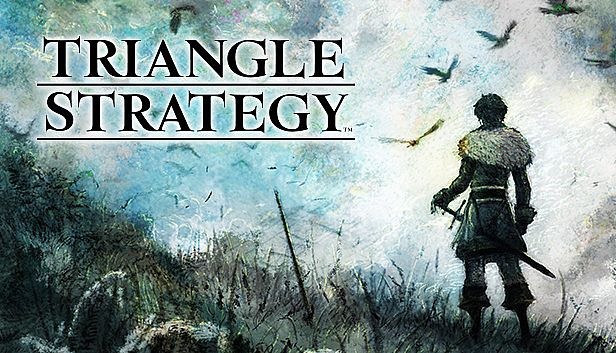










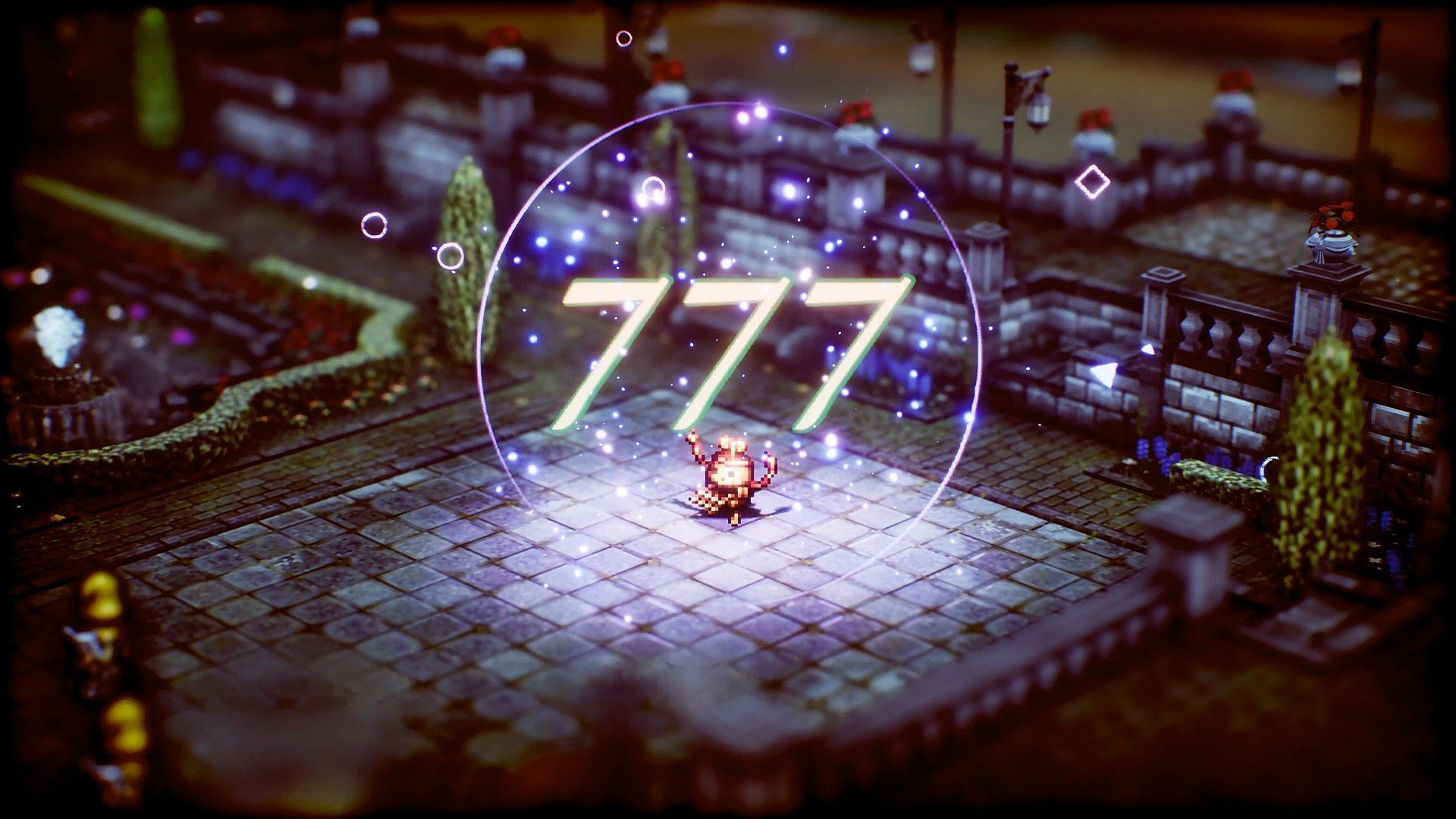
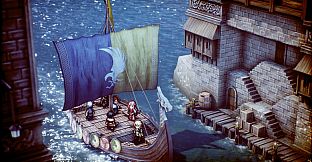
Triangle Strategy is a turn-based tactical RPG that combines grid-based combat with a choice-driven narrative set on the continent of Norzelia. Players control Serenoa Wolffort and a growing roster of allies as political tensions rise among three rival powers. The game emphasizes strategic positioning, resource management, and moral decisions that shape both the story and available companions.
Gameplay
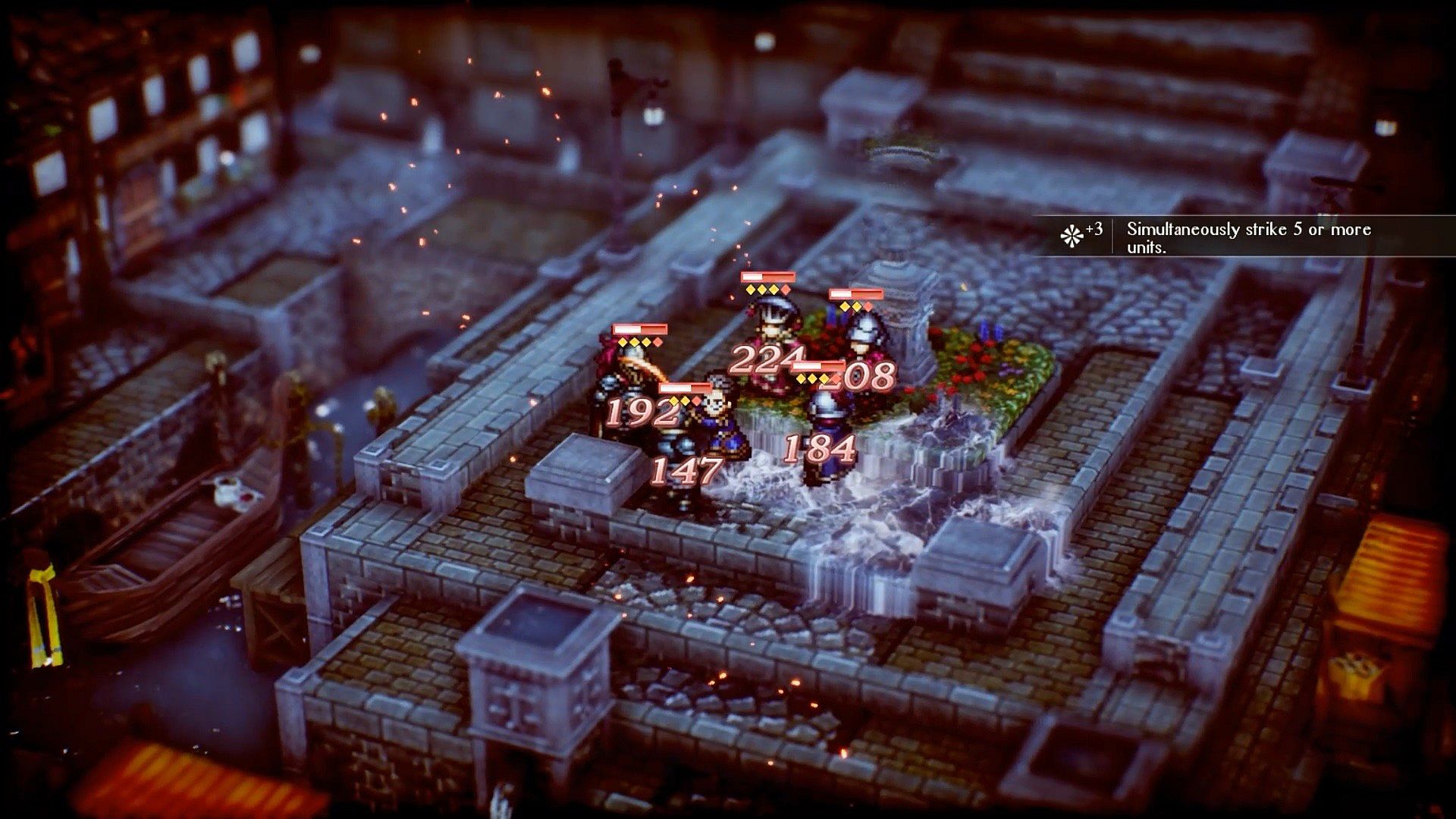
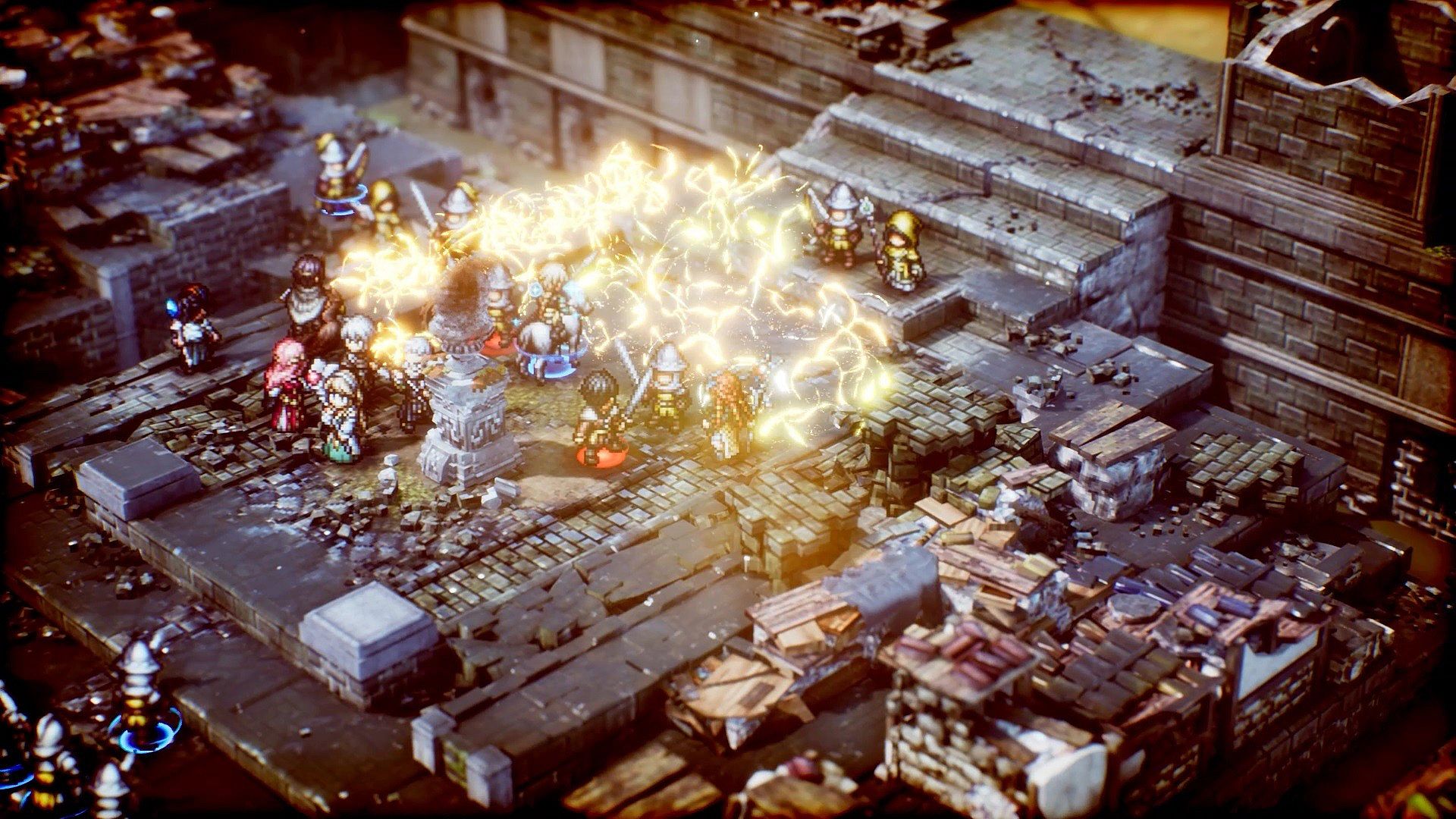
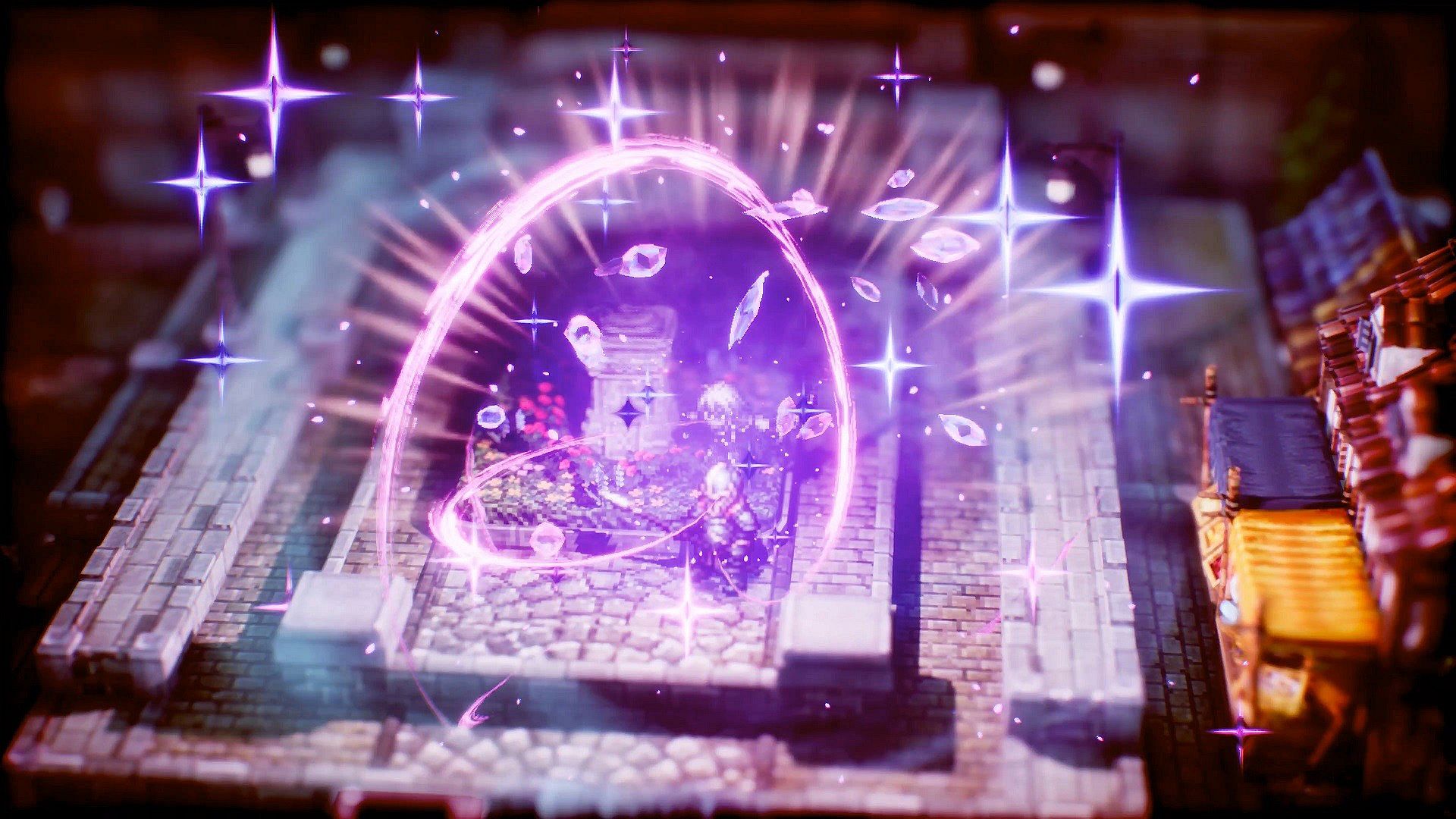
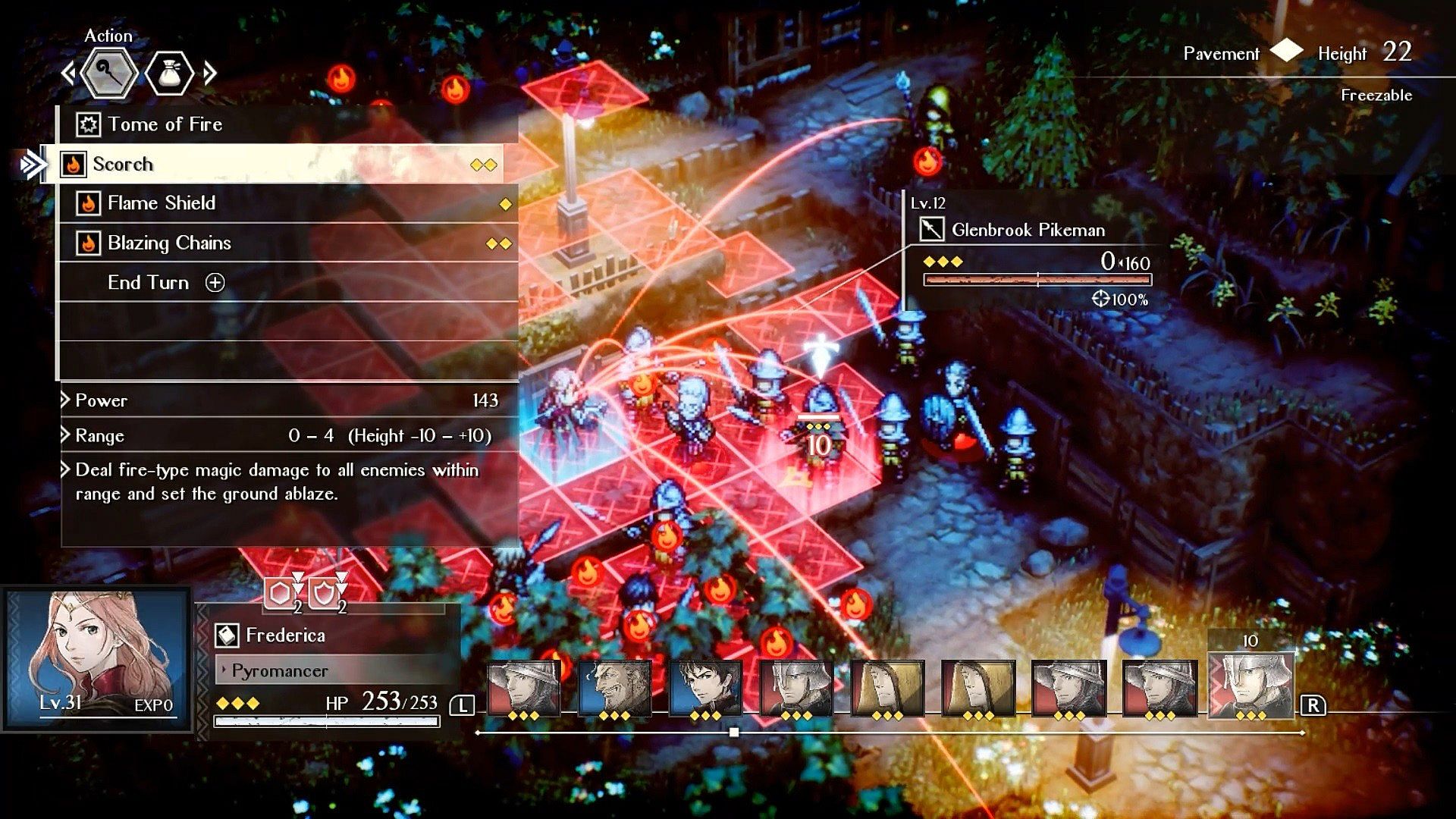
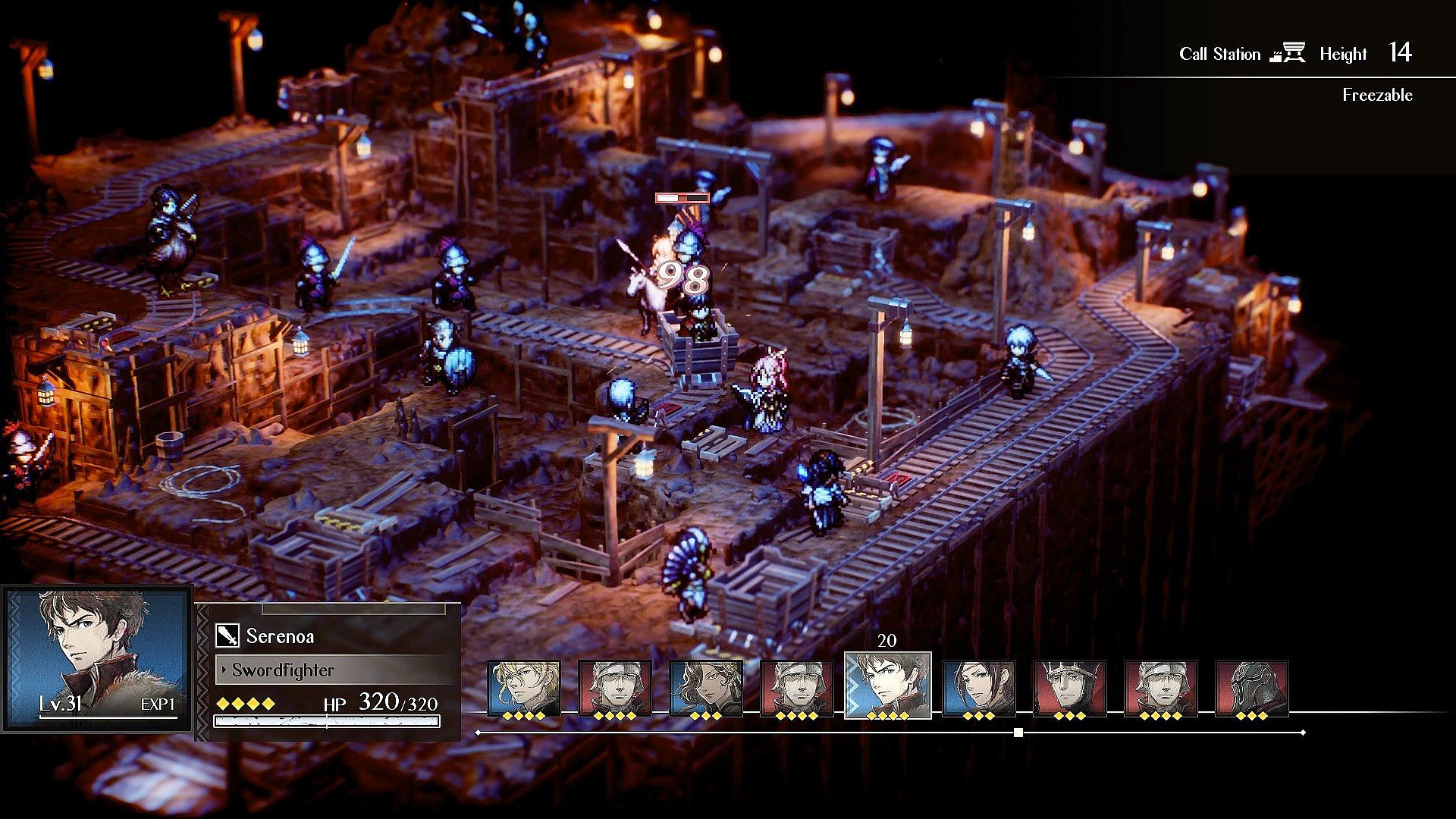
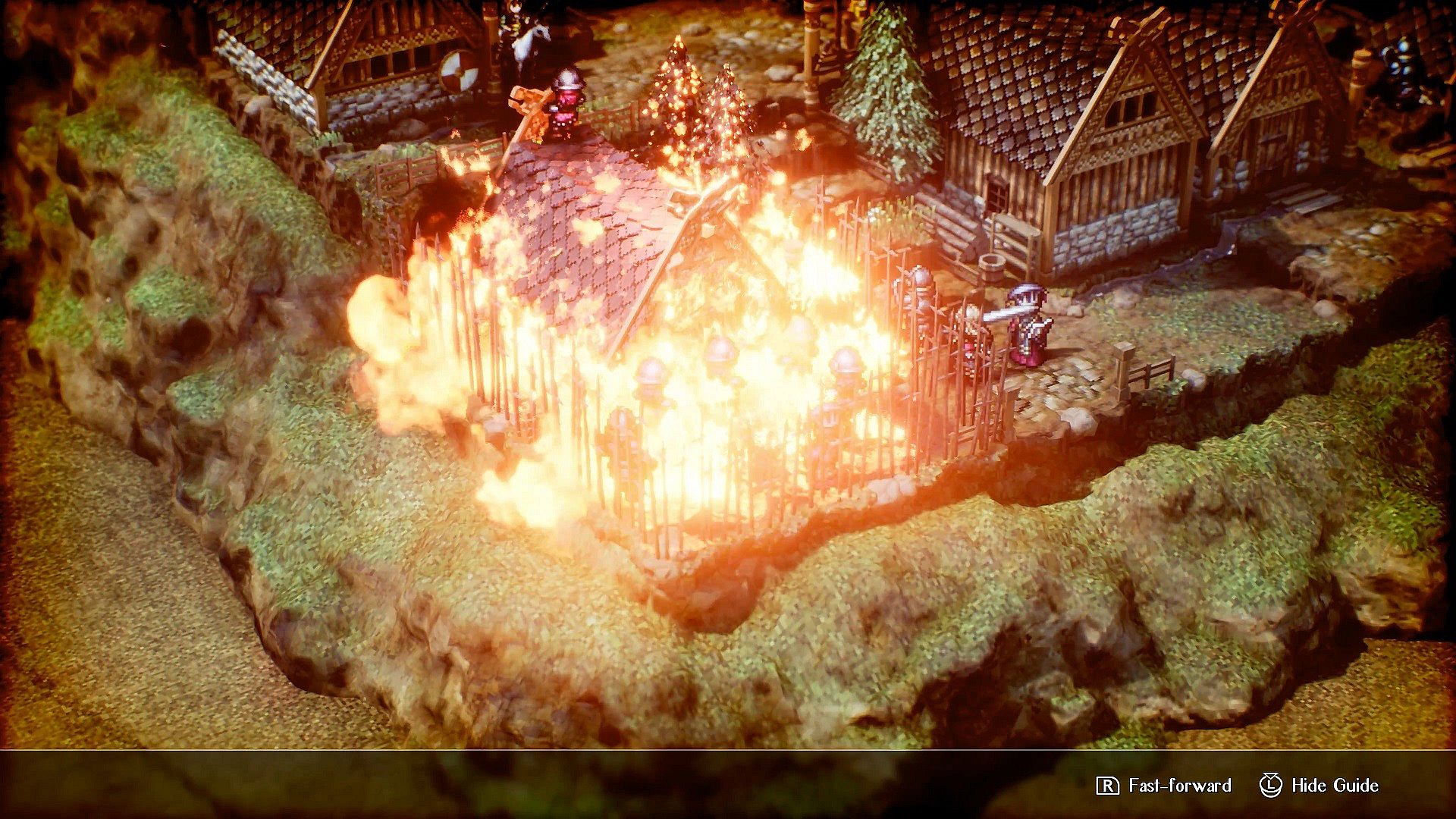
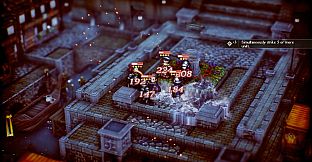
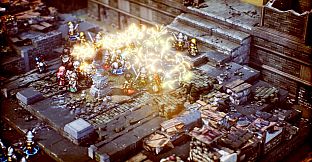
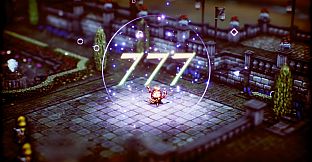
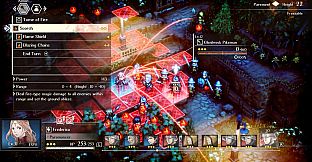
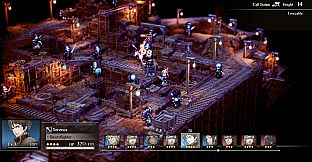
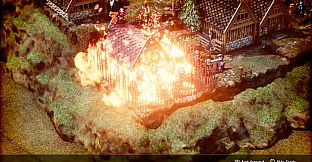
Battles unfold on grid maps where units move according to their speed and range. Each character belongs to a unique class with specific abilities that consume Tactical Points, which recharge gradually each turn. Elevation provides damage bonuses for attacks from higher ground, while flanking an enemy from multiple sides triggers follow-up strikes. Terrain effects such as fire or weather changes can alter movement and line of sight during fights.
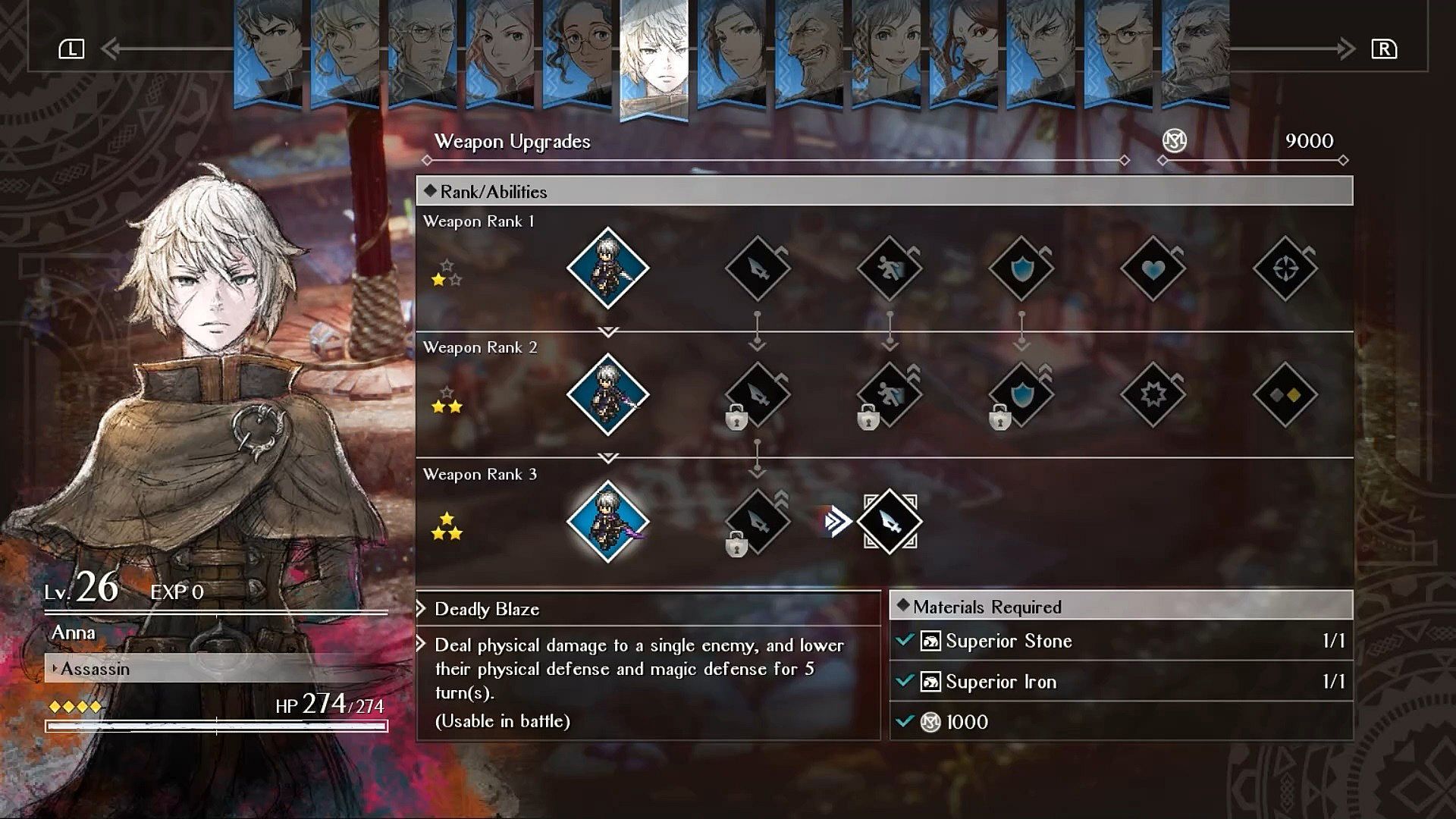
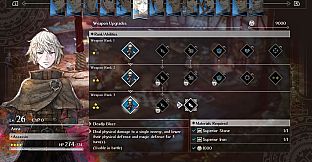
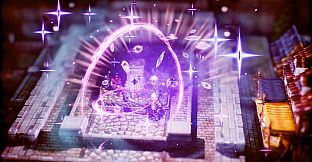
Outside of combat, players explore an encampment to converse with allies, purchase items, and upgrade weapons or promote classes using materials earned in battle. Kudos points collected from strategic feats in missions can be spent on Quietus skills that offer temporary battlefield advantages. Character progression focuses on individual weapon skill trees and attribute improvements rather than broad job changes.
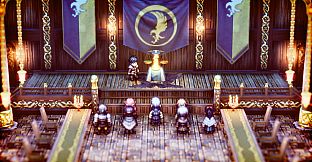
Story decisions feed into three conviction values: Morality, Utility, and Liberty. These hidden parameters track Serenoa's worldview based on dialogue choices, exploration actions, and battle performance. Higher conviction in a given area unlocks persuasion options during key votes and determines which allies join the party on different routes.
Game Modes
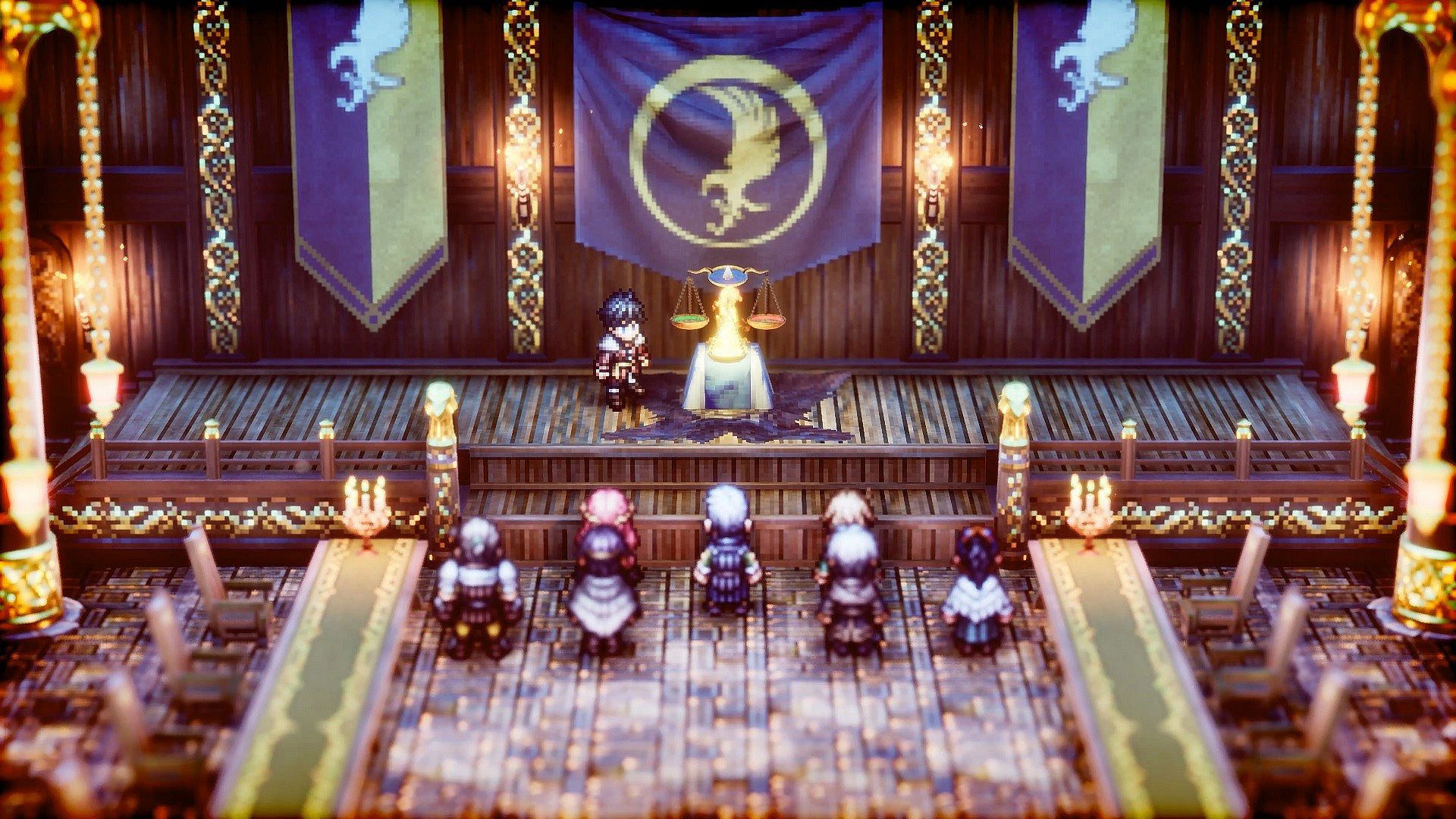
The core experience centers on the single-player campaign, which features multiple branching paths determined by Scales of Conviction votes. At these points, party members discuss options and cast binding votes, with the player able to influence undecided allies through prior conversations and accumulated convictions. Different routes lead to distinct story developments and recruitable units.
New Game Plus becomes available after the first completion and increases overall difficulty while allowing players to carry over progress and experiment with alternative choices. Mock battles and mental mock battles serve as optional practice arenas where units can gain experience and convictions without advancing the main plot. Difficulty levels can be adjusted at any time between Easy, Normal, and higher settings to suit player preference.
Four distinct endings are reachable depending on the combination of convictions and major decisions made across playthroughs. The system encourages multiple campaigns to experience all narrative branches and recruit the full roster of characters.
Story and Setting
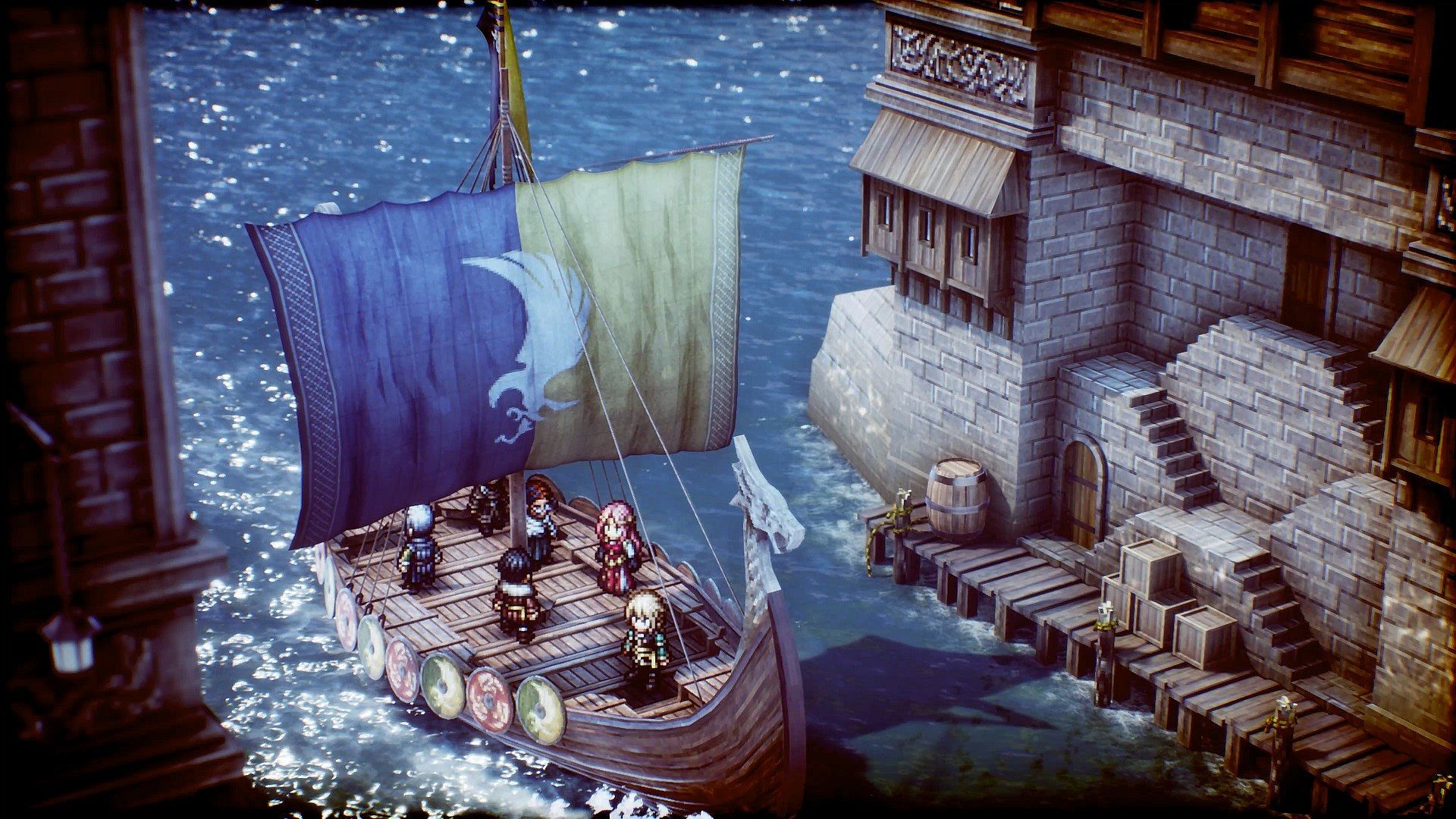
Norzelia is divided among the Kingdom of Glenbrook, the Grand Duchy of Aesfrost, and the Holy State of Hyzante. Longstanding conflicts over salt and iron resources set the stage for shifting alliances and internal power struggles. The narrative explores themes of justice, pragmatism, and freedom through the perspectives of a large cast of characters, each with personal motivations that influence their votes and loyalties.
Exploration segments between battles provide opportunities to gather information from NPCs and objects, which in turn strengthens persuasion attempts during decision phases. The story unfolds through extensive dialogue scenes that detail the political landscape and character backstories.
Is It Worth Playing?
Triangle Strategy appeals primarily to fans of tactical RPGs who value deliberate combat and meaningful narrative choices. Its grid battles reward careful planning with systems like flanking and terrain interaction, while the conviction and voting mechanics create genuine replay value through divergent paths and endings. The game maintains a consistent level of challenge that can be tuned via difficulty options and practice modes.
Reception has been positive overall, with praise directed at the depth of strategy, the weight of decisions, and the visual presentation. Some players note a slower pace due to frequent dialogue, yet the structure supports focused sessions around key battles and votes. On PC it remains a complete single-player package with no ongoing seasonal content, making it suitable for those seeking a self-contained campaign that benefits from multiple completions.
Players who enjoy titles with strong emphasis on party management, moral dilemmas, and grid tactics will find substantial content here. Those preferring faster-paced action or lighter storytelling may find the deliberate pacing less engaging. The availability of adjustable difficulty and New Game Plus supports both newcomers to the genre and veterans looking for additional layers of strategy.


