




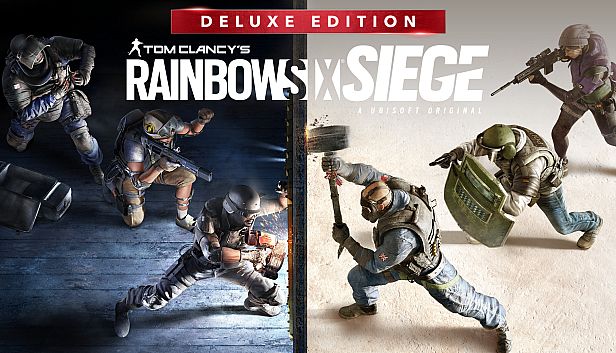



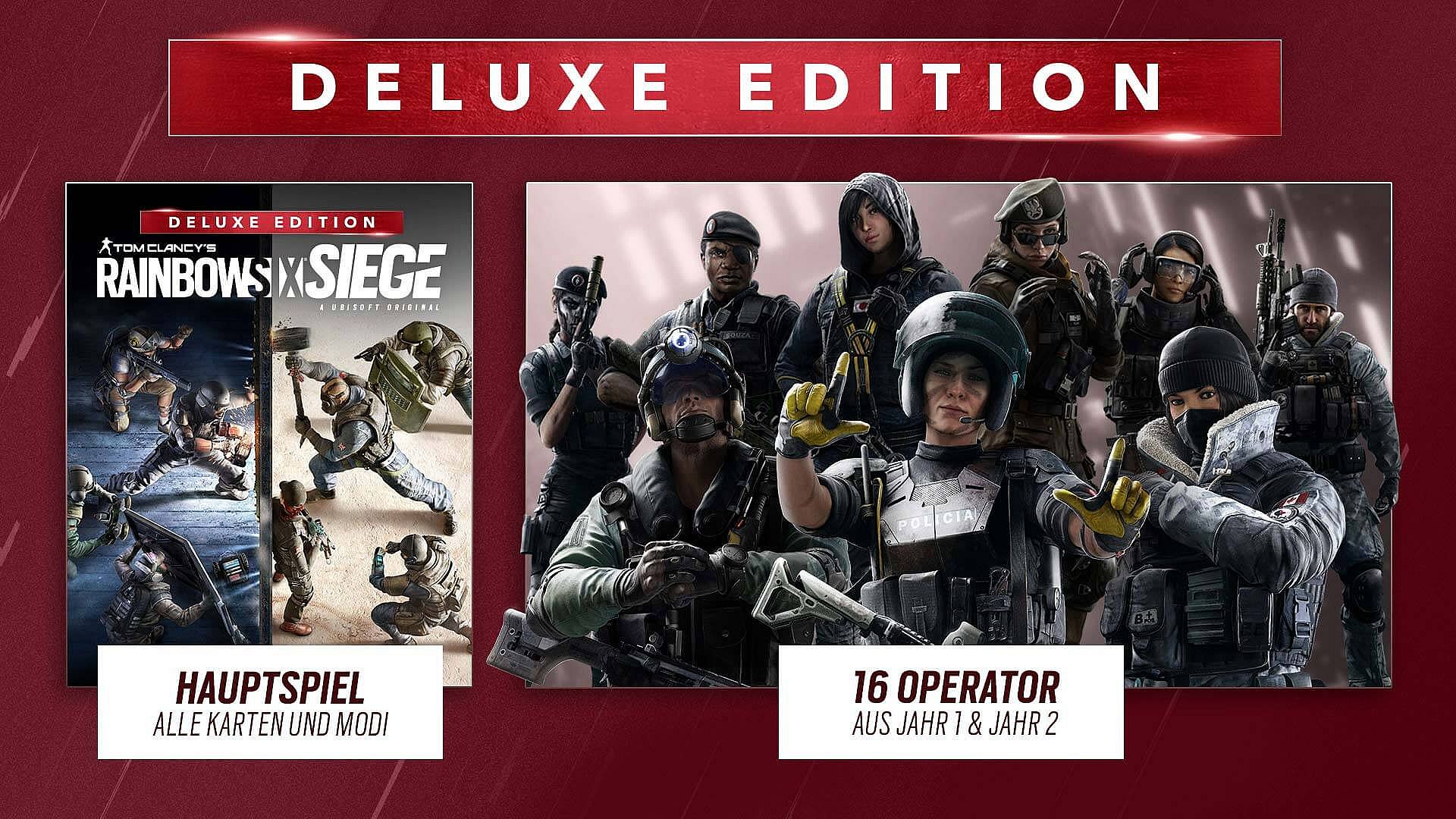
Tom Clancy's Rainbow Six Siege is a tactical first-person shooter centered on team-based multiplayer matches. Players select specialized operators and compete in objective-driven rounds that emphasize planning, gadget use, and environmental interaction over raw firepower.
Gameplay
Matches unfold in distinct phases that shape every round. A preparation phase gives defenders time to reinforce walls, place barricades, and deploy traps while attackers scout with drones to identify objectives and enemy positions. The action phase then pits the teams against each other under a time limit, with victory possible through objective completion or by eliminating the opposing side.
Destruction forms a core system. Players can breach reinforced walls, create new sightlines through floors and ceilings, or collapse sections of the environment to alter map flow. Gadgets tied to individual operators add asymmetry, such as breaching tools for attackers or surveillance devices for defenders. Operators draw from international counter-terrorism units and bring distinct loadouts that reward coordination and adaptation across rounds.
Teams alternate attack and defense roles in most playlists. Vertical play and unexpected entry points reward careful positioning and communication. The emphasis on one-life-per-round tension encourages methodical approaches rather than run-and-gun tactics.
Game Modes
Bomb serves as the primary competitive mode. Attackers must locate and plant a defuser on one of two bomb sites while defenders work to prevent the plant or destroy the device after activation. This mode anchors ranked and unranked playlists.
Hostage places a single hostage in a defended location. Attackers aim to extract the hostage, while defenders must protect or eliminate threats before extraction succeeds. Accidental damage to the hostage can shift round outcomes for either side.
Secure Area requires attackers to enter and control a specific room containing a biohazard container. Defenders hold the position until the timer expires or all attackers are eliminated. Quick Match playlists rotate through these three core objectives.
A newer 6v6 mode called Dual Front expands the format with simultaneous attack and defense sectors on larger maps, incorporating respawns and dynamic events for a different pace.
Operators and Systems
Each operator brings unique gadgets that define playstyles. Attackers focus on breaching and intel gathering, while defenders prioritize fortification and area denial. Team composition matters because abilities interact across rounds, and many playlists include pick-and-ban phases in higher-stakes matches.
Progression unlocks additional operators and loadout options. Training playlists and situational exercises help players learn maps, destruction patterns, and gadget timing before entering competitive queues. The game maintains an active update cycle with seasonal content that refreshes maps, balances operators, and introduces new mechanics.
Is It Worth Playing?
The game suits players who prefer strategic, team-oriented first-person shooters that reward map knowledge and gadget synergy over fast reflexes alone. Its round-based structure and destructible environments create consistent tension across matches.
Long-term support through seasonal updates keeps the experience evolving, with ongoing additions to the operator roster and map refinements. Reception highlights the depth of tactical decision-making and the satisfaction of successful team executions. Those who enjoy learning complex systems and adapting to opponents will find sustained engagement, while players seeking simpler arcade-style action may prefer other titles.

