




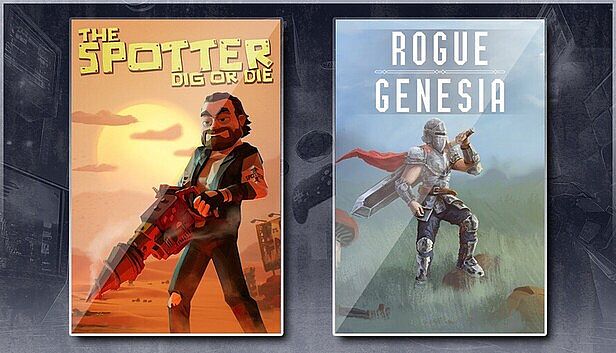




The Spotter: Dig or Die mistura ação, estratégia e simulação em uma experiência single-player para PC. O jogador assume o papel do último Spotter em um posto de gasolina abandonado em Nevada: durante o dia, o foco está na coleta de recursos, enquanto à noite a prioridade muda para a defesa contra ondas de mutantes. O ciclo central envolve explorar destroços, melhorar a base e sobreviver a ameaças crescentes, tudo enquanto se trabalha para consertar um receptor e transmitir um sinal vital.
Gameplay
Cada dia começa com exploração e mineração. O jogador desce às minas ou atravessa o deserto em busca de sucata, recursos e artefatos raros com mecânicas roguelike. Esses itens introduzem efeitos variáveis que alteram as regras de progressão e combate, e geralmente são encontrados por meio de buscas cuidadosas, não por desbloqueios convencionais. Três árvores de tecnologia permitem especialização em combate móvel, estruturas defensivas ou expansão da base. As armas se dividem em categorias como hunter, suppressor e artillery, cada uma ligada a estilos de jogo diferentes.
À noite, a ação se transforma em tower defense no posto de gasolina. Hordas de mutantes avançam das ruínas, exigindo posicionamento estratégico das defesas construídas com peças recuperadas. O reparo do receptor é o objetivo principal, e o progresso depende da gestão de recursos e da defesa bem-sucedida. Os artefatos coletados durante o dia podem conceder modificadores poderosos para esses confrontos, criando um ciclo entre exploração e sobrevivência. O cenário inclui áreas como a cidade de Las Veganos, que amplia as possibilidades de coleta e encontros.
Game Modes
A experiência principal gira em torno do ciclo dia-noite dentro da campanha. As fases diurnas de mineração e exploração priorizam a coleta de recursos e a busca por artefatos em áreas com influência procedural. As fases noturnas de defesa testam as fortificações contra pressão crescente dos inimigos. Não há modos separados com nomes próprios, mas o sistema roguelike de artefatos aumenta a rejogabilidade por meio de combinações diferentes e escolhas de árvore de tecnologia em novas partidas. A estrutura geral une sobrevivência com criação e defesa estratégica em um loop single-player coeso.
Key Mechanics and Progression
A progressão se divide entre as três árvores de tecnologia, permitindo que o jogador adapte sua abordagem ao longo de várias sessões. Os artefatos funcionam como achados de alto impacto que contornam as árvores tradicionais e possibilitam builds únicas quando combinados. As melhorias na base visam transformar o posto de gasolina em uma posição fortificada, enquanto a exploração recompensa mergulhos mais profundos no ambiente em busca de equipamentos e modificadores melhores. Atualizações recentes adicionaram novos artefatos com mecânicas distintas e expandiram as zonas exploráveis, aprimorando as ferramentas de detecção usadas para localizar itens.
Is It Worth Playing?
O título é indicado para quem gosta de misturar gestão de recursos com tower defense em um pacote indie. O ritmo dia-noite cria uma estrutura clara que recompensa planejamento e adaptação por meio de artefatos e escolhas tecnológicas. Com foco em coleta e construção de base contra ameaças mutantes, atrai quem busca elementos de simulação e estratégia aliados a uma progressão leve de RPG. O jogo foi lançado em abril de 2026 e continua recebendo atualizações que expandem o conteúdo, como novos artefatos e áreas. Disponível para PC, é acessível para quem procura uma experiência híbrida de sobrevivência sem componentes multiplayer. Para fãs de ritmo deliberado e variabilidade roguelike em um contexto defensivo, os sistemas verificados garantem engajamento consistente.
