




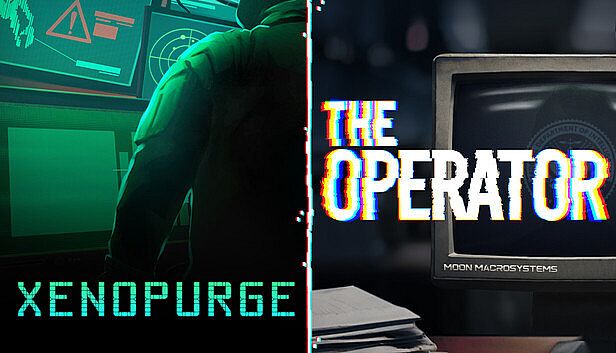



The Operator x Xenopurge combines two separate PC titles that emphasize strategic decision making and simulation elements. One places players in a remote command role overseeing squad operations against alien threats, while the other focuses on investigative work using digital tools to examine evidence and resolve cases. Both games operate in single player format and draw from strategy, indie, simulation, and adventure genres without requiring direct character control in the field.
Gameplay
In the tactical auto battler component, players act as a commander stationed at a multi screen interface. Squad members appear as simple markers on facility layouts, and each follows preset behaviors that determine their reactions during encounters. These behaviors can receive upgrades that alter priorities such as targeting nearest threats, maintaining distance while firing, or charging into melee. Additional orders allow the group to split or regroup, deploy defensive items like mines and turrets, collect resources, or apply stims for temporary boosts. Missions unfold in real time with limited direct intervention, forcing reliance on initial planning and adaptive commands as situations develop.
The companion title centers on desktop based investigation. Players access various software modules to review footage, cross reference databases, scan chemical traces, and log findings in a terminal. Cases involve murders, disappearances, and cyber incidents that require piecing together clues across multiple files and databases. Progress depends on accurate analysis rather than combat, with each solved element revealing further layers of the overall narrative.
Game Modes
The auto battler structures play around roguelike runs. Players select from available squad types at the start, then navigate procedurally arranged sectors connected by nodes that present combat encounters, resource opportunities, or upgrade stations. Each run emphasizes survival through successive missions while accumulating improvements to squad size, equipment, and command options. Failure ends the attempt and returns the player to the selection screen for another attempt with new variables.
The investigation side presents discrete cases that players tackle in sequence. Each case functions as a self contained puzzle chain where evidence from one step informs the next. Tools remain consistent across cases, but the specific data and required deductions change to reflect different crime types and conspiracy threads.
Core Systems and Progression
Squad management relies on indirect influence through a limited set of commands that grow over the course of a run. Equipment and soldier logic upgrades provide meaningful choices about how units interact with threats and objectives. Resource collection supports both immediate survival and long term squad expansion up to a maximum of four members. The investigation systems reward methodical review of interconnected data points, with no time pressure beyond player pacing.
Both titles feature keyboard driven interfaces that simulate working at a physical workstation. Hotkeys and menu navigation replace mouse input in the command role, reinforcing the sense of operating specialized hardware. Progression in each game remains independent, allowing players to alternate between tense mission oversight and deliberate clue assembly.
Is It Worth Playing?
Players who enjoy high tension command simulations where outcomes hinge on preparation and quick adjustments will find the auto battler loop engaging. The roguelike structure encourages repeated attempts to test different squad compositions and command sets. Those drawn to methodical puzzle solving and narrative discovery through evidence analysis will appreciate the investigation title's focus on deduction and software interaction. The bundle suits individuals interested in simulation experiences that prioritize indirect control and information management over direct action. Current support includes ongoing updates for the tactical title following its full release, with multiple squad options available to vary play styles. Reception has been positive among reviewers who highlight the atmospheric pressure of remote oversight and the satisfying process of cracking cases. It delivers a clear fit for fans of strategy and simulation who prefer thoughtful pacing over fast reflexes.
