




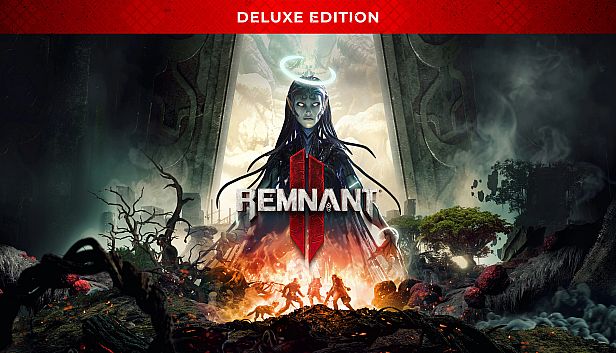




Remnant II é um action RPG de tiro em terceira pessoa disponível para PS5. Nele, os jogadores assumem o papel de sobreviventes que enfrentam criaturas letais e chefes poderosos em mundos gerados proceduralmente. O título destaca a criação de builds, combates intensos que misturam armas de fogo e corpo a corpo, além de escolhas que alteram cada partida.
Gameplay
O combate combina disparos e ataques corpo a corpo contra inimigos humanoides, não humanoides e criaturas fantásticas. Acertos críticos podem provocar decapitações em determinadas situações. Cada personagem pode equipar até duas armas de fogo e uma arma branca. A experiência segue princípios soulslike, com encontros desafiadores e gerenciamento de recursos durante os combates.
A geração procedural influencia a disposição dos cenários, a colocação de inimigos, a estética das regiões, os encontros com chefes, os NPCs, as tramas e as missões. Isso gera trajetos diferentes em cada mundo a cada nova partida. Os jogadores exploram vários mundos interconectados, repletos de segredos e objetivos ramificados.
A progressão do personagem é baseada em arquétipos escolhidos no início. Entre eles estão o Gunslinger, focado em armas de fogo e capaz de recarregar todas as armas instantaneamente, o Challenger, que libera uma onda de choque, e o Handler, que conta com um cão capaz de reviver o jogador. Mais adiante é possível combinar dois arquétipos, unindo seus bônus e habilidades.
Modos de Jogo
A campanha principal pode ser jogada sozinho, com um único jogador responsável por todo o combate e exploração. O modo cooperativo permite que até três jogadores participem juntos das mesmas sessões, compartilhando o conteúdo gerado proceduralmente.
Uma grande atualização gratuita adicionou o Boss Rush Mode, que concentra o foco em combates sequenciais contra chefes, sem a travessia completa dos mundos presente na campanha padrão.
Arquétipos e Builds
Cada arquétipo oferece um estilo de jogo distinto que influencia a abordagem no combate e as utilidades disponíveis. O Gunslinger prioriza a eficácia com armas de fogo e recargas rápidas. O Handler fornece suporte por meio do cão aliado. O Challenger controla áreas com ondas de choque. Com o avanço, é possível misturar arquétipos para criar builds híbridas que combinam os bônus de cada um.
A criação de builds vai além da escolha inicial e inclui upgrades de habilidades, seleção de equipamentos e bônus dos arquétipos. Os jogadores testam diferentes combinações para lidar com os variados tipos de inimigos e padrões de chefes encontrados nos mundos gerados.
Mundos e Sistemas Procedurais
A campanha é formada por vários mundos distintos, cada um com estética e composição de inimigos gerados novamente a cada partida. Elementos da história e das missões também mudam, incentivando novas jogadas para descobrir resultados e locais diferentes.
A exploração recompensa a descoberta de áreas ocultas, caminhos alternativos e desafios opcionais. Os elementos procedurais garantem que nenhuma sessão siga a mesma sequência, elevando o valor de replay por meio de novas combinações de conteúdo.
Vale a Pena Jogar?
Remnant II foi concluído com o lançamento do terceiro e último DLC, junto de uma atualização gratuita que introduziu o Boss Rush Mode. Não há mais planos de grandes adições de conteúdo, resultando em um pacote completo com o jogo base e todas as expansões.
O jogo é indicado para quem busca action RPGs de tiro em terceira pessoa desafiadores, com variedade procedural, suporte a cooperativo e personalização profunda de builds. Quem procura uma experiência completa e autônoma, com campanhas rejogáveis e combates focados em chefes, encontra no estado atual tudo o que foi desenvolvido para o título.
Jogadores solo têm acesso total à campanha e ao novo modo. Grupos aproveitam o cooperativo de três jogadores para progredir juntos pelos mundos gerados. A ênfase na combinação de arquétipos e na experimentação no combate mantém o interesse de quem se aprofunda nos sistemas.
