
















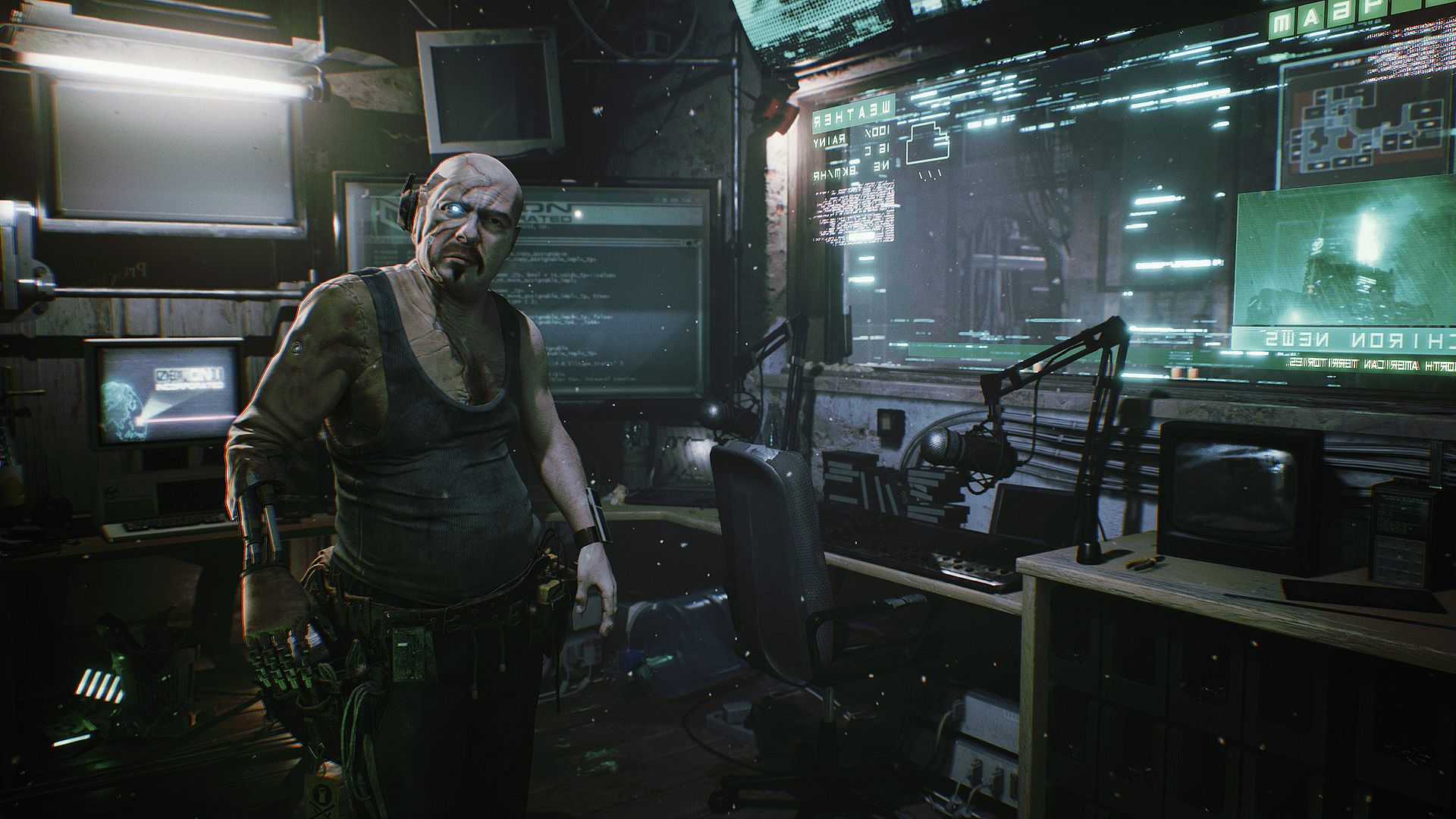
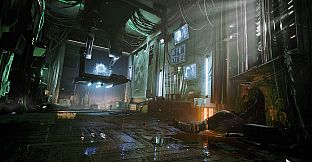

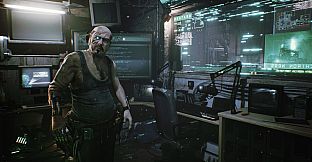
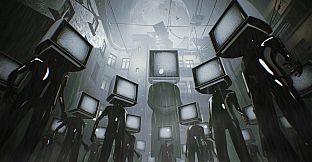
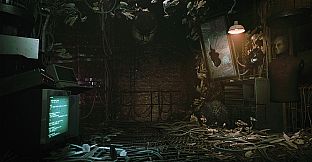
Observer: System Redux é uma aventura de terror psicológico em primeira pessoa ambientada no universo cyberpunk, desenvolvida para PC. O jogador assume o papel de Daniel Lazarski, um detetive de elite conhecido como Observer, em um cenário distópico de 2084 dominado por corporações, conflitos armados e uma praga cibernética. A experiência prioriza investigação e progressão narrativa em vez de ação ou combate.
Jogabilidade
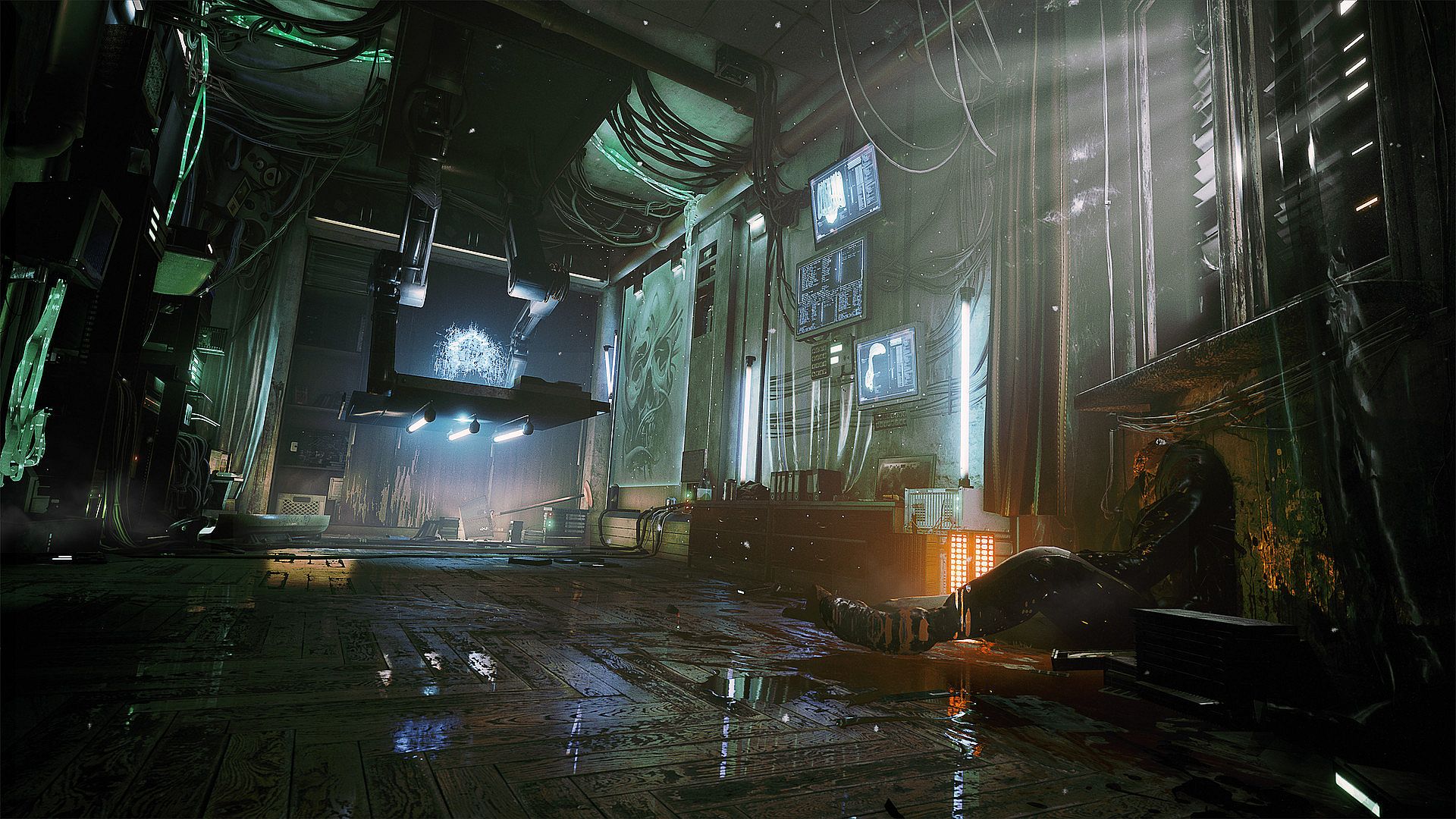
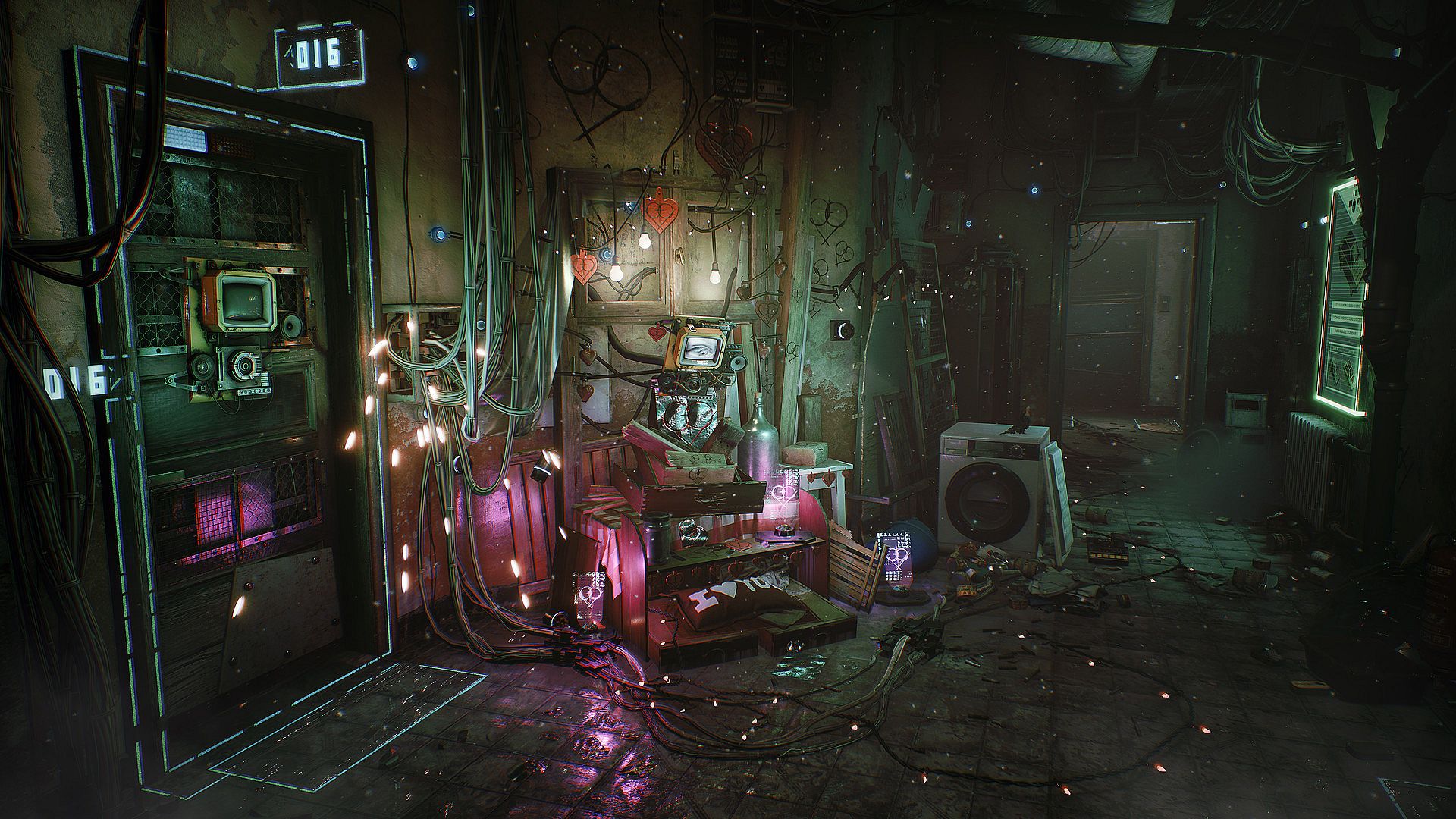
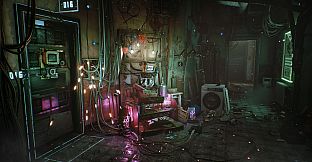
O ciclo central combina exploração de ambientes detalhados com interrogatórios realizados por meio de tecnologia. Como Daniel, o jogador percorre blocos de apartamentos em ruínas e corredores sombrios, utilizando ferramentas de visão especializadas para encontrar pistas. A Visão Eletromagnética destaca dispositivos eletrônicos e implantes, a Visão Biológica revela vestígios biológicos e evidências, enquanto a Visão Noturna melhora a visibilidade em áreas pouco iluminadas. Esses modos permitem analisar objetos e cenas para reconstruir os acontecimentos.
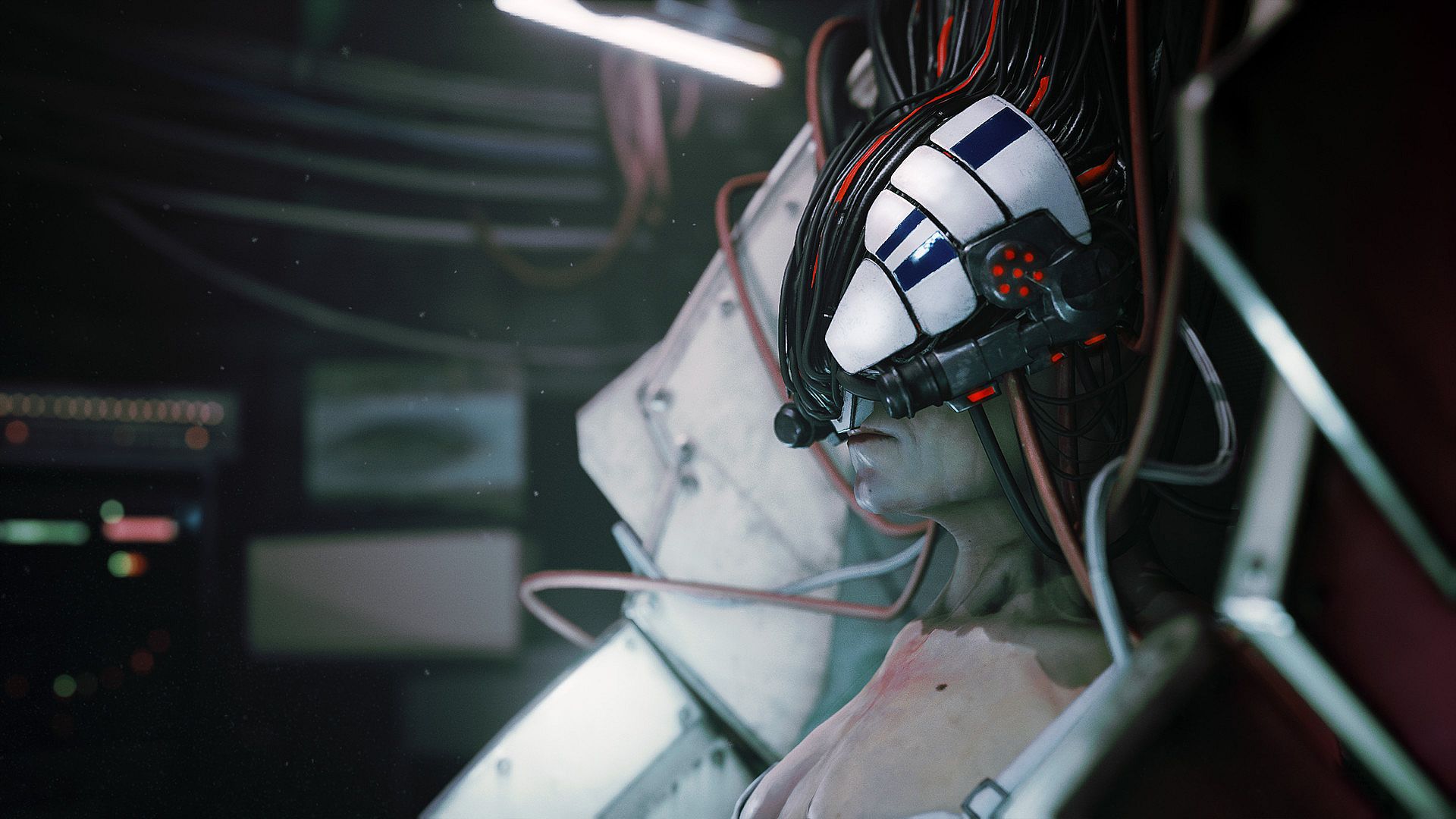
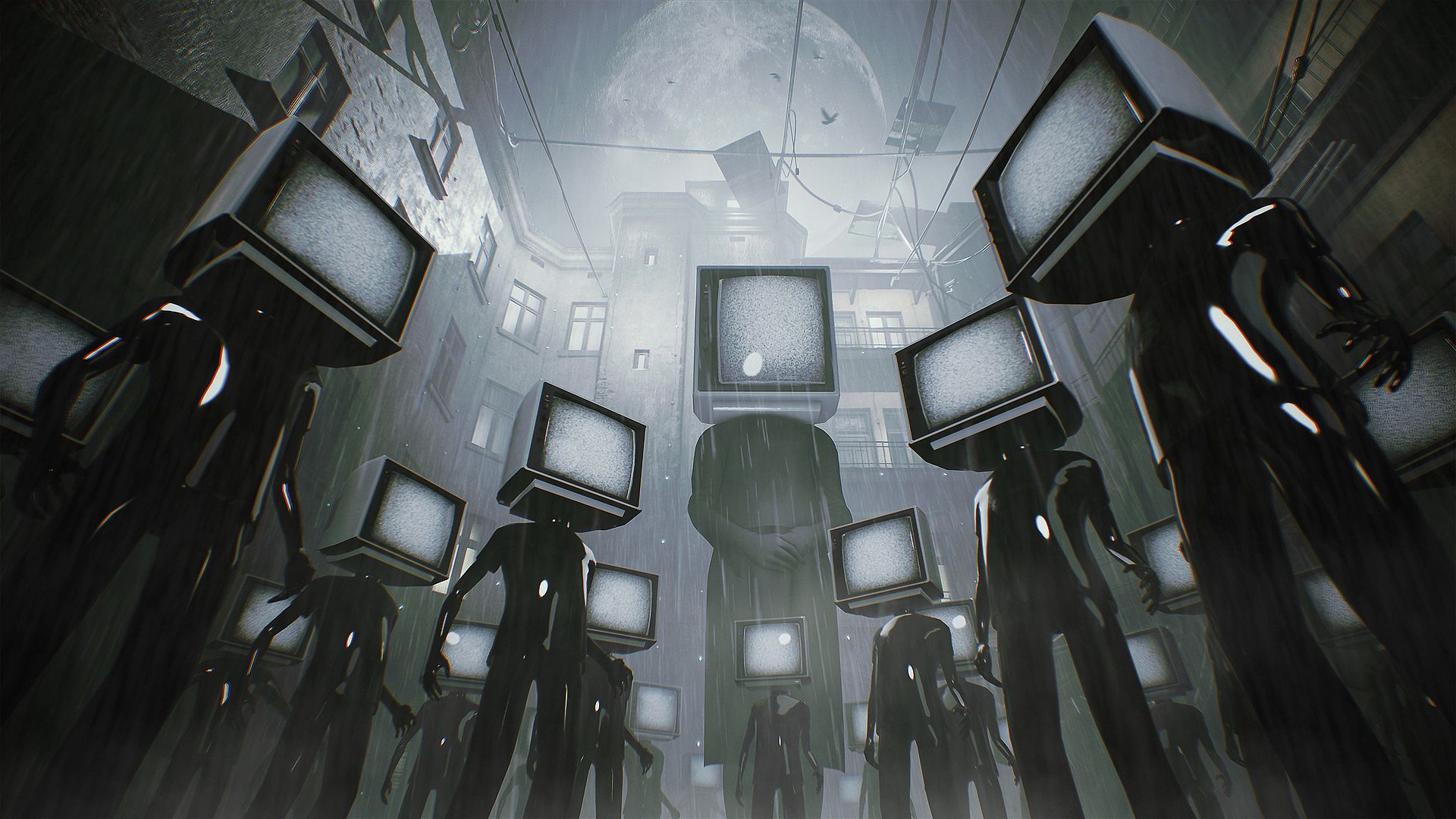
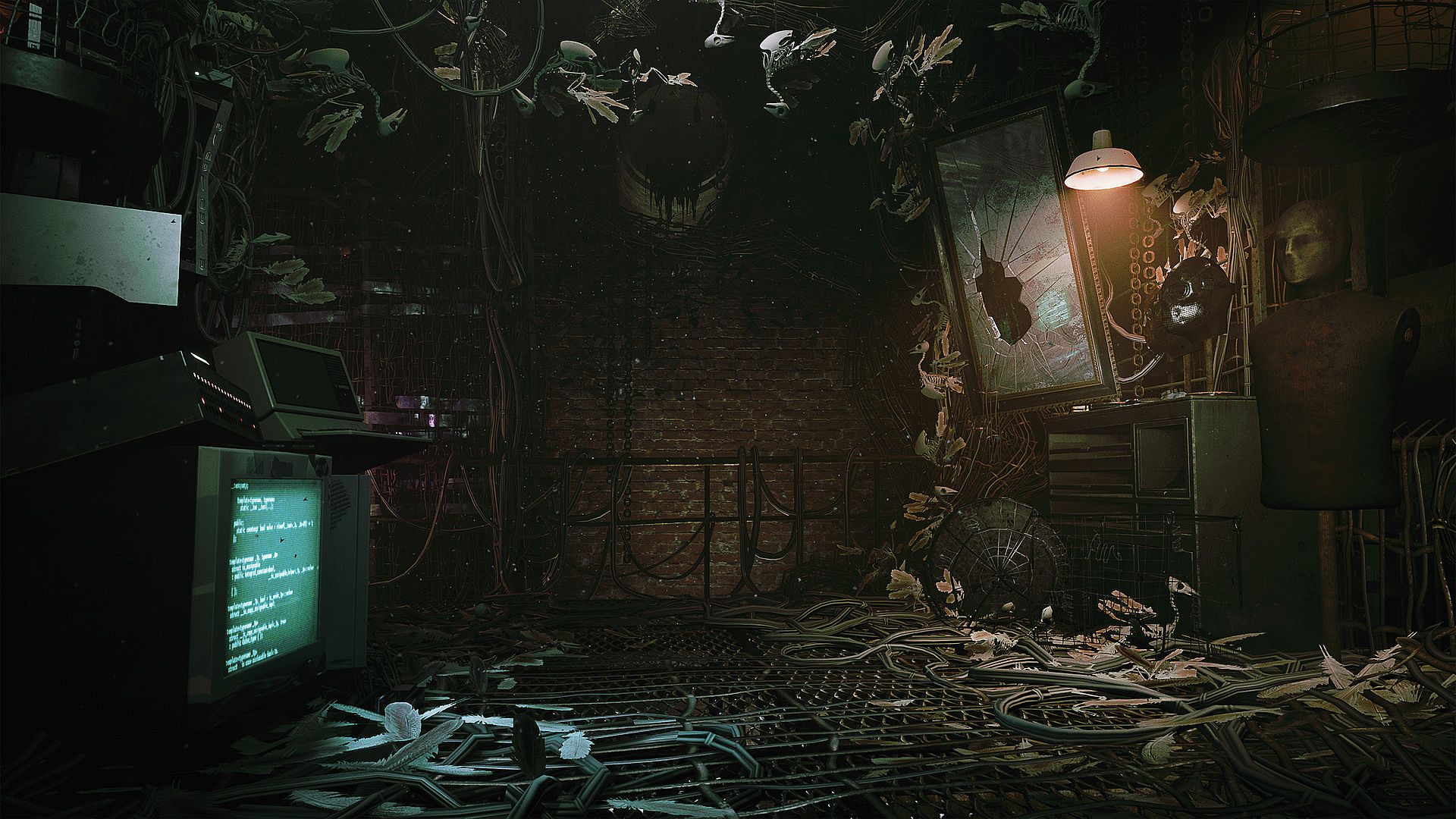
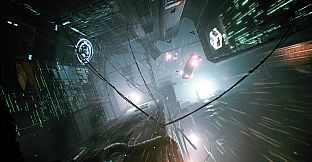
O hackeamento mental é o principal mecanismo do jogo. Um dispositivo chamado Dream Eater possibilita entrar nos implantes neurais de suspeitos ou vítimas para reviver seus últimos momentos. Essas sequências exigem navegação por espaços de memória distorcidos, repletos de imagens alteradas e obsessões pessoais. O processo demanda observação cuidadosa para extrair informações sem ativar defesas da psique do sujeito. As escolhas de diálogo nessas sessões influenciam revelações posteriores e um dos finais disponíveis.
A progressão segue uma história linear, com oportunidades para investigações mais aprofundadas. A narrativa ambiental e os áudio-logs constroem um mundo marcado pela opressão corporativa e pela perda pessoal. A Edição Deluxe inclui as melhorias do Redux, que ampliam as opções de investigação e aumentam o valor de replay ao modificar conversas em jogadas subsequentes.
Modos de Jogo
Observer: System Redux é uma experiência narrativa exclusivamente single-player. Não existem modos competitivos ou cooperativos. A campanha principal acompanha a investigação de Daniel sobre uma série de assassinatos ligados à sua própria família. Investigações secundárias oferecem casos adicionais que aprofundam o mistério central e os detalhes do universo.
Nas sequências de hackeamento mental aparece um minigame chamado Fire and Sword, que consiste em navegação por labirintos neurais com elementos de quebra-cabeça. A versão Redux expande esse minigame com novos níveis além do conjunto original. Essas adições integram-se à progressão geral sem alterar o foco single-player.
A rejogabilidade surge das escolhas de diálogo e do final baseado em decisões. Caminhos diferentes pelos mesmos ambientes revelam novos áudios e informações contextuais em visitas posteriores. Não há modos de dificuldade ou modificadores separados além da estrutura principal.
História e Cenário
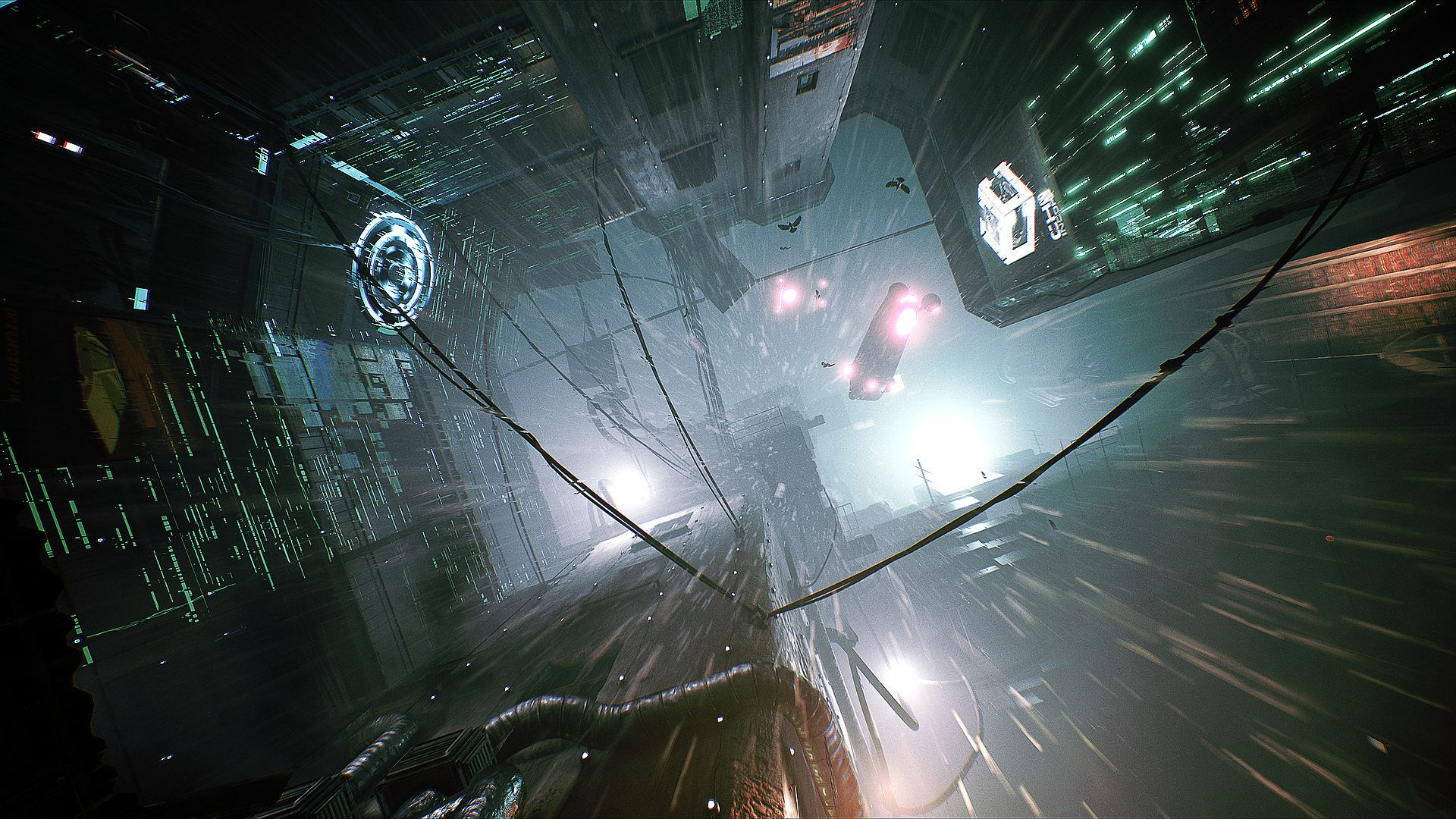
A narrativa se passa em um futuro iluminado por neon, onde implantes neurais conectam todos os cidadãos ao controle corporativo. O trabalho de Daniel como Observer o coloca em constante conflito com o sistema que serve. Seu envolvimento pessoal surge ao investigar a morte do filho, misturando dever profissional e turbulência emocional.
A atmosfera é o principal motor da experiência. Os ambientes detalhados refletem a decadência social, desde cortiços superlotados até instalações abandonadas. O design de som reforça o isolamento e o desconforto por meio de ruídos ambientes e vozes distorcidas durante os hacks. A história aborda temas como vigilância, identidade e o custo da intrusão tecnológica.
Vale a pena jogar?
Observer: System Redux é indicado para quem prefere ritmo deliberado e narrativa atmosférica dentro de um contexto de terror. A ausência de combate direciona o foco para observação, dedução e envolvimento emocional com os personagens. Quem aprecia cenários cyberpunk e profundidade psicológica encontra recompensa nas sequências de hackeamento mental e nos detalhes ambientais.
As melhorias do Redux elevam a fidelidade visual e adicionam conteúdo que amplia os elementos investigativos. O feedback dos jogadores destaca a qualidade da escrita, as atuações marcantes e a coesão do mundo. Alguns observam que o ritmo mais lento é uma escolha intencional que recompensa a paciência, e não uma falha. O jogo continua disponível no PC com atualizações de compatibilidade para hardware moderno.
Quem busca ação rápida ou interação multiplayer encontrará pouco aqui. Para fãs de aventuras narrativas com elementos de terror, a campanha single-player focada e o conteúdo adicional oferecem uma experiência completa e autônoma, ideal para ser explorada em seu próprio ritmo.


