




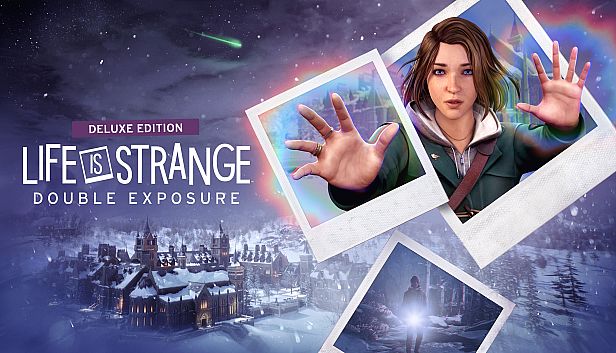



Life is Strange: Double Exposure is a single-player narrative adventure game centered on Max Caulfield as she investigates a murder mystery at Caledon University using newly evolved supernatural abilities.
Gameplay
Players control Max through detailed environments at the university and surrounding areas, examining objects, documents, and interacting with characters to gather clues. The core loop revolves around exploration paired with dialogue trees that include both major decisions, which pause the scene for clear options, and minor ones encountered during free movement. Max's powers form the central mechanics. Shift allows instant travel between two parallel timelines at designated points marked by visual tears in reality. One timeline shows events after the murder, while the other keeps key elements intact for comparison. Pulse extends senses to preview the alternate timeline without full travel, highlighting interactive elements, revealing hidden conversations, and identifying safe shift locations. An additional entanglement mechanic lets players swap object properties across timelines to solve environmental obstacles. Photography returns as an interactive tool, with Max using a Polaroid camera to capture moments that tie into the investigation and story progression. Collectible Polaroids scattered across both timelines provide audio flashbacks when found. The system encourages repeated visits to locations in each timeline to piece together information and advance the mystery.
Game Modes
The experience consists entirely of a single-player campaign structured across five chapters. Each chapter unfolds in specific locations with objectives that blend investigation, conversation, and power usage. Progression follows a linear path through the main mystery while incorporating optional exploration for additional context and collectibles. Player choices shape relationships, unlock different dialogue paths, and lead to multiple endings determined by accumulated decisions rather than a single binary selection at the close. There are no separate multiplayer components or alternate play styles beyond the core narrative structure. The design emphasizes replayability through different choice combinations that alter character interactions and environmental details across the timelines.
Narrative and Setting
The story places an older Max Caulfield in the role of photographer-in-residence at Caledon University during a winter setting. Events center on the death of her close friend Safi and the discovery that the threat persists across realities. Max must navigate two versions of the same campus and characters, using information from one timeline to inform actions in the other. Supporting cast members appear in altered states depending on the timeline, creating opportunities for unique conversations and revelations. The narrative explores themes of grief, consequence, and investigation without relying on prior series knowledge for new players. Chapters build the mystery progressively, with each section introducing new locations and escalating stakes tied to the central case.
Is It Worth Playing?
Reception for Life is Strange: Double Exposure has been mixed among critics, with aggregate scores reflecting strengths in character performances and the integration of timeline mechanics alongside some noted issues with pacing in later sections. The game appeals most to players who enjoy story-focused adventures where dialogue choices carry weight and supernatural elements support puzzle-solving and deduction. Those drawn to detailed character interactions, atmospheric campus exploration, and a self-contained murder mystery will find the core loop engaging. Availability on PS5 supports the full campaign without additional modes or ongoing content updates required. Individuals seeking fast-paced action or competitive elements may find the deliberate pace less suited to their preferences. The title stands as a complete experience best approached for its narrative depth rather than mechanical variety.