











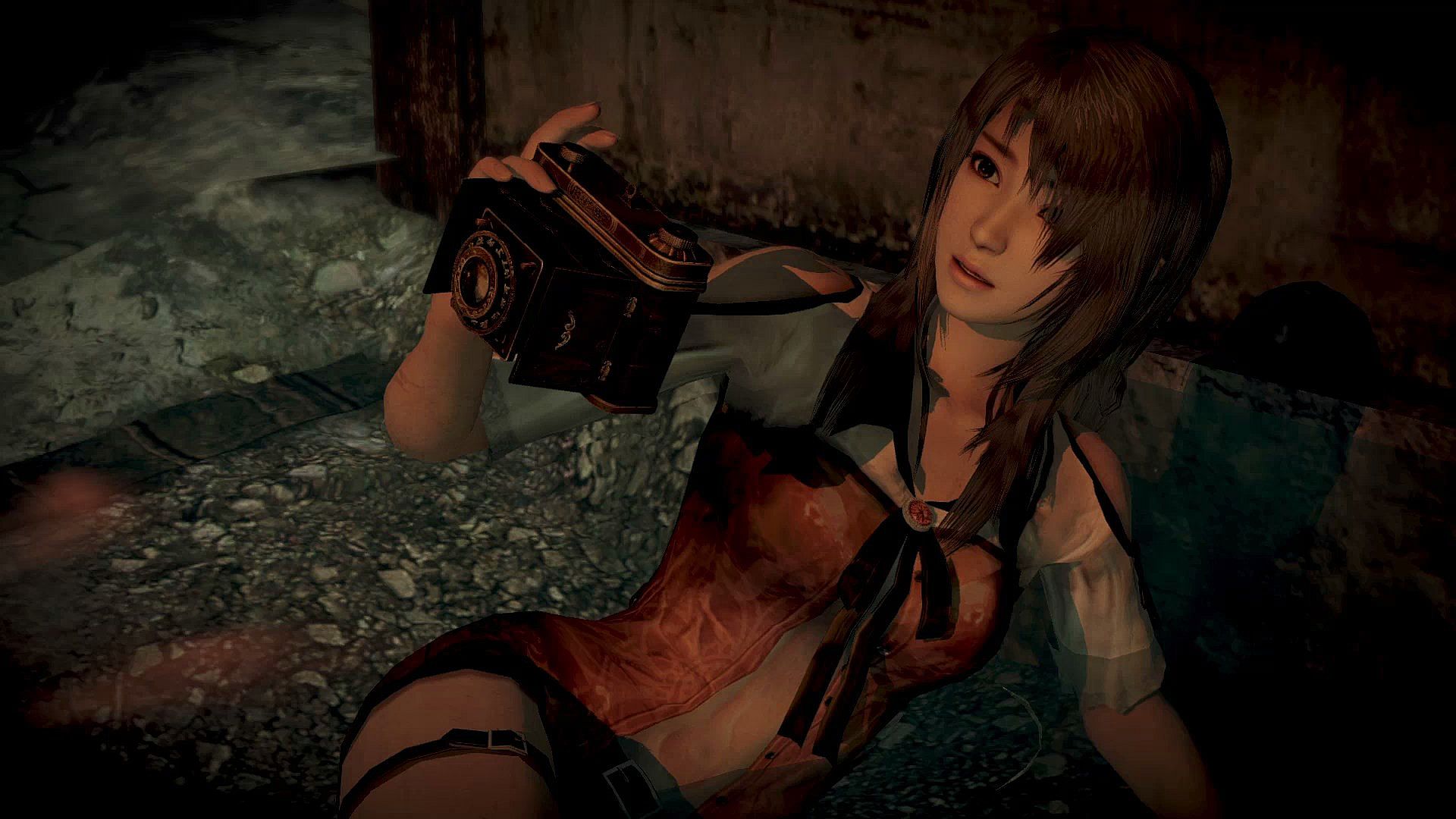
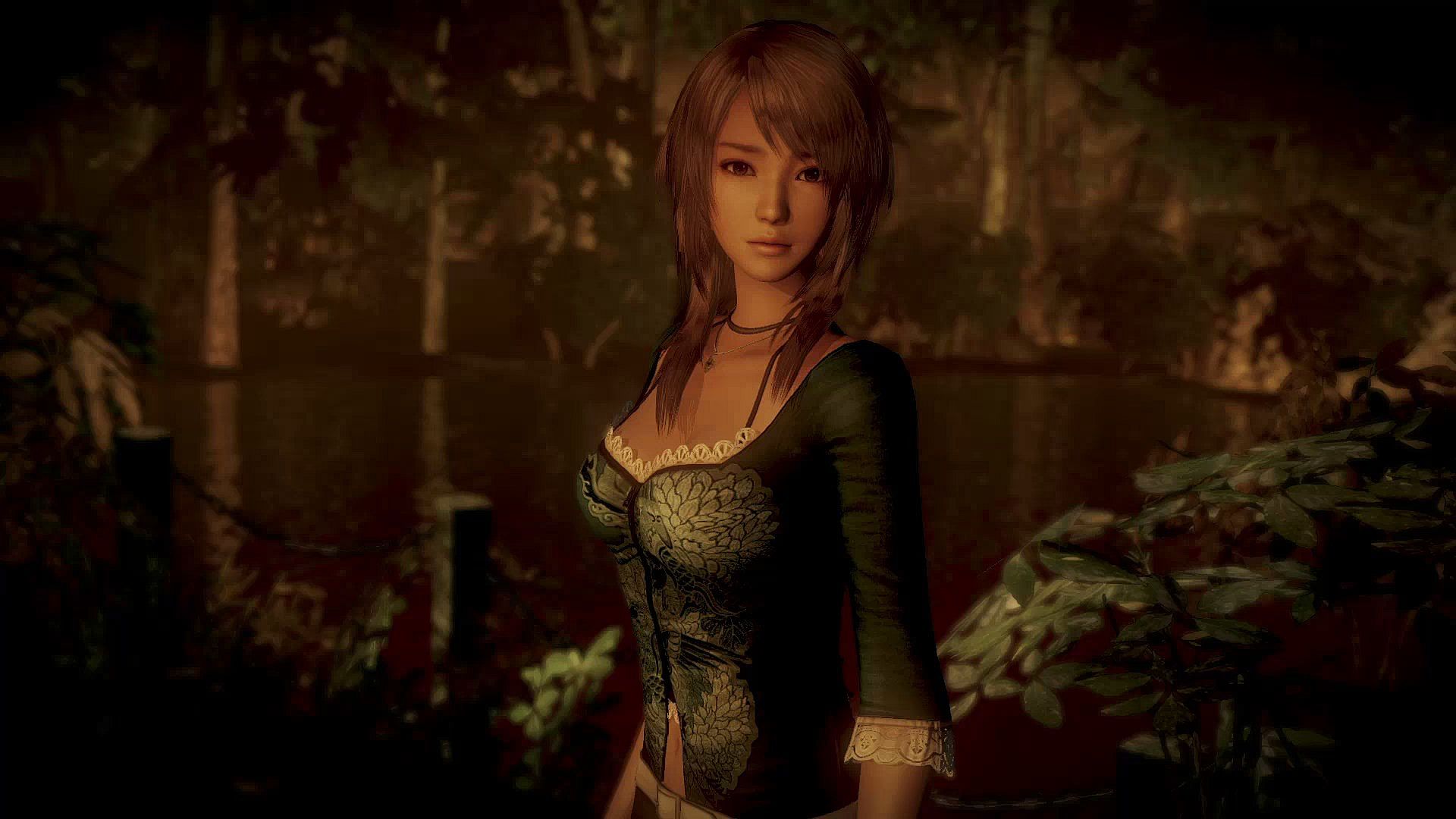
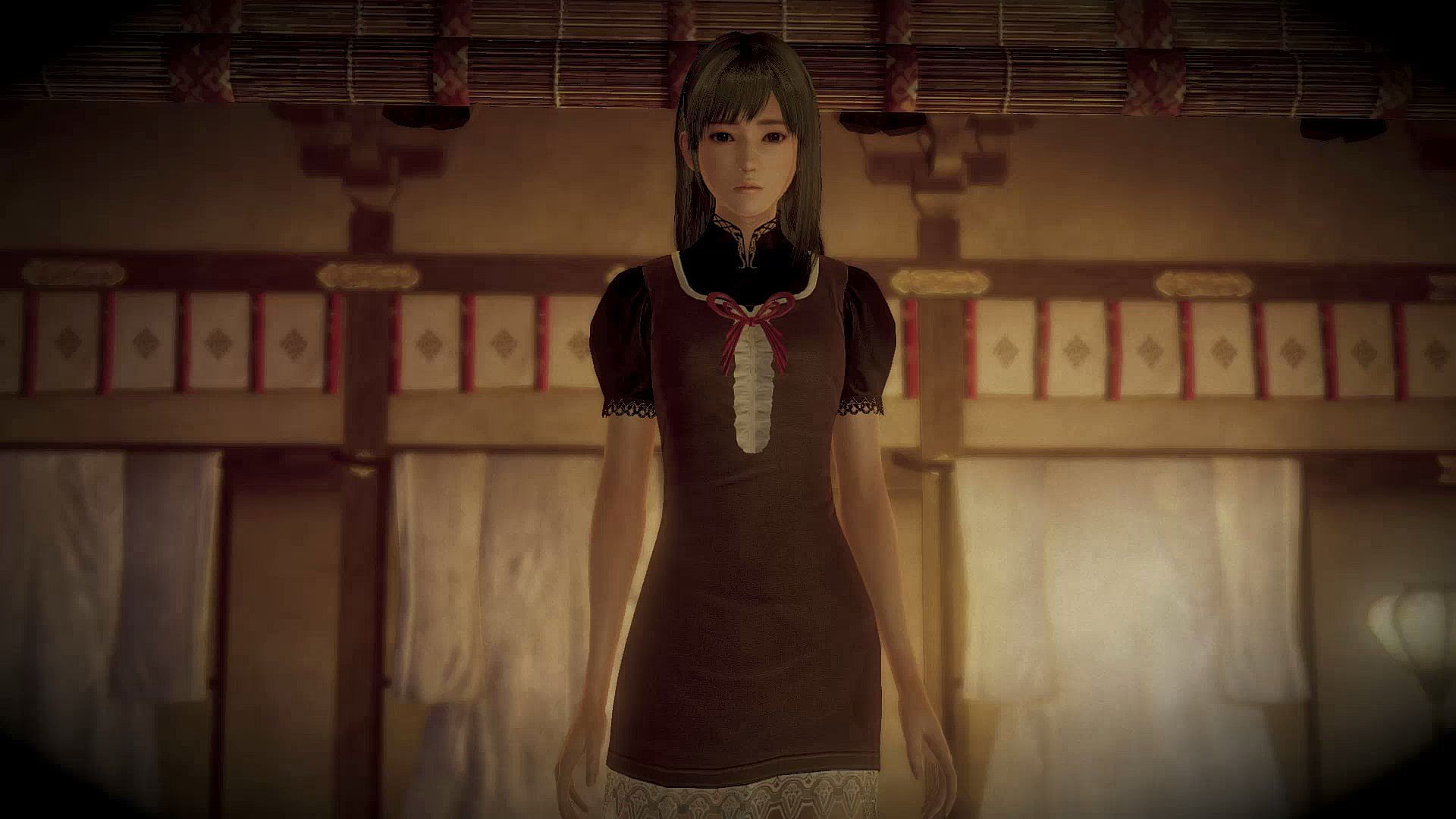

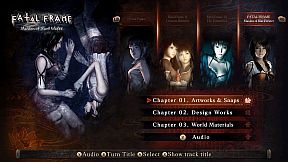

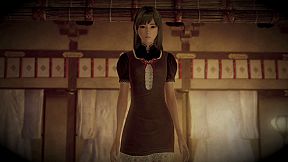
FATAL FRAME / PROJECT ZERO: Maiden of Black Water is a single-player survival horror action game that places players in control of investigators exploring the haunted slopes of Mt. Hikami. The title centers on the Camera Obscura, an antique device used both to document the unseen and to repel aggressive spirits through targeted photography. Set against a backdrop of water worship and tragic incidents, the experience blends deliberate exploration with tense confrontations where timing and positioning determine success.
Gameplay
Exploration occurs in third-person view across forested paths, abandoned structures, and waterlogged sites. Players move on foot or sprint when needed, though water accumulation creates a wetness gauge that influences both mobility and encounters. Higher wetness levels strengthen Camera Obscura shots while drawing more spirits and increasing their aggression. Shadow Reading allows characters to interact with tokens left by the missing, revealing guiding silhouettes that point toward objectives or hidden items.
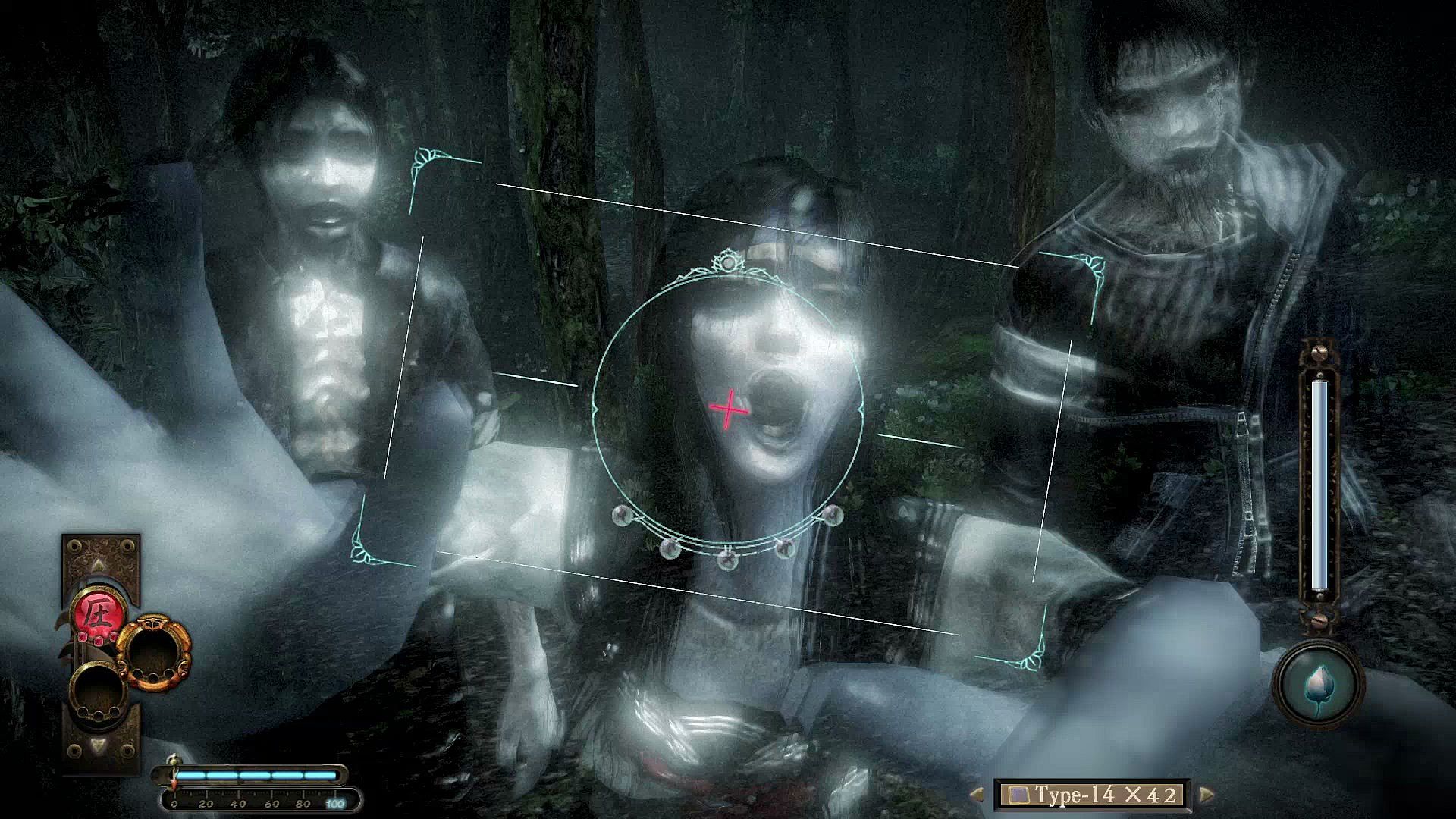
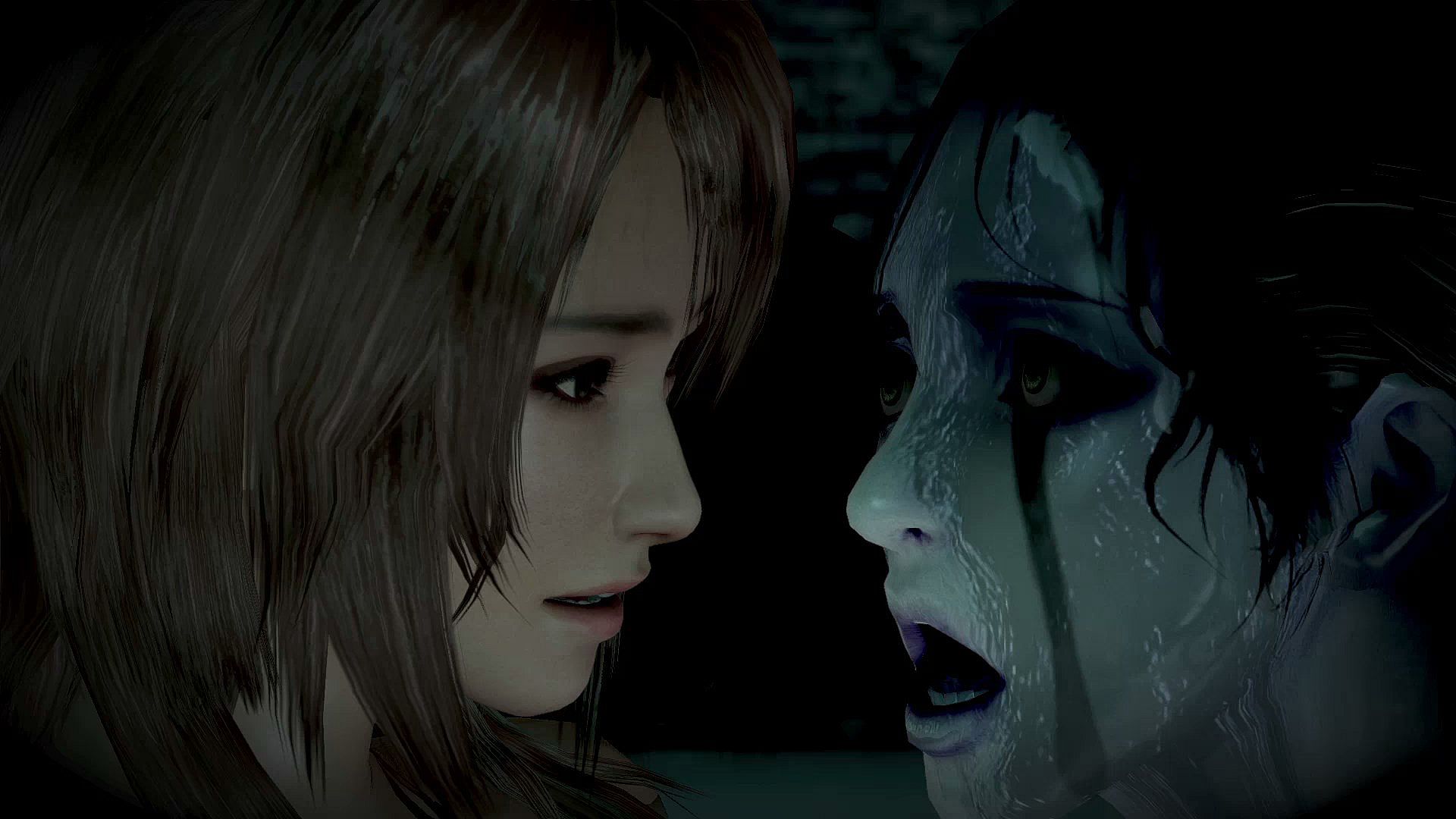
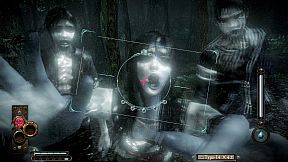
Combat revolves entirely around the Camera Obscura. Switching to first-person view, players frame ghosts, lock on targets, and capture shots at varying distances and angles. A precise hit at the moment of attack registers as a Fatal Frame, delivering heavy damage and opening follow-up opportunities. Defeated spirits release fragments that can be photographed together for bonus effects. After weakening an enemy, a Fatal Glance reveals fragments of its past through direct contact. The system rewards careful film selection, lens choices, and patience over rapid firing.
Additional mechanics include a health system affected by ghost touches and environmental hazards, plus consumable items that provide temporary relief or advantages. Updated controls streamline camera handling and movement compared to earlier versions, while improved resolution enhances visibility in dark, atmospheric environments.
Game Modes
The core experience unfolds through a series of story episodes known as Drops. These self-contained missions alternate between the three main protagonists and advance the central narrative while allowing players to tackle objectives at their own pace. Each episode tracks performance through a points-based ranking system, with S+ representing the highest achievement based on photo quality, completion time, and resource management.
Difficulty options range from Very Easy to Nightmare, with the latter unlocked after an initial playthrough and featuring reduced starting items along with scarcer healing resources. Post-story content unlocks separate threads featuring Ayane, who relies on a Spirit Stone Flashlight for temporary stuns and evasion rather than the Camera Obscura, shifting the focus toward avoidance and quick thinking.
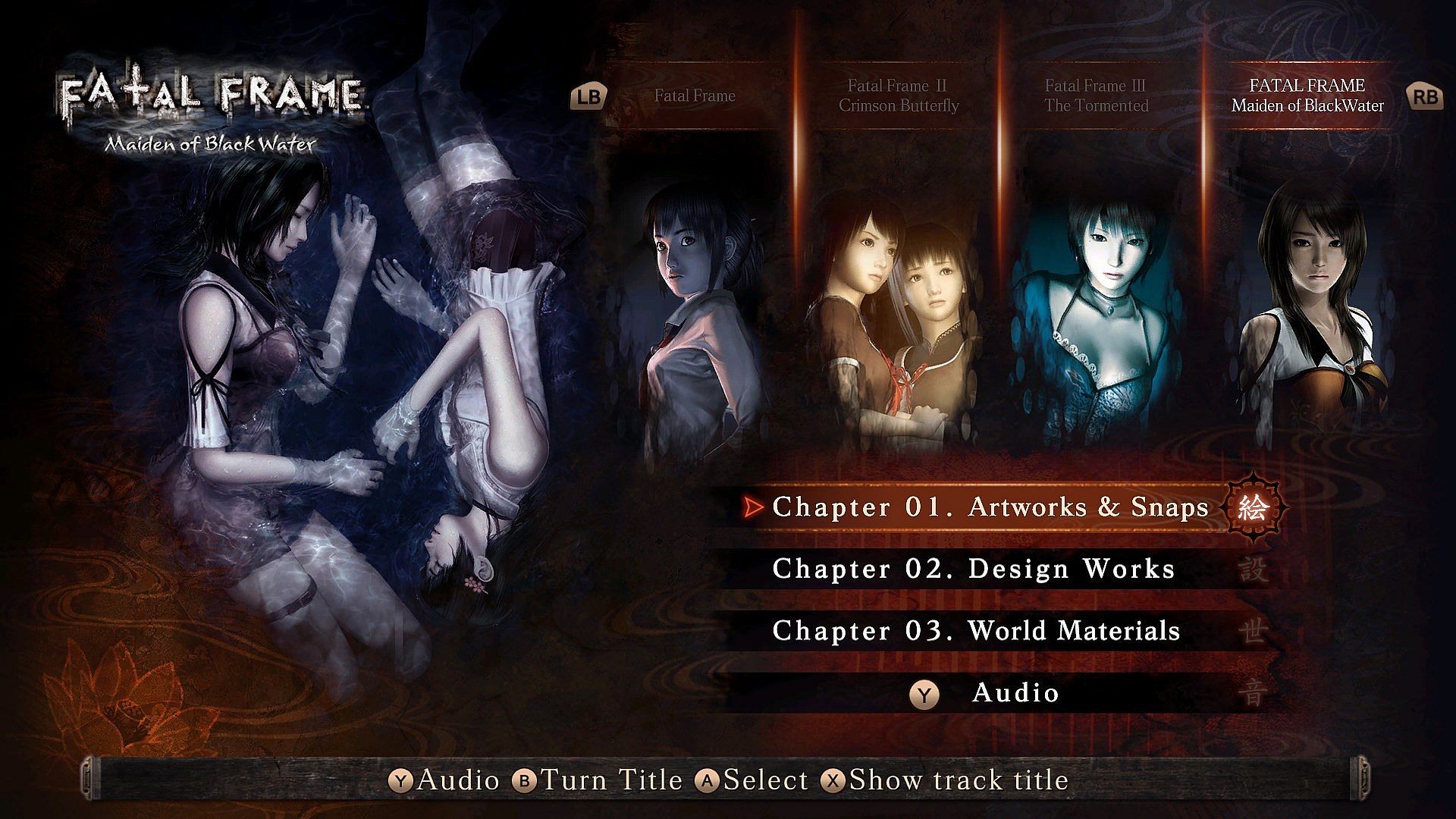
Snap Mode functions as a dedicated creative tool. Players can pause action at nearly any moment to reposition characters and encountered spirits, adjust expressions and poses, and capture custom images without affecting gameplay progress. An updated Ghost List tracks defeated entities with expanded details unlocked through Fatal Glances, encouraging thorough exploration across multiple runs.
The Setting and Narrative
Mt. Hikami serves as the central location, once a site of water-based spiritual practices that later became associated with disappearances and unexplained deaths. The intertwined tales follow Yuri Kozukata, Miu Hinasaki, and Ren Hojo as they investigate separate yet connected incidents. Missions reveal layers of local customs, personal tragedies, and lingering presences through environmental storytelling and character-specific perspectives.
Progression emphasizes uncovering lost items and piecing together events rather than linear combat sequences. The structure encourages revisiting areas with different protagonists to access new paths or details, building a layered understanding of the mountain's history without relying on traditional cutscene-heavy delivery.
Is It Worth Playing?
Reception for the title has been mixed, with praise directed at the distinctive camera-based combat, oppressive atmosphere, and unsettling ghost designs, while criticism often targets pacing, repetitive encounters, and dated traversal feel. The remaster brings sharper visuals, refined controls, and the addition of Snap Mode, making the experience more accessible on current hardware.
The game suits players who appreciate methodical survival horror with a strong emphasis on observation and timing over action intensity. Those drawn to the Fatal Frame series or similar atmospheric titles will find the core loop rewarding despite its deliberate speed. Availability on Xbox platforms marks its first appearance there, offering a complete single-player package focused on narrative discovery and repeated play for higher rankings and full ghost documentation.


