




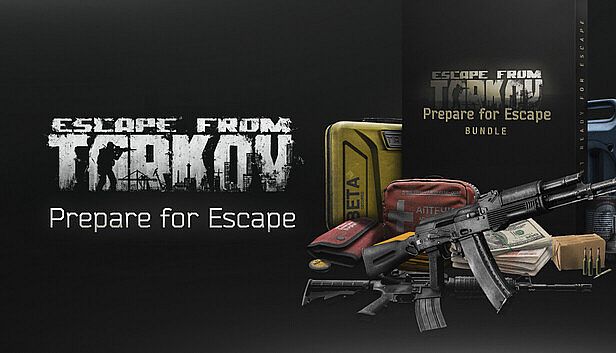


Escape from Tarkov is a hardcore extraction shooter that blends realistic first-person combat with survival and progression systems drawn from RPG and simulation genres. Set in a conflict zone in the Norvinsk region, players take on the role of mercenaries navigating dangerous raids to gather resources and complete objectives while avoiding permanent loss of equipment upon death.
Gameplay
The core loop centers on preparing a loadout from a personal stash, selecting a map and time of day, and entering a raid either solo or with a small team. Inside the raid, participants scavenge for firearms, armor, medical supplies, food, and valuables while contending with hostile AI scavengers, bosses, and other player-controlled characters. Extraction points must be reached safely to retain collected items, creating constant tension around movement, positioning, and resource management.
Combat emphasizes realism through detailed ballistics that account for bullet type, distance, and armor penetration. Health is tracked across individual body parts, so injuries to limbs can impair aiming or mobility, while torso or head damage often proves fatal. A sophisticated medical system requires players to apply specific treatments like tourniquets, splints, or painkillers during or after fights. Inventory space is limited, forcing careful decisions about what to carry and what to leave behind.
Progression involves building reputation with traders to unlock better gear and completing tasks that advance personal storylines. A hideout area allows upgrades that improve crafting, healing, and storage. Factions influence starting advantages: USEC mercenaries gain familiarity with Western and NATO firearms, while BEAR operatives benefit from Russian and Soviet weaponry options.
Game Modes
PMC raids form the primary experience, where players deploy their main character with custom gear into player-populated or AI-controlled environments. Scavenger raids offer a contrasting approach by spawning players mid-raid with randomized equipment as neutral AI-aligned characters who can loot without drawing scavenger aggression initially.
PvE mode replaces other players with AI-controlled PMCs, providing a single-player or cooperative option focused on the same raid structure without direct human opposition. Practice mode enables map exploration and weapon testing without risk to progress. Arena delivers standalone competitive matches with team-based formats that reward experience transferable to the main character.
Seasonal PvP introduces time-limited cycles on dedicated servers with separate characters. Players select modifiers that alter difficulty or rewards, compete on XP leaderboards within ranked leagues, and earn exclusive items before transferring gains to permanent characters. Recent updates have added league systems that group players by rank for weekly competitions based on actions like eliminations, task completions, and item examinations.
Progression and Systems
Trader loyalty levels expand available equipment as reputation grows through sales and task completion. Insurance mechanics allow recovery of lost items if they remain unlooted after a raid, adding a layer of risk mitigation. The flea market, unlocked at a certain level, enables player-to-player trading that influences the in-game economy.
Recent development has focused on seasonal content cycles, map refinements such as Lighthouse adjustments, and technical improvements including server optimizations and animation updates. A full release in late 2025 introduced structured story elements alongside ongoing balance changes and new mechanics like enhanced AI behaviors in cooperative modes.
Is It Worth Playing?
Escape from Tarkov delivers a demanding experience centered on preparation, decision-making under pressure, and mastery of interconnected systems. It suits players who appreciate methodical planning, realistic gunplay, and high-stakes survival loops over fast-paced action. Those comfortable with steep learning curves and frequent setbacks often find the depth rewarding through incremental improvements in skill and equipment access.
Ongoing support includes seasonal events, league competitions, and mode expansions that maintain variety for returning players. PvE options broaden accessibility for those preferring to avoid direct player conflict while retaining core raid mechanics. The game remains actively developed with patches addressing performance, content additions, and balance adjustments into 2026 and beyond.
Prospective players should expect to invest time learning maps, weapon handling, and economic strategies. It appeals most to enthusiasts of tactical shooters who value consequence and customization over accessibility features common in other multiplayer titles. Availability on PC supports the detailed simulation elements required for its systems to function effectively.