




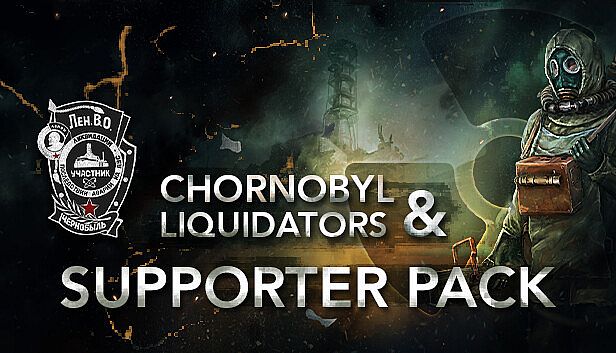











Chornobyl Liquidators is a first-person simulation and adventure game that places players in the role of responders during the 1986 Chernobyl nuclear disaster. The experience focuses on realistic tasks faced by the liquidators, including firefighting, decontamination, and navigation through contaminated areas without any fantastical elements such as mutants.
Gameplay
Players manage radiation exposure and personal stress levels while completing hands-on tasks. Tools include fire hoses that must be connected to hydrants, brushes and scoops for removing radioactive material, spray cans for sanitization, and Geiger counters for detection. Exploration covers the power plant ruins, the abandoned city of Pripyat, underground tunnels, and rooftops where debris must be cleared. Inventory management covers items such as medicine, iodine tablets, cigarettes, chocolate, and vodka to maintain health and performance. Moral choices appear during interactions with civilians and authorities, influencing the narrative path and leading to one of two endings. The game incorporates survival mechanics where excessive radiation or stress can result in health decline or heart attack.
Game Modes
The title operates as a single-player narrative experience divided into chapters that shift focus across different phases of the disaster response. Early sections emphasize urgent firefighting and platforming elements around the reactor. Later chapters center on systematic decontamination of buildings and areas in Pripyat and surrounding villages. Additional segments involve document retrieval, civilian evacuation discussions, and operations tied to government directives. Progression follows a linear structure with opportunities for exploration and decision-making that alter outcomes without branching into separate multiplayer or competitive formats.
Story and Setting
The narrative follows a nameless protagonist across roles such as firefighter, dosimetrist, and commanding officer. Events unfold in real historical locations tied to the reactor explosion and its aftermath. Conversations and found documents reveal political tensions and hidden aspects of the response efforts. Players face dilemmas involving safety protocols, evacuations, and orders that affect both personal survival and broader consequences. The story avoids supernatural threats and instead highlights the physical and ethical challenges of the cleanup operation.
Is It Worth Playing?
Reception on Steam stands at mixed based on hundreds of reviews, with players noting atmospheric presentation and authentic task variety alongside frequent technical issues. The game runs on PC and supports full controller input with achievements available. Completion typically requires around five hours. It suits those seeking a grounded simulation of historical disaster response rather than action-heavy or open-world exploration. Individuals interested in moral decision systems and period-specific equipment will find the core loop engaging, while those sensitive to bugs or expecting polished controls may encounter frustration. The experience delivers a focused, chapter-driven journey through verified liquidation activities without additional modes or ongoing seasonal content.


