




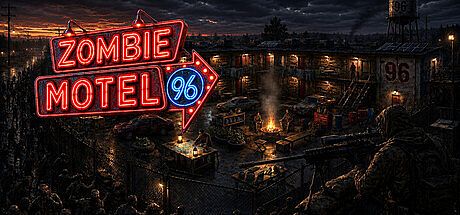


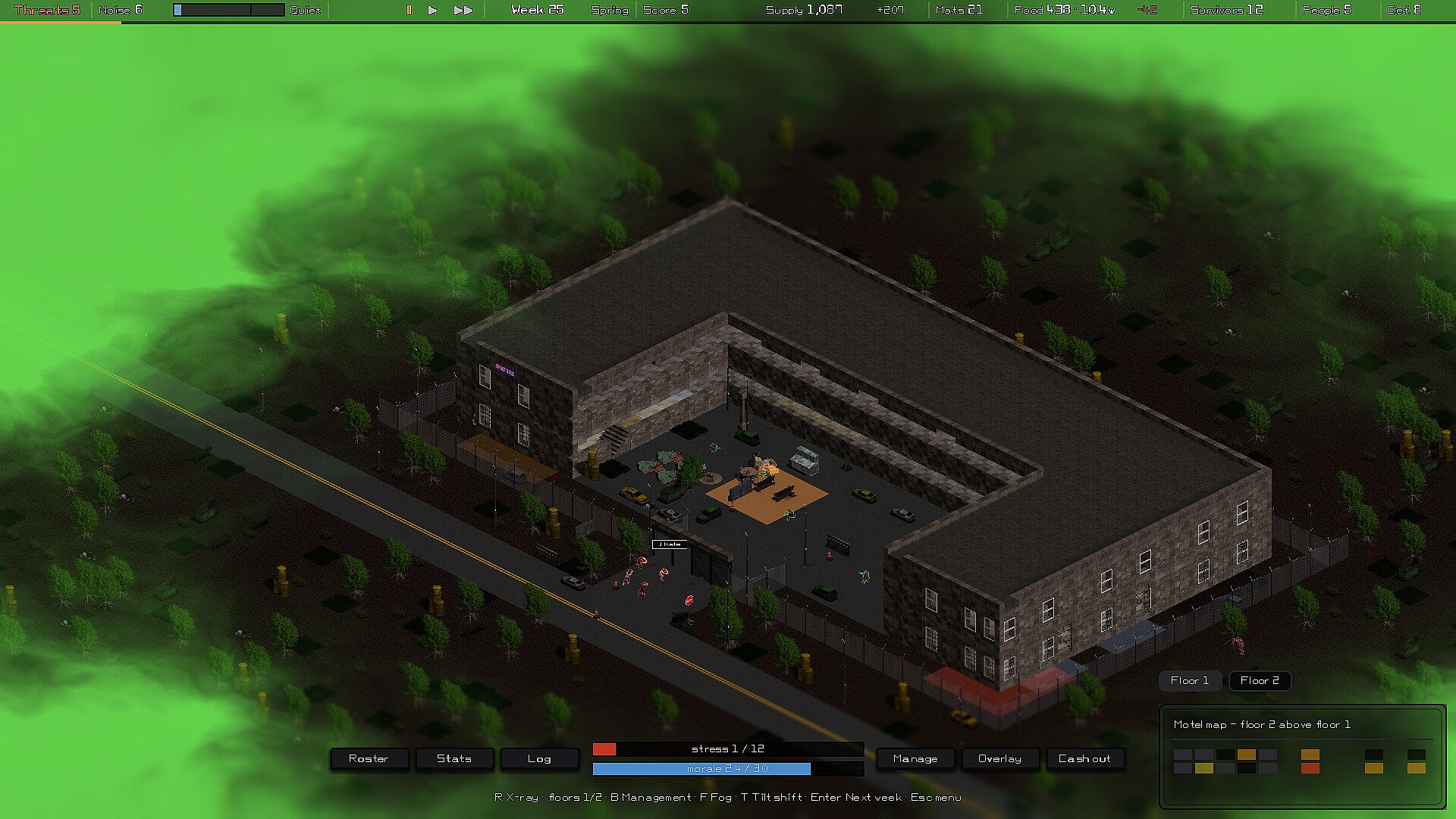
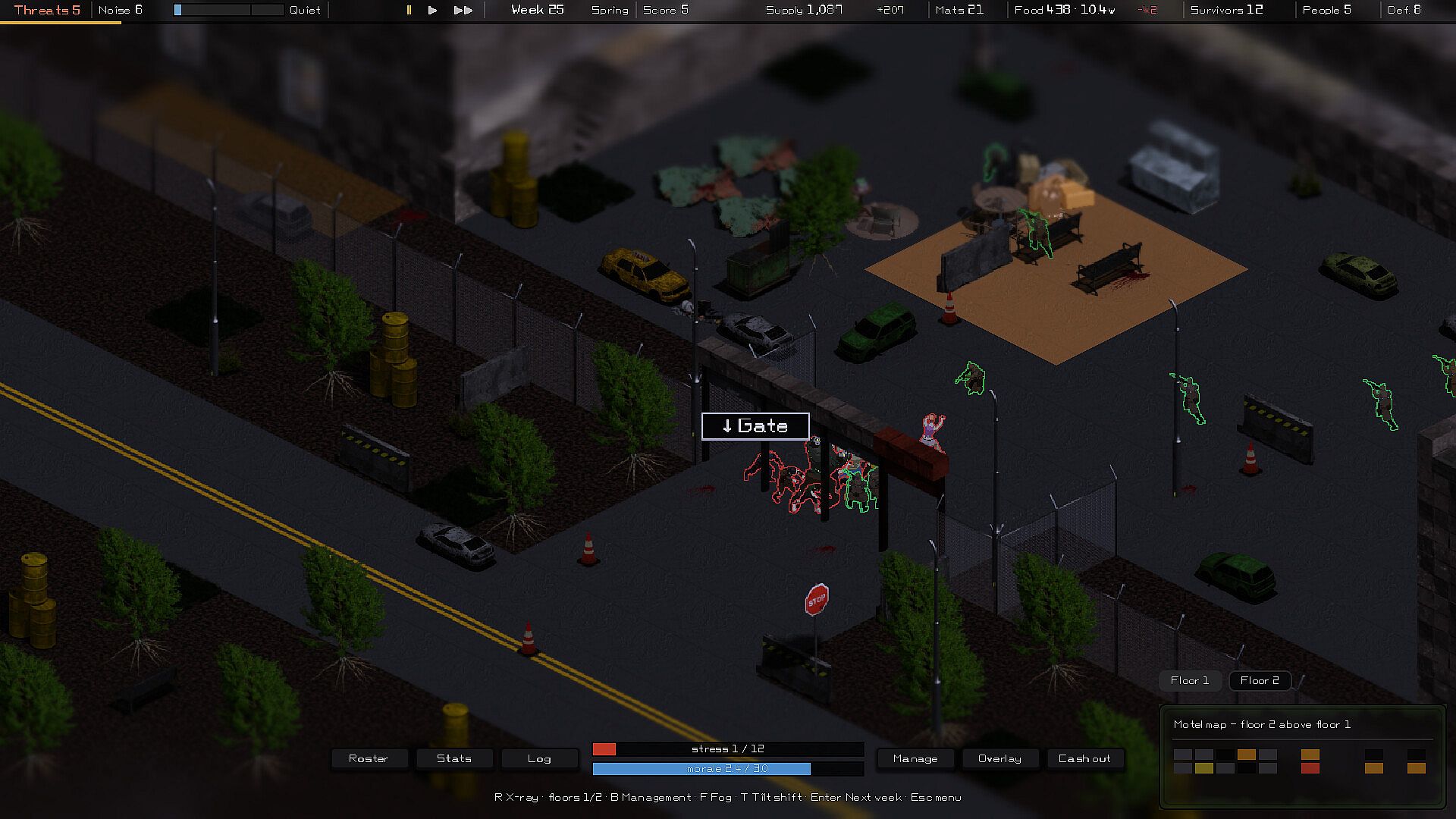
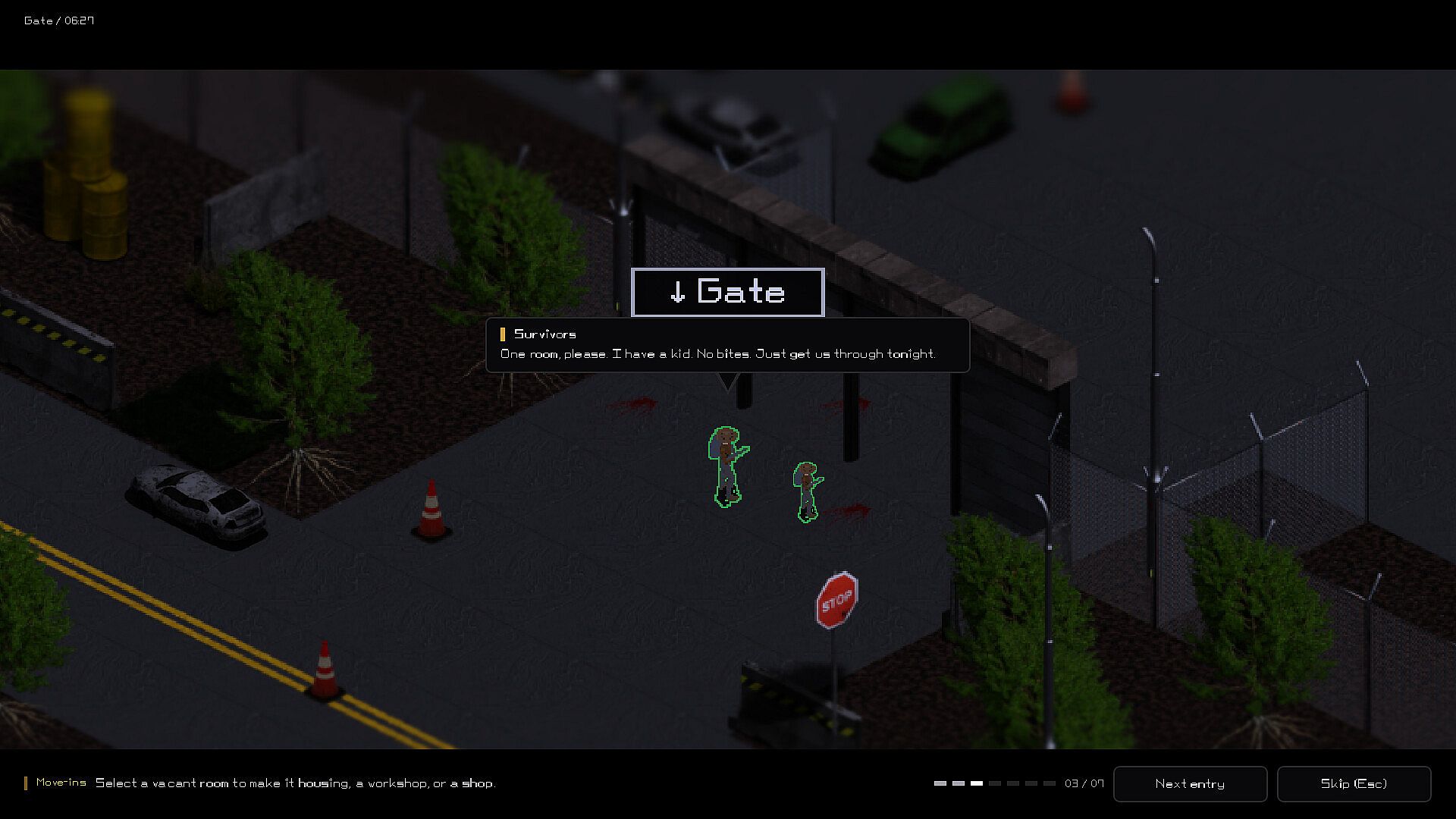
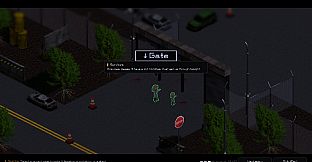
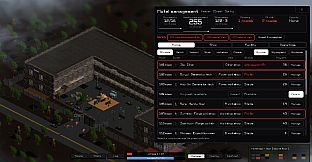
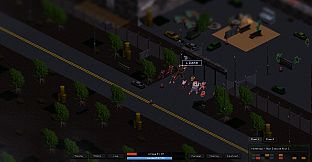
Zombie Motel 96 is a strategy and simulation game set on PC where players manage a roadside motel turned survivor shelter amid a zombie outbreak. The experience centers on balancing resource management, resident placement, and nightly defense at the single gate while deciding who to admit from the highway.
Gameplay
Days focus on the ledger. Players track supplies, materials, and food that depletes weekly per household. Shortages progress from hunger to starvation and death, with starving residents abandoning the defense line. Ration adjustments stretch stores but lower applicant quality and raise unrest. Water and power systems run on collapse timers, with radio alerts providing two weeks of warning.
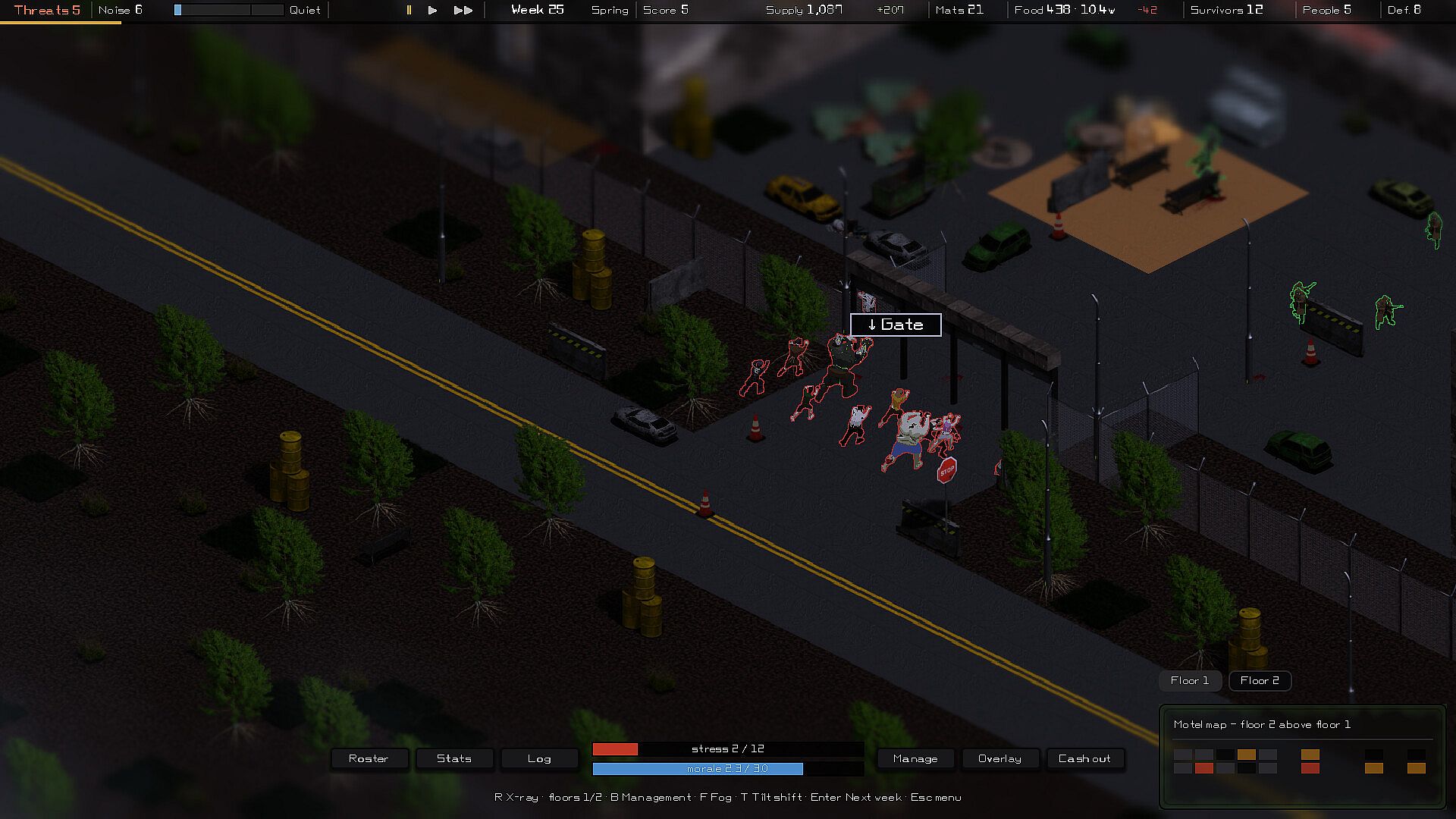
Nights bring threats down the highway. Noise from the motel fills a lure gauge that draws pressure to the gate regardless of daylight. Defense relies on residents stationed on the line, watchtowers, armed traits, and shotguns that require actual loaded shells. Running out of ammo creates vulnerable states that players must resolve through scavenging or trade.
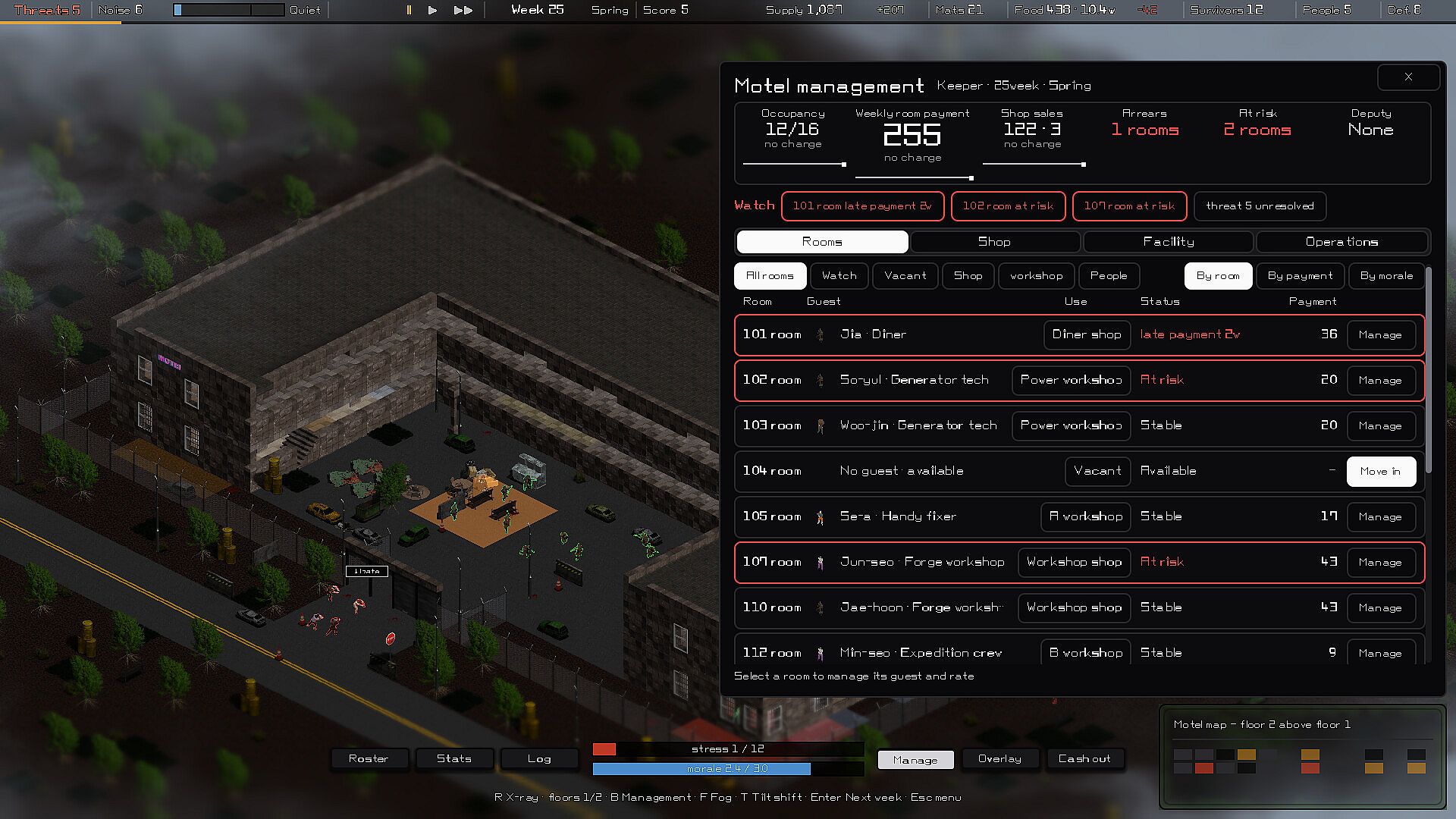
Resident management forms the core challenge. Thirteen survivor types carry ten traits in total. Applications reveal only positive aspects, hiding issues such as loud neighbors, heavy eaters, or infiltrators. Placement above, below, or beside other rooms influences noise levels, threat, and morale across the two-floor, sixteen-room building. Rooms adapt based on who occupies them, turning into housing for refugees, workshops for craftsmen, or shops for traders.
Additional systems add layers of risk and reward. Every household may smuggle items that players can seize to expand the warehouse, though this spreads word and requires gifts to restore goodwill. Infection screening carries a twenty percent misdiagnosis rate, making quarantine a calculated gamble for information. Events like births, disputes, walkouts, and raider tolls occur naturally, while a richer motel draws more dangerous attention over time.
Game Modes
The game operates through a single continuous survival structure rather than distinct named modes. Players aim to sustain the shelter across multiple weeks by managing daily ledgers and nightly defenses without a traditional win condition. The focus remains on extending the run as long as possible while tracking how many people stay alive.
Core progression ties directly to resident decisions and resource allocation. Each week tests the balance between intake, production, and defense readiness. The setup encourages repeated playthroughs through different admission choices and placement strategies that alter the motel's function and vulnerability.
Key Mechanics and Systems
Room assignment drives variety. Empty rooms start neutral, but admitting specific survivors transforms their purpose and output. Proximity effects create trade-offs, as clustering noisy or high-threat residents can spike the lure gauge faster than isolated placements allow.
Defense integrates people and equipment. Residents contribute based on traits, while static elements like watchtowers provide support. Ammo management prevents over-reliance on firearms, pushing players toward trait-based or structural solutions during shortages.
Information and risk intersect in screening and seizures. The misdiagnosis chance in infection checks forces weighing immediate safety against long-term motel stability. Smuggled goods offer short-term gains at the cost of resident trust that must be rebuilt through deliberate goodwill gestures.
Is It Worth Playing?
Zombie Motel 96 suits players who enjoy detailed management simulations combined with light survival tension. The loop of assigning rooms, tracking supplies, and preparing nightly defenses mirrors the satisfaction of optimizing layouts in similar tycoon experiences while adding zombie pressure through the gate and lure system.
Those drawn to resource spreadsheets, resident trait evaluation, and incremental building will find depth in how admission choices reshape the entire shelter over weeks. The absence of a victory state emphasizes endurance and adaptation over completion, rewarding careful planning across multiple runs.
Players seeking fast action or traditional campaign structures may find the deliberate pace and ledger focus less engaging. The game rewards patience with systems that interconnect noise, food, defense, and social factors into a cohesive survival challenge on PC.