




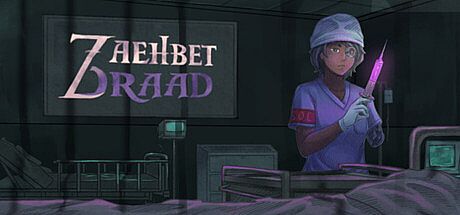


Zaehbet, Draad is an indie visual novel that blends casual adventure elements with deep mystery and puzzle solving on PC. Players step into the role of an amnesiac protagonist who must decipher an entire story written in a constructed fictional language using context, scattered notes, and careful observation.
Gameplay
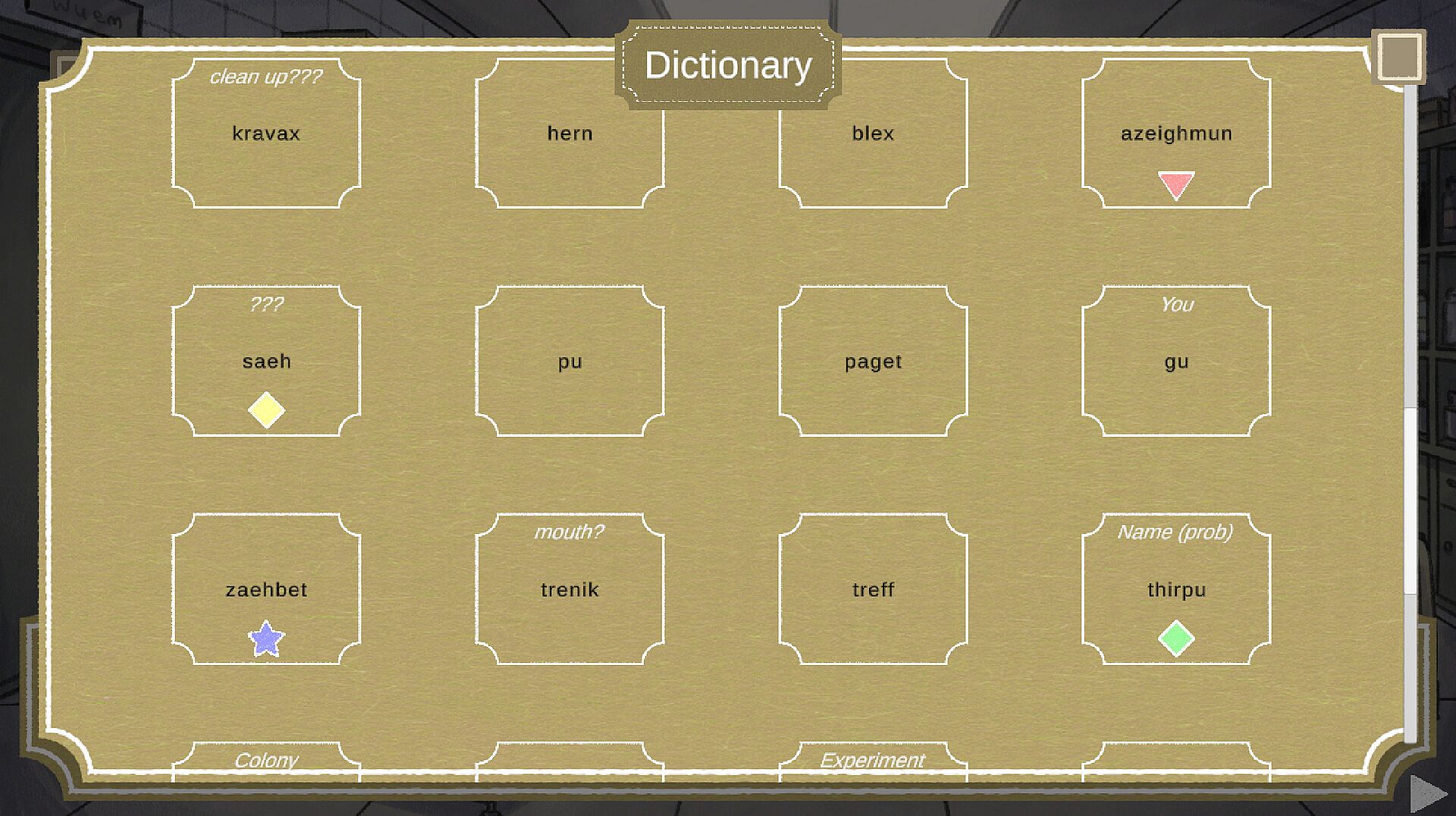
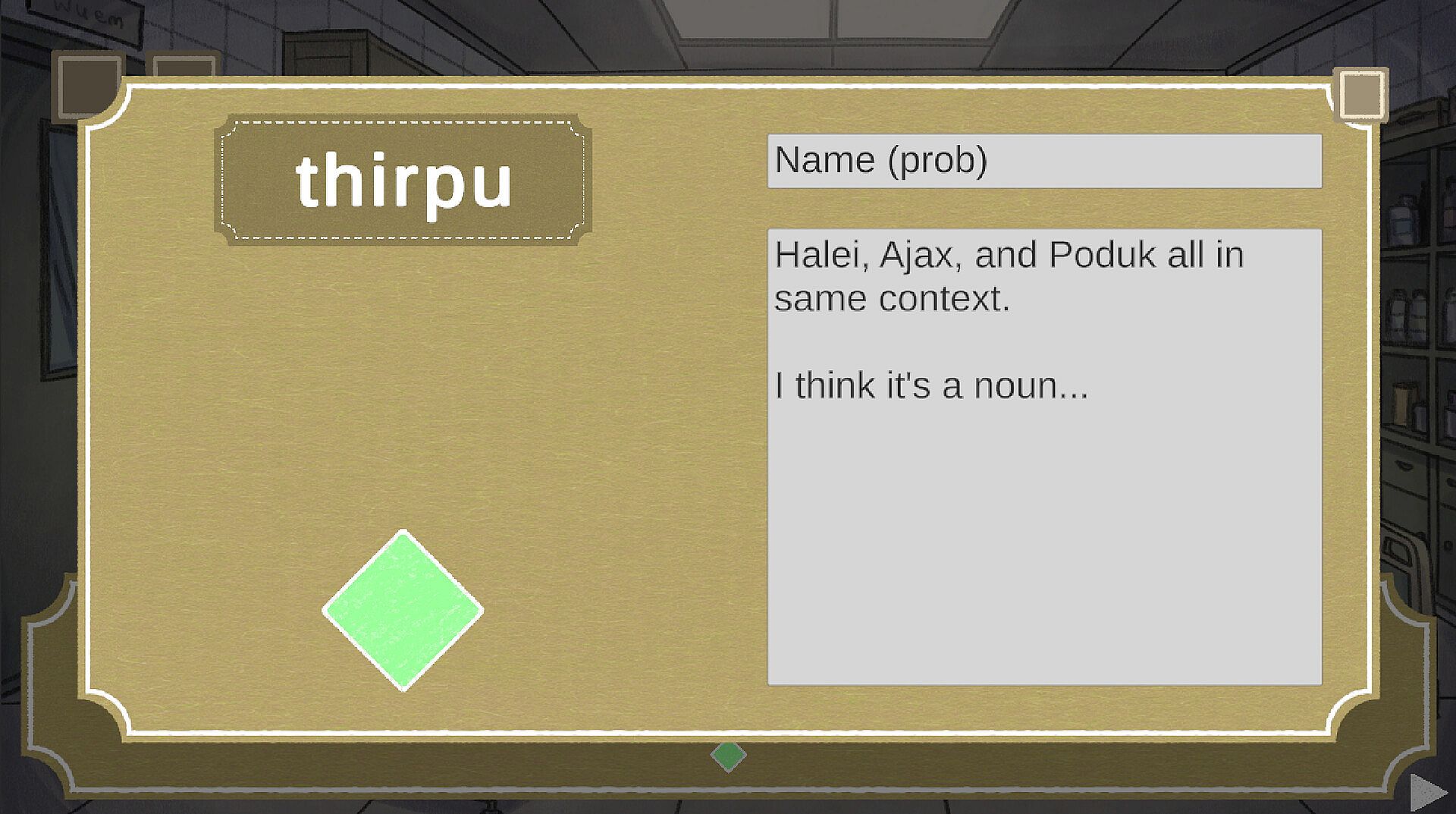
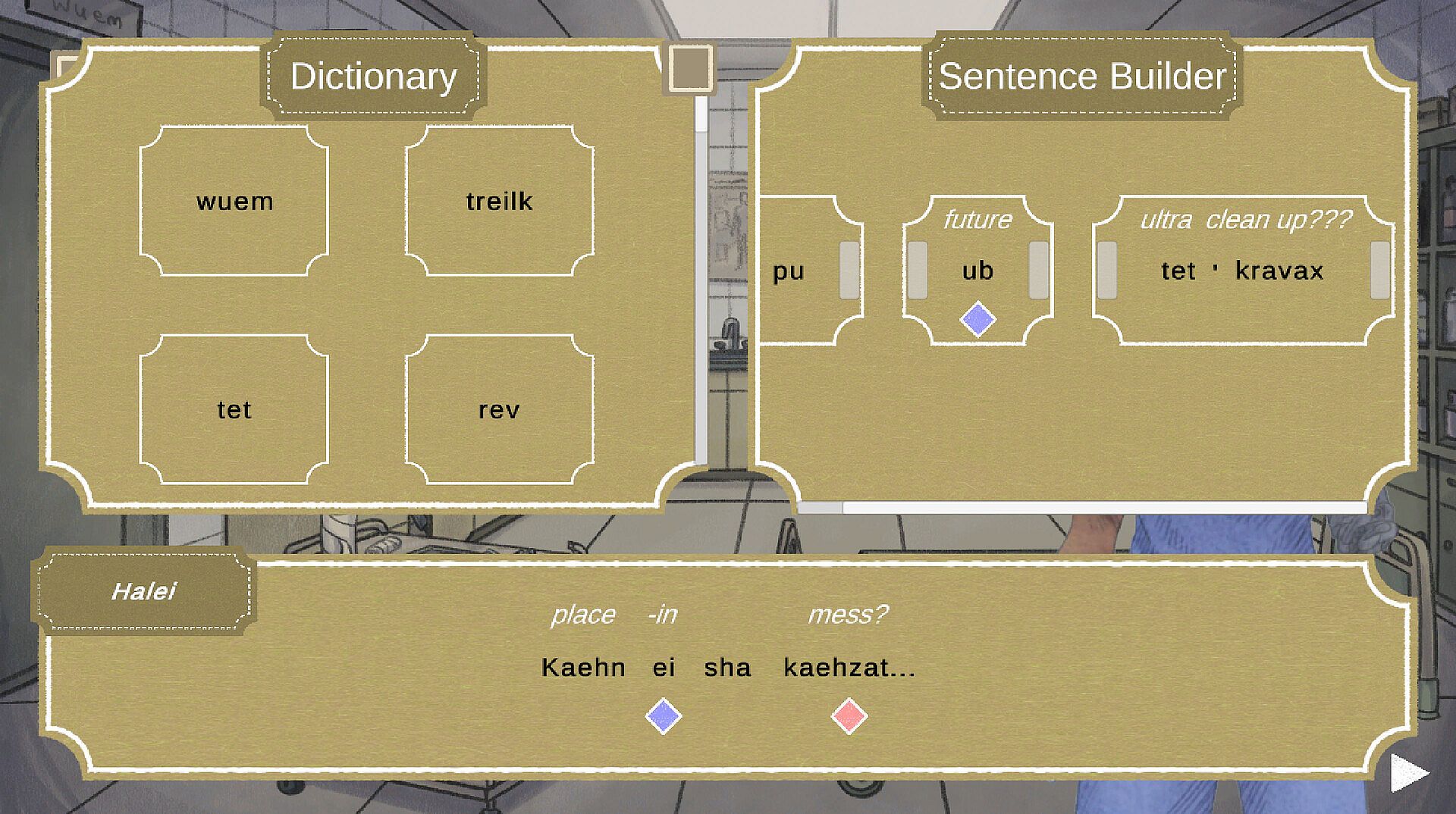
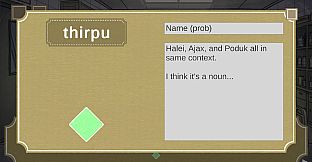
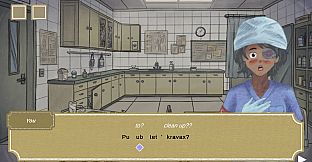
The core loop revolves around language translation and decision making. Every piece of dialogue and narrative text appears in the fictional language, requiring players to build understanding over time through repeated exposure and logical deduction. A built-in dictionary tracks every word encountered and allows personal notes for reference during later sections.
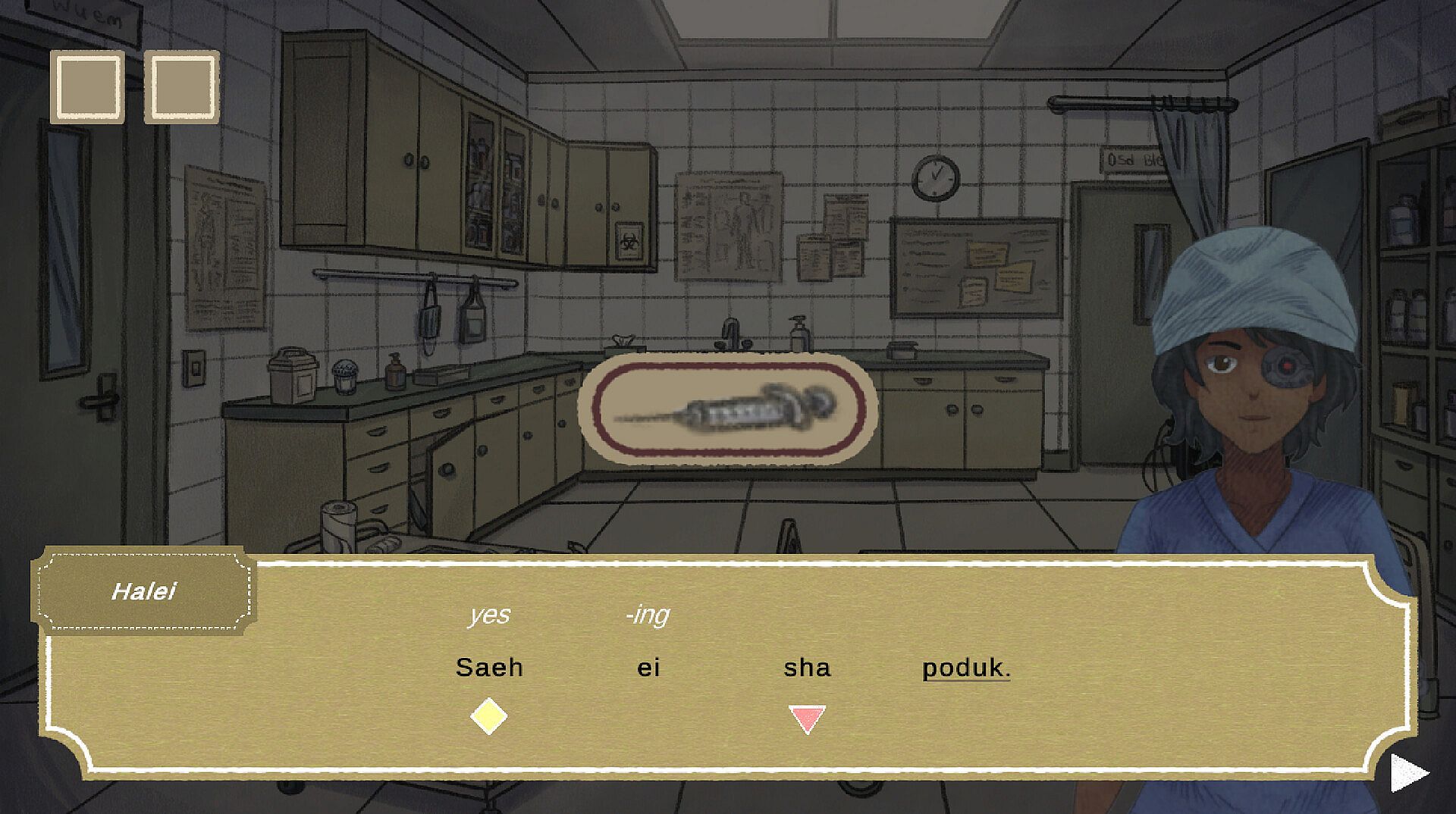
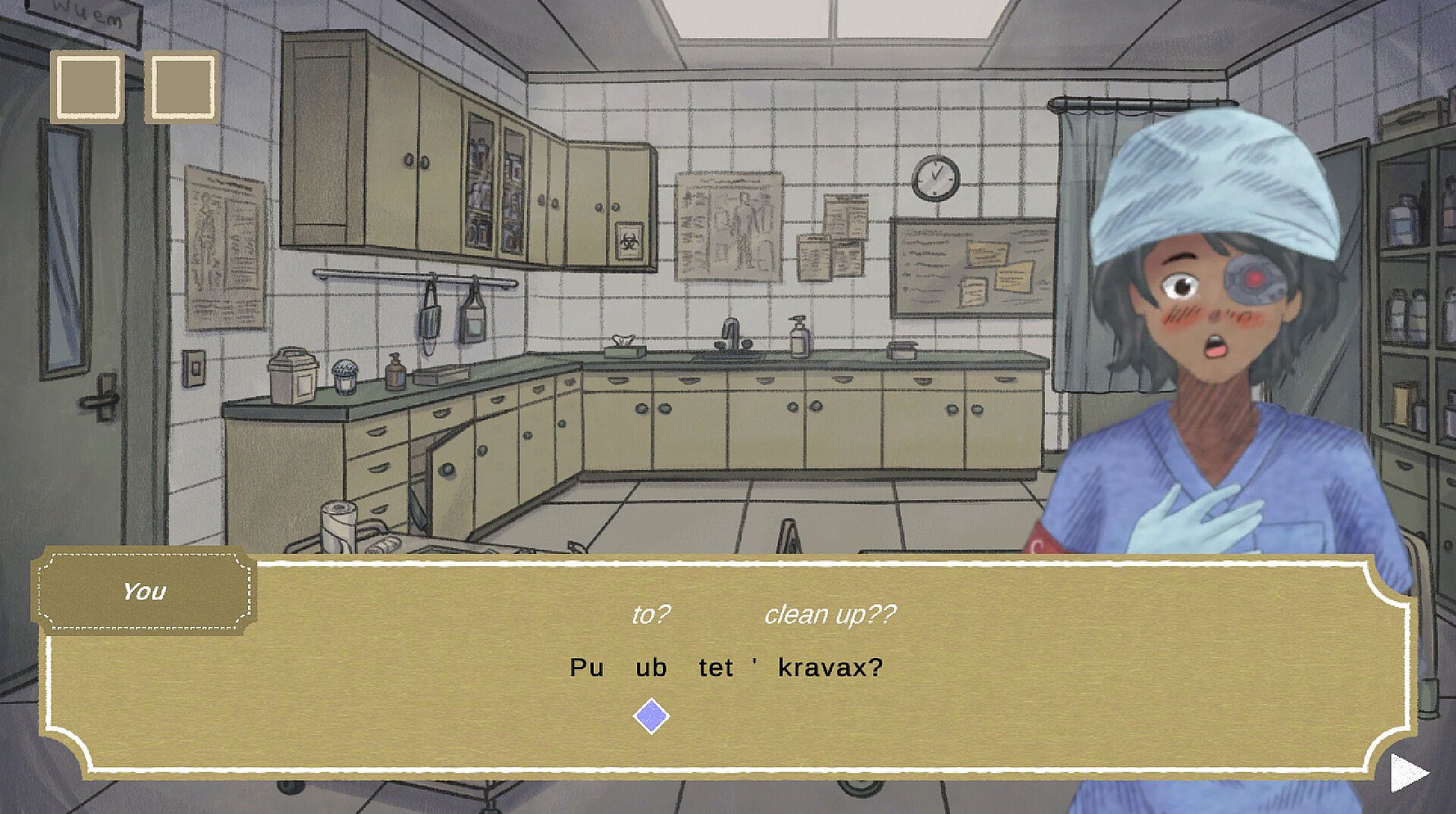
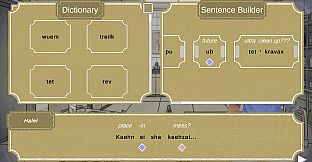
Responses to characters and story events use a drag-and-drop sentence builder. This system lets players construct their own replies by selecting and arranging words from the growing vocabulary, directly influencing how the narrative unfolds and how relationships develop with the sole companion, an amputee cyborg.
Progression depends on both story choices and the player's growing fluency in the language. Misunderstandings or incomplete translations can lead to different outcomes, while stronger command of the vocabulary opens additional options and reveals more of the underlying events.
Game Modes
Zaehbet, Draad operates as a single-player experience focused on sequential story progression and repeated playthroughs. There are no separate multiplayer or competitive modes. Instead, the structure emphasizes replayability through four distinct endings that branch based on the combination of decisions made and the level of language comprehension achieved.
Each play session builds on the dictionary and notes from previous attempts, encouraging players to refine their understanding of the fictional language across multiple runs. The emphasis remains on solitary exploration of the mystery rather than any shared or versus-style formats.
Narrative and Setting
The story begins with the player character waking as a heavily injured amnesiac in the company of the cyborg companion. This character provides the only immediate support while carrying her own unexplained history, including a collection of bodies that adds layers of tension and intrigue to every interaction.
Lore remains deliberately opaque, with background details revealed only through successful translations and careful attention to context clues. The fictional language serves as both the primary obstacle and the central mechanic, turning every conversation into a puzzle that rewards patience and pattern recognition.
Is It Worth Playing?
Players who enjoy language-based puzzles, visual novels with branching narratives, and stories that reward close reading will find a focused experience here. The drag-and-drop response system and dictionary tool create an active role in interpretation that sets the title apart from more passive reading formats.
The four endings tied to fluency and choices provide clear incentives for multiple playthroughs without requiring external guides. A demo becomes available on October 8th, 2026, offering a direct way to test whether the translation mechanics and companion dynamic match personal preferences before any full release.
Those seeking straightforward action or traditional dialogue trees may find the language barrier too demanding, while fans of cerebral mysteries and constructed languages stand to gain the most from the deliberate pacing and discovery process.