




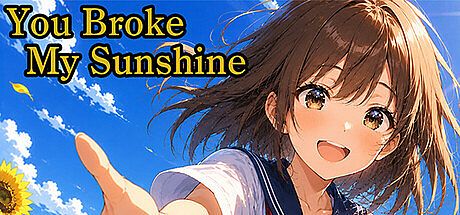


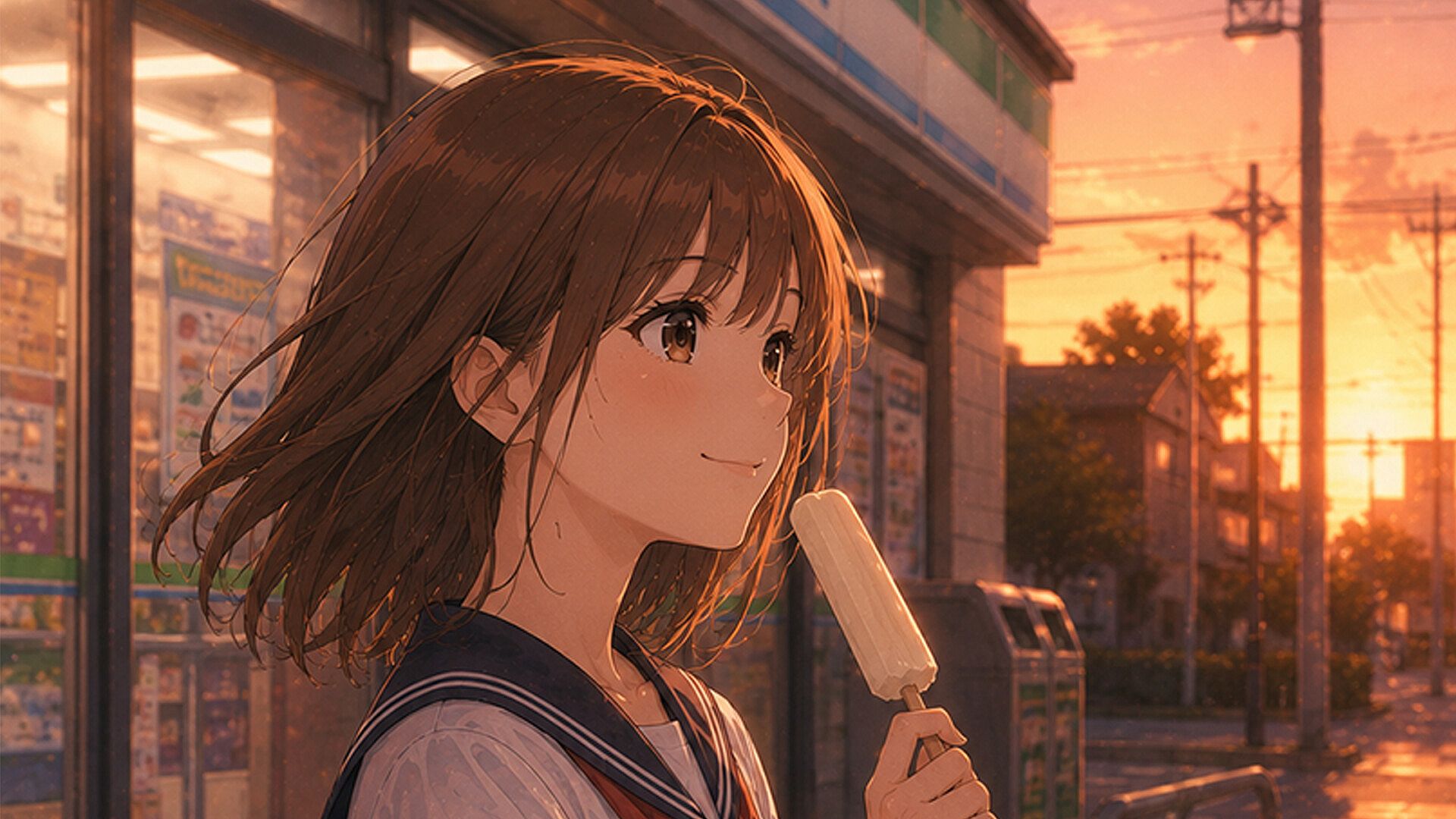
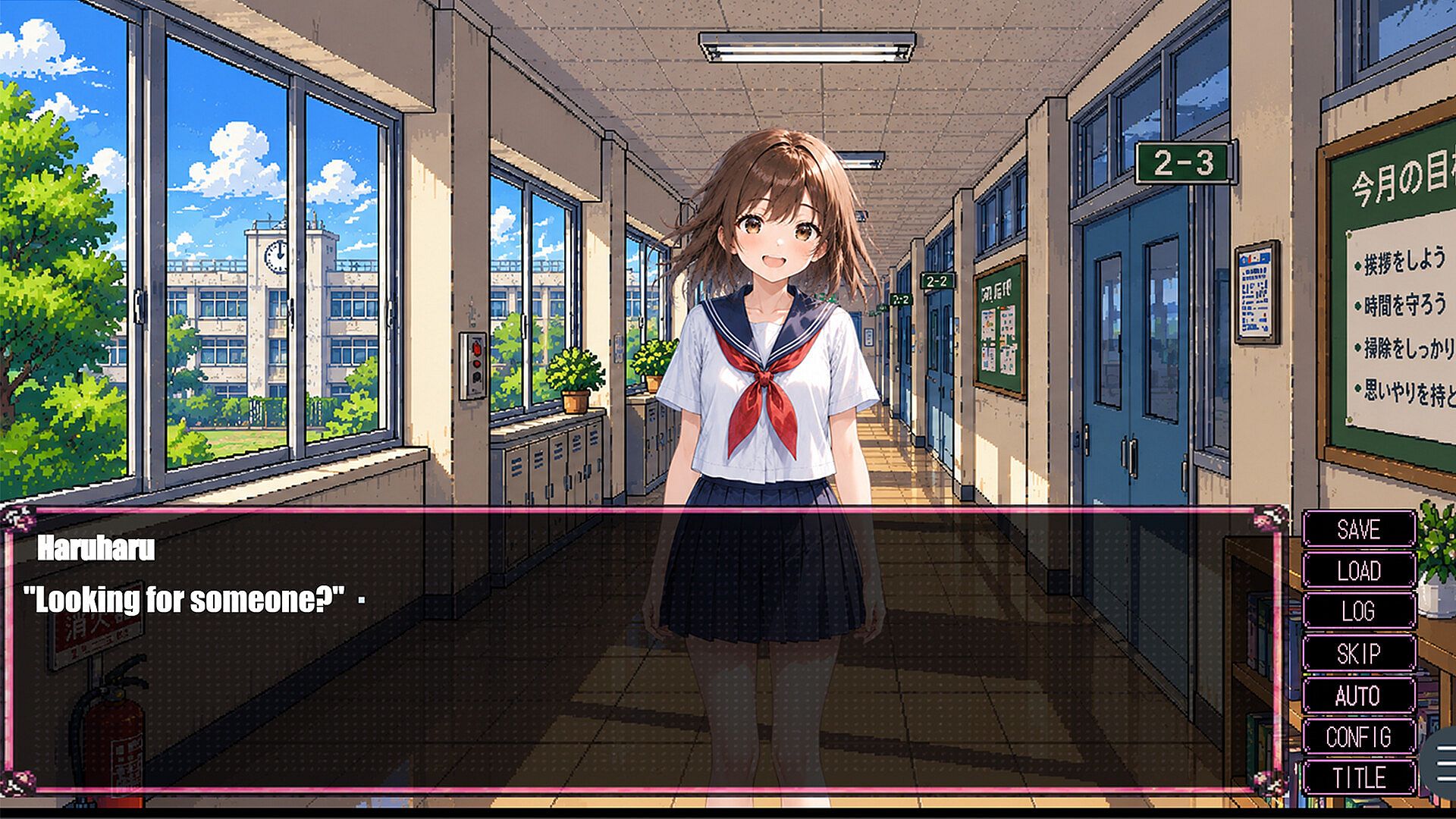
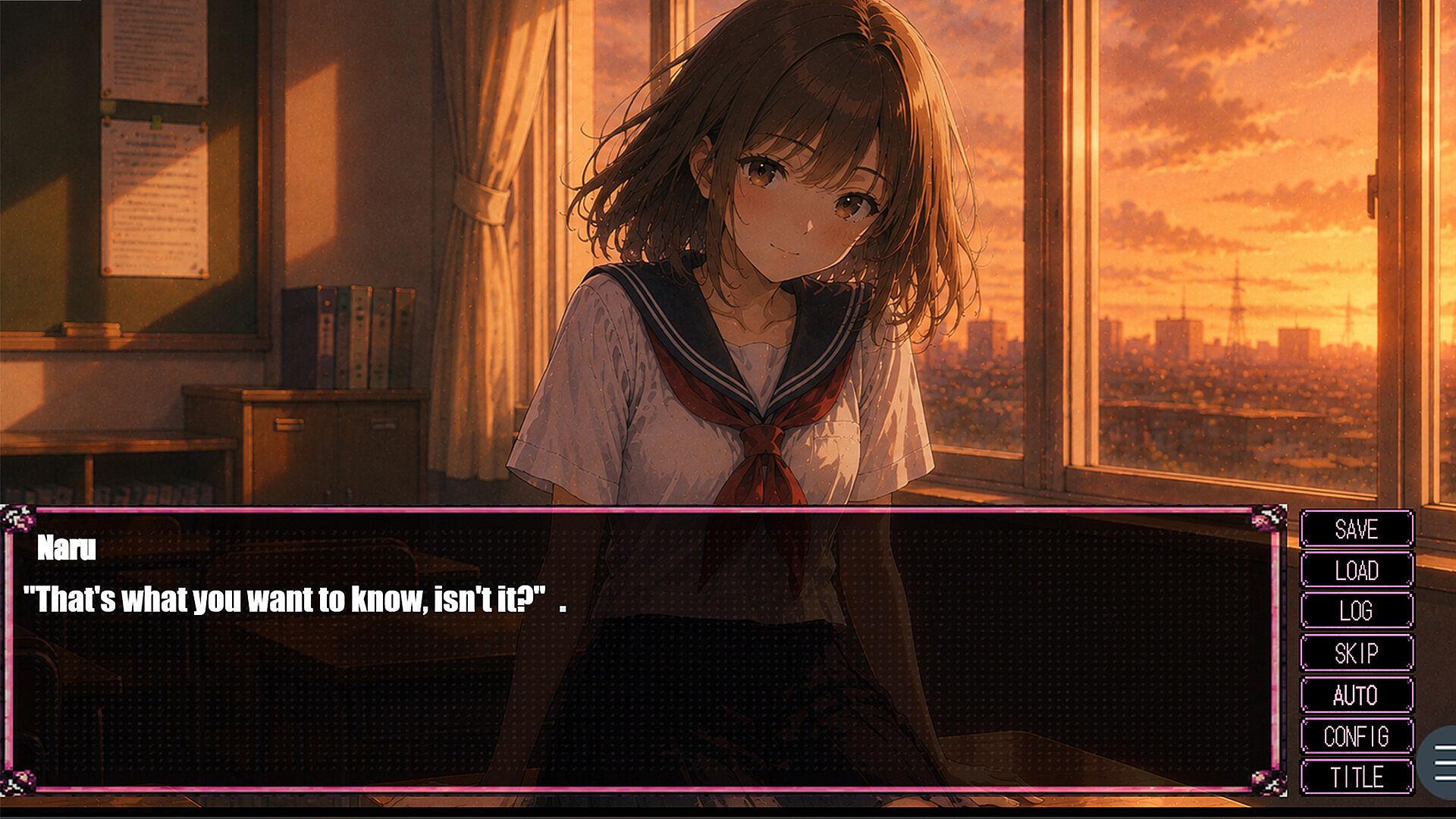
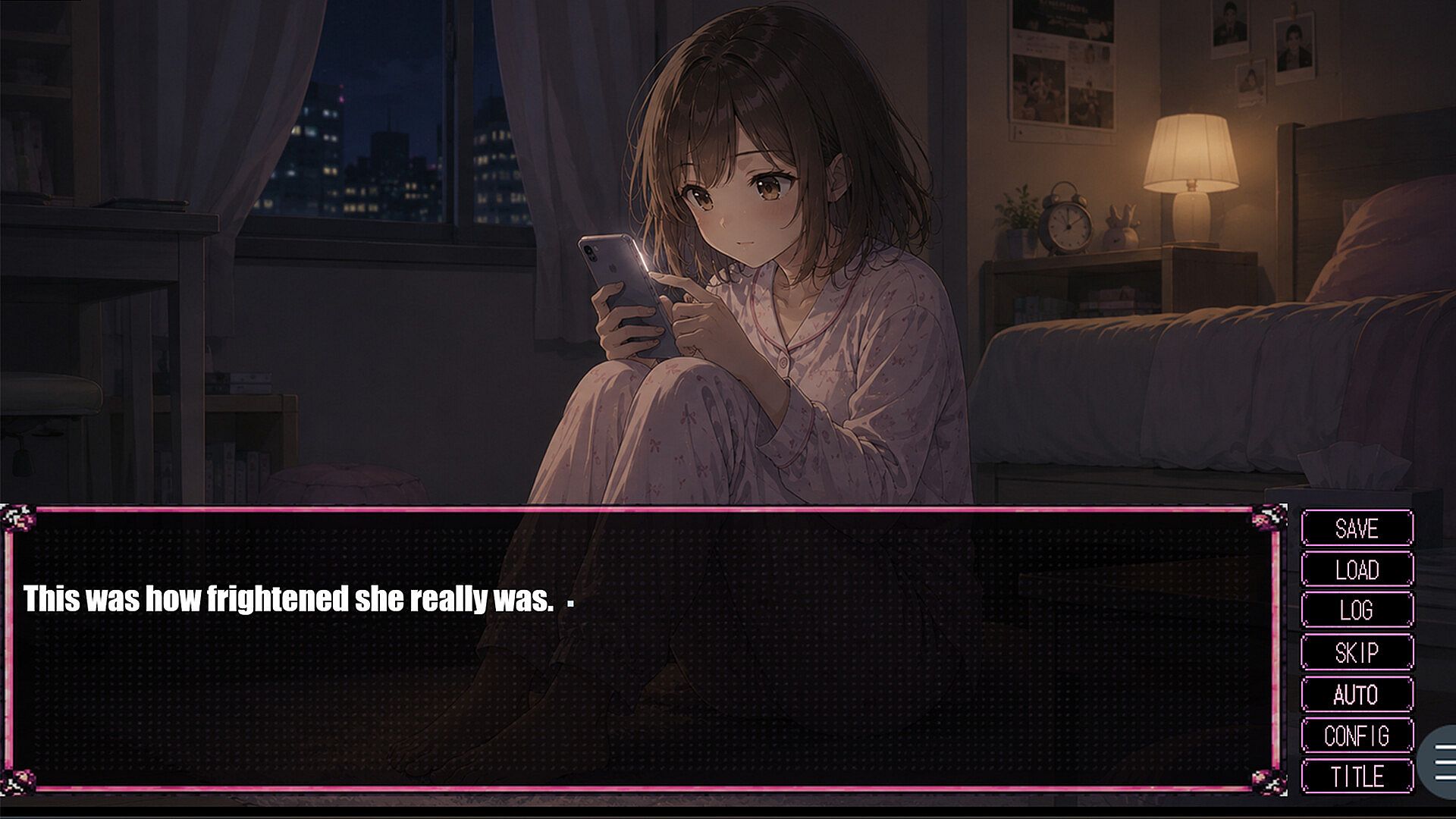
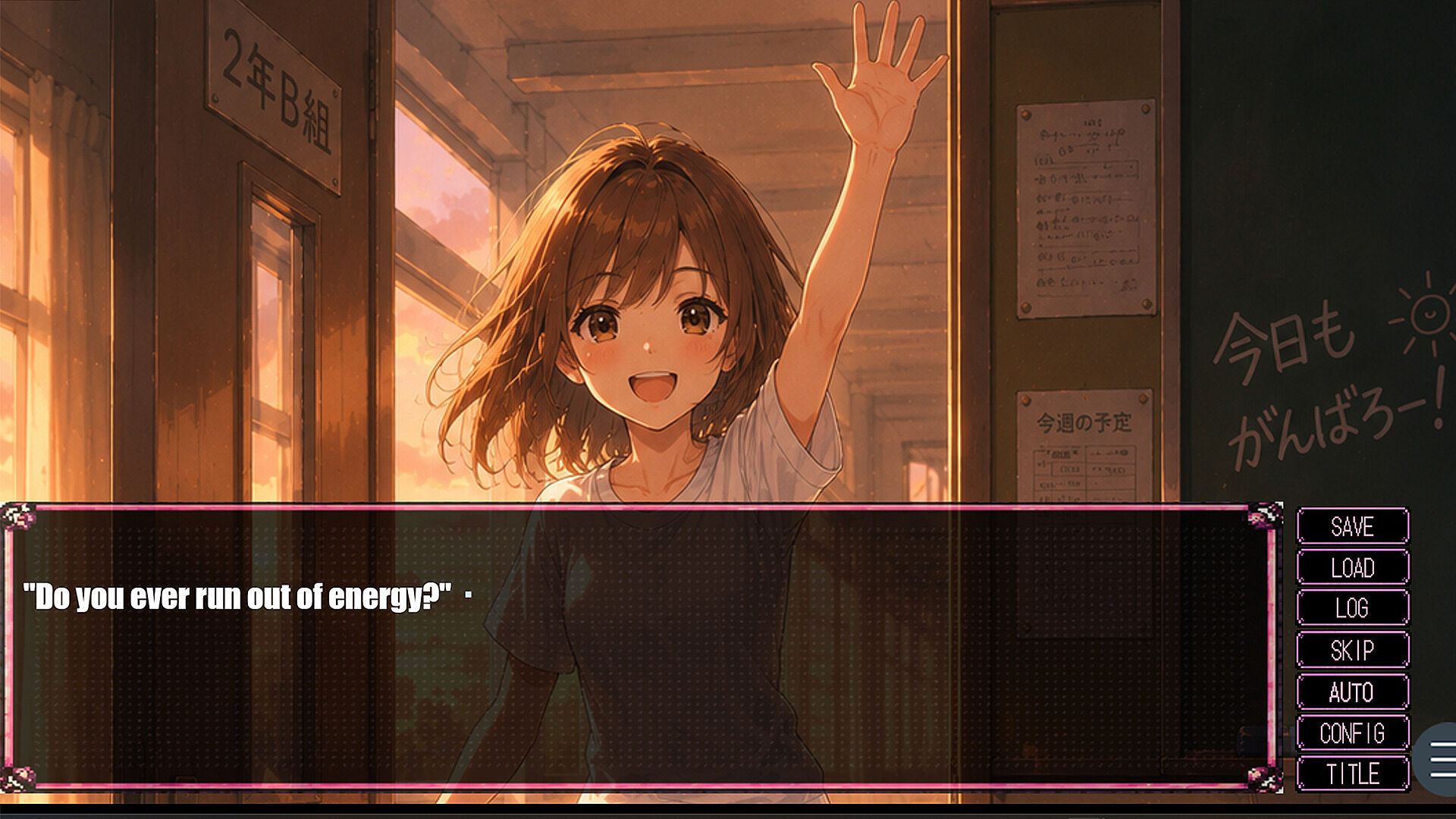
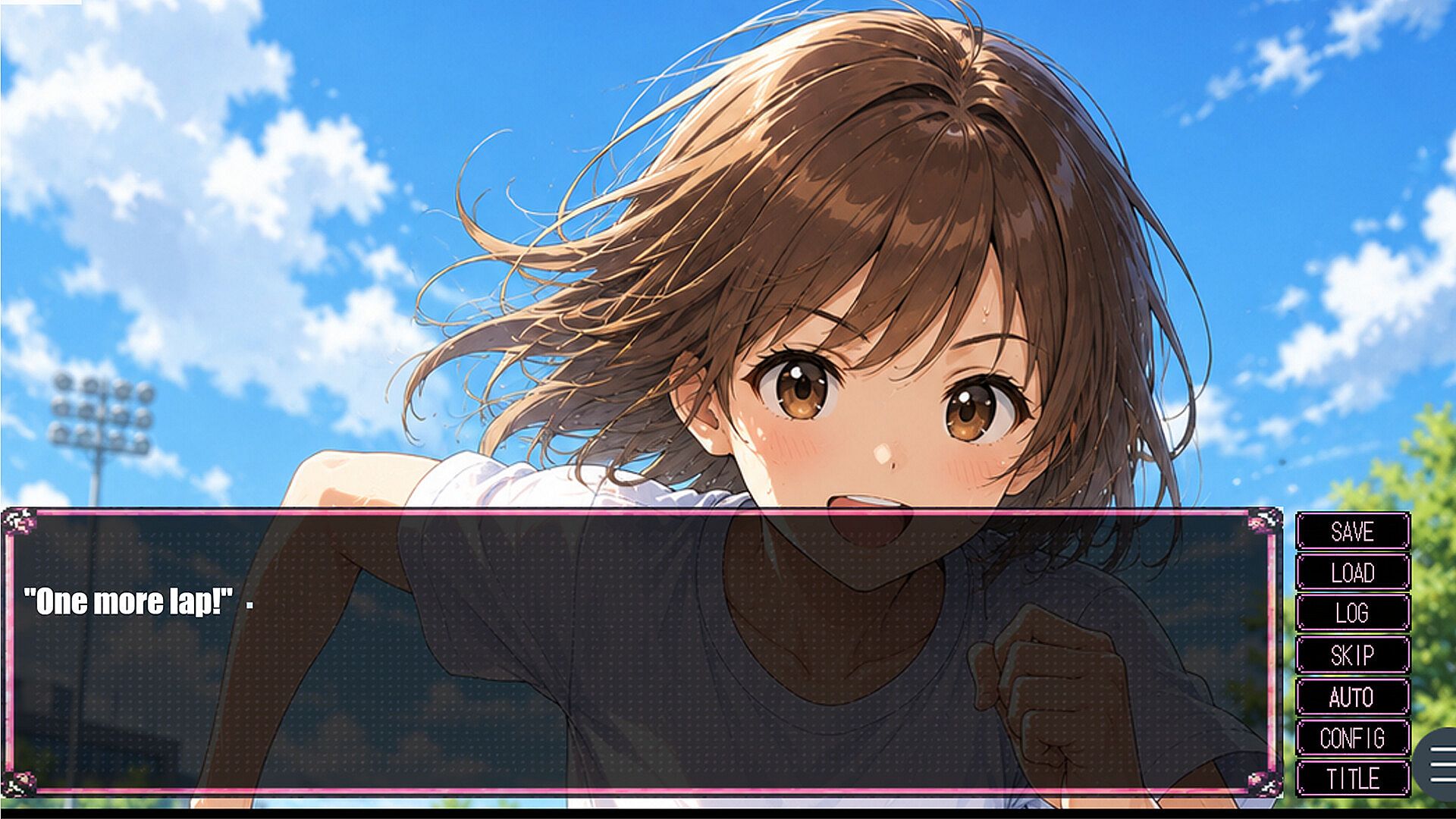
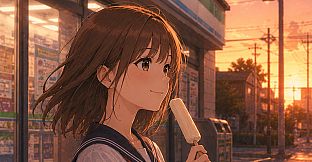
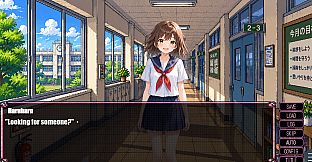
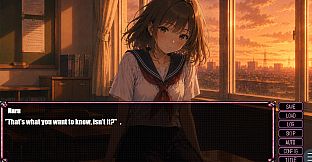
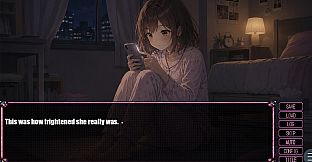
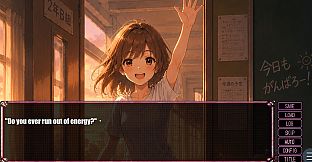
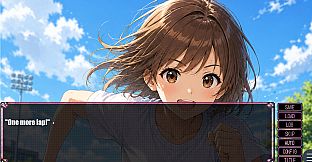
You Broke My Sunshine é um visual novel indie de aventura ambientado em uma escola, disponível para PC. O jogador assume o papel de um estudante comum que acompanha a rotina diária, as aulas e as mudanças de estação enquanto constrói laços com os colegas, em especial a alegre Haruharu. A experiência gira em torno de como pequenas decisões e conversas casuais influenciam gradualmente os relacionamentos e geram desfechos diferentes a cada nova partida.
Gameplay
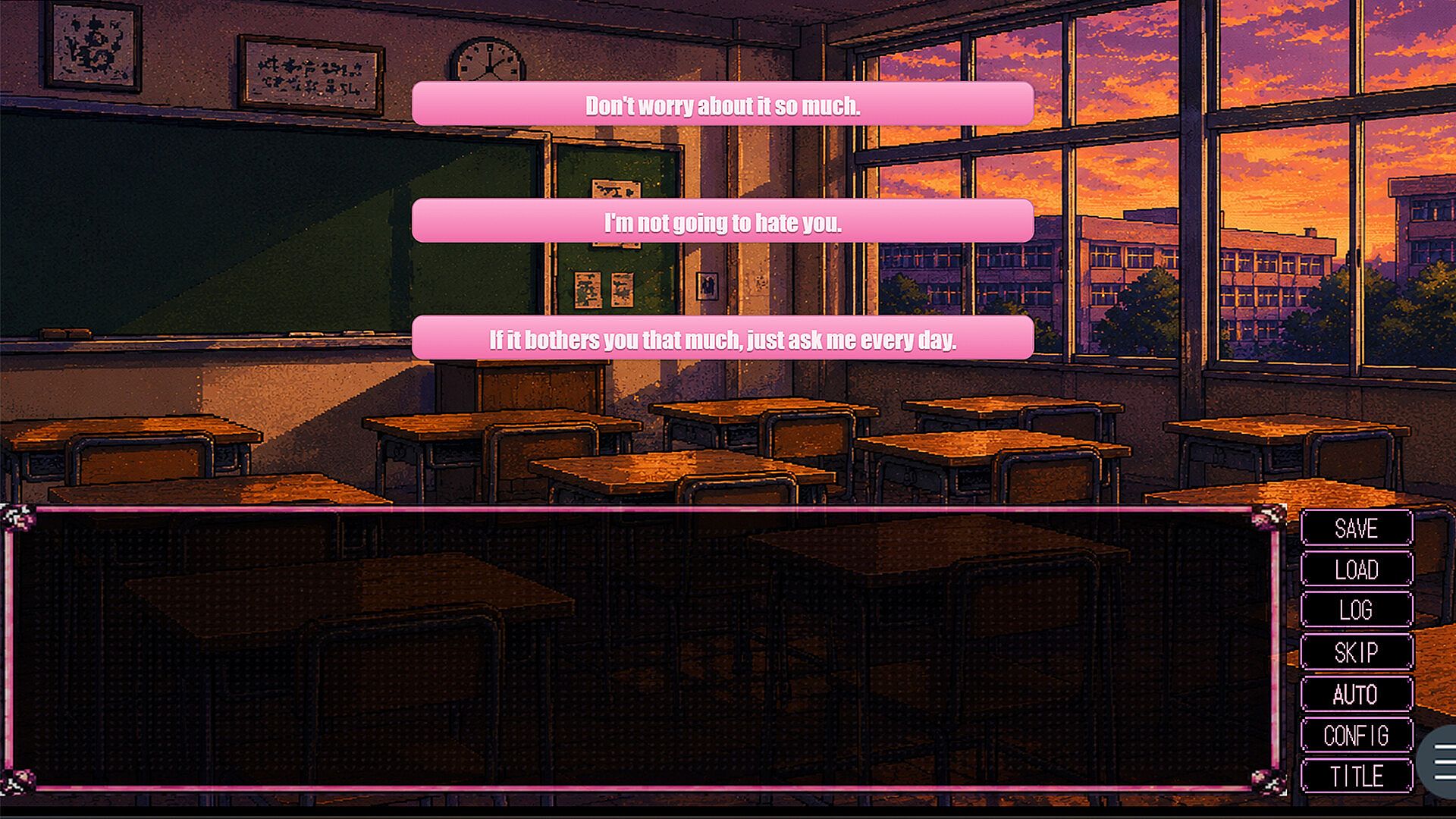
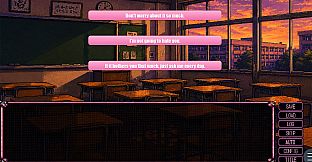
O ciclo principal consiste em avançar por situações cotidianas da escola: frequentar aulas, passar o tempo depois da aula e observar a passagem das estações. As interações com Haruharu e os demais personagens surgem naturalmente dessas rotinas repetidas. Escolhas aparecem durante diálogos e momentos-chave, alterando a forma como os personagens se relacionam e mudando o rumo dos eventos sem depender de sistemas complexos ou mecânicas externas.
A progressão é intencional e está ligada à passagem do tempo, em vez de ação ou quebra-cabeças. Cada decisão tem peso porque afeta não só a cena imediata, mas também a percepção e os vínculos entre os personagens ao longo do tempo. Mudanças sutis no diálogo ou no comportamento podem só se tornar evidentes ao revisitar situações semelhantes por outro caminho.
A narrativa segue o formato clássico de visual novel, com texto que avança a história e ramificações ocasionais que exigem a intervenção do jogador. Momentos comuns recebem atenção especial, transformando a rotina escolar na base para desenvolvimentos emocionais que surgem de forma gradual, sem cenas dramáticas.
Game Modes
O jogo é inteiramente singleplayer e centrado em uma história guiada por escolhas. Não existem modos competitivos ou cooperativos, pois o foco está nas decisões pessoais dentro do ambiente escolar. Os múltiplos finais resultam diretamente dos caminhos formados pelas escolhas acumuladas, incentivando novas partidas para descobrir como seleções diferentes remodelam os relacionamentos e os desfechos.
Cada rota revela camadas adicionais dos mesmos eventos, permitindo ao jogador montar um panorama mais amplo que não era visível na primeira vez. Situações que pareciam secundárias ganham novo contexto quando vistas por outra sequência de decisões, reforçando a ideia de que pequenas ações se acumulam em resultados significativos.
Story and Themes
A narrativa acompanha um estudante comum cuja rotina se cruza com Haruharu, cuja personalidade otimista aproxima as pessoas. Conforme o tempo passa entre aulas e atividades extracurriculares, o vínculo entre o protagonista e Haruharu se aprofunda ao longo do ano letivo. A história explora como palavras despretensiosas e escolhas espontâneas podem deixar impressões duradouras nos outros.
Os temas giram em torno das consequências silenciosas das interações cotidianas e da forma como perspectivas individuais preenchem gradualmente detalhes que faltavam. Os múltiplos finais evidenciam que nenhum caminho isolado revela a experiência completa, e rotas posteriores costumam recontextualizar momentos anteriores, alterando seu significado.
Is It Worth Playing?
Este visual novel é indicado para quem aprecia ritmo deliberado e histórias construídas em torno de dinâmicas interpessoais, em vez de ação ou conflitos de alto risco. Seu ponto forte está na construção cuidadosa do impacto emocional por meio da rotina escolar repetida e das consequências ramificadas das escolhas. Quem se interessa por explorar como decisões comuns moldam relacionamentos encontrará recompensa ao revisitar o jogo, à medida que novos detalhes surgem em finais diferentes.
O título está disponível como uma experiência singleplayer completa para PC, sem modos adicionais ou conteúdo sazonal em andamento confirmados até o momento. Seu foco em narrativa psicológica por meio da vida escolar cotidiana o torna uma opção distinta dentro do gênero indie de visual novels para quem busca histórias reflexivas baseadas em escolhas.