






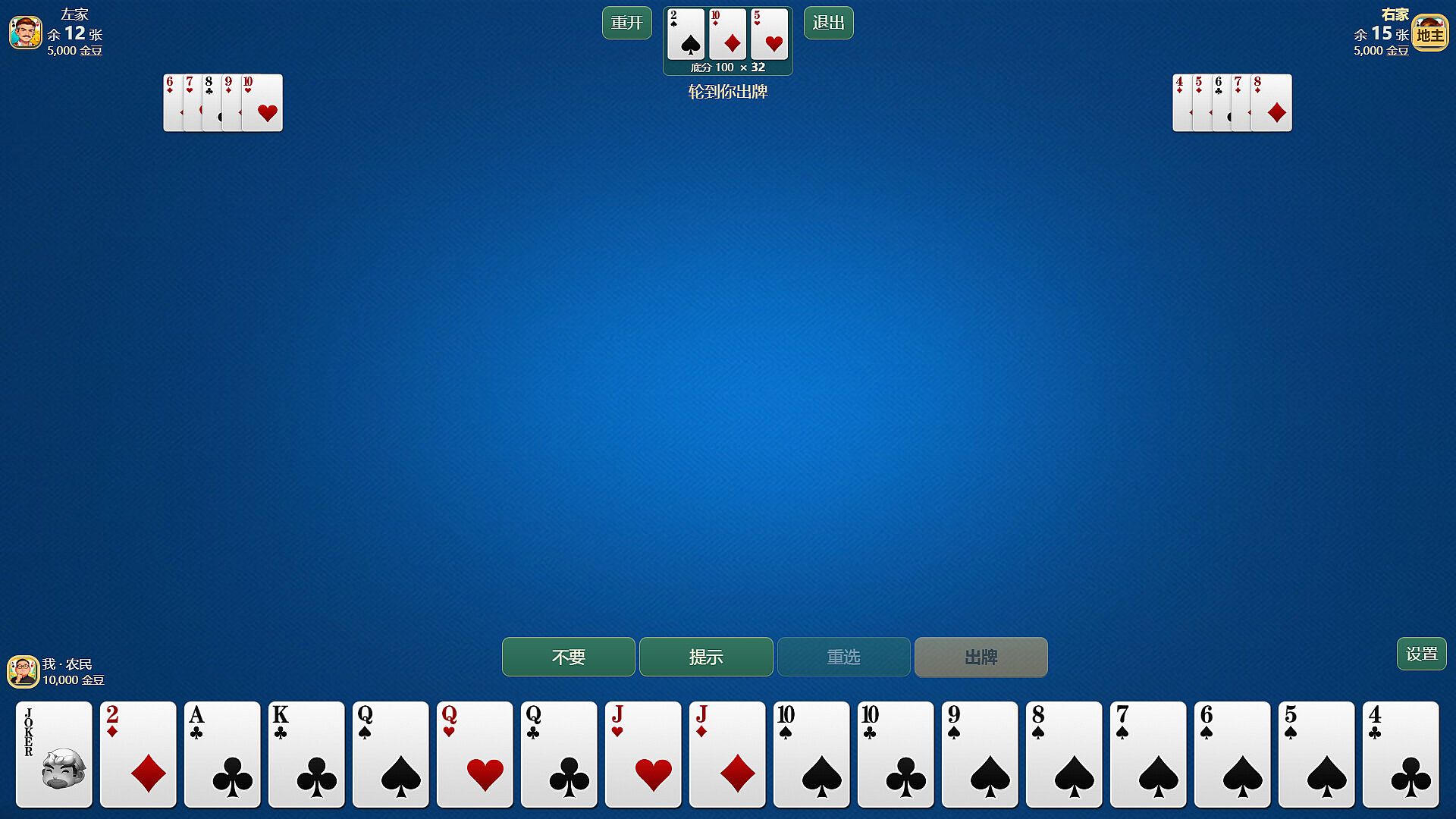
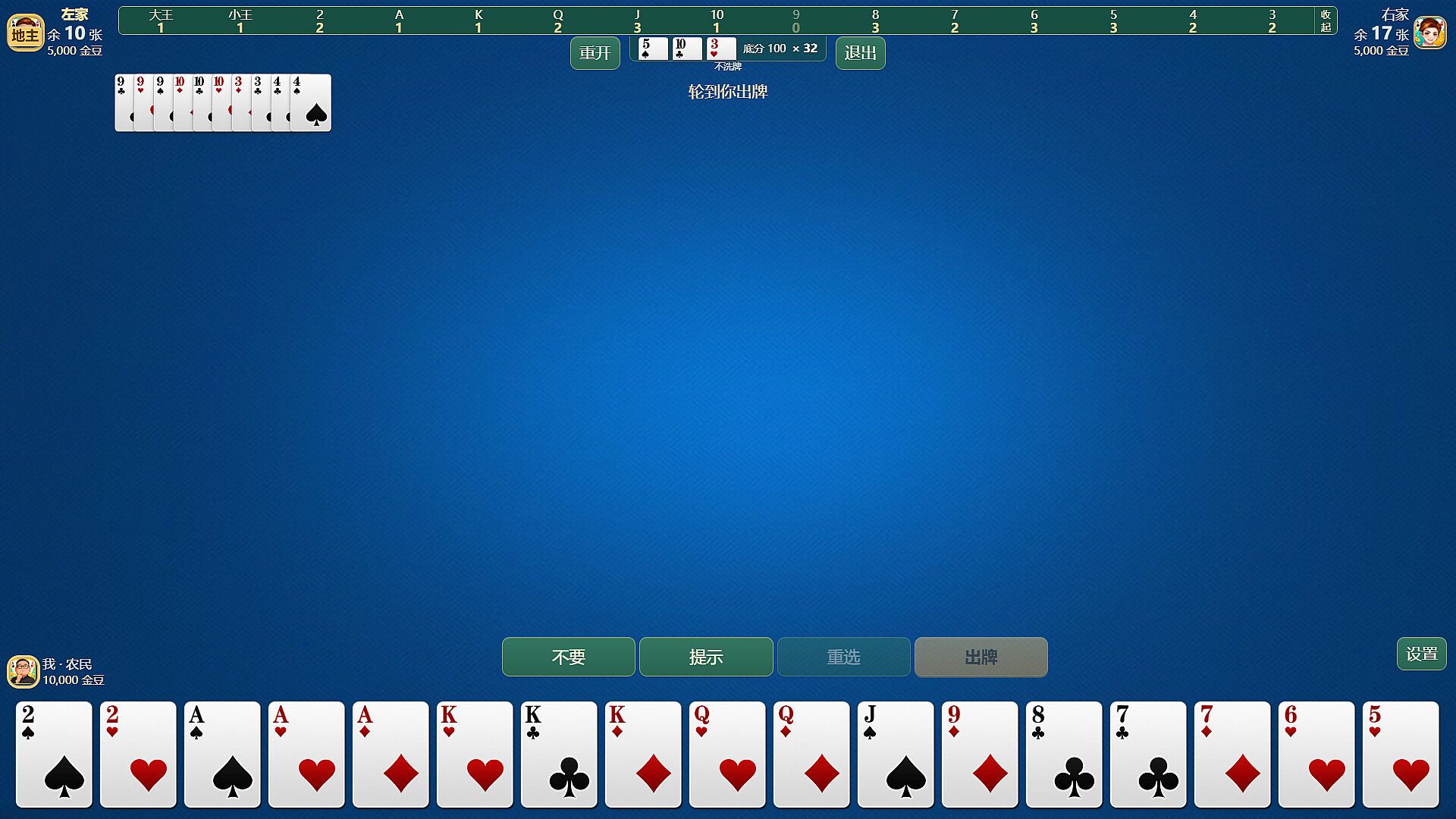
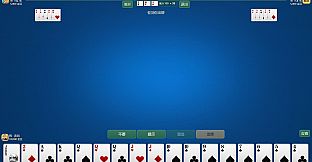
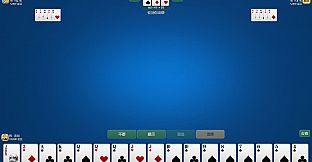
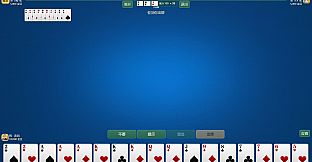
Yandra Dou Dizhu is a PC strategy card game that brings the classic three-player Chinese game of Dou Dizhu to a digital table. Players bid to become the landlord while the other two form a team of farmers, then compete to empty their hands first through careful plays and coordination. The title emphasizes single-player practice against local AI with tools for reviewing past decisions and experimenting with different choices mid-hand.
Gameplay
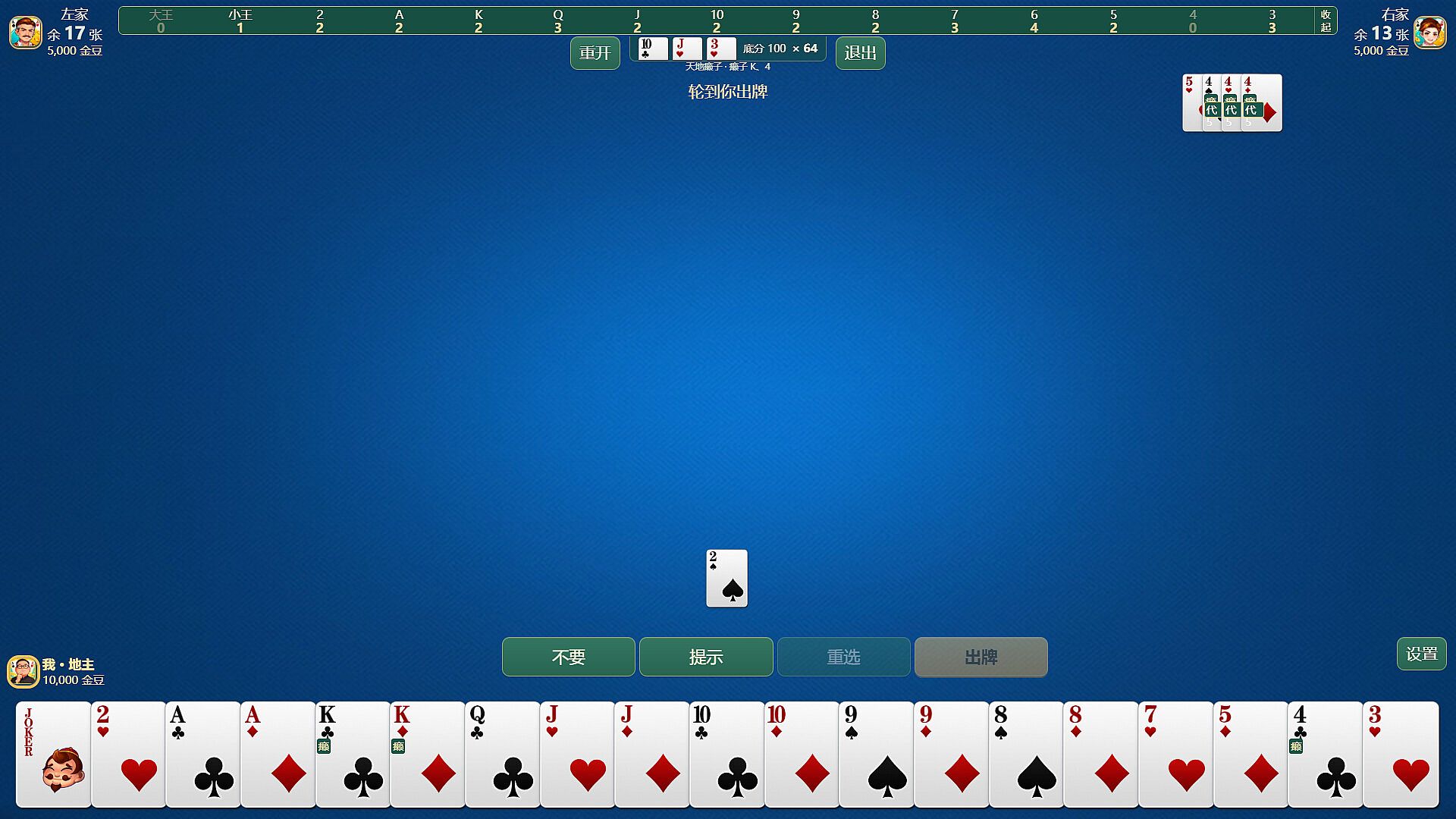
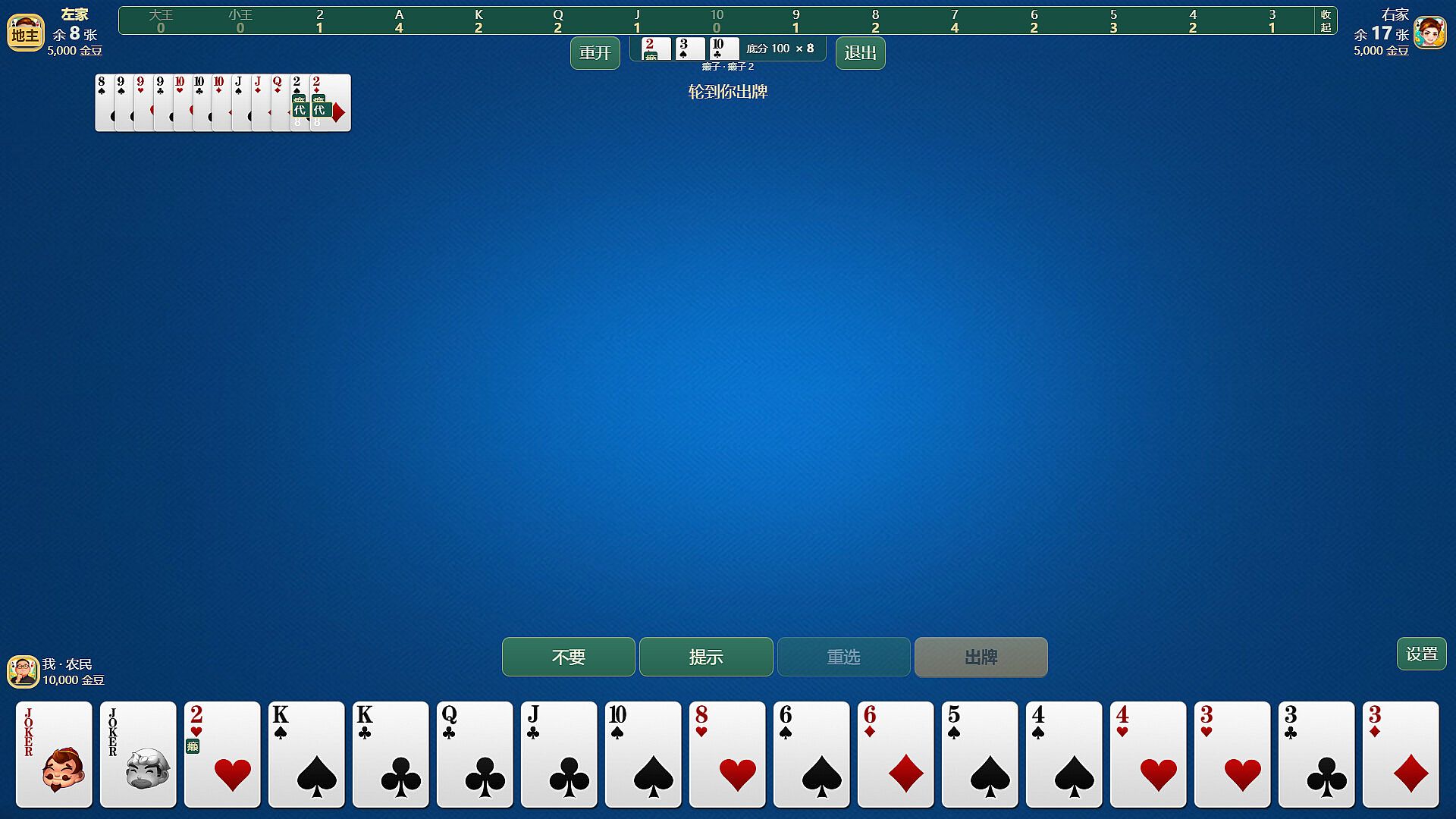
The core loop revolves around a standard 54-card deck that includes two jokers. Each round begins with a bidding phase where participants compete for the landlord position. The winner claims three extra cards from the center and plays alone against the paired farmers. Farmers must work together to block the landlord while racing to shed their own cards. Valid combinations follow traditional climbing rules, with higher ranks or stronger types beating prior plays until two consecutive passes return control to the lead player.
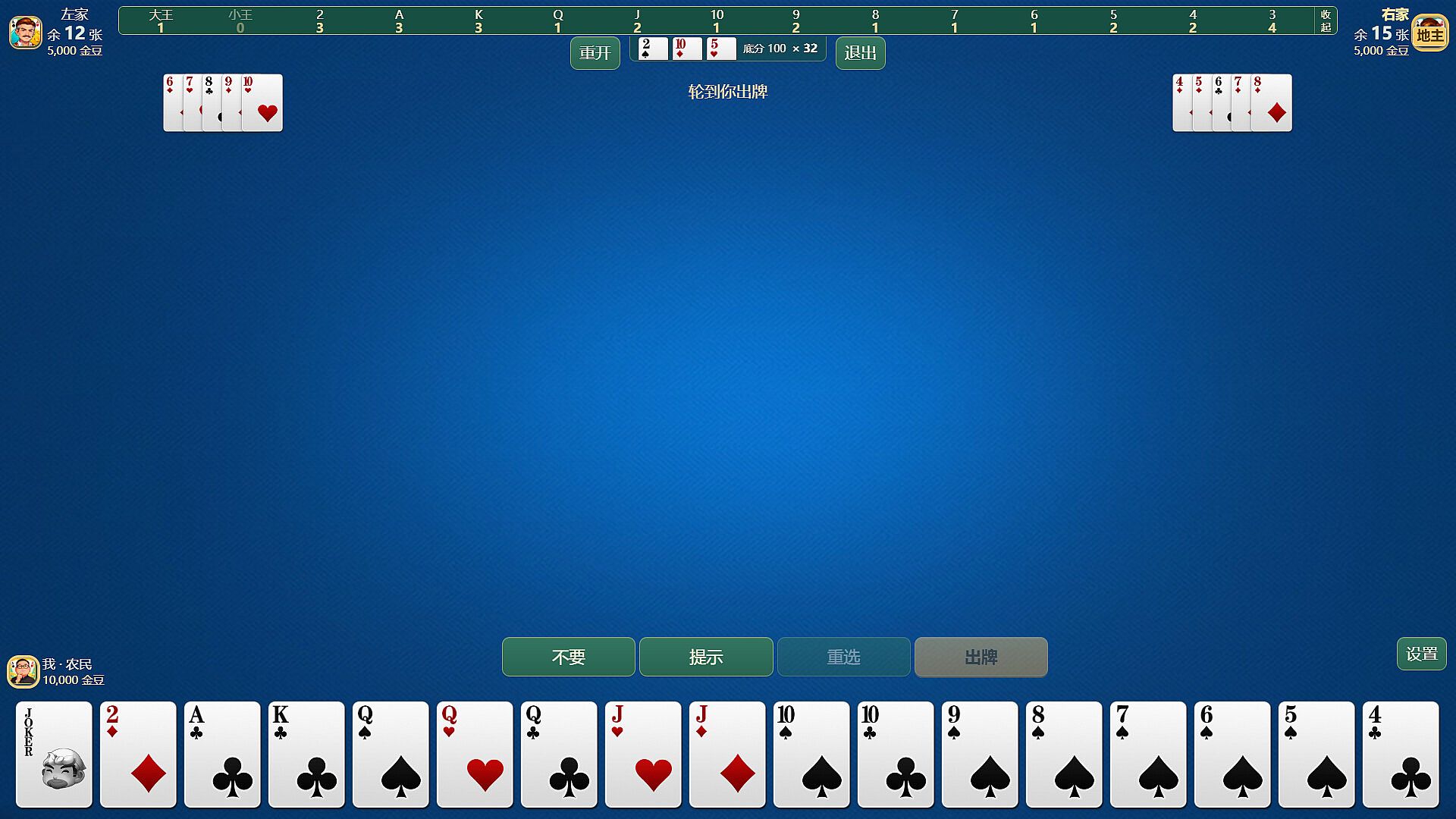
Special combinations add tension. Bombs and rockets clear the way when standard sequences fall short. The landlord starts each hand, but farmers gain an edge through teamwork and timely passes. Rules remain fixed once a hand begins, and the game tracks remaining card counts along with public plays on the table for easy reference.
Game Modes
Four distinct rule sets shape each session. Classic follows the standard bidding and play structure without alterations. No-shuffle preserves the exact order of collected cards from the previous hand for the next deal, creating continuity across rounds. Wildcard introduces designated cards that stand in for any rank, while Dual-wildcard expands that flexibility with two such substitutes. These variants keep the physical card identities intact even when they represent other values, allowing players to adapt strategies without changing the underlying deck composition.
Each rule set supports the same bidding and team structure, yet demands different approaches. Wildcard modes reward flexible thinking around substitutes, while no-shuffle emphasizes memory of prior discards. Players select the variant at the start of a session and stay with it through the hand.
Practice and Review Tools
Local AI opponents provide consistent opposition for solo sessions. The system adapts basic strategies to each rule variant, offering reliable practice without requiring an internet connection. Unfinished hands can be saved and resumed later, preserving progress across sittings.
An archive stores completed hands for later study. The replay viewer lets players step through sequences and return to any key decision point to test an alternative line. This feature supports deliberate improvement by isolating moments where a different bid, pass, or combination might have shifted the outcome.
Customization and Interface
Controls rely on mouse and keyboard for selecting and playing cards. Interface elements scale independently, including card size and overall layout, to suit different screen setups or preferences. Avatars and voice options personalize the table, while role indicators, remaining card counts, and visible plays keep information clear during matches.
The entire interface appears in Simplified Chinese. No additional language options are provided, keeping the focus on the native presentation of the game.
Is It Worth Playing?
Yandra Dou Dizhu suits players who enjoy deliberate card game strategy and want a dedicated single-player environment for Dou Dizhu. The four rule variants deliver meaningful differences in approach, and the review tools support repeated practice without external opponents. Those seeking quick matches against AI or a way to refine bidding and timing will find the save, resume, and replay features practical. The game remains a focused indie title centered on core mechanics rather than online competition or frequent content additions.