




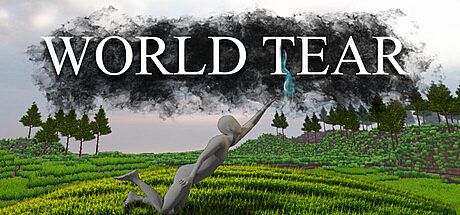


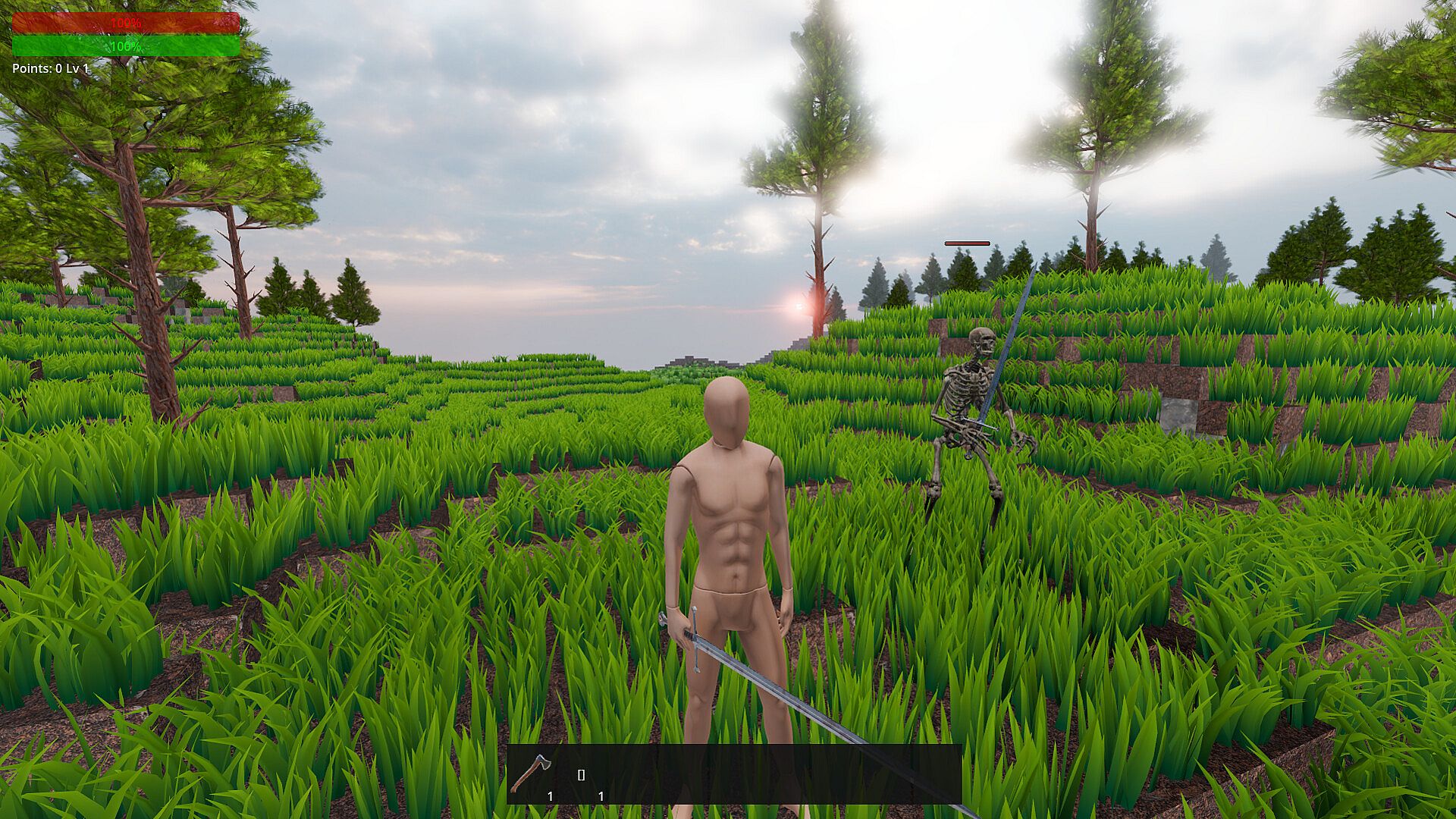
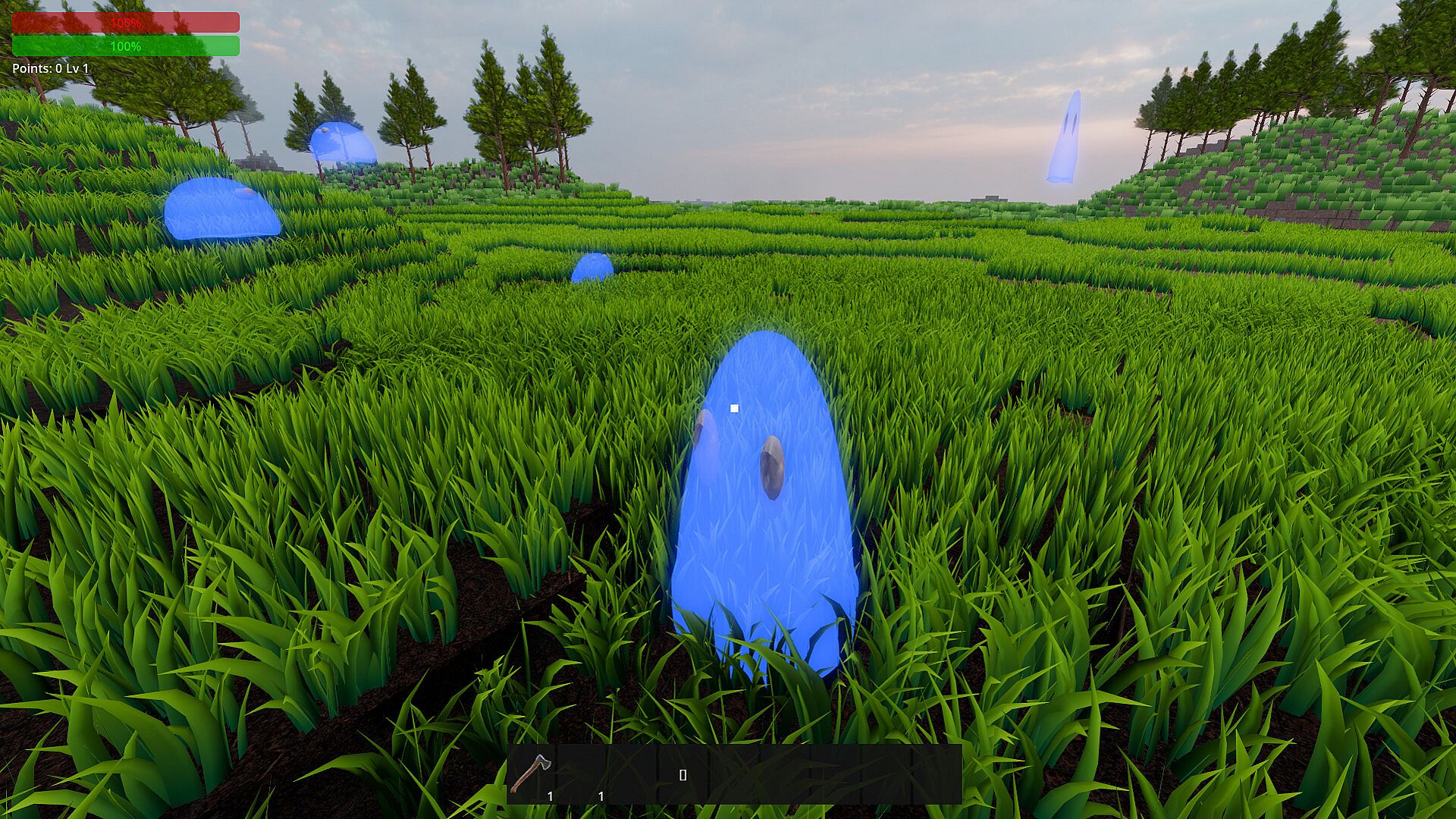
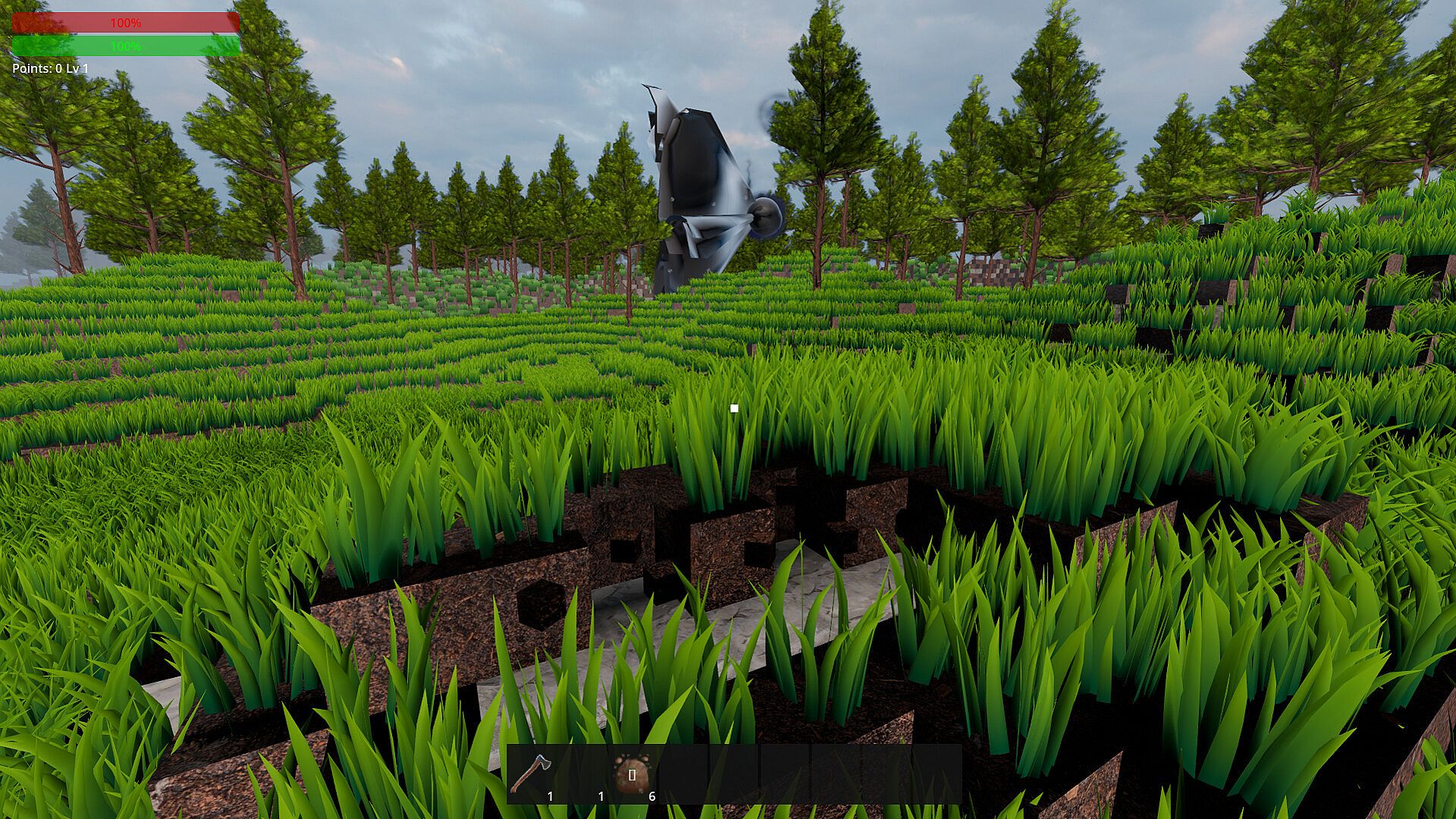
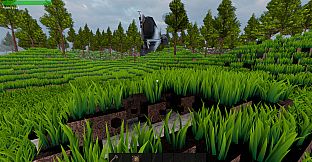
World Tear é um jogo indie de ação e aventura para um jogador, centrado em mundos procedurais feitos de cubos, coleta de recursos e uma mecânica que alterna entre construção em primeira pessoa e combates corpo a corpo em terceira pessoa. Desenvolvido por um único criador, o projeto combina exploração por paisagens geradas automaticamente, sistemas de criação e encontros com inimigos, nos quais o jogador coleta lágrimas para evoluir seu personagem. O ciclo principal envolve viajar entre áreas, extrair materiais, construir estruturas e lutar, sem usar mecânicas de construção durante os combates.
Gameplay
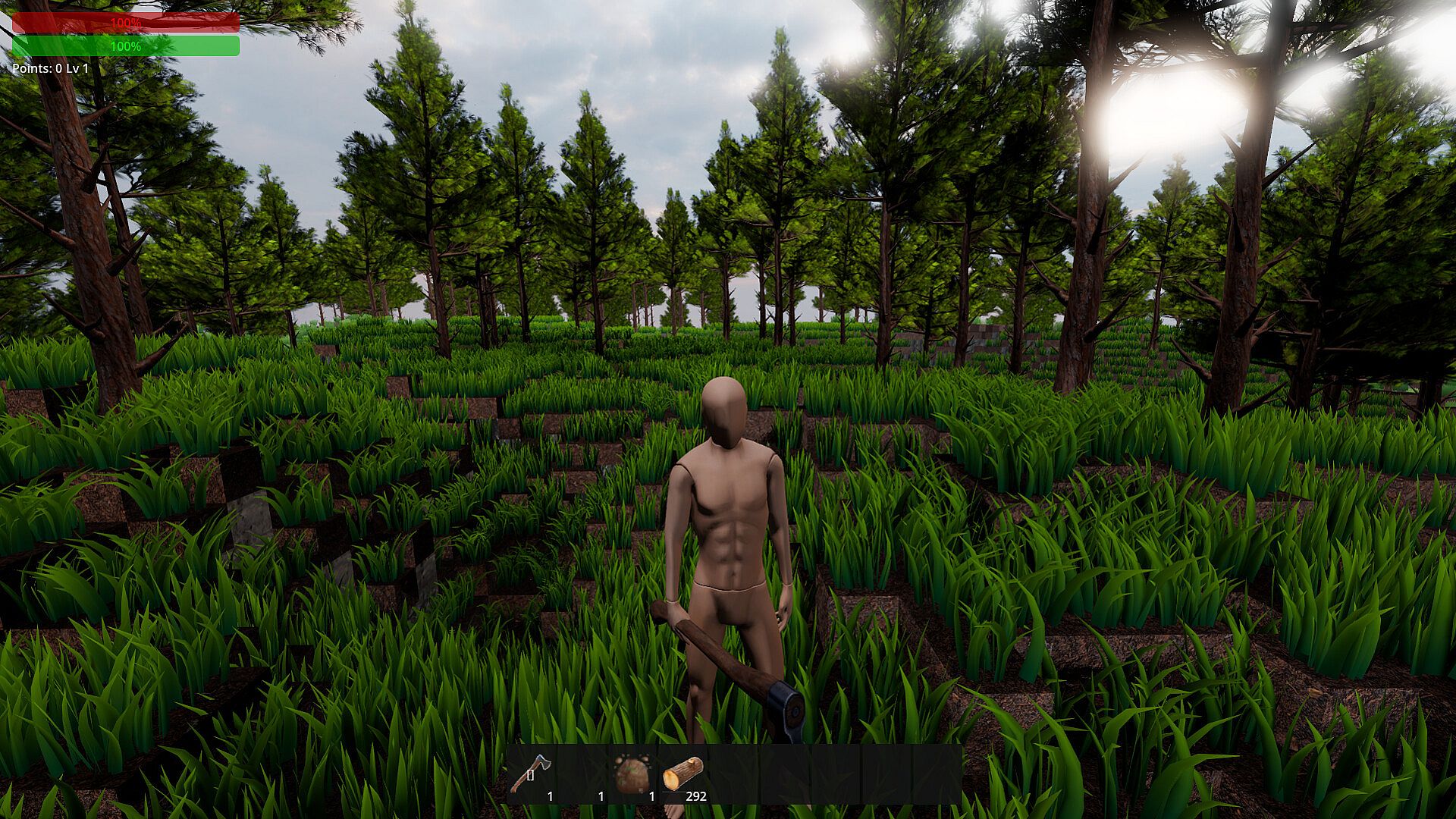
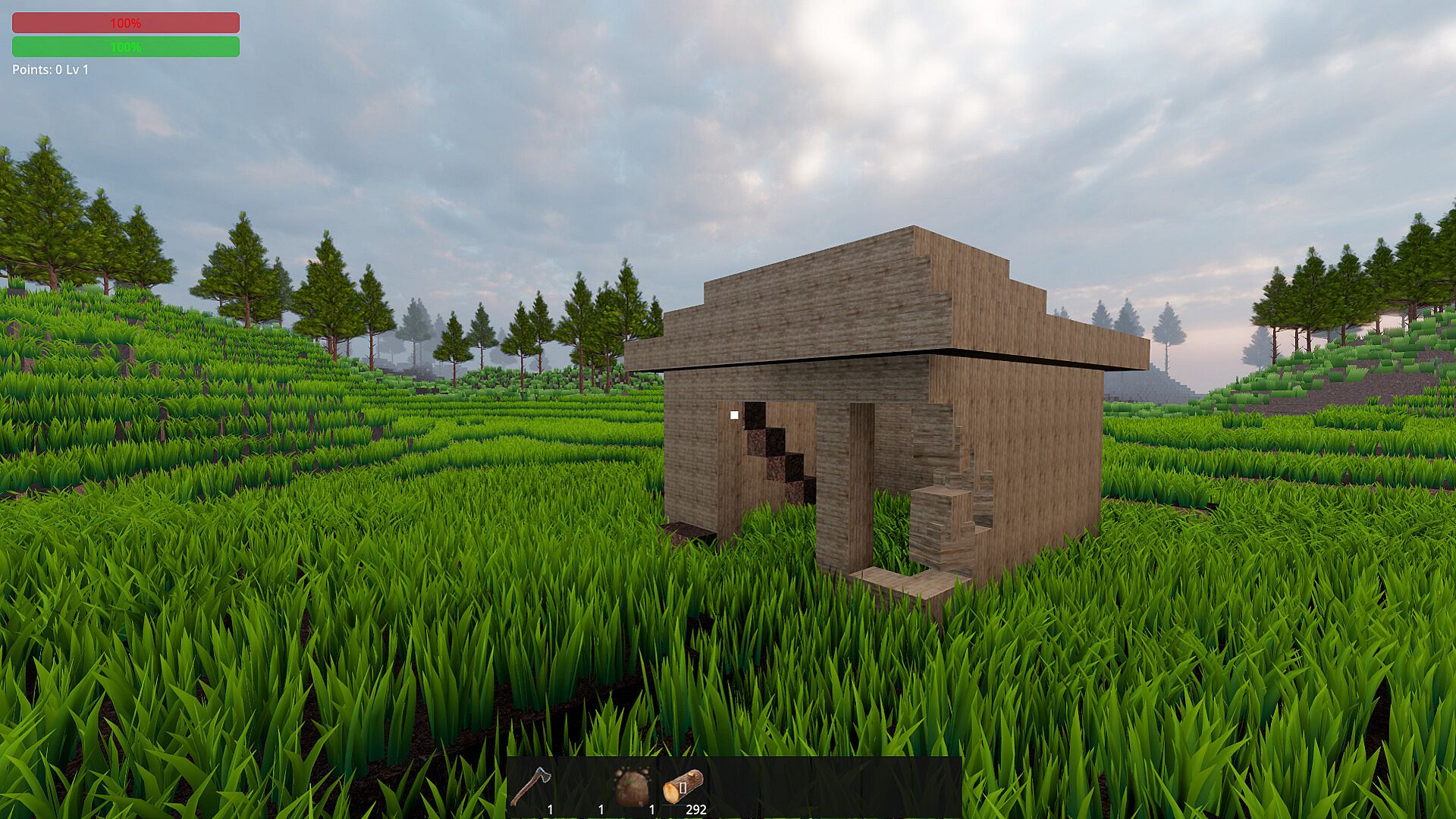
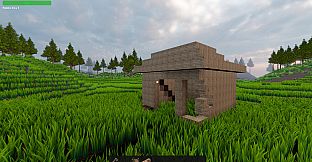
A experiência alterna entre primeira e terceira pessoa conforme a atividade. Na visão em primeira pessoa, o jogador escava e extrai recursos diretamente do ambiente para fabricar ferramentas e itens. A construção segue uma grade rígida de cubos, permitindo criar estruturas que se encaixam no terreno procedural formado por cubos e elementos artísticos em 3D.
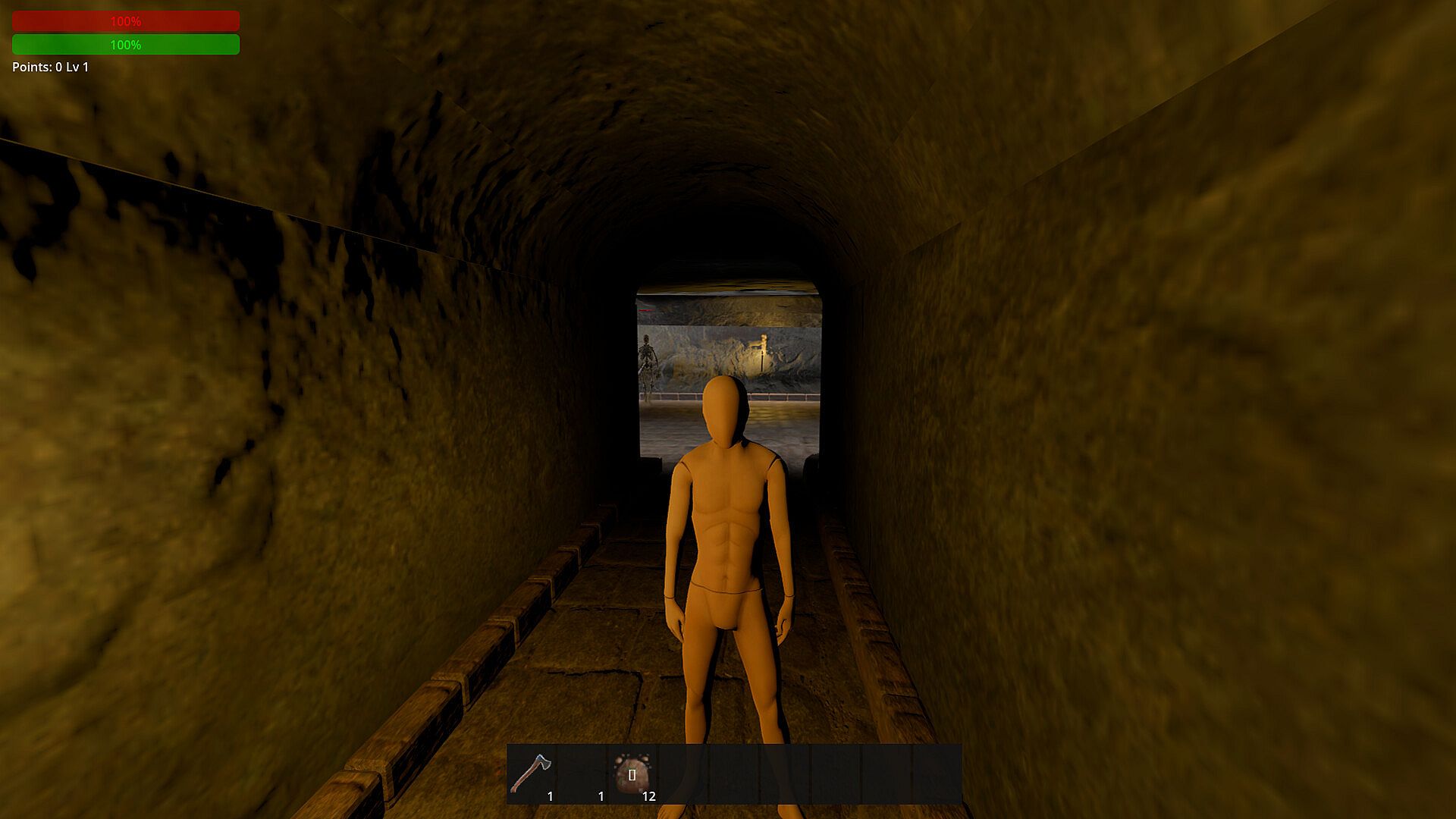
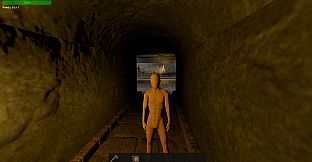
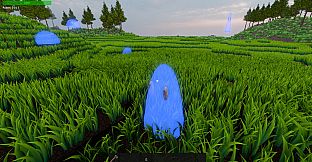
A exploração acontece em mundos procedurais extensos, com transições por "lágrimas" na paisagem que levam a zonas especialmente projetadas para atividades sem construção. Essas mudanças incentivam o jogador a reunir o necessário em uma área antes de seguir para outro desafio. O mundo no estilo voxel permite escavação e colocação livre, mantendo a grade consistente para a construção.
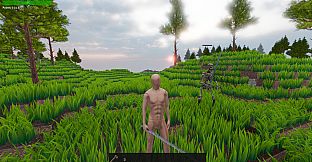
O combate muda para terceira pessoa e foca em armas brancas com ataques leves e pesados, além de escudos. Inimigos derrotados deixam cair lágrimas que o jogador coleta para subir de nível e melhorar suas habilidades. O sistema liga o progresso diretamente ao desempenho em combate, sem pontos de experiência separados.
Modos de Jogo
World Tear une todas as atividades em uma única experiência para um jogador, sem oferecer modos com nomes distintos. A exploração é a base, com geração procedural criando ambientes variados de cubos que o jogador atravessa e conecta por meio de lágrimas para chegar a zonas curadas de combate ou descoberta.
Construção e criação funcionam como um ciclo dedicado em primeira pessoa, no qual a coleta de recursos leva diretamente à construção em grade e à fabricação de ferramentas. Essa parte é separada do combate, permitindo foco total na expansão de estruturas ou na preparação de equipamentos sem interferência de inimigos.
Os encontros de combate oferecem um sistema em terceira pessoa baseado em combates corpo a corpo, ataques leves e pesados, opções defensivas e coleta de lágrimas para evolução do personagem. Essas lutas acontecem em áreas específicas acessadas por lágrimas do mundo, mantendo as mecânicas de construção afastadas das sequências de batalha.
Desenvolvimento e Estado Atual
O jogo continua em desenvolvimento ativo por um único desenvolvedor que equilibra o projeto com os estudos universitários. Arte e recursos combinam trabalho original com materiais comprados e licenciados gratuitamente, enquanto ferramentas de IA auxiliam principalmente em tarefas de programação e em algumas imagens de marketing da página da loja. Nenhum modelo, textura ou conteúdo visual dentro do jogo é gerado por IA.
Elementos de história e lore ainda estão em evolução, e o desenvolvedor avisa que visuais, personagens e apresentação geral continuarão mudando conforme o trabalho avança. O projeto prioriza práticas éticas de desenvolvimento diante de recursos limitados. Os requisitos de sistema visam hardware intermediário para desempenho em 1080p com configurações baixas, exigindo suporte a Vulkan.
Vale a pena jogar?
World Tear é indicado para quem gosta de jogos indie que misturam construção voxel com combate de ação em um ambiente single-player. A separação entre criação em primeira pessoa e combates em terceira pessoa cria um ciclo focado que recompensa a coleta e a preparação antes de entrar em zonas de combate. Quem se interessa por exploração procedural em grades de cubos e progressão simples de combate por meio da coleta de lágrimas vai encontrar sistemas alinhados a esse interesse.
Como o jogo ainda está em fase inicial, com data de lançamento a definir e sem avaliações disponíveis, as expectativas devem considerar as mudanças contínuas em arte, história e recursos. Os apoiadores podem acompanhar o progresso pelos canais da comunidade, e a lista de desejos é o principal meio de receber atualizações do desenvolvedor solo.
O título atrai principalmente fãs de construção criativa combinada com retorno direto do combate, em vez de sistemas multiplayer complexos ou campanhas narrativas refinadas. Seu estado atual reflete os desafios do desenvolvimento solo, tornando-o um projeto interessante de acompanhar para quem tem paciência com lançamentos indie iterativos.