






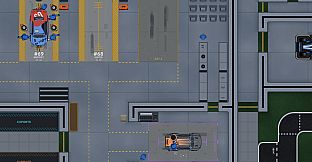
WORKS: Motorsport Factory is a top-down tycoon simulation strategy game for PC that places players in charge of building and operating a motorsport team from the workshop floor upward. The focus stays on the factory, staff, finances, and car development rather than driving or on-track action. Players handle every aspect of preparing vehicles for competition across five tiers of motorsport, from lower-level series to the highest levels of prestige.
Gameplay
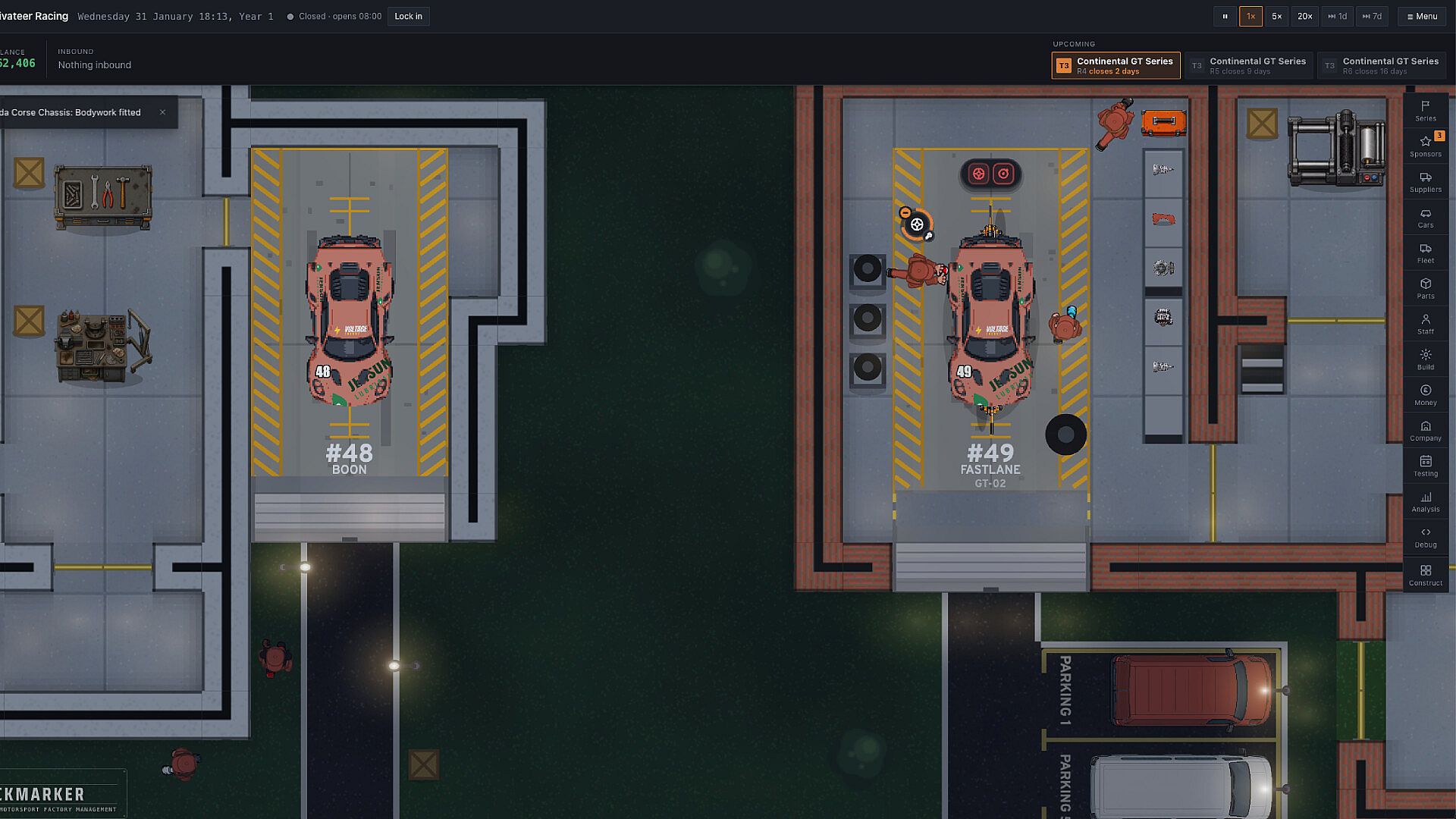
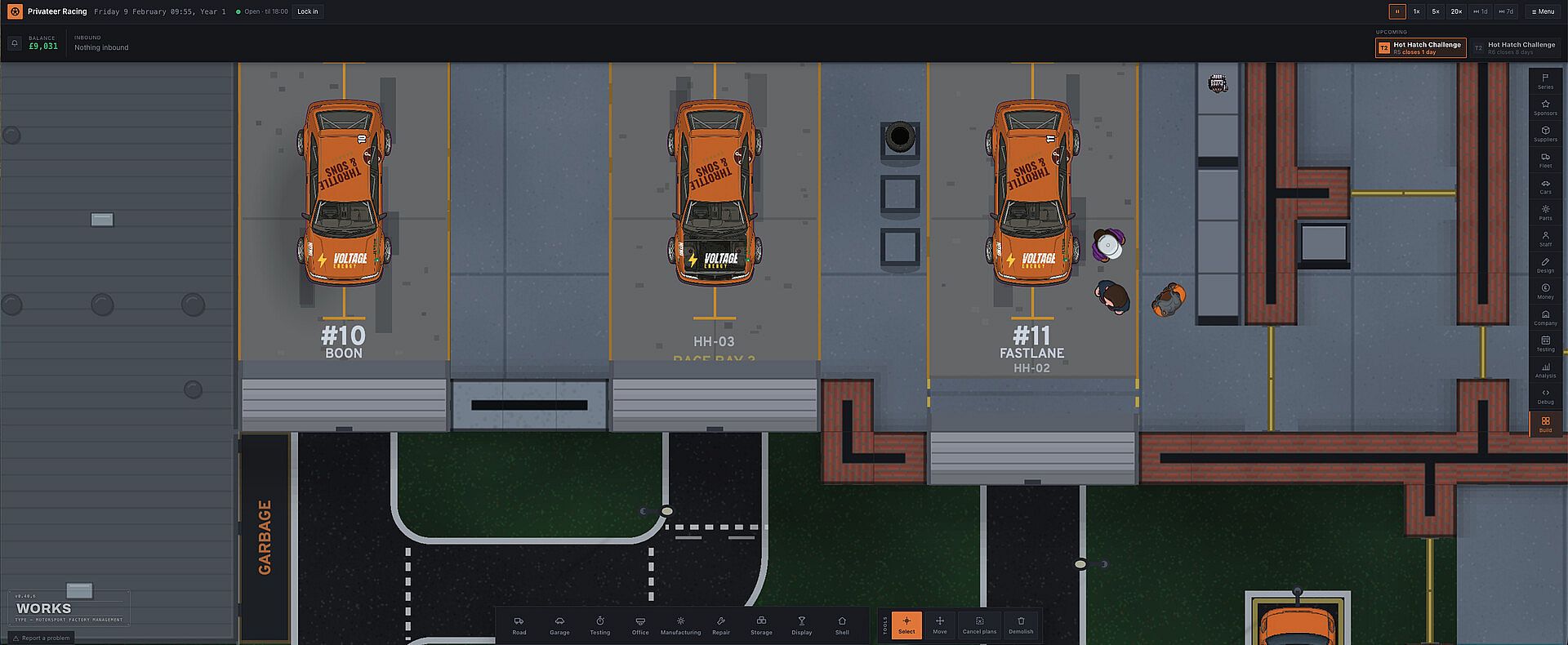
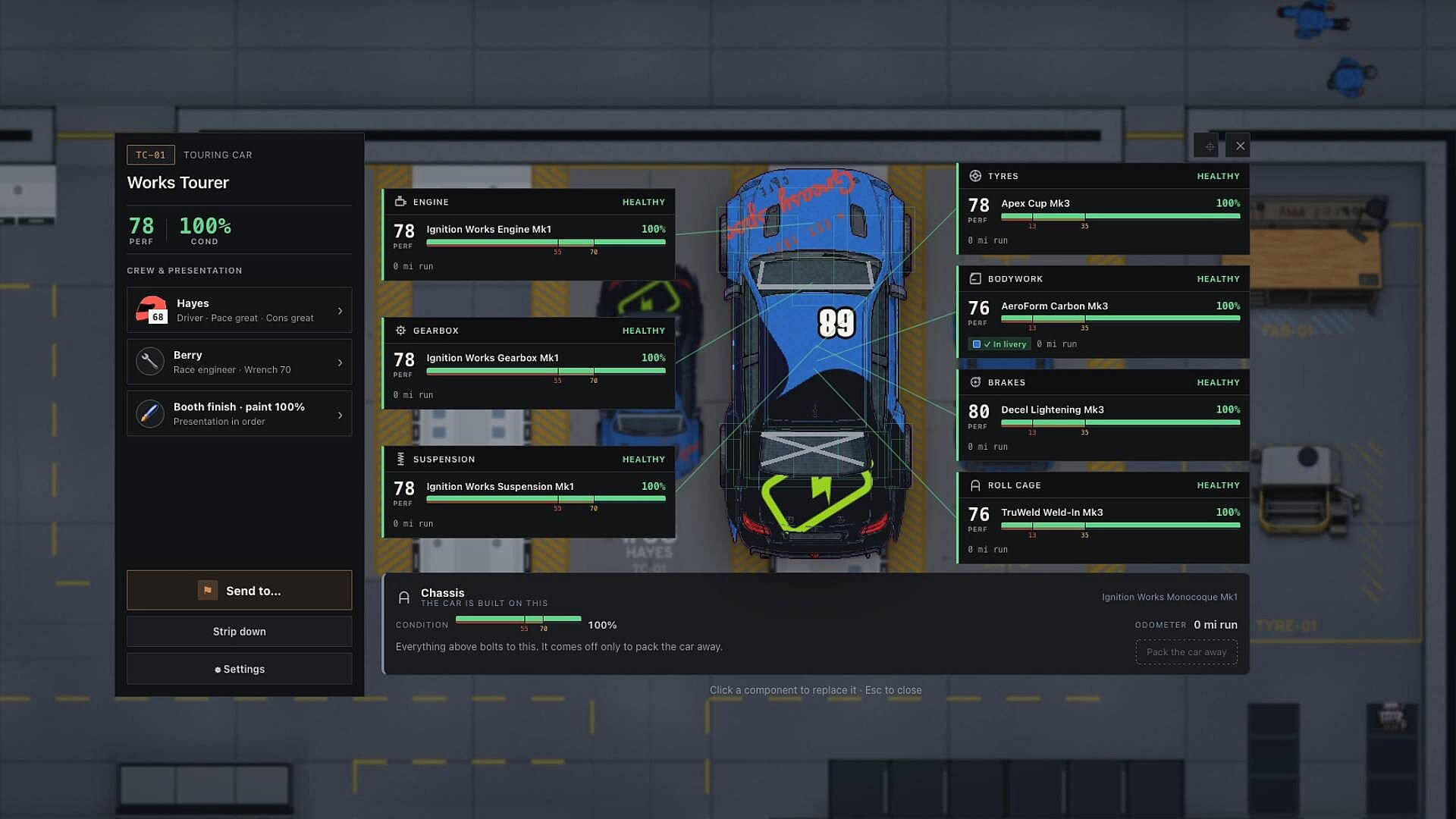
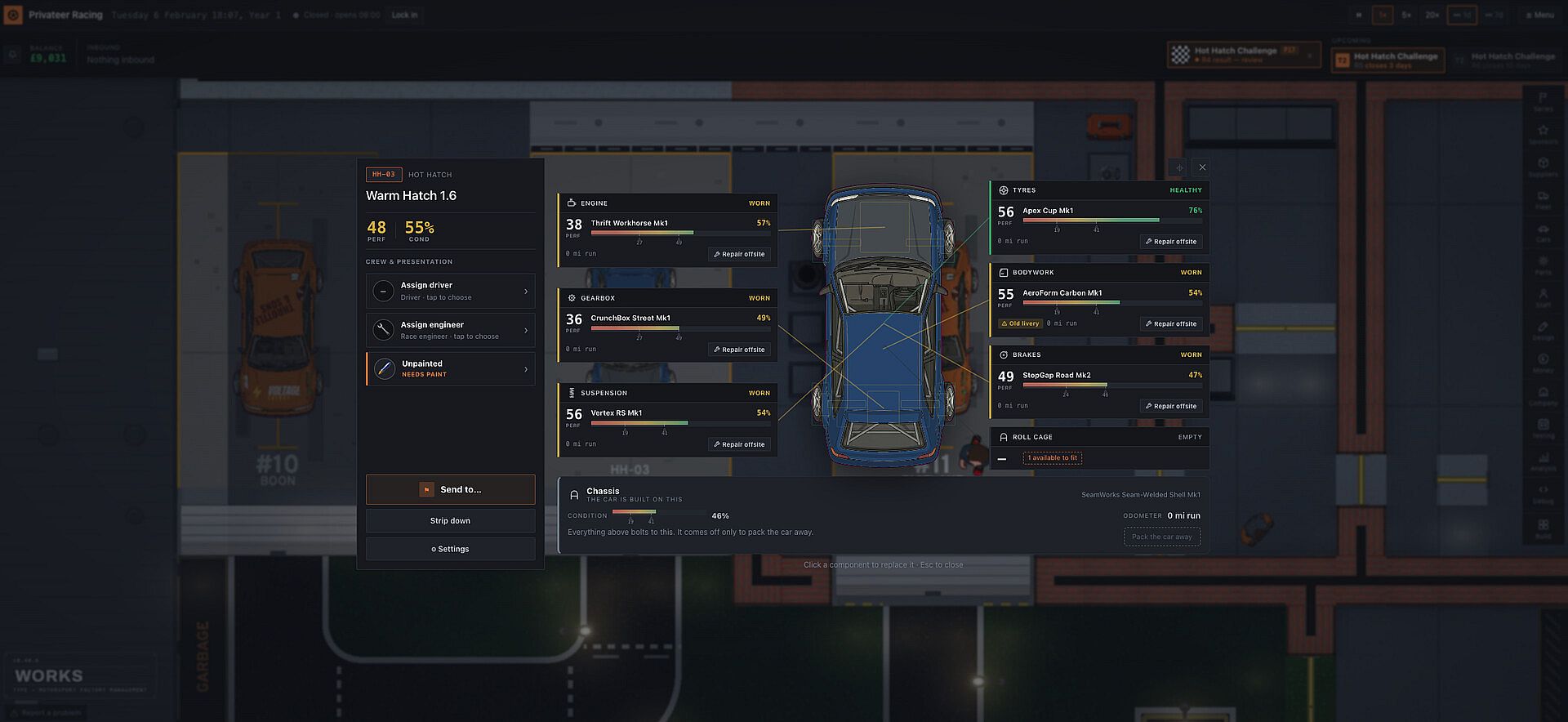
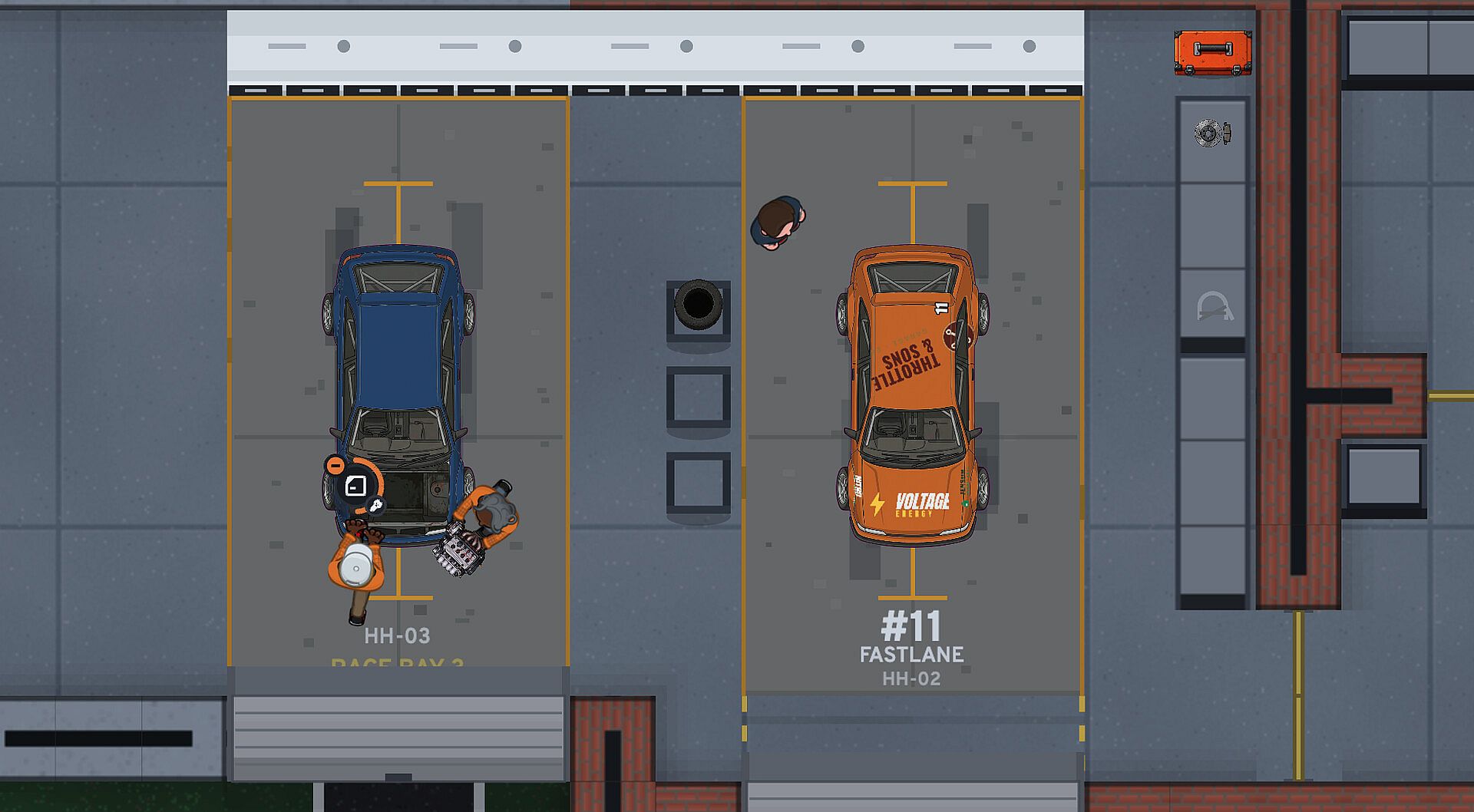
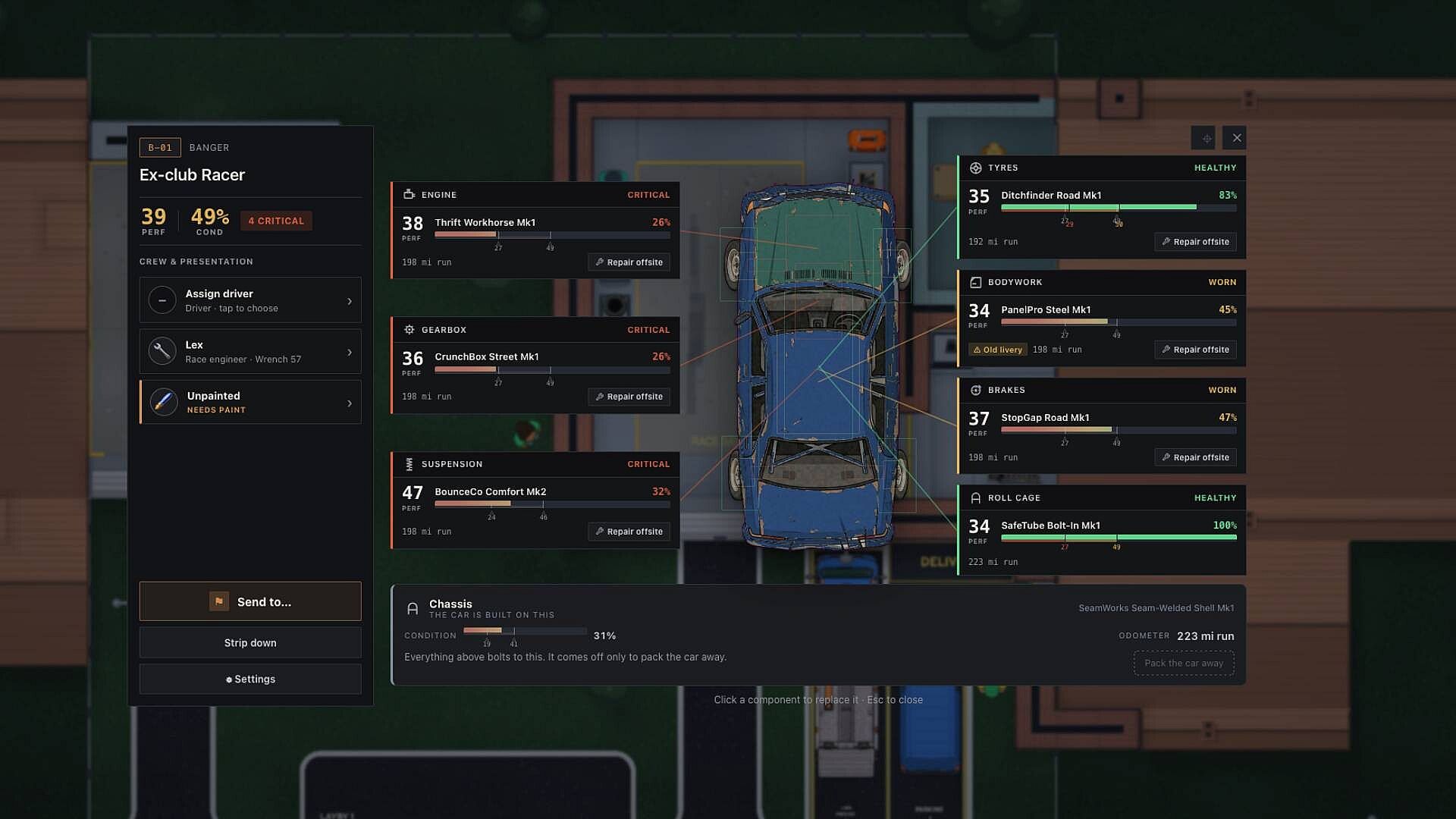
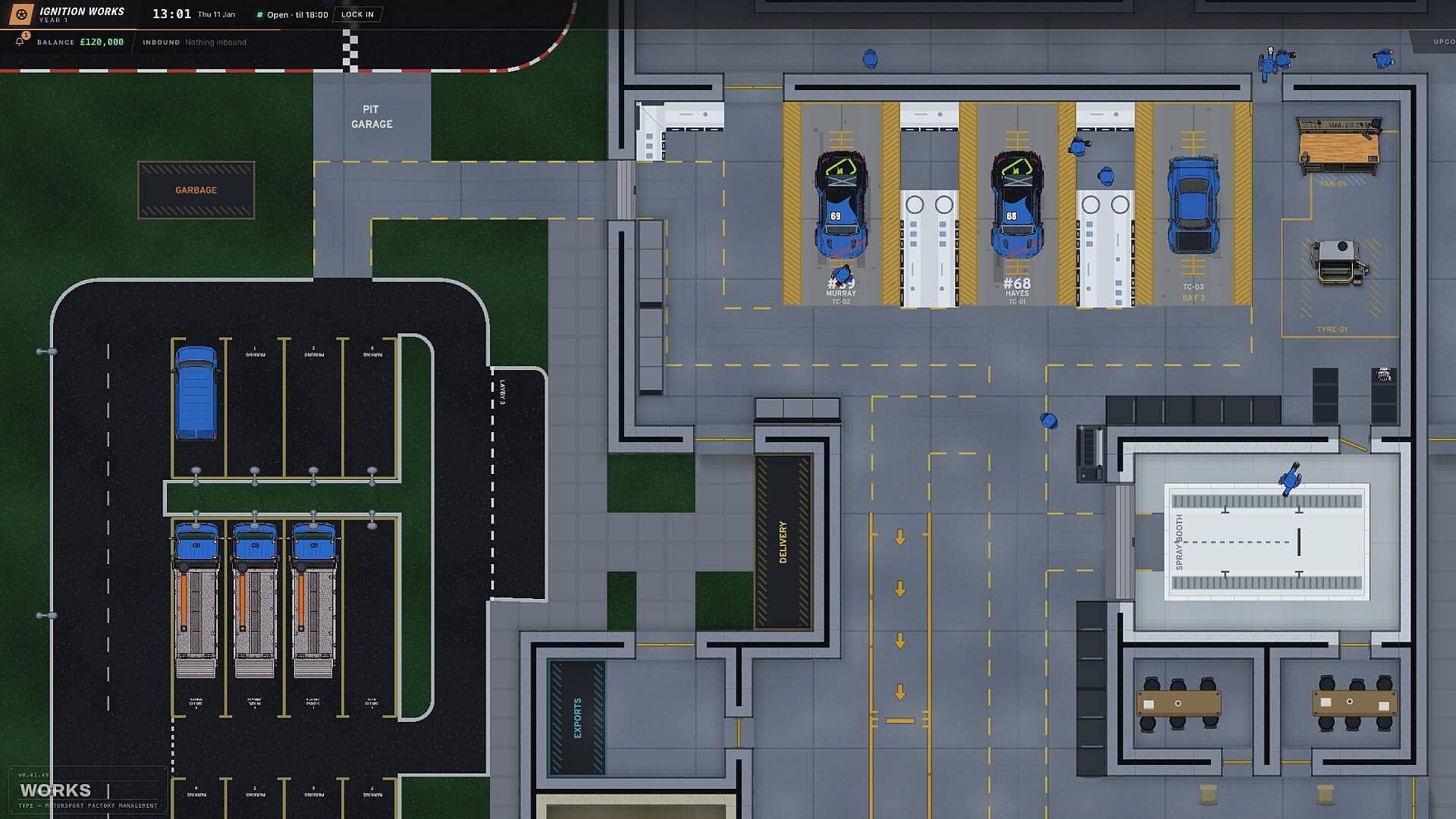
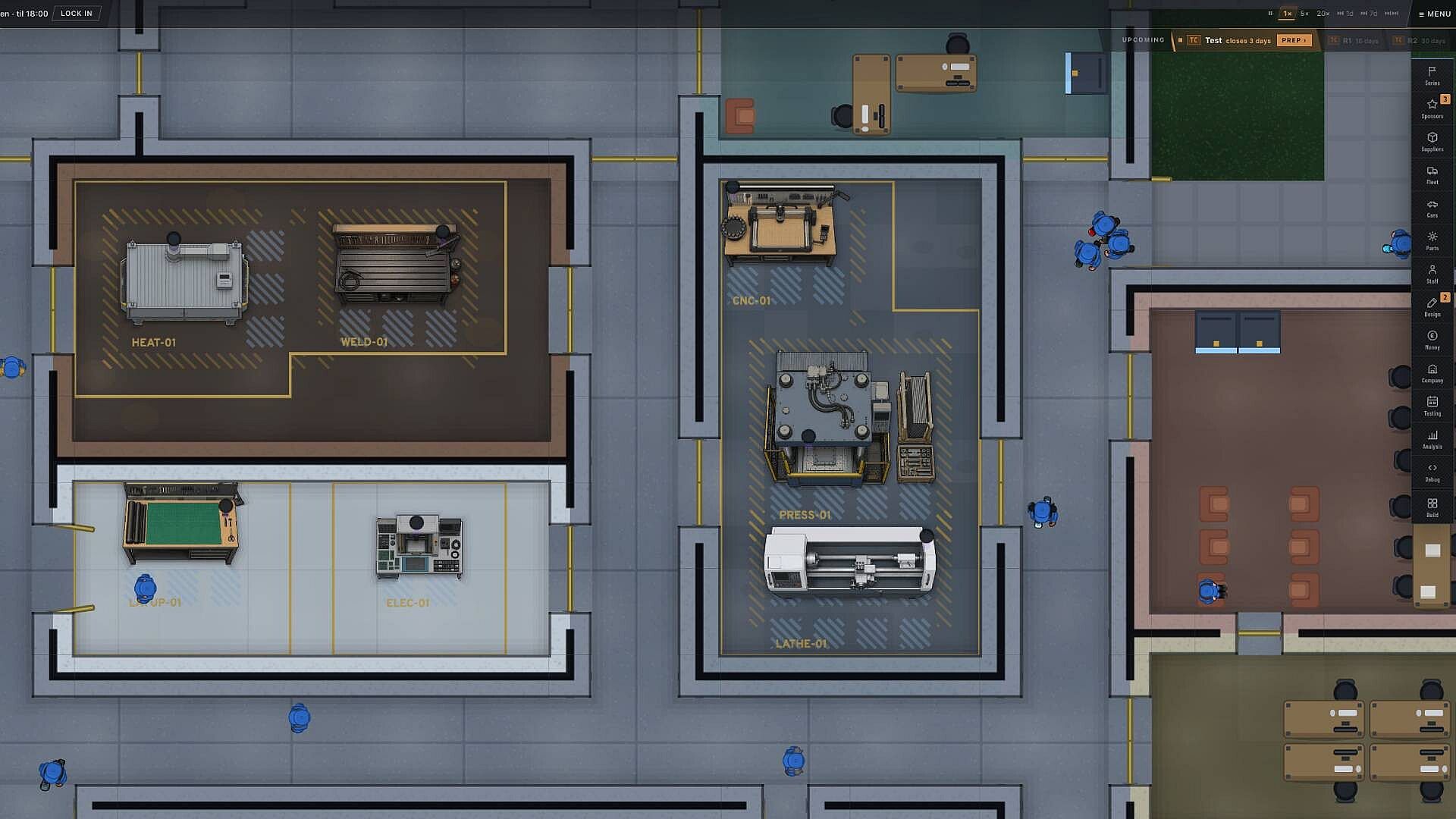
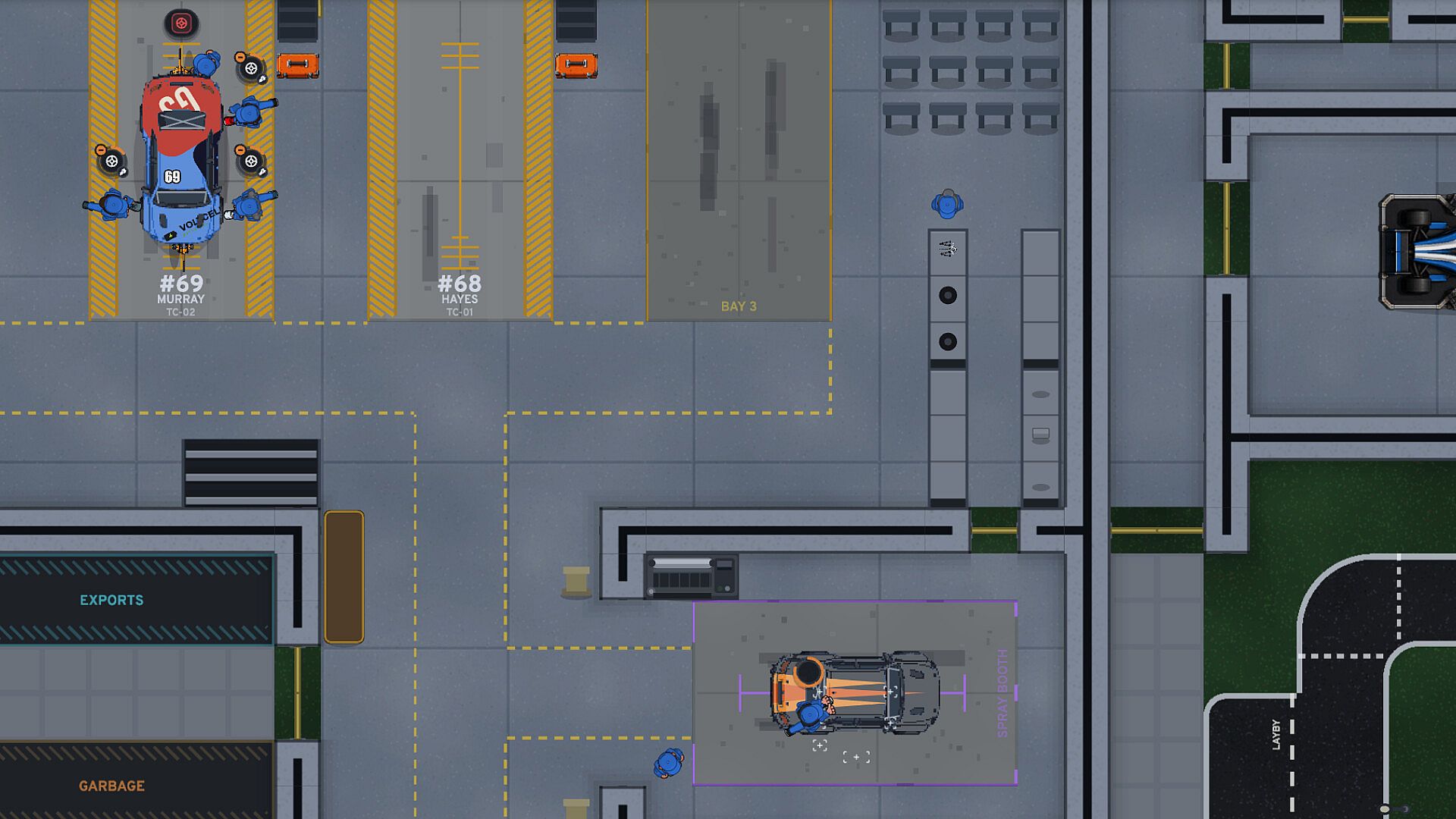
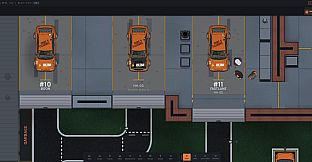
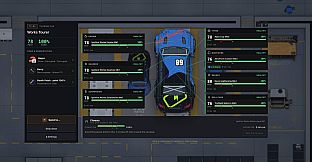
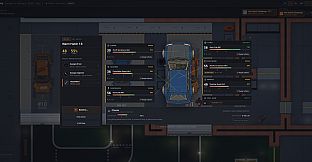
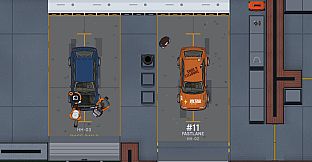
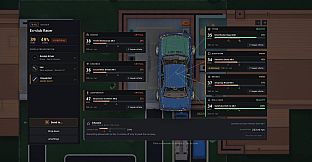
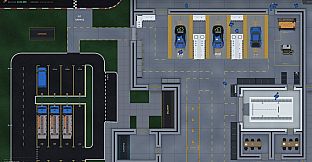
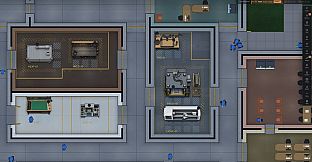
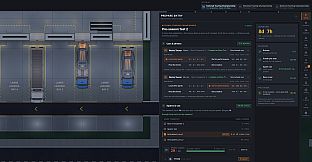
The core loop centers on running a working factory where layout, staffing, and timing directly affect results. Parts arrive via deliveries, mechanics move components by hand, and every task requires dedicated time and personnel. Players design the workshop layout with rooms, road networks, race bays, and even a test track to optimize workflow. Cars are assembled from specific fitted parts that can be scavenged from the marketplace or purchased new, then tested for performance before use on the track.
Each component carries a finite mileage lifespan and a breaking point that only becomes clear under real racing conditions. Facilities and technical staff determine how much performance data players can uncover, turning knowledge into an edge when fractions of a second decide outcomes. Development extends to in-house manufacturing, where players design components, produce them on-site, and iterate through testing cycles. Seasonal resets allow stripping cars for winter rebuilds aimed at the next campaign.
Business elements run alongside the technical work. Sponsors must be secured and kept satisfied through contract negotiations, while loans and expenses require careful allocation of limited funds. Insolvency remains a constant risk if spending outpaces income from prize money and points. Drivers bring their own career arcs, requiring recruitment, development, and management decisions that influence team performance over multiple seasons.
Game Modes
The game operates through a single long-term career structure with branching paths rather than separate standalone modes. Players choose routes across five tiers of motorsport, selecting series that range from karting and banger racing to open-wheel and touring cars. Progress depends on consistent performance, financial stability, and adaptation to changing regulations that can render previous technology obsolete or illegal.
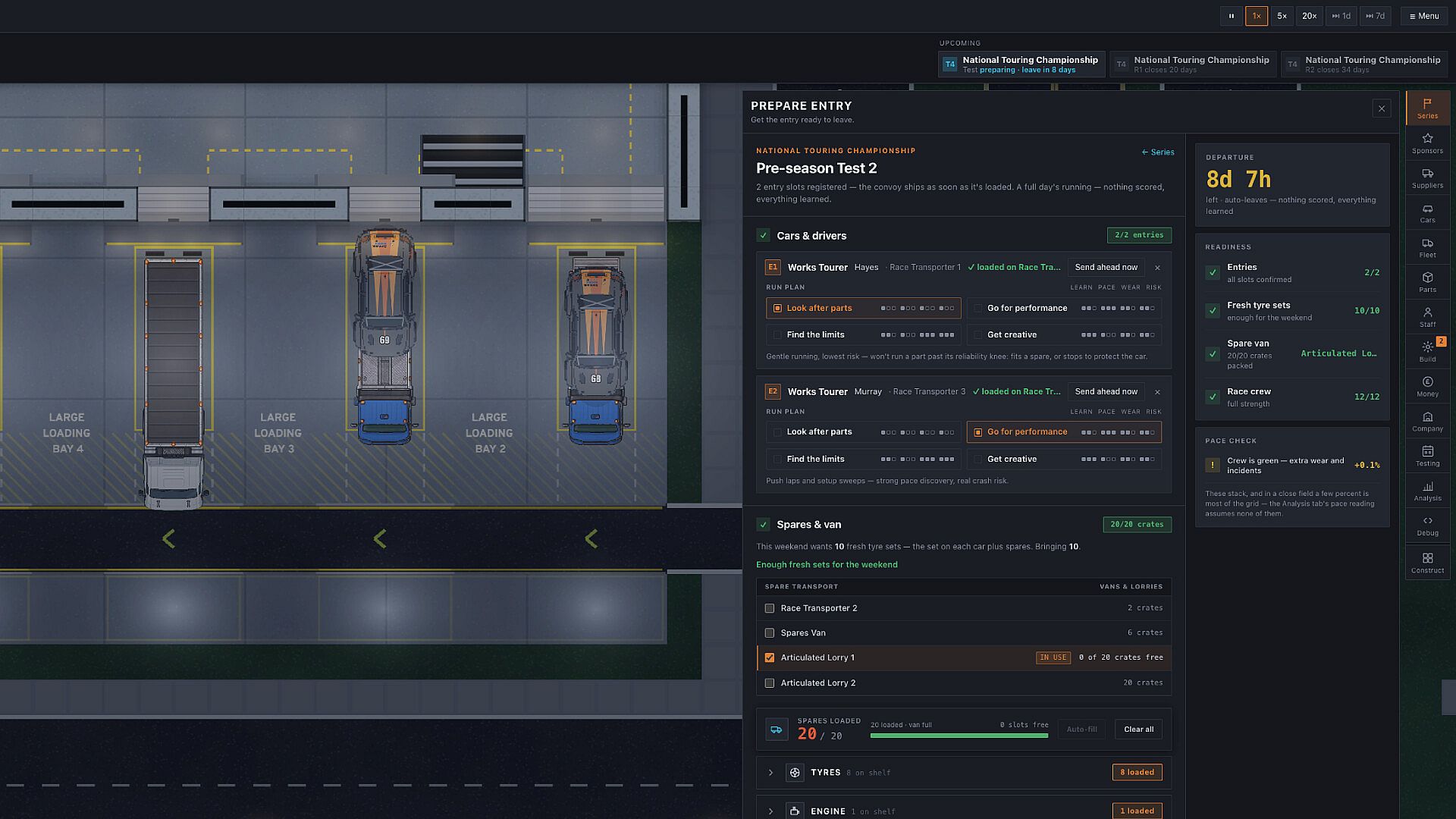
Off-screen race simulations generate detailed reports covering results, championship points, prize money, part wear, and crash damage. These outcomes feed directly back into factory operations, where the crew repairs, rebuilds, and prepares for the next deadline. Multiple series within each tier allow different career trajectories, with rivals evolving and sponsor contracts adding pressure to maintain competitiveness on tight budgets.
Factory Management and Development
Expansion turns the initial workshop into a full constructor operation. Players add design studios, multi-material machine shops, wind tunnels, and crash-test facilities while building their own technology from basic parts to advanced aerodynamics. Manufacturing shifts from buying components to producing them internally, with full part lifecycles that include wear, breakage, and performance degradation revealed only through actual use.
Staff management extends beyond hiring mechanics to assigning roles that keep the physical factory running. Deliveries, builds, and transport to the circuit all depend on who is working where at any given moment. The layout itself becomes a strategic tool, as inefficient placement slows production and risks missing departure deadlines.
Is It Worth Playing?
WORKS: Motorsport Factory appeals to players who enjoy detailed management simulations and tycoon-style progression without direct control of vehicles. The emphasis on incremental gains, financial pressure, and technical adaptation creates a long-term challenge suited to those interested in the business and engineering side of motorsport. Progression through five tiers offers sustained depth as players balance sponsorship deals, driver careers, and regulatory shifts while scaling from a basic workshop to an independent constructor.
The game rewards careful planning of factory operations and part development over quick wins. Those seeking pure racing action or arcade-style competition may find the off-screen simulation and management focus less engaging. For fans of strategy titles that simulate the full operation behind race day, the systems described provide a focused experience centered on building and sustaining a competitive team on limited resources.