




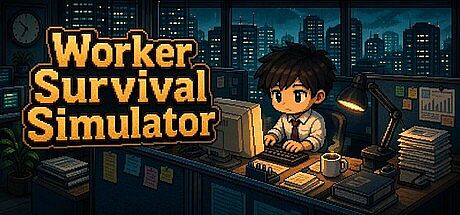


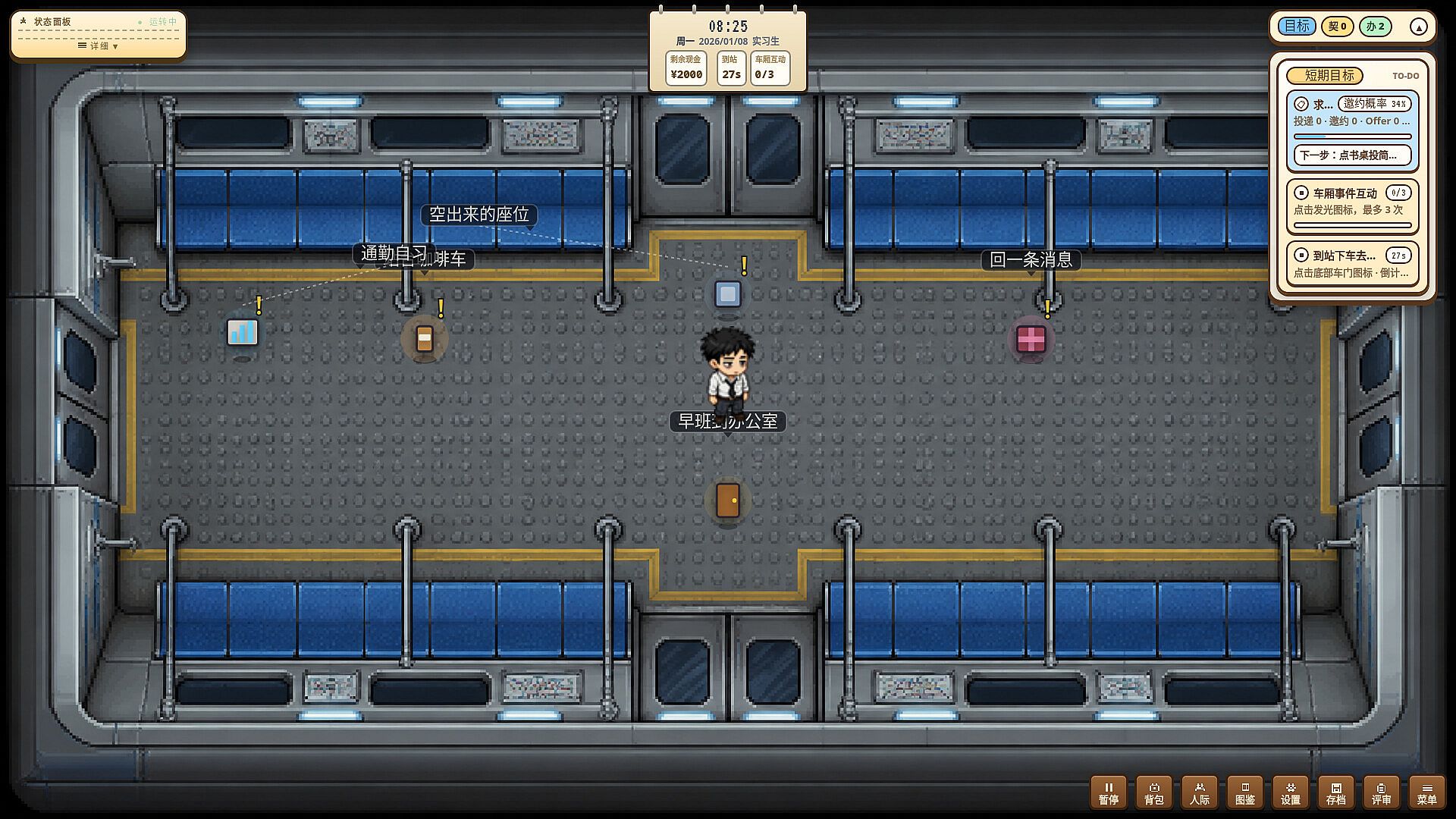
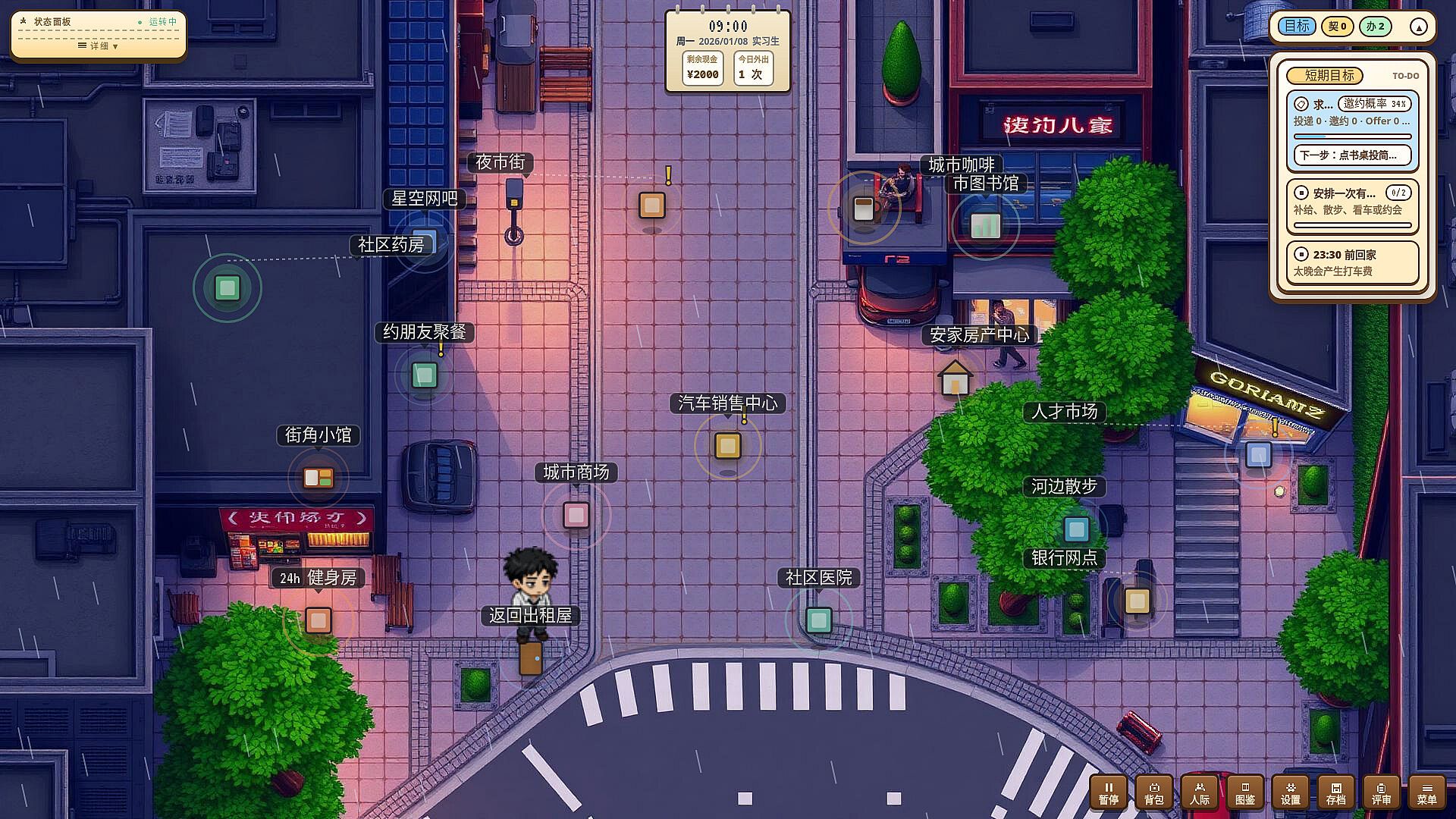
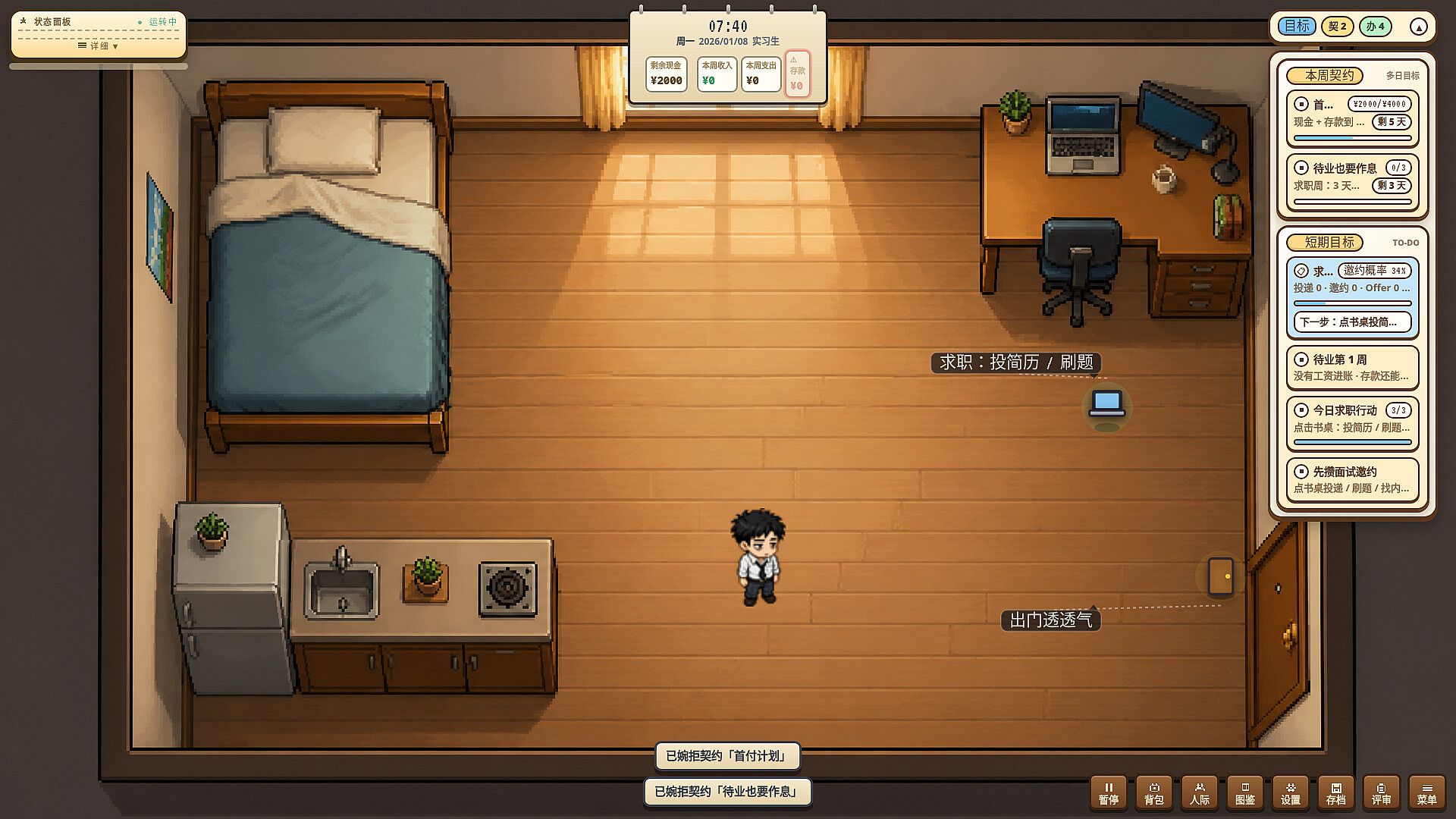
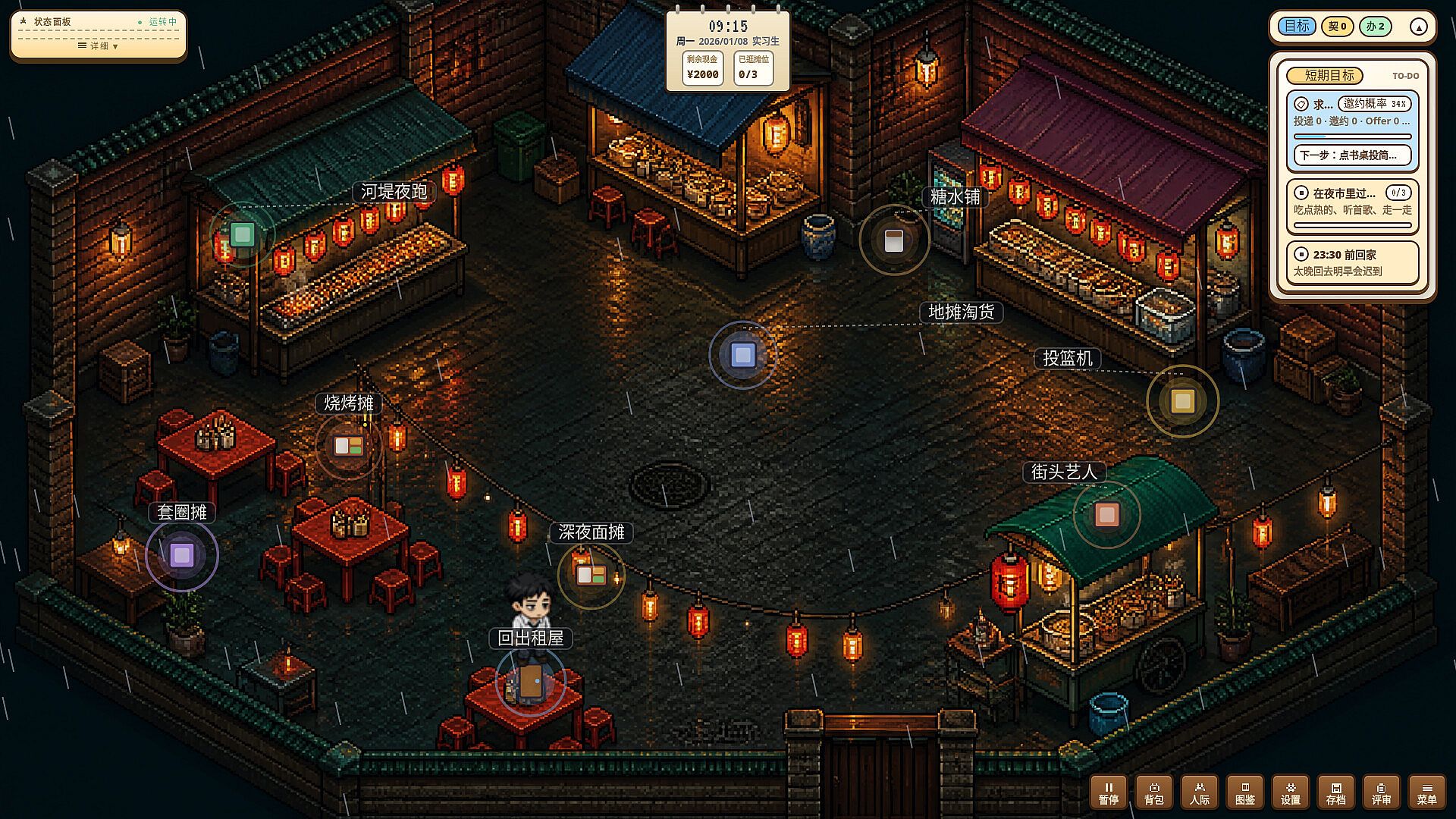
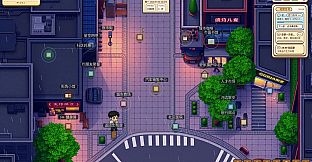
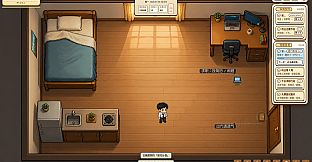
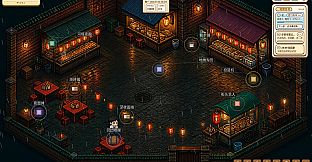
Worker Survival Simulator is a pixel-art RPG and casual simulation game for PC that puts players in the role of a 22-year-old entering the workforce for the first time. The experience unfolds over a simulated decade in a bustling city, beginning in a cramped rented room and focusing on the daily realities of office life, personal management, and long-term consequences.
Gameplay
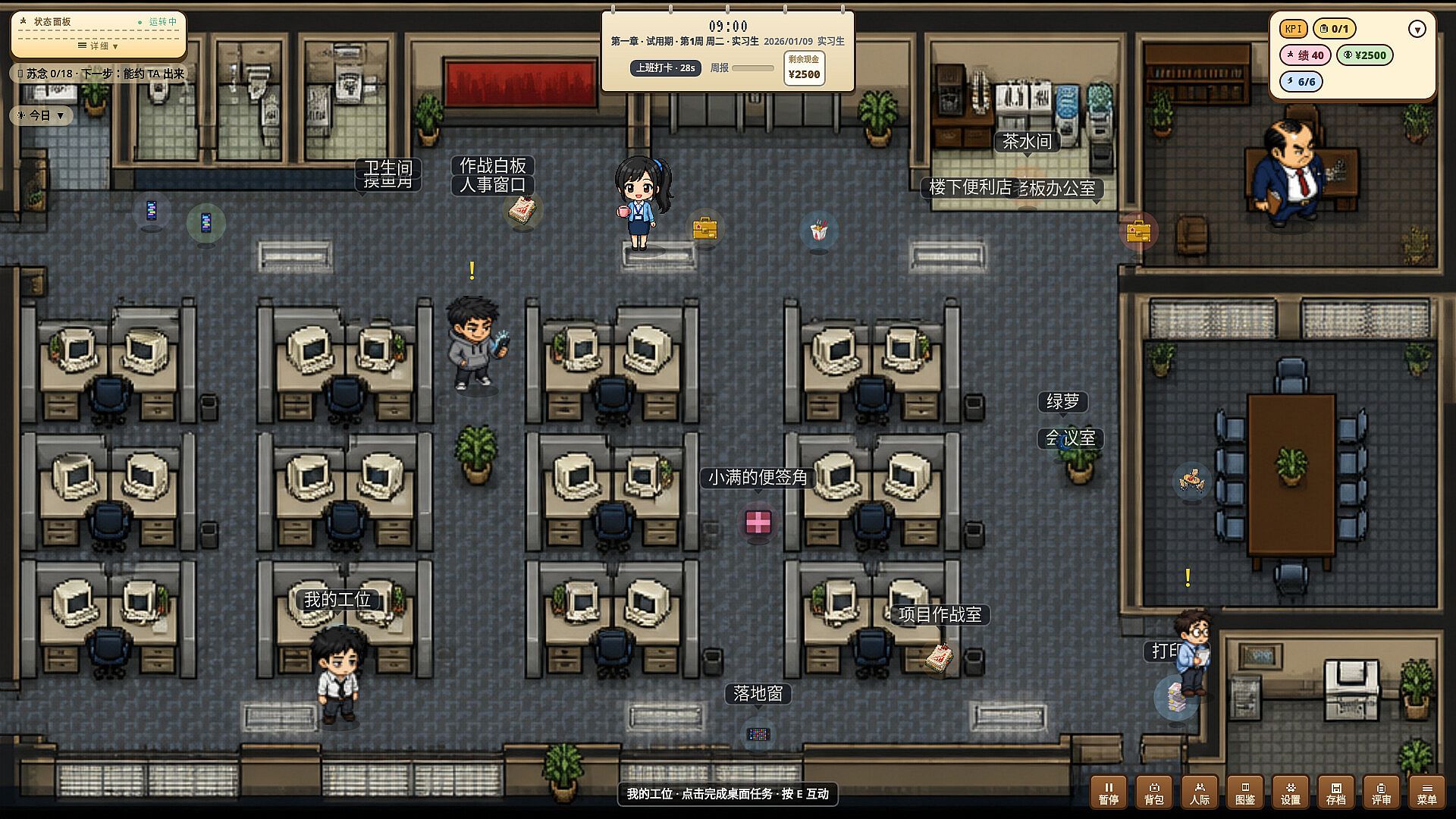
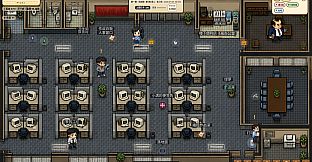
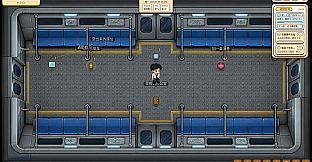
The core loop centers on a realistic workweek rhythm. Players wake to an alarm, plan the day, navigate a crowded morning subway while studying, arrive at the office for meetings, handle KPIs, and submit weekly reports. Six interconnected stats track progress and well-being: Energy, Mood, Stress, Health, Fullness, and Cash Flow. Neglecting any one of these can shift the entire trajectory of the ten-year journey in unexpected ways.
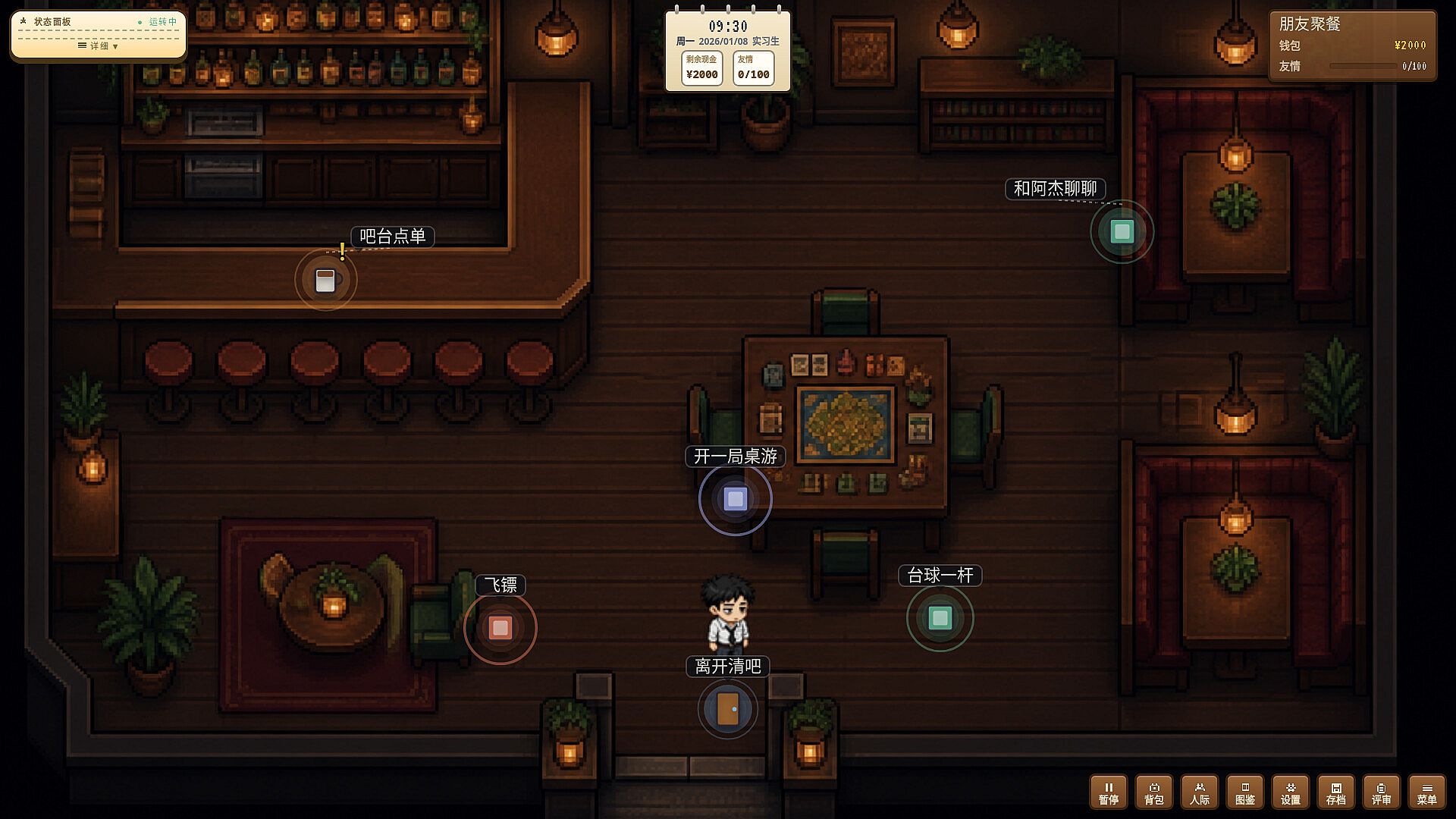
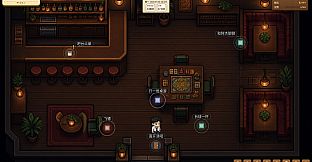
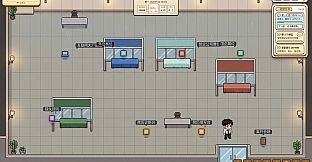
Work involves more than simple number management. Skill trees, promotions, job-hopping negotiations, requests for leave, and decisions about overtime all influence income, mental state, and career trajectory. Office politics require attention to the boss, Mr. Wang, while opportunities for minor slacking appear alongside coworker interactions. After hours, the city opens up for free exploration across more than twelve interconnected locations, each with distinct ambient sounds and activities ranging from convenience stores and bars to libraries, gyms, parks, and internet cafes.
Interactions occur directly in the explorable pixel-art world rather than through menus. Mini-games include board games, darts, pool, chess, basketball arcade games, multiplayer matches, stock market watching, and square-dance routines. An optional Easy Mode automatically resolves these with positive outcomes, lowering the barrier for players less interested in timing-based challenges. Relationships develop naturally after meeting characters such as Lin Xiaoman, Chen Yu, and Jiang Yue in the world, progressing through stages of acquaintance, attraction, dating, marriage, and family.
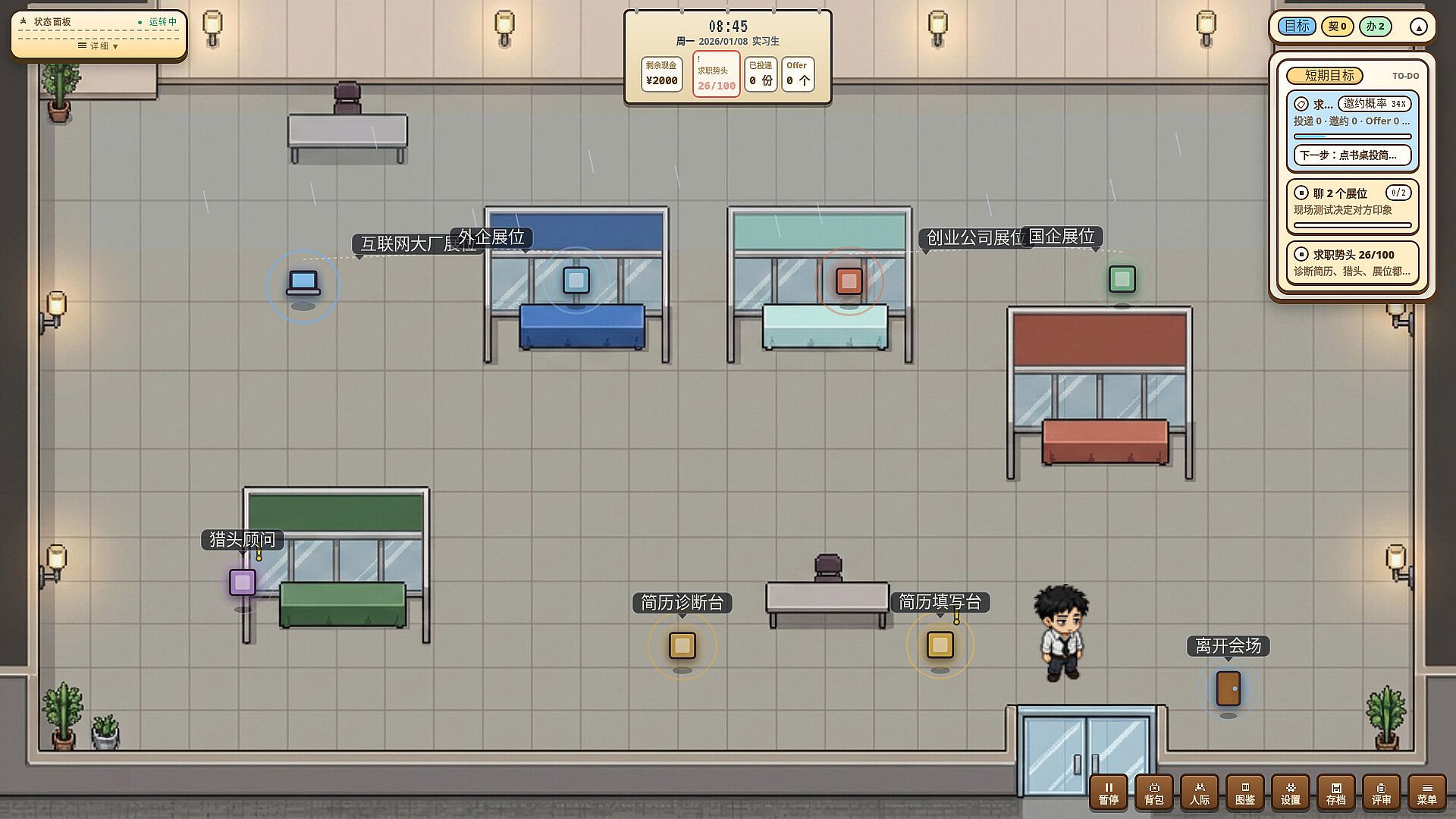
Major life events such as buying a home or car, facing layoffs, changing careers, or pursuing side hustles and investments add variety. Every choice feeds into four story paths that determine one of five distinct endings after ten years.
Game Modes
Worker Survival Simulator operates as a single-player experience with built-in flexibility through its story paths and difficulty options. The four primary paths-Career, Life, Relationships, and Adventure-function as distinct approaches to the ten-year simulation, each emphasizing different priorities and leading to unique conclusions. Players shape their outcome by balancing work demands, personal well-being, social connections, and exploratory choices.
Easy Mode serves as an accessibility toggle that automates mini-game resolutions for consistent success, allowing focus on narrative and stat management instead of precise controls. The base simulation remains consistent across paths, with the workweek cycle, location exploration, and stat interdependencies forming the foundation regardless of chosen emphasis.
Exploration and Daily Life
Beyond the office, the pixel-art city encourages organic discovery. Locations connect seamlessly, and ambient audio helps each area feel distinct. Activities range from casual entertainment like arcade games or board games to practical options such as visiting the gym or library. Side activities like freelance work or monitoring investments provide additional layers to financial and personal growth without requiring separate interfaces.
Romance and family elements unfold gradually through repeated interactions and choices, requiring genuine time investment rather than instant unlocks. These systems tie directly into the broader life simulation, affecting mood, stress, and long-term story outcomes.
Is It Worth Playing?
Worker Survival Simulator appeals to players who enjoy detailed life simulations with RPG progression elements and meaningful choice consequences. The interconnected stats and ten-year timeframe create a sense of tangible progression and branching narratives that reward careful planning across work, relationships, and personal time. Those interested in office politics, stat balancing, and pixel-art exploration will find depth in the daily routines and city navigation.
The optional Easy Mode broadens accessibility, while the core systems of skill trees, promotions, and multi-path storytelling provide replay value through different endings. Players seeking a grounded, decision-driven simulation rather than action or combat focus will likely appreciate the authentic workweek cycle and the way small choices accumulate into major life shifts over the decade-long arc.