


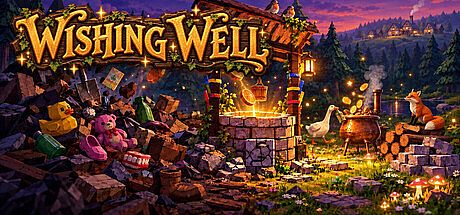


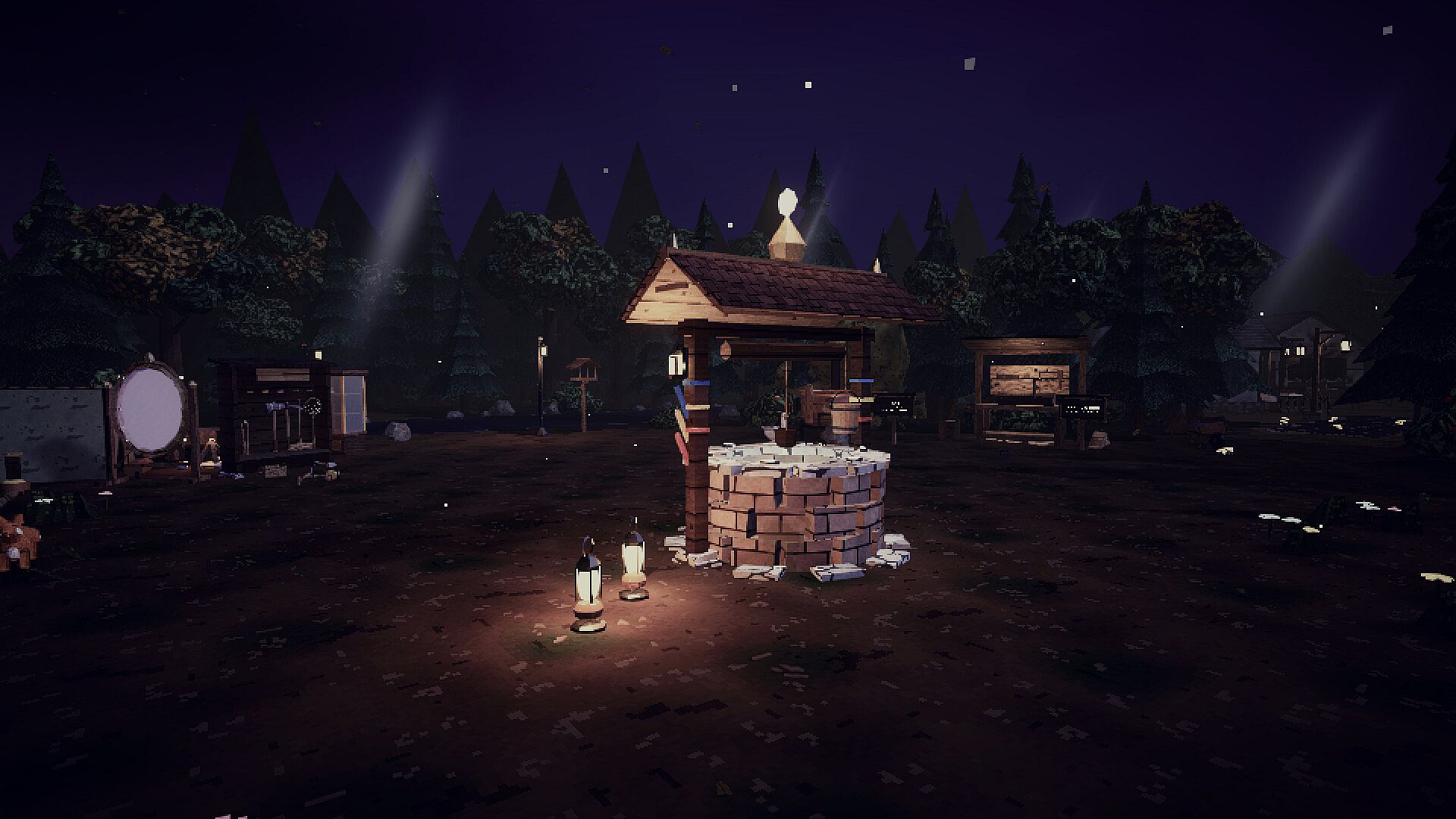
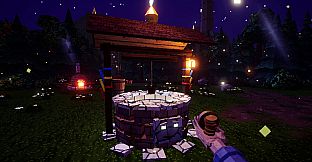

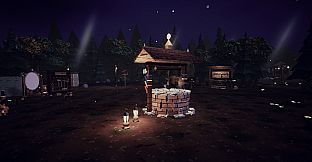

Wishing Well is a single-player indie casual simulation game set on PC. Players step into a first-person perspective to restore a long-neglected forest and its surroundings by clearing away decades of discarded junk around a buried wishing well.
Gameplay
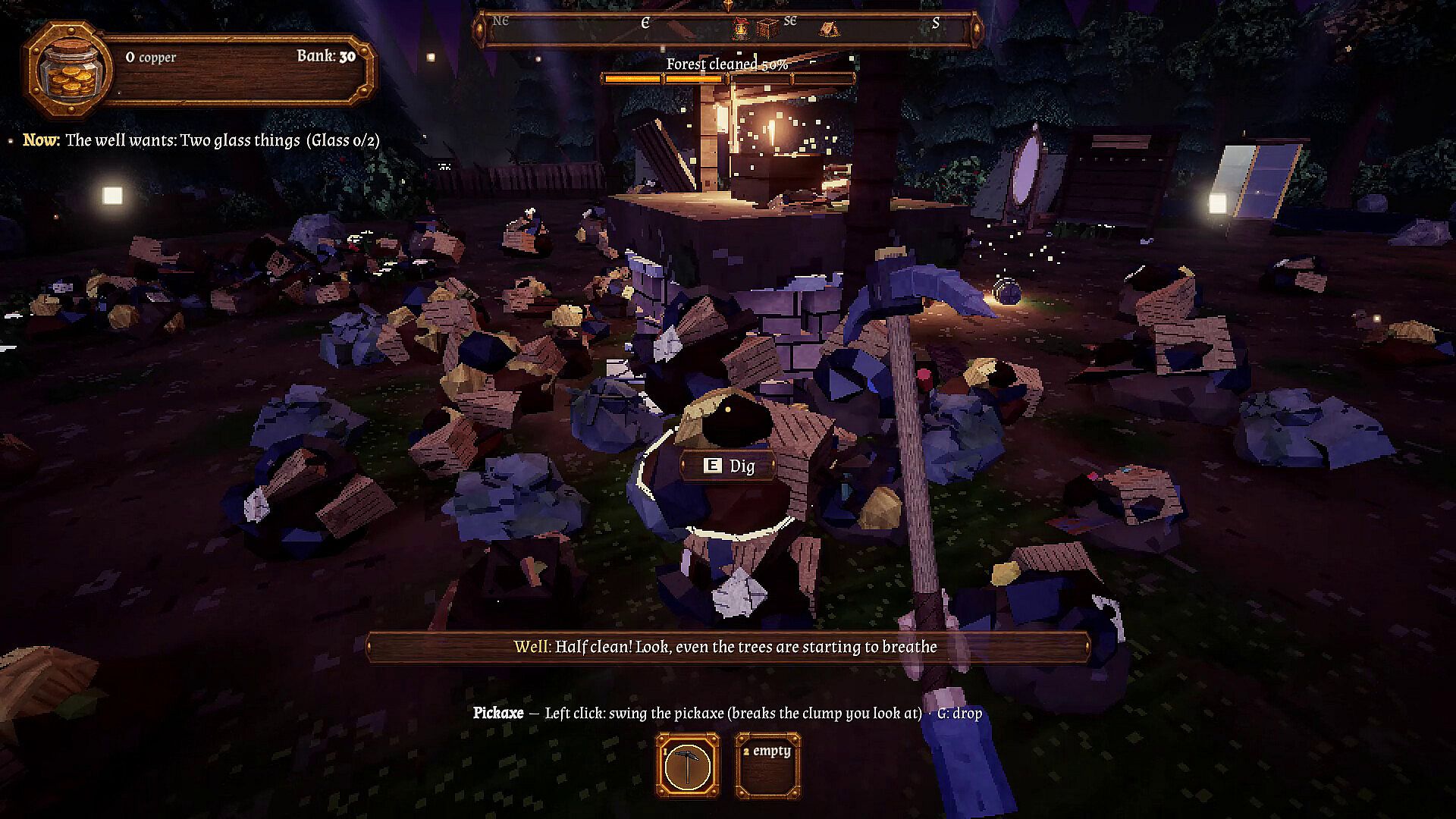
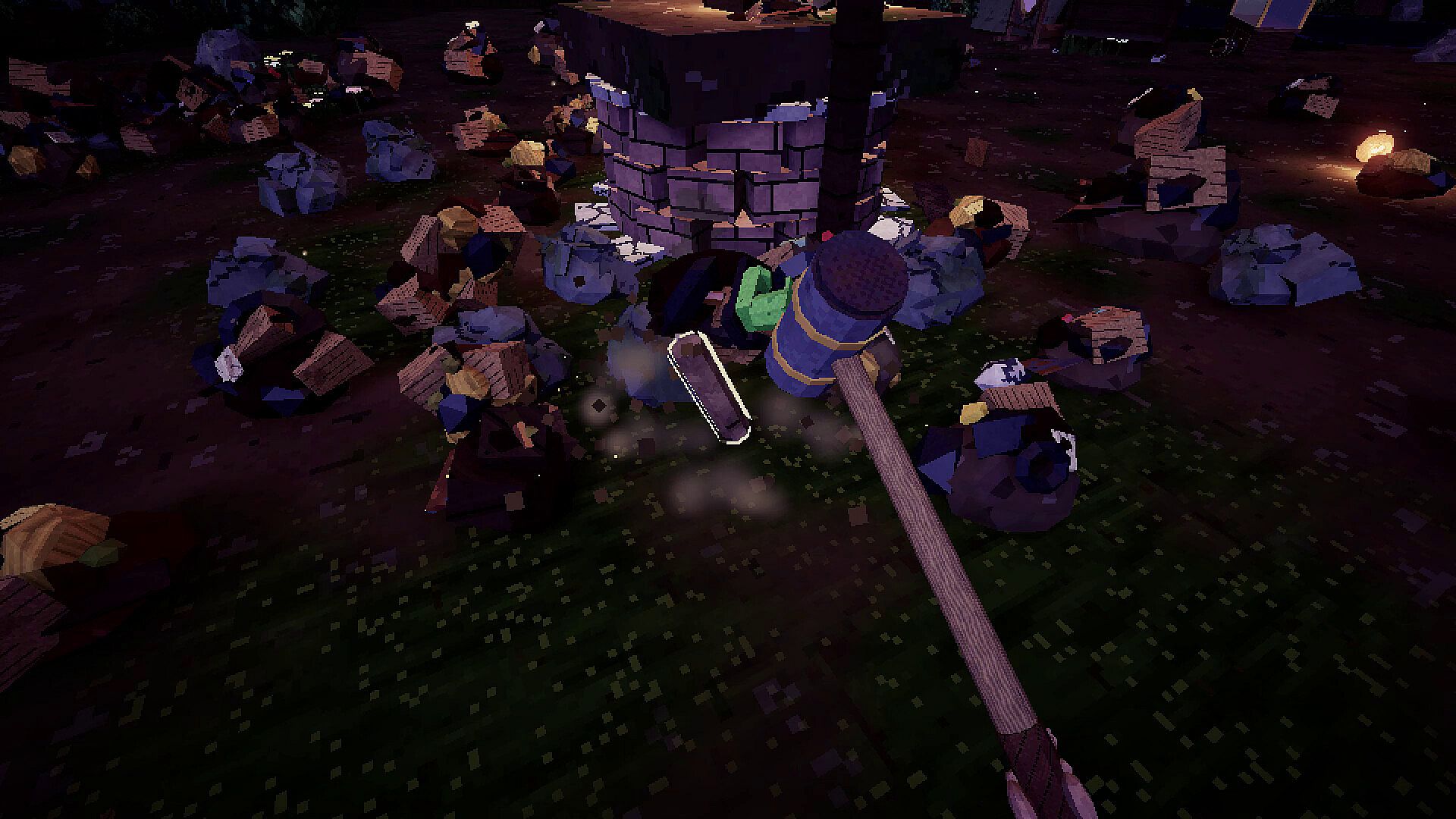
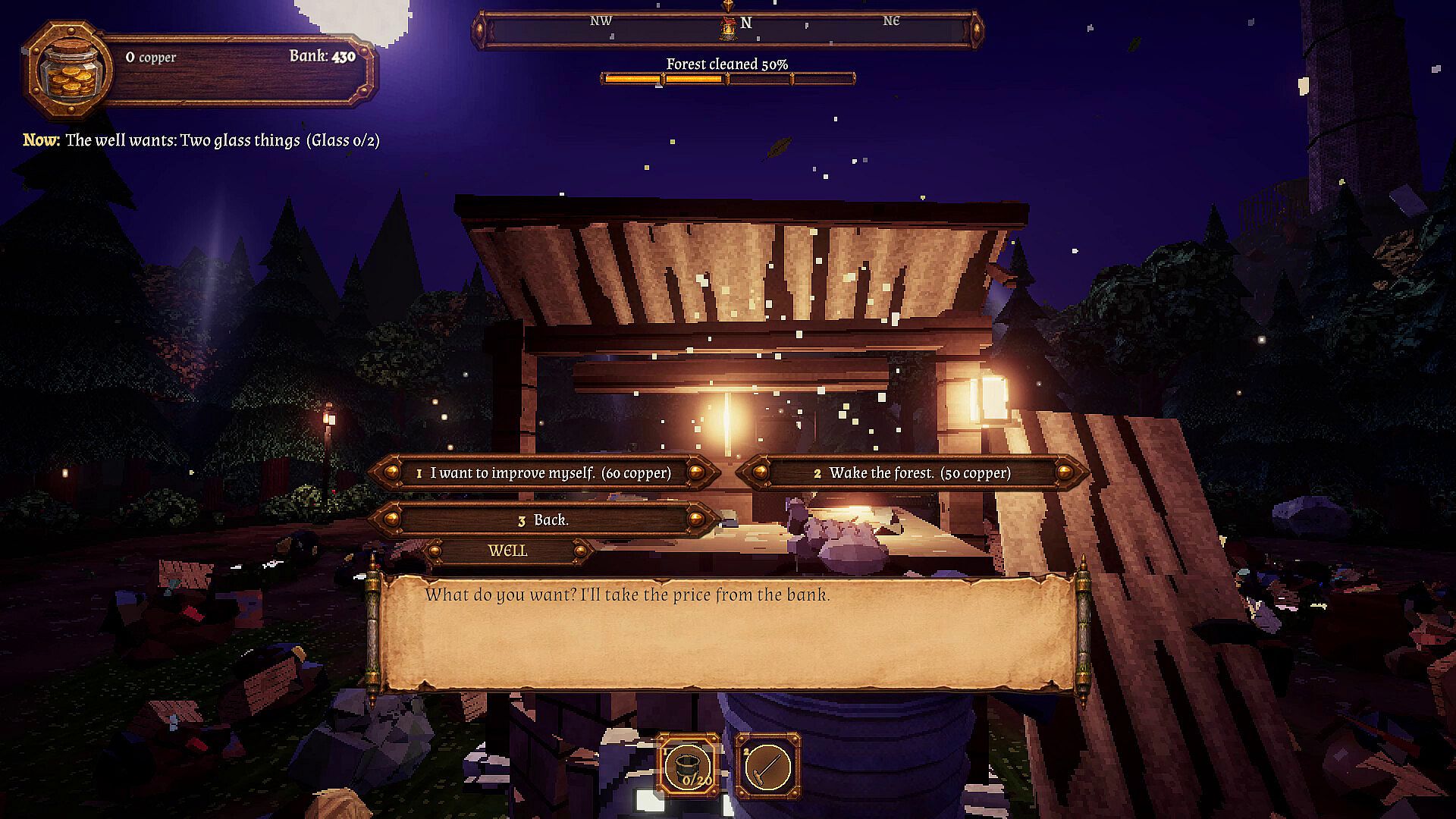
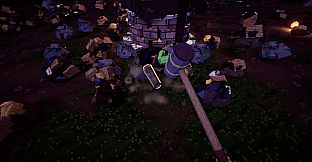
The core loop centers on hands-on cleanup tasks that feel tactile and deliberate. Start by sorting through piles of physical junk using basic actions, then progress to specialized tools such as a pickaxe for breaking rock, a broom for sweeping debris, a bucket for carrying items, a net for water areas, a spade for digging, and a sledgehammer for heavy obstacles. Each cleared heap reveals coins that players toss back into the well to unlock upgrades like larger pockets for carrying more, faster boots for quicker movement, stronger tools for tougher jobs, and a head lamp for darker sections.
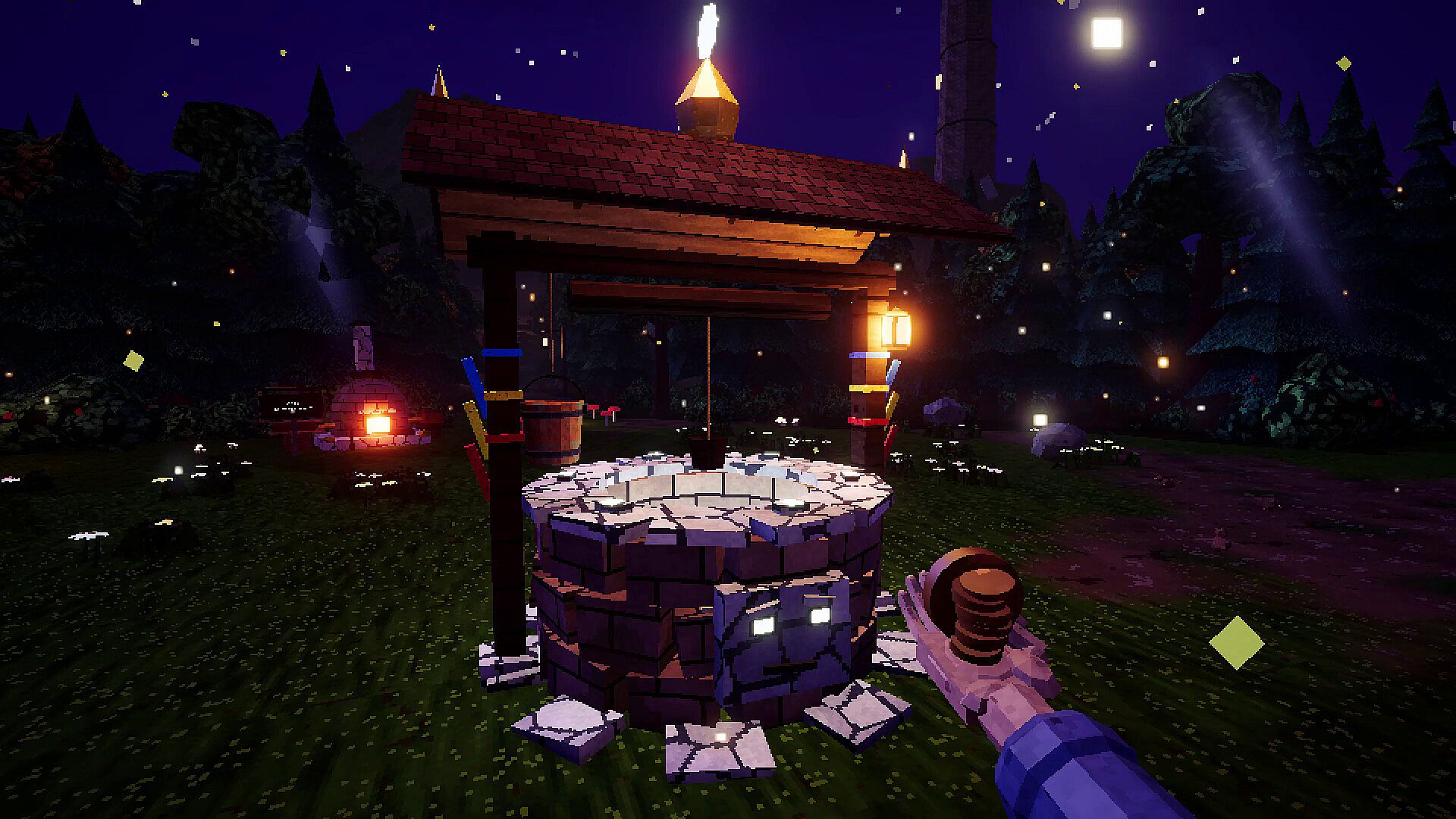
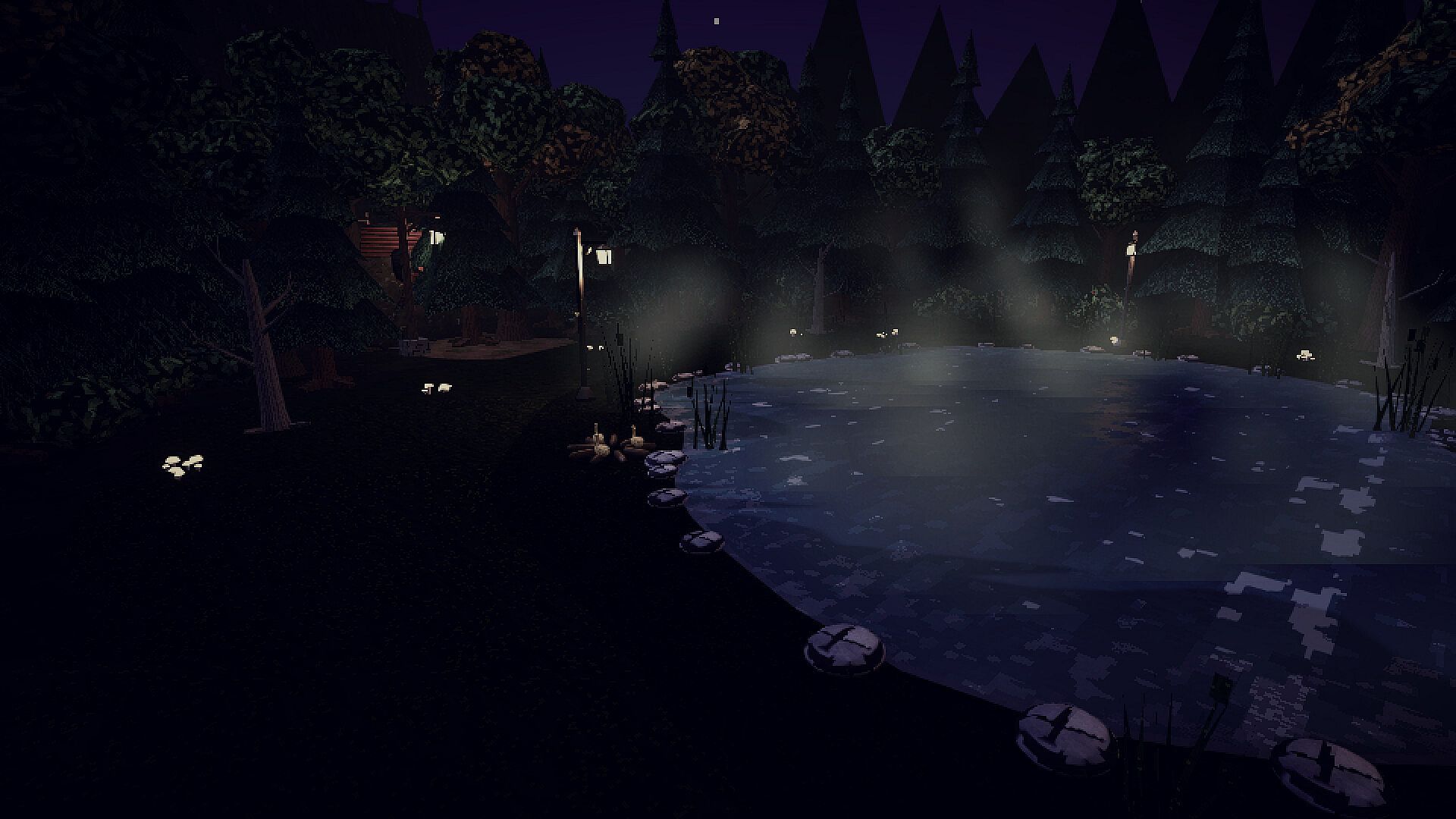
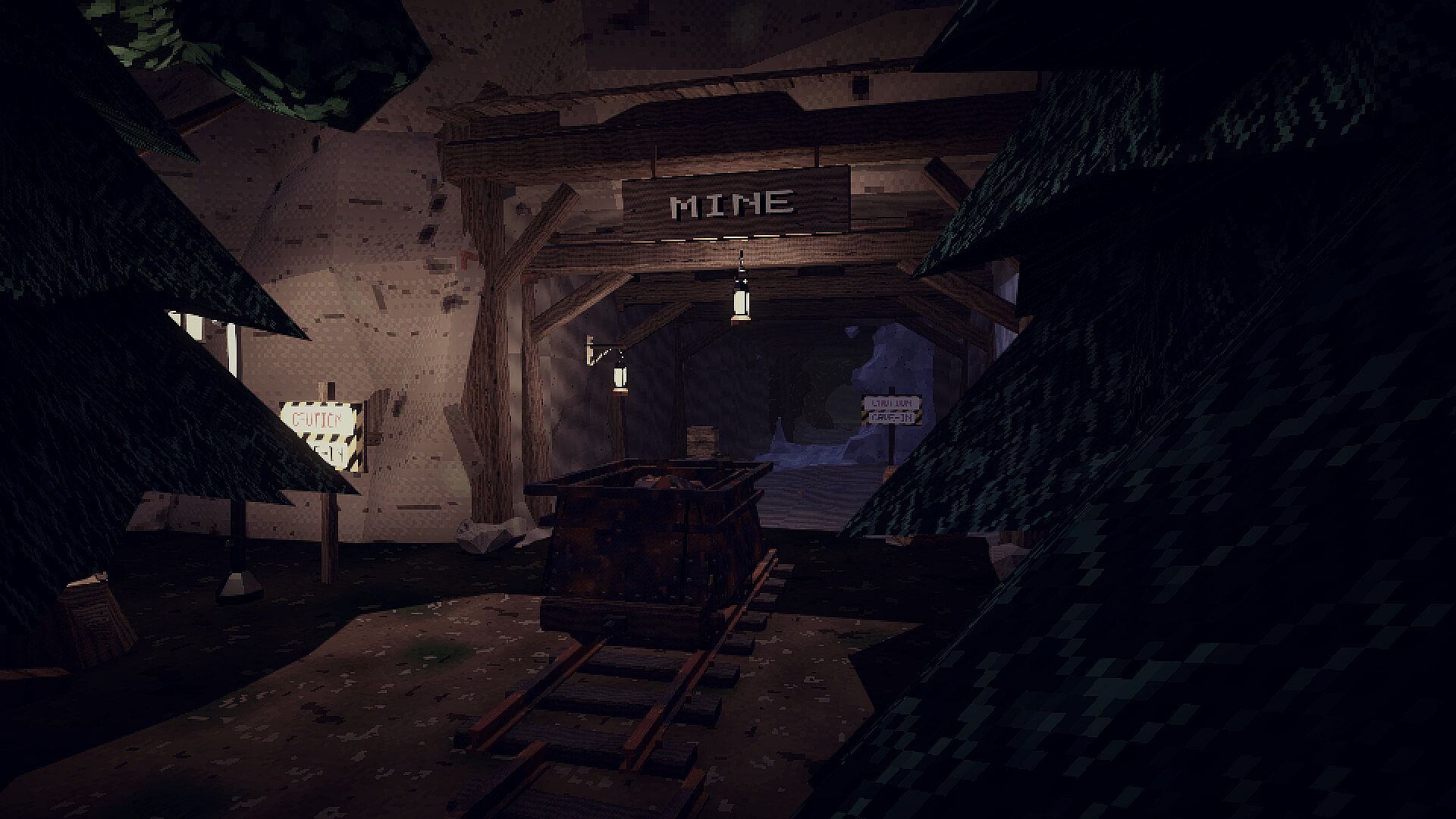
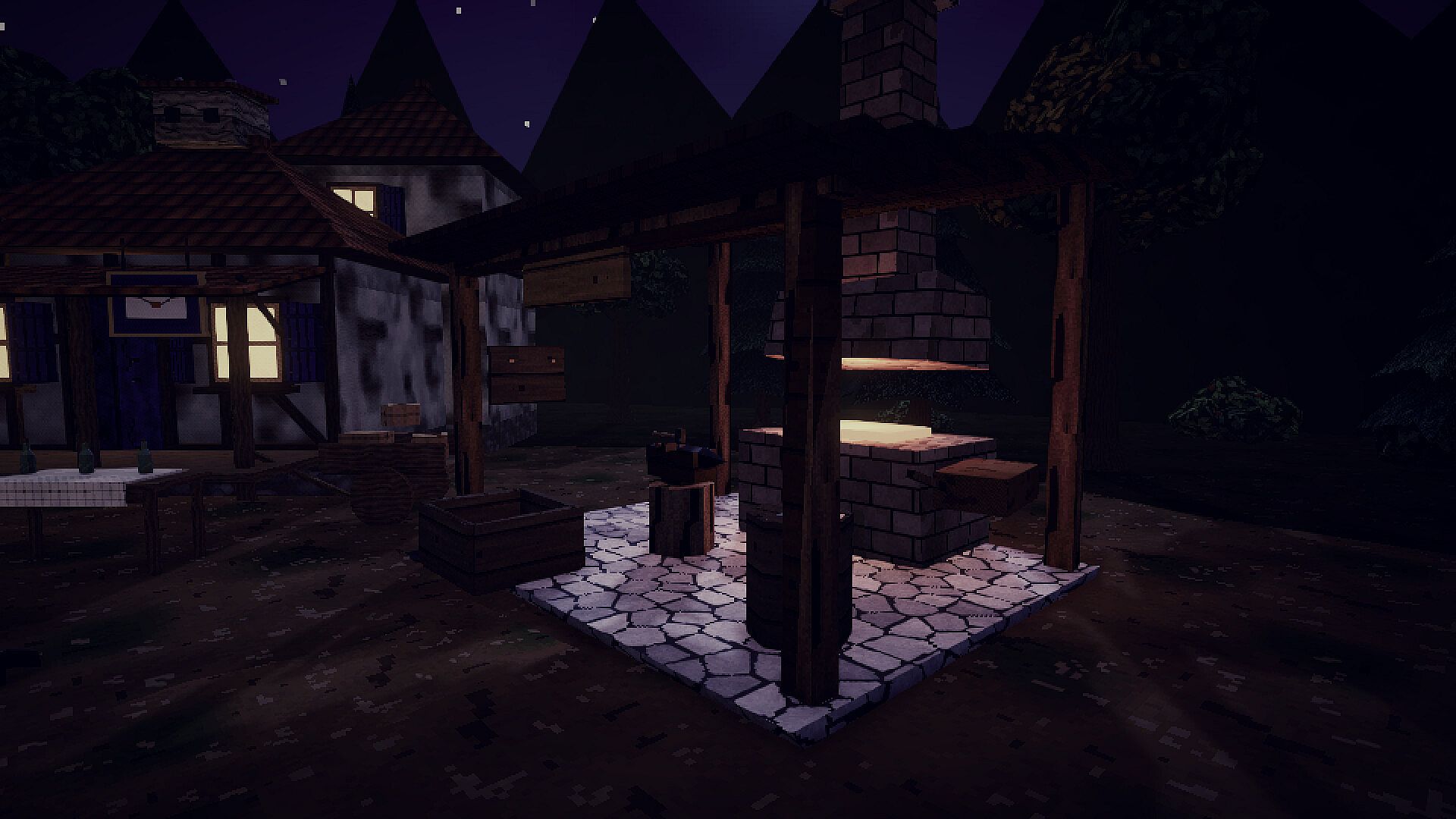
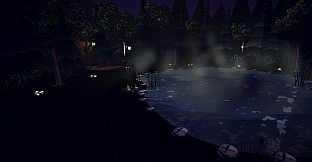
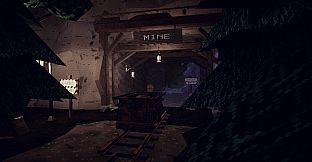
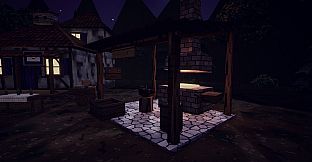
Progression ties directly to these wishes, which shorten subsequent cleanup sessions and encourage steady advancement. Nature responds visibly as junk vanishes: grass and flowers regrow, fireflies appear, and birds return to the area. The well itself issues occasional requests that reward new tools, such as an axe for clearing logs, shears for thorns, or the sledgehammer for boulders. Additional areas open naturally, including a pond where players scoop mud, recover an old bell, and net floating debris until the water clears; a mine lit only by lamplight where rock yields ore that can be smelted into metal bars; and a village where players repair the smithy, craft needed items, and restore five abandoned homes.
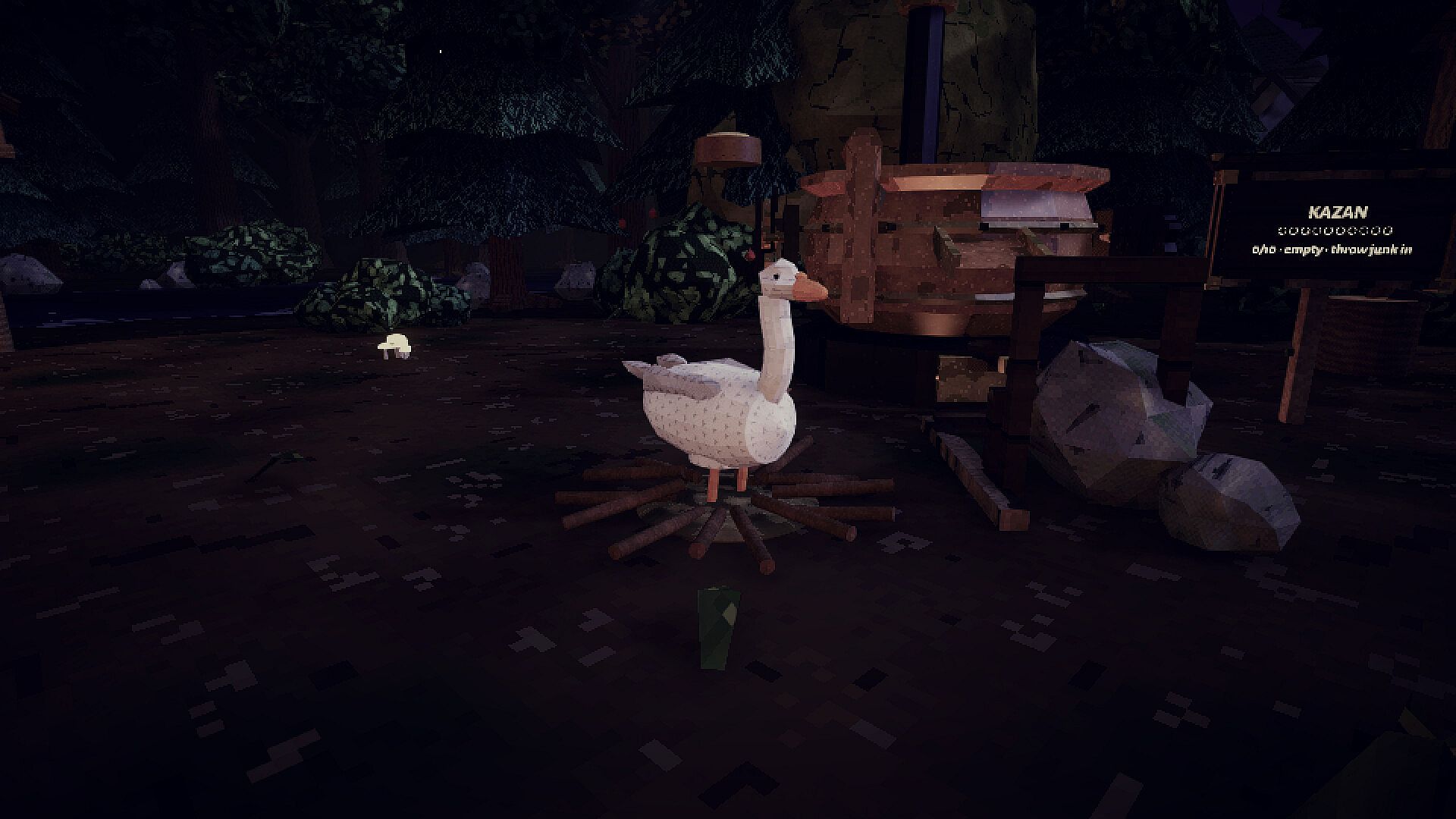
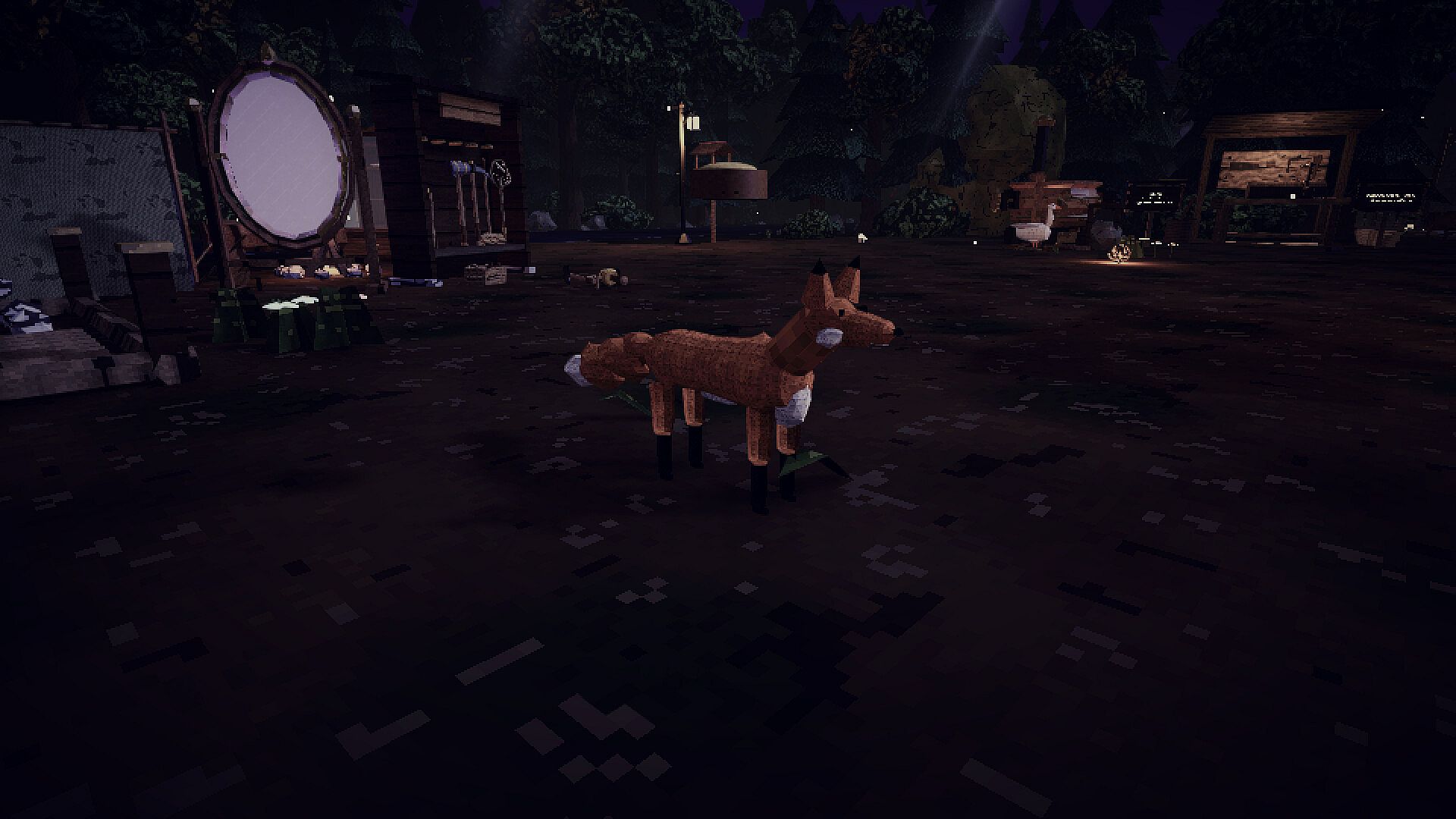
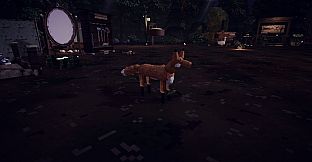
Two animal companions assist throughout: a goose that transports junk toward collection points and a fox that moves wood and stone. Players can name, pet, and feed them as hunger arises, adding quiet personality to the routine. Conversations with the well reveal its history and motivations through grumpy but direct responses, providing context for the task without pressure or timers.
Game Modes
Wishing Well offers a single-player experience focused entirely on personal progression through its interconnected areas. There are no competitive or cooperative modes, allowing uninterrupted focus on the cleanup and restoration sequence. The structure unfolds across the forest, pond, mine, and village in a linear yet flexible order, with each location building on tools and wishes gained earlier. Secrets and lost items appear throughout for optional discovery, while one final personal wish serves as a narrative capstone once the main tasks conclude. The absence of fail states or time limits keeps the pace relaxed and exploratory at the player's discretion.
Progression and Upgrades
Upgrades stem directly from coin tosses into the well, creating a satisfying feedback loop where better tools accelerate future work. Physical interactions emphasize weight and resistance, from the crunch of breaking objects to the heft of carrying loads. The PS1-inspired low-poly aesthetic reinforces the cozy, retro feel without distracting from the hands-on mechanics. Animal helpers integrate into daily tasks, responding to care with practical assistance and subtle behavioral cues.
Is It Worth Playing?
Wishing Well suits players who enjoy deliberate, low-pressure simulation games centered on restoration and incremental improvement. Its single-player format delivers a complete, self-contained session without multiplayer demands or ongoing seasons. The verified features, including tool progression, environmental changes, and companion interactions, align with the described cozy cleanup fantasy. Since the game remains unreleased with no player reviews available yet, its appeal rests on the detailed mechanics and relaxed structure outlined by the developer. Those drawn to satisfying physical tasks, gradual world revival, and light narrative elements will likely find the experience rewarding once it launches.