


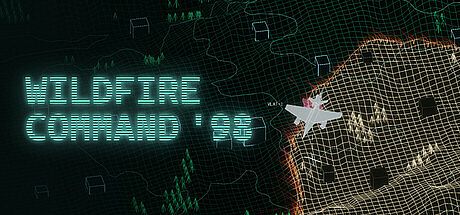




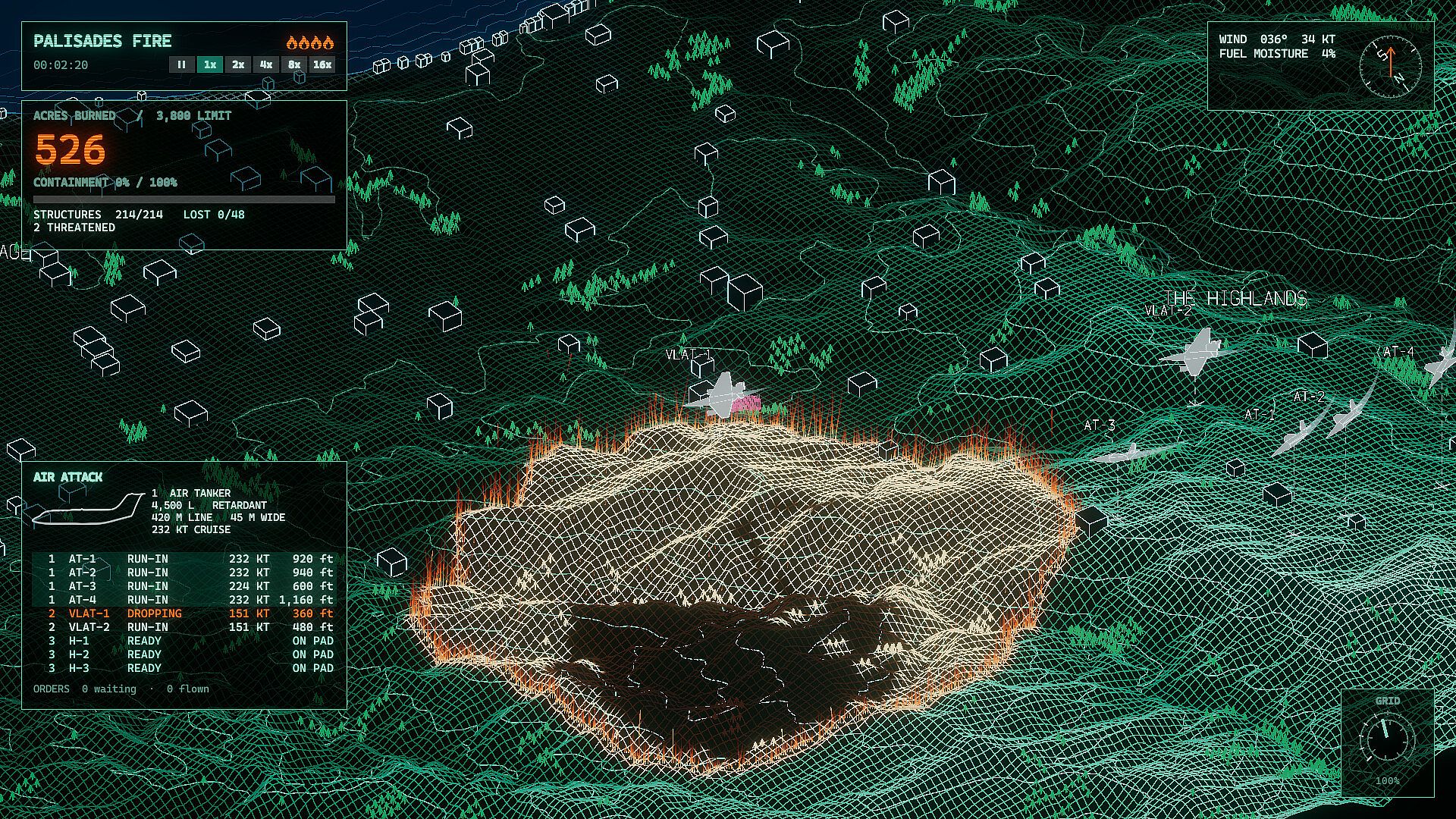
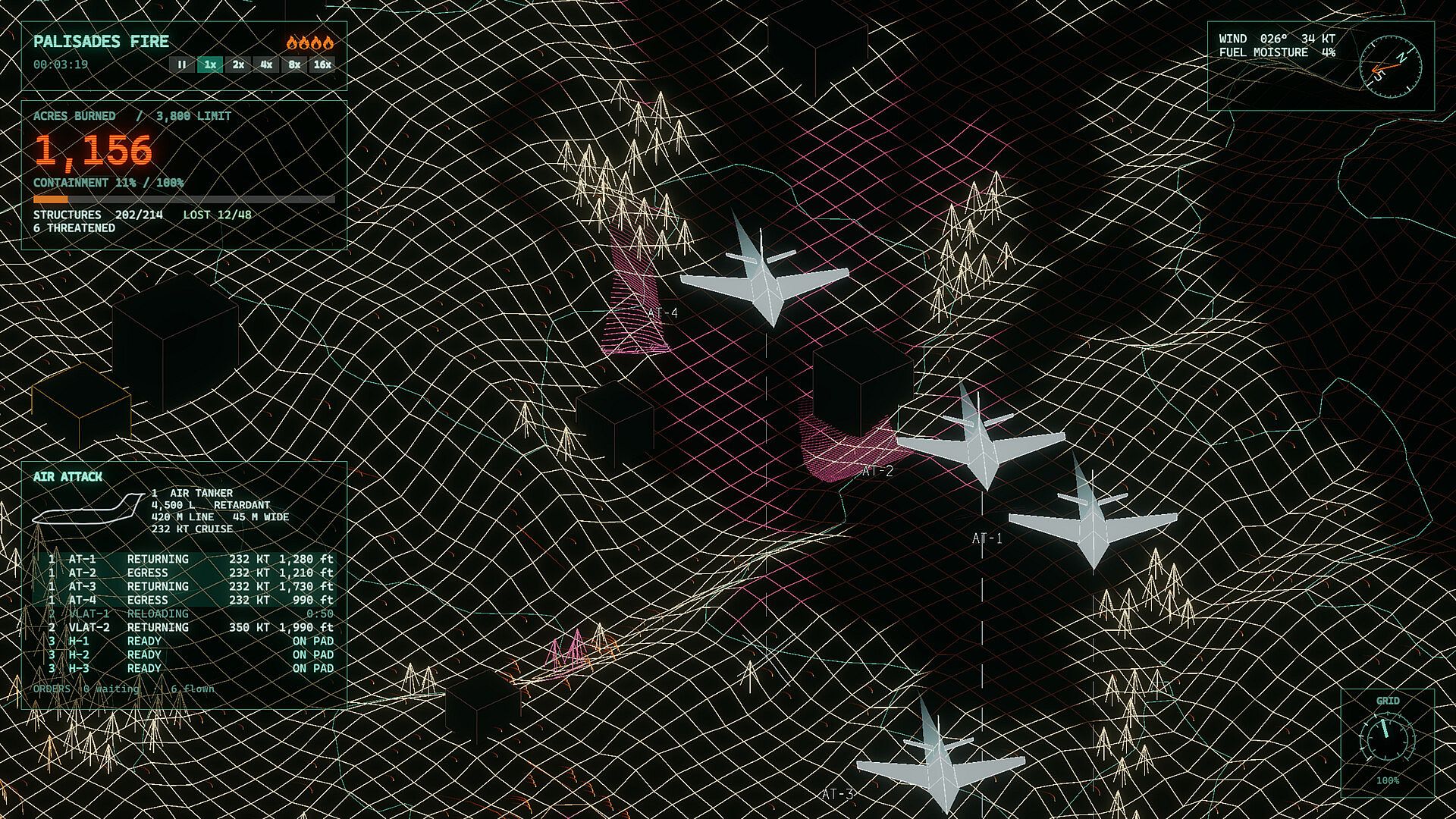
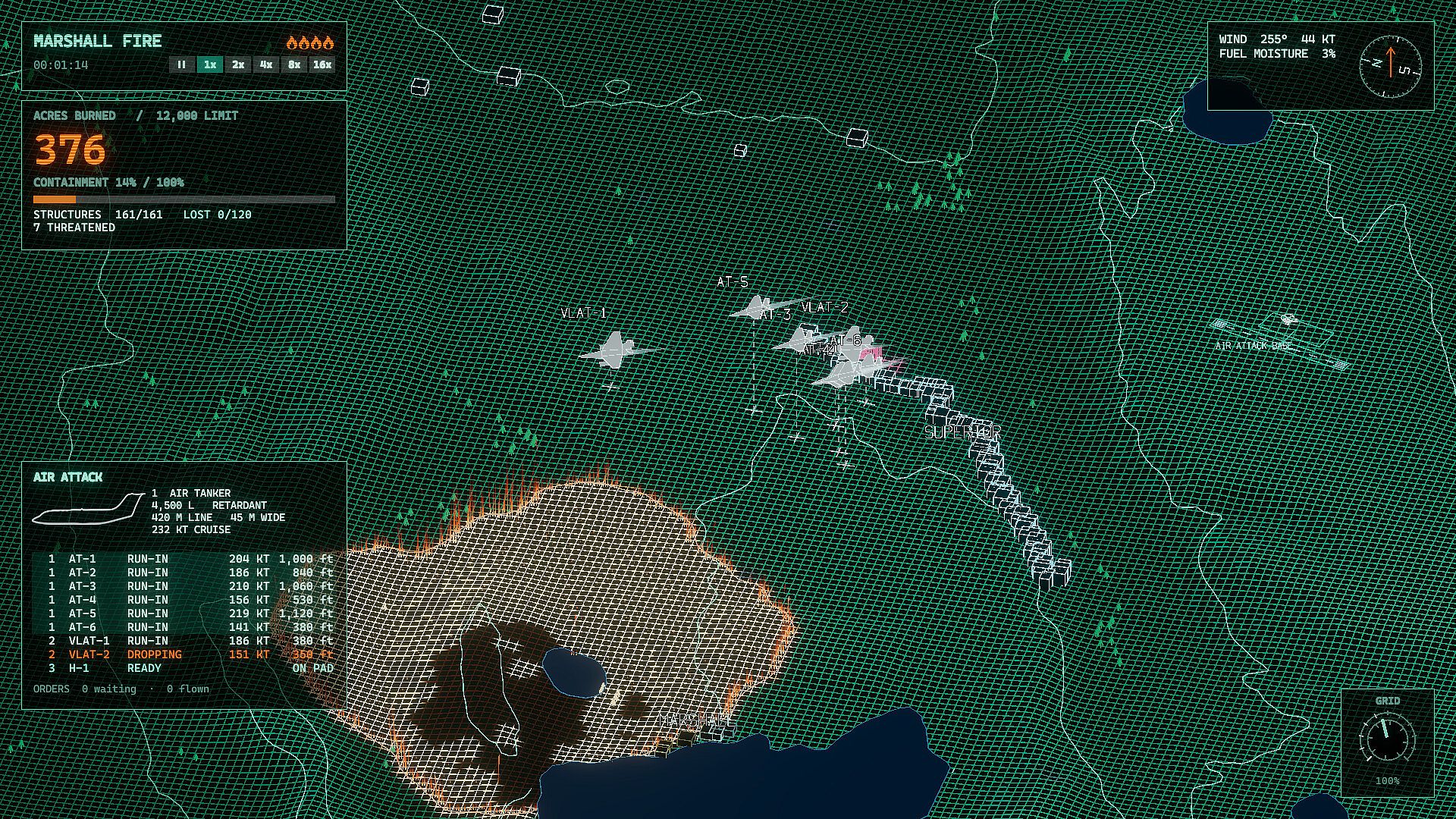
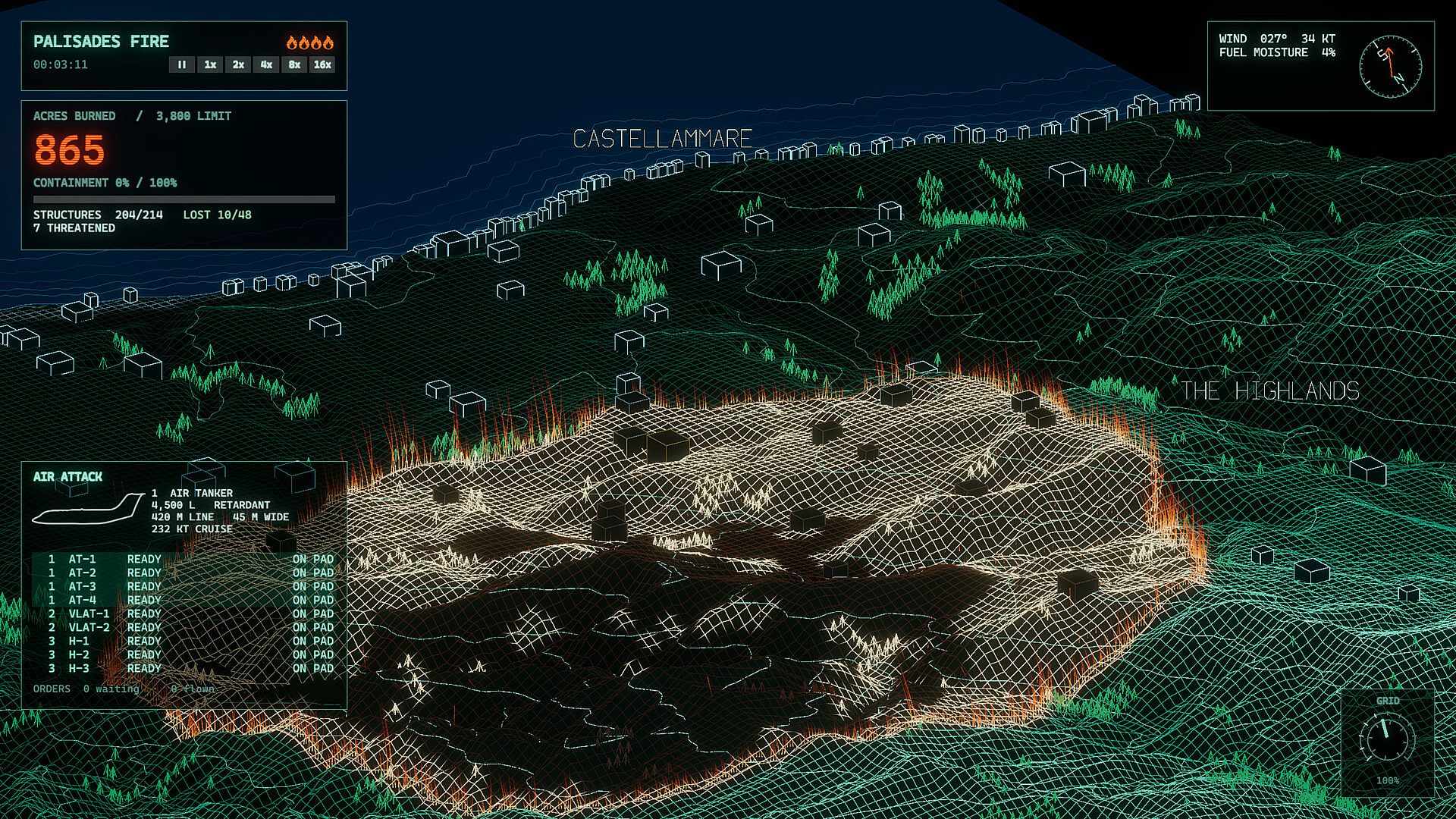
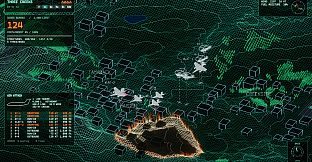
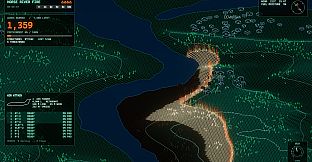
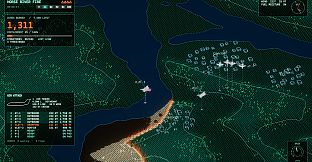
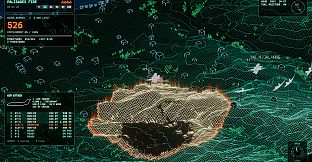
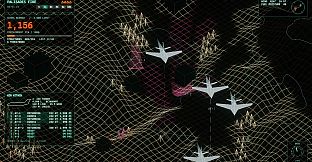
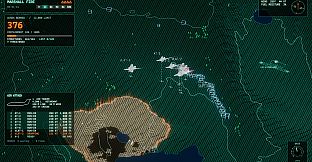
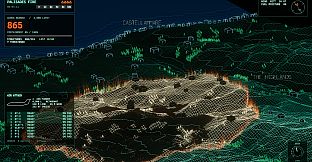
Wildfire Command '98 is a strategy simulation game set on PC in which players take the role of an air attack supervisor directing aircraft against spreading wildfires. The experience places you in the cockpit of command rather than the pilot's seat, using a retro phosphor-style map and radio communications to coordinate drops and crews in real time.
Gameplay
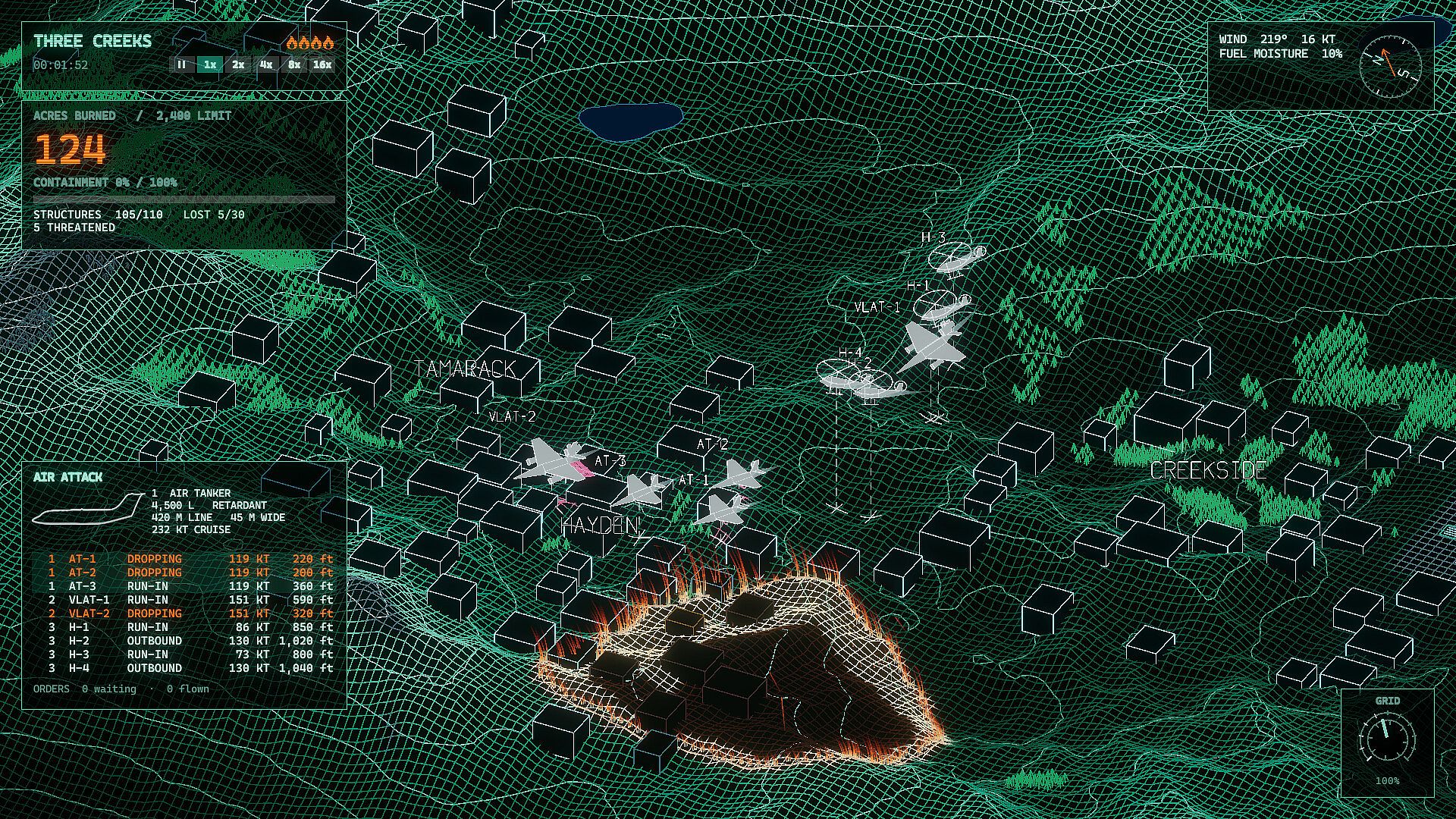
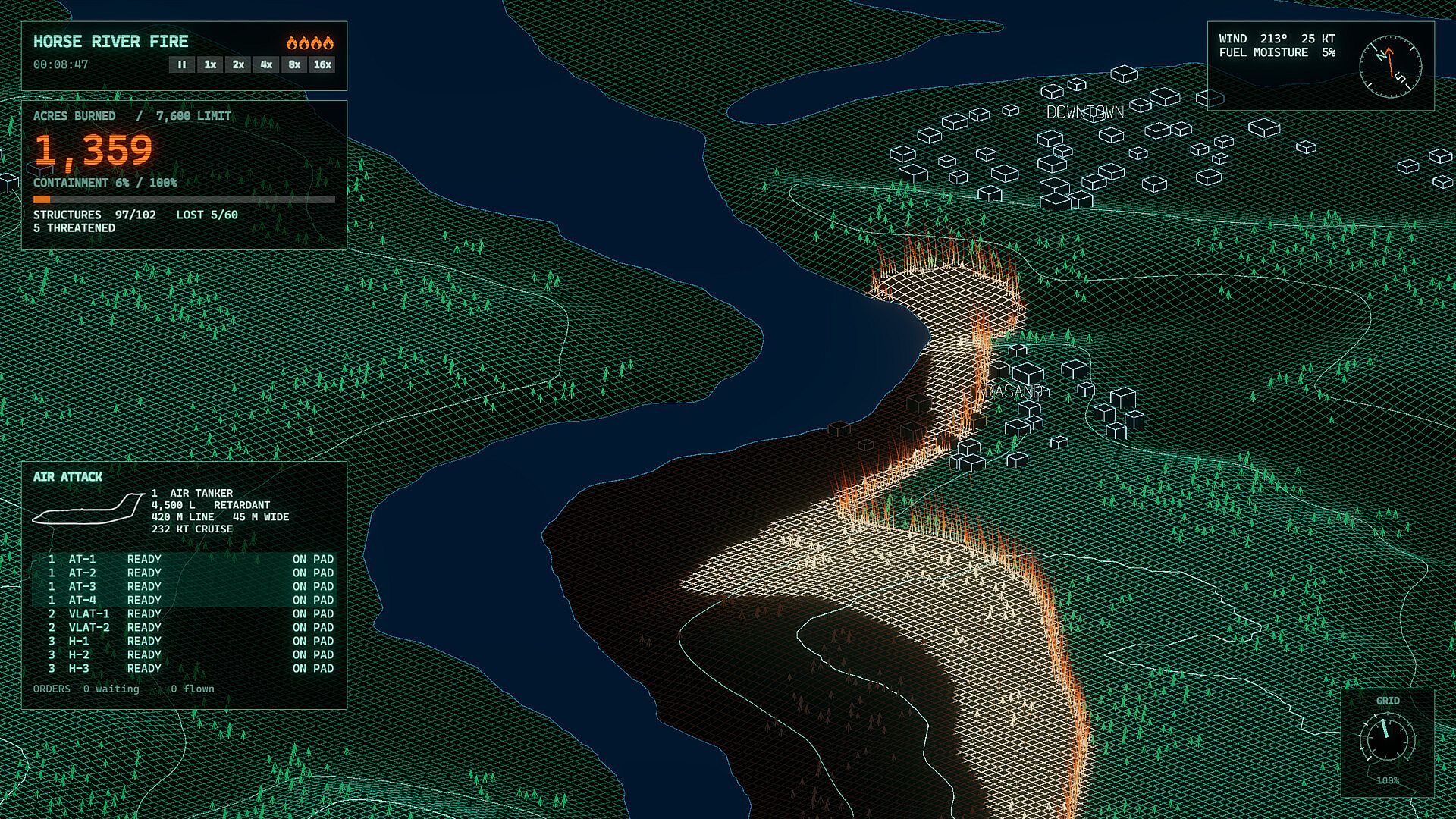
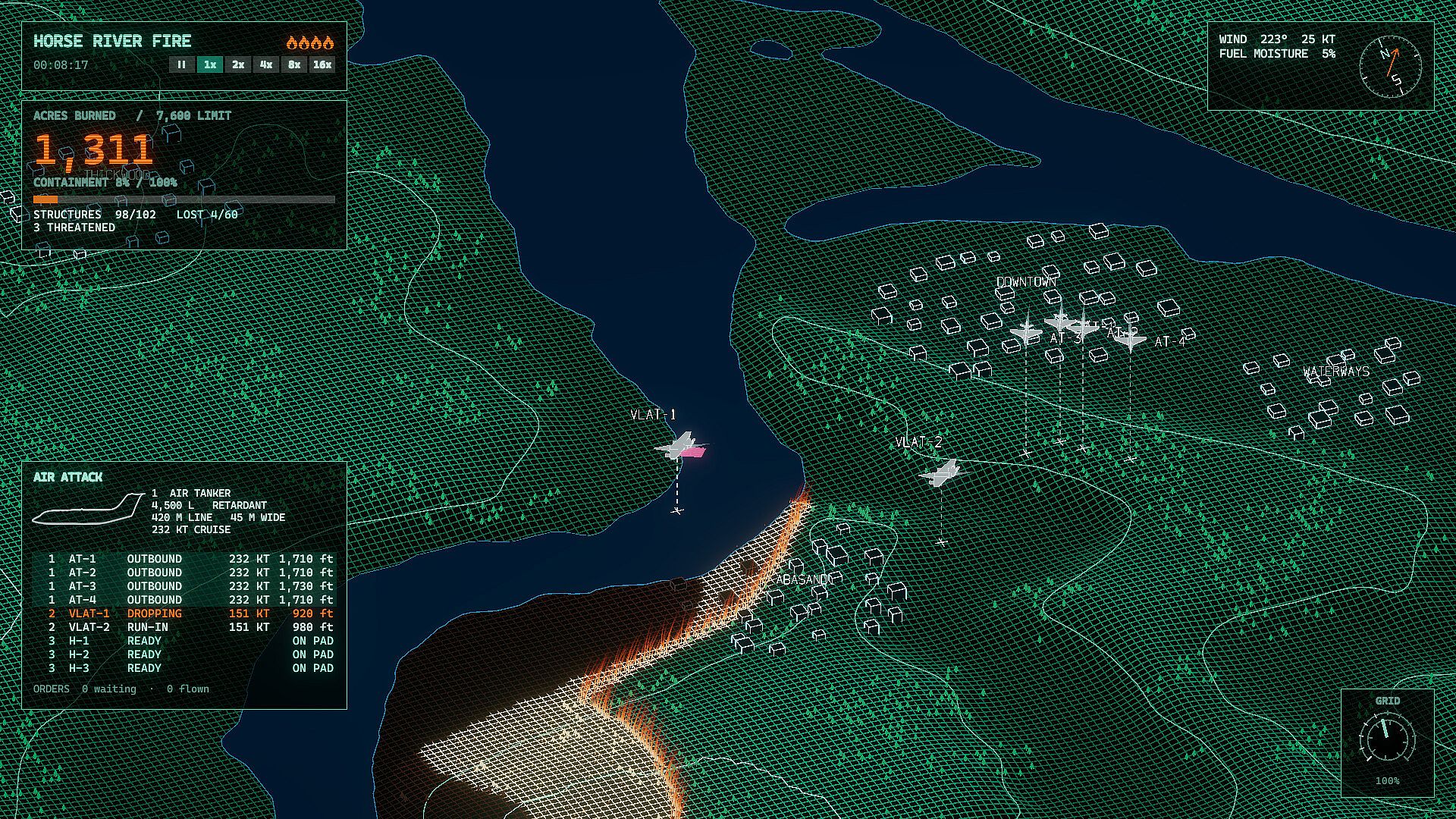
The core loop centers on reading terrain, wind, and fuel conditions to place effective retardant and water lines. Players drag across the map to define drop paths that aircraft follow, with retardant creating burn-resistant barriers that hold ground while water extinguishes active flames on contact. Helitack crews rely on nearby water sources for repeated dips, and every aircraft type carries its own turnaround time that creates queue management as the primary limit rather than map size alone.
Fire behavior follows realistic simulation rules. Flames advance faster uphill and downwind, shifting with changes in fuel type where grass burns quickly and out while timber lingers and generates spot fires through embers. Wind shifts can render prior lines ineffective, and lightning strikes introduce new ignition points mid-mission. Containment tracks the percentage of perimeter that no longer has fuel to burn, while acres burned and structures lost form the final score.
Time controls allow pausing at any moment or speeding simulation up to 16x during quiet periods. The interface supports both mouse and keyboard or controller input, with optional on-screen hints that can be hidden for a cleaner view.
Game Modes
Single-player sessions focus on nine authored fires that include five training scenarios built around specific concepts and four based on real historical incidents such as the Rim Fire, Horse River, the Marshall Fire, and the Palisades Fire. Each carries distinct weather, fuel, and terrain data. Beyond these fixed missions, procedurally generated incidents appear on demand, each rated for difficulty before selection and ranging from simple ridge fires at dawn to complex coastal threats under strong offshore winds.
Two-player co-op supports shared missions across separate airbases and aircraft rosters. Each commander views the other's drawn lines and active aircraft while directing only their own assets. A bot opponent allows solo practice of the co-op format. Every completed run generates a deterministic replay code that lets others experience the identical fire conditions and outcomes without variation from recording artifacts.
Features and Atmosphere
The presentation draws from 1990s vector arcade aesthetics and period air traffic control equipment, creating a focused phosphor console view of the map. A recorded radio net features crew check-ins, readbacks, and status reports with varying voices across missions. Nine original music tracks accompany play, and 28 achievements reward skillful line placement and containment rather than repeated attempts.
Sessions typically resolve in under thirty minutes, making the game suited for focused individual runs instead of extended campaigns. The developer background as a 1990s pilot near a CAL FIRE air attack base informs the emphasis on realistic resource timing and fire dynamics over scripted events.
Is It Worth Playing?
Wildfire Command '98 targets players who enjoy deliberate strategy simulations with authentic environmental modeling and resource queue management. Its short, self-contained fires and deterministic replays encourage repeated attempts on the same conditions to refine tactics. Co-op adds a layer for shared command decisions, while generated incidents provide ongoing variety once the authored fires are completed.
Because the game remains unreleased with no player reviews or update history available yet, any assessment rests on the described systems of fire simulation, aircraft turnaround constraints, and honest containment metrics. Those drawn to precise line-drawing decisions and adapting to shifting wind and terrain will find the mechanics align closely with that interest. The single-sitting format and controller support further suit it for focused sessions without long-term progression pressure.
