




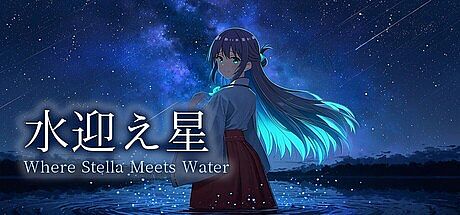


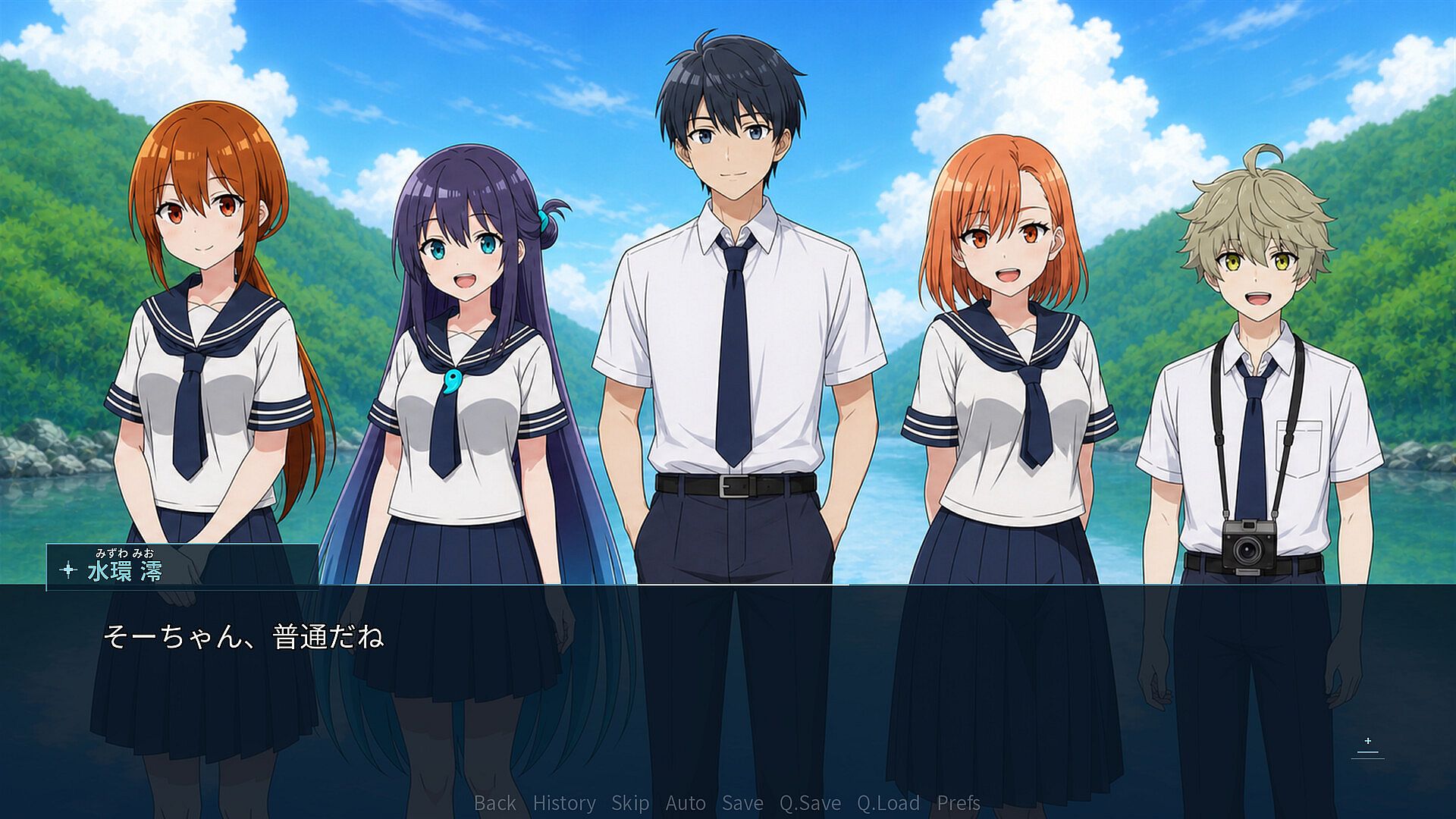


Where Stella Meats Water is an indie simulation visual novel set in a quiet lakeside town. The story follows members of a high school astronomy club as they prepare a promotional film for the local festival, with the narrative centering on Sota Hoshitsugu and his childhood friend Mio Mizuwa. Players experience a single-path romance tale that begins with light everyday moments and gradually shifts toward a more reflective tone.
Gameplay
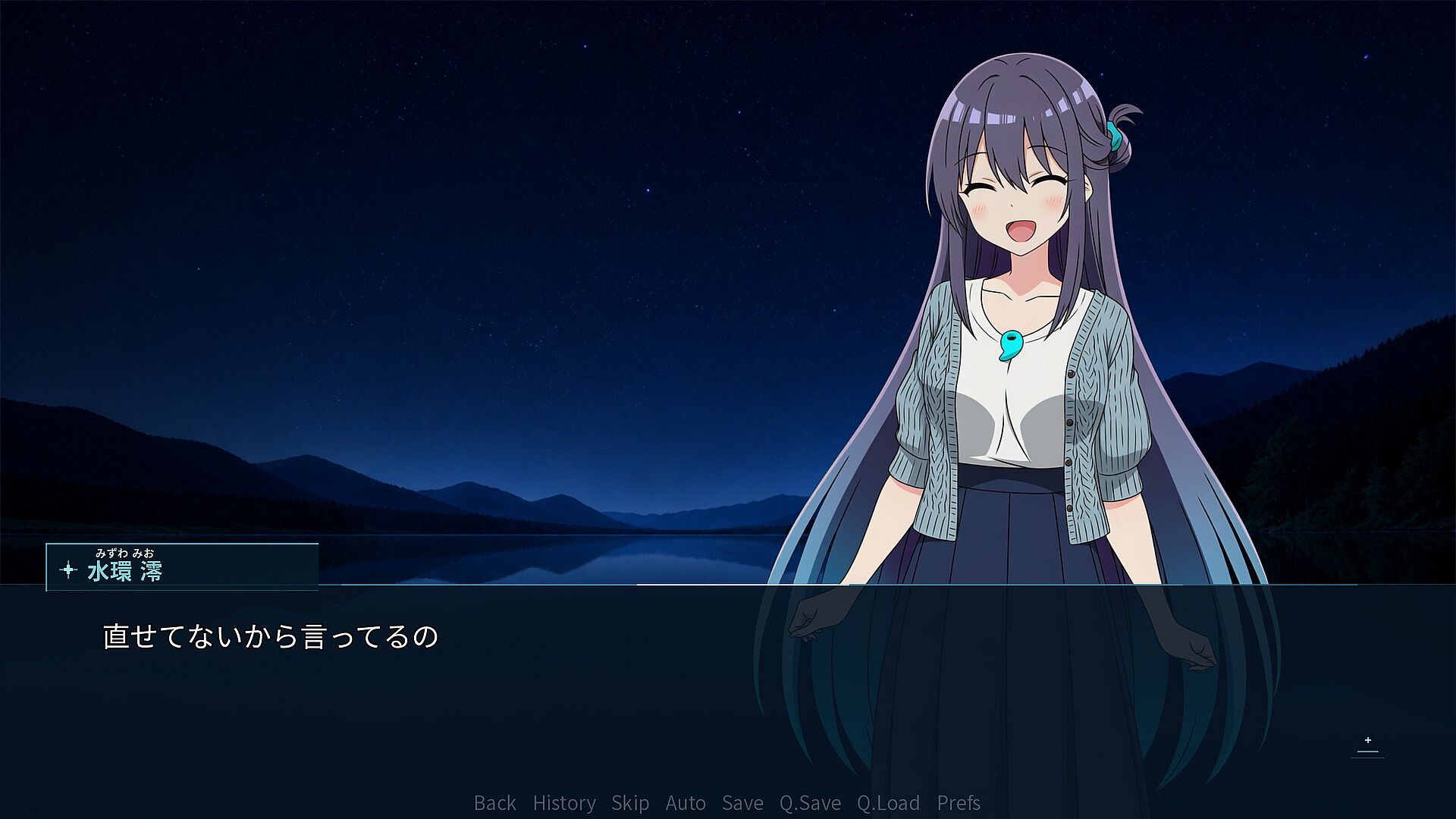
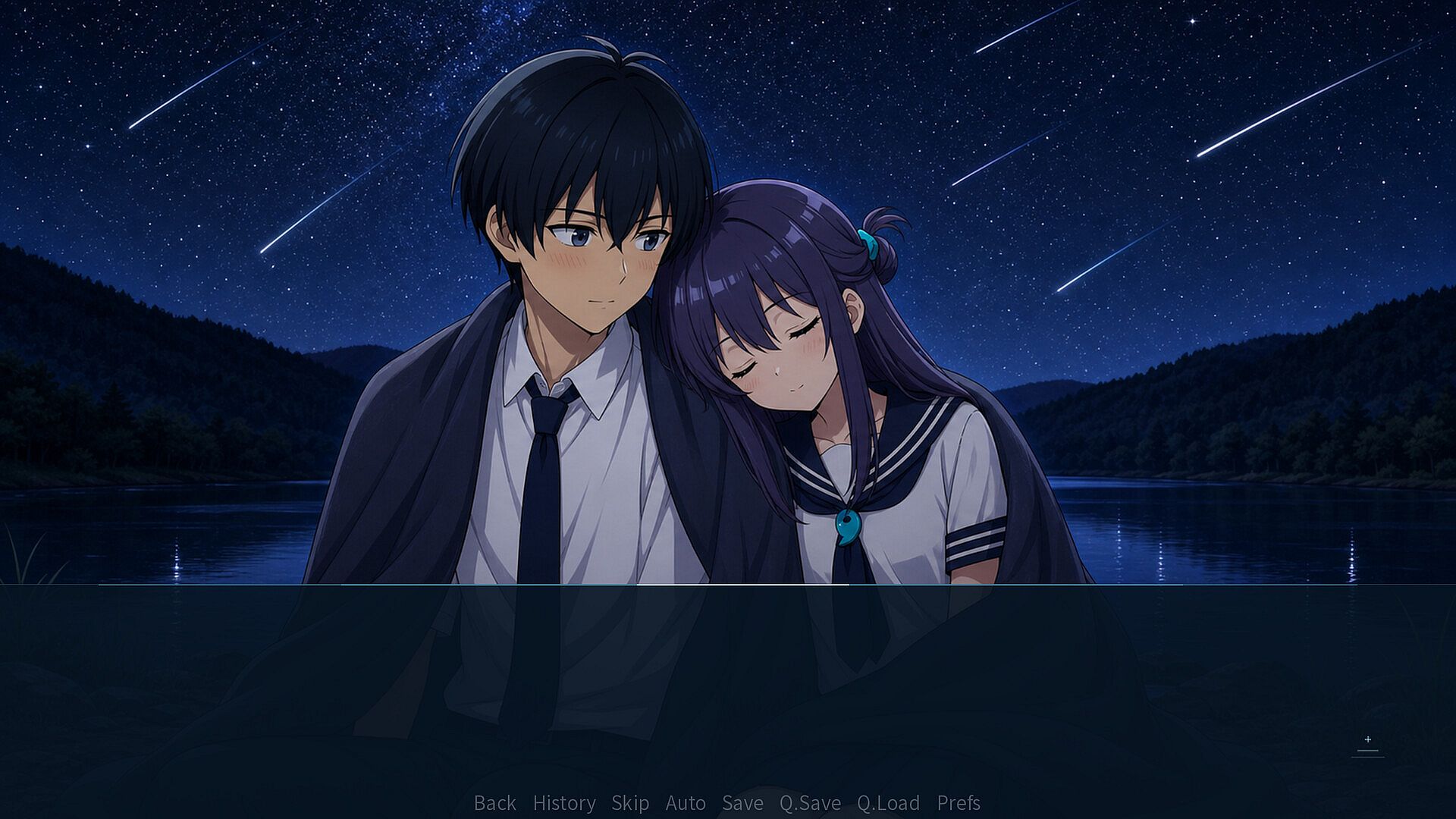
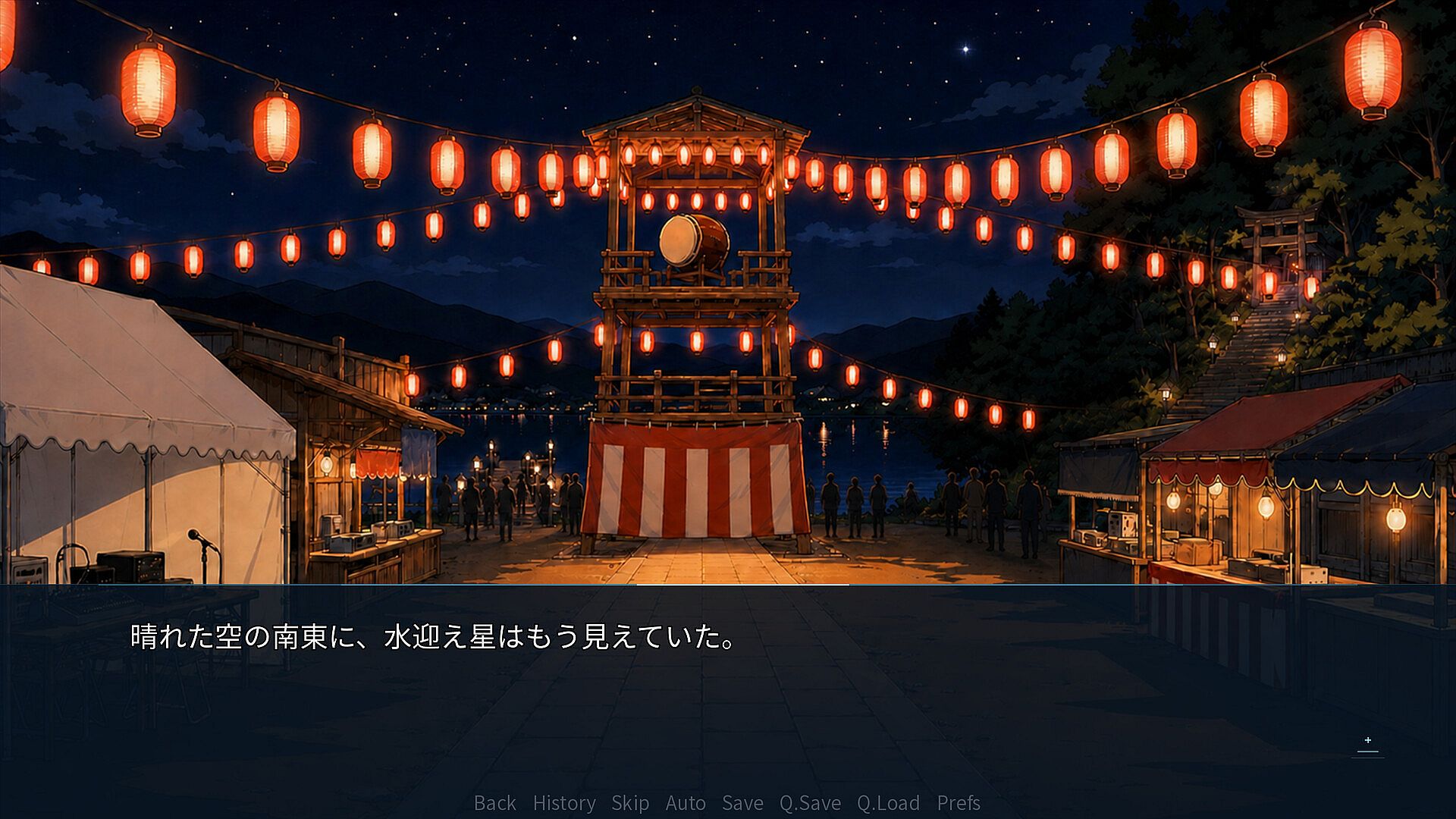
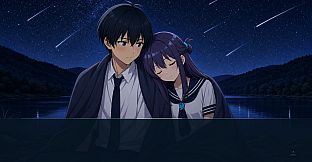
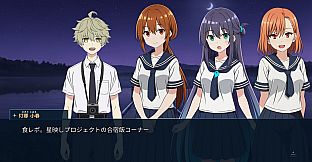
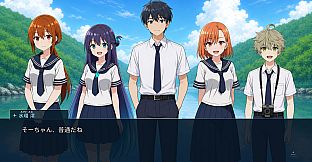
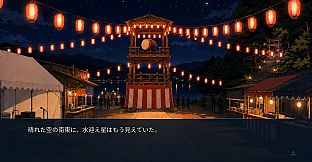
The core loop involves advancing through text and full-color anime-style illustrations while making occasional choices. These selections influence dialogue phrasing and visual presentation but do not create separate routes or endings. The entire experience unfolds along one continuous path that lasts roughly six to ten hours when read at a measured pace. Backgrounds and character sprites depict the small town surrounded by a lake and mountains, while event illustrations highlight key scenes from the club members' summer activities. Music and text carry the weight of the presentation without any voice acting.
Progression follows the club's work on the Starlight Reflection Project, a promotional video for the town festival. Ordinary scenes of planning, filming, and daily interactions give way to quieter, more introspective sequences as the festival night approaches. The structure emphasizes reading and reflection over mechanical challenges or resource management typical of broader simulation titles.
Game Modes
The game offers only one mode: a linear narrative experience. Choices appear at intervals to color conversations and scene framing, yet every playthrough reaches the same conclusion. There are no branching stories, alternate endings, or additional gameplay variants such as free-roam exploration or separate chapters with distinct rules. The single path keeps focus on the ensemble drama involving the five club and festival participants.
Story and Setting
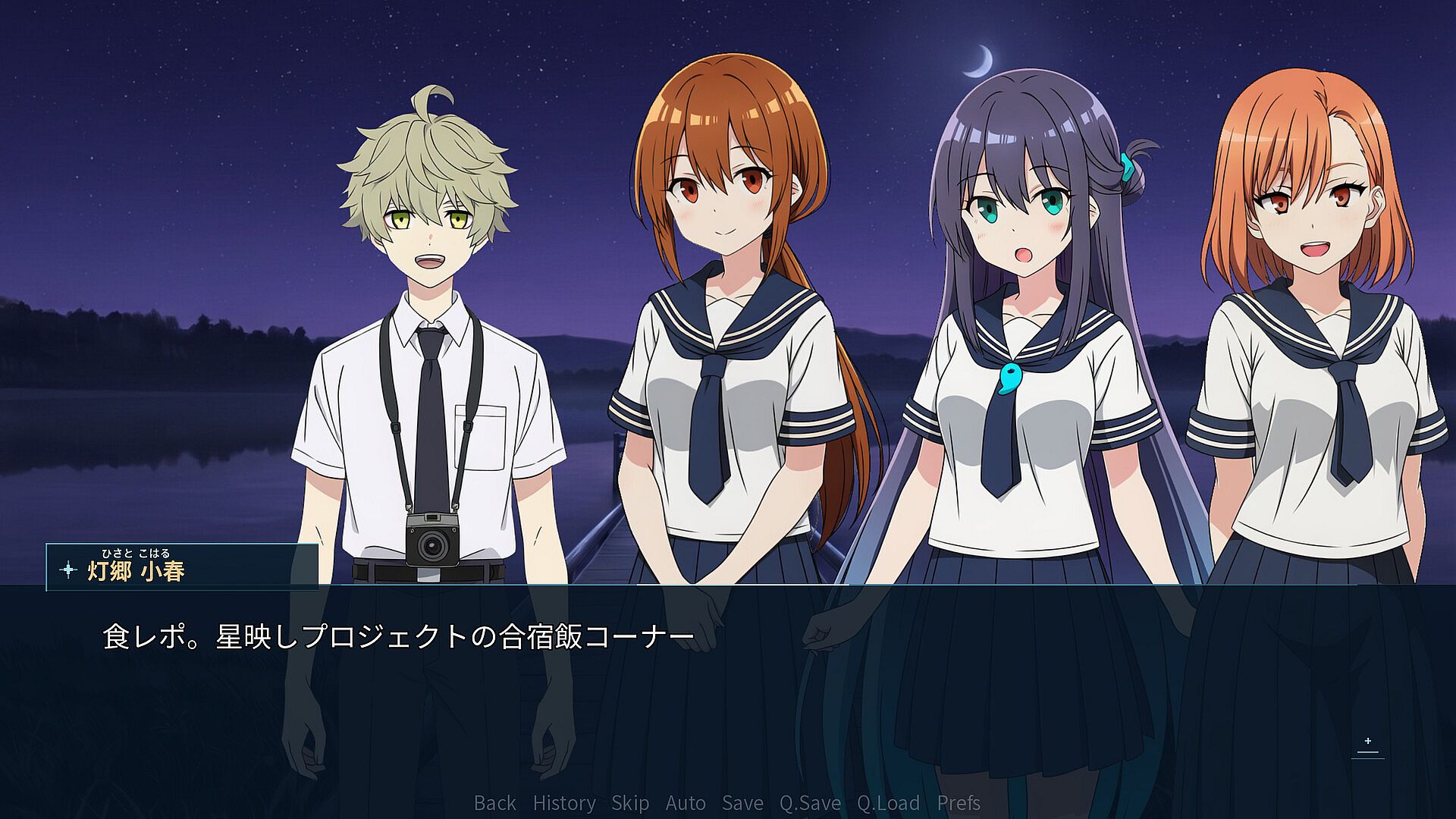
The tale unfolds over one summer in a lakeside community where Sota, the astronomy club captain, notices inconsistencies in footage and photographs involving Mio. Traces of her presence begin to fade from records and the recollections of those around them, even as she remains visibly present in his daily life. The other characters include Haruka from the student council, Ren the underclassman handling filming, and Koharu from the broadcasting club who manages the script. Their shared goal ties the group together through ordinary laughter and festival preparations that slowly take on a different hue.
The setting remains grounded in the town's festival preparations and the club's astronomy interests, with no expansive world-building or side activities beyond the main text sequence. The tone starts comedic and everyday before the underlying questions about existence and memory emerge more clearly.
Is It Worth Playing?
This visual novel suits readers who prefer focused, linear stories without the need to replay for different outcomes. The single-path format and emphasis on text, music, and illustrations deliver a compact coming-of-age drama that explores themes of proof, memory, and connection. Availability is limited to Japanese text only, with no English support, so language familiarity is required. The title was developed by one person and incorporates generative AI for planning, writing, artwork, and audio elements, all reviewed and refined by the creator before inclusion. No user reviews or update history exist yet ahead of the planned September 2026 release, leaving reception to be determined by those who engage with its bittersweet ensemble narrative and deliberate pacing.