




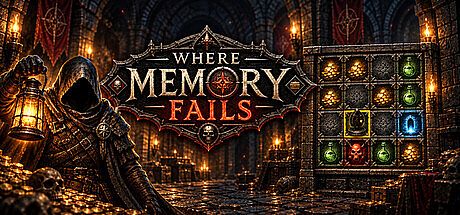


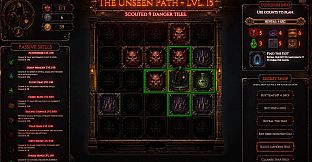
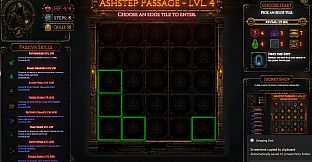
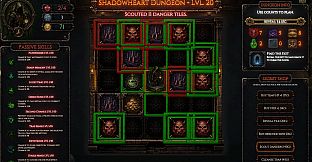
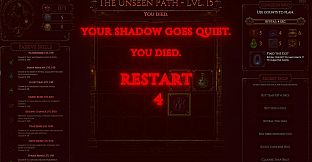
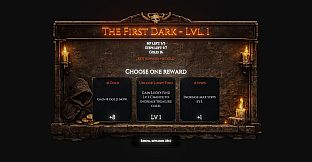
Where Memory Fails is a dark fantasy roguelite that blends strategy, casual play, and adventure elements on PC. Players navigate concealed dungeon grids where memory and deduction determine survival more than raw power. Limited health, restricted steps, and incomplete information force careful planning on every floor. The game emphasizes reading clues from tile counts, tracking hidden dangers, and adapting routes as new information emerges.
Gameplay
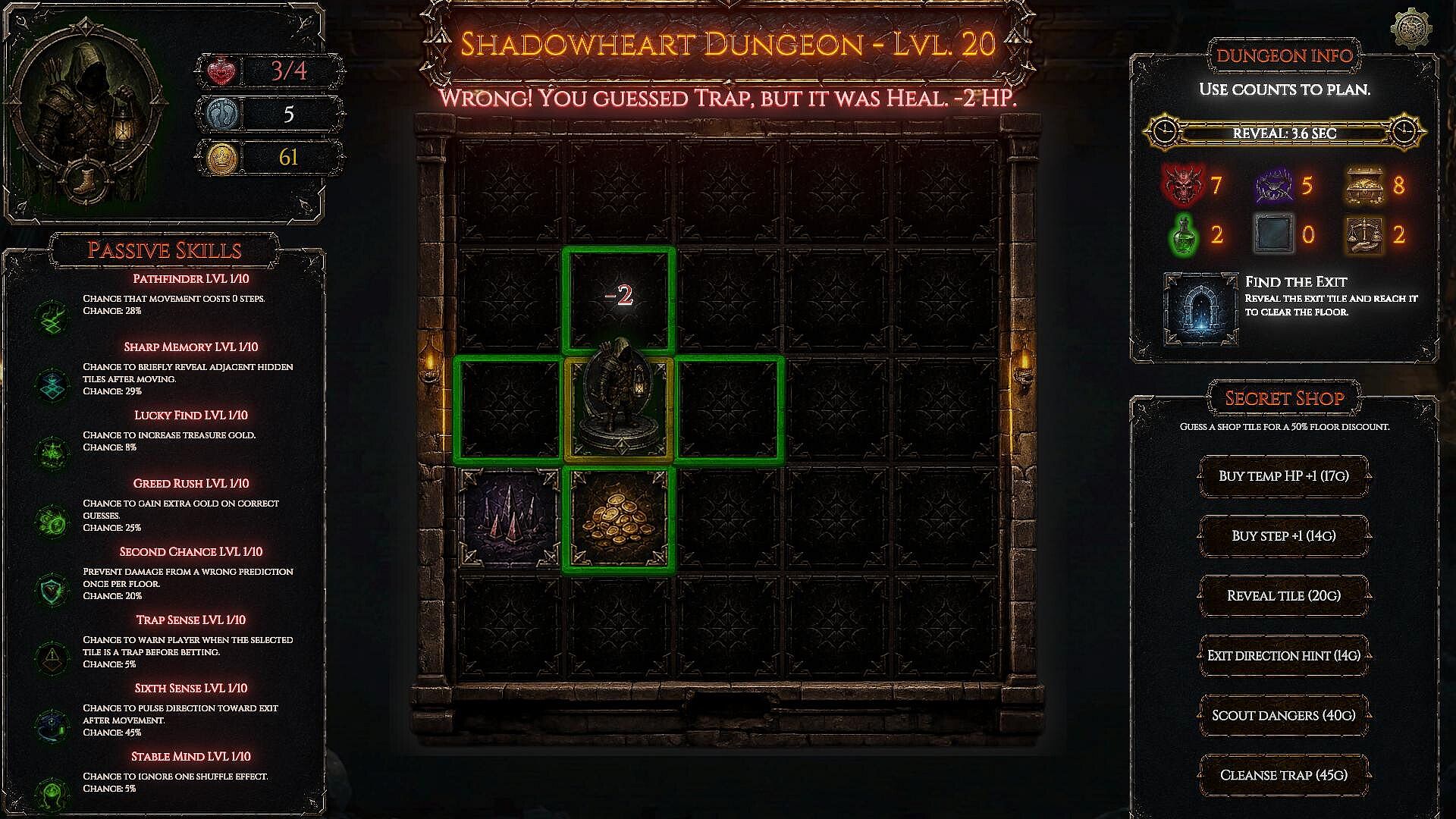
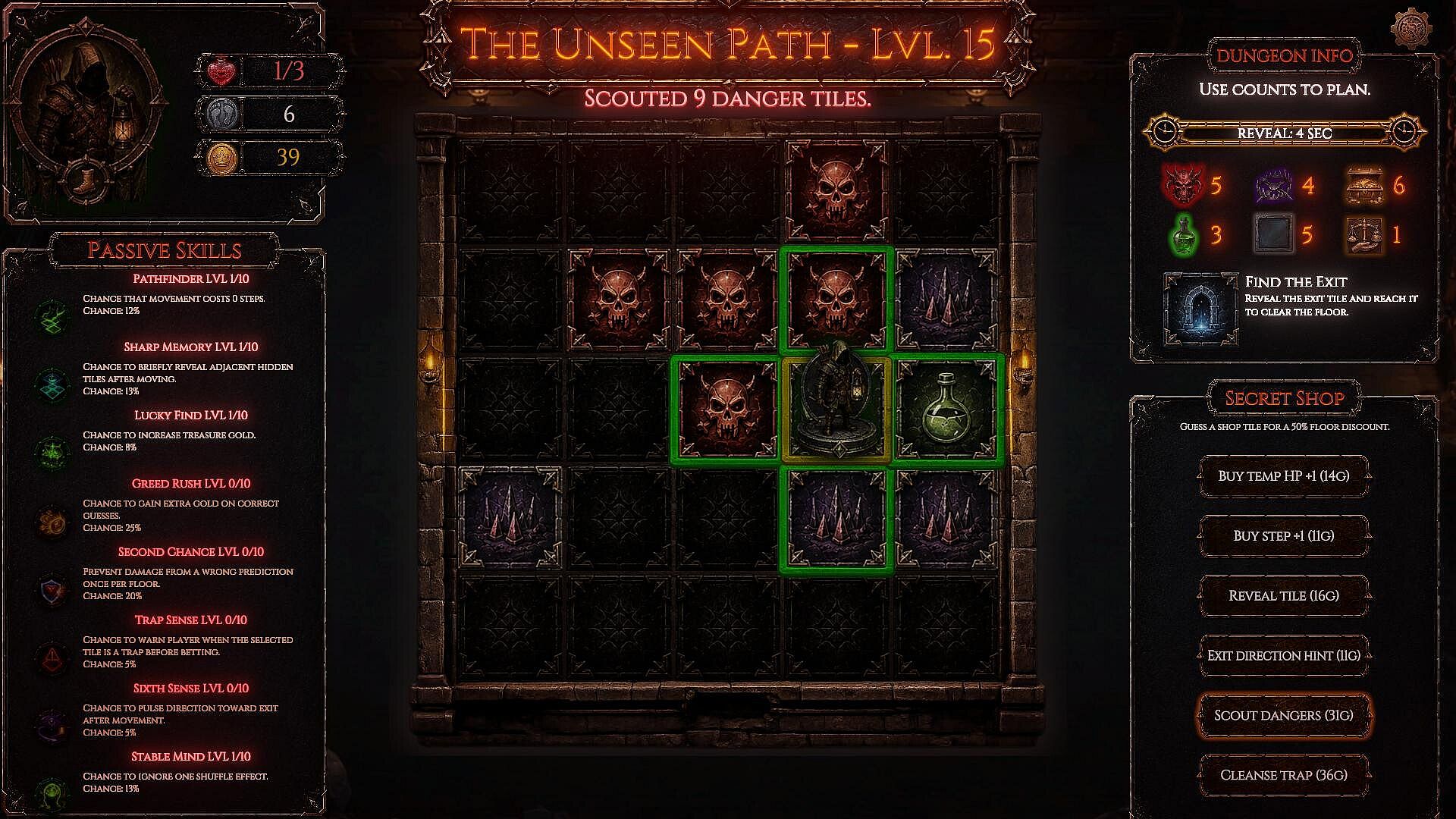
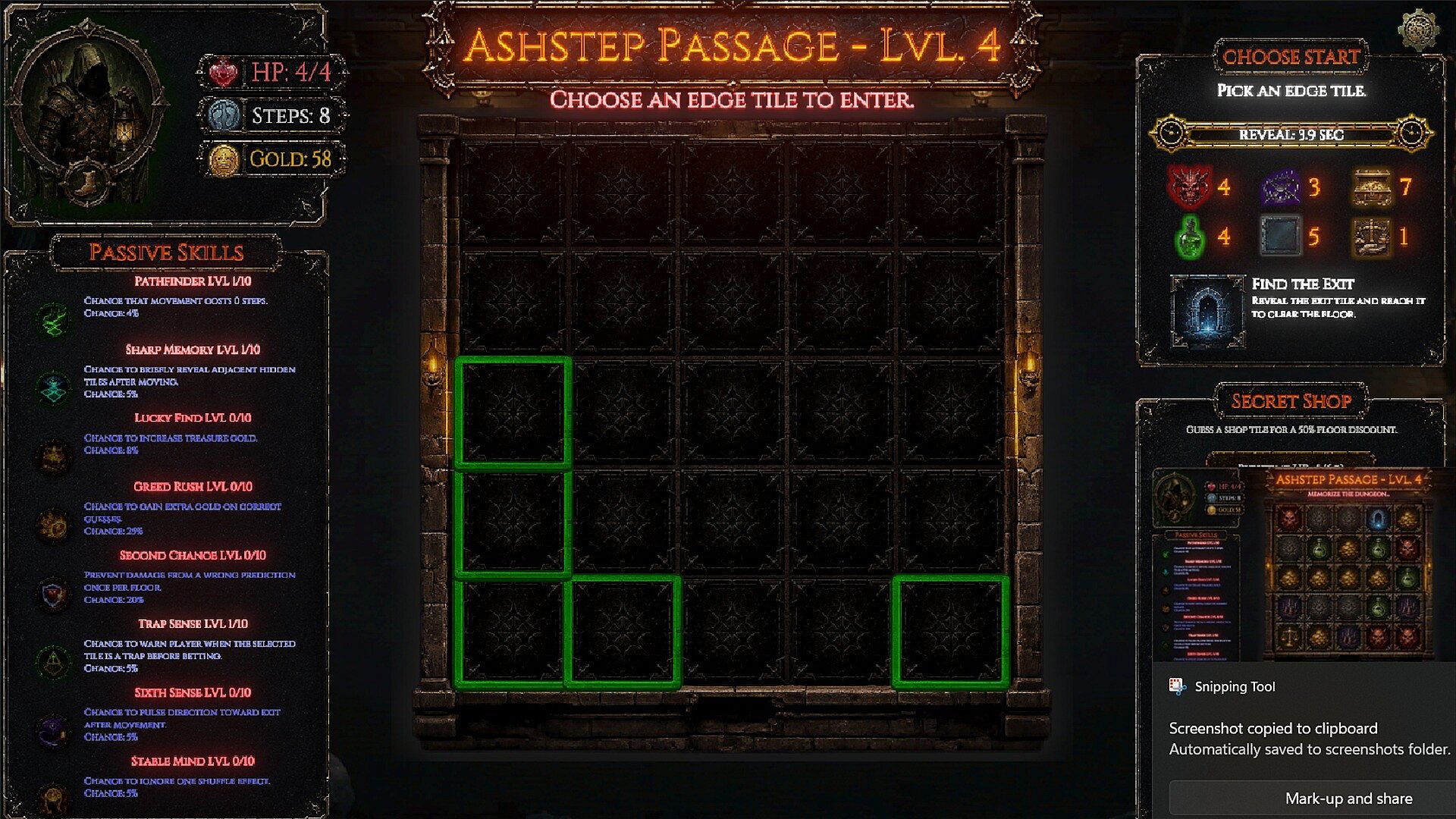
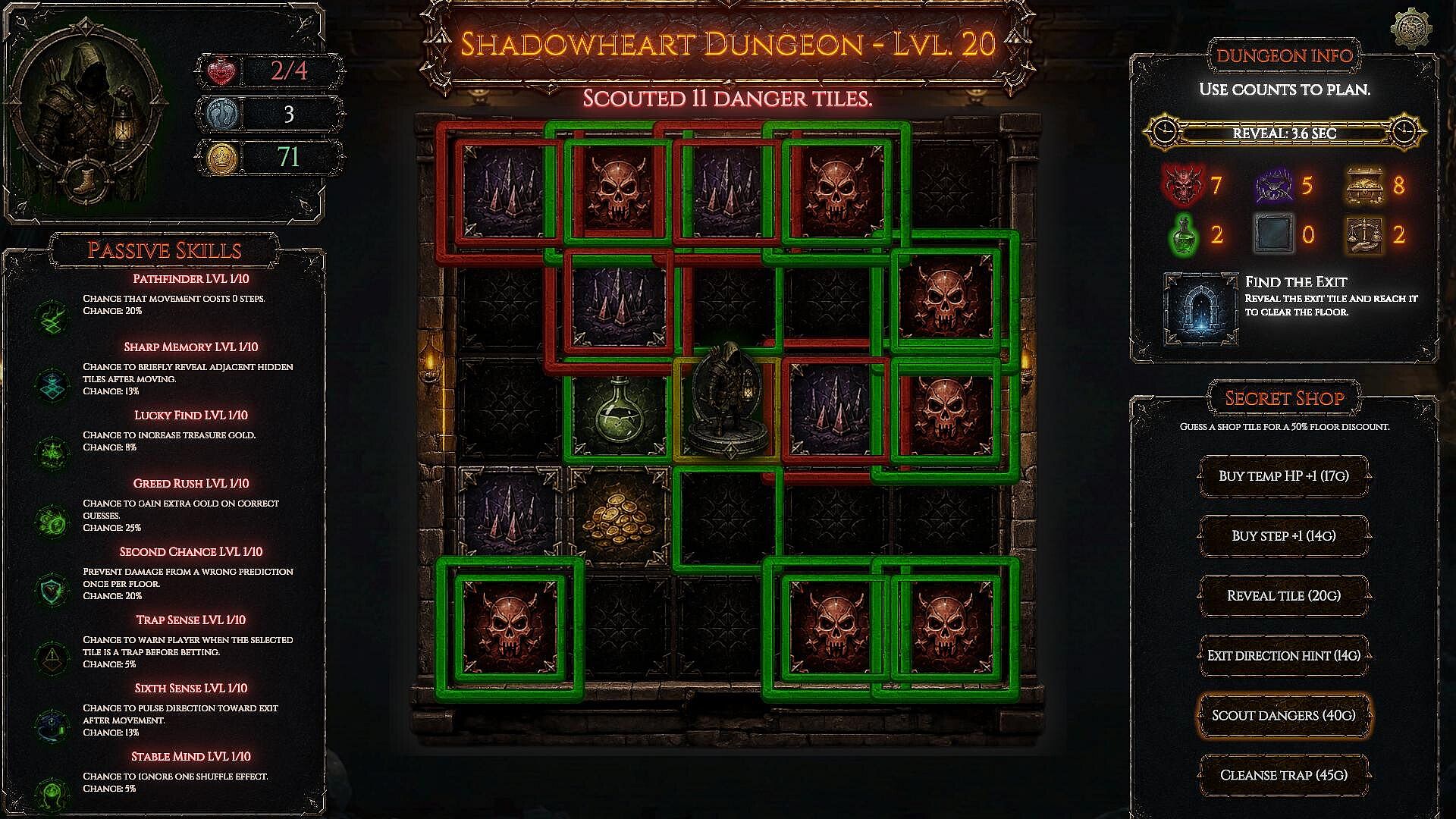
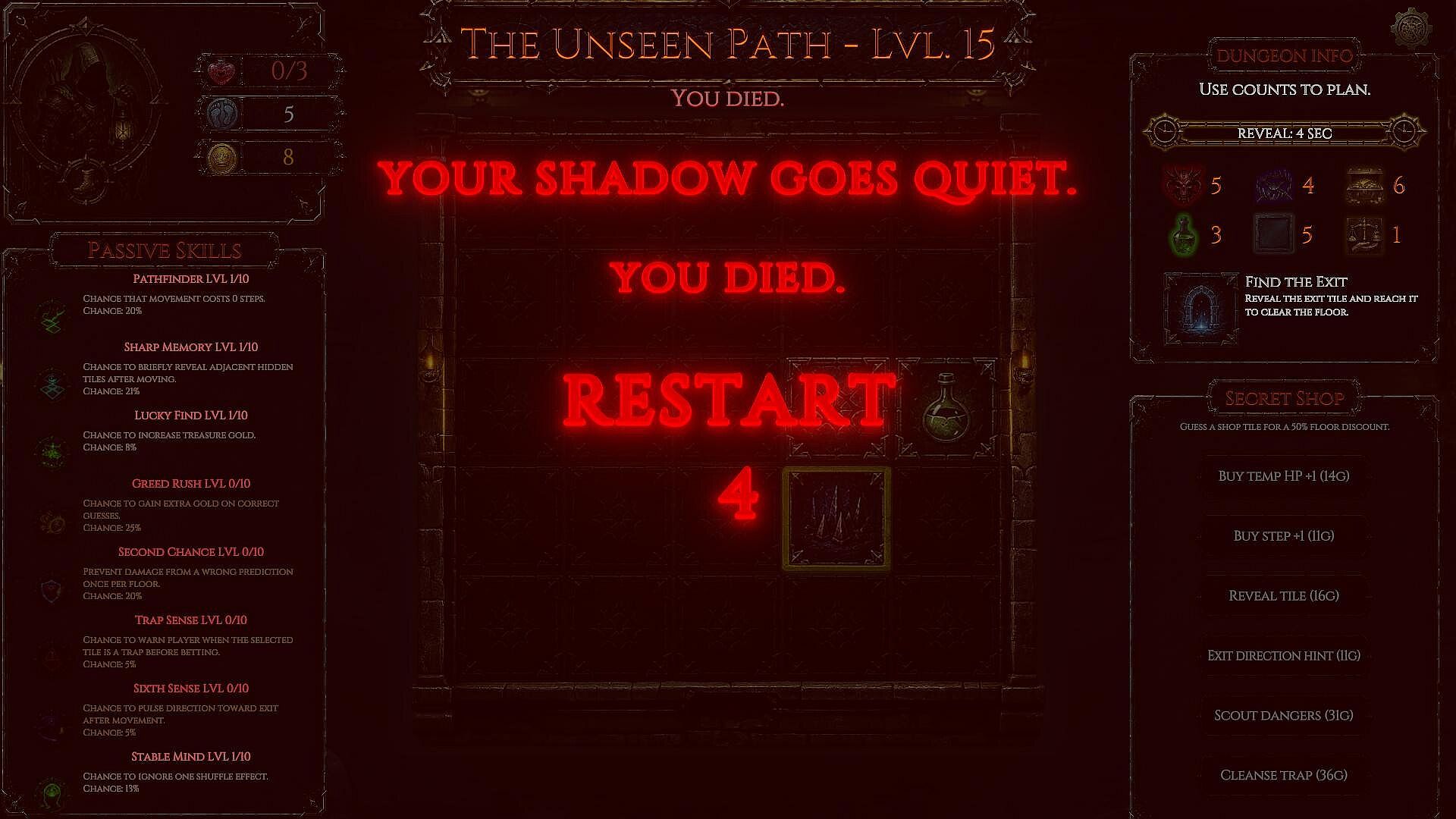
The core loop revolves around exploring a grid-based dungeon floor by floor. Each level provides a fixed amount of health and movement steps. Players reveal tiles to uncover treasure, traps, or hostile encounters. Remaining tile counts serve as key clues for predicting what lies ahead. A wrong choice can drain health or waste steps, potentially ending the run before the exit is reached.
Memory plays a central role. Players must remember the positions of important tiles, reconstruct safe paths, and adjust when the dungeon layout shifts or interferes. Deduction helps interpret partial information to minimize risks. Movement limits create tension between cautious exploration and the need to progress quickly before steps run out.
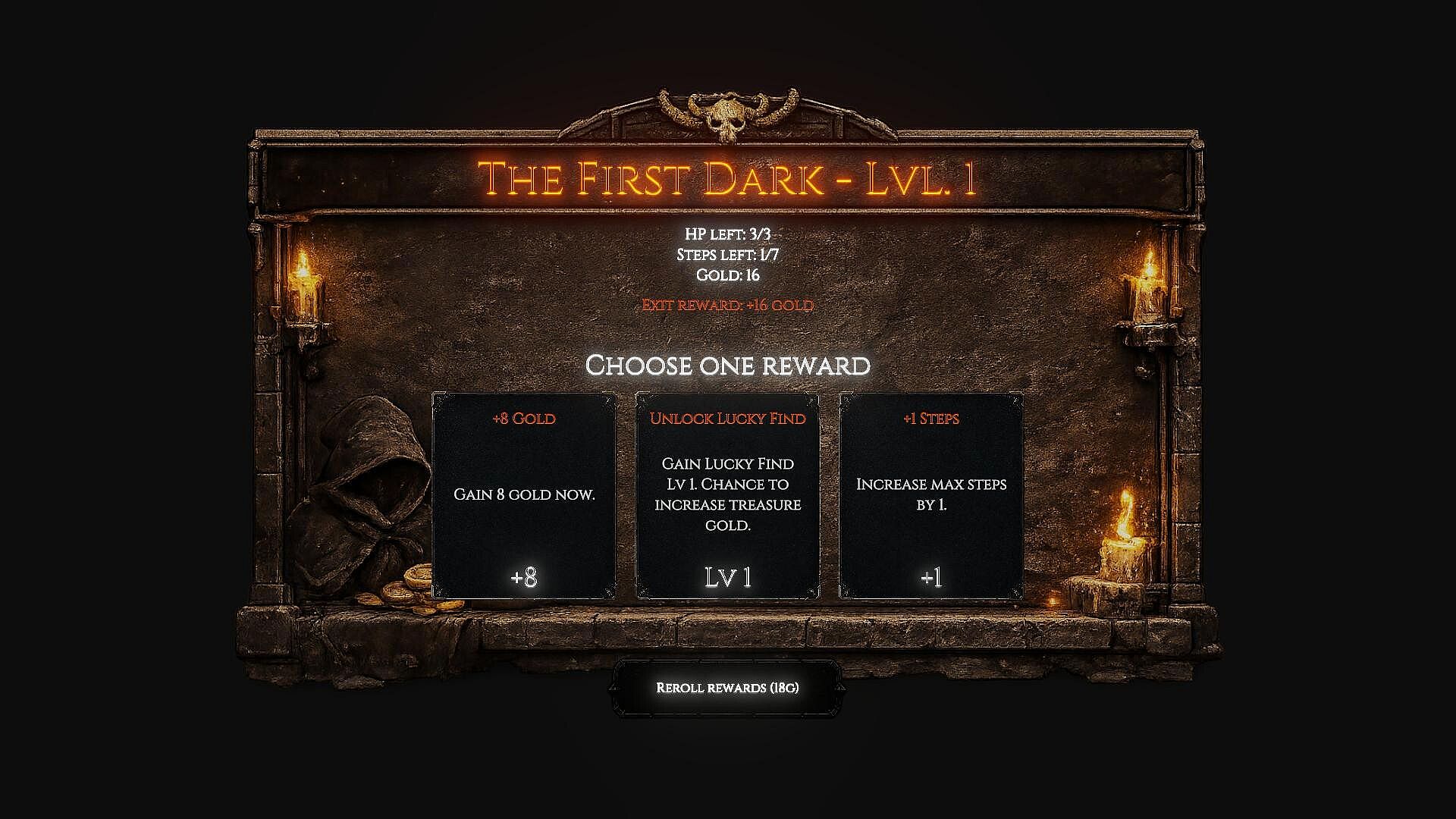
Character development adds depth. Archetypes offer different starting approaches to danger, while passive skills enhance movement, provide extra information, guard against errors, or reward bold decisions. Gold collected during runs can be spent in a secret shop for health restoration, extra steps, tile reveals, danger identification, or useful hints. These systems encourage players to refine strategies across multiple attempts.
Game Modes
Where Memory Fails centers on a single-player roguelite experience with procedural dungeon floors. Each run involves descending through successive levels, balancing resources and information to reach the exit. There are no separate multiplayer or competitive modes described. Progression relies on repeated attempts to push deeper, learning the dungeon's patterns and improving personal memory and deduction skills along the way.
The structure supports varied playstyles through archetype selection and skill development. Runs emphasize short, focused sessions where every decision carries weight due to the constraints on health and steps. The absence of additional modes keeps the focus tightly on the memory-and-deduction mechanics within the concealed grid environment.
Key Mechanics and Features
Treasure strengthens ongoing runs when spent wisely in the shop, while hazards demand precise recall of prior reveals. The gothic atmosphere supports the information-driven gameplay without overwhelming the strategic elements. Passive skills can shift how players approach risk, such as improving pathfinding or offering protection from missteps.
Every floor tests the ability to manage limited resources while gathering and retaining data. Players study clues, adapt to interference, and prioritize routes that lead to the exit. The combination of casual accessibility with deeper strategic layers makes the title suitable for sessions that reward focused attention rather than extended grinding.
Is It Worth Playing?
Where Memory Fails suits players who enjoy roguelites built around memory, deduction, and resource management in a dark fantasy setting. The concealed grid and step limits create meaningful choices that reward careful observation over luck. Archetype variety and shop upgrades provide replayability through different approaches to each floor.
Those drawn to strategy and adventure games with casual pacing will find the mechanics engaging, especially if they appreciate information-based challenges. The game delivers a focused experience centered on its core systems, making it a solid choice for fans of roguelite titles that prioritize planning and recall over action or combat complexity. Availability on PC allows straightforward access for those interested in testing the memory-and-deduction loop firsthand.