











What Happened to Emily is a first-person psychological horror investigation game developed for PC. Players step into the role of Daniel, an ordinary office worker accused of murdering his wife, Emily, who has no recollection of the crime or the three days preceding it. The experience centers on recovering fragmented memories while confined in prison, with the goal of uncovering the truth through careful examination of past events.
Gameplay
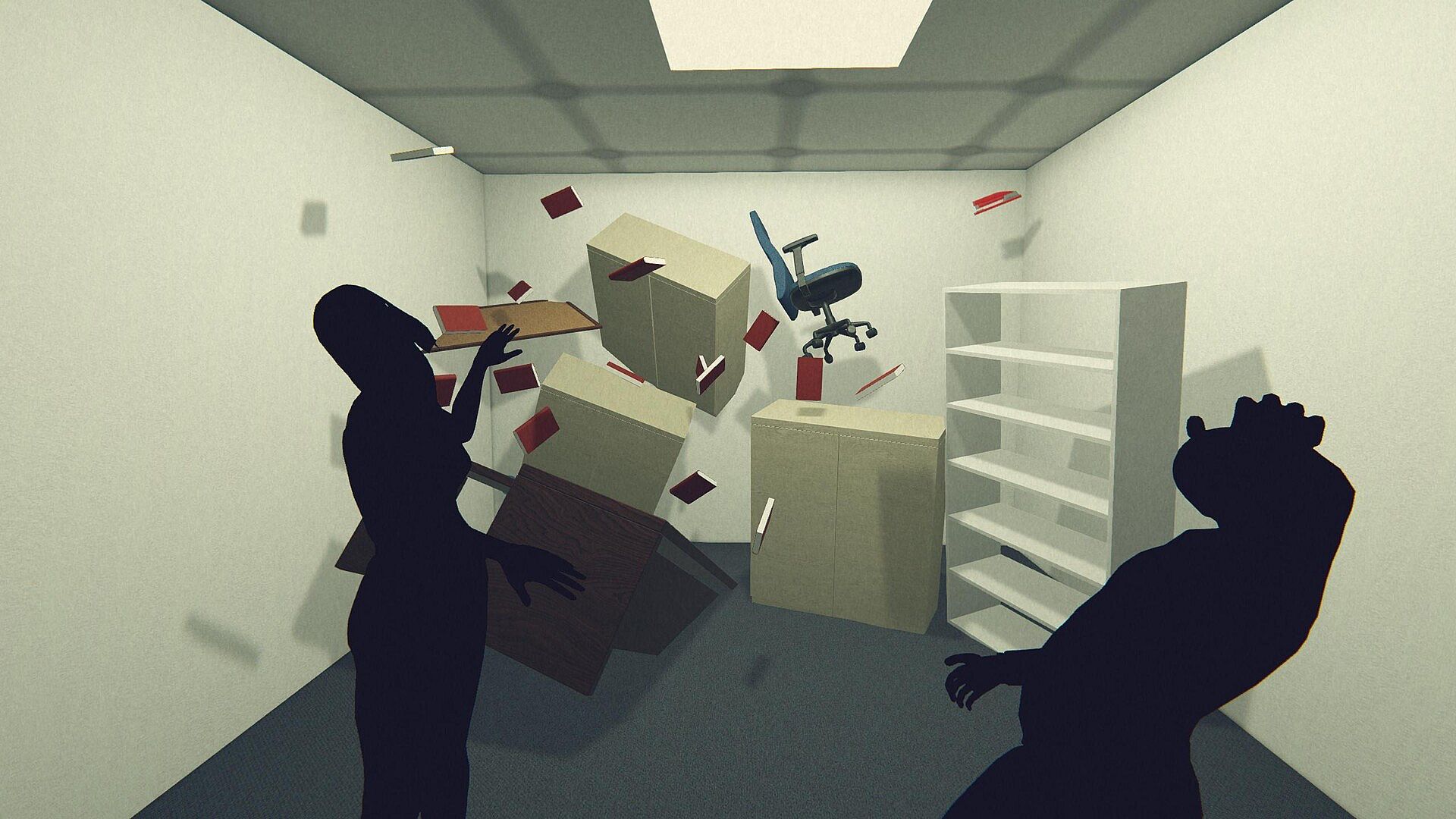
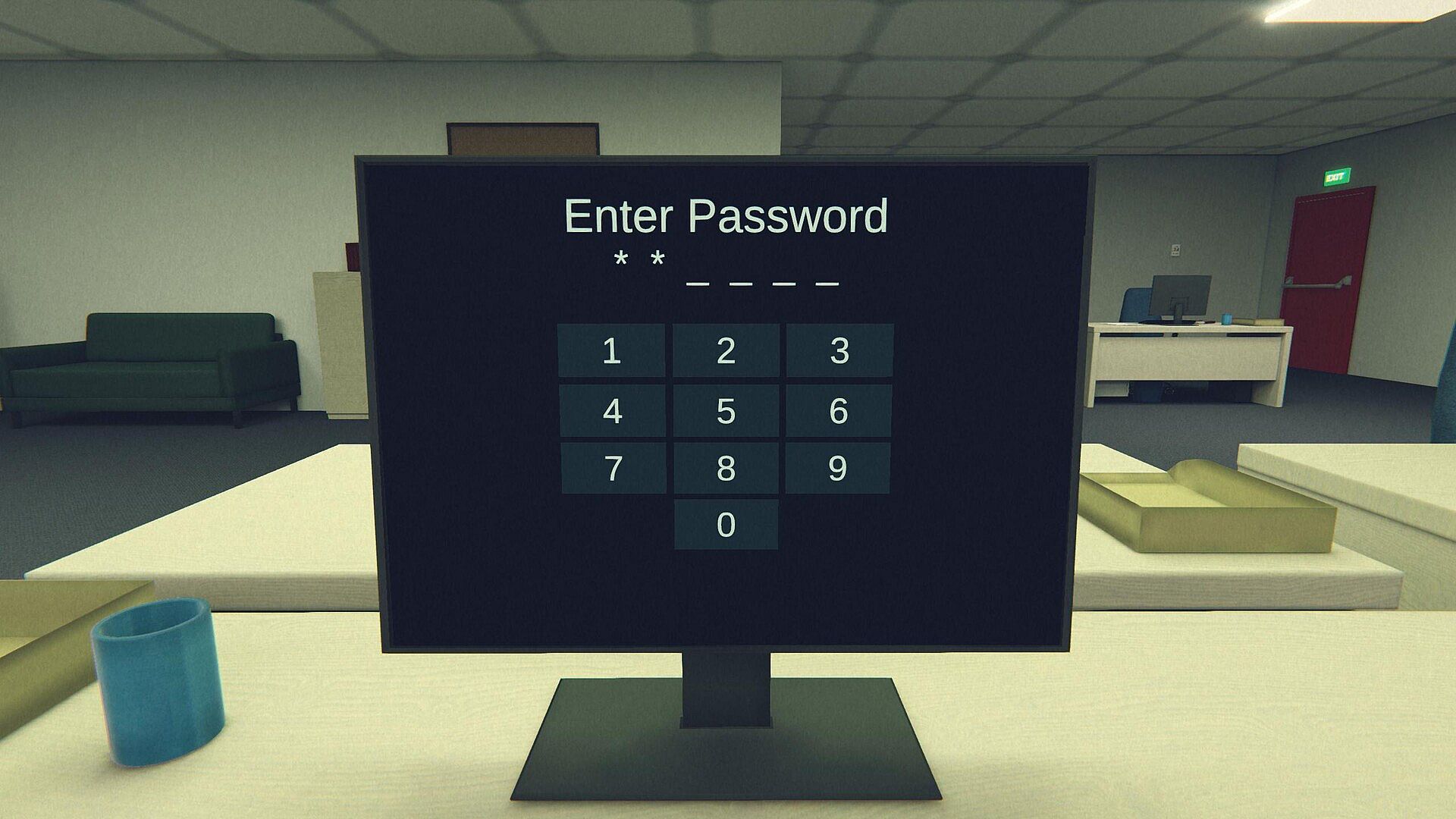
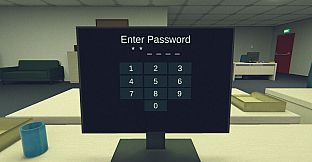
The core loop involves revisiting the three days leading up to the incident. Players explore detailed locations from Daniel's perspective, examining objects, interacting with the environment, and solving puzzles that gradually reveal key details about what occurred. These activities emphasize observation and logical deduction rather than action or combat, building a sense of unease through the reconstruction of events. The psychiatrist character provides narrative guidance during these sequences, helping to frame the recovered memories and maintain focus on the investigative process.
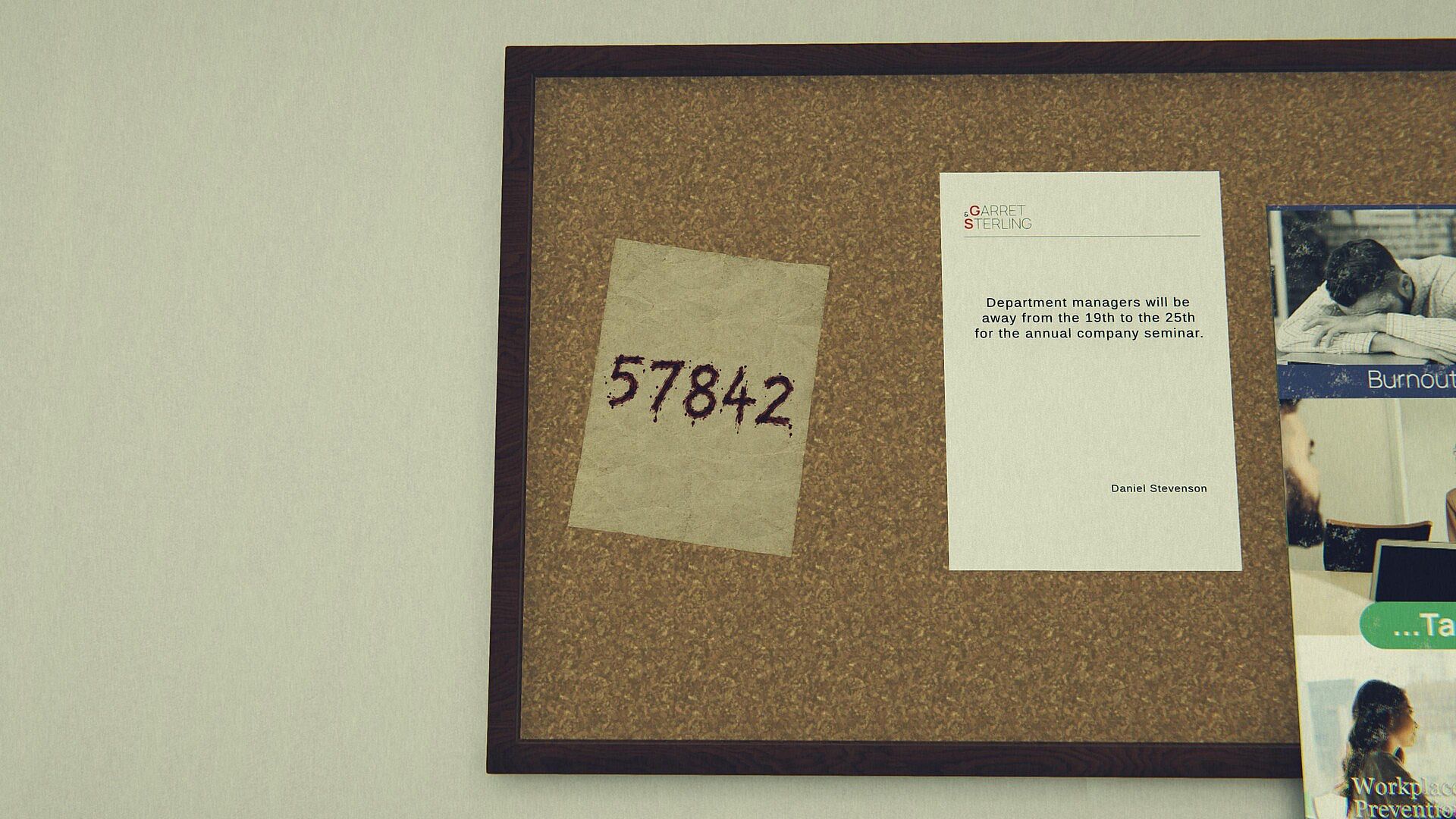
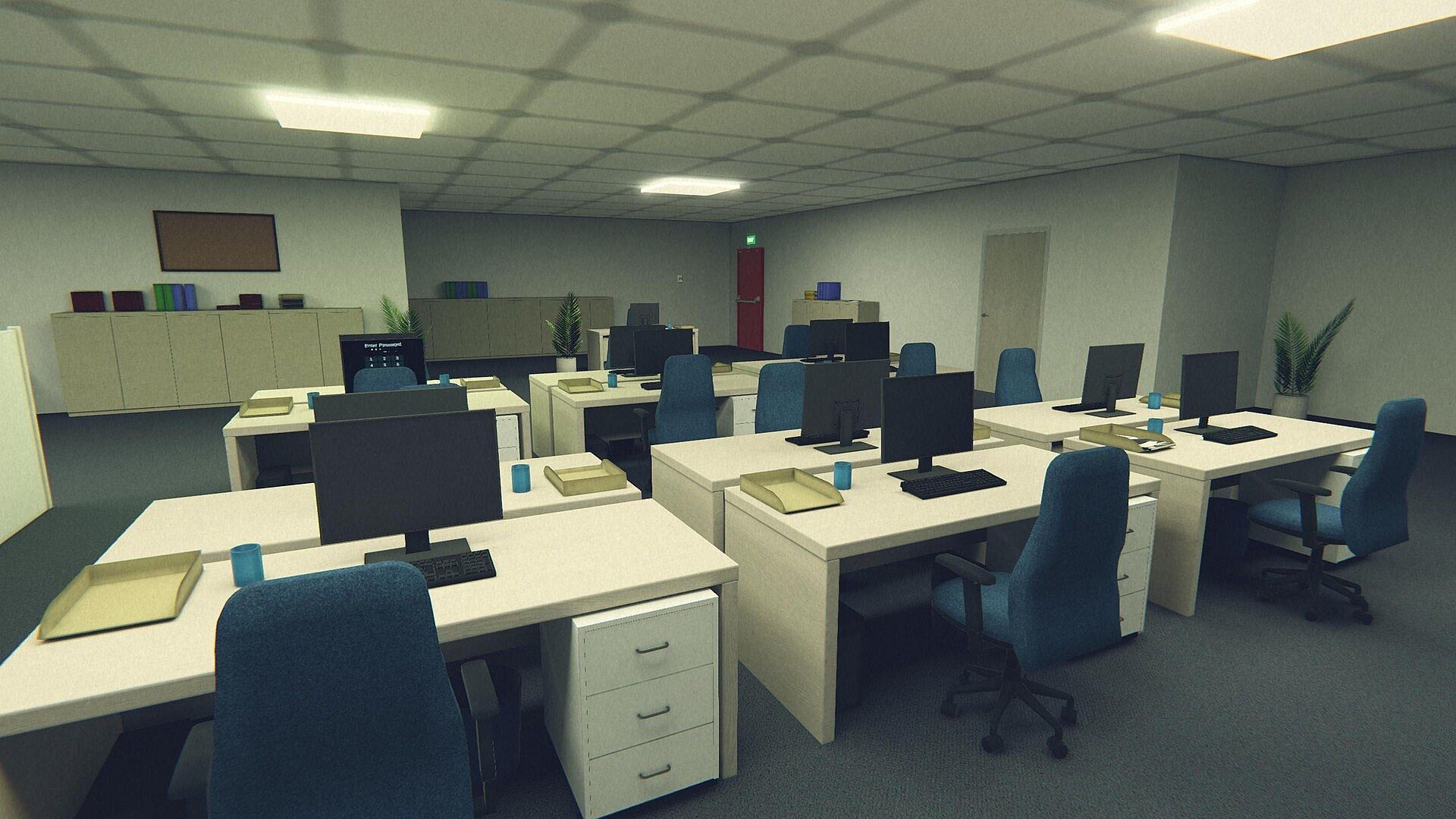
Interactions remain grounded in everyday settings, such as homes and workplaces, where small environmental clues connect to form a larger picture. Puzzle solutions often require piecing together information from multiple sources within a single memory segment, encouraging thorough exploration before progressing. The fully voice-acted dialogue adds emotional weight to the fragmented recollections, highlighting Daniel's confusion and loss without relying on overt scares.
Game Modes
The game operates entirely in a single-player format centered on narrative progression and memory reconstruction. There are no separate modes or variations in structure; the entire experience unfolds as one continuous investigation across the three-day timeframe. Players advance by completing exploration objectives and puzzle resolutions within each memory segment, with the psychiatrist serving as the consistent narrative anchor throughout.
This unified approach keeps the focus on storytelling and deduction, allowing the full story to unfold in a linear yet detail-rich manner. The design prioritizes immersion in the psychological elements over branching paths or alternative play styles, resulting in a consistent session length of two to three hours for a complete playthrough.
Story and Presentation
The narrative follows Daniel's attempts to recover suppressed memories while under the guidance of his psychiatrist. Voice acting brings depth to the central characters, particularly in conveying the emotional toll of the situation. Locations are rendered with attention to realistic details that support the investigative gameplay, allowing players to form connections between observed elements and the unfolding events.
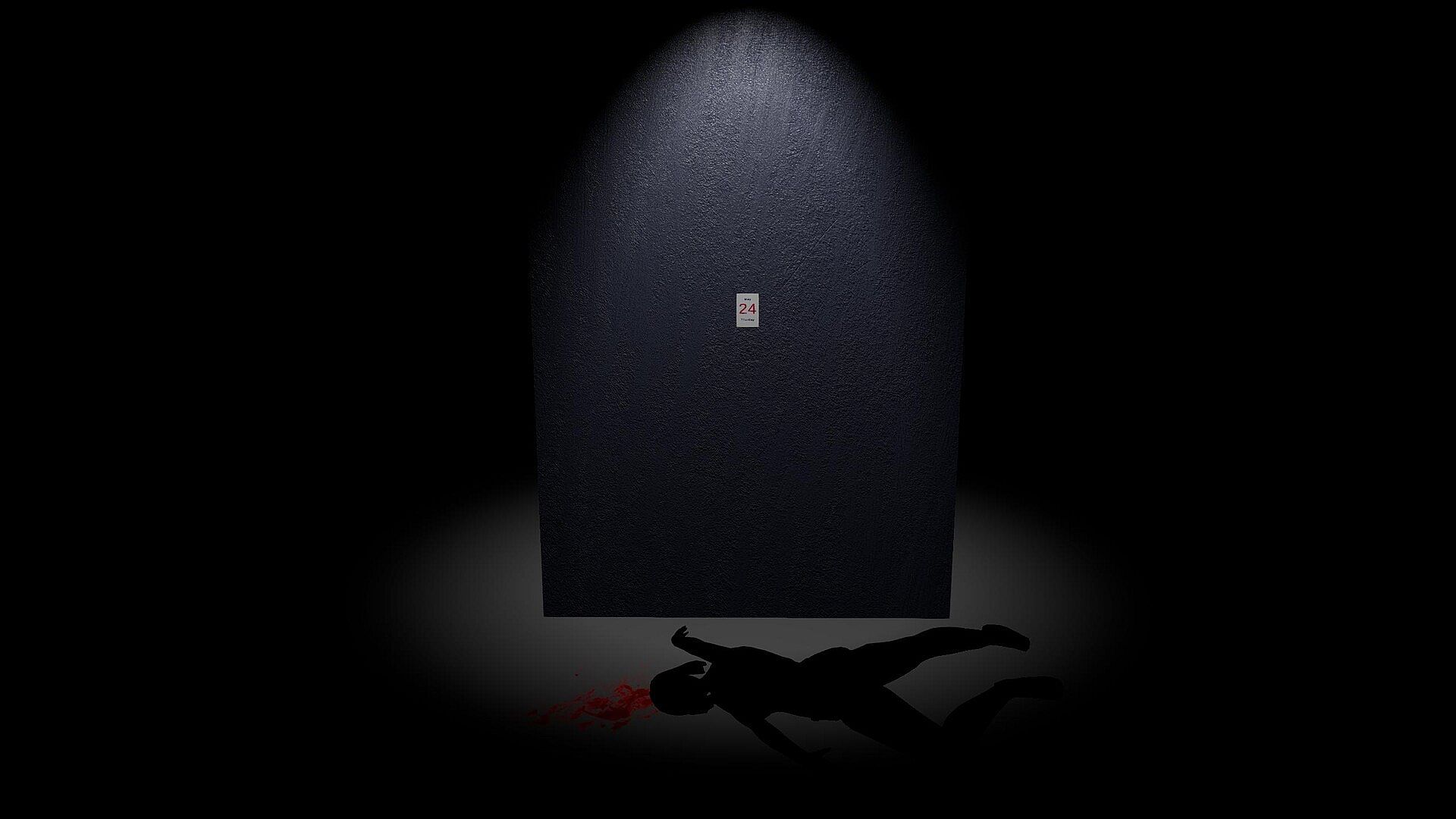
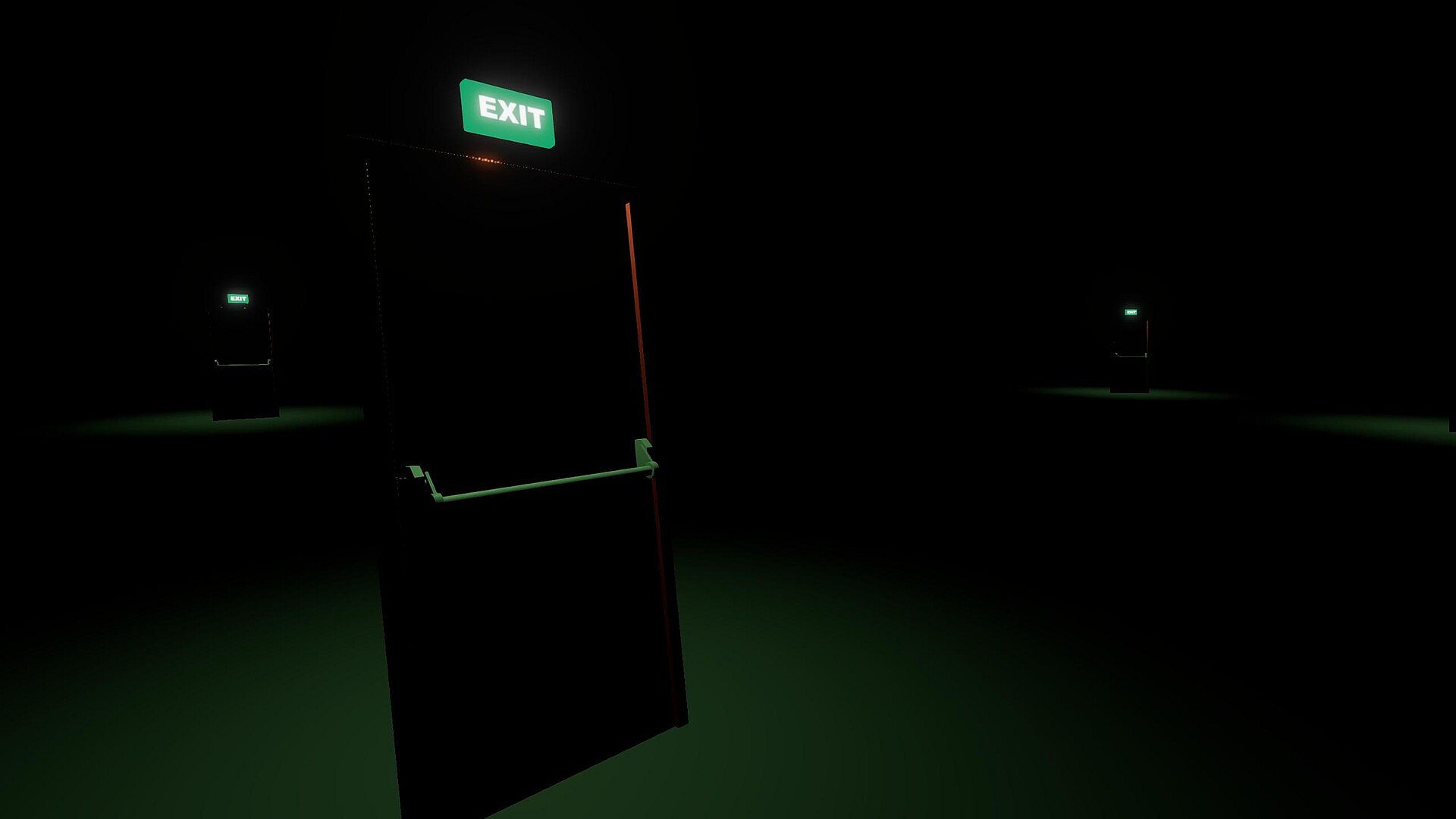
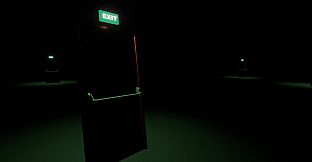
Themes of memory loss, guilt, and uncertainty drive the experience forward. Mature content includes depictions of blood and a murder victim, along with broader themes of death and murder, which align with the psychological horror tone. The presentation avoids excessive exposition, instead relying on environmental storytelling and puzzle outcomes to deliver revelations.
Is It Worth Playing?
This title suits players who enjoy short, focused single-player experiences built around exploration, puzzle-solving, and narrative investigation in a psychological horror setting. With its emphasis on memory recovery and environmental clues, it appeals to those seeking a contained story rather than extended campaigns or competitive elements. The game is scheduled for release in January 2027 and currently has no user reviews available due to its unreleased status.
Those drawn to indie adventure titles with strong storytelling components will find the described mechanics and structure align closely with that preference. Availability on PC supports straightforward access once launched, and the two-to-three-hour length makes it suitable for a single sitting or focused play sessions. Potential buyers should consider their interest in puzzle-driven horror narratives before committing, as the experience prioritizes deduction and atmosphere over action or variety in gameplay styles.