






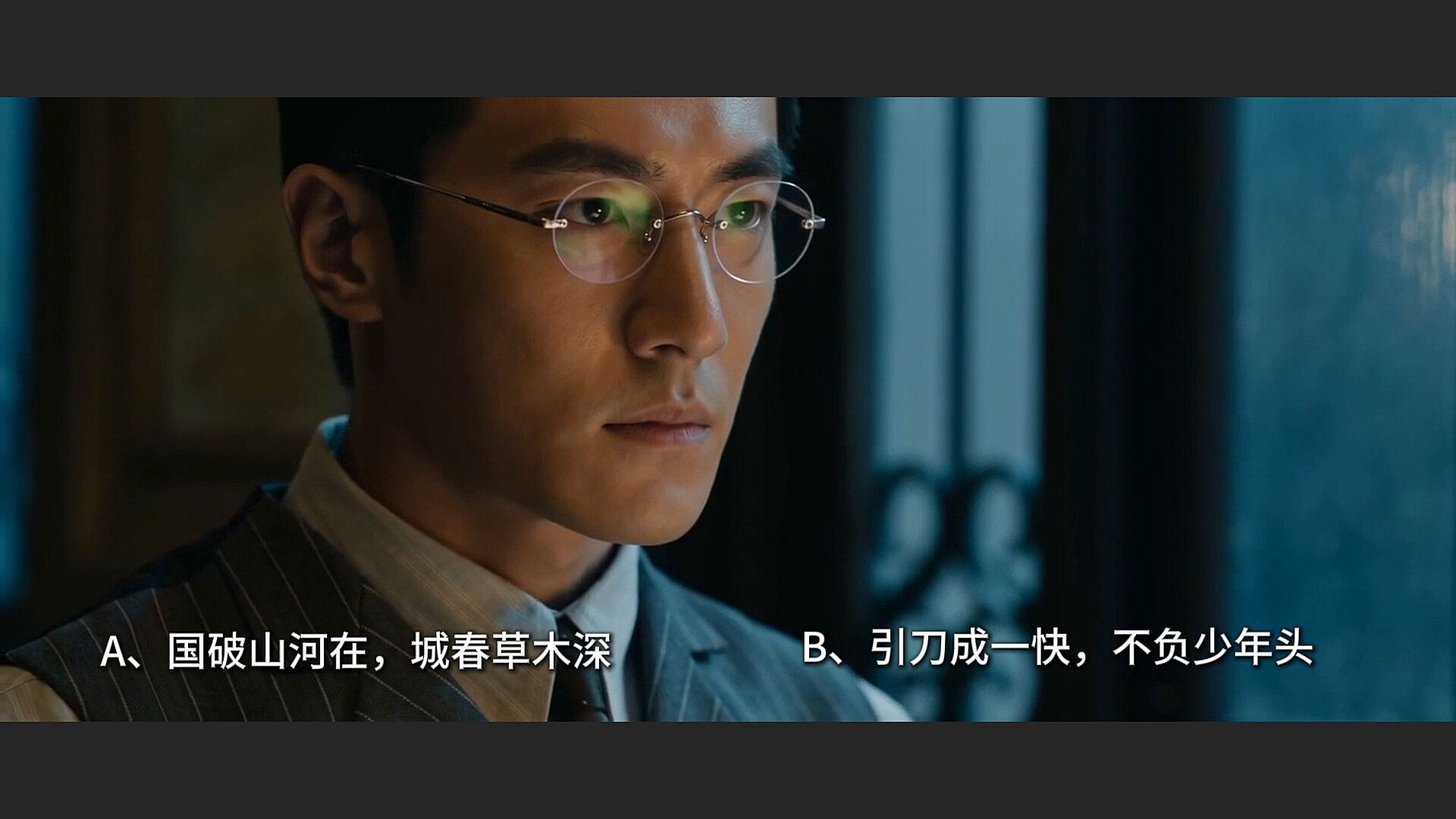
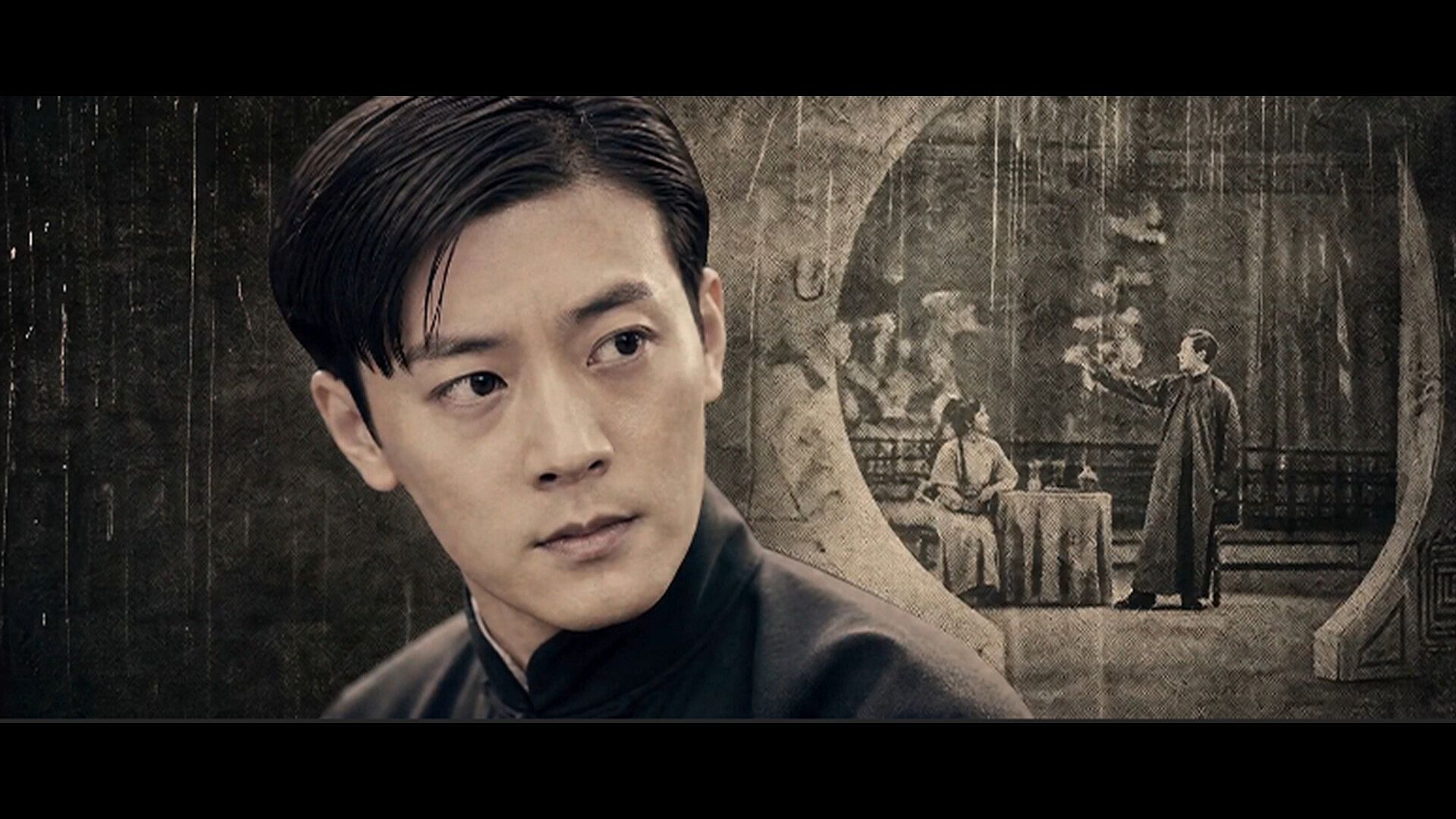
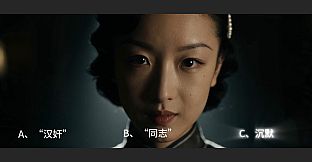
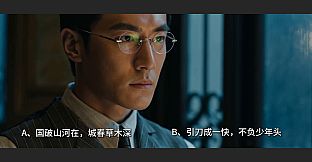
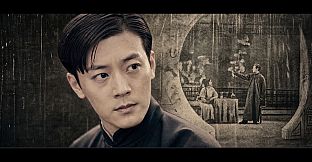
Cultural Front is a casual narrative game set on PC that places players in the role of a left-wing underground Party member during China's War of Resistance. The experience centers on protecting literature and art as tools of awakening and resistance when military options are limited. Players navigate a shattered nation through decisions that determine how writers and their works influence public opinion and sustain the fight against invaders.
Gameplay
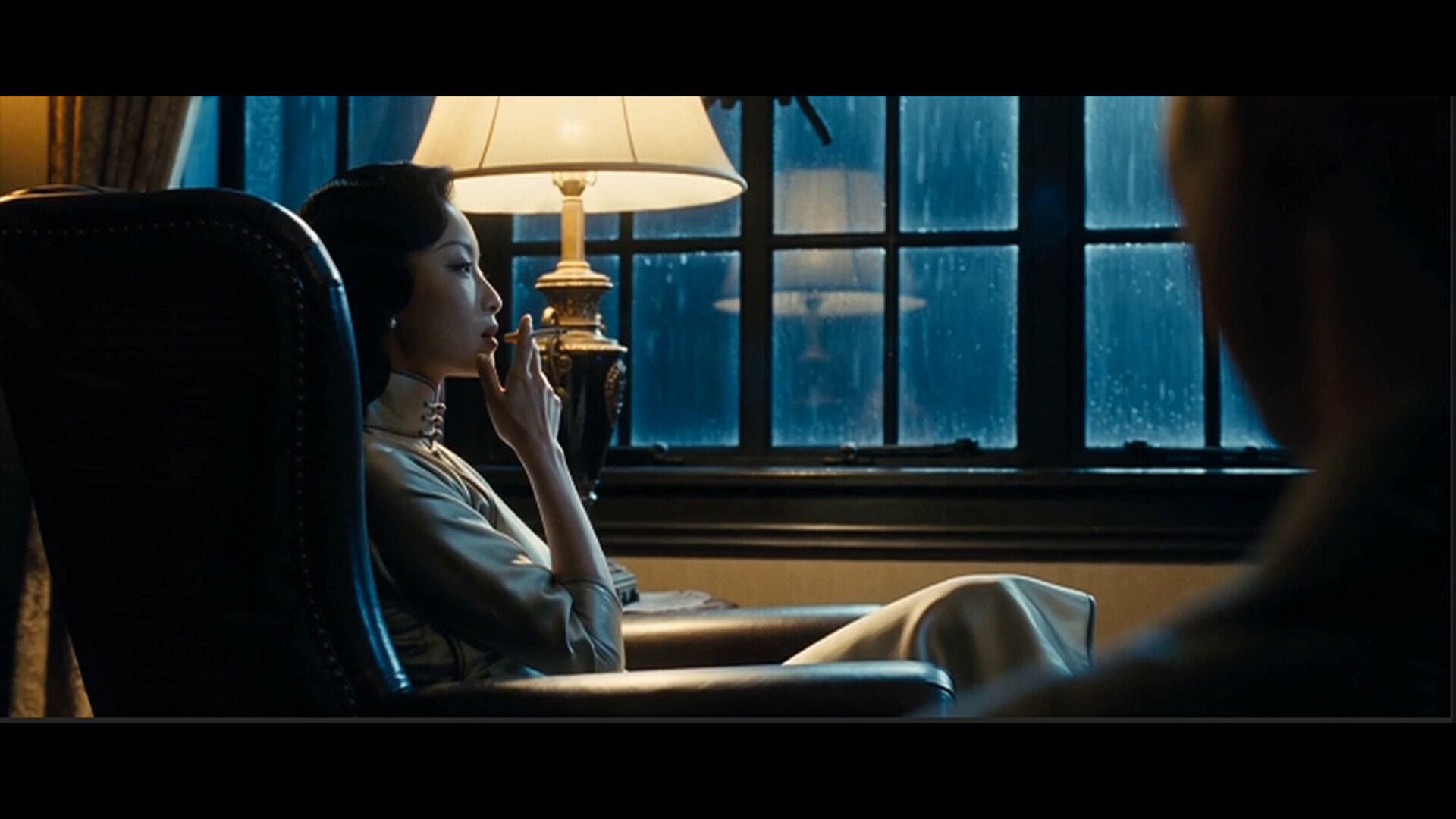
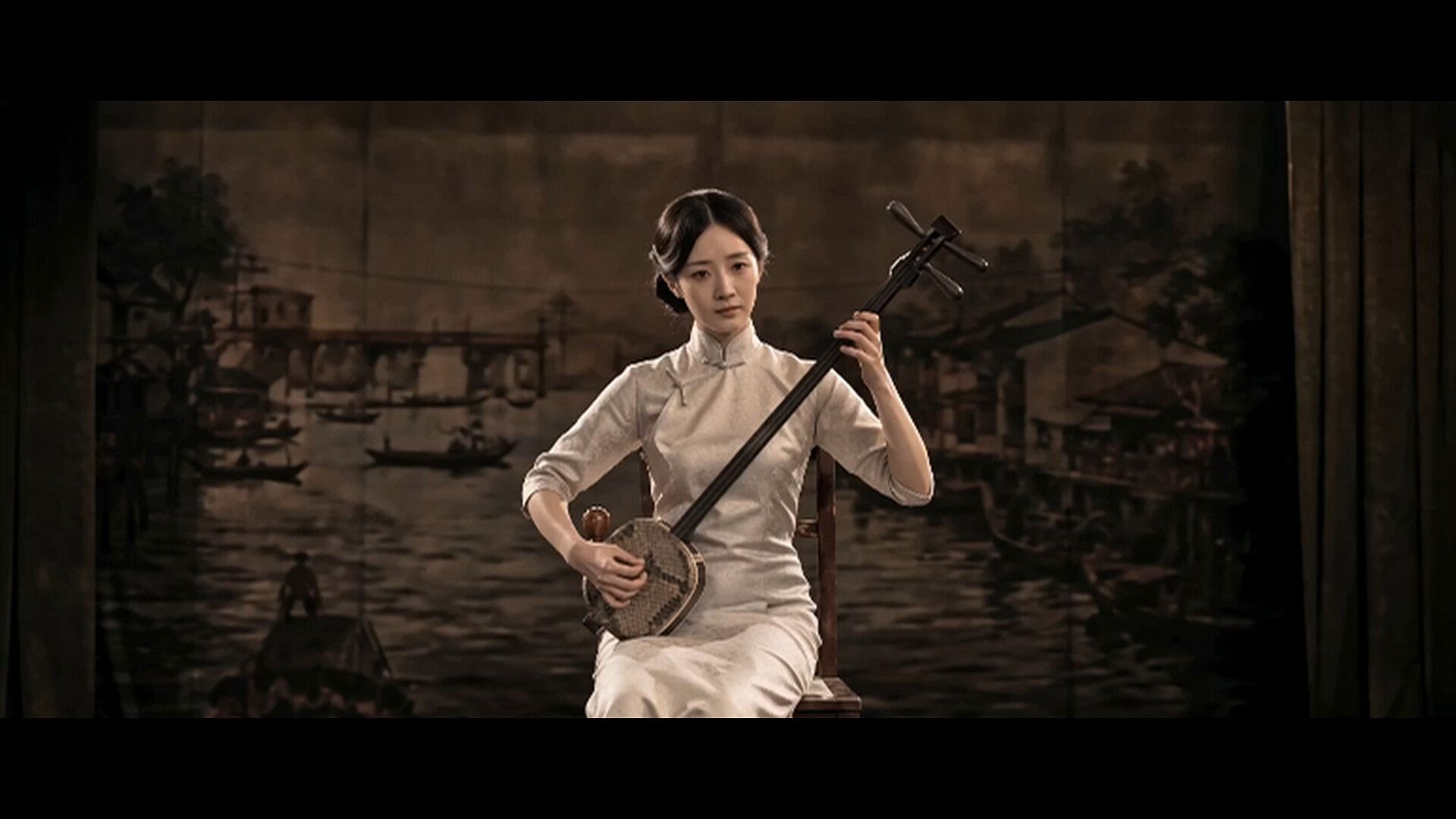
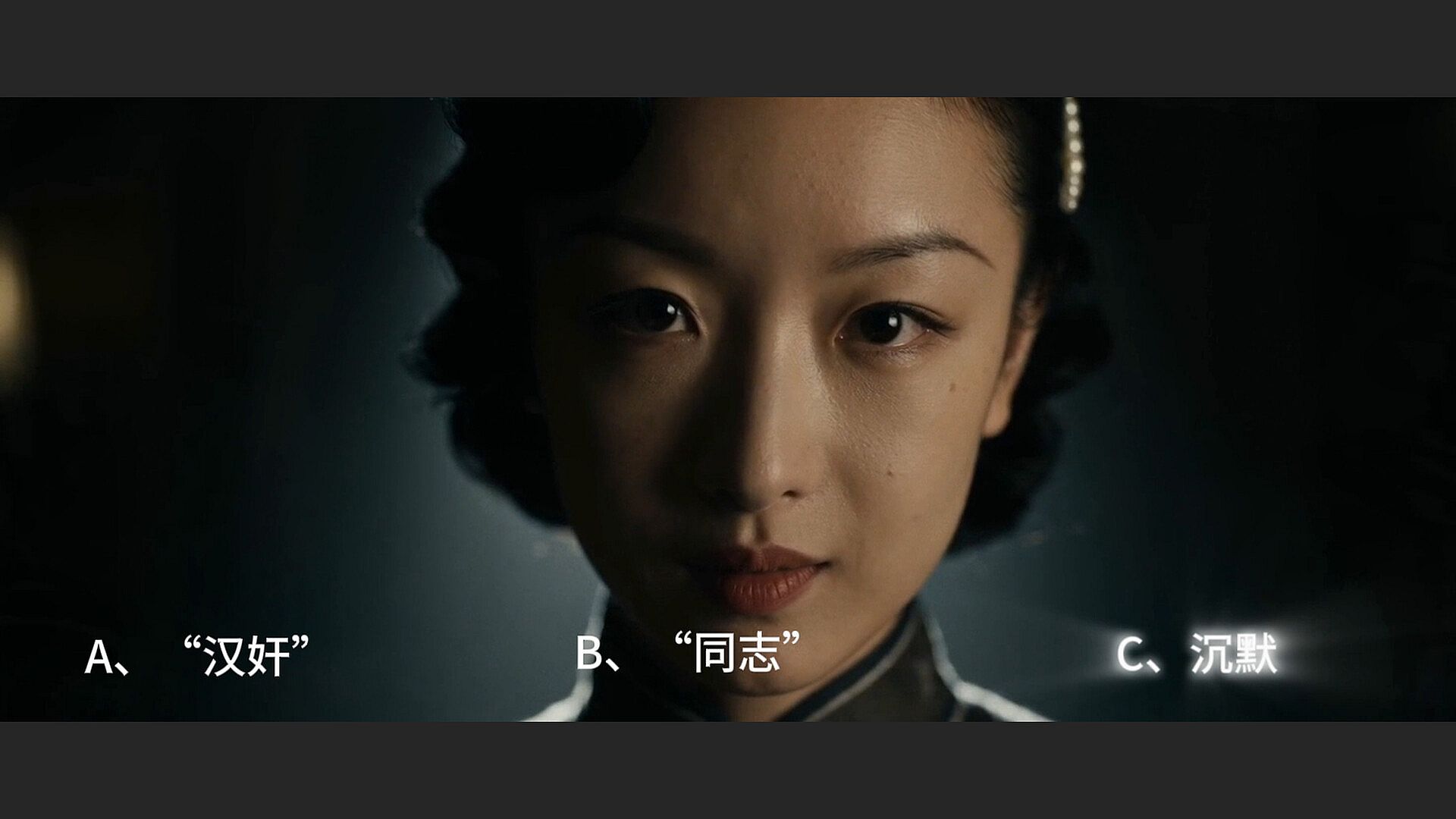
The core loop revolves around making choices that balance undercover survival with cultural activism. Players encounter key figures such as Lu Xun, Cao Yu, Tian Han, Xiao Hong, Zhang Henshui, Wen Yiduo, Yu Dafu, Bing Xin, and Ding Ling. Each interaction involves weighing how their criticism, plays, lyrics, novels, fiction, prose, polemics, or lyricism can stir national hatred or serve as weapons in struggle. Settings span the fall of the northeastern provinces, mopping-up campaigns in Jin-Cha-Ji, literary circles in Jiangsu-Zhejiang-Shanghai, guerrilla warfare in E-Yu-Wan, the Nanjing Massacre, and Chongqing bombings. Decisions affect personal safety amid threats from Japanese forces, the Military Statistics Bureau, and the Wang Jingwei regime. The game uses AI video technology to render 4K historical scenes, figures, and moments, creating an audiovisual layer that supports the text-driven narrative without requiring fast reflexes or resource management typical of other genres.
Game Modes
Cultural Front operates as a single-player experience focused on narrative progression. Branching choices lead to different paths through the war years, with outcomes tied to personal sacrifice and the broader cultural front. No separate competitive or cooperative modes appear in the design. The structure emphasizes solitary decision-making across locations from the Northeast Anti-Japanese United Army blizzards to Yan'an forums, allowing replay to explore alternate endings such as a victorious base area, isolation on Taiwan, or other historical closures.
Historical Context and Themes
The game draws directly from the period between 1931 and 1945, highlighting how literature served as a battlefield when physical arms were scarce. Players confront the cruelty of occupation, public opinion battles, and internal treachery while uniting writers whose works become metaphorical bullets. Themes include the tension between popular fiction and sharp polemics, the cost of undercover existence, and the question of whether cultural efforts end in blue verdicts, white ordeals, or red victory. Time advances through historical moments, and the narrative underscores that every written word fights the attempt to extinguish Chinese culture. The experience avoids combat mechanics and instead rewards thoughtful engagement with the listed authors and events.
Who This Game Appeals To
Cultural Front suits players interested in historical fiction, choice-driven stories, and the role of intellectuals in wartime. Those drawn to the works of the mentioned authors or the broader War of Resistance will find direct connections through the source material. The casual classification indicates accessibility without demanding complex systems or multiplayer coordination. Visual recreation of authentic scenes supports immersion for history enthusiasts while the decision framework invites multiple playthroughs to test different approaches to resistance.
Is It Worth Playing?
Cultural Front delivers a focused narrative experience for those seeking insight into cultural resistance during the War of Resistance. Its strength lies in the integration of real literary figures and events into player choices that shape outcomes across a land marked by invasion and internal conflict. The AI-generated 4K imagery aims to recreate key moments with sincerity, though results depend on individual tolerance for that technology. Players who value reflective decision-making over action or building systems will find the most alignment. The game stands as an independent title without confirmed post-launch updates or additional modes at this time. Those drawn to the premise of literature as a frontline weapon against fascism should consider it based on personal interest in the era and its writers.