


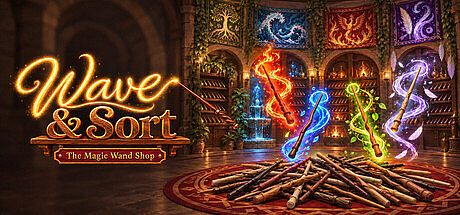


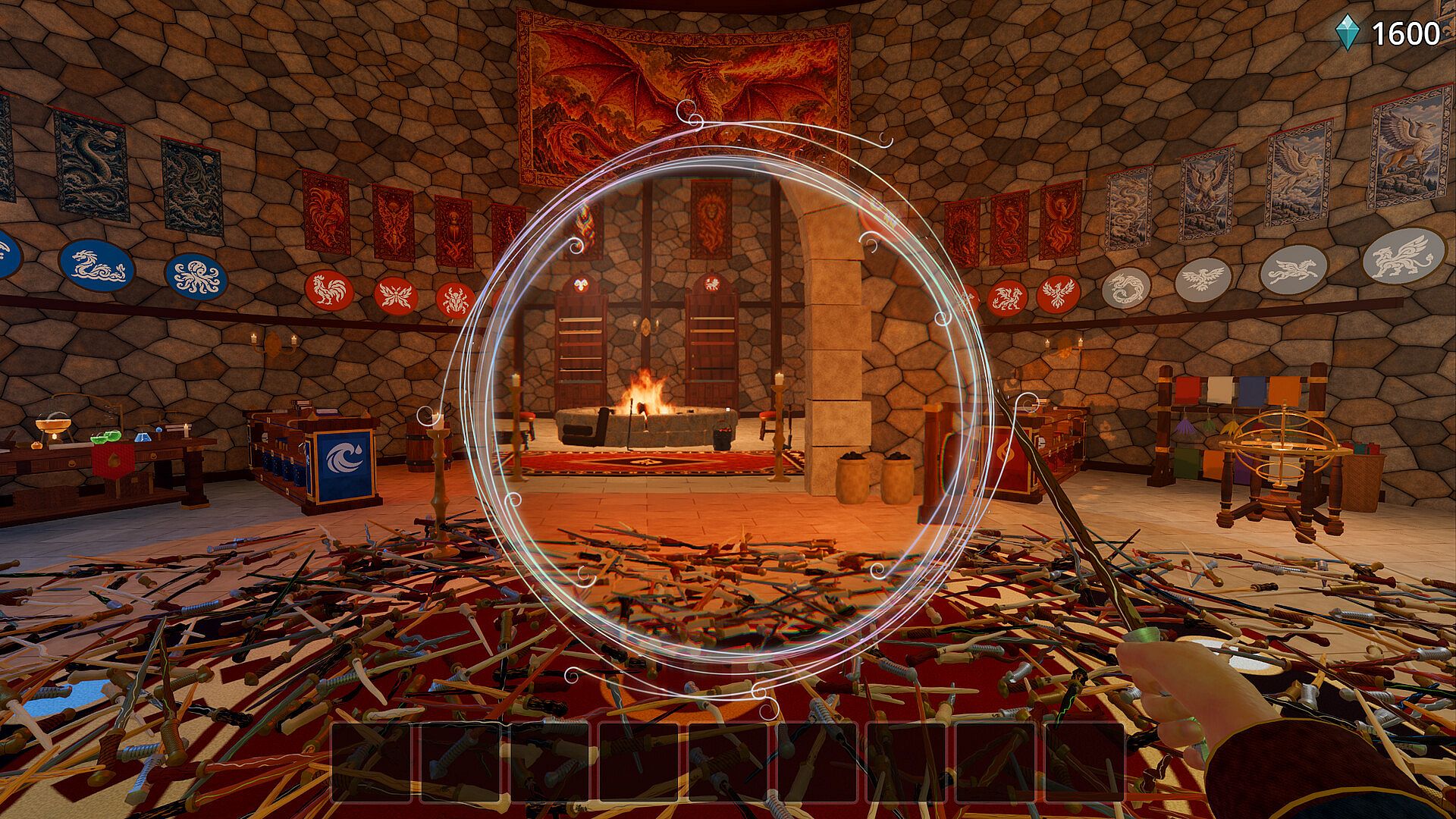
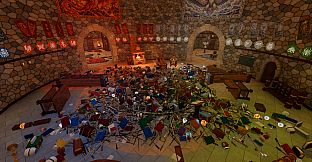
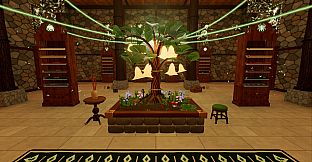
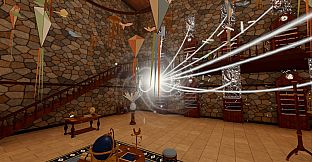
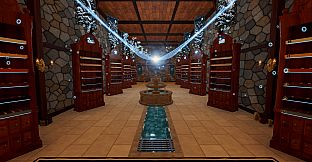
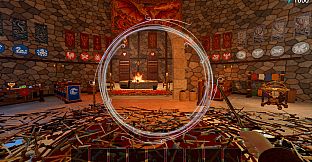
Wave & Sort: The Magic Wand Shop is an indie casual simulation game on PC in which players tidy a cluttered magic wand shop after a student leaves it in disarray. The experience centers on sorting thousands of wands and objects across distinct elemental areas while using wave-based tools to restore order and unlock rewards.
Gameplay
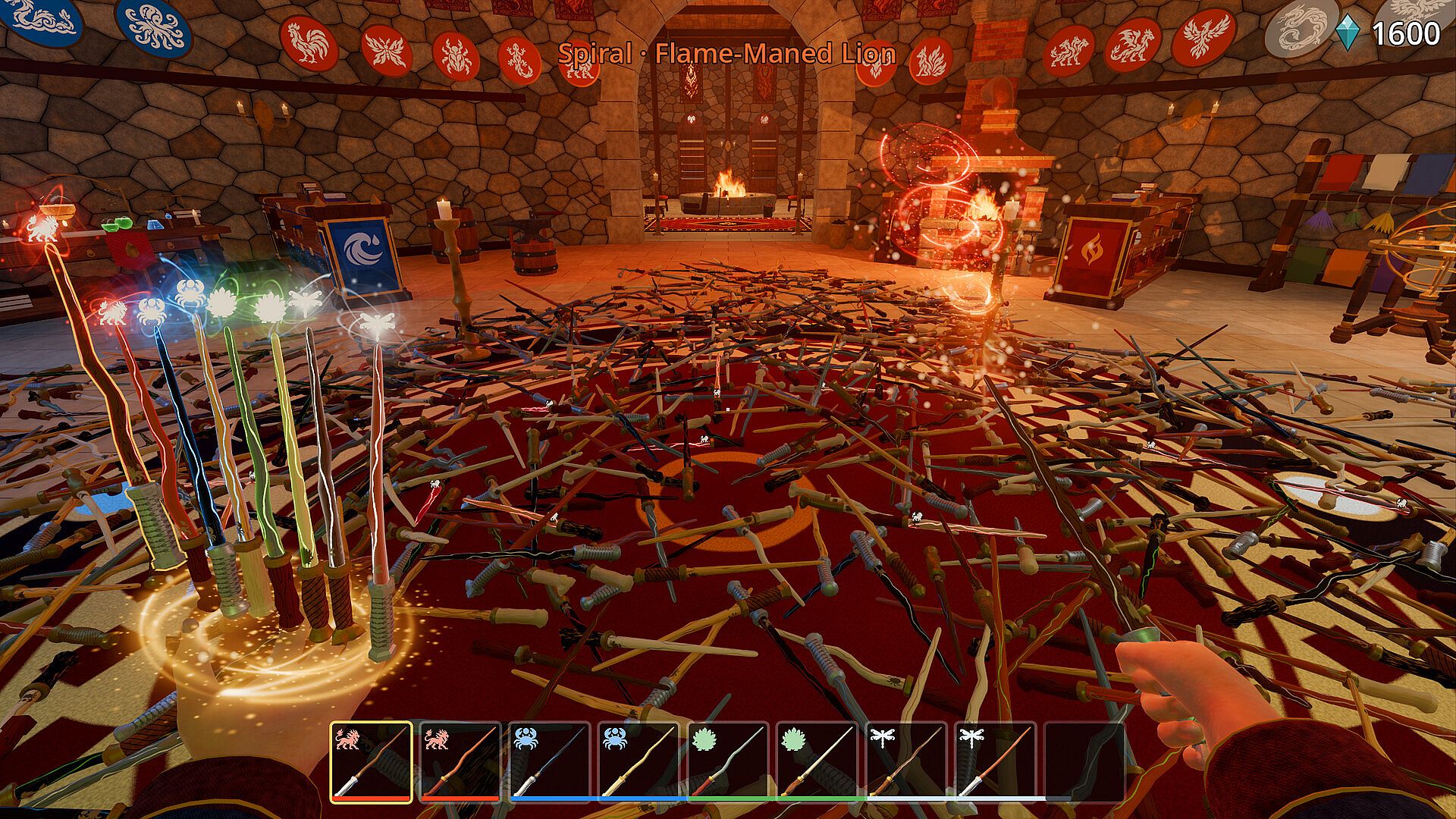
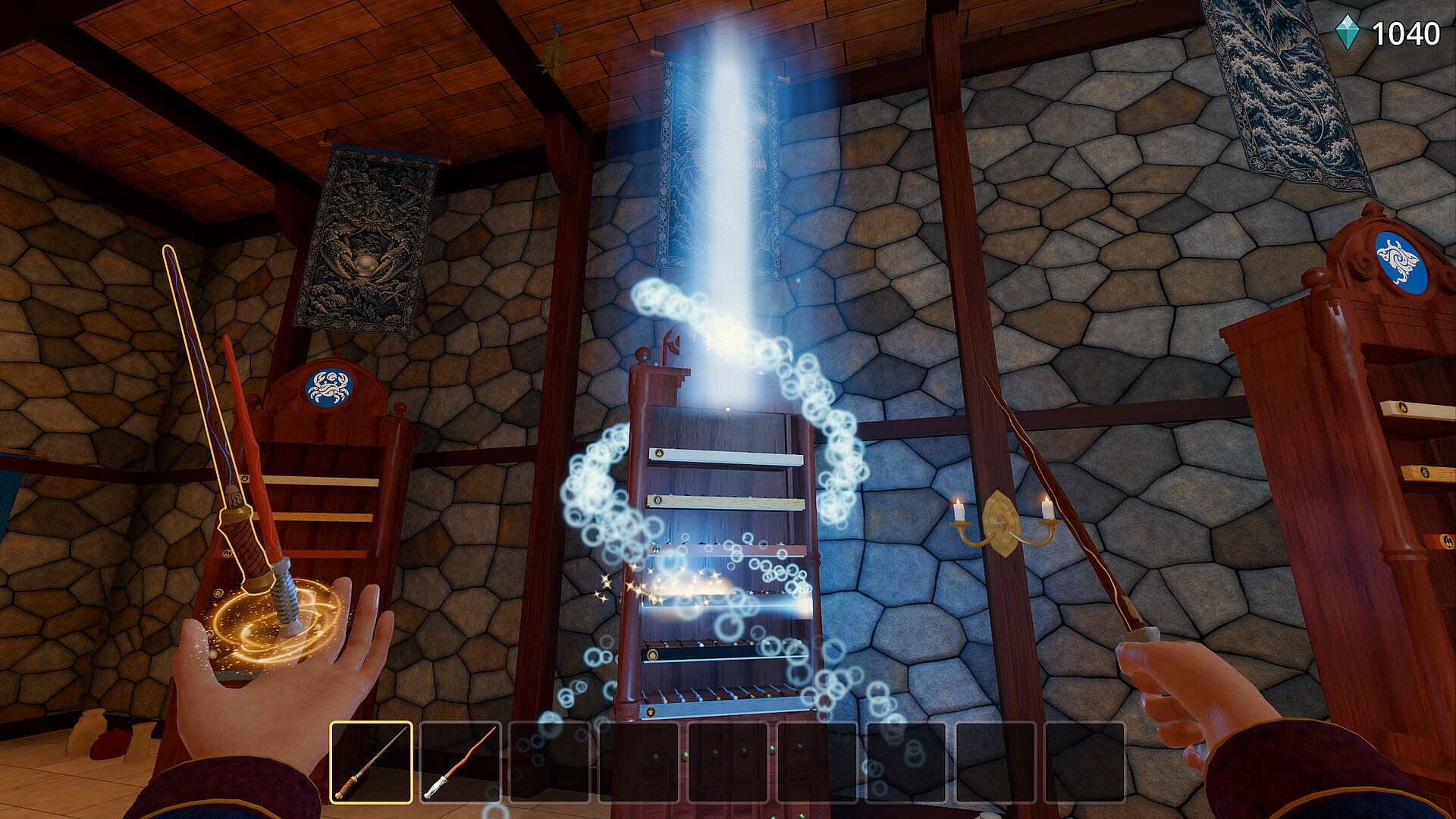
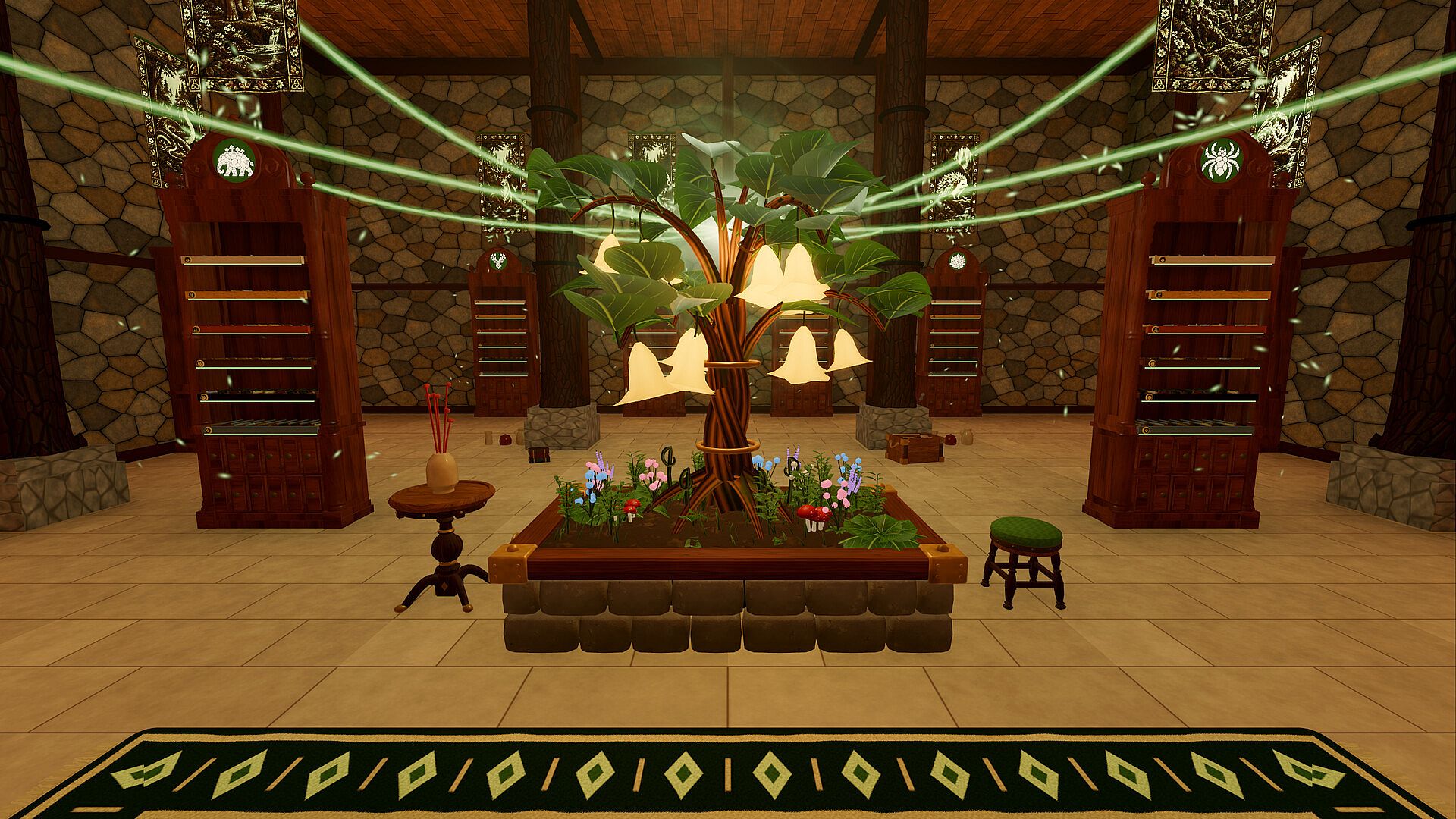
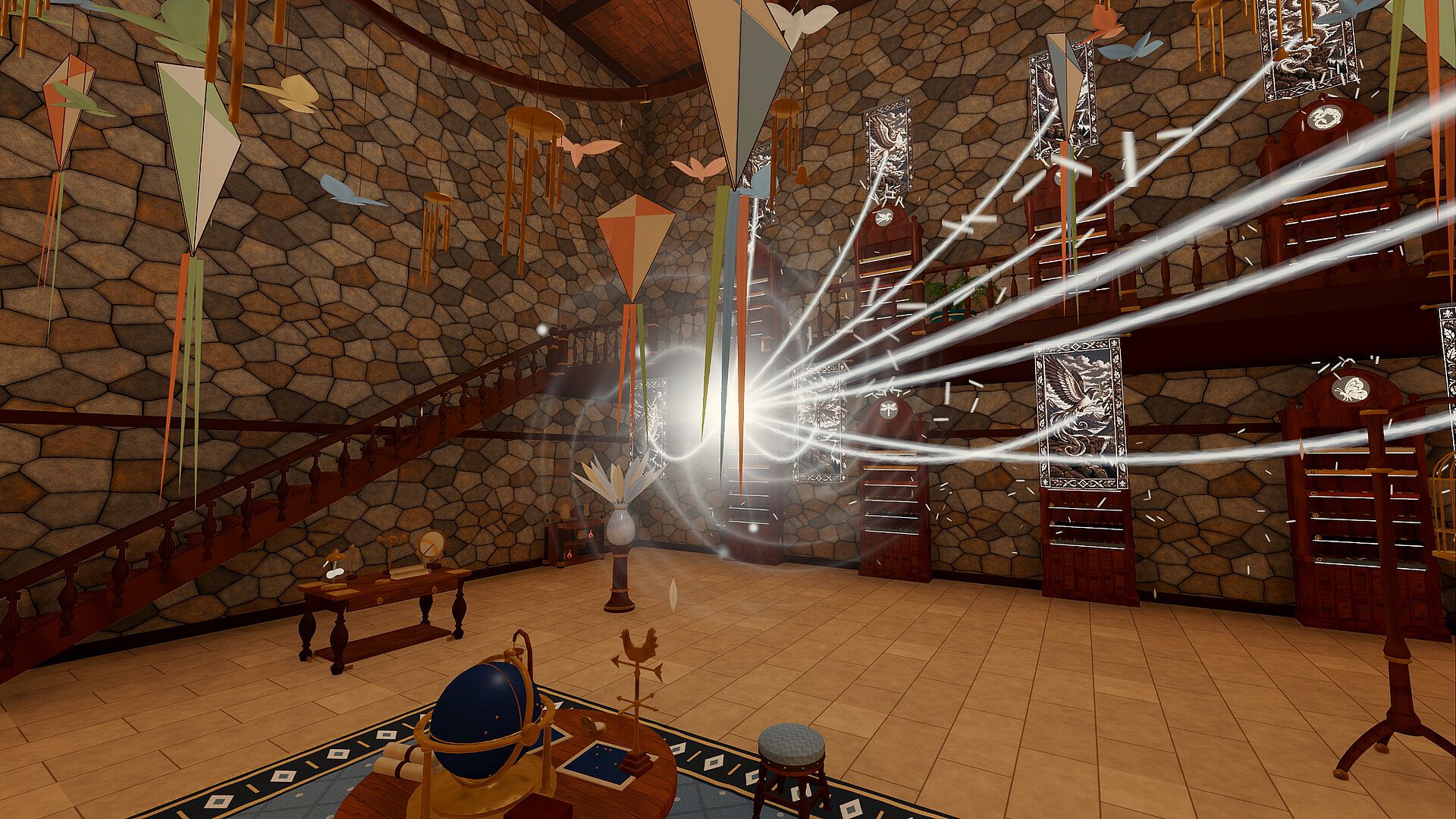
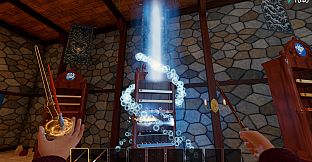
The central activity requires identifying each wand's element, patron, and wood type before placing it on the correct shelf. Four elemental halls surround the master's workshop at the center, each themed around fire, water, earth, or air. A single wave action lights up matching wands across the handful carried at once and reveals their patrons, while wood type is read from color and grain patterns. Completed shelves glow, and full halls shine in their element's color.
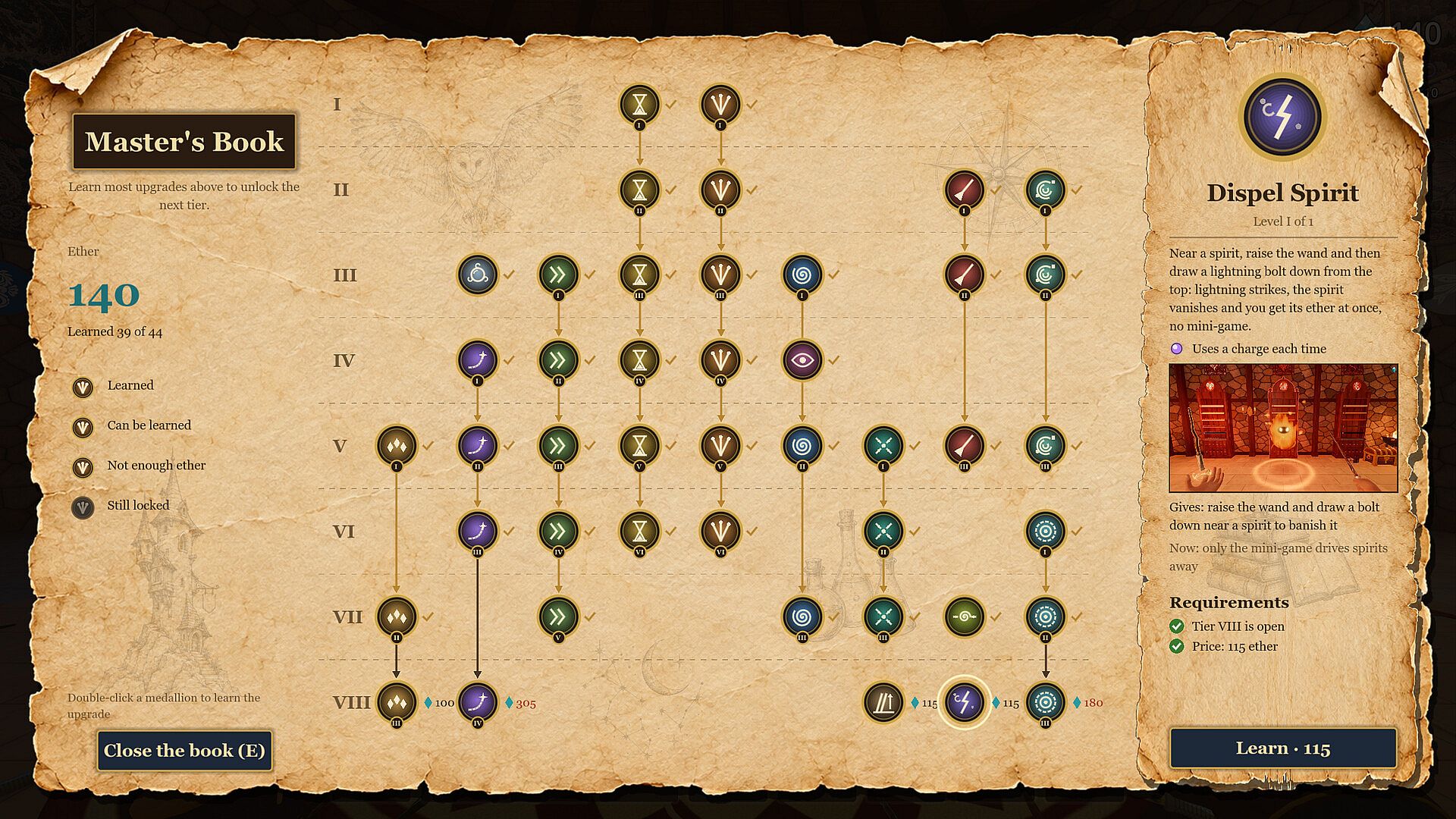
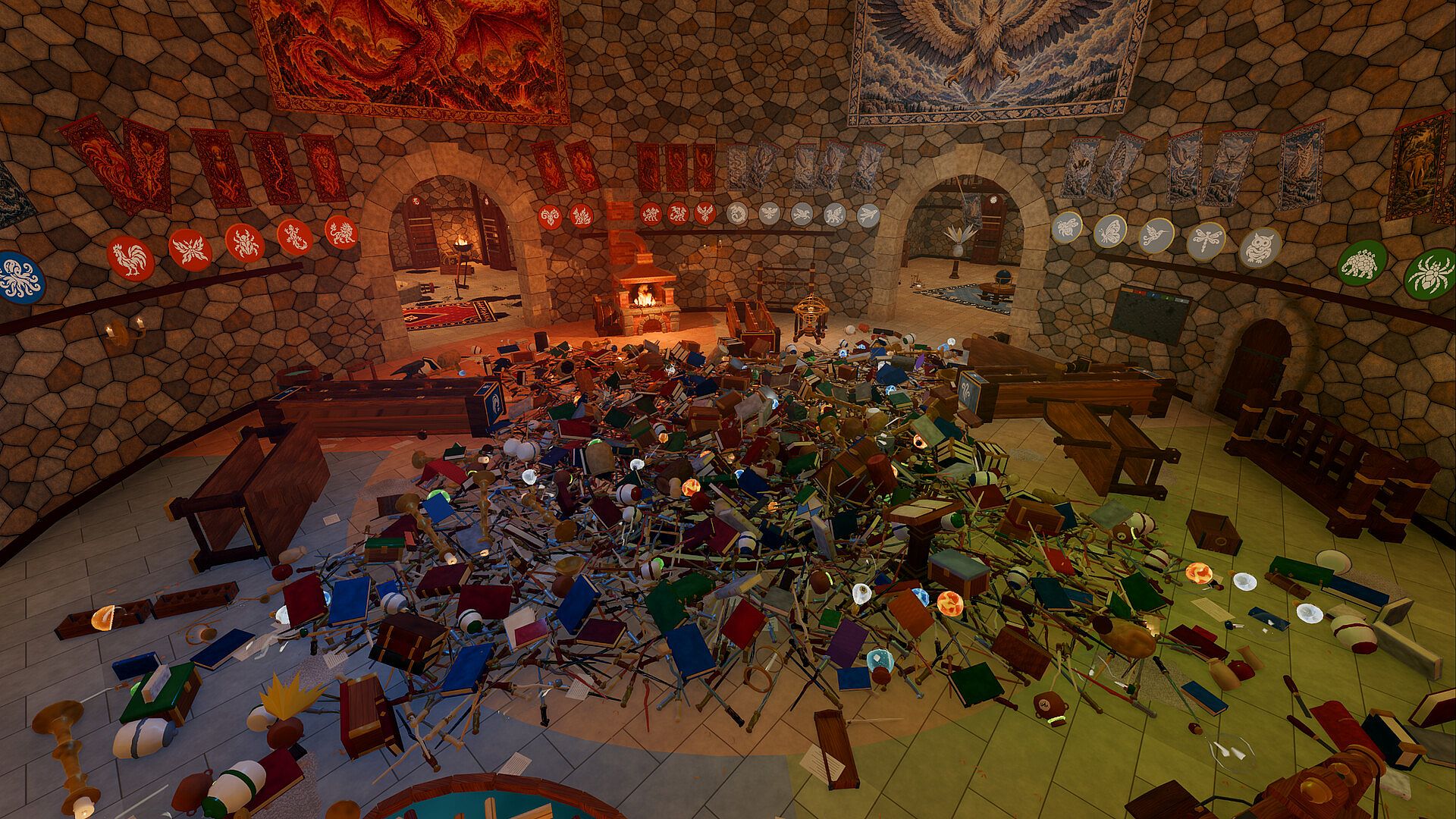
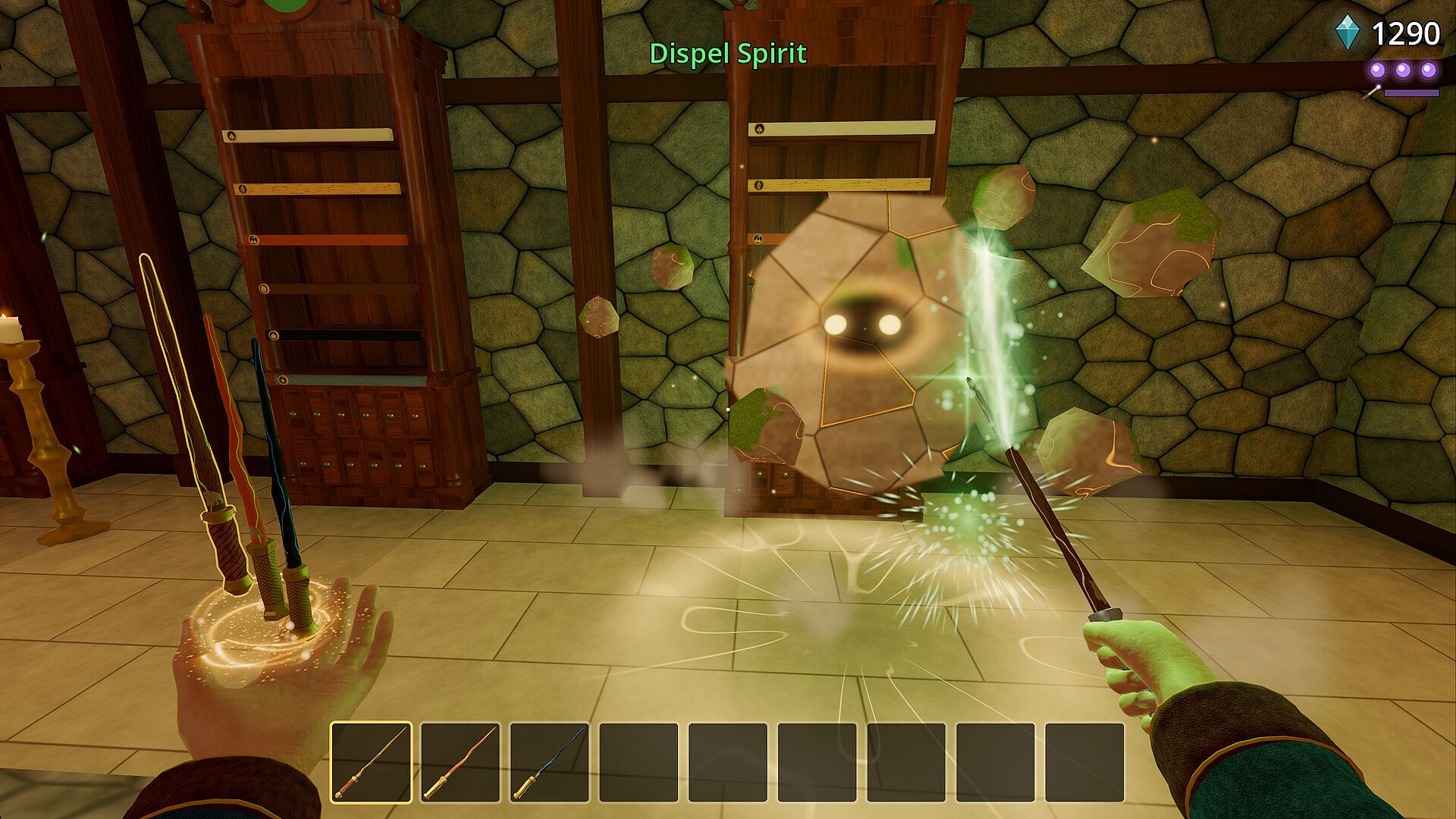
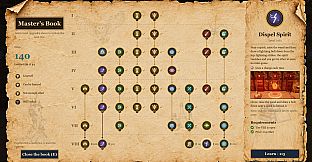
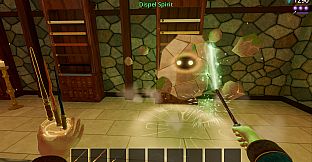
Cleaning happens through the same wave mechanic, which clears dirt and debris while righting toppled furniture. Additional items such as books, flasks, vases, and seedling pots must be carried back to their proper halls. Elemental spirits occasionally occupy cabinets and require a short mini-game to dispel: players catch lights within a wand's wave circle, lead them away, or repeat patterns. An upgrade called Dispel Spirit simplifies this by letting players wave upward and draw a lightning bolt.
Every correctly placed wand grants ether, which is spent in the Master's Book on upgrades. These improvements increase carrying capacity, running speed, item highlighting, empty spot markers, a Guiding Thread to the right shelf, wand summoning from heaps, Item Whirl, auto-sort, and a Lens for zooming. The upgrade tree spans parchment pages, with purchases unlocking new tiers and notes from the previous master. Spell charges replenish after every ten wands shelved.
The shop contains 2,400 wands, 664 items, and 37 pieces of furniture, each with a designated place. There are 40 patrons and six woods across the four elemental halls and the central workshop. Forty-four upgrades sit across fifteen branches of the Master's Book, and five distinct spirit mini-games appear during play.
Game Modes
The game offers a single-player simulation focused on methodical sorting and shop restoration. Progression moves through the elemental halls and workshop in sequence, with each area presenting its own visual and organizational challenges. No competitive or timed modes exist; the emphasis remains on steady exploration and completion at the player's own pace.
Wrong placements simply leave the wand in hand rather than triggering any penalty. The absence of a fail state allows free experimentation with shelf assignments while learning the identification rules for elements, patrons, and woods.
Shop Exploration and Progression
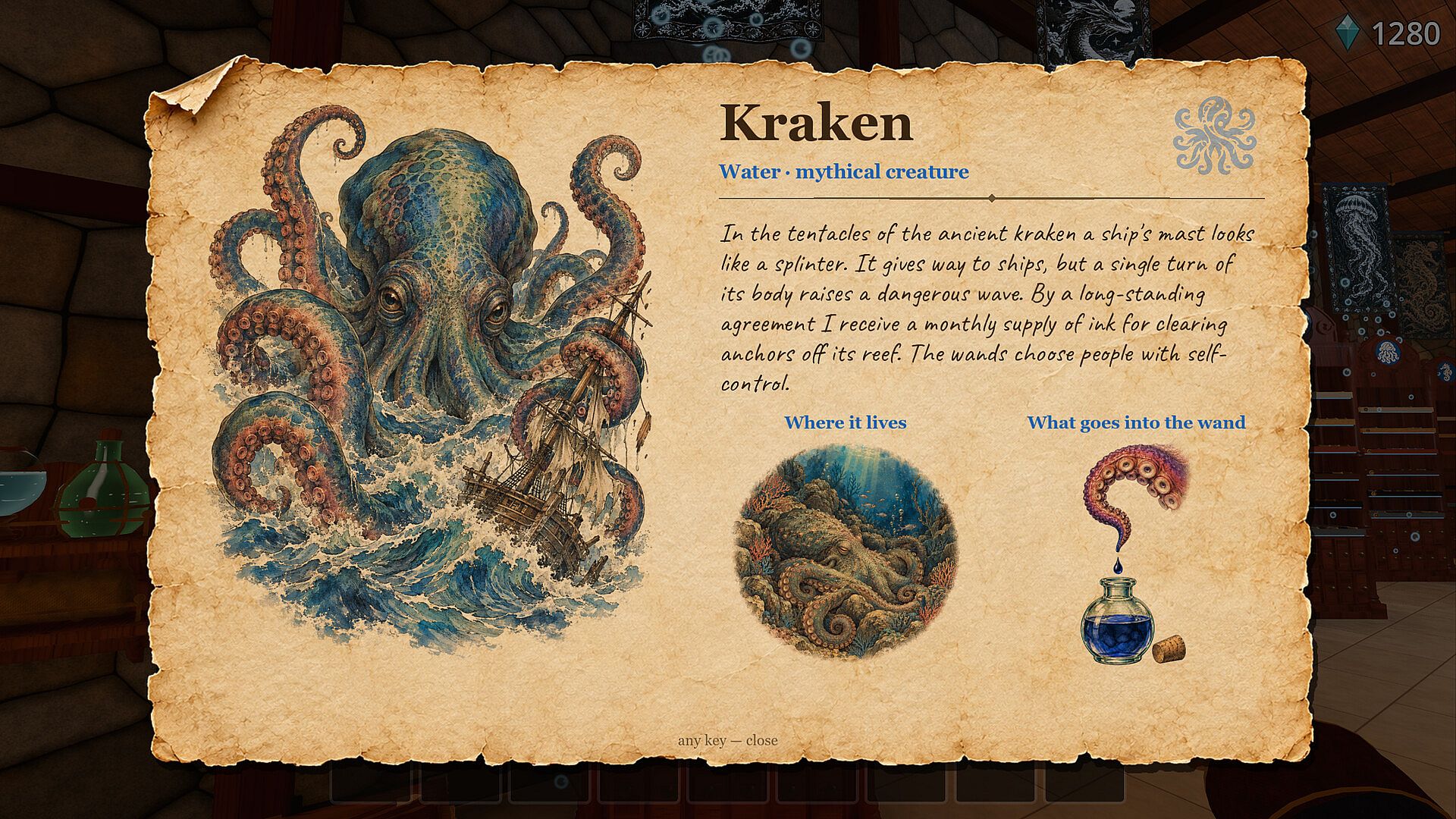
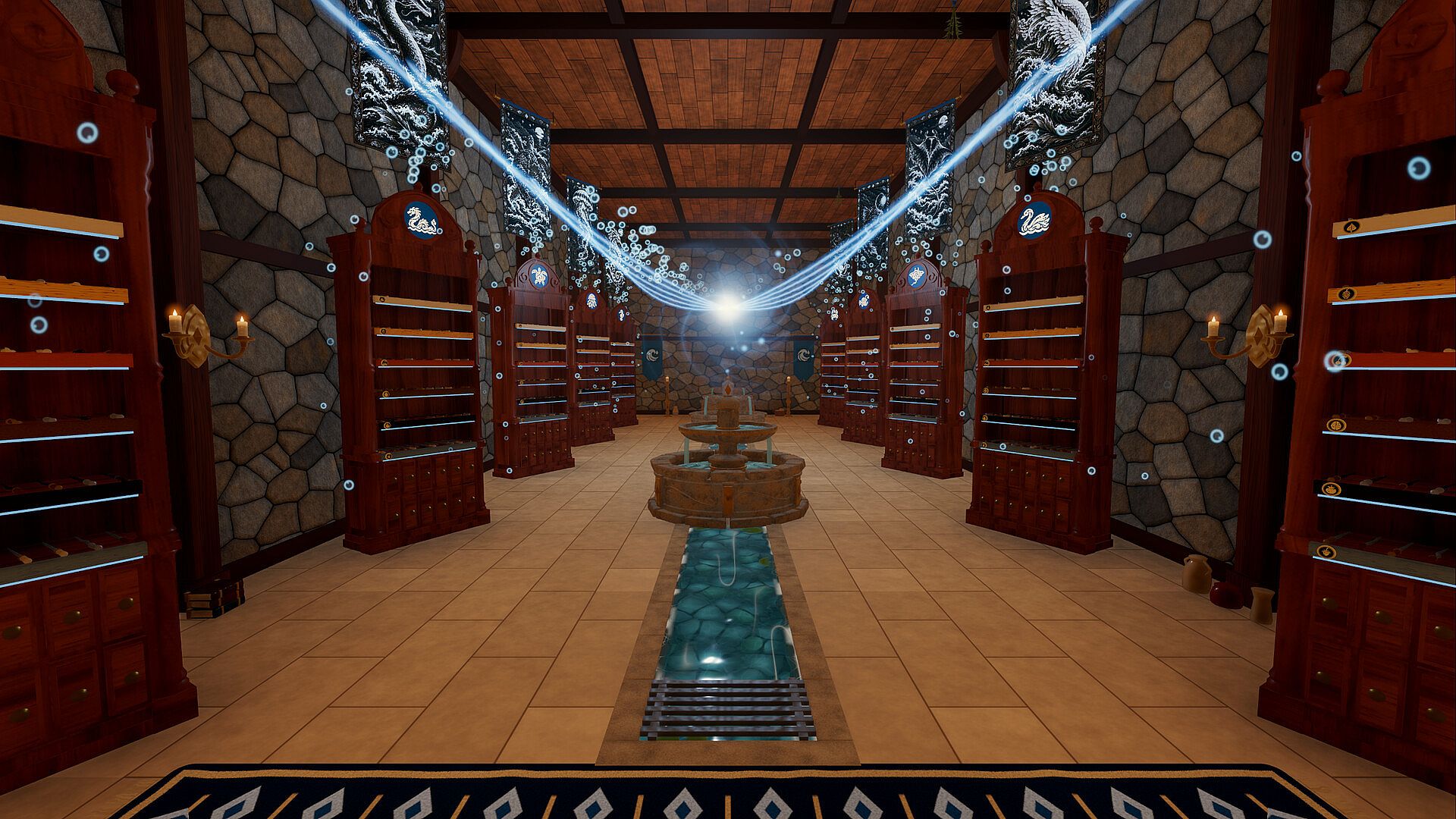
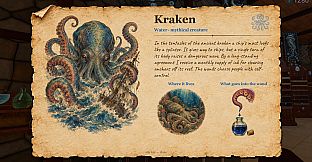
Each hall features unique environmental details that aid identification and placement. The fire hall includes a hearth and forge, the water hall a fountain and channels, the earth hall a tree and plant bed, and the air hall kites, feathers, and weather instruments. Full cabinets unlock illustrated bestiary pages that detail each patron's story, habitat, and role in wand creation.
Upgrades gradually transform the workflow from manual sorting to assisted organization. Early purchases focus on basic capacity and speed, while later tiers introduce automation options and visual aids. Notes left by the old master appear alongside new upgrade tiers, adding context to the shop's history without interrupting the sorting loop.
Is It Worth Playing?
Wave & Sort: The Magic Wand Shop suits players who enjoy relaxed organizing simulations with clear visual feedback and steady progression. The lack of timers or failure conditions makes it accessible for casual sessions, while the upgrade system and spirit mini-games provide ongoing variety. Autosave supports leaving and returning at any point, and options for left- or right-handed wand use plus remappable keys improve comfort during longer play periods. Support for thirteen languages broadens accessibility. As an Early Access title, the core loop of wand identification, placement, and shop restoration is fully present, with the listed item counts and upgrade depth already available for those drawn to methodical, low-pressure simulation gameplay.