






Warring Kingdoms: Chronicles of War is a strategy RPG that blends kingdom management with hands-on tactical warfare and character roleplaying. Players build and lead fantasy realms on PC, handling resources, armies, politics, and personal decisions that shape an evolving campaign world.
Gameplay
The core loop centers on developing a kingdom from the ground up. Players allocate limited resources to expand territory, recruit characters, raise military forces, and respond to political events. Every choice carries weight, from investing in infrastructure to preparing for conflict or sending explorers into unknown lands. The realm itself changes over time based on these actions, turning it into a living element of the story rather than a static backdrop.
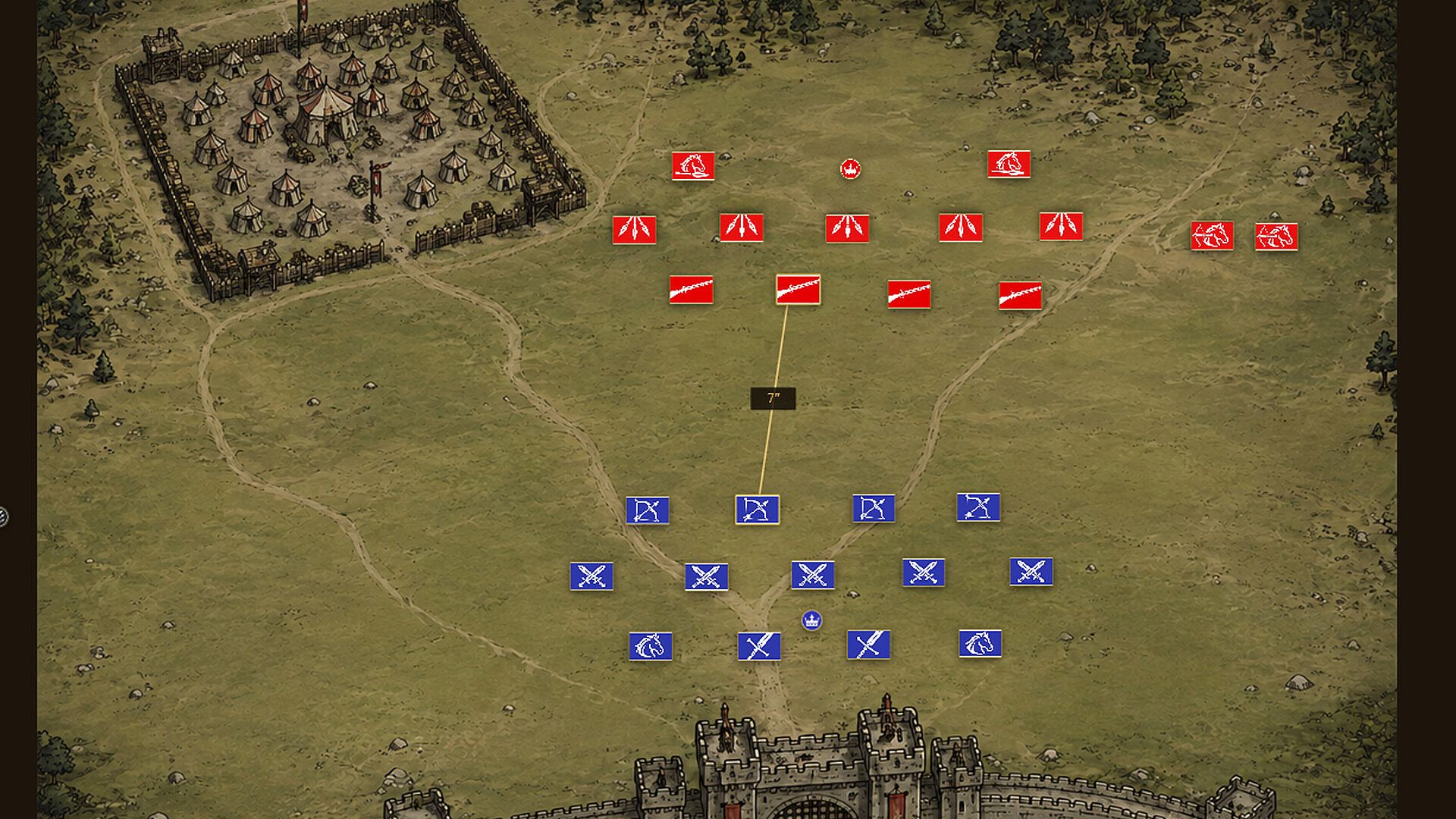
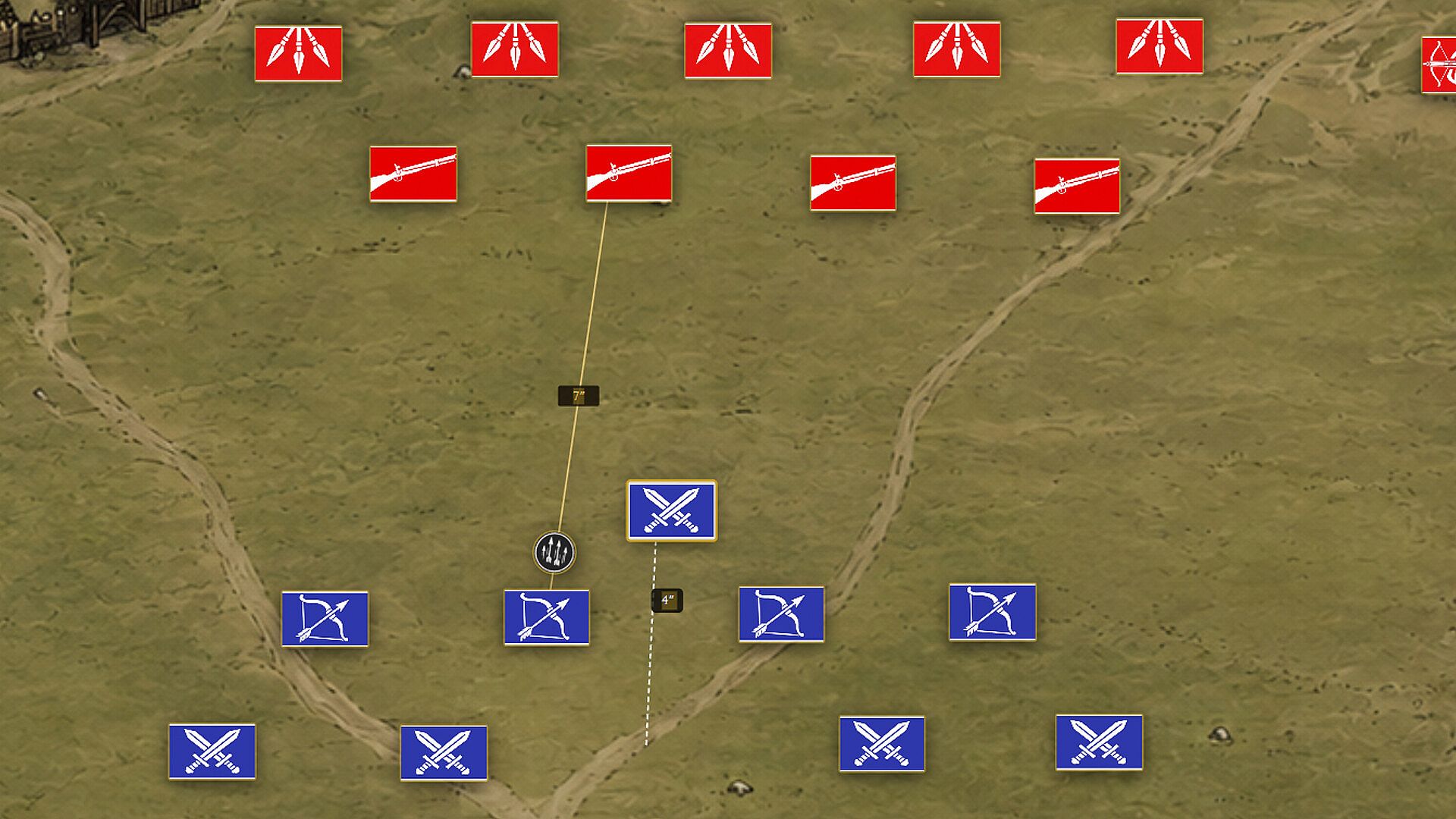
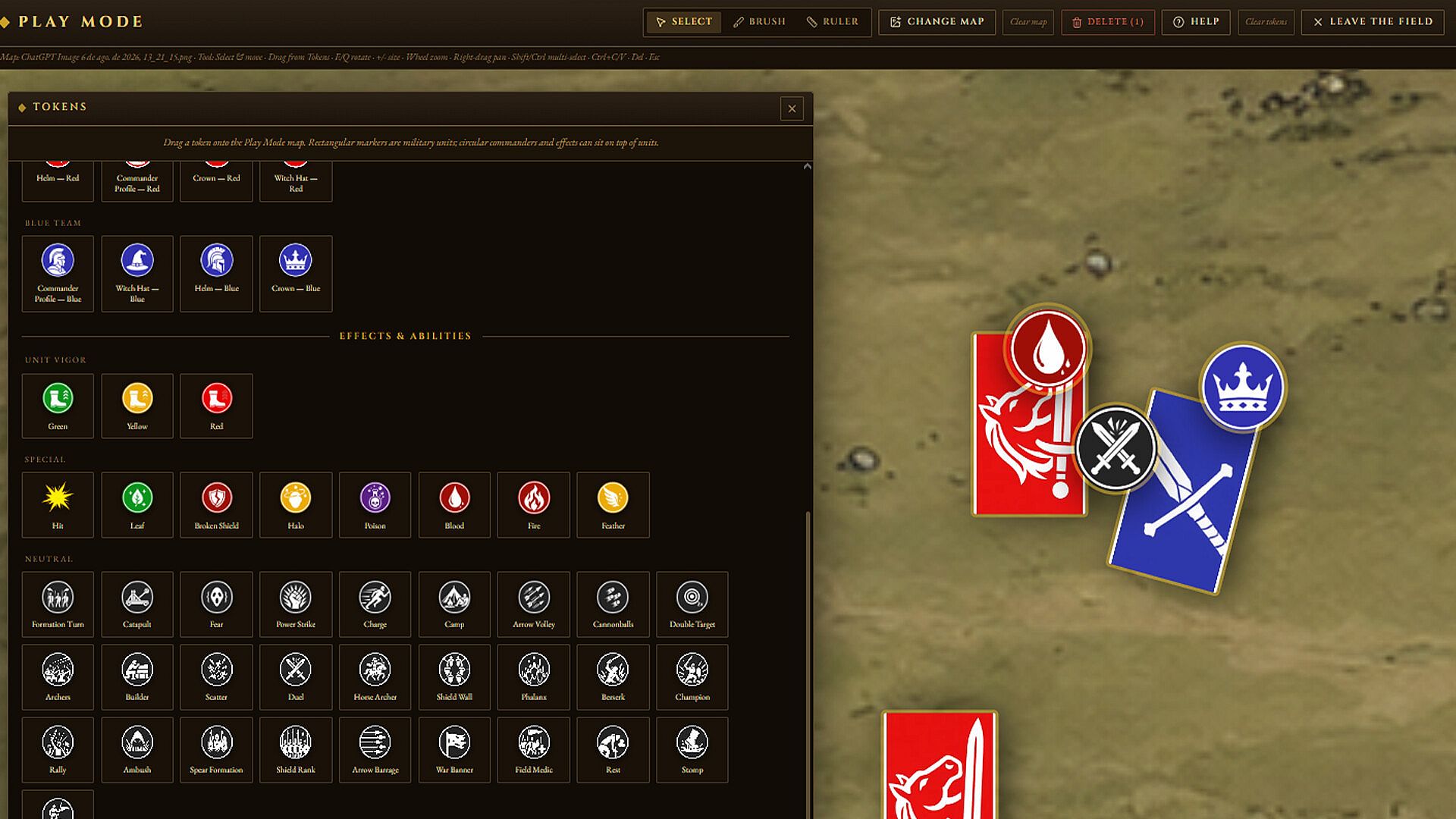
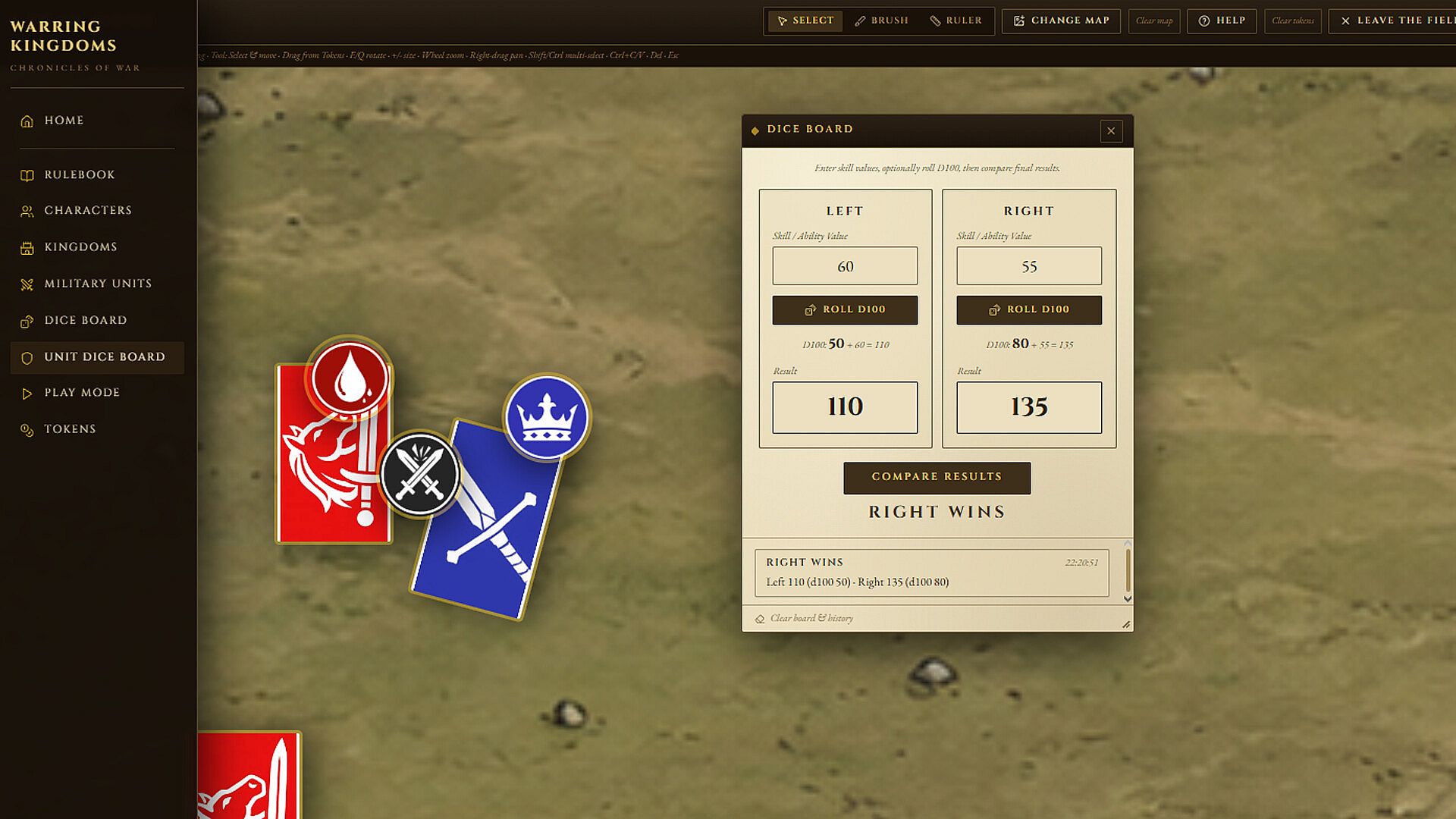
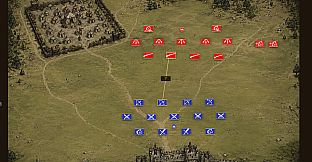
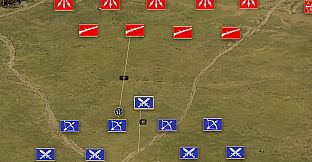
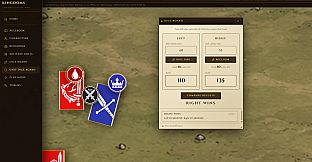
Combat stands apart from typical RPG systems. When war breaks out, battles unfold on the tabletop using a dedicated large-scale system. Commanders direct infantry, archers, cavalry, and monsters across a battlefield that reacts to shifting conditions. Units move and engage directly rather than resolving through narration or single rolls, making military outcomes feel tangible and strategic.
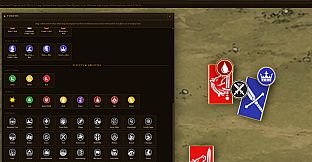
Characters bring their full RPG abilities into these fights. Commanders cast spells, rally troops, negotiate truces, challenge rivals to duels, or find unconventional ways to turn the tide. The same rules that govern personal adventures apply here, letting creative solutions influence large engagements.
Game Modes
Play revolves around extended campaigns where multiple sessions build a shared history. One session might focus on internal development and diplomacy, while the next escalates into open warfare with tabletop battles. Kingdoms rise or fall based on cumulative decisions, and earlier conflicts set the stage for future tensions.
Single-player campaigns emphasize personal storytelling and kingdom evolution. Multiplayer elements emerge naturally through interactions between realms, including alliances, trade agreements, or rivalries that can span an entire campaign. Resource management and political maneuvering remain central regardless of player count, encouraging long-term planning over quick matches.
Kingdom Development and Politics
Resource decisions force constant trade-offs. Funds might go toward new troops, civilian support, defensive preparations, or risky expeditions. No single strategy guarantees success, so players experiment with different paths across campaigns. Political systems add another layer, where diplomacy can prevent or provoke wars, and the fallout from one ruler's choice ripples across neighboring kingdoms.
Exploration and character recruitment tie into these systems. New lands yield opportunities or threats, while recruited individuals bring unique skills that affect both management and battlefield performance. The result is a cohesive experience where personal roleplaying supports larger strategic goals.
Is It Worth Playing?
This title suits players who enjoy blending management sim elements with direct tactical control and narrative freedom. The tabletop battle system rewards careful positioning and creative use of character abilities, while the campaign structure supports repeated playthroughs with different outcomes. Those seeking quick sessions or purely abstract strategy may find the emphasis on detailed battles and long-term consequences less appealing. The game remains available on PC for those drawn to its integrated approach to ruling and warring.