






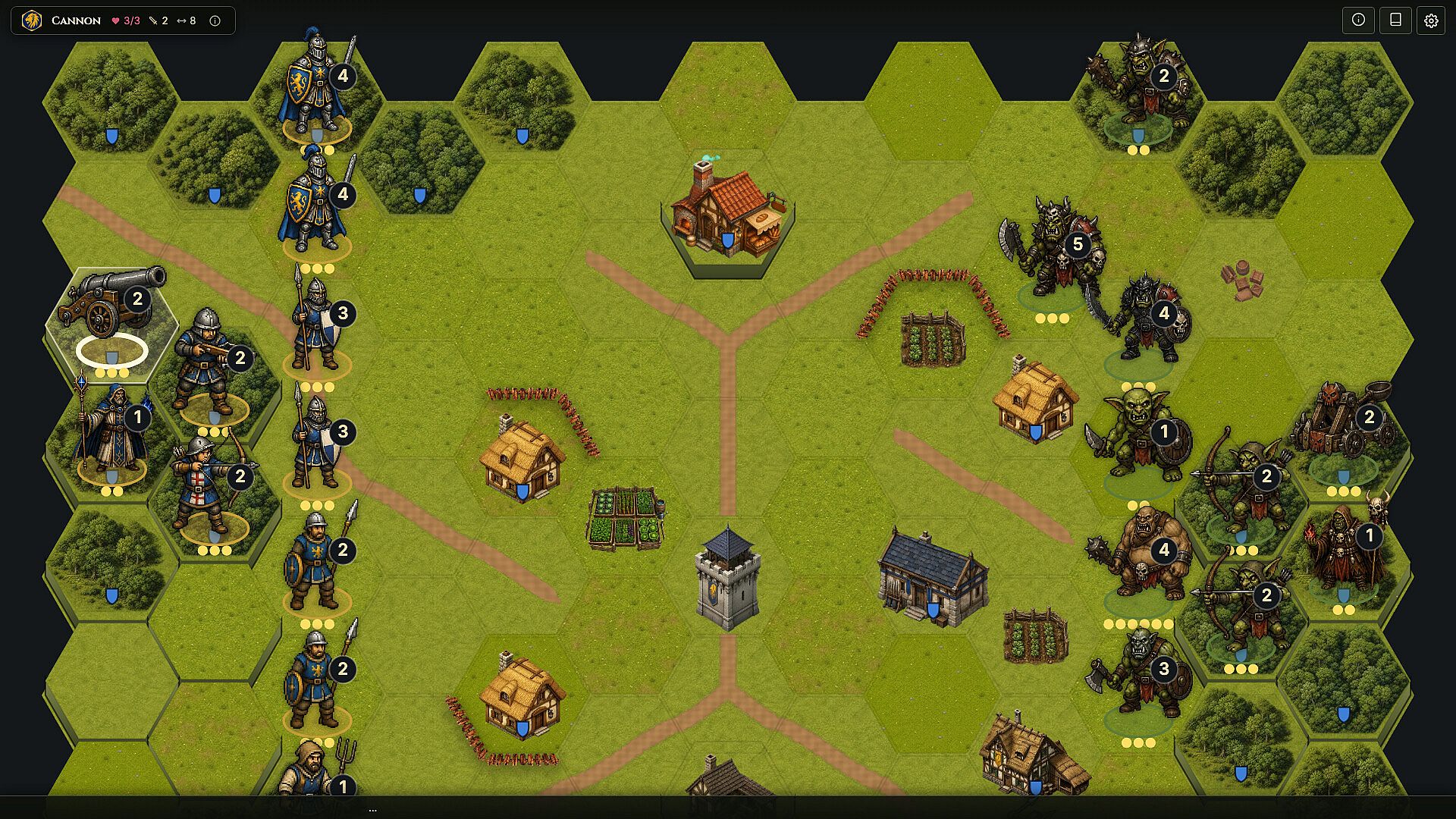
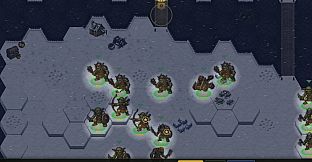
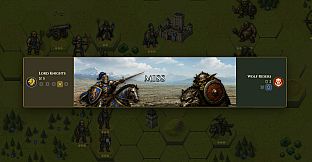
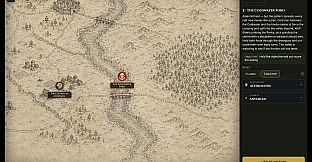
Warmasters is a turn-based strategy game set on hex-based battlefields where players command fantasy armies in battles shaped by card draws, terrain, and morale. The game blends elements of classic tabletop wargaming with digital convenience, letting commanders choose between simplified or detailed rulesets at the start of each fight.
Gameplay
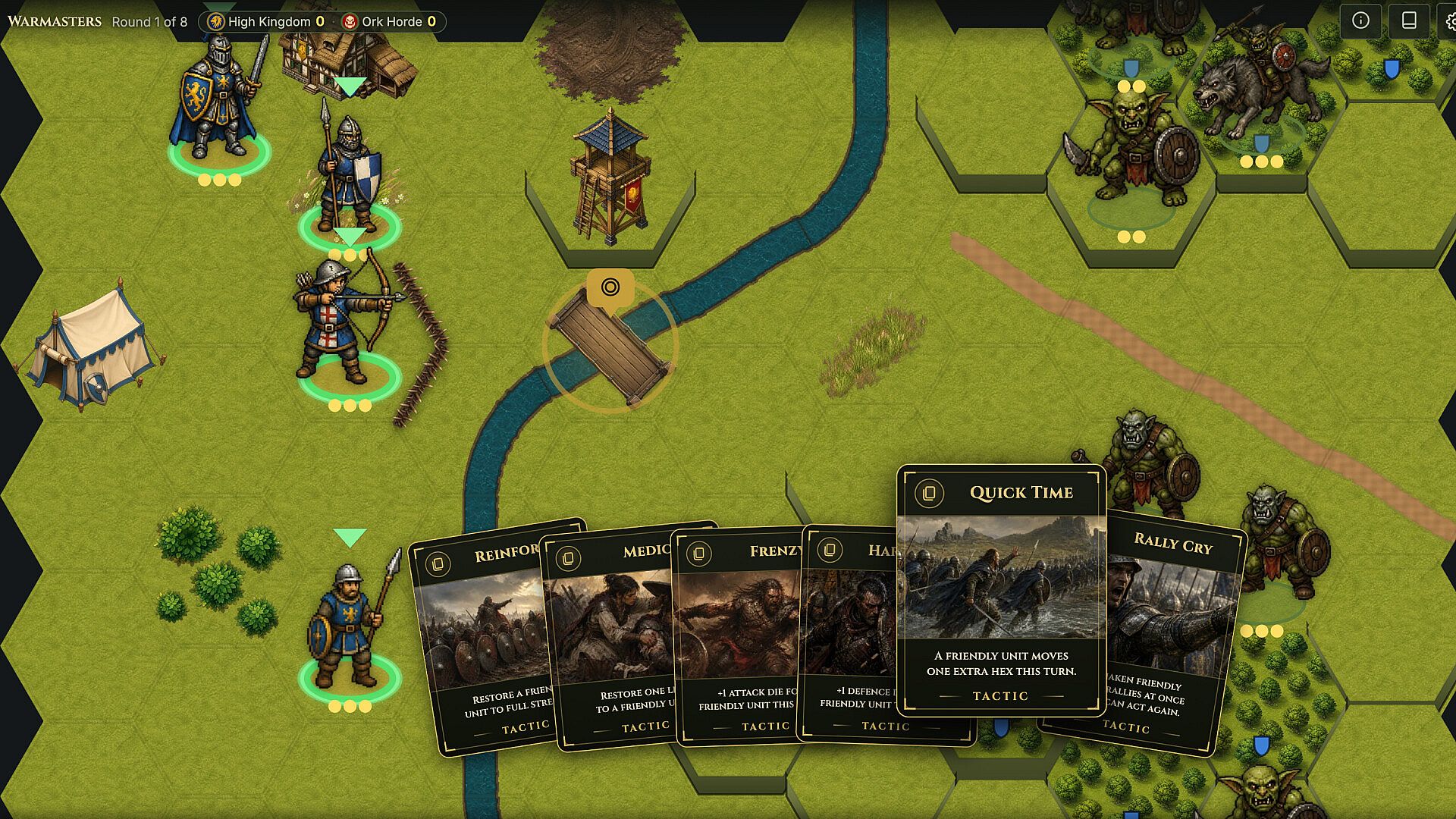
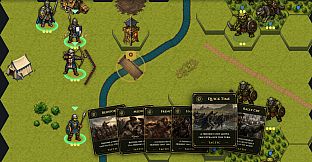
Each turn begins with the draw of a Battle card that restricts which units may act. This system replaces free selection with a layer of unpredictability, forcing plans to adapt to the order units become available. A cavalry charge planned for a decisive moment might activate too soon or too late, altering the outcome of the engagement.
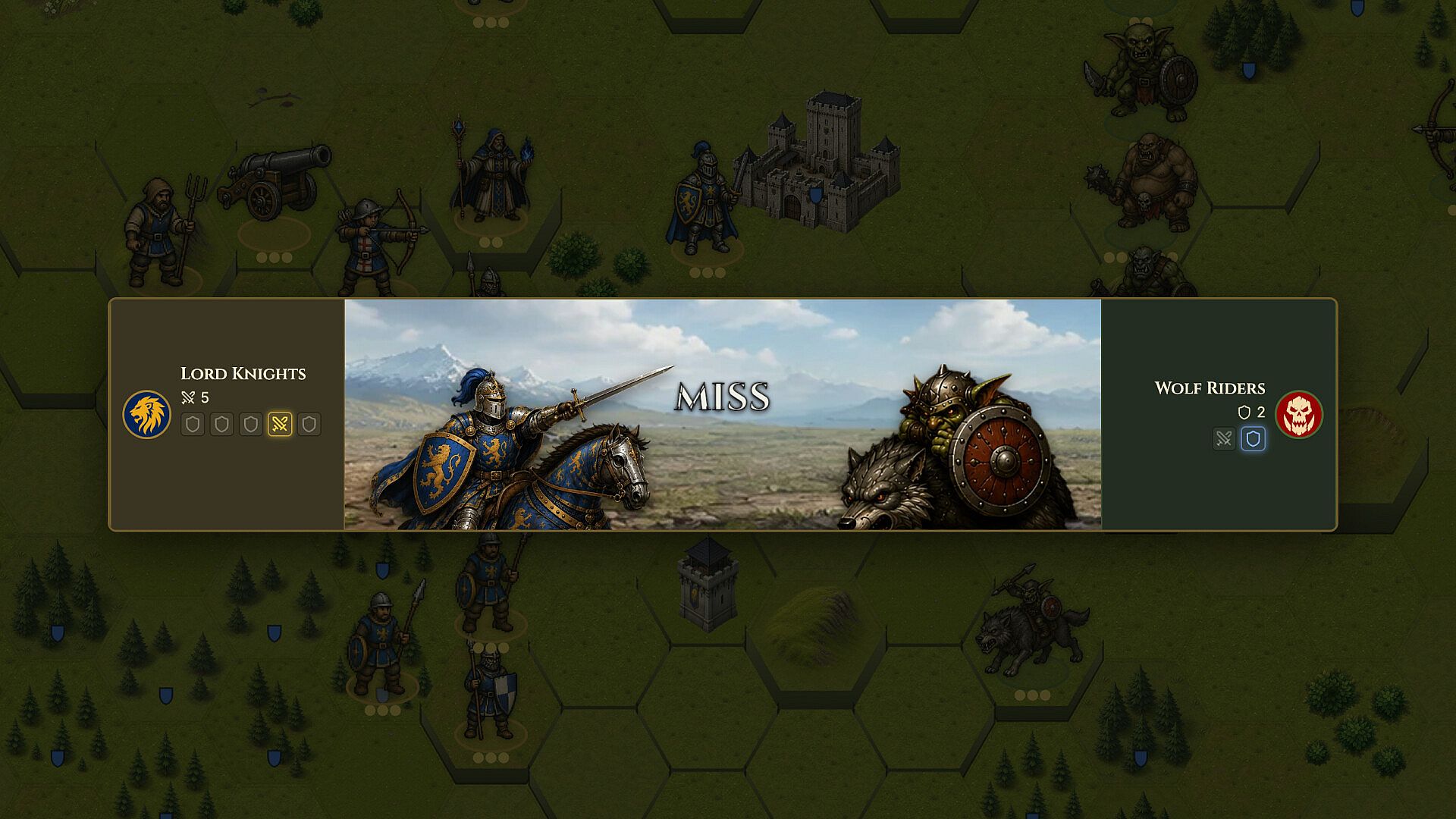
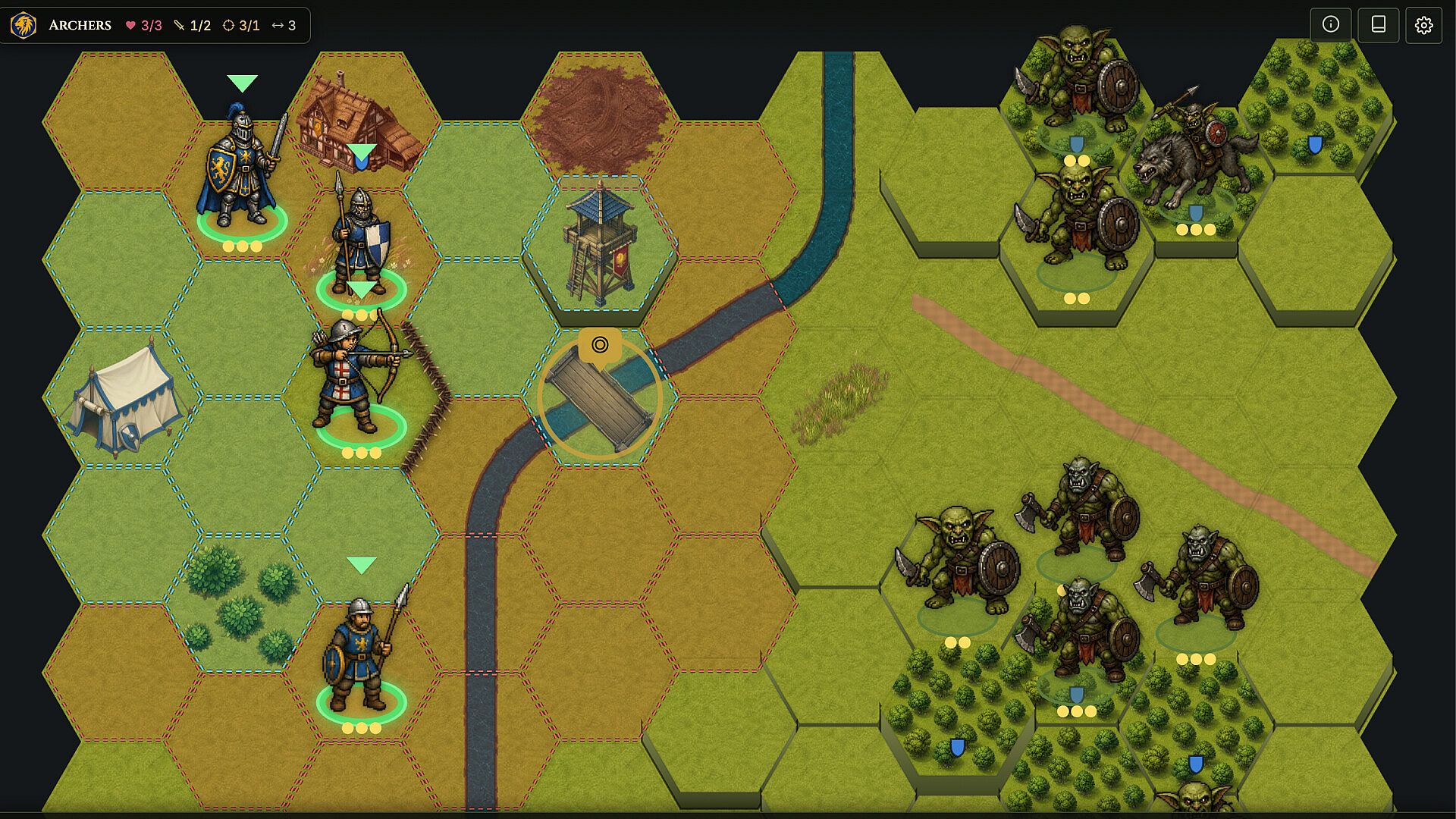
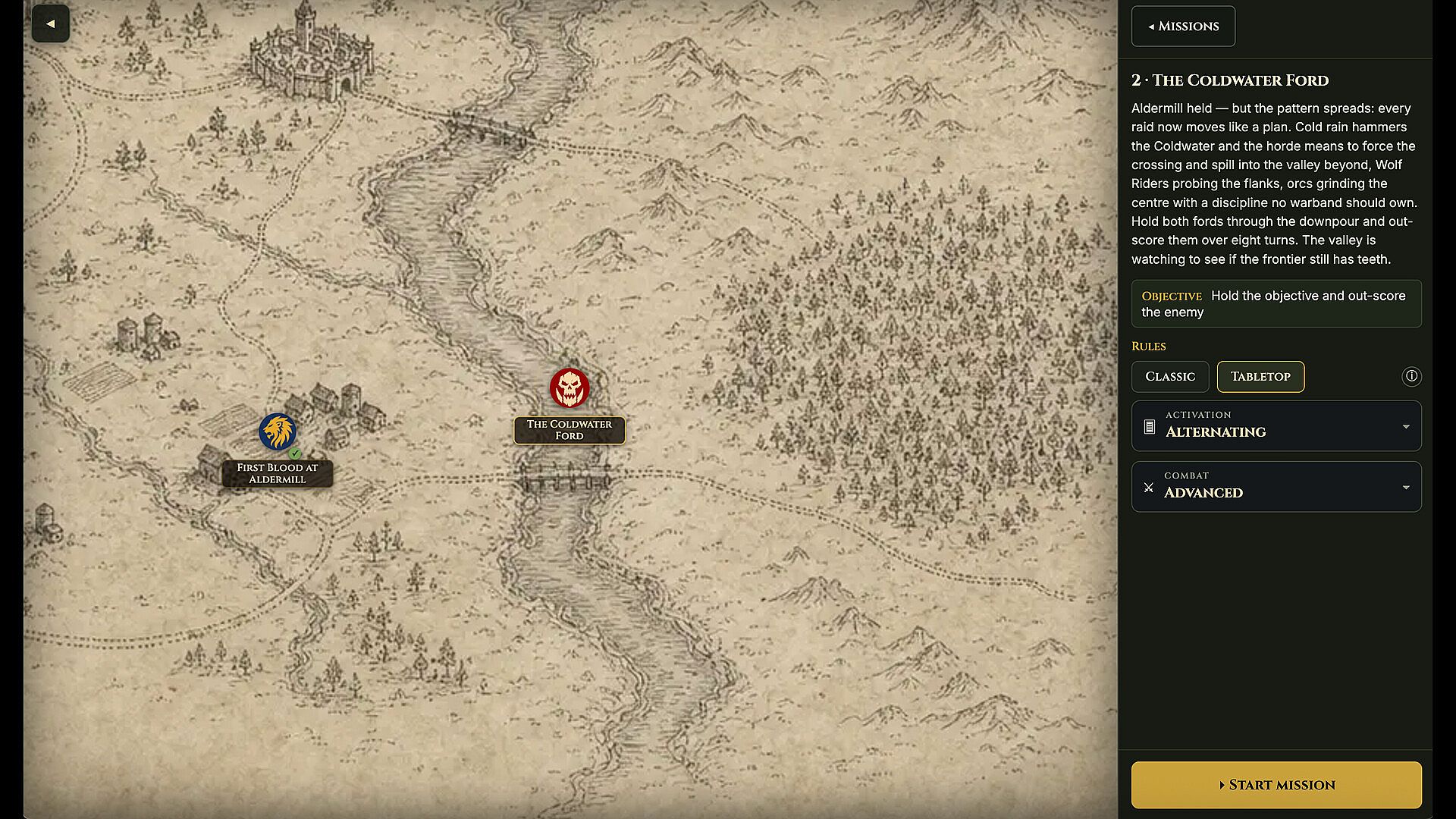
Players select either the Basic or Advanced ruleset before battle. Basic uses a single Combat Value per unit, one hex of movement per turn, and straightforward skull-versus-shield resolutions that new players can grasp quickly. Advanced expands this with individual model statistics for movement, melee, missile attacks, toughness, and nerve. Charges carry greater impact, shield walls maintain cohesion until broken, and elevation provides tangible advantages such as extended missile range or blocked lines of sight.
Nerve represents a key departure from pure attrition. Regiments that suffer sufficient damage may retreat on their own initiative, and a collapsing flank can lose a battle even when the overall kill count favors the defender. Most defeats stem from units breaking rather than being eliminated outright.
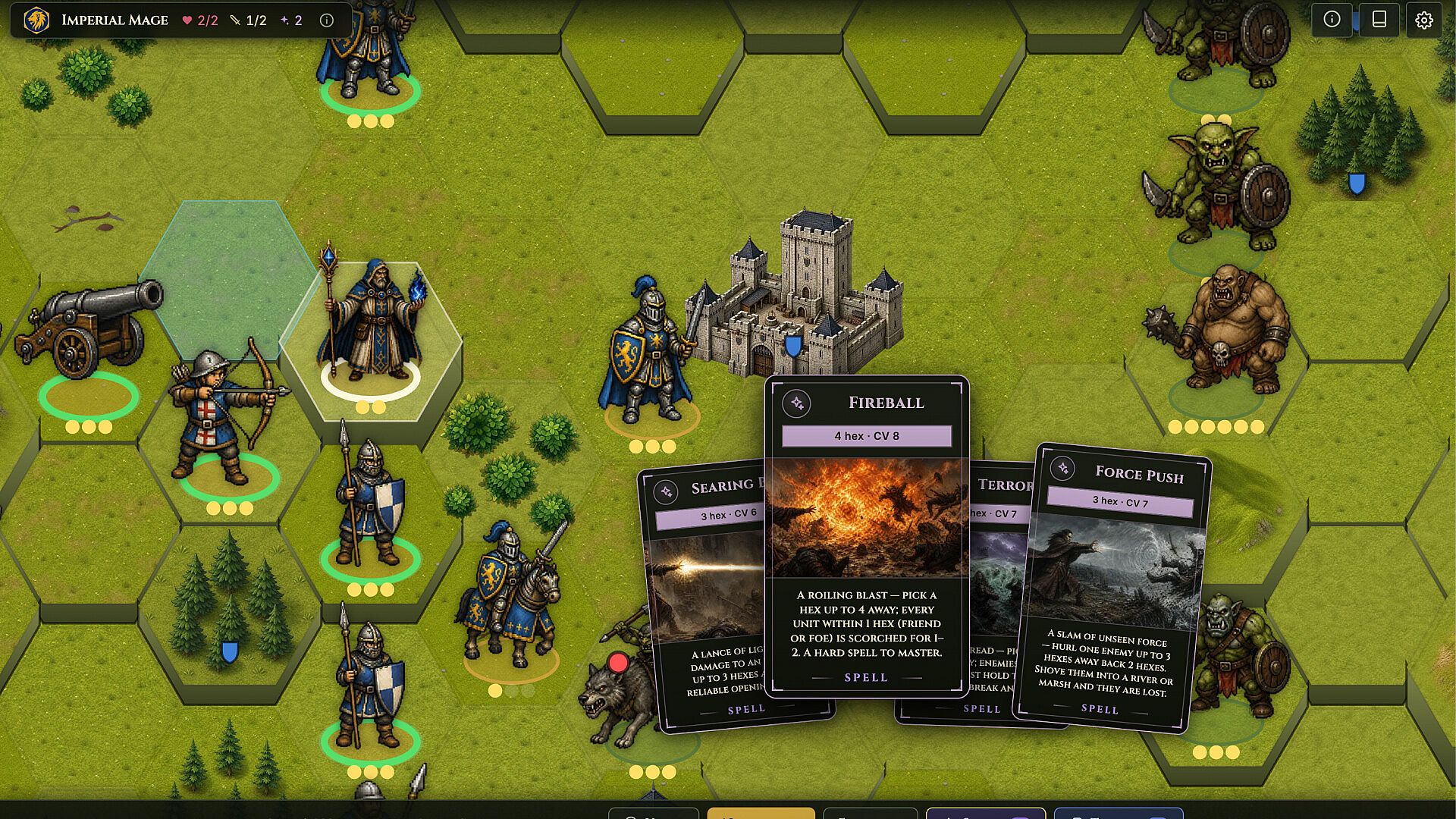
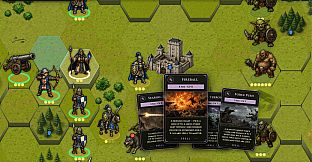
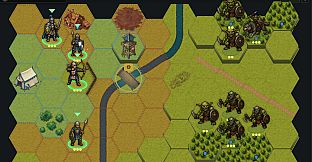
Units include infantry for holding ground, cavalry for flank attacks, archers that punish crossings, and war machines that deliver powerful but slow-reloading strikes subject to scatter and misfire risks. Casters attempt spells against a casting value, with failure carrying potential backlash. Terrain features such as rivers requiring fords, woods that disrupt charges, and tiered hills that grant visibility interact directly with positioning. Weather and time-of-day conditions overlay each map, turning the same field into a different challenge depending on the mission parameters.
Game Modes
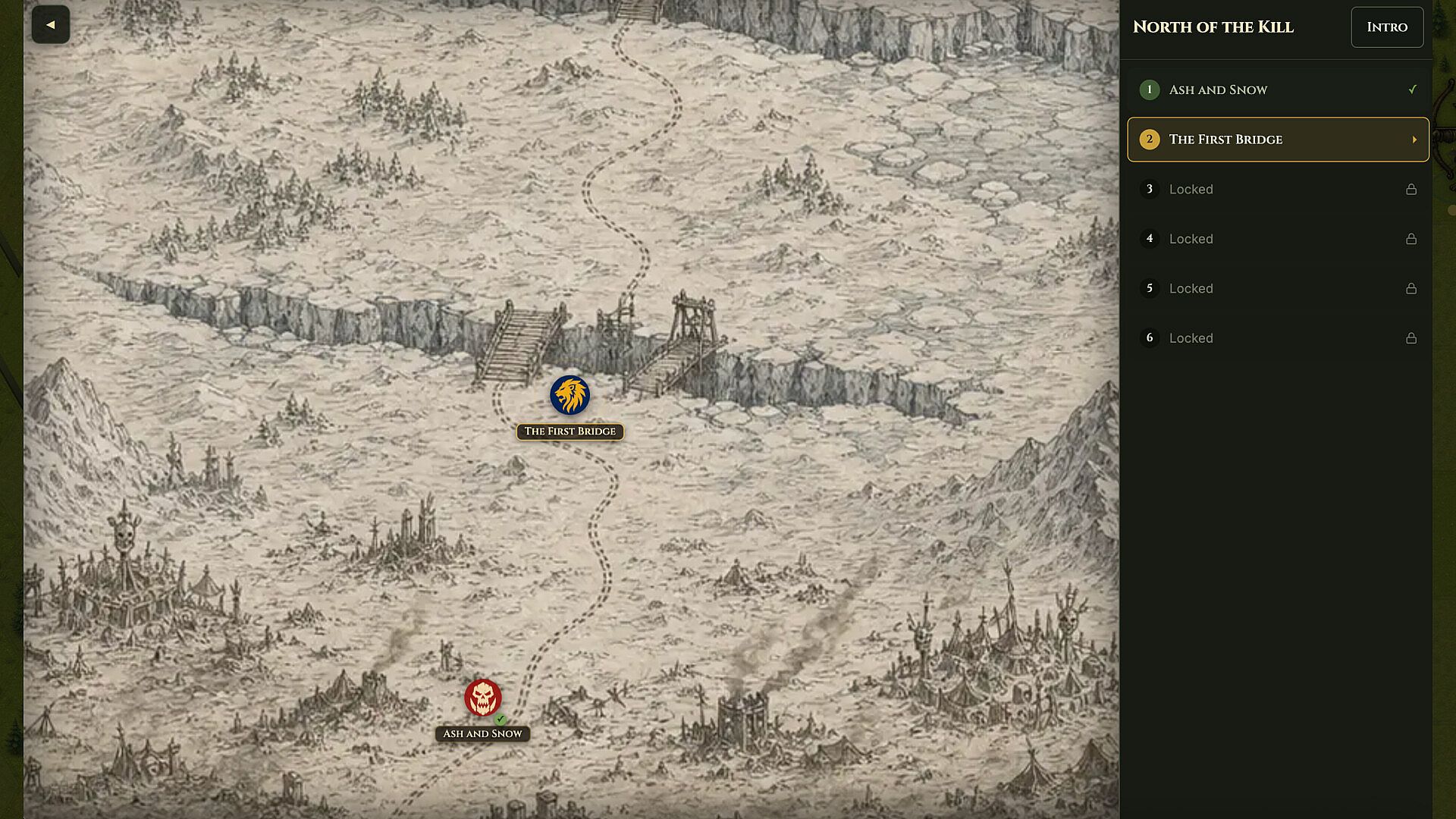
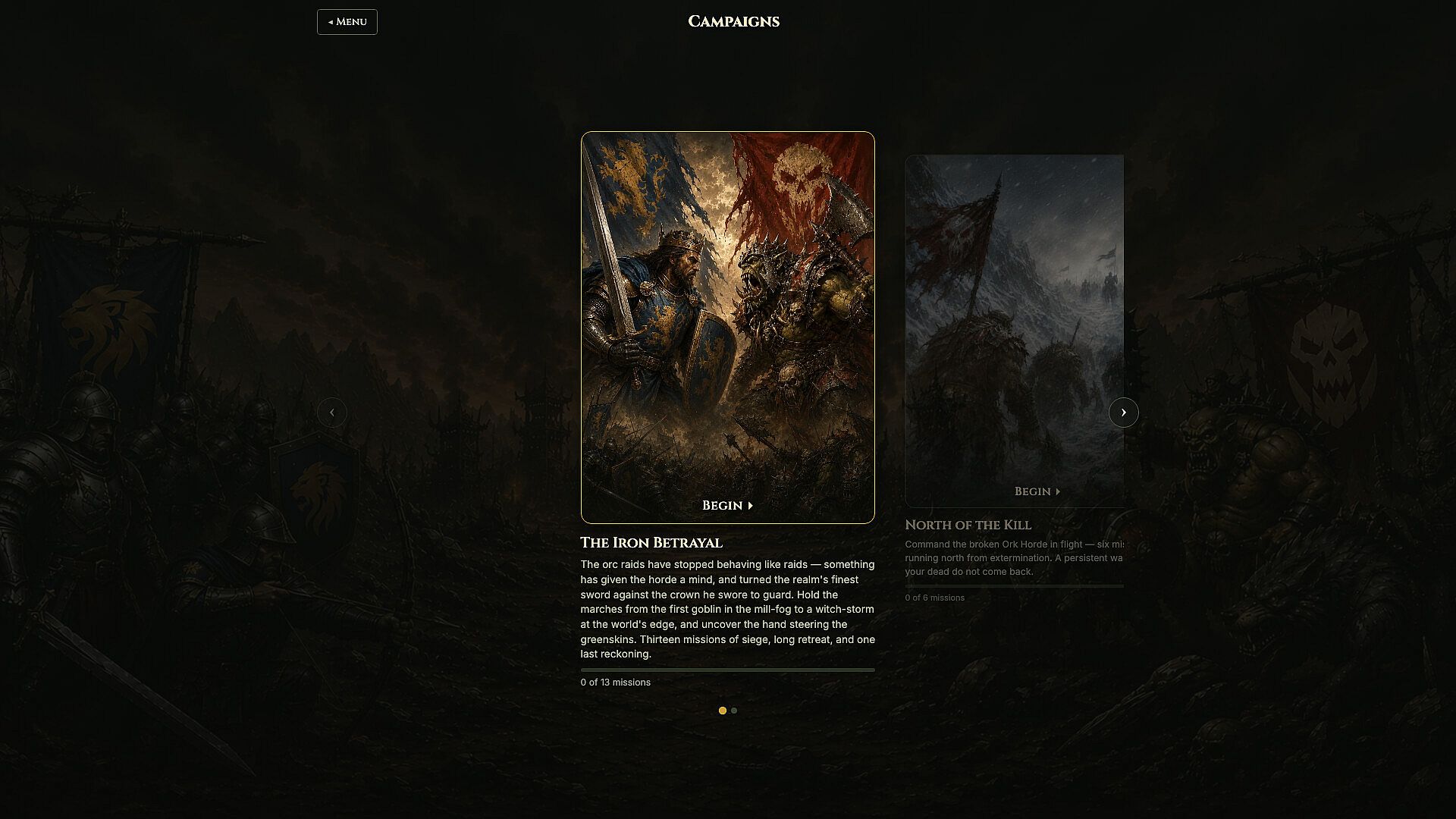
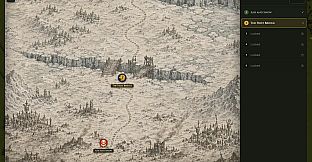
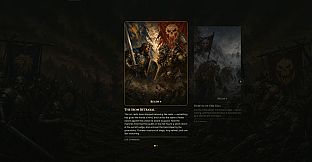
Two single-player campaigns deliver the core narrative experience. The Iron Betrayal comprises thirteen missions that follow raids escalating into a larger threat, incorporating sieges, retreats, and a final confrontation. North of the Kill offers six missions from the opposing perspective, where a single warband persists across battles funded by a limited war chest, carrying forward veteran experience while permanent losses remain.
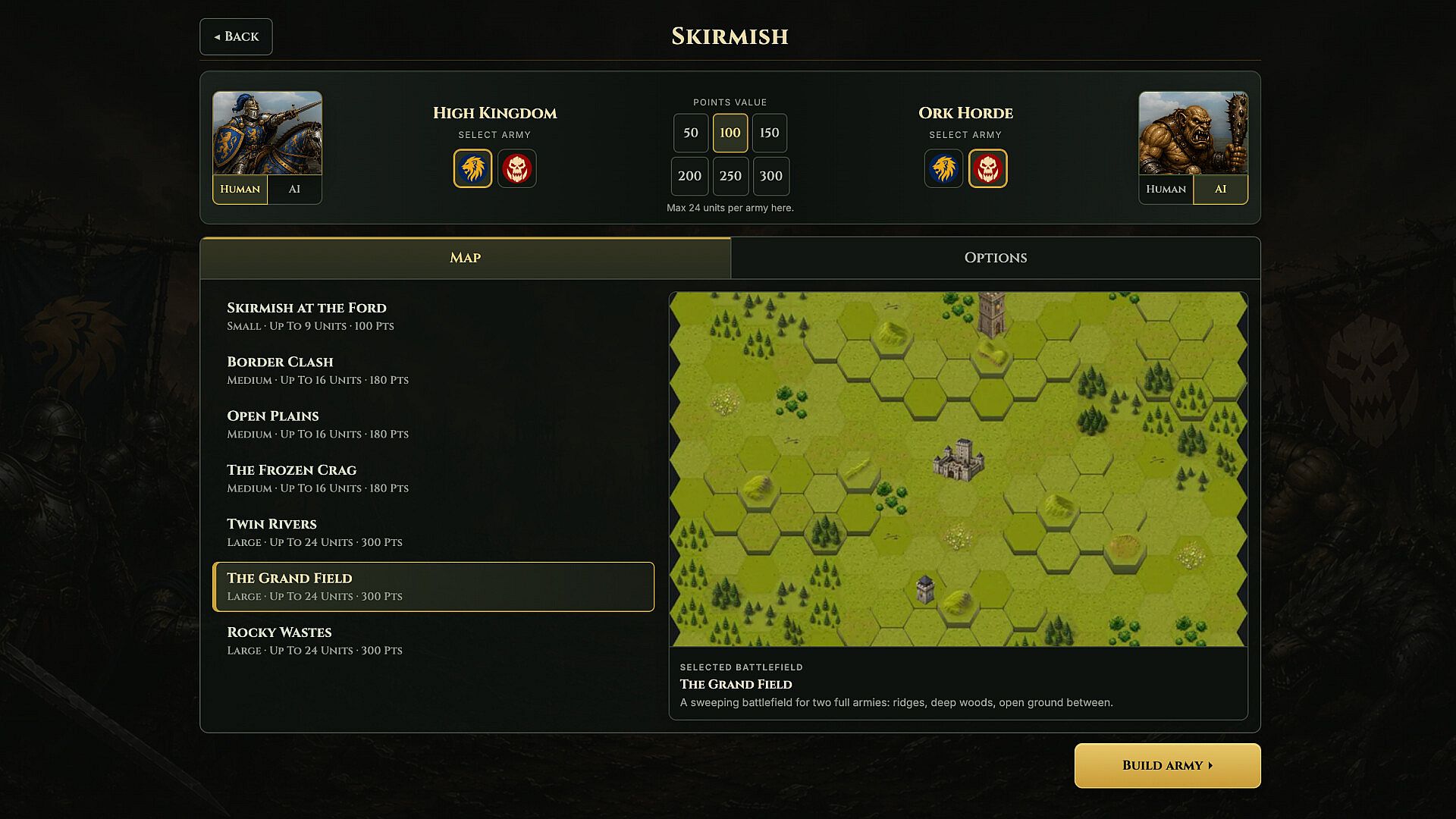
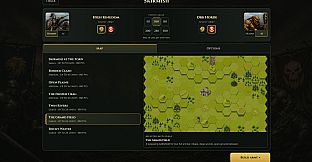
Once campaigns conclude, skirmish mode allows battles on any available map at chosen point values with armies assembled by the player. Hot seat supports two commanders sharing one screen with full visibility of both forces. A narrated tutorial introduces mechanics through an actual battle rather than static explanations, and a complete army book details every unit profile along with its intended battlefield role.
Army Composition and Battlefield Conditions
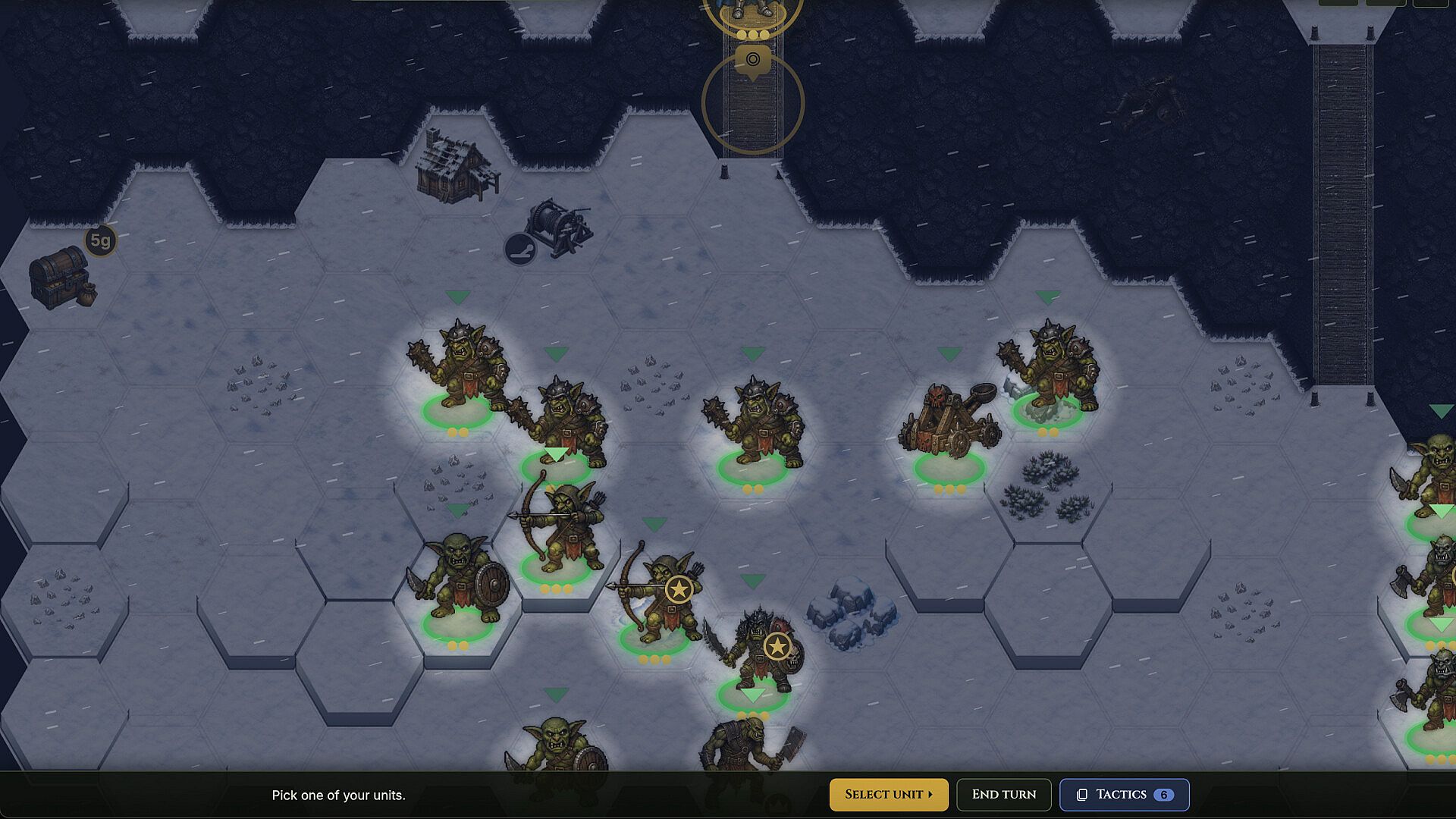
Commanders assemble forces from infantry that anchors lines, cavalry that exploits flanks, archers that control approaches, and artillery that demands protection for its crew. Magic introduces calculated risk because a failed cast can harm the caster or nearby allies. Terrain is never passive: drawbridges require control of levers, towers trade shield coverage for reach, and hills in multiple tiers create layered sight lines. Changing weather such as blizzards or fog alters movement, visibility, and combat effectiveness, while missions specify conditions in advance.
Is It Worth Playing?
Warmasters suits players who value tactical depth over rapid execution and who appreciate how morale and positioning can outweigh raw numbers. The dual rulesets accommodate different experience levels, and the campaign structure provides guided progression before opening into free skirmishes. The digital format removes physical setup and rulebook lookups while preserving the dice-driven tension and terrain importance of tabletop wargames. Those seeking a faithful adaptation of hex-based fantasy battles with meaningful consequences for unit cohesion will find the systems rewarding, particularly when adapting to the card-driven activation order across varied battlefield conditions.
