


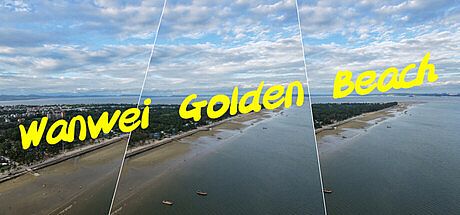


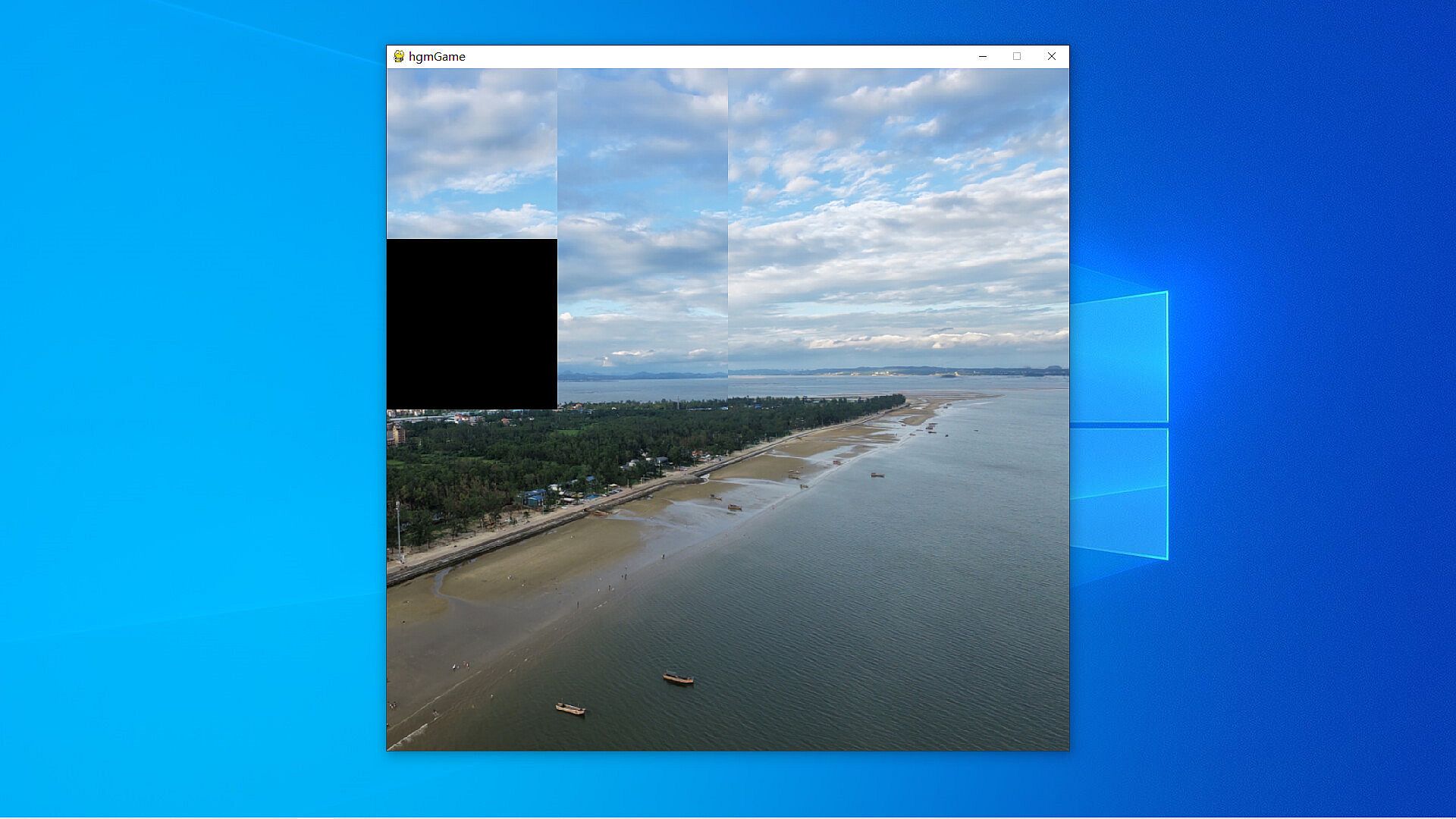
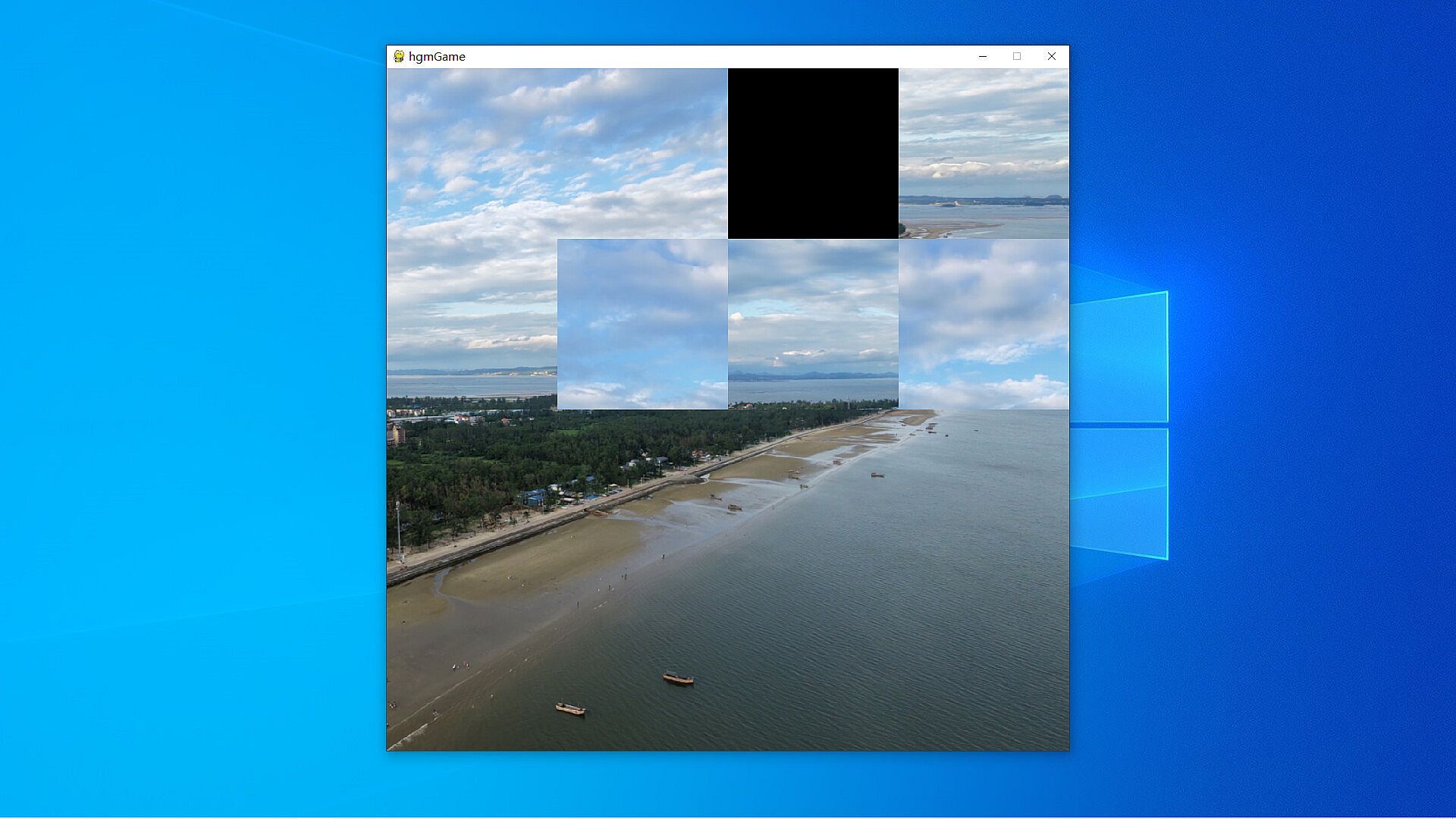
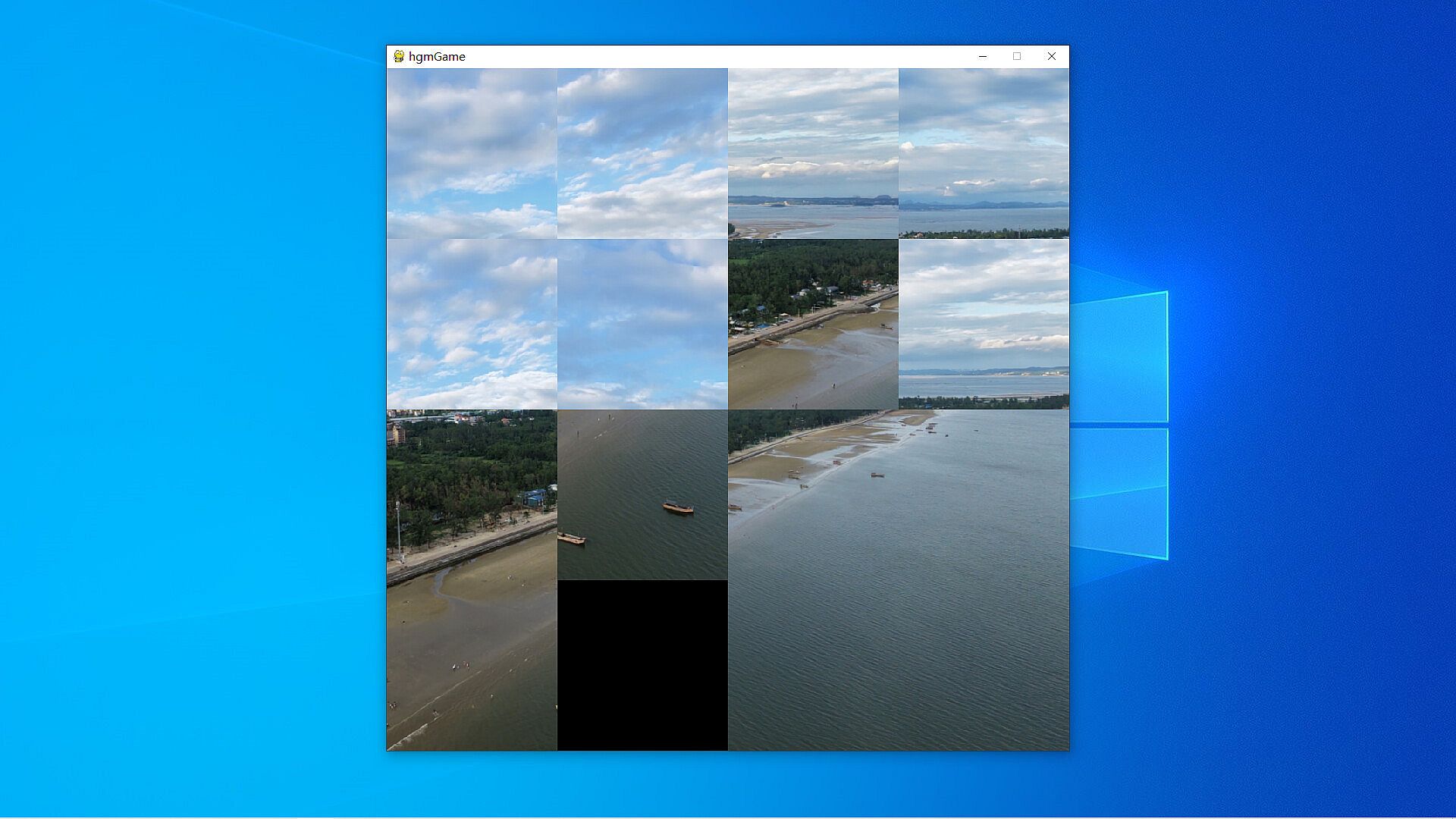
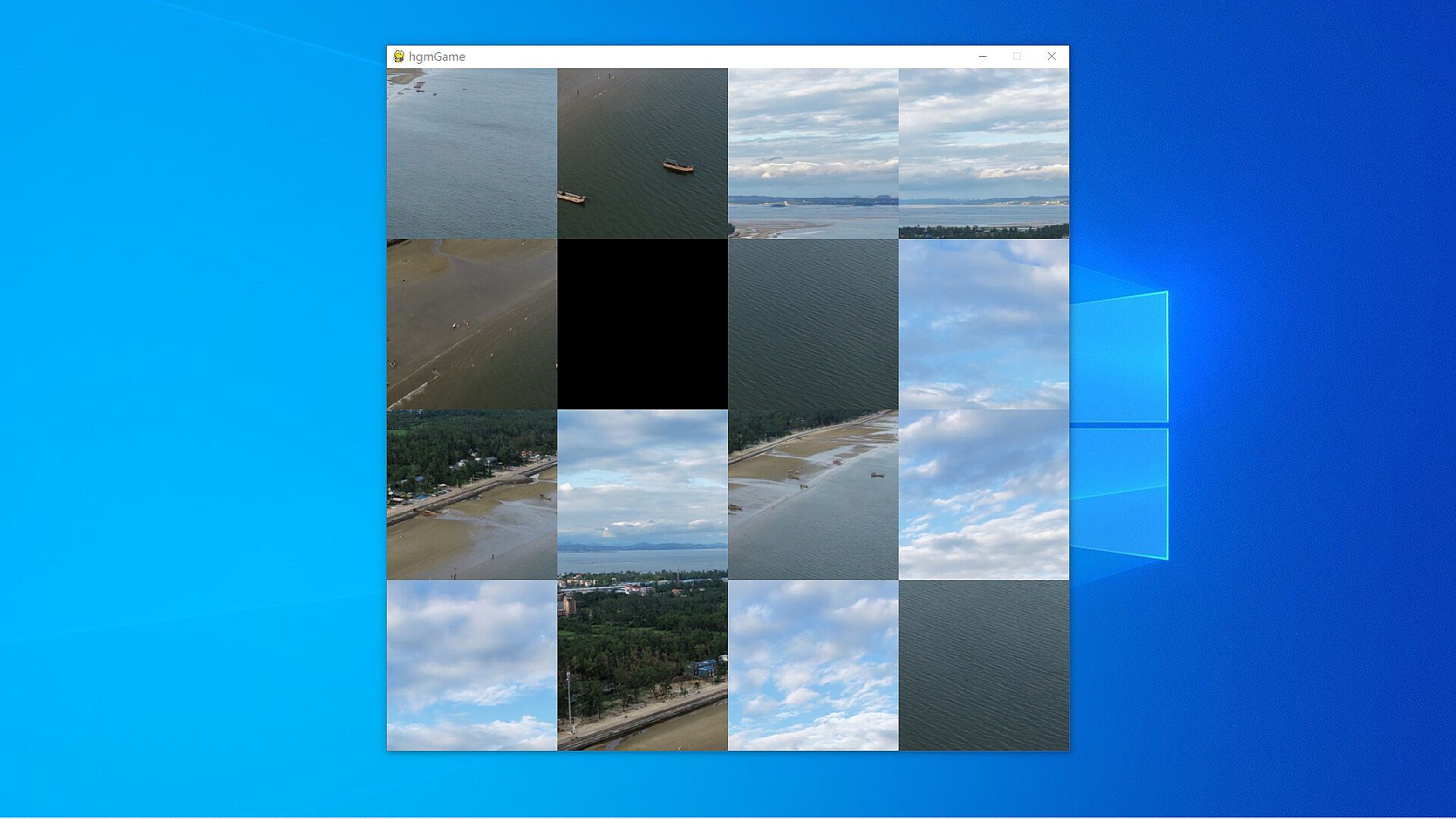
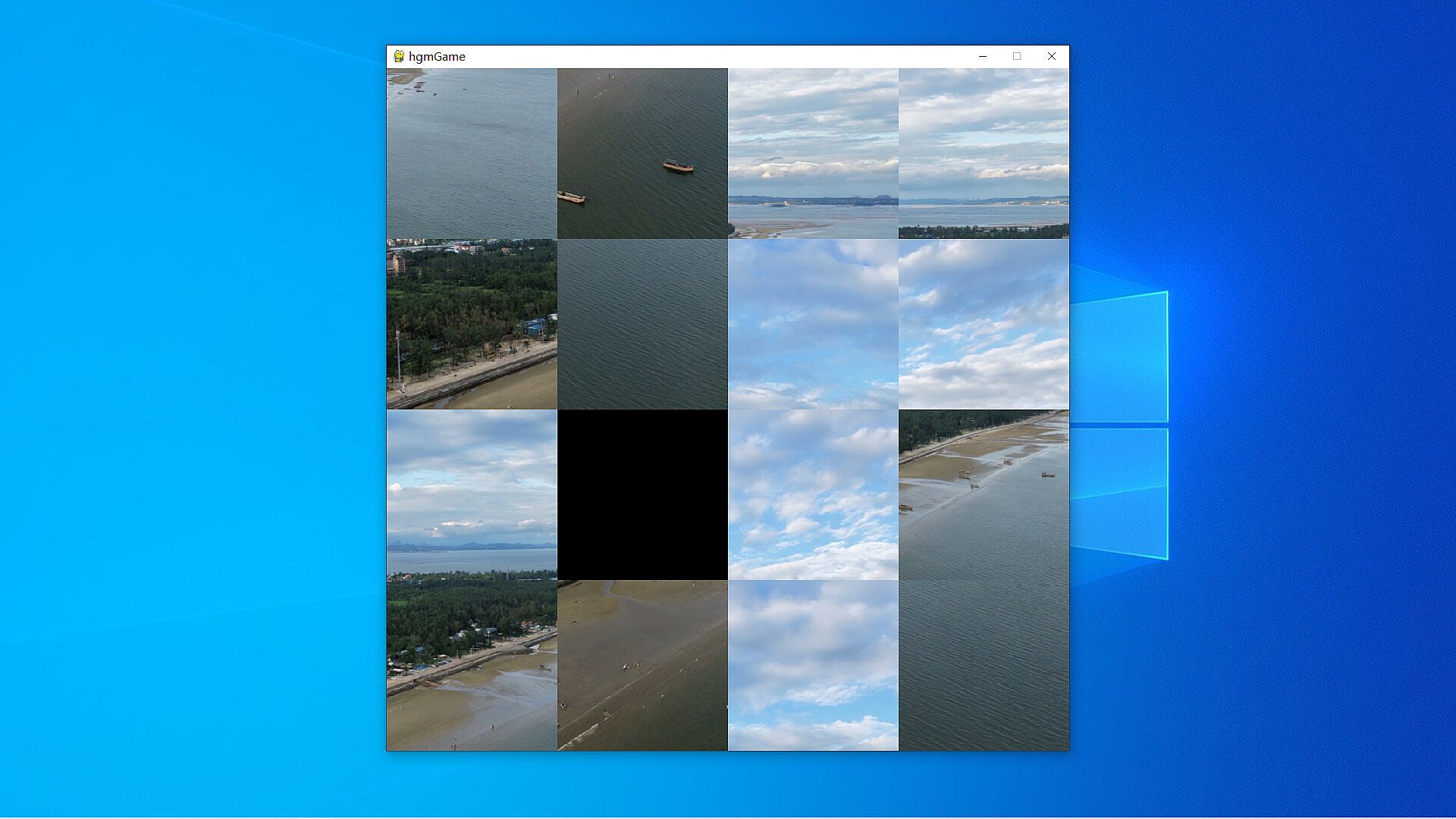
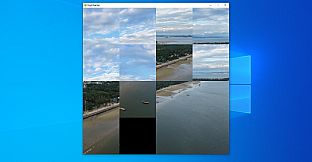
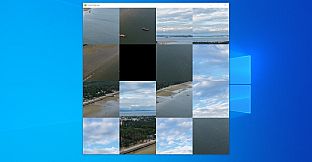
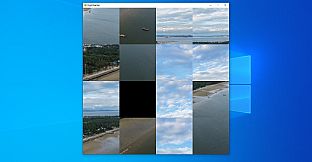
Wanwei Golden Beach is a casual puzzle game built around a classic sliding tile challenge on PC. Each session presents a single image broken into a 4 by 4 grid of smaller pieces. The pieces appear in random positions, and one spot remains empty as a black square. Players rearrange the tiles until the original picture forms again. The final assembled image occupies slightly less space than the starting layout to allow movement during play.
Gameplay
The core loop centers on logical rearrangement. A complete image loads at the start of every round and immediately shuffles into sixteen separate squares. The black square acts as the only movable space. Clicking an adjacent tile swaps it with the black square, shifting the arrangement one step at a time. Progress builds gradually as misplaced pieces find their correct spots. Early stages often look scattered, with colors and shapes scattered across the grid. Continued swaps bring sections into alignment until the full picture emerges. The process repeats with a fresh shuffle on each new attempt, keeping the same image or allowing the game to select another.
Controls remain straightforward. The left mouse button handles all interactions. No timers or scoring systems appear in the base experience, so the focus stays on completing the assembly at a comfortable pace. The design encourages repeated attempts, letting players refine their approach to solving the same shuffled layout or tackle new random configurations.
Game Modes
The game offers a single primary activity centered on image assembly. Every round follows the same rules: a random shuffle of the sixteen pieces, free swapping via the black square, and the goal of restoring the original picture. No separate modes alter the grid size, add time limits, or introduce competitive elements. The experience remains consistent across sessions, with variety coming only from the random placement of tiles at the start of each puzzle.
Players return to the same core challenge repeatedly. The random positioning ensures that no two attempts begin identically, even when using the same base image. This structure supports extended play sessions focused purely on spatial reasoning and pattern recognition.
Interface and Controls
The screen displays one image divided into sixteen equal squares. One square stays empty throughout the round, marked as a solid black area. All other squares contain portions of the target picture. The layout fills most of the visible window, with the pieces arranged in a neat four-by-four formation. Clicking any tile that borders the black square instantly exchanges their positions. No additional menus or overlays interrupt the main view during active solving. The process unfolds in clear visual stages, moving from a fully disordered grid toward a coherent final image.
Is It Worth Playing?
This title suits anyone who enjoys straightforward puzzle solving or wants a low-pressure way to pass time while sharpening spatial skills. The mechanics stay simple and consistent, with no hidden systems or extra layers to learn. Sessions can last as long or as short as desired, since rounds end only when the player completes the image or chooses to start over. The random shuffles provide ongoing replay value without requiring new content or updates. Those who appreciate classic tile-sliding puzzles will find a direct, repeatable experience here. Players seeking more complex systems or multiplayer options will likely look elsewhere, but the focused design delivers exactly what the description promises for casual brain exercise.