







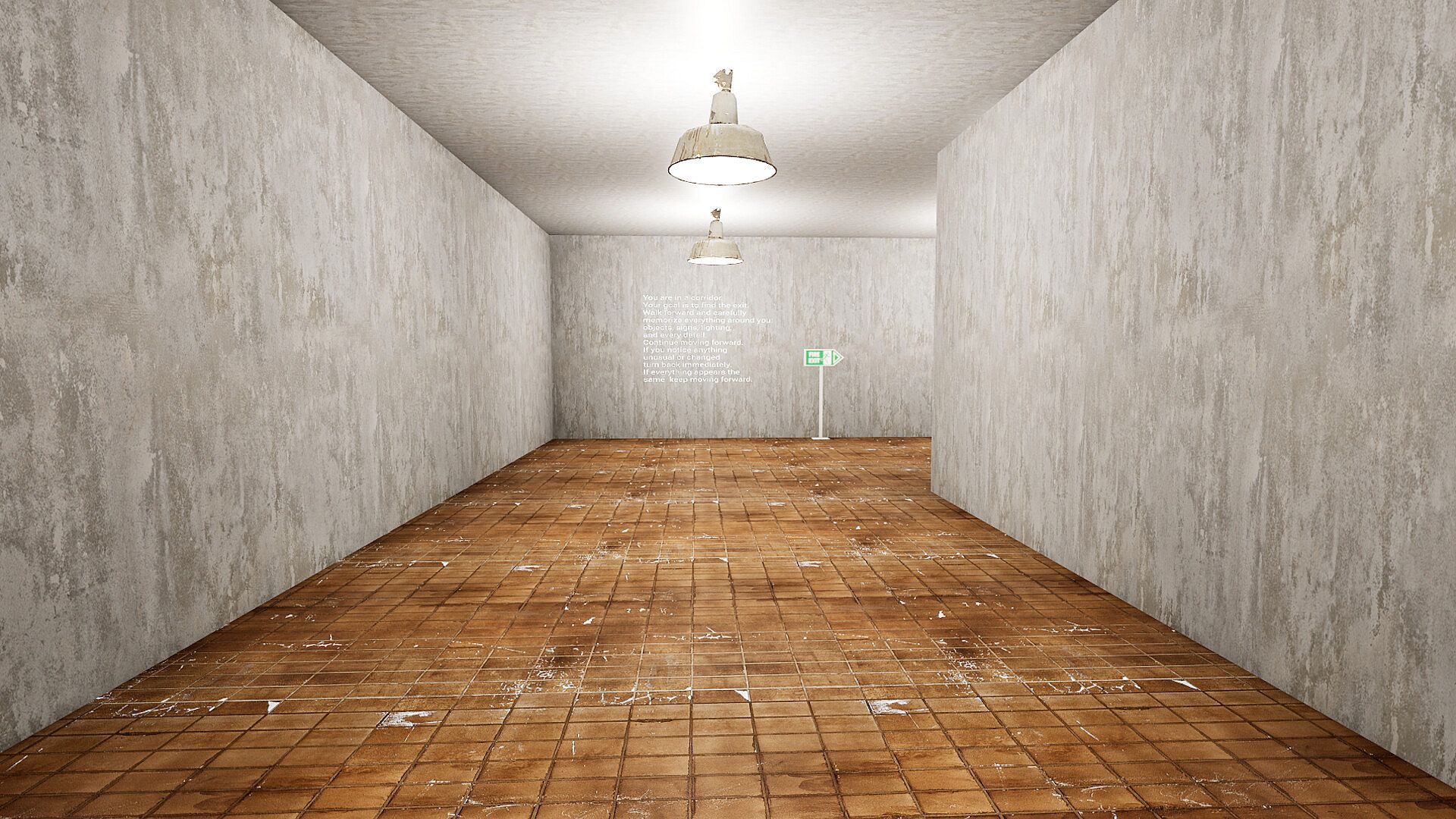
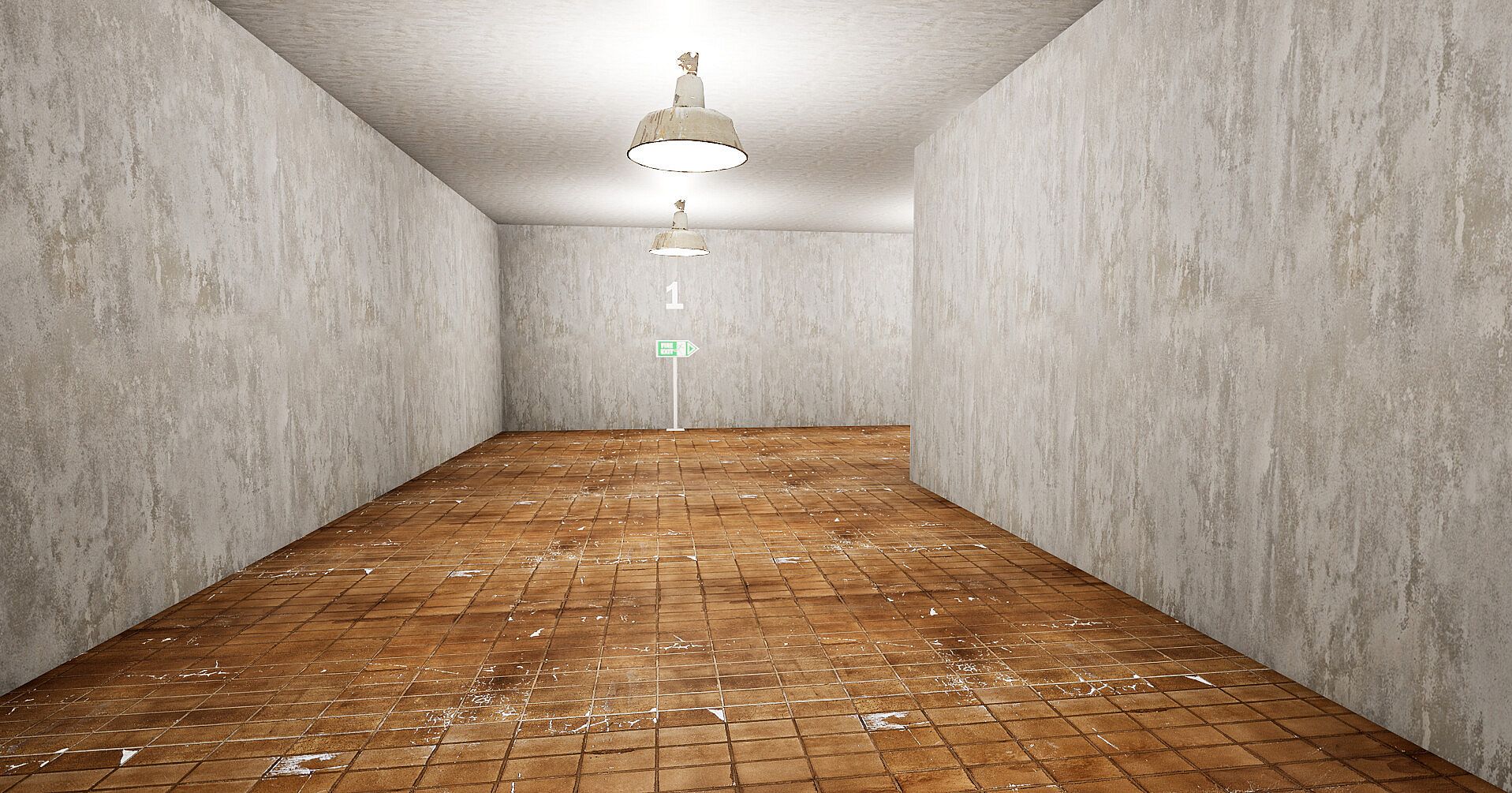
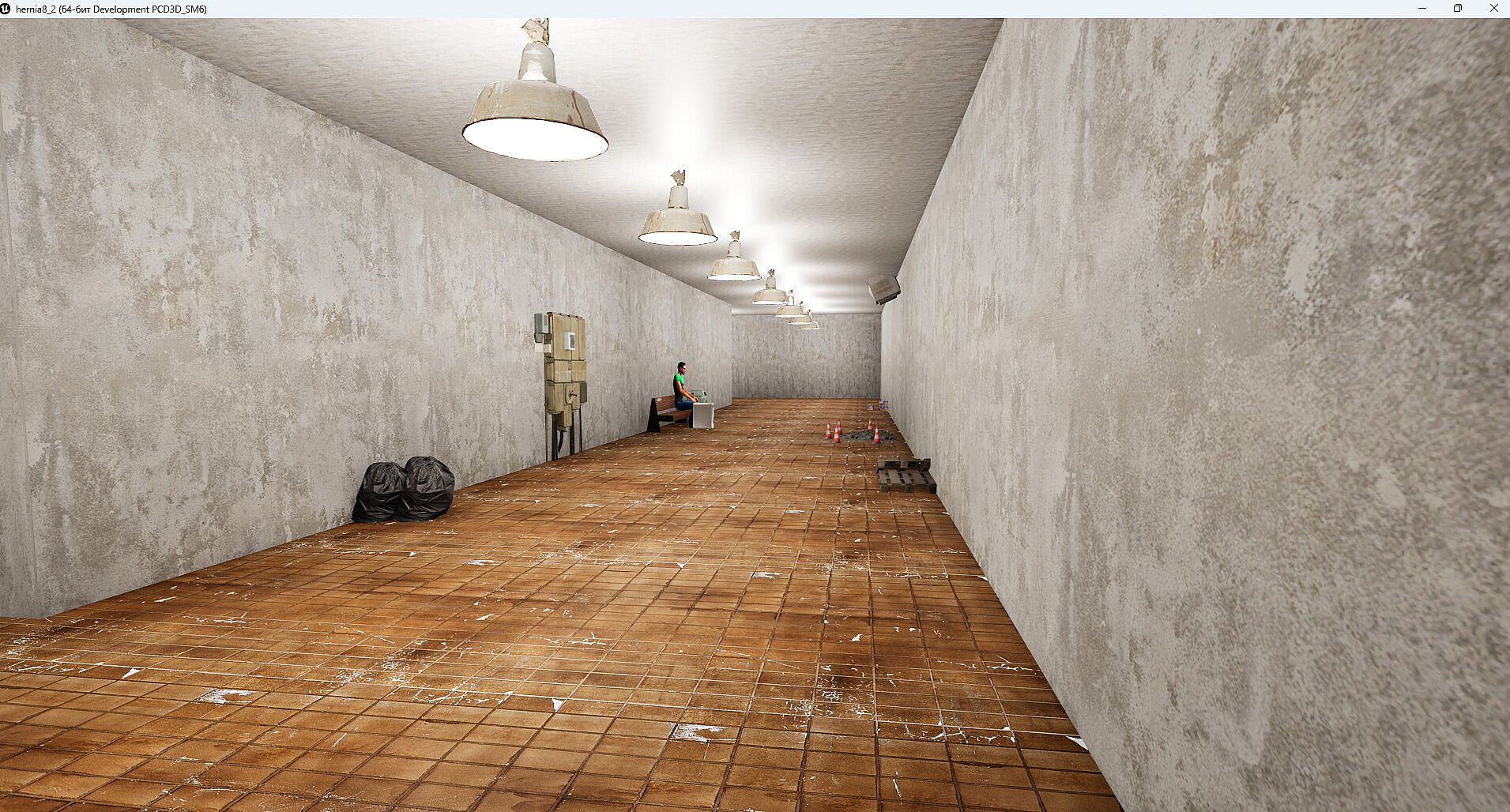







Wandering The Corridors is a single-player indie adventure game set on PC. Players move through what appears to be an ordinary corridor during a routine walk, yet the environment reveals itself as anything but static. The experience centers on careful observation of surroundings where small shifts can appear without warning.
Gameplay
The core loop involves steady forward movement along repeating stretches of hallway. Attention turns to every visible element, including objects placed along the walls, changes in lighting levels, the position or state of doors, paintings hung at intervals, and any other detail that might differ from one pass to the next. When something registers as out of place, the player pauses to register the difference. When the scene matches prior observations, movement continues without interruption. This process repeats across extended stretches, building familiarity with the baseline layout while training the eye to catch deviations the moment they occur. The task remains straightforward at every step: retain a mental record of what has been seen and act only on confirmed inconsistencies.
Game Modes
The game operates as a continuous single-player session without separate named modes or branching campaigns. Progression follows the same observation rules from start to finish, with the challenge arising from the increasing subtlety of alterations and the need to maintain consistent attention over longer periods. No multiplayer options, competitive elements, or alternate rule sets appear in the experience. The structure keeps the focus on solitary exploration and personal pattern recognition within the corridor environment.
Key Mechanics
Mechanics revolve around environmental awareness rather than combat, inventory management, or platforming. Players rely on visual comparison between successive sections of the corridor. Lighting shifts, misplaced items, altered artwork, or unexpected door states serve as the primary signals. The absence of overt threats places the emphasis on patience and memory. Sound cues remain minimal, directing focus toward sight alone. The design rewards repeated passes through the same space, as each loop provides fresh opportunities to refine detection skills without introducing new systems or external objectives.
Who It Appeals To
This title suits players who enjoy deliberate, low-pressure experiences built around observation and deduction. Those drawn to psychological or atmospheric adventures will find the steady rhythm of walking and checking details engaging. The game avoids action sequences or resource collection, making it accessible for shorter sessions or extended focused play. Individuals interested in liminal spaces or subtle environmental storytelling will recognize the appeal of tracking minor inconsistencies across repeated traversals.
Is It Worth Playing?
The game delivers a focused observation challenge that matches its premise exactly. Players who value careful attention to detail and the satisfaction of spotting changes will find the loop rewarding. Its single-player structure keeps the experience self-contained and free of external distractions. Current information shows no additional updates or seasonal content, so the core session stands on its own merits. Those seeking a straightforward test of perception in a confined setting will likely appreciate the direct approach. For anyone preferring fast-paced action or complex progression systems, the title may feel too restrained. Overall, it offers a clear match for fans of anomaly detection gameplay in an indie adventure format.