






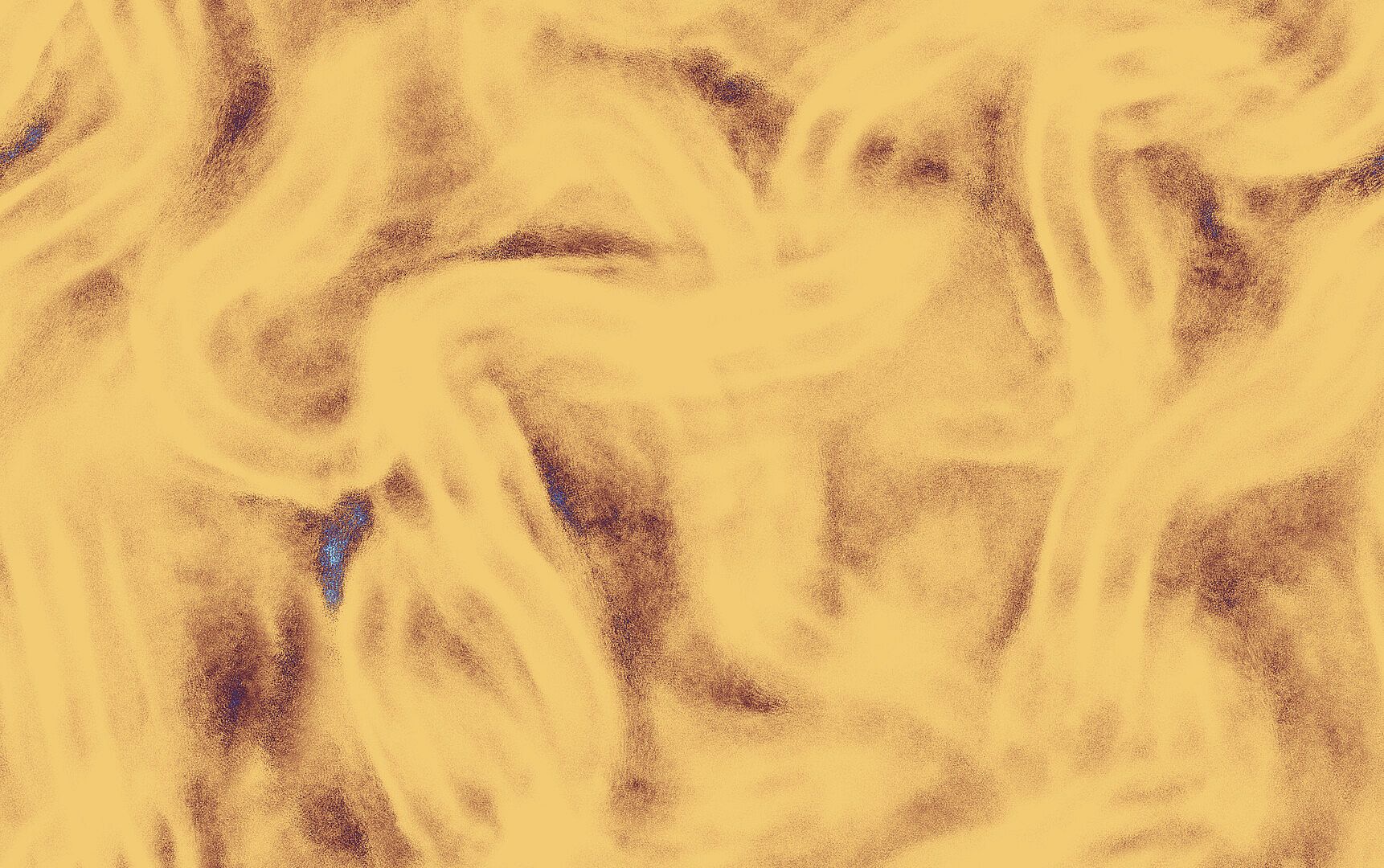


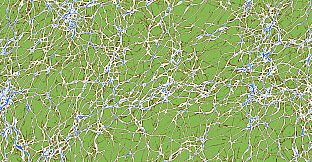
Vizza é um jogo casual de simulação gratuito para PC que prioriza sistemas visuais interativos em vez de objetivos ou competição. O jogador entra em um espaço voltado à curiosidade, onde simulações aceleradas pela GPU respondem em tempo real às alterações de parâmetros e configurações. O foco está na observação de movimentos, interações de cores e padrões inesperados que surgem a partir de regras simples aplicadas em diferentes sistemas.
Gameplay
A mecânica central consiste em escolher uma simulação e ajustar variáveis para acompanhar sua evolução. Modificar as regras de movimento, atração ou difusão gera mudanças visíveis no comportamento, passando de estruturas organizadas a fluxos caóticos. Esse ciclo incentiva a experimentação constante, já que pequenas alterações costumam produzir resultados bem diferentes do esperado. Sem pontuação ou condições de falha, a atenção permanece nos resultados estéticos e na descoberta pessoal.
Os controles são simples e permitem influenciar diretamente a quantidade de partículas, suas velocidades e a força das interações. O retorno visual é instantâneo graças à aceleração por GPU, que mantém o desempenho fluido mesmo com milhares de elementos em cálculo simultâneo. O jogador refina as configurações até que os padrões correspondam ao clima ou efeito visual desejado, podendo salvar e retomar o trabalho depois.
Modos de Jogo
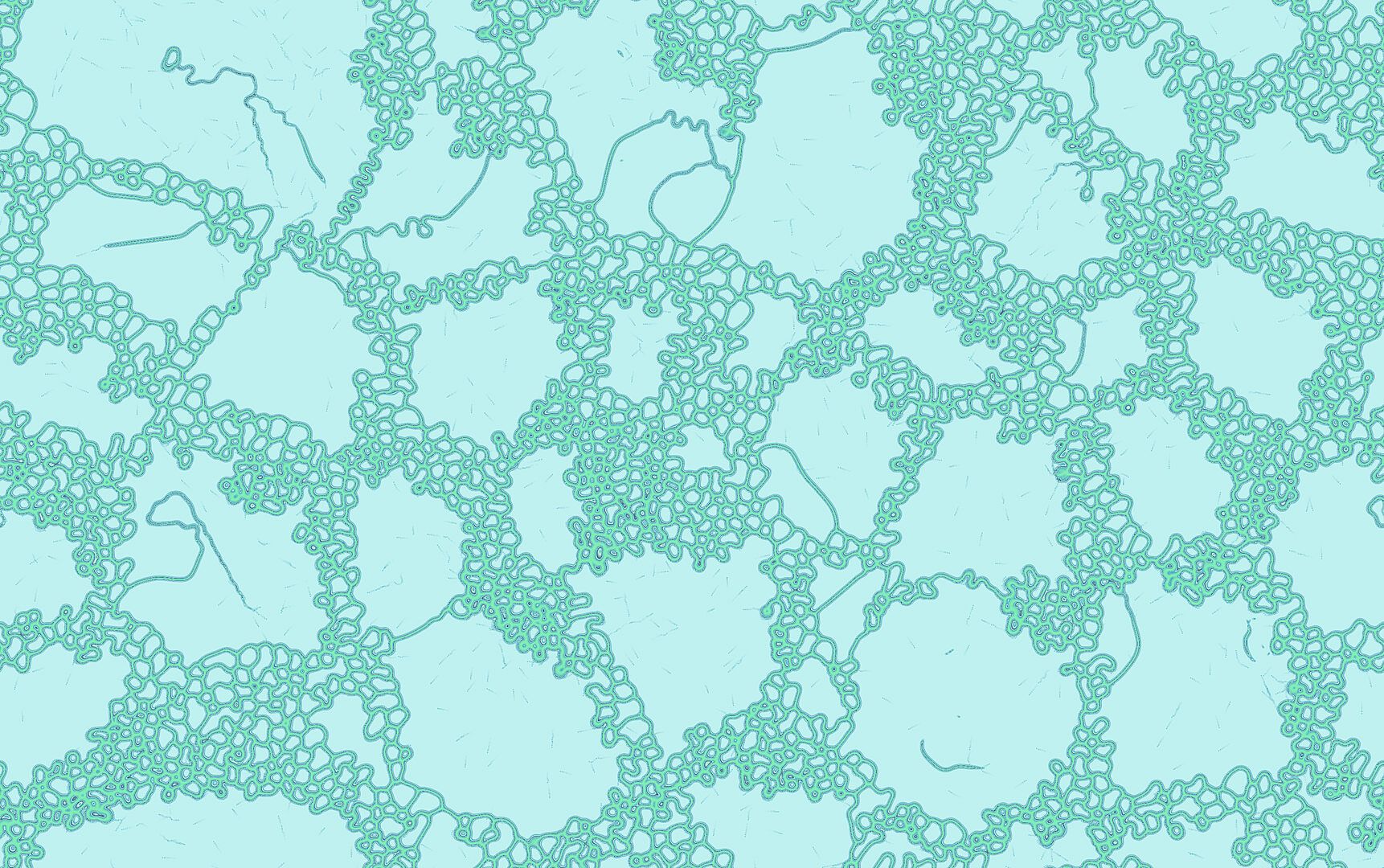
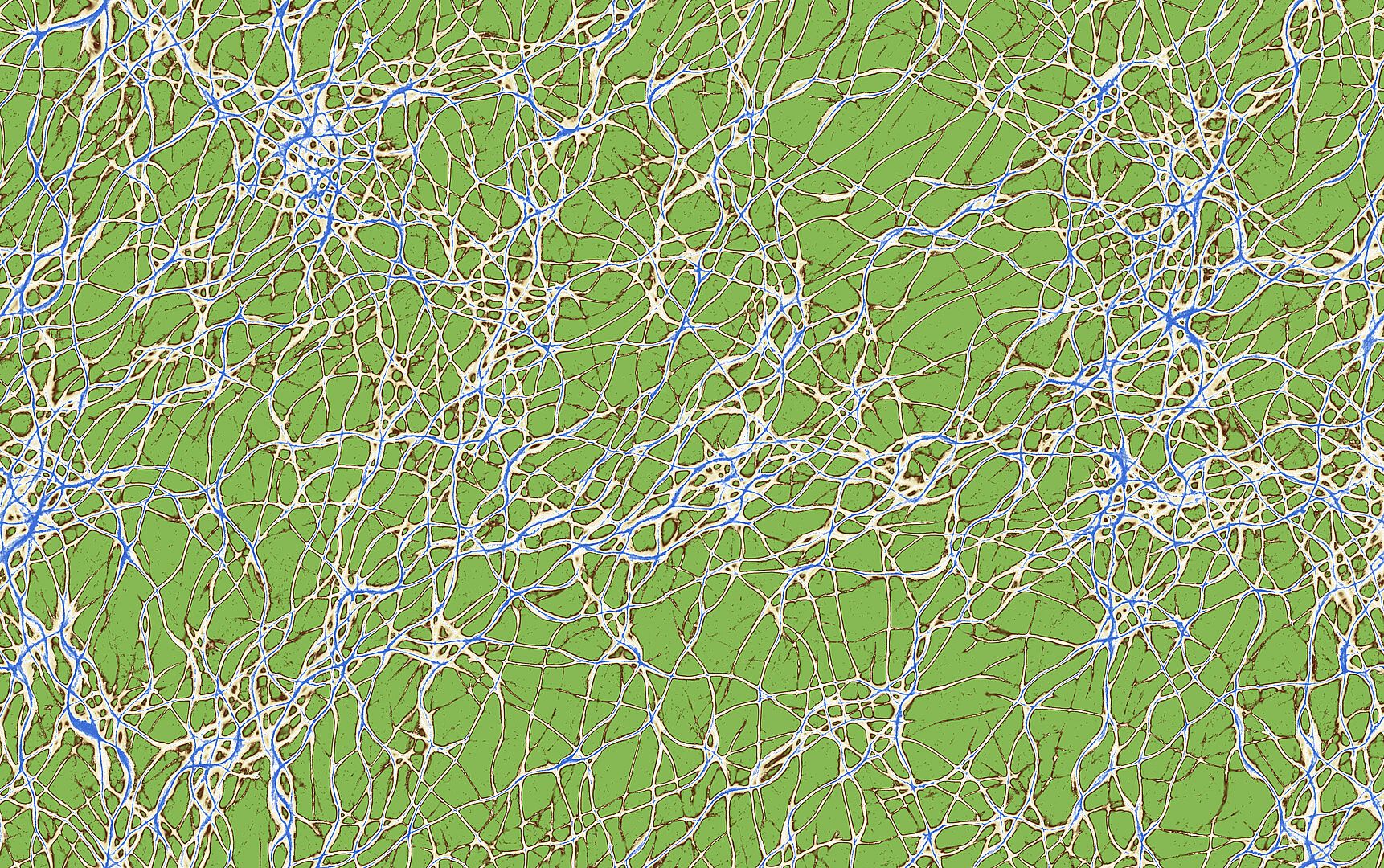
Diferentes modos oferecem variedade nos comportamentos disponíveis. No Slime Mold, o usuário guia criaturas baseadas em agentes que deixam e seguem trilhas, formando redes ramificadas que lembram crescimento orgânico. O modo Gray Scott explora processos de reação-difusão que geram texturas semelhantes a células, ondas ou formações coralinas por meio de interações químicas.
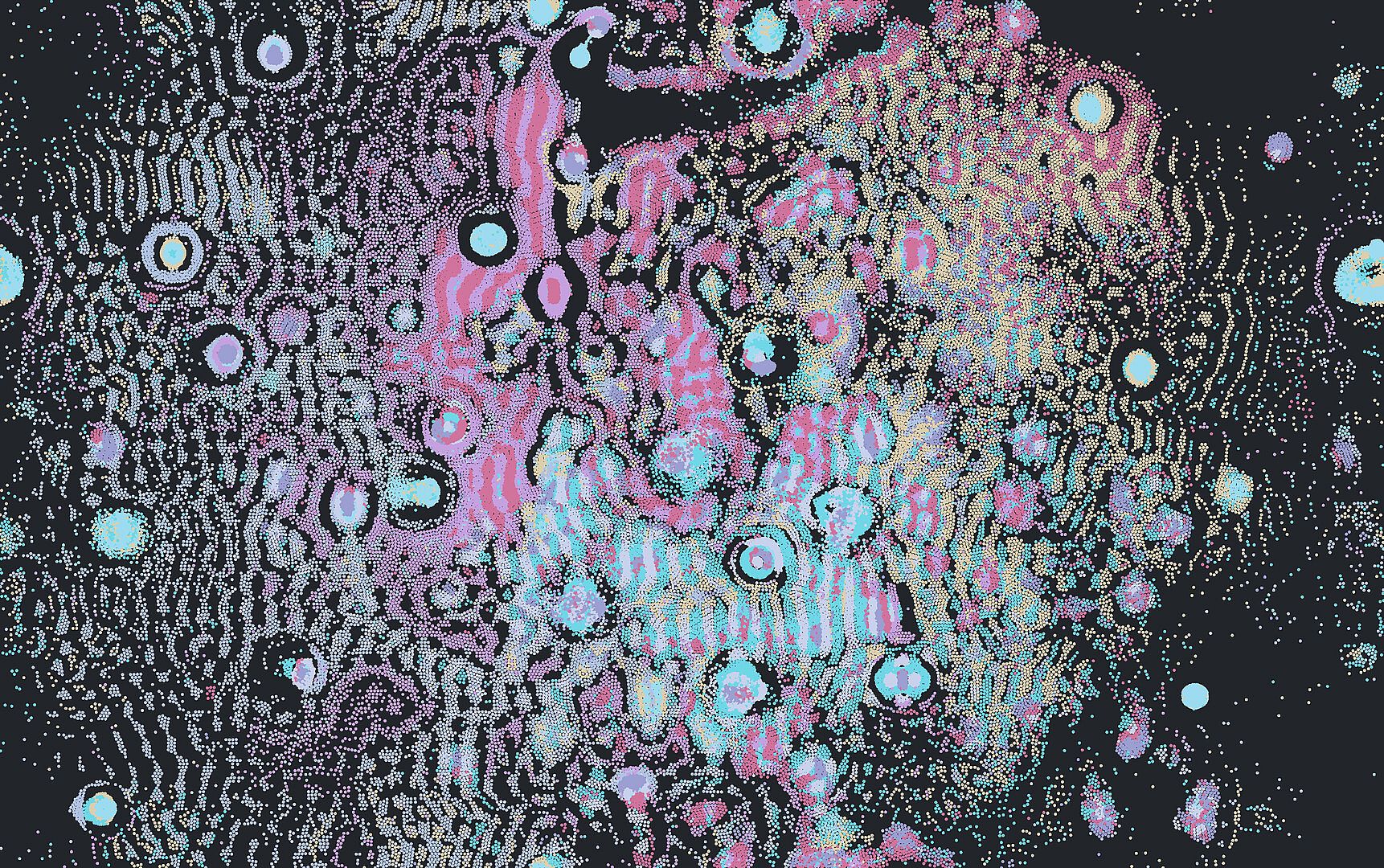
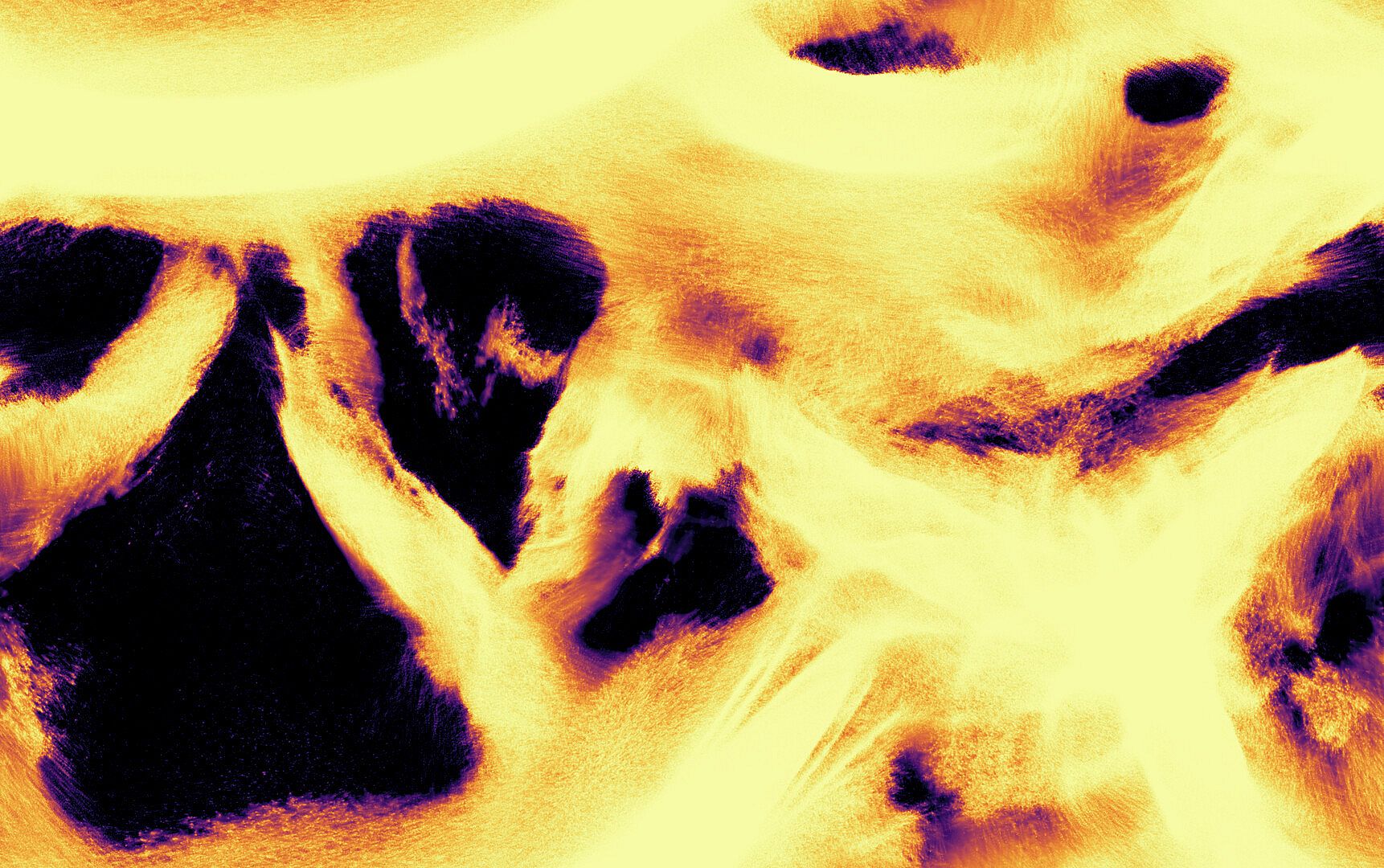
Particle Life permite múltiplas espécies de partículas regidas por regras personalizadas de atração e repulsão, resultando em agrupamentos, enxames ou movimentos dispersos. No modo Flow, as partículas são direcionadas por campos vetoriais ajustáveis que criam correntes e padrões com efeitos de rastro. Pellets introduz gravidade e densidade para colisões e comportamentos de acomodação com aparência física.
O modo Voronoi exibe células geométricas em constante mudança que competem e se reorganizam em novas divisões. Moiré sobrepõe padrões de interferência com controles de distorção, produzindo visuais abstratos hipnóticos. Cada modo mantém seu próprio conjunto de parâmetros, mas compartilha o mesmo princípio de resultados emergentes.
Ferramentas de Customização
Um editor de gradientes integrado permite criar paletas de cores personalizadas aplicáveis a todas as simulações. É possível ajustar matizes, transições e intensidades para modificar a atmosfera, indo de tons suaves a esquemas de alto contraste ou vibrantes. As predefinições guardam configurações favoritas, facilitando a troca rápida entre setups meditativos e mais energéticos sem precisar recomeçar.
Sliders e opções adicionais controlam velocidade da simulação, densidade de elementos e raio de interação. Essas ferramentas funcionam de forma uniforme entre os modos, de modo que o que se aprende em um é aproveitado nos demais. A interface prioriza a clareza, organizando as opções em grupos lógicos que evitam sobrecarregar iniciantes e ao mesmo tempo oferecem profundidade para sessões mais longas.
Vale a Pena Jogar?
Vizza atrai quem se interessa por arte generativa, sistemas de partículas e sandboxes inspirados em ciência. Sua estrutura aberta é ideal para sessões relaxadas de exploração, onde o objetivo é a satisfação visual em vez de completar tarefas. O ritmo calmo e a ausência de elementos competitivos o tornam adequado tanto para uso em segundo plano quanto para experimentação concentrada.
Quem busca desafios estruturados ou progressão narrativa encontrará pouco aqui, mas experimentadores que valorizam comportamentos emergentes e visuais abstratos têm oportunidades constantes de criar resultados únicos. O modelo gratuito elimina barreiras de entrada, dando acesso imediato a todos os modos e ferramentas. O engajamento contínuo depende do interesse pessoal em design visual iterativo, algo que os sistemas apoiam por meio de feedback responsivo e recursos de salvamento.
