




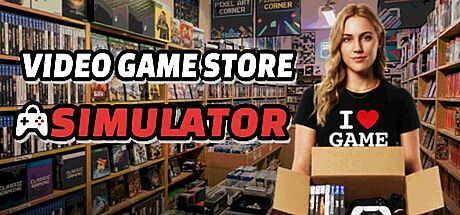



Video Game Store Simulator is a casual simulation game for PC where players build and operate a retail business centered on video games. From a first-person view, the experience centers on managing inventory, serving customers, and growing a shop from an empty space into a popular destination. The title emphasizes hands-on tasks such as ordering stock, arranging displays, and handling transactions, all while responding to customer preferences and financial realities.
Gameplay
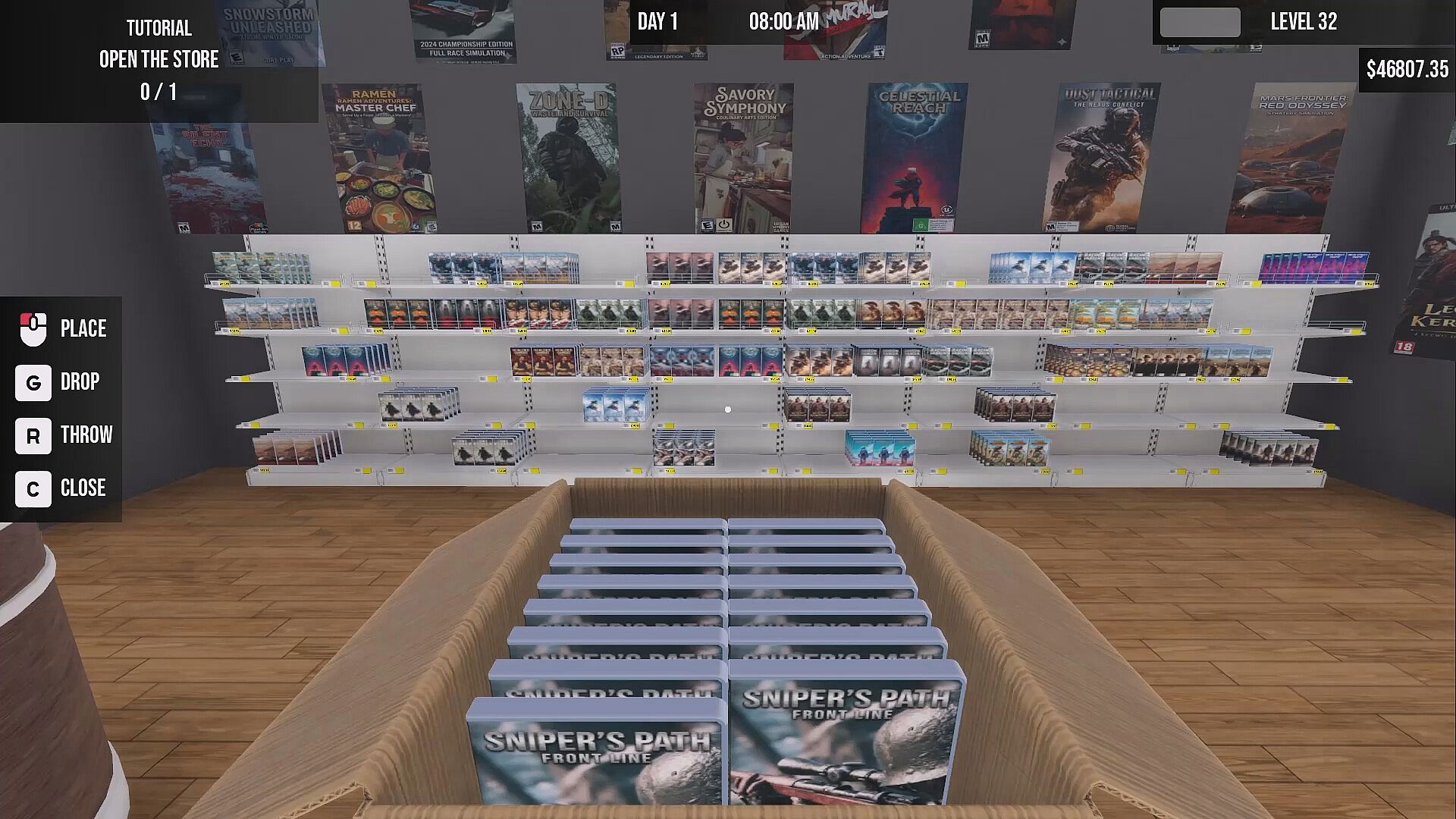
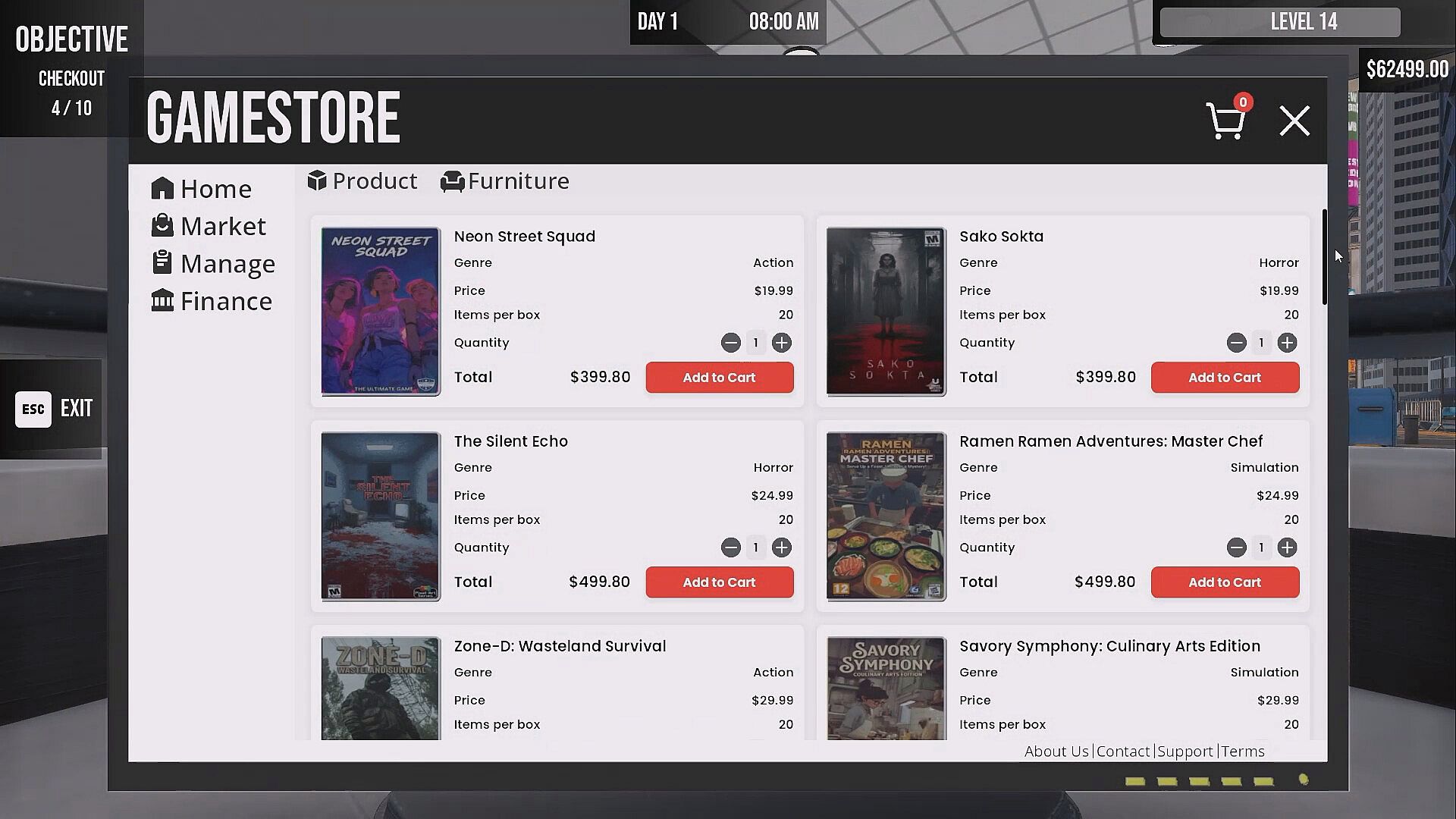
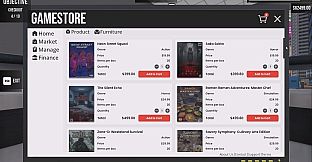
The core loop involves stocking shelves with games drawn from a product catalog that expands over time. Players order specific titles based on observed demand, unpack boxes manually upon delivery, and organize inventory to keep popular items accessible. Attention to what customers seek helps maintain steady sales and avoids overstocking less desirable products.
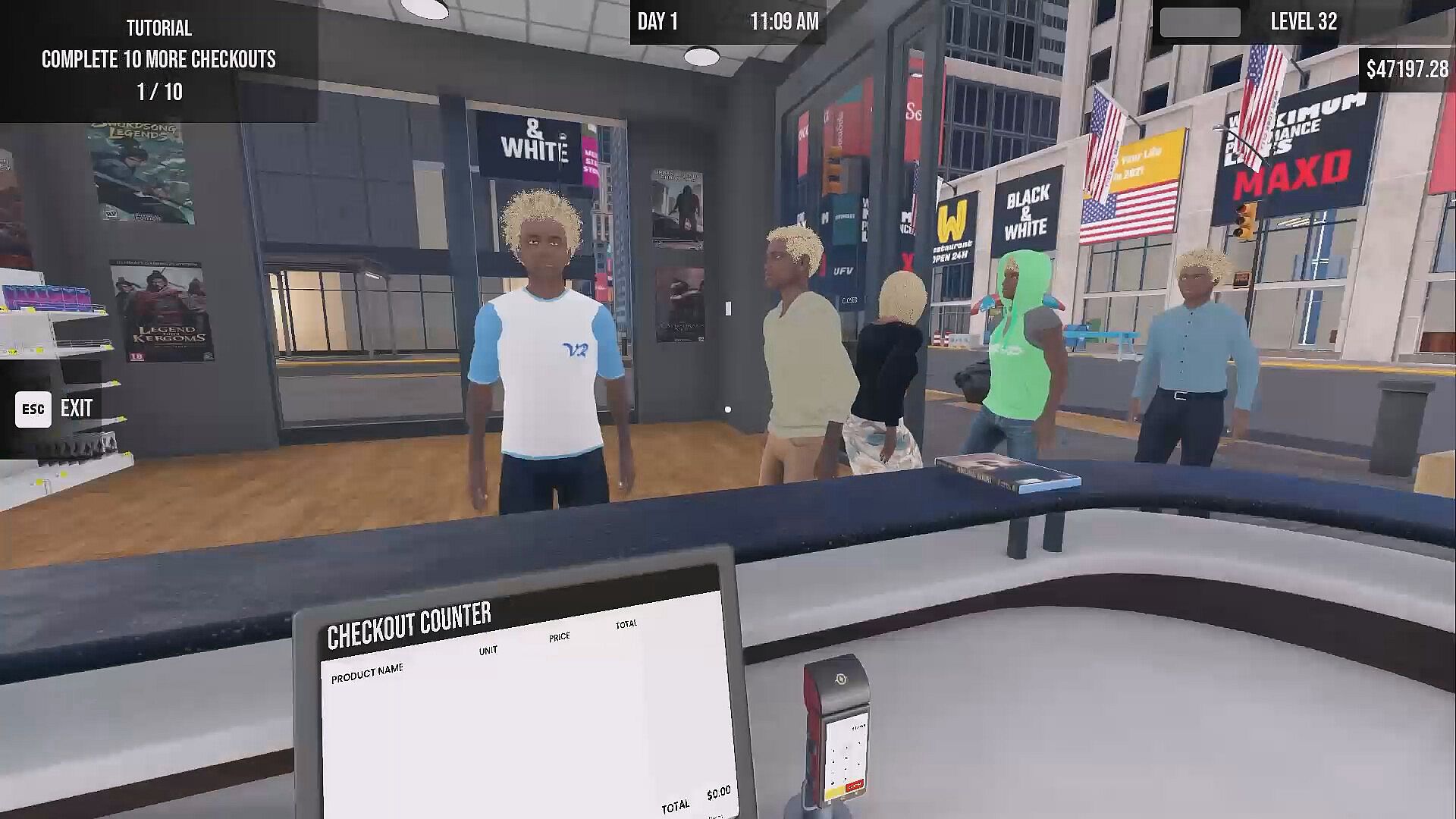
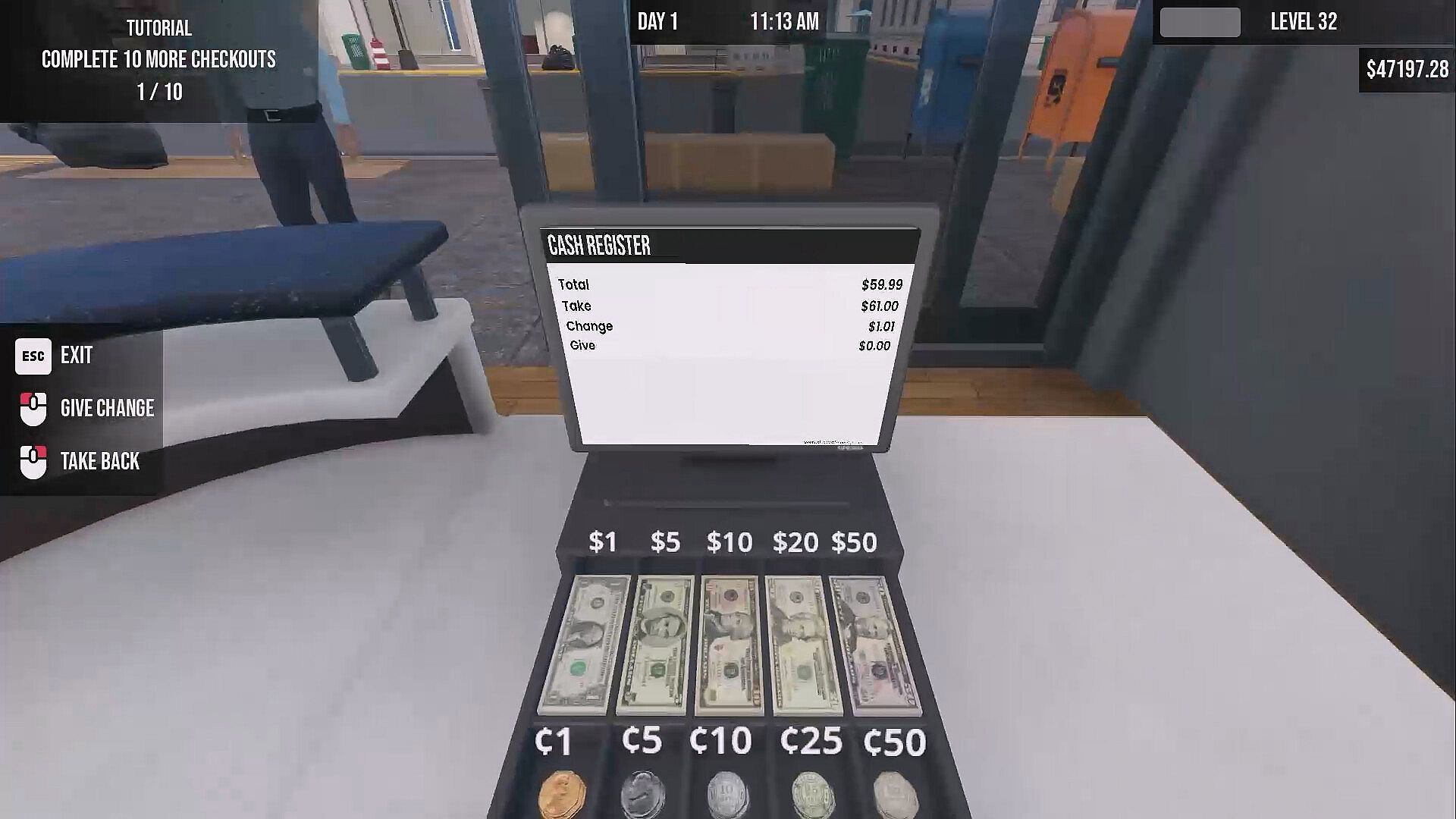
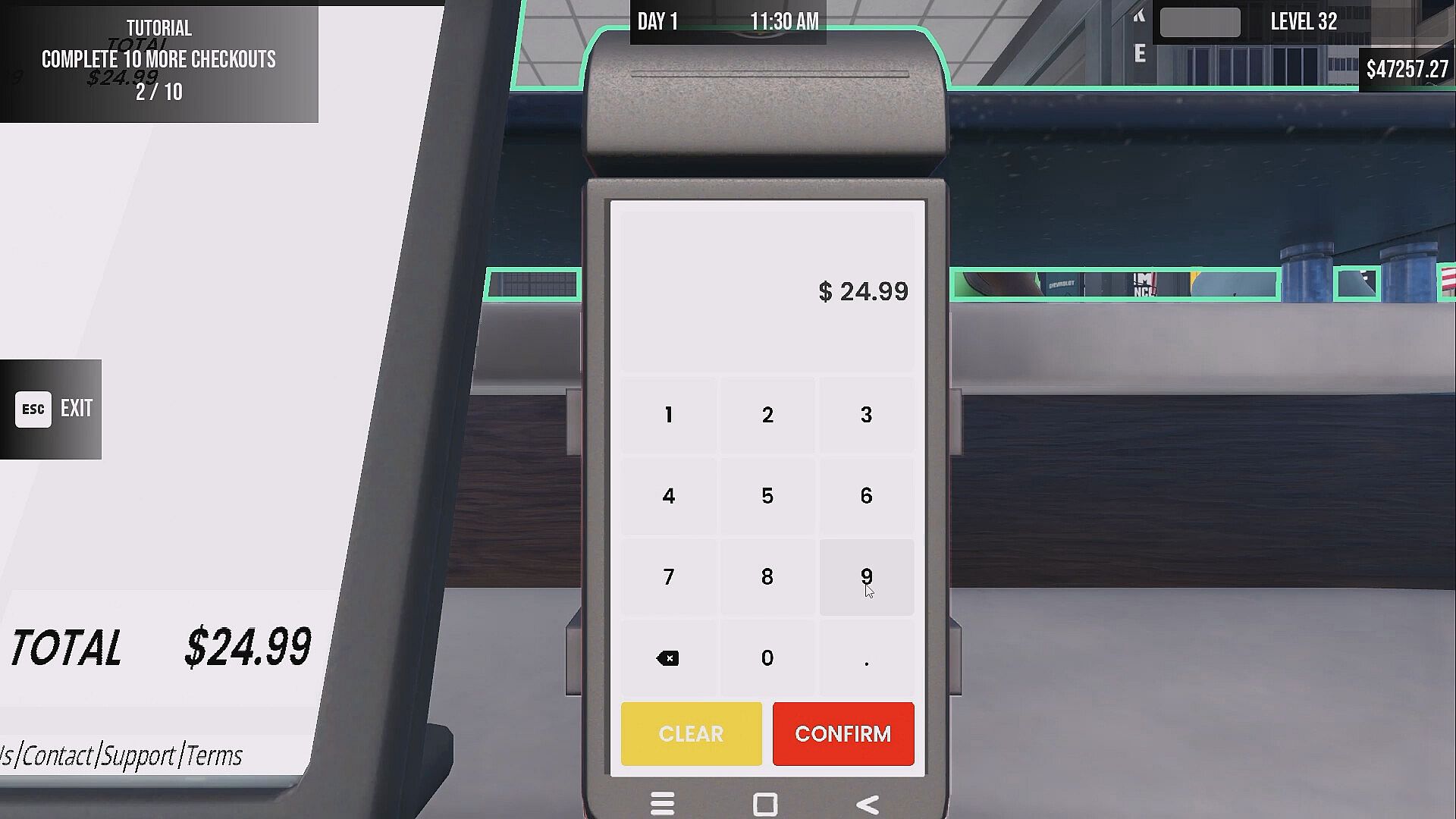
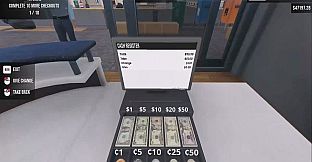
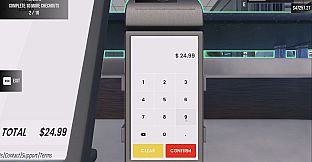
Checkout duties require scanning items, processing cash or card payments, and returning accurate change to keep lines moving efficiently. Smooth service contributes to customer satisfaction and repeat visits. Business decisions include setting prices to balance margins with demand, tracking daily income against costs, and reinvesting profits into new licenses, equipment, or larger store areas.
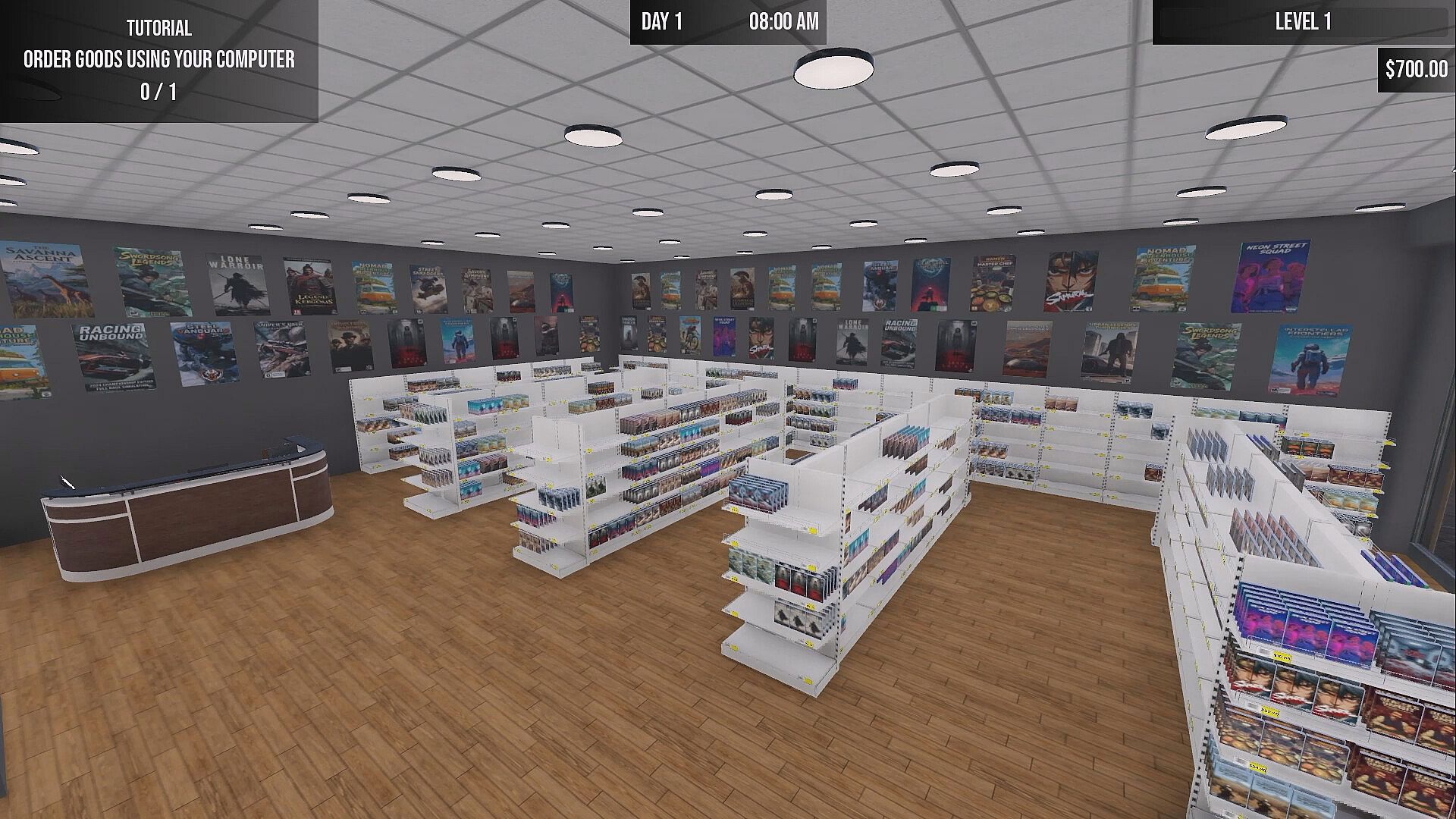
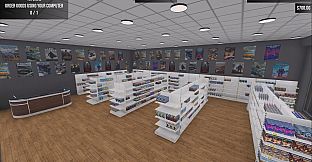
Store design forms another key element. Players buy and position shelves, counters, racks, and other fixtures to create functional layouts. Rearrangement supports better flow as the business scales, with options to customize appearance and unlock additional space through growth milestones.
Game Modes
The game operates as a single-player simulation without separate competitive or cooperative modes. All progression occurs within one continuous business management experience that advances through personal choices on inventory, pricing, and expansion. There are no predefined scenarios or alternate play styles listed in the current development details.
Future updates may introduce staff hiring and automated tasks, but these remain planned rather than active features. The focus stays on individual decision-making that shapes daily operations and long-term store success.
Business Management and Progression
Financial tracking covers revenue, expenses, and profit margins, with earnings directed toward unlocking new game licenses and store improvements. Demand monitoring guides selections so that shelves reflect what buyers actually want. Every adjustment to prices or layout influences customer behavior and overall performance.
Expansion happens gradually as profits allow purchases of additional furniture and space. This creates a steady sense of development from a basic setup to a more elaborate retail environment tailored to gamer interests.
Is It Worth Playing?
Video Game Store Simulator targets players who enjoy detailed management simulations with a retail focus. The first-person perspective and manual handling of stock and transactions provide a grounded approach to building a business. Those interested in casual, steady progression through inventory and layout choices may find the systems engaging once the title releases in Q1 2027.
With no user reviews available yet, reception remains unknown. The single-player format suits solo sessions centered on optimization and growth rather than action or multiplayer elements. Planned additions such as employee management could expand depth later, though the base experience centers on the listed core tasks. Fans of similar store-building simulations will likely appreciate the emphasis on demand-driven decisions and hands-on service.