




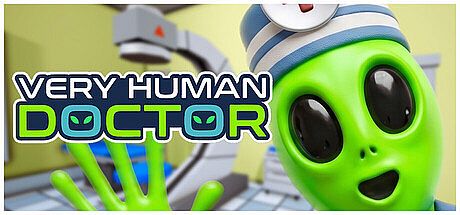


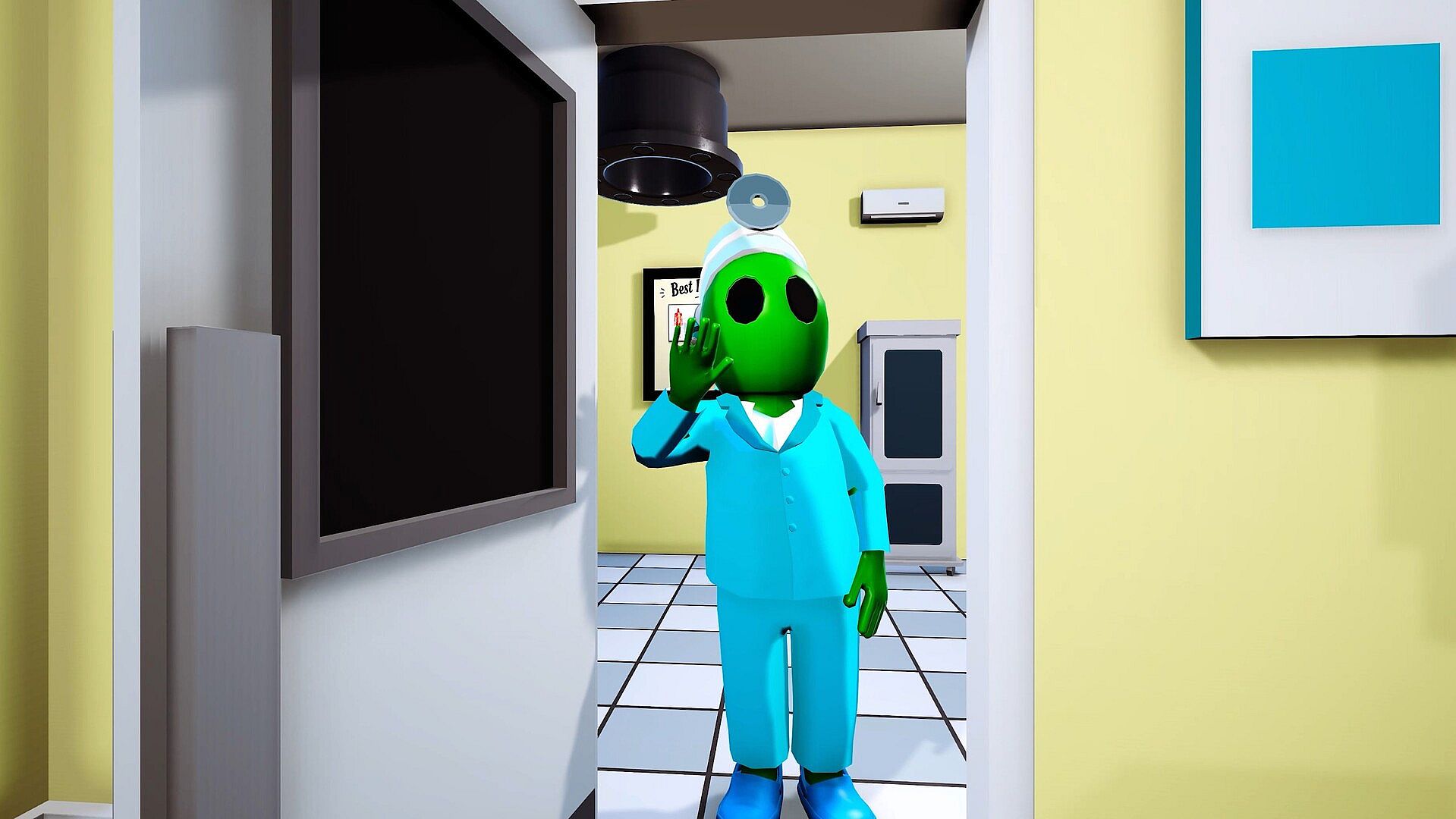
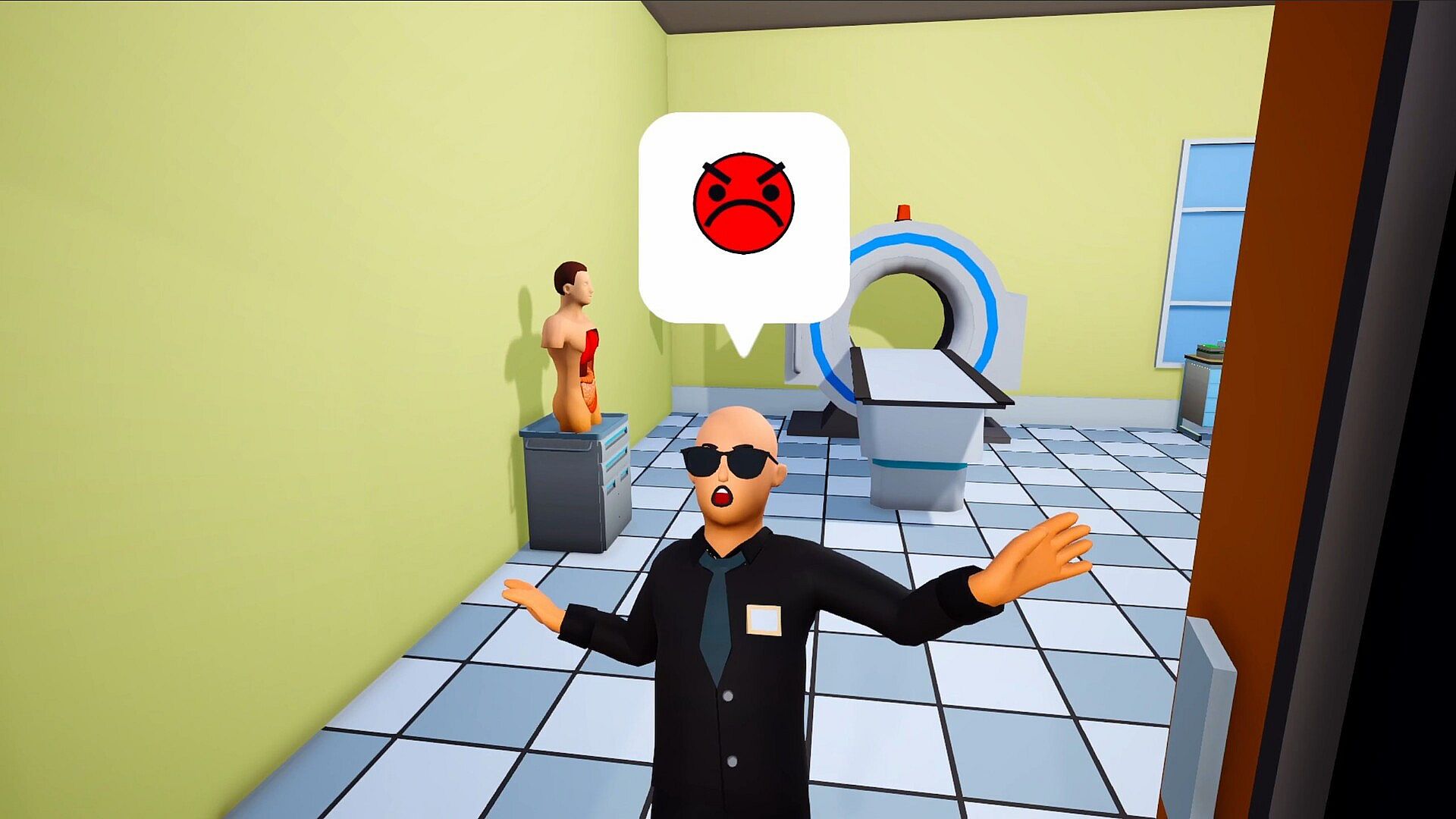
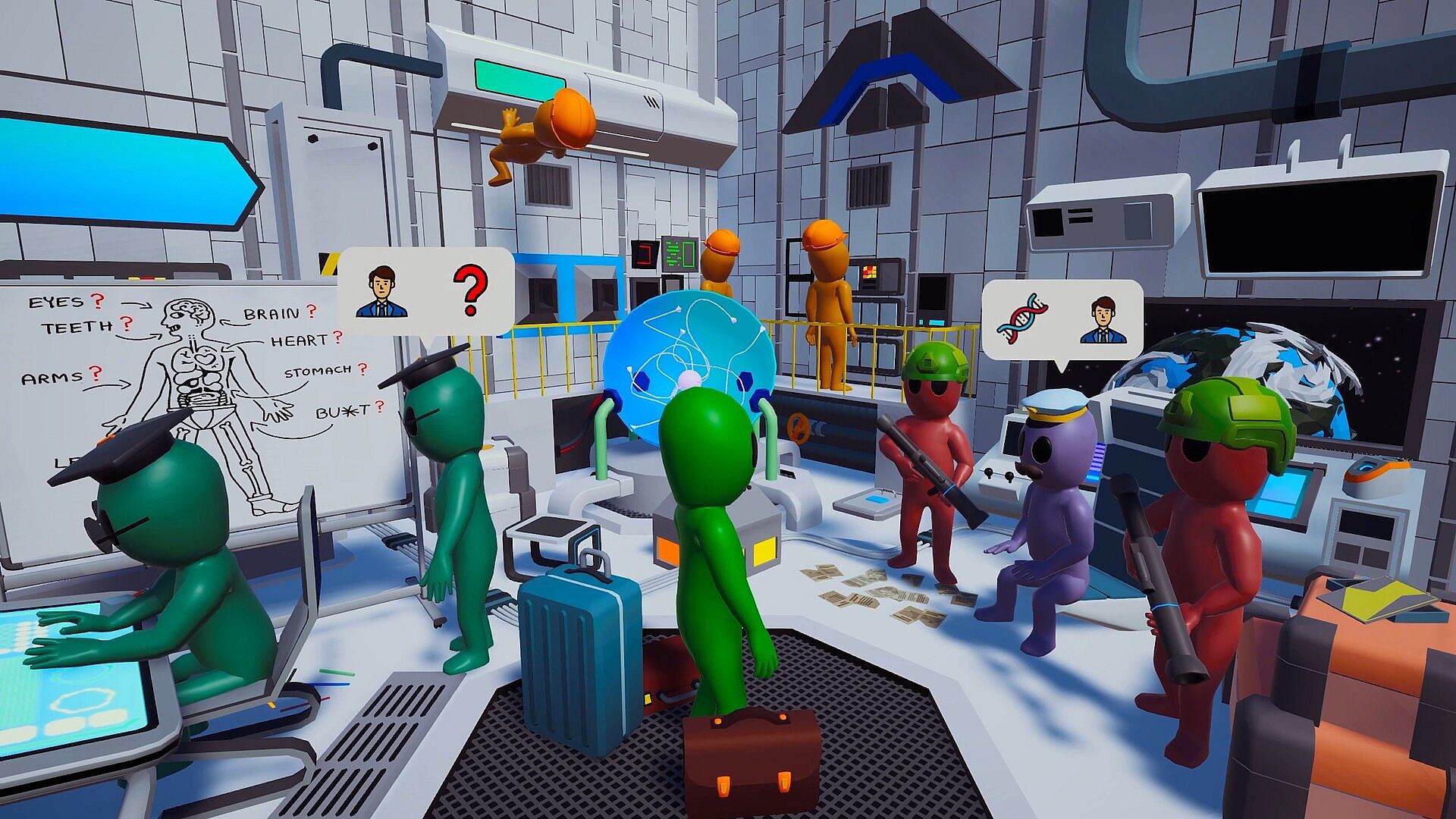
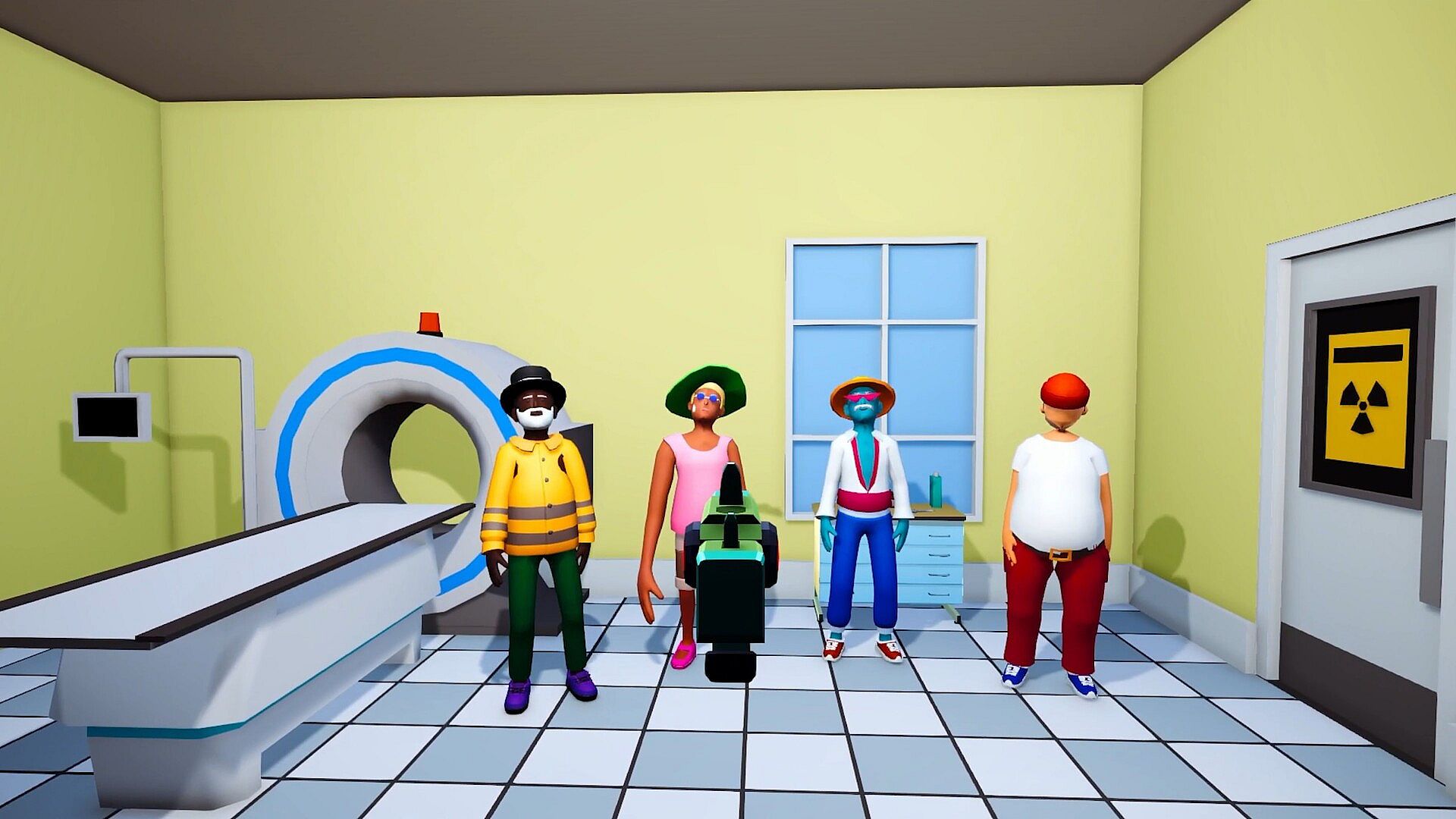
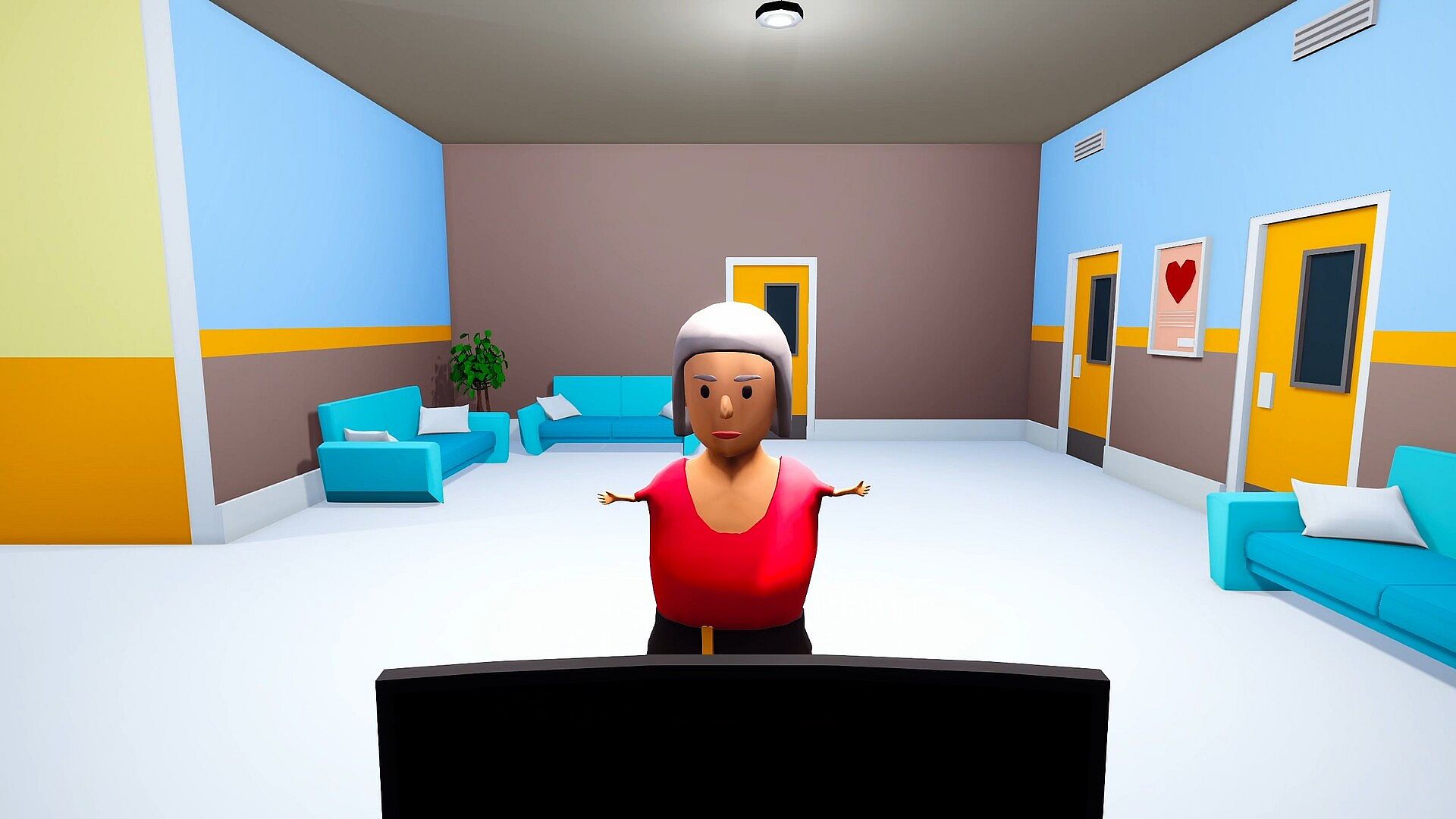

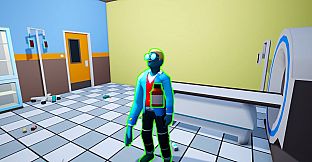


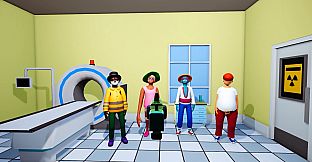
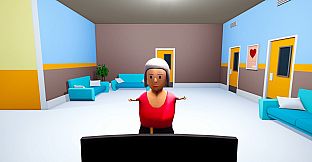
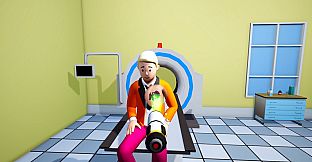
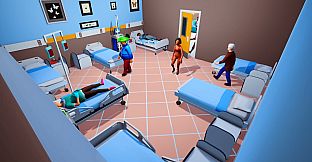
Very Human Doctor is an indie casual simulation game for PC in which players take on the role of an alien infiltrator posing as a hospital physician. The core premise centers on balancing official medical duties with covert research objectives sent from another planet. Official tasks involve diagnosing patients and running a ward, while unofficial goals include gathering human DNA and testing experimental technology without detection.
Gameplay
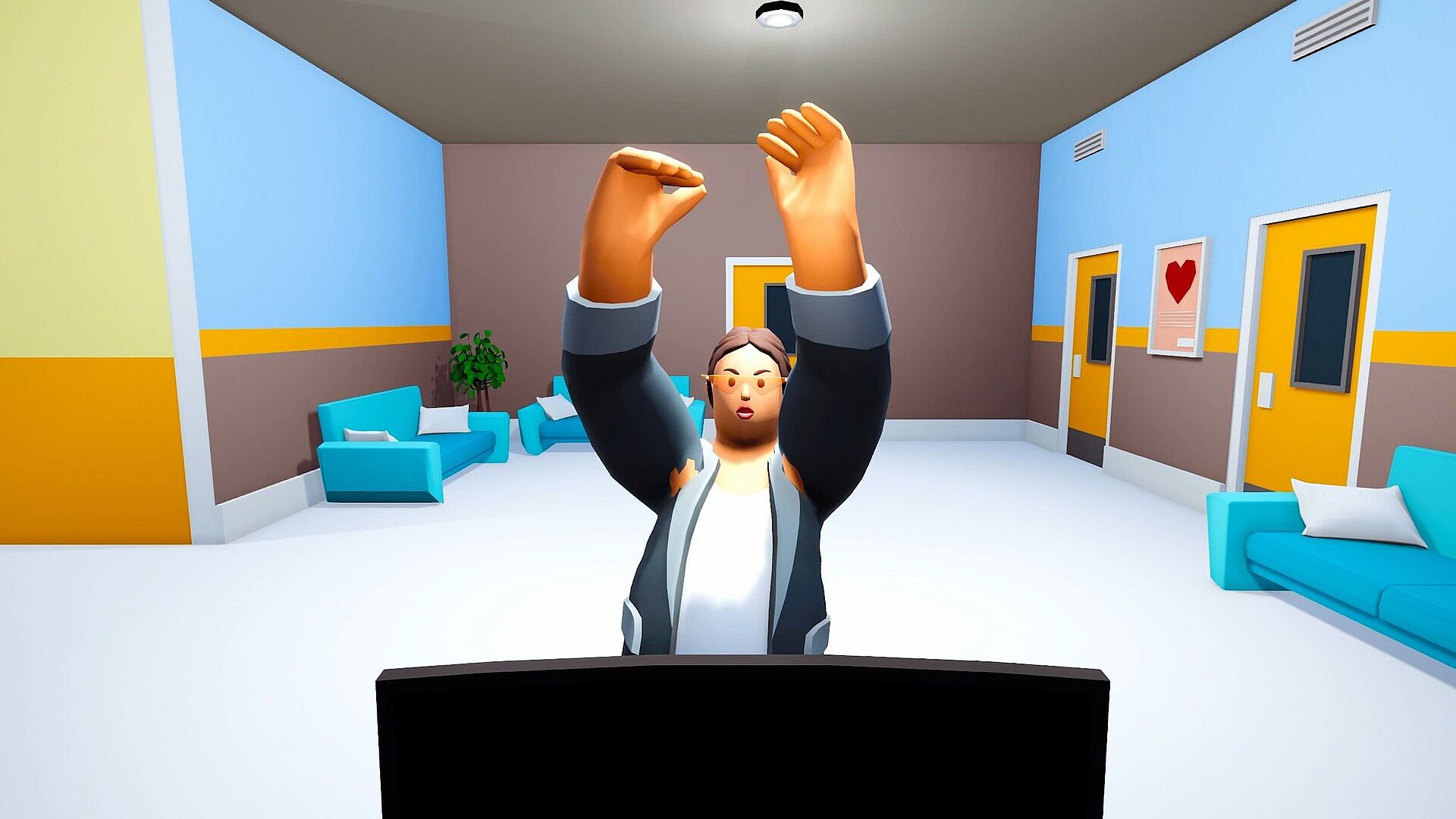
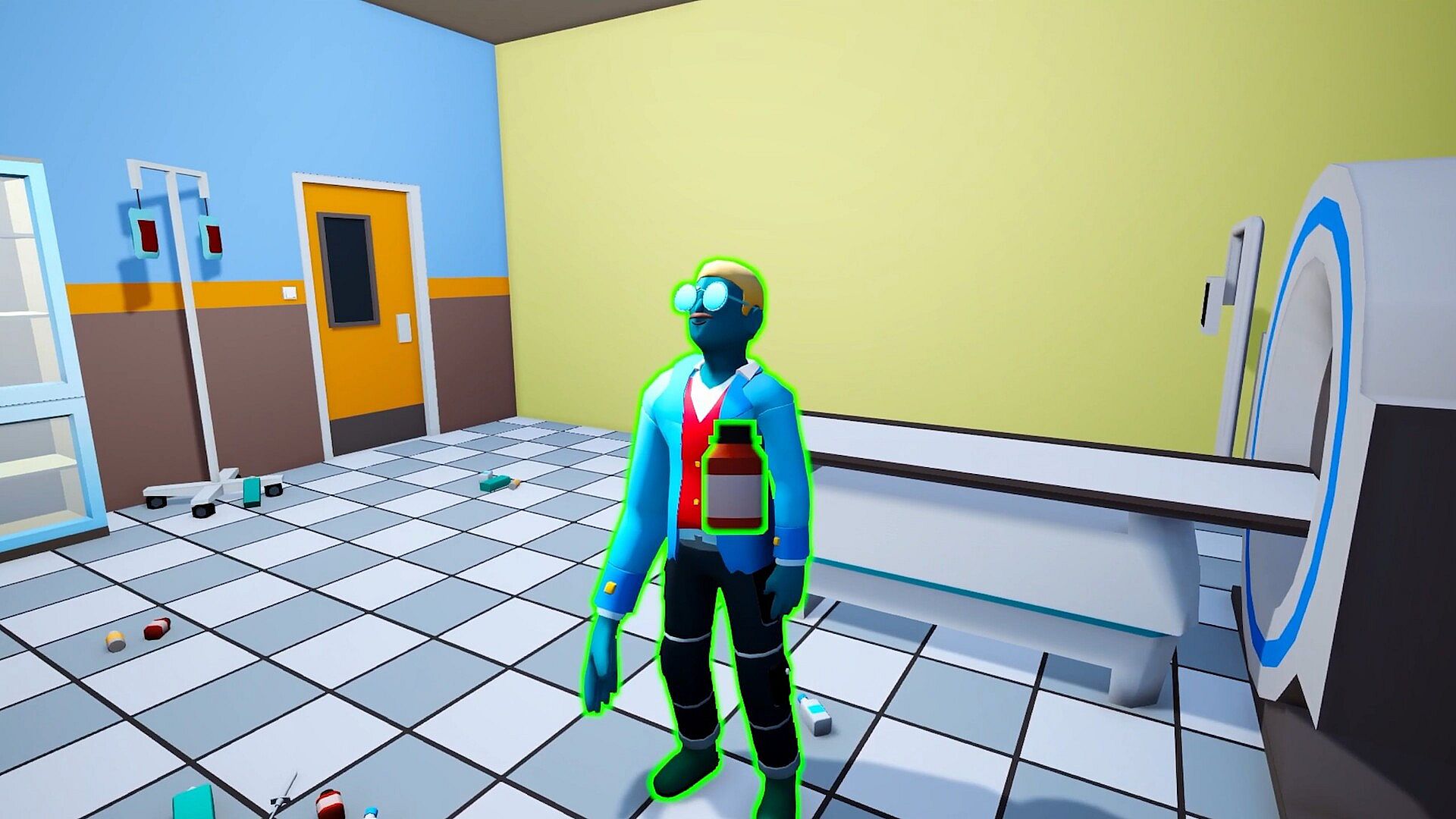
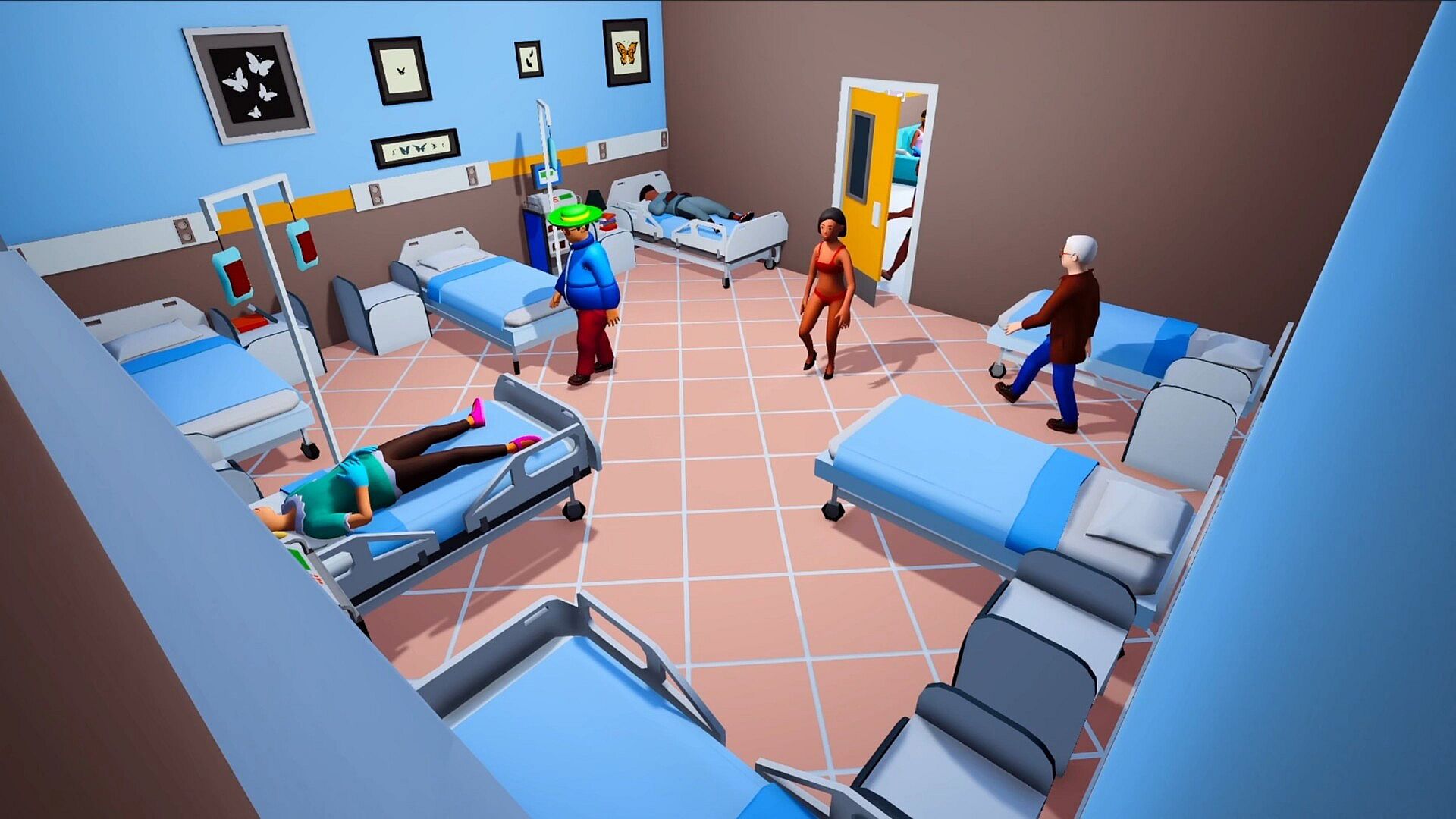
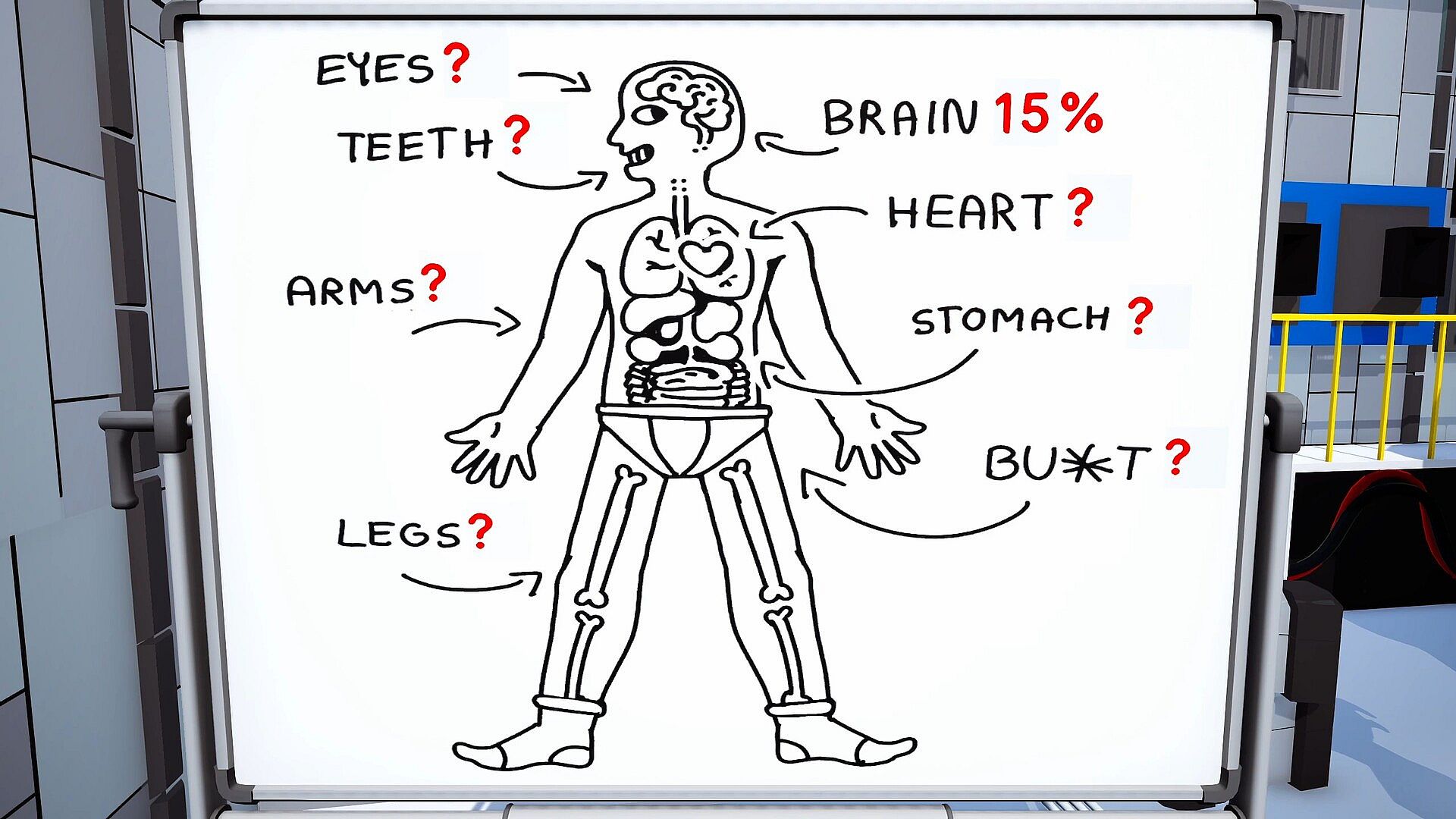
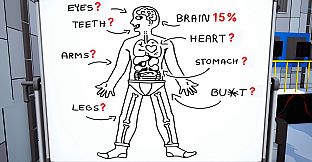
The gameplay loop revolves around treating patients in a hospital setting while advancing hidden alien objectives. Players diagnose conditions through trial and error because the character lacks prior knowledge of human medicine. Different treatments produce varied outcomes, some beneficial and others leading to unusual side effects that provide learning opportunities for future cases.
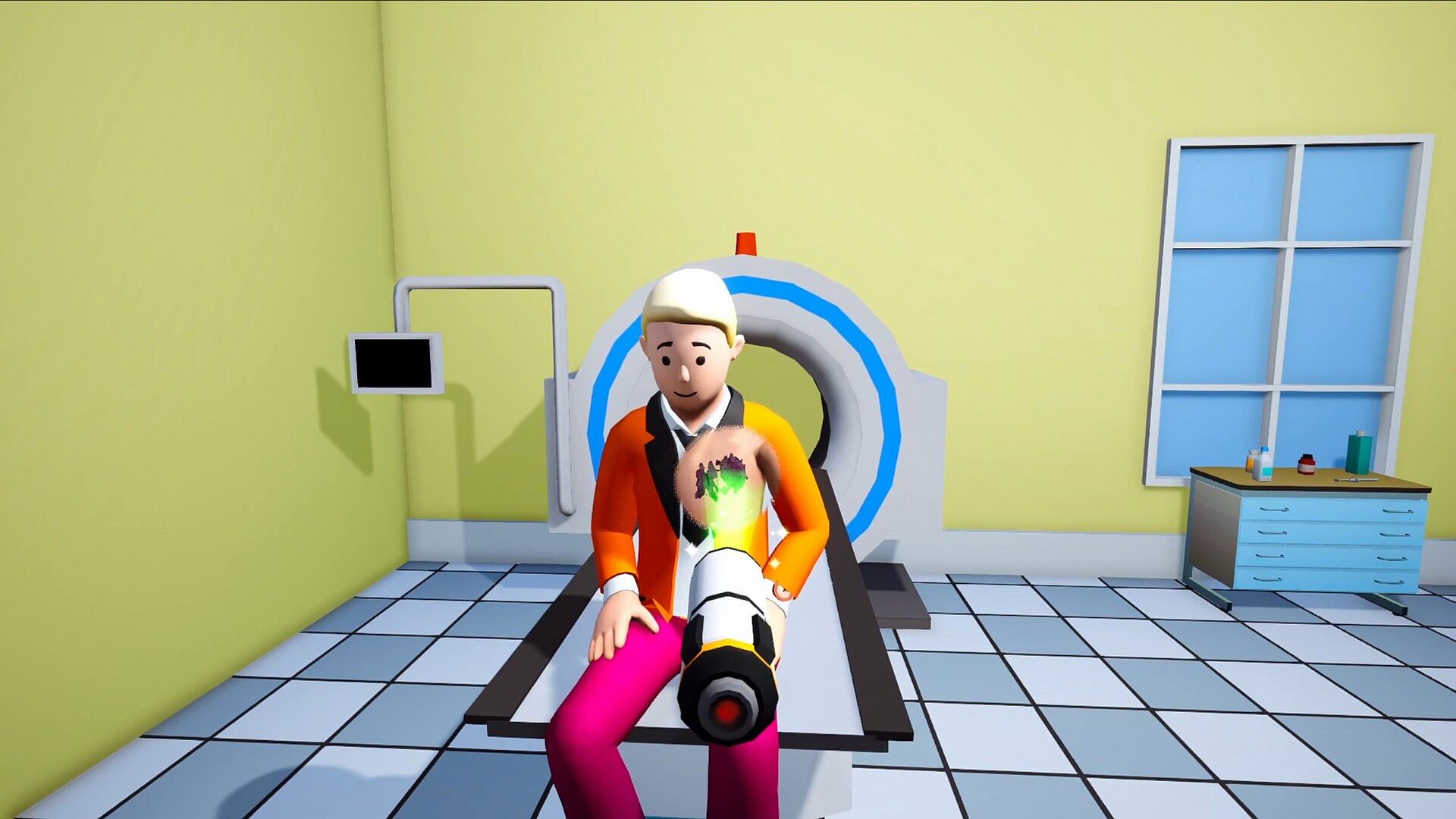
Hospital management forms a key part of the experience. Successful treatments generate funds used to expand facilities, add rooms, and acquire new equipment. At the same time, alien resources allow upgrades to ordinary medical tools with extraterrestrial components, such as scanners integrated into beds or enhanced imaging devices. These modifications speed up research but increase the risk of drawing attention.
Suspicion acts as a central resource to monitor. Patients and visitors react to strange procedures or impossible cures, and repeated odd events can raise overall suspicion levels. The challenge lies in maintaining efficient care while conducting experiments that advance the alien agenda. Failure to keep suspicion in check risks exposure and the end of the operation.
Game Modes
Very Human Doctor operates as a single-player simulation without separate named modes. The experience combines hospital administration with secret laboratory activities in one continuous playthrough. Players progress by handling daily patient cases alongside incremental upgrades to both the visible hospital and the concealed alien systems.
Progression splits between two parallel systems. One focuses on expanding the public hospital through earnings from treatments, unlocking better facilities and staff support. The other involves collecting resources for alien technology that enhances research speed but introduces more visible anomalies. Balancing these elements determines how far the dual operation can advance before suspicion becomes unmanageable.
Core Mechanics and Progression
Diagnosis relies on experimentation rather than preset knowledge. Players select treatments and observe results, noting which combinations work or produce memorable side effects. This builds a personal database of effective approaches over time. Alien technology integration adds layers, allowing hidden enhancements that improve efficiency at the cost of heightened scrutiny from humans.
Resource management ties the two worlds together. Money from standard medical work funds visible improvements, while alien materials unlock experimental devices. Upgrades range from practical scanners to more disruptive machines that accelerate DNA collection but complicate efforts to remain undetected. The loop encourages careful pacing to avoid rapid suspicion spikes.
Is It Worth Playing?
Very Human Doctor suits players who enjoy casual simulation games that mix management with light strategy and humor. The trial-and-error diagnosis system and dual upgrade paths create ongoing decisions about risk versus reward. Those interested in hospital building combined with a twist of secrecy will find the core loop engaging through its focus on observation and adaptation.
The game appeals to fans of indie titles that emphasize quirky premises over complex systems. Progression feels steady as players refine their approach to treatments and upgrades. It delivers a self-contained experience centered on the alien doctor concept without additional layers like multiplayer or seasonal content. If the idea of running a hospital while hiding an extraterrestrial mission sounds appealing, the title offers a focused simulation worth trying.