





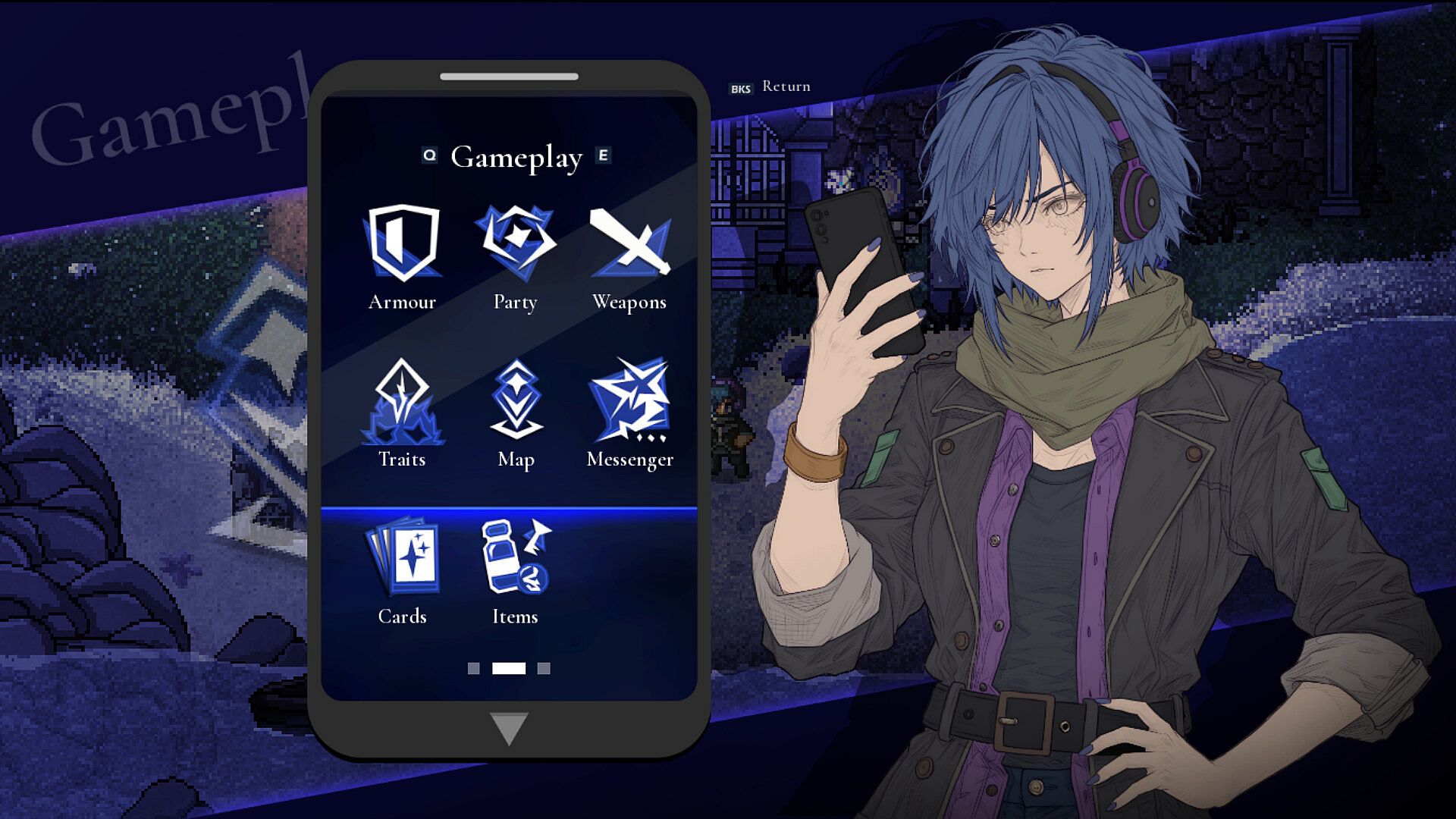
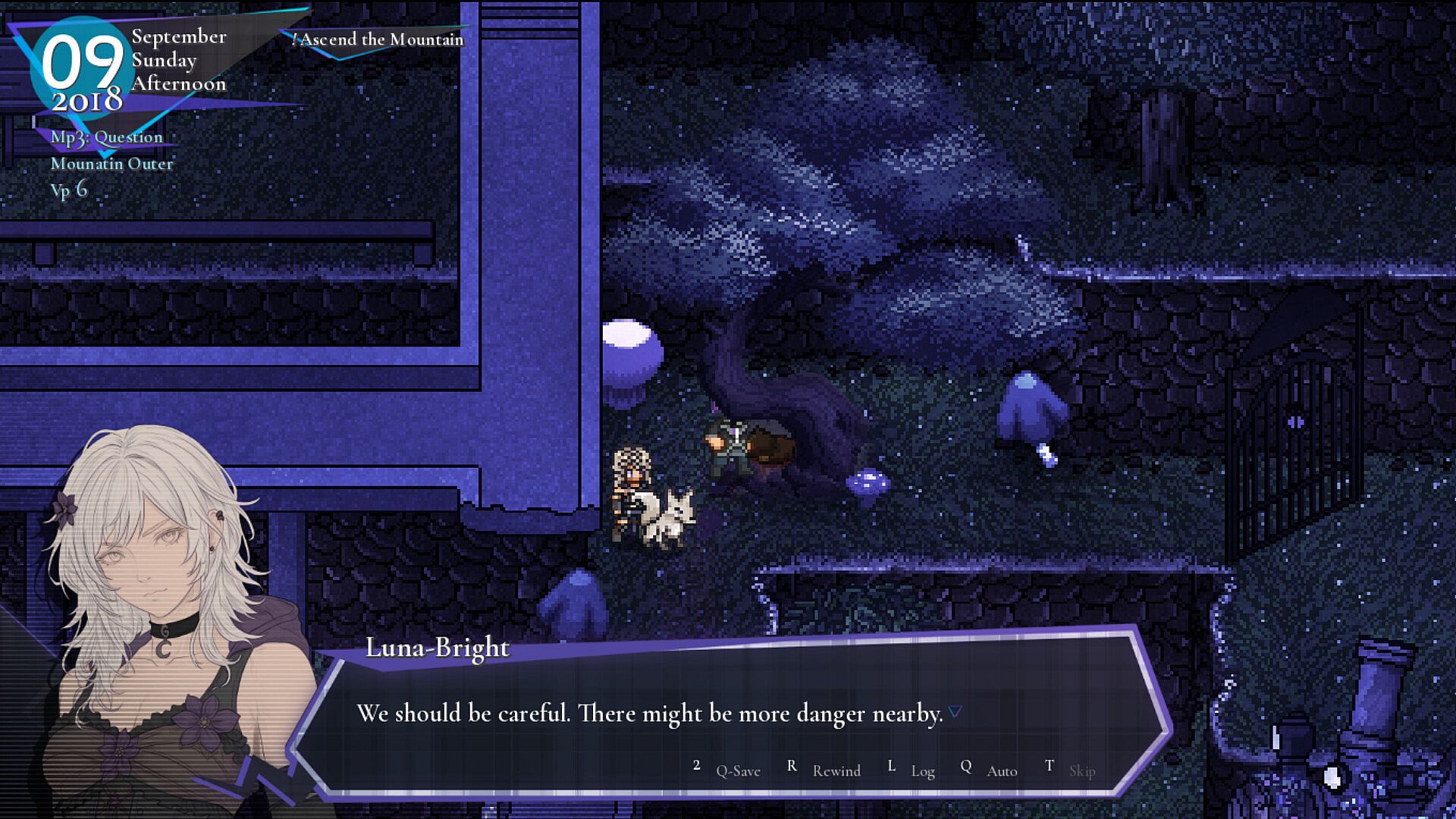
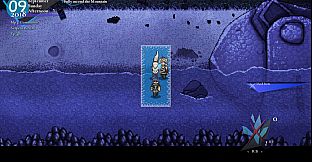

VantaPsy: Soul Snatcher stands as an indie RPG that merges investigative storytelling, social simulation, and psychological drama within a rural-modern fantasy framework. Players step into the role of Zuki, a Soulless resident of the coastal town Sengetsuki, where an eternal night blankets the streets and citizens vanish without explanation. The experience unfolds through systems that tie personality traits directly to combat outcomes, dialogue branches, and NPC reactions, all while a personal timer tracks the progression of Frallation, a condition that ends the run upon the next death after it reaches zero.
Gameplay
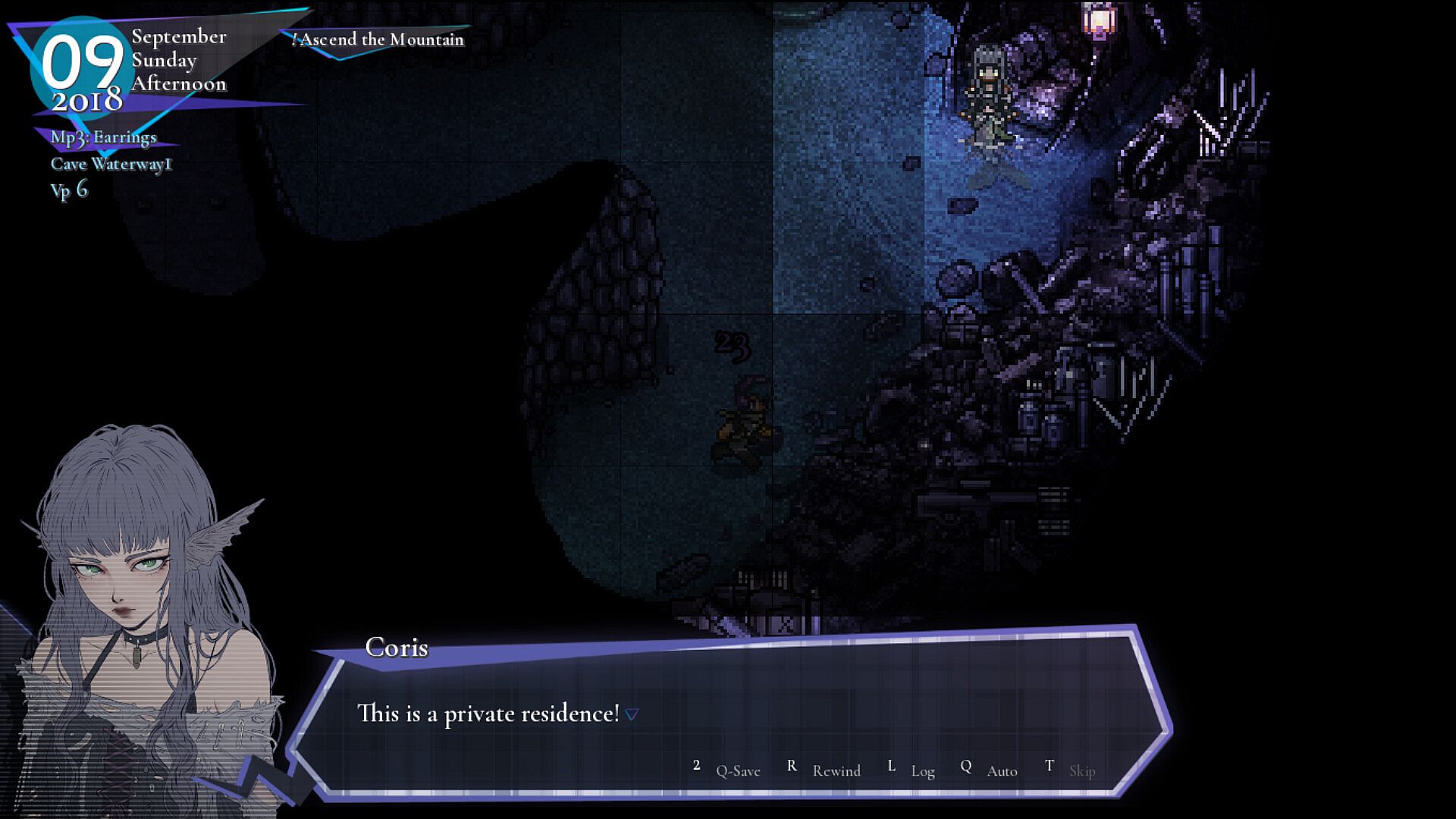
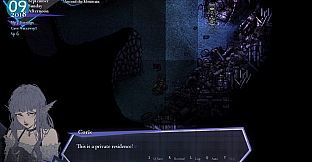
Core systems revolve around observation and consequence rather than traditional leveling loops. Investigation relies on photography, interrogation, and deduction to gather evidence from what characters say, omit, or reveal through the environment. The Chimeric Camera grants access to individual psyches, where players confront buried elements and recruit allies who contribute to both ongoing cases and battles. Traits such as Imagination, Discipline, Kindness, Confidence, and Sociability shift based on dialogue selections, unlocking distinct paths, ability modifications, and varied NPC responses without any prescribed optimal direction.
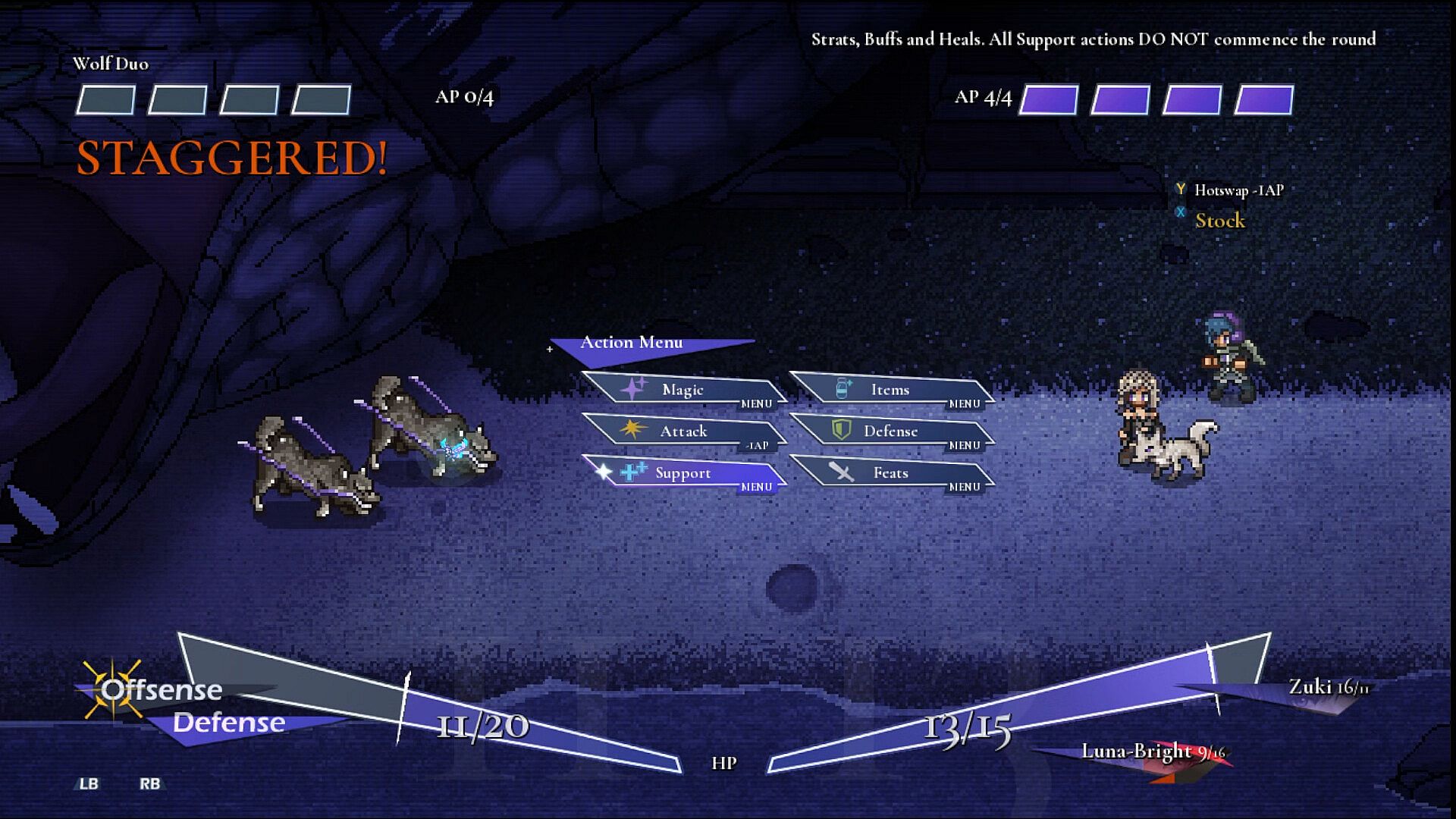
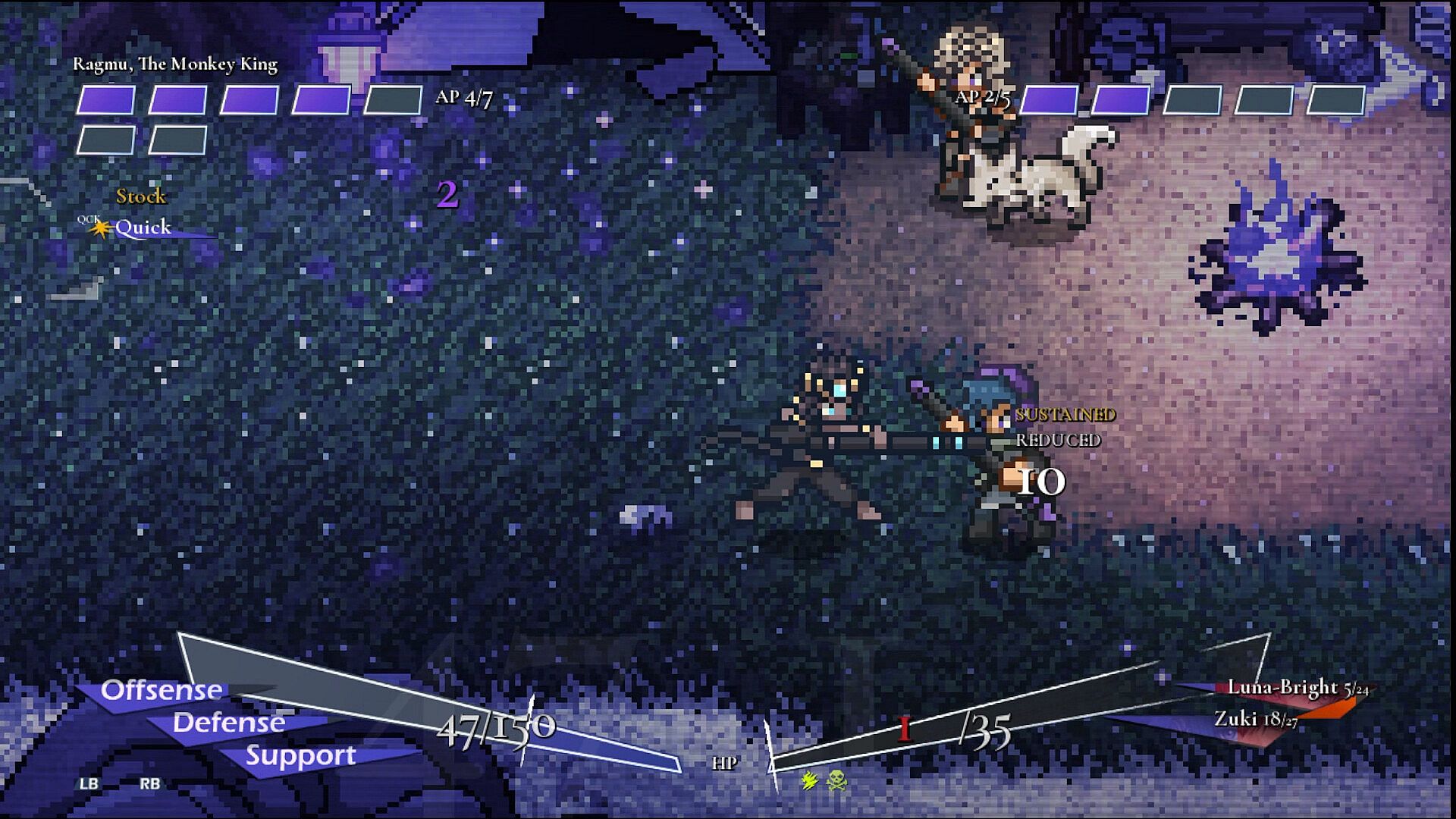
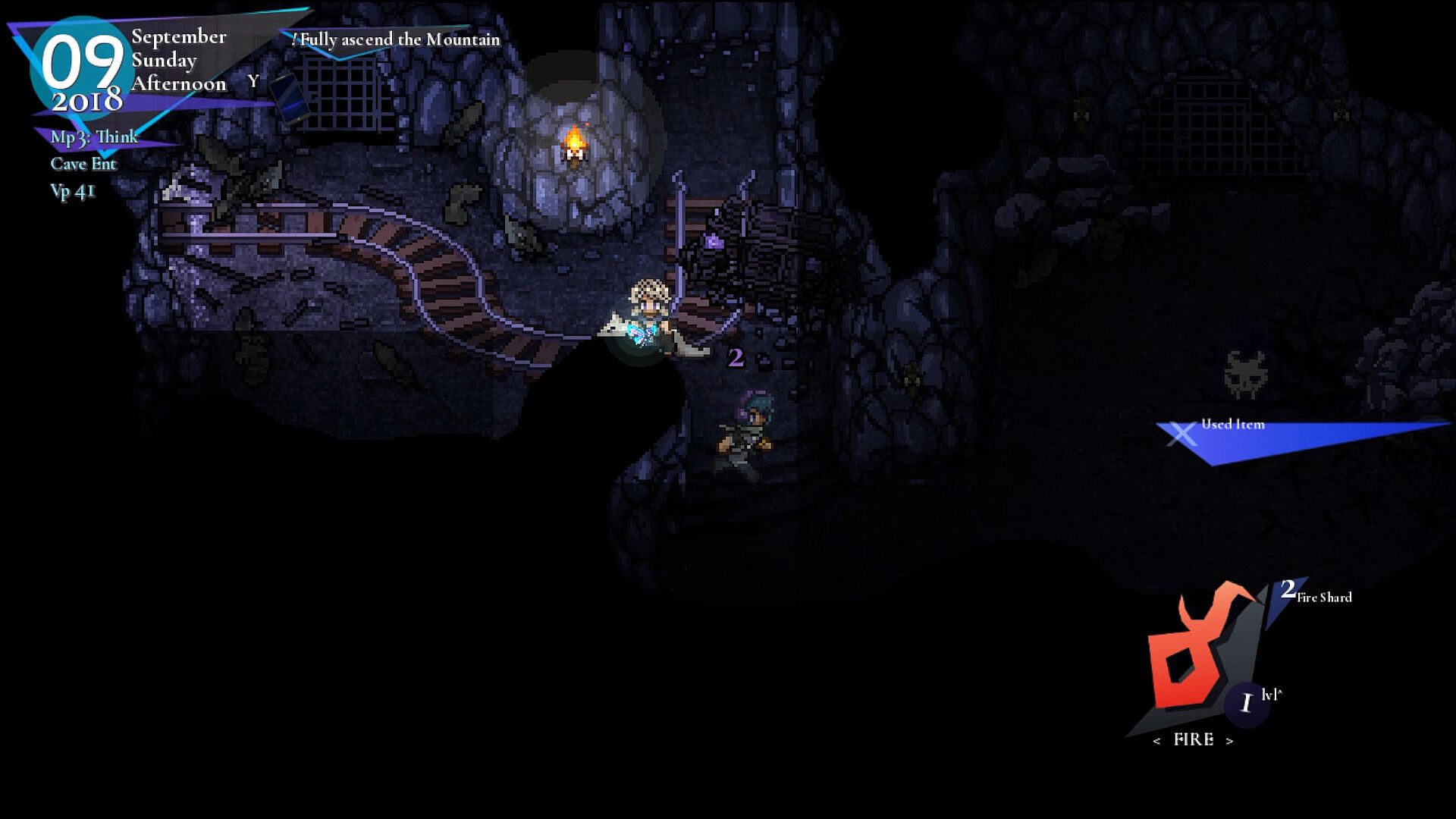
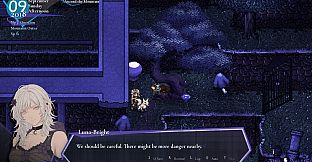
Combat operates without turns as a shared-unit system. The party pools HP, AP, and stats across Offence, Defence, and Support roles that members occupy. Enemies telegraph intentions each round, prompting a reactive choice followed by a speed check to determine resolution. Clashes occur on tied speeds, while AP management requires defending to replenish resources or risks debt that limits options to attacks only. Players can hotswap roles mid-fight, stock abilities for later fusion into combined effects, and lose contributions when any member falls. The design draws from role assignment concepts and weakness exploitation but emphasizes reading patterns and formation adjustments over individual turns.
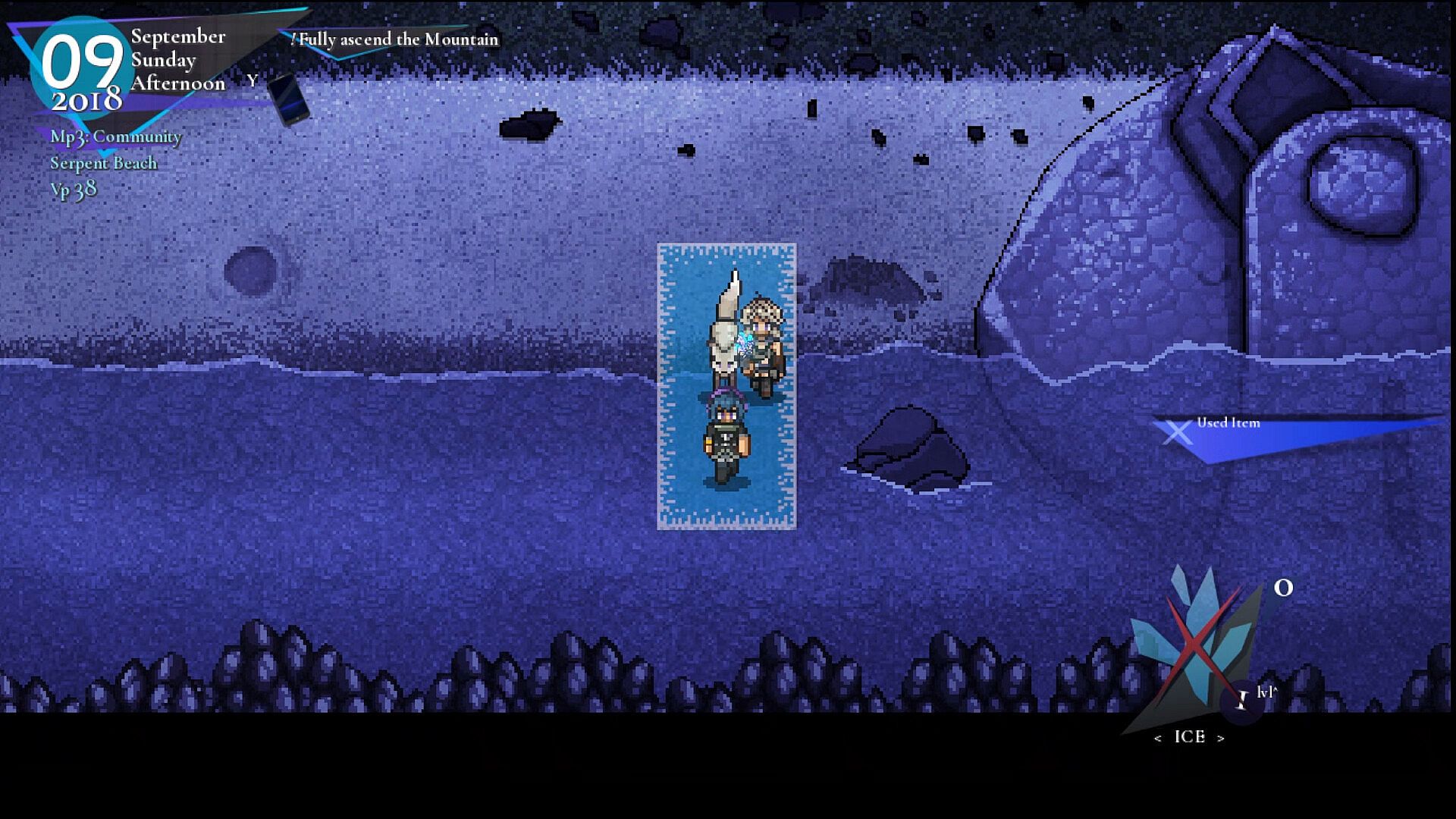
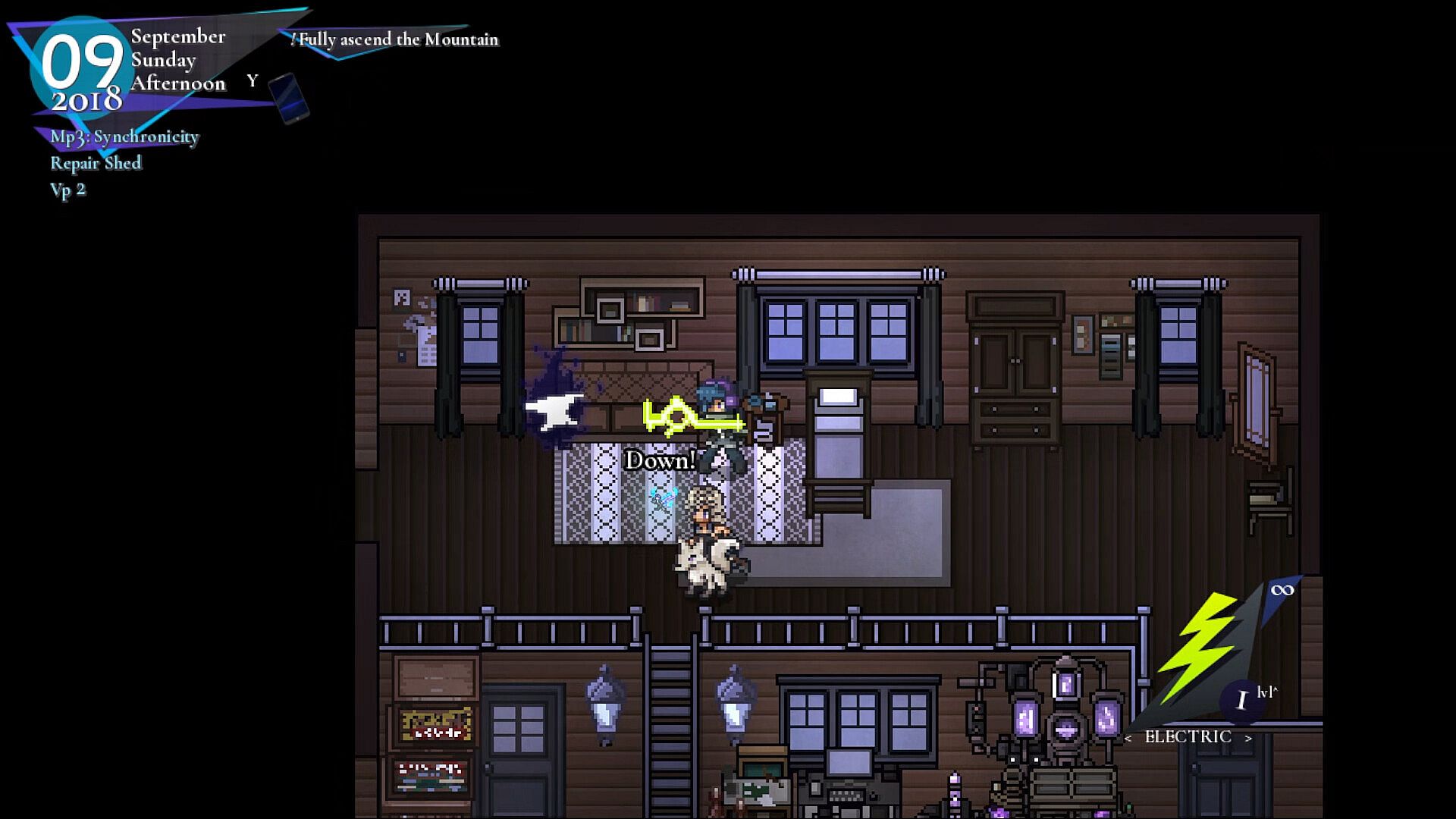
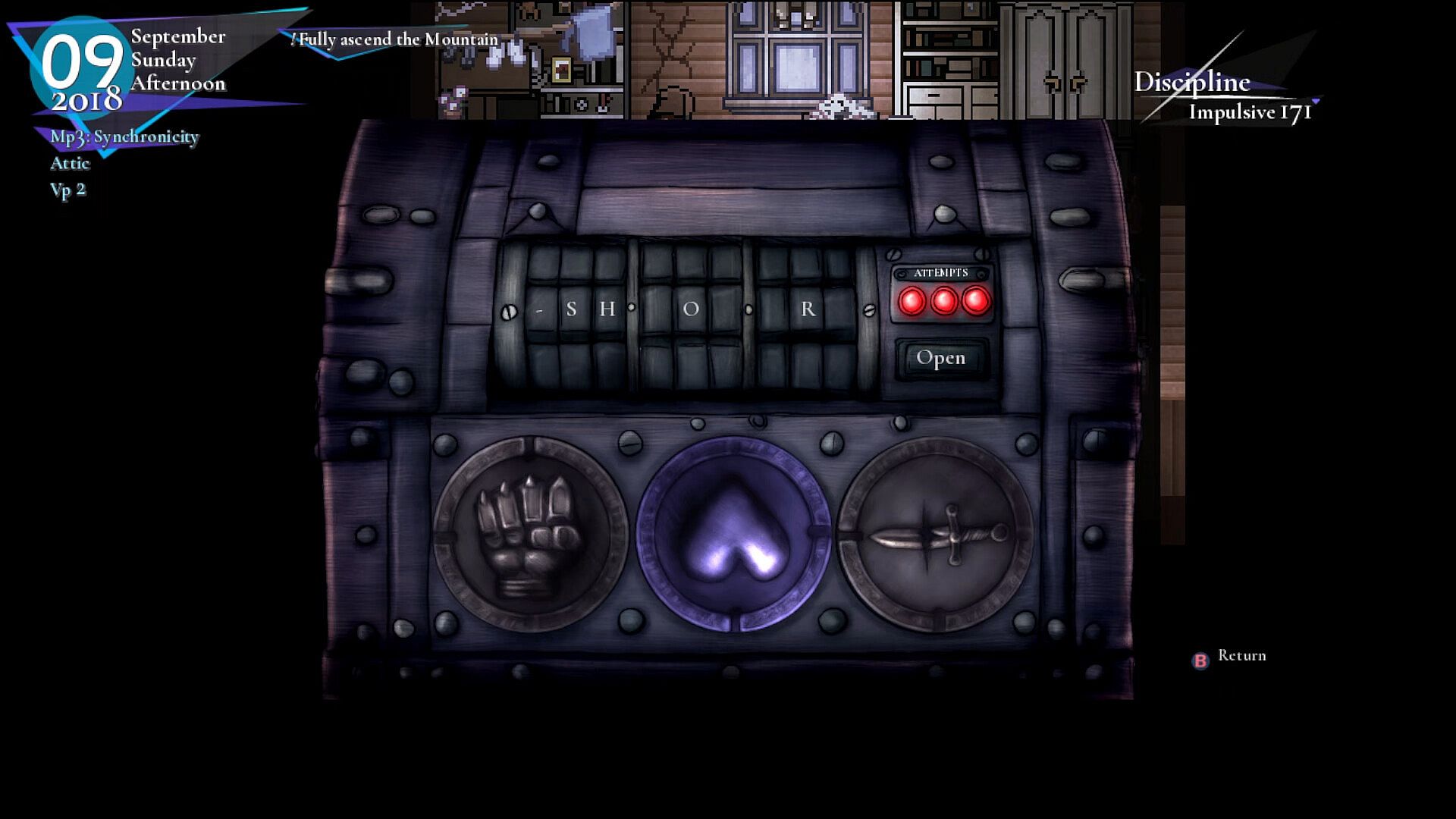
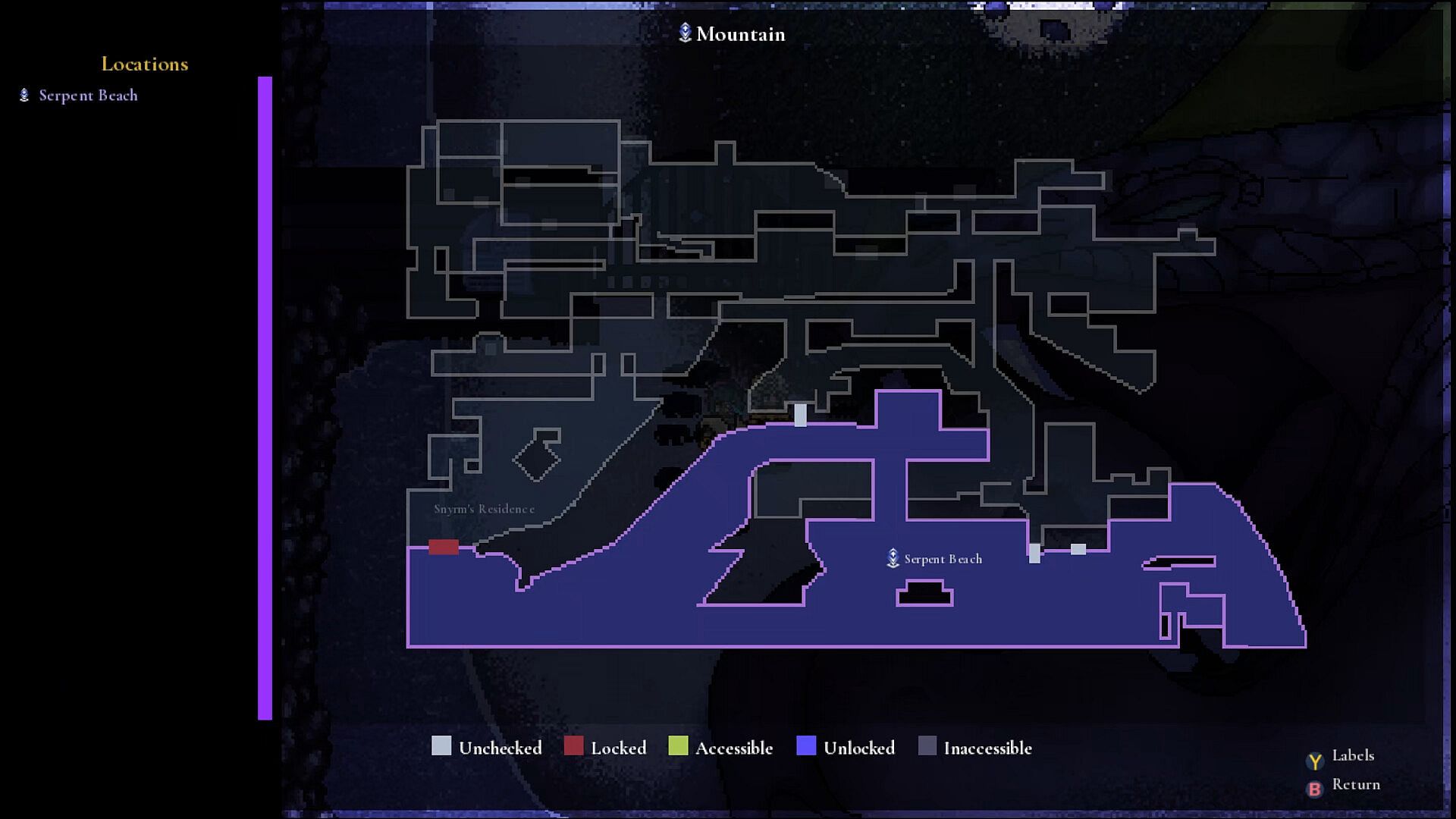
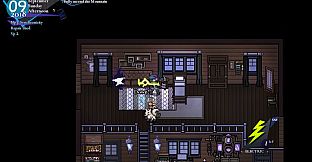
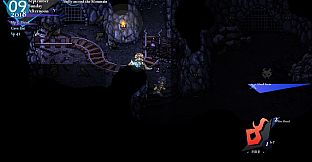
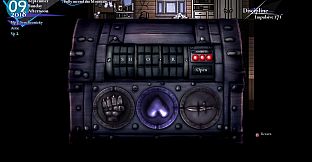
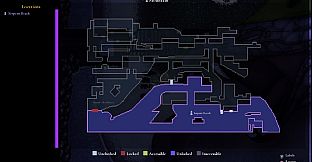
Exploration takes a metroidvania structure across stacked layers of overworld, underworld, and interiors, mapped in a style reminiscent of classic survival horror titles. Movement options progress from basic wading to dashing, with abilities to swim, push obstacles, and break walls. Dark zones demand light sources to avoid dread effects, and roaming enemies can be avoided, stalked, or preempted for advantage. Puzzles incorporate dial locks, photographic clues, social maneuvering, real-time NPC behaviors, and environmental interactions like fire, ice, or electric scans, often requiring cross-referencing prior observations or timed drops between characters via shared storage.
Game Modes
The title functions as a unified single-player experience that integrates its systems without separate named modes or multiplayer components. Investigation, combat, and exploration blend into one continuous loop where choices in dialogue and actions influence trait development, ally recruitment, and the advancing Frallation timer. Progress through the story, combat deaths, and select decisions all advance the countdown, creating persistent pressure that carries across sessions until a true death deletes the save file. No distinct campaign variants, competitive arenas, or seasonal structures appear in the current build.
Story and Themes
The narrative centers on the question of what constitutes a soul, explored through mechanics instead of direct exposition. Soulless individuals internalize their essence while society views them as lacking it entirely. Zuki races to identify the Soul Snatcher responsible for disappearances before personal time expires, with relationships forming through affinity tracking that values authenticity over flattery. Bonds deepen or fracture based on blunt truths or evasive answers, and allies gained from psyche explorations join the shared combat pool. The setting of Sengetsuki emphasizes consequence, where every interaction and discovery feeds back into identity shifts and case-building.
Is It Worth Playing?
Development continues with a latest demo version that expands the prologue into a denser opening area featuring additional side content, world-building, and mechanical introductions. Available feedback on the demo rates it at the maximum score from its single review, highlighting the integration of choice, deduction, and reactive combat. The experience suits players drawn to narrative-driven RPGs that reward careful observation, personality evolution, and tactical decision-making over grind or spectacle. Those who appreciate titles where systems reinforce thematic questions about identity and connection will find the current build demonstrates strong potential in those areas, though the full scope remains under construction. The permanent death mechanic and time pressure add tension that rewards deliberate play without requiring prior series knowledge.