






Unhistorical Warfare is a strategy and simulation game set on the PC platform. It places players in command of historical armies that span from ancient times through the modern era, pitting them against one another in real-time engagements where outcomes depend on accurate modeling of weapons, armor, and unit behavior.
Gameplay
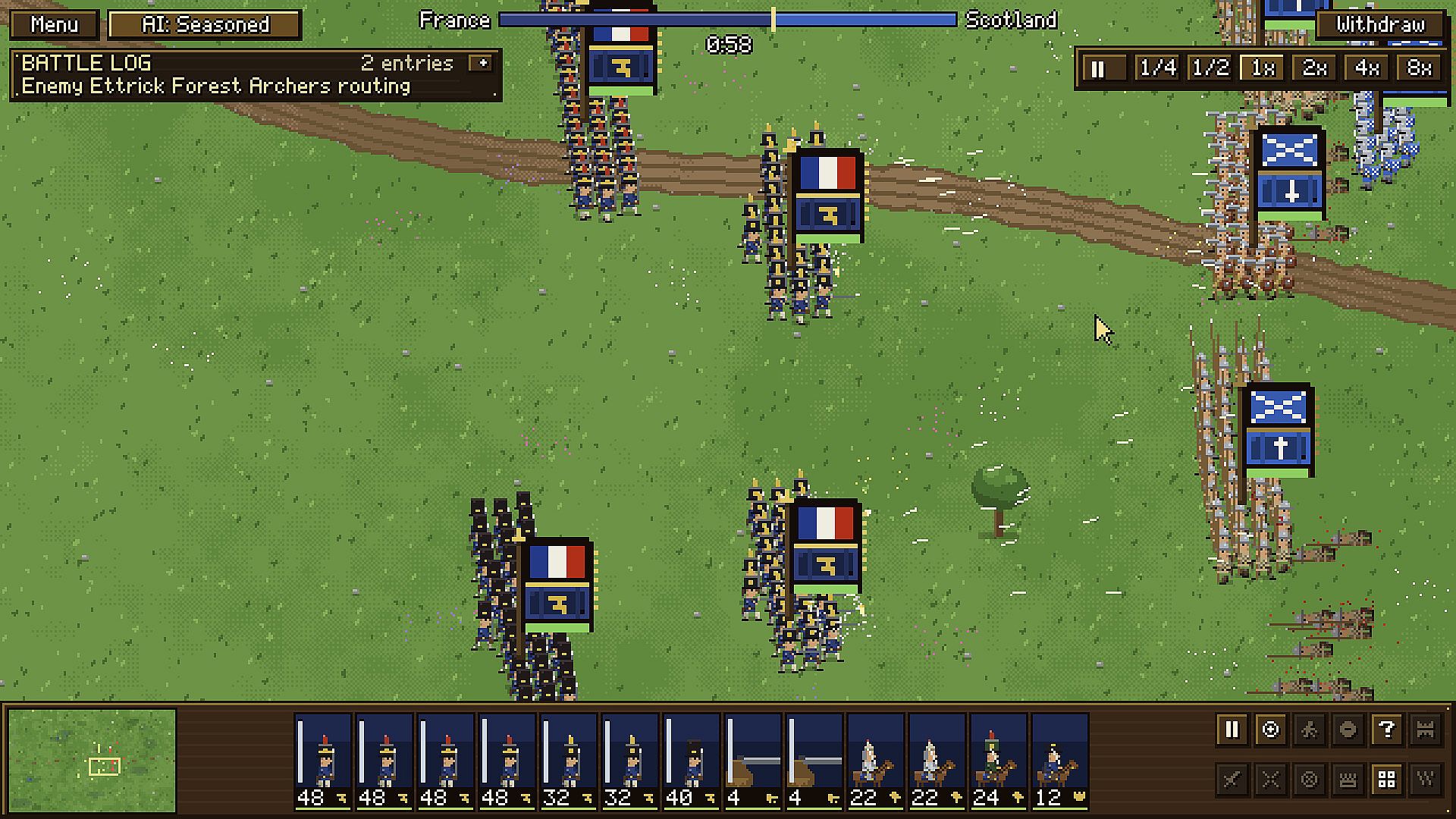
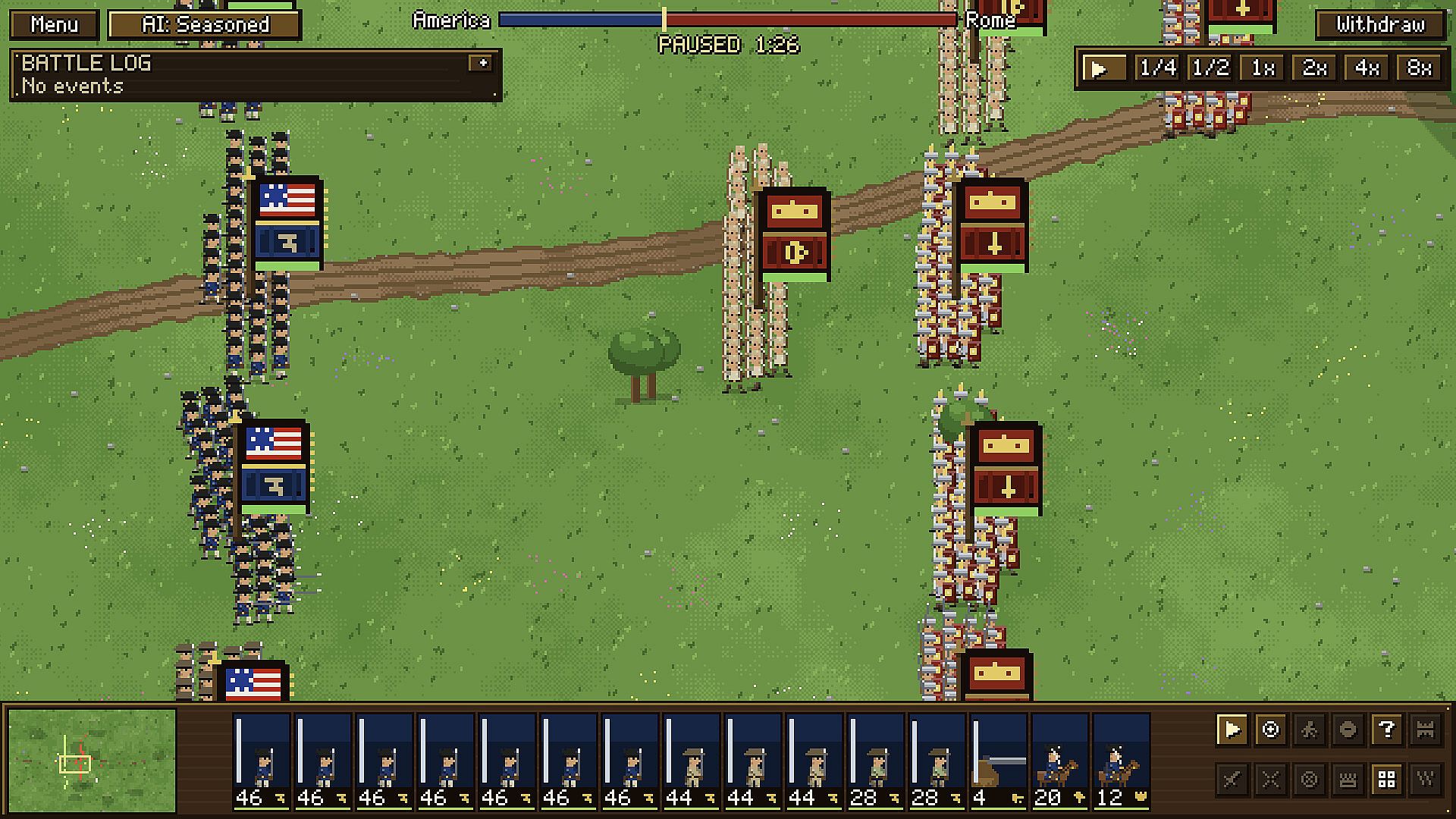
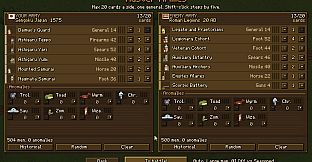
The core loop revolves around assembling forces from thirty-one distinct armies and deploying them across ten battlefields. Each army draws from documented historical compositions, with roughly two hundred unit types that carry era-specific weapons, armor, and animations. Soldiers operate as individuals rather than abstract groups, tracking personal morale and fatigue while responding to flanking maneuvers and the risk of routing under pressure.
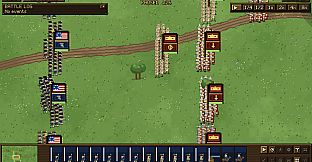
Projectiles receive separate simulation treatment. Pila, arrows, bolts, sling stones, matchlock balls, volley fire, round shot, tank shells, and machine-gun bursts all follow distinct trajectories and effects. Vehicles add another layer by crushing infantry beneath their tracks, detonating upon destruction, and leaving persistent burnt-out wrecks on the field. Terrain on each battlefield alters movement, line of sight, and defensive options, forcing adjustments to formation and positioning.
Units gain upgrades across five stages in experience, weapons, armor, and leadership. These improvements can transform standard formations into elite versions that reflect the strengths of history's most effective fighting forces. A typical engagement resolves in two to four minutes, after which an after-action report details every kill and casualty for review.
Game Modes
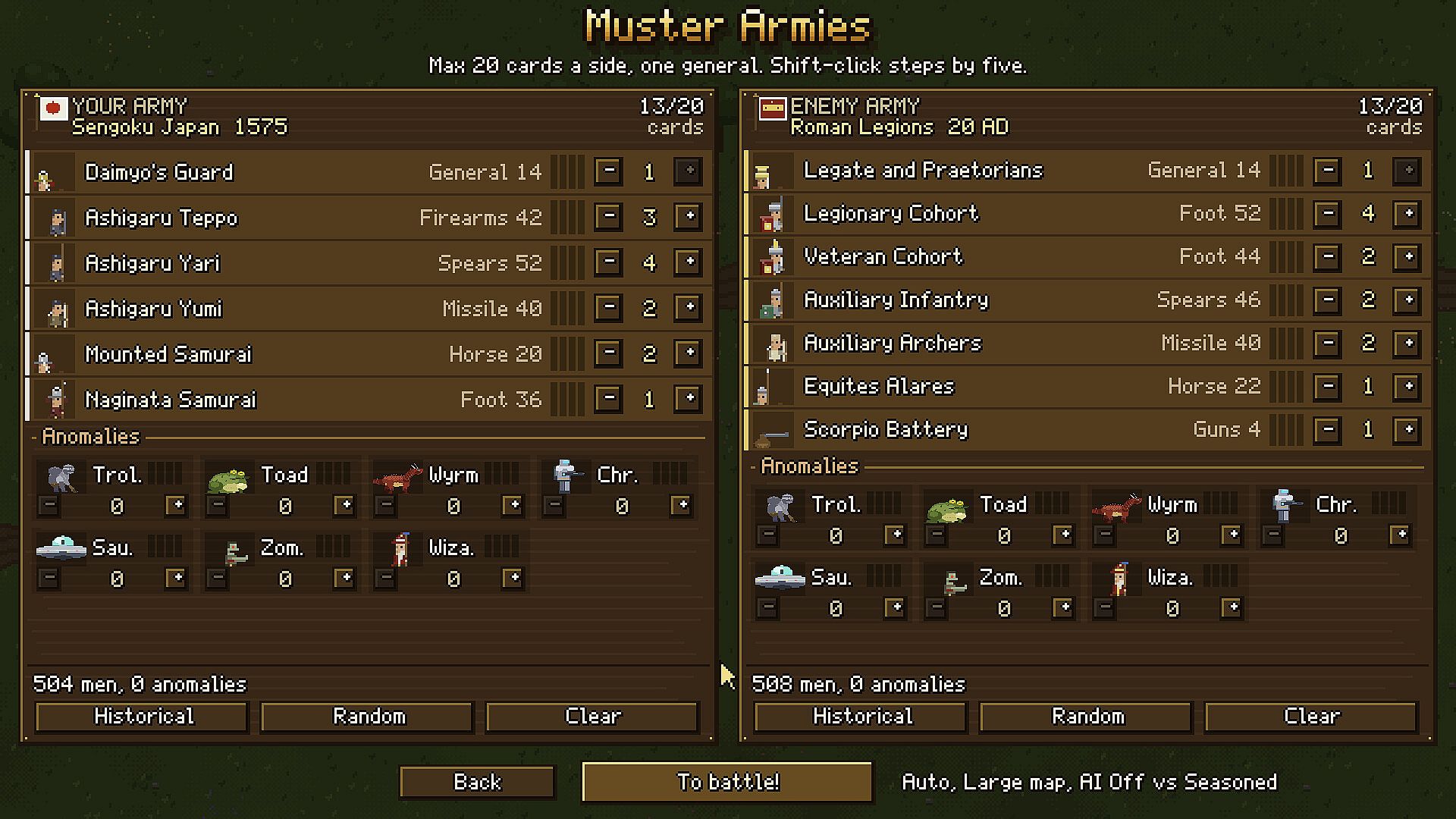
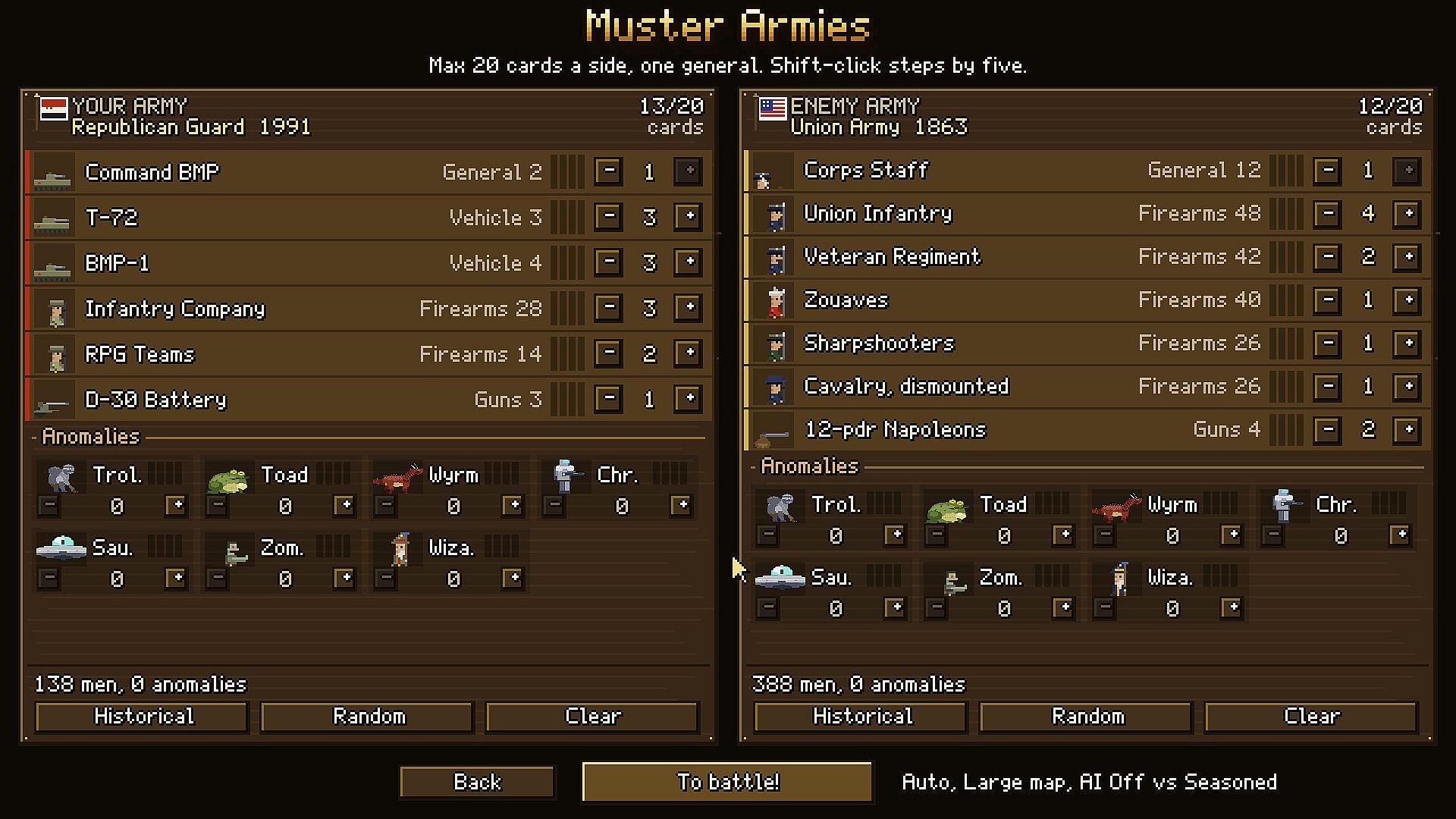
Players can issue direct orders to their forces or hand control to the artificial intelligence. The same AI options extend to the opposing side, allowing fully automated matches that can be observed without intervention. Five distinct AI personalities, ranging from Hapless to Legendary, govern enemy behavior or substitute for the player when a spectator experience is preferred.
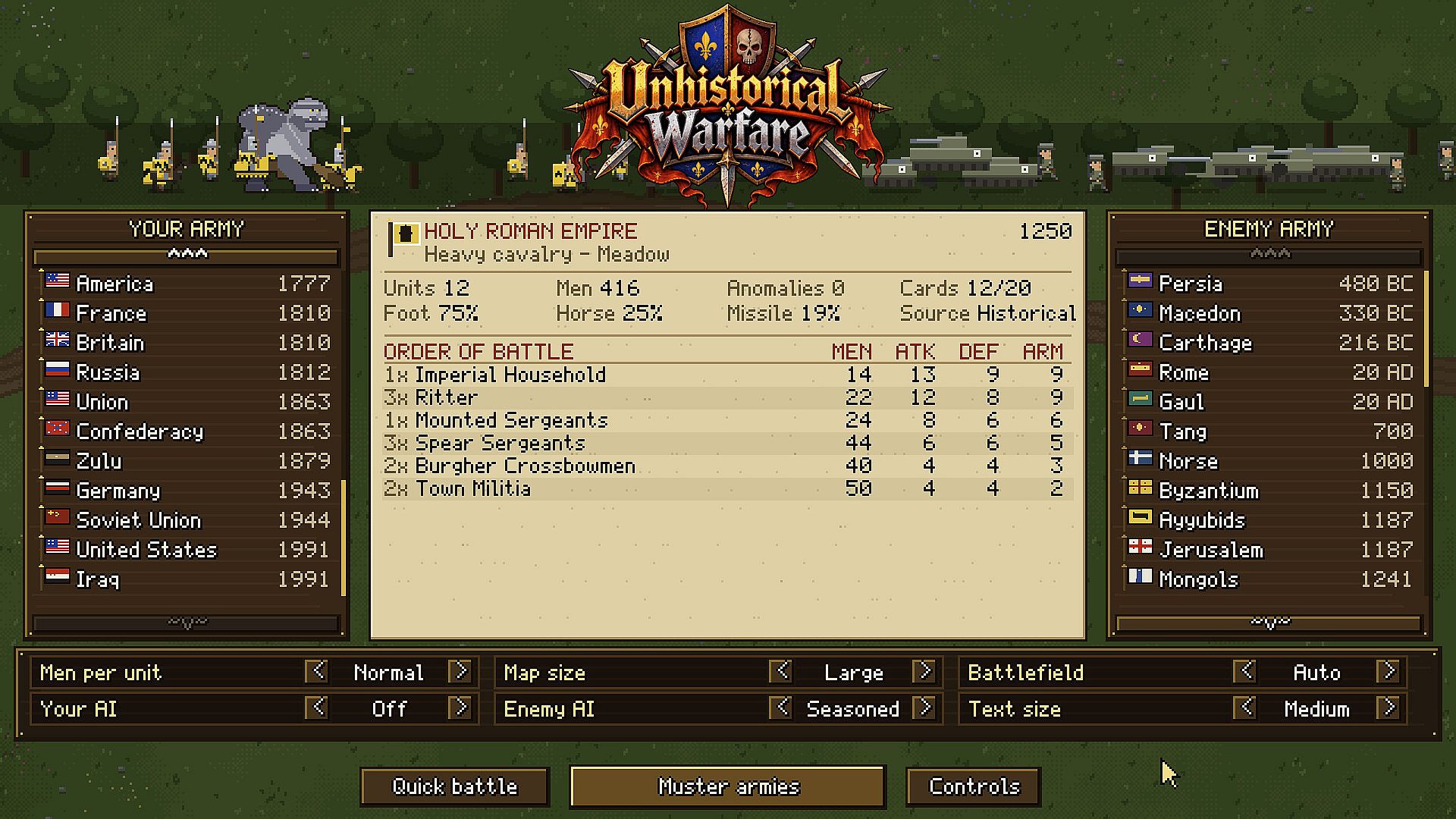
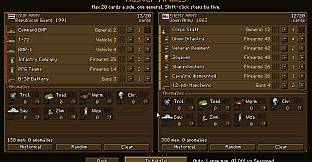
This setup supports quick testing of mismatched historical matchups. A Roman legion can be matched against later mechanized units, or medieval knights can charge lines equipped with rifled muskets, all within the same consistent ruleset. The short battle duration encourages repeated experiments with different army compositions and upgrade paths.
Armies Across Eras
The roster covers Ancient forces such as Achaemenid Persia, Macedon, Carthage, Rome, and Gaul. Medieval selections include Tang China, the Norse, Byzantium, the Ayyubids, Jerusalem, the Mongols, the Empire, Scotland, England, France, and the Teutonic Order. Gunpowder-era armies feature the Ottomans, the Mexica, Sengoku Japan, and the Spanish tercios. Black-powder options span the Continental Army, Napoleonic France, Britain, Imperial Russia, the Union, the Confederacy, and the Zulu. World War II and Gulf War entries add the Wehrmacht, the Red Army, the US Army, and the Republican Guard.
Every formation uses troops that actually existed at documented historical moments, preserving authentic equipment and capabilities rather than generic stand-ins. This fidelity extends to specialized tactics such as sarissa phalanxes, longbowmen positioned behind dug pits, schiltrons of Scottish spears, janissary matchlocks, redcoat volleys, and the contrast between rifled muskets and later automatic weapons.
Is It Worth Playing?
Unhistorical Warfare suits players who enjoy short, focused strategy sessions that emphasize historical accuracy in unit performance and the consequences of pitting different eras against one another. The combination of individual soldier simulation, projectile modeling, vehicle interactions, and upgrade systems creates repeatable tactical depth without requiring long commitments per battle.
Those drawn to sandbox-style experimentation with real historical forces will find consistent rules that reward attention to morale, positioning, and terrain. The option to watch AI-controlled matches with varying difficulty levels provides an accessible entry point for observation before taking direct command. The game's structure supports repeated play through different army pairings and upgrade choices, making it a fit for enthusiasts of simulation-driven strategy on PC.