







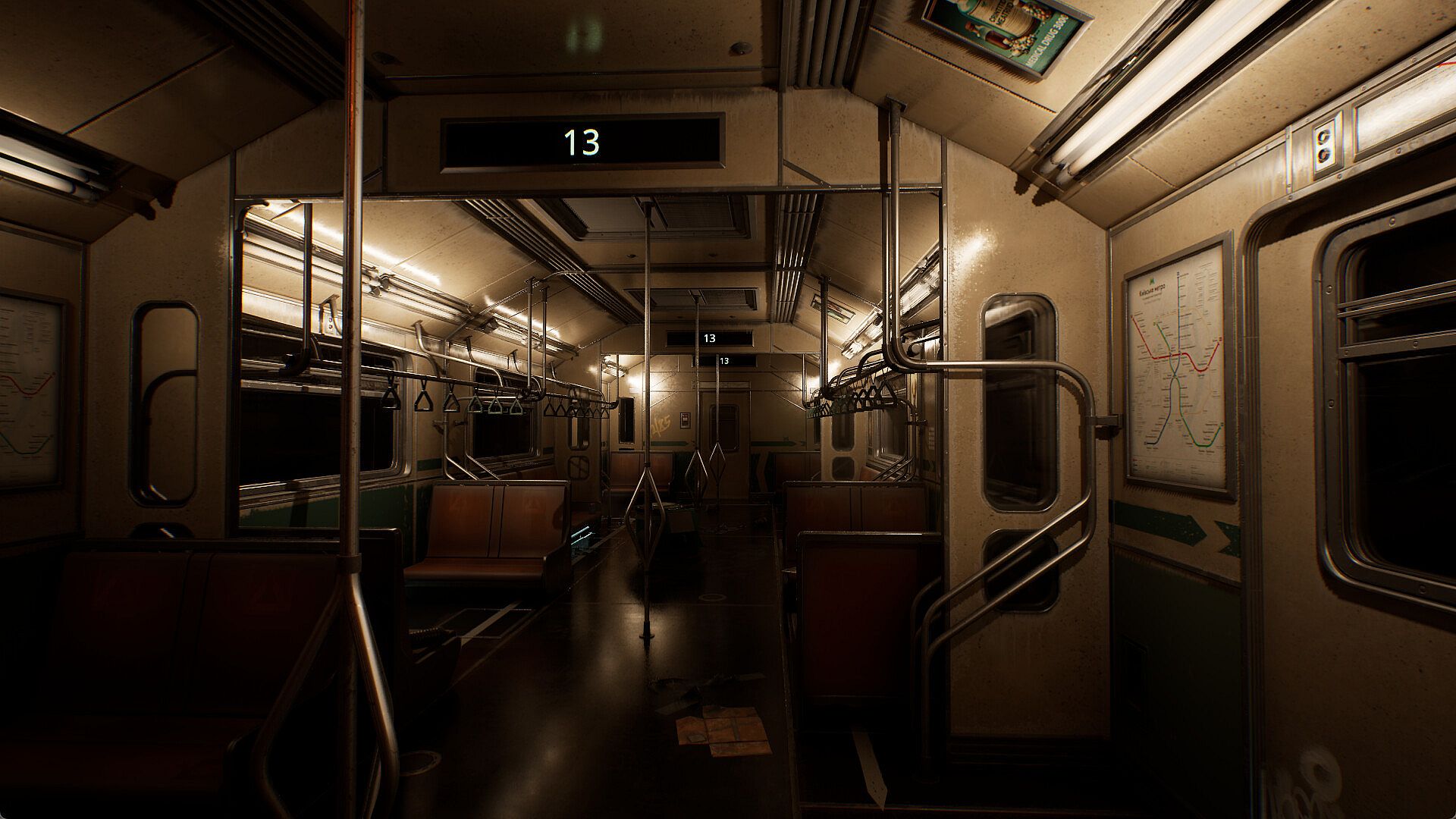
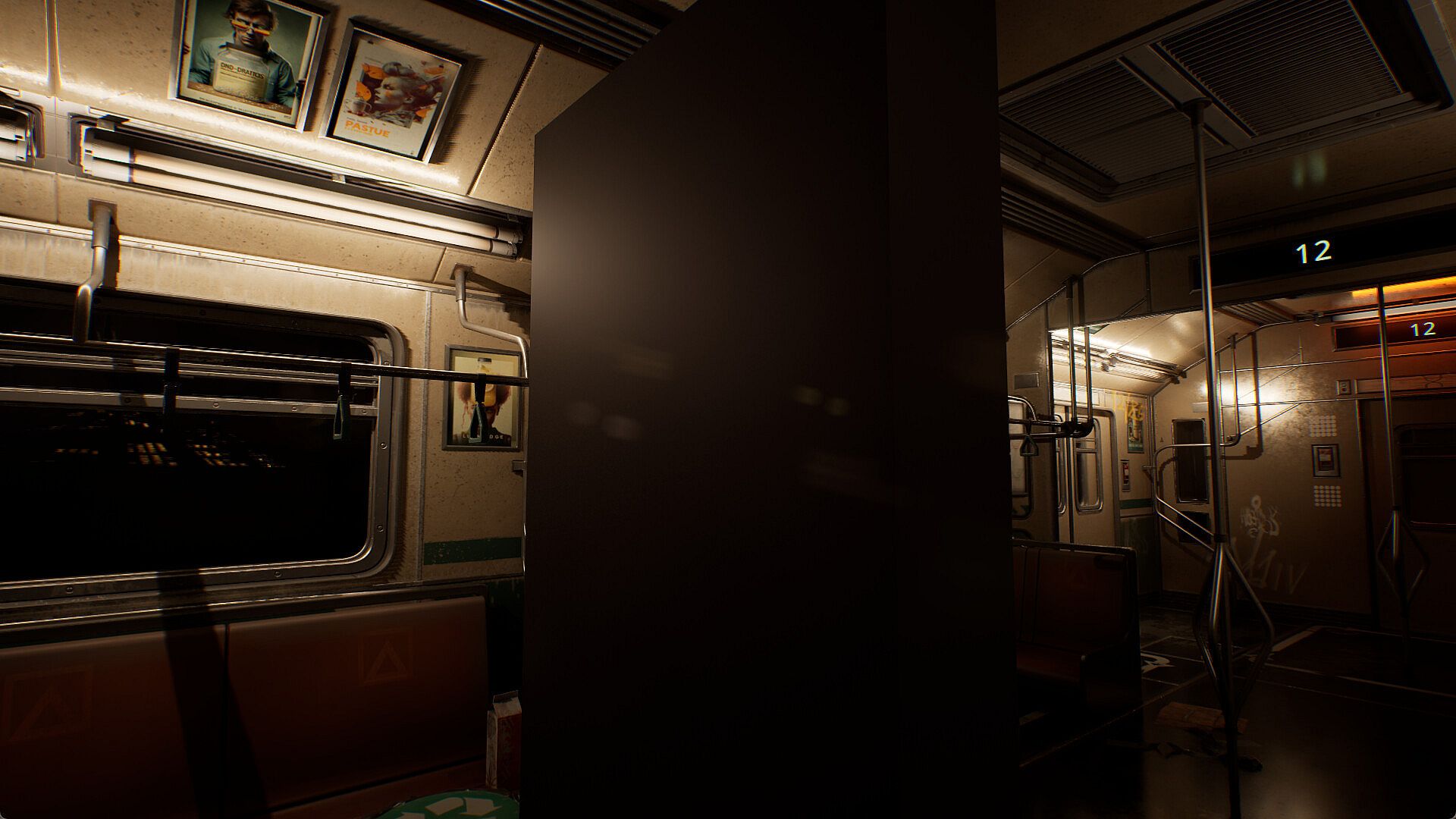

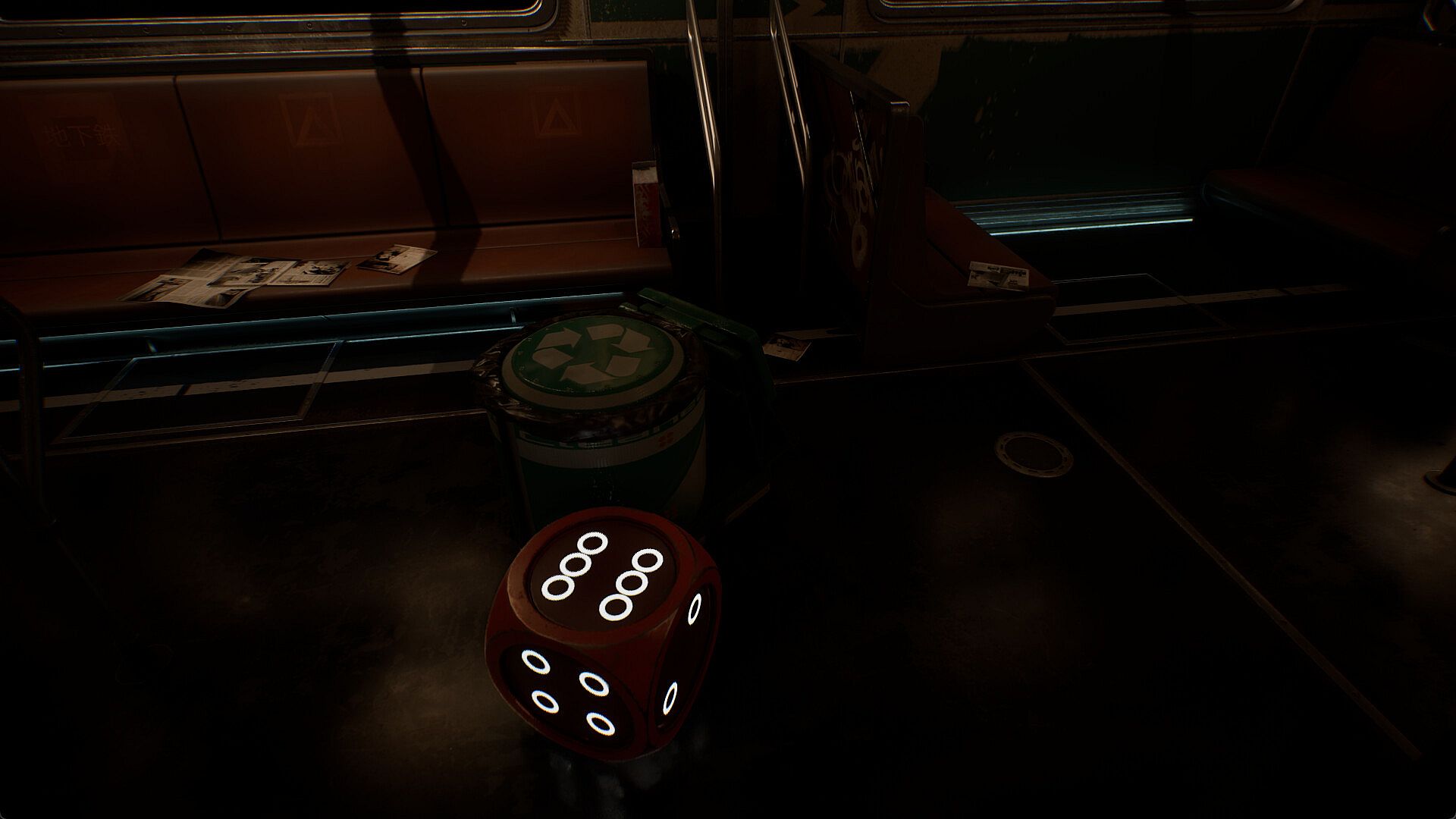
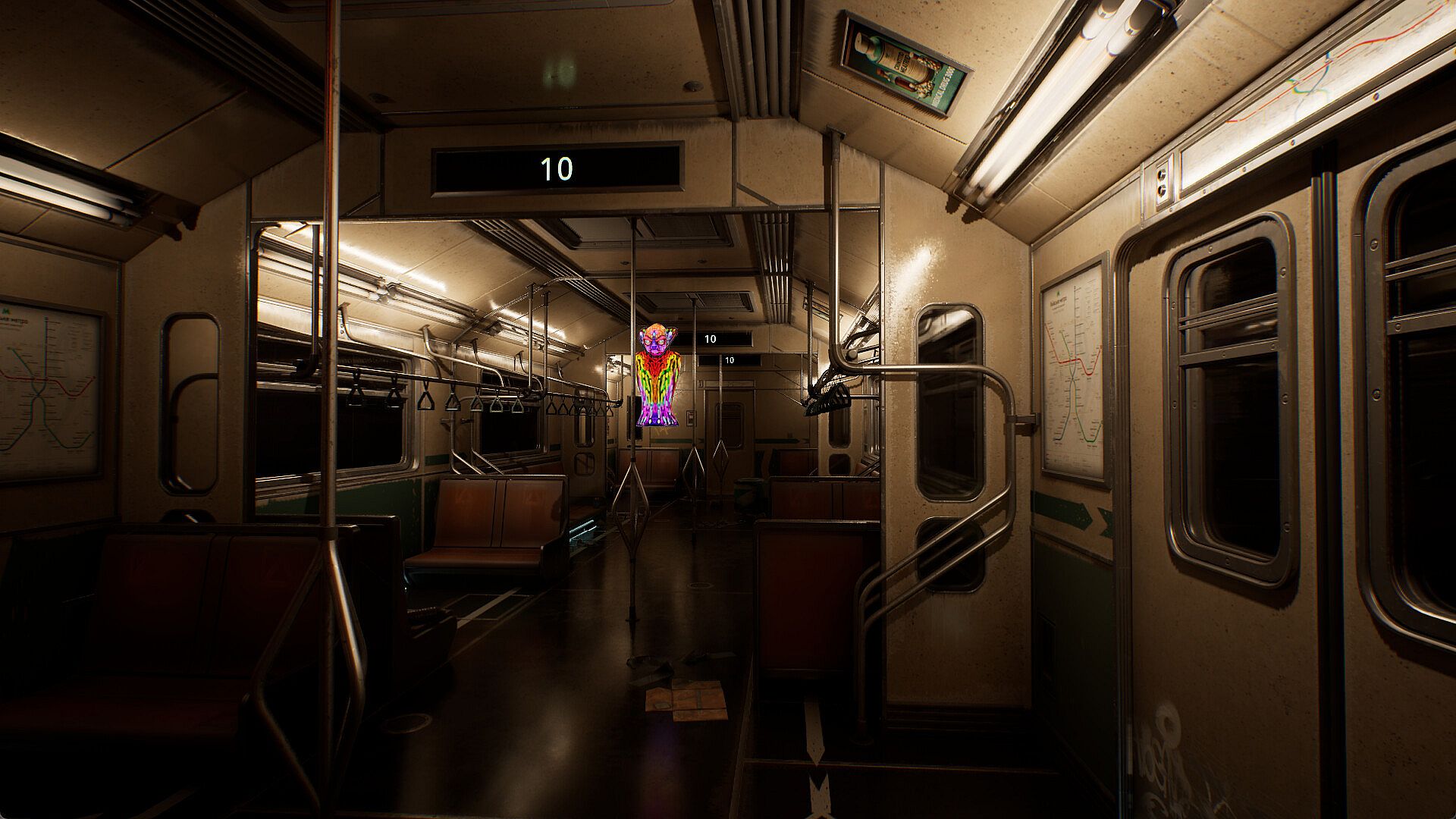
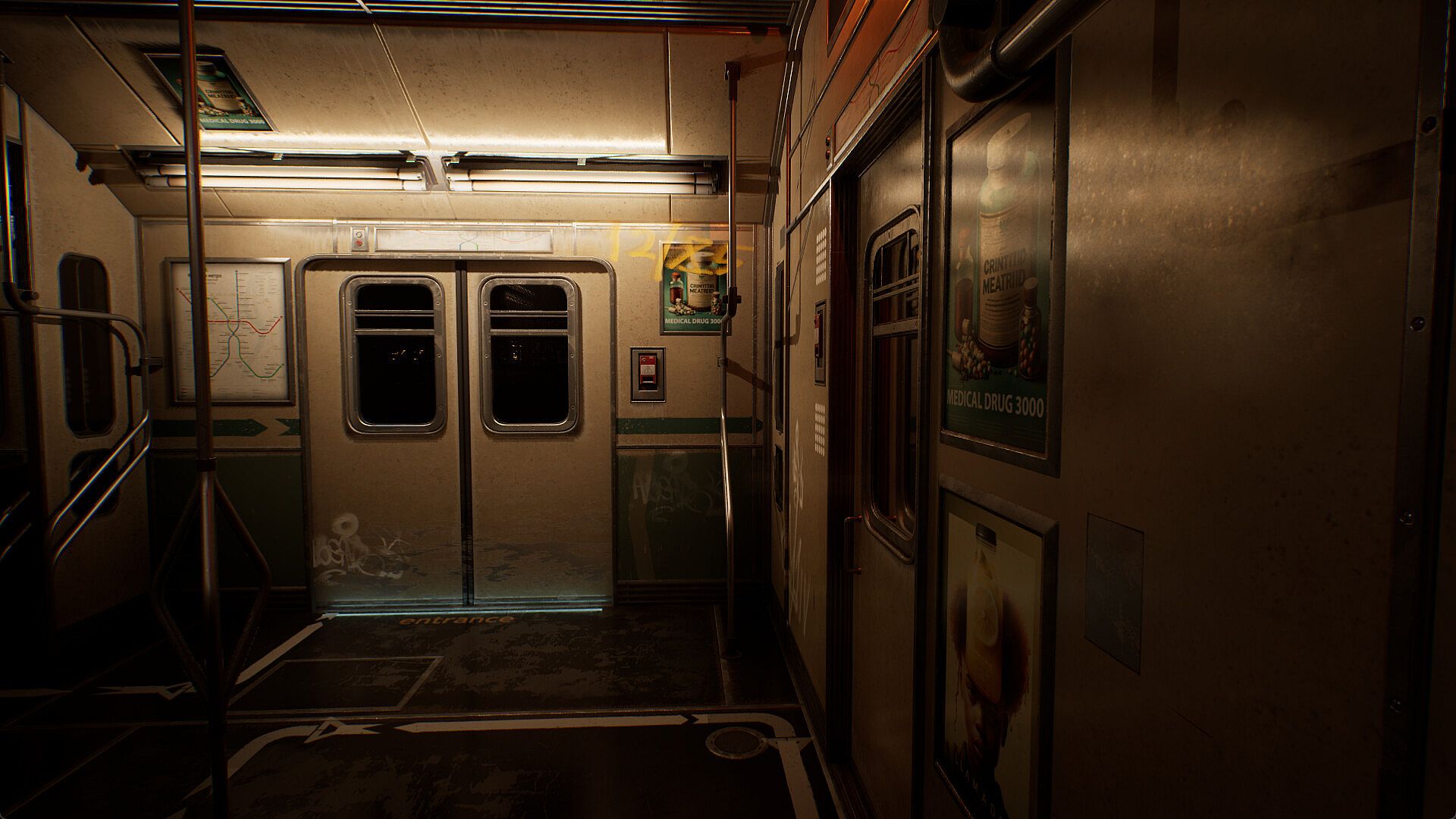
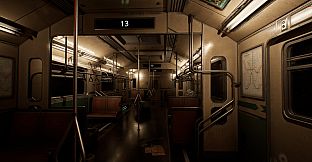



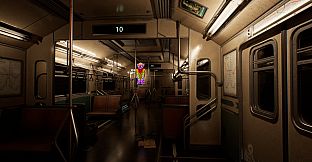

Uncanny Train is a single-player indie simulation game that places players in a looping train environment filled with psychological tension and subtle environmental challenges. The experience draws from liminal space aesthetics and Japanese subway influences, creating a focused walking simulator where observation and careful interaction drive progress through anomalous carriages.
Gameplay
The core loop involves moving through train carriages using standard keyboard and mouse controls. Players advance by identifying irregularities in the surroundings and interacting with specific elements to resolve them or progress safely. Environmental puzzles appear naturally within each section, requiring attention to details like altered objects, unusual sounds, or spatial inconsistencies to avoid setbacks.
Atmosphere plays a central role, with the design emphasizing quiet unease over direct confrontation. Headphones enhance the audio cues that signal changes or potential hazards in the carriages. The journey targets a specific endpoint known as Carriage -1, turning each forward step into a deliberate process of scanning and decision-making.
Controls remain straightforward: WASD for movement, left mouse button for interactions, space to jump, and escape for menu access. This simplicity keeps the focus on exploration and anomaly detection rather than complex mechanics.
Game Modes
Uncanny Train operates as a single-player experience with one primary progression path centered on reaching the target carriage. There are no separate multiplayer options or distinct named modes, keeping the structure linear and self-contained within the train setting.
The gameplay emphasizes repeated traversal of carriages where anomalies reset or vary, encouraging players to refine their approach on subsequent attempts. This setup supports short sessions that can extend based on how thoroughly anomalies are addressed before advancing.
Atmosphere and Design
The train interior draws heavily from liminal and psychological horror traditions, featuring repetitive yet unsettling carriage layouts that shift through anomalous events. Every section hides potential irregularities that blend into the environment until noticed, rewarding careful observation without relying on overt scares.
Environmental storytelling emerges through the anomalies themselves and the overall sense of being trapped in an endless loop. The design avoids cluttered visuals, instead using subtle changes in lighting, objects, and audio to build tension across the journey.
Is It Worth Playing?
Uncanny Train suits players who enjoy atmospheric walking simulators and puzzle elements built around spotting and handling irregularities in confined spaces. Its short estimated playtime of 15 to 60 minutes makes it accessible for those seeking a focused session rather than extended campaigns.
The game remains in a pre-release state with no user reviews available yet, so expectations should center on its described mechanics of anomaly detection and environmental interaction. Fans of similar liminal horror experiences will likely appreciate the emphasis on immersion and the train-based setting, while those preferring action or multiplayer elements may find the solitary pace less engaging.