


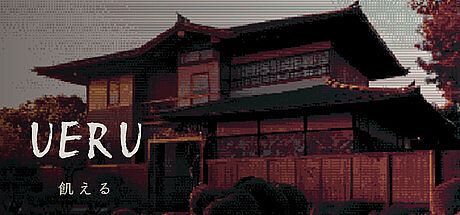











Ueru is a first-person interactive fiction adventure game developed as an indie title for PC. Players settle into a new home in Japan and must navigate the space while uncovering its secrets through careful observation and interaction.
Gameplay
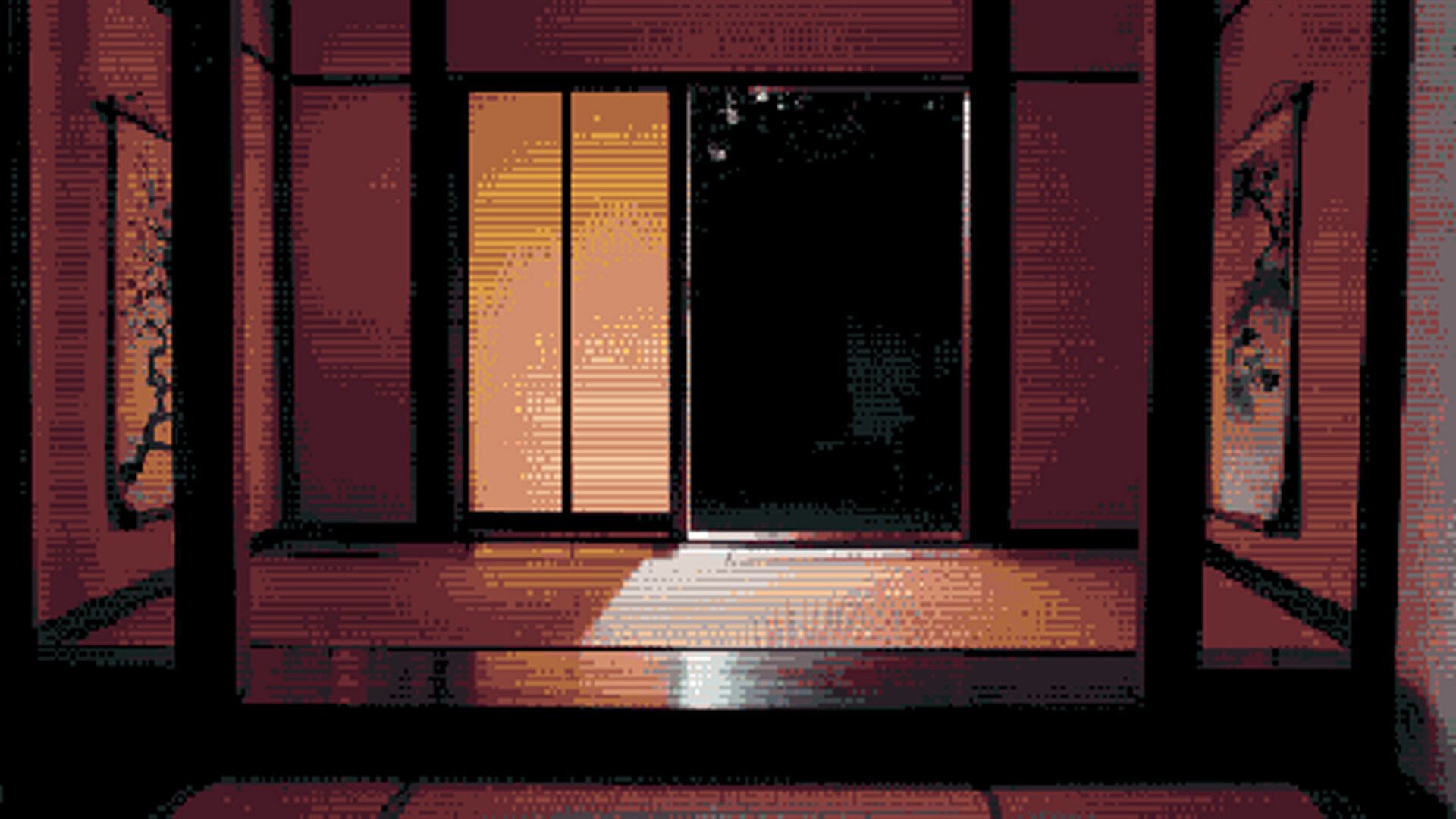
The core loop centers on exploration of a traditional Japanese residence. Players remove their shoes at the genkan before moving through tatami-floored washitsu rooms, a zen garden, sliding fusuma doors, and an outdoor deck. Every object carries a Japanese name, allowing vocabulary to build naturally during play. Inspection of items reveals clues that connect into logical puzzles. These challenges rely on story context rather than arbitrary combinations, such as deciphering phrases or tracing sounds through the environment. Headphones enhance the audio design, which shifts noticeably between day and night to signal changes in the house.
Progress comes from following curiosity: opening drawers, examining details, and applying discovered elements to advance. Built-in hints appear when needed, keeping focus on the experience without external lookups. The single-player structure emphasizes thoughtful pacing over action or combat.
Game Modes
Ueru offers a single continuous experience with no separate game modes or multiplayer options. The entire session unfolds as one cohesive narrative journey through the house, blending exploration, language learning, and puzzle resolution into a unified flow. Daytime segments encourage settling in, while nighttime sequences heighten tension through altered sounds and atmosphere.
Story and Setting
The narrative unfolds through environmental storytelling. A new arrival imagines a peaceful life in the morning light, yet the house reveals layers of mystery that must be resolved before dawn. Details in the architecture and objects tie directly into the puzzles, creating a self-contained world rooted in Japanese domestic spaces. No external lore or additional characters interrupt the personal discovery process.
Is It Worth Playing?
Ueru suits players who appreciate deliberate, atmospheric adventures focused on observation and deduction. Those drawn to interactive fiction, language acquisition through context, or puzzle designs grounded in narrative logic will find a concise, self-contained experience. The emphasis on logical progression and optional hints supports steady advancement without frustration. Availability on PC makes it accessible for short sessions or focused playthroughs. If the described mechanics align with personal preferences for quiet exploration over fast-paced elements, the game delivers a distinctive take on the genre.