


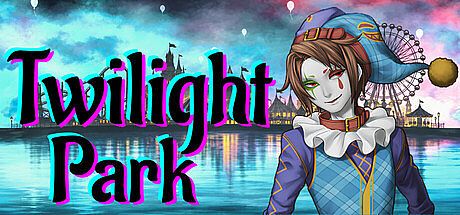


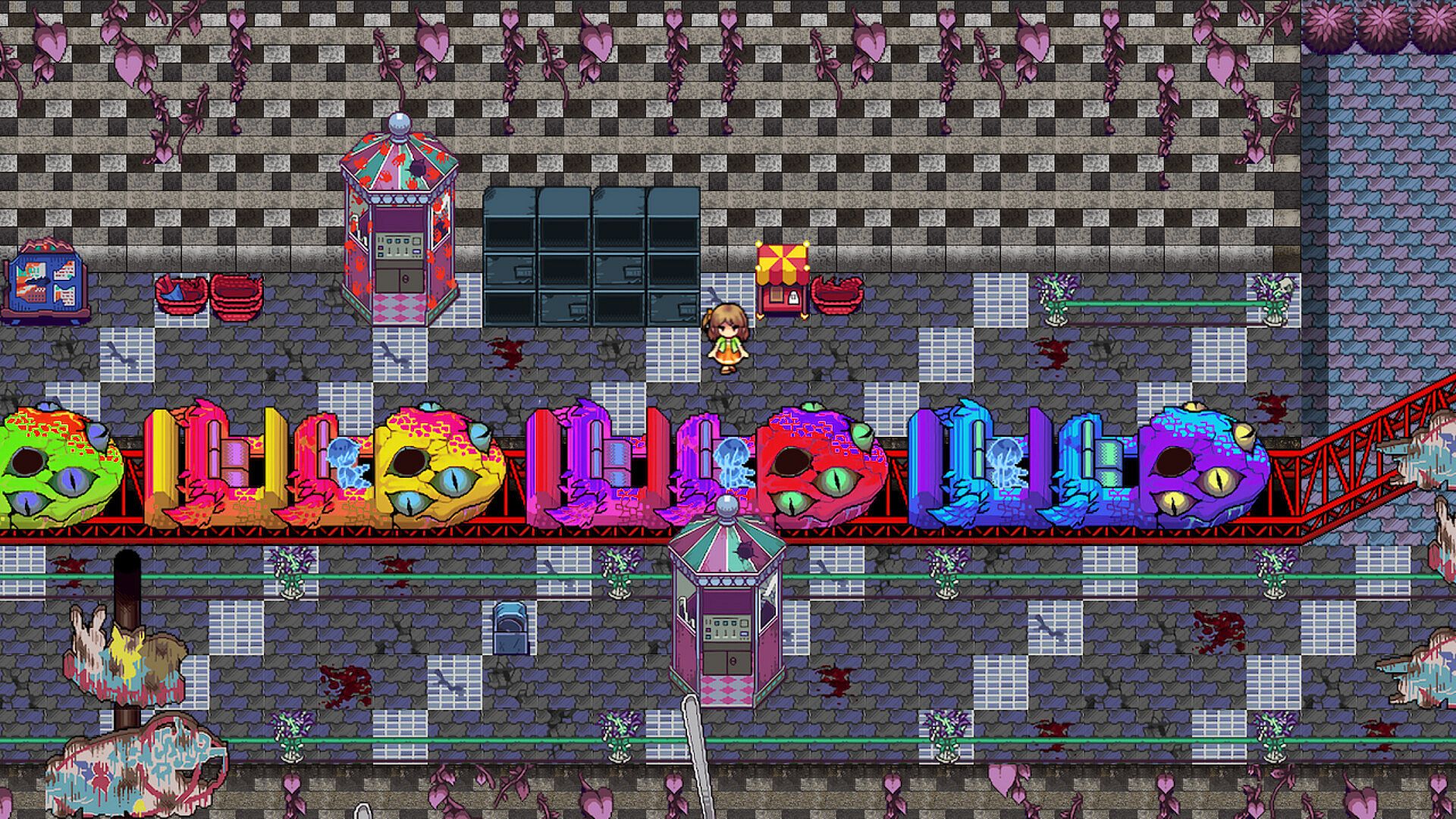
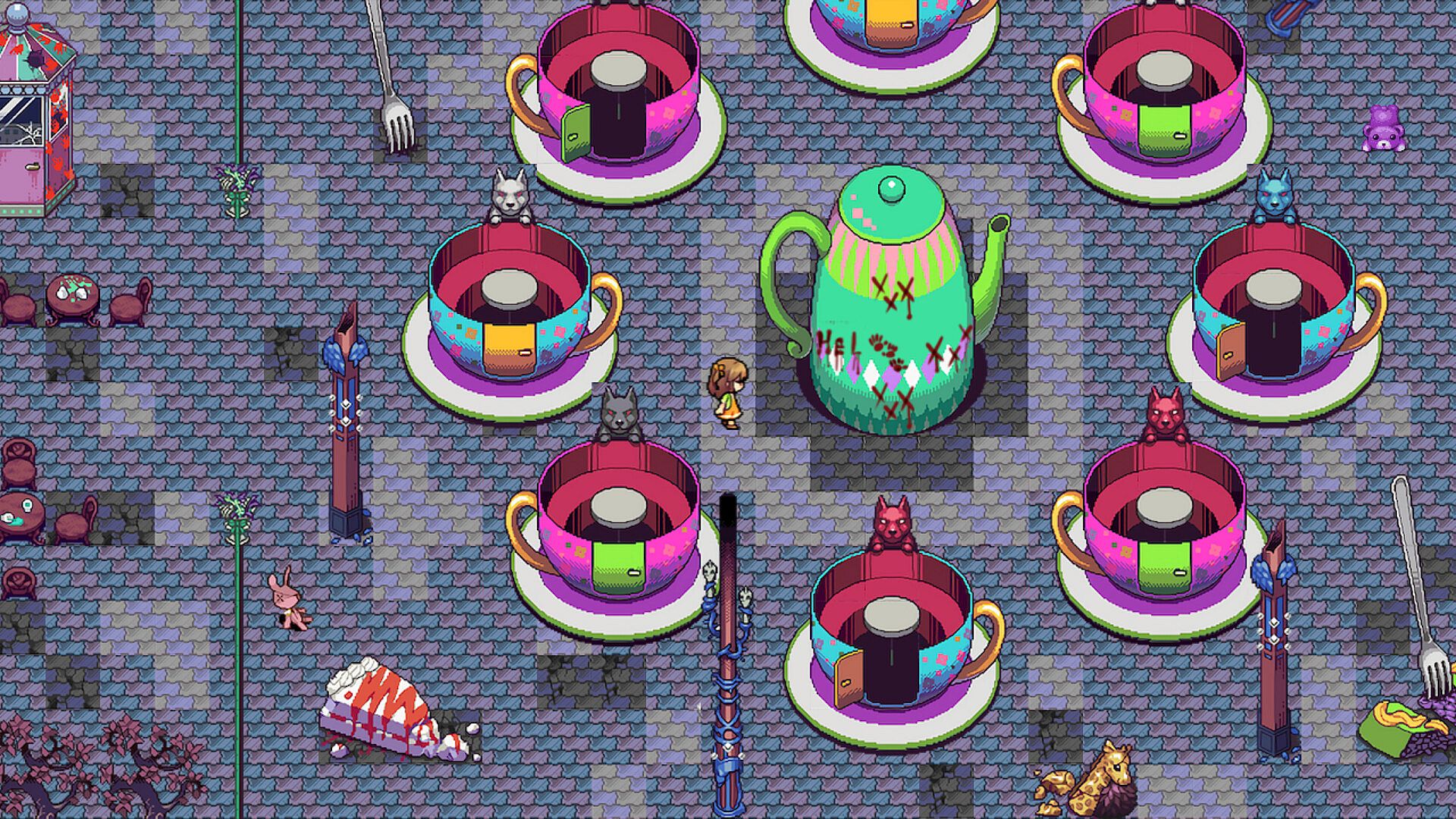
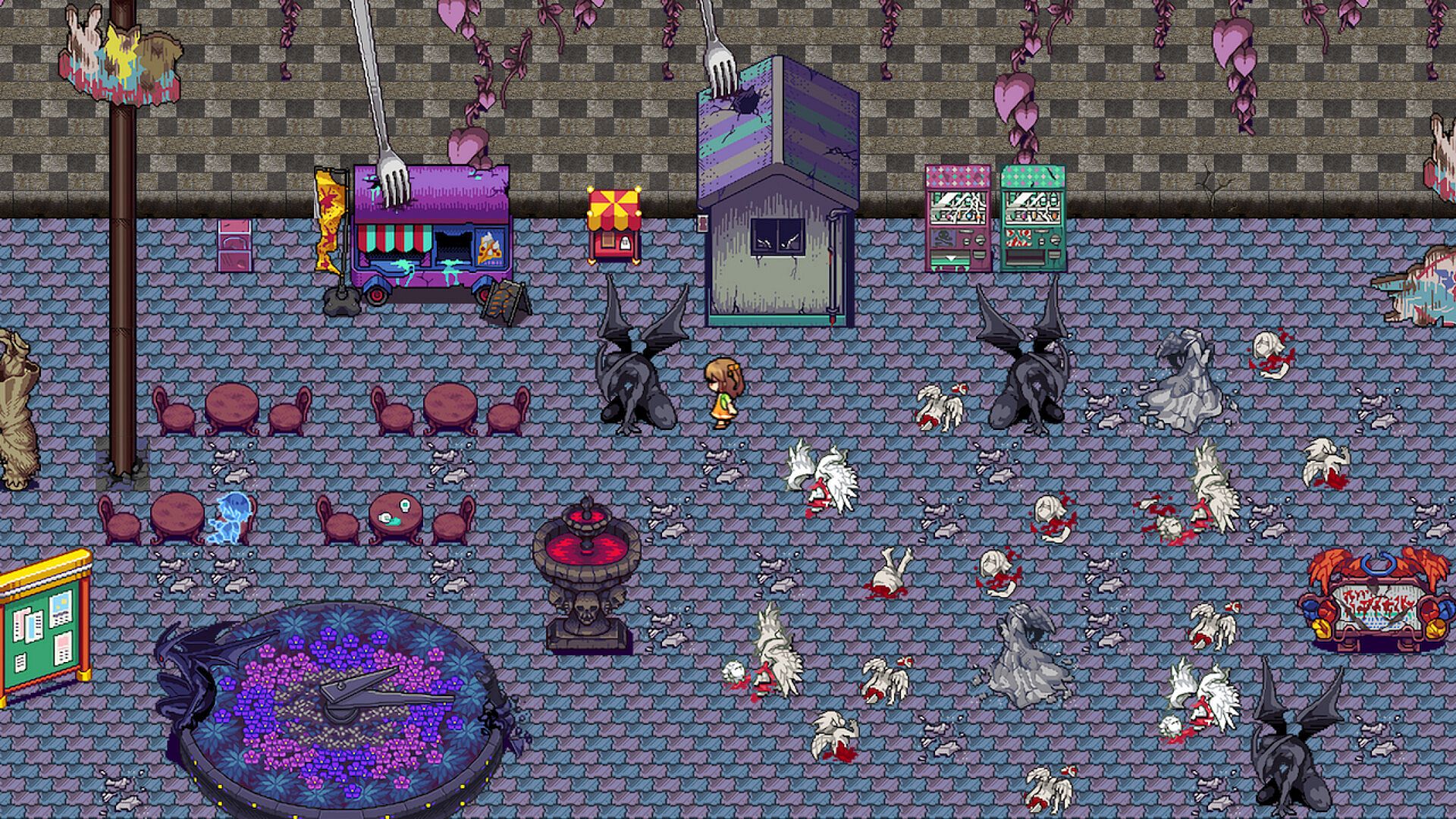
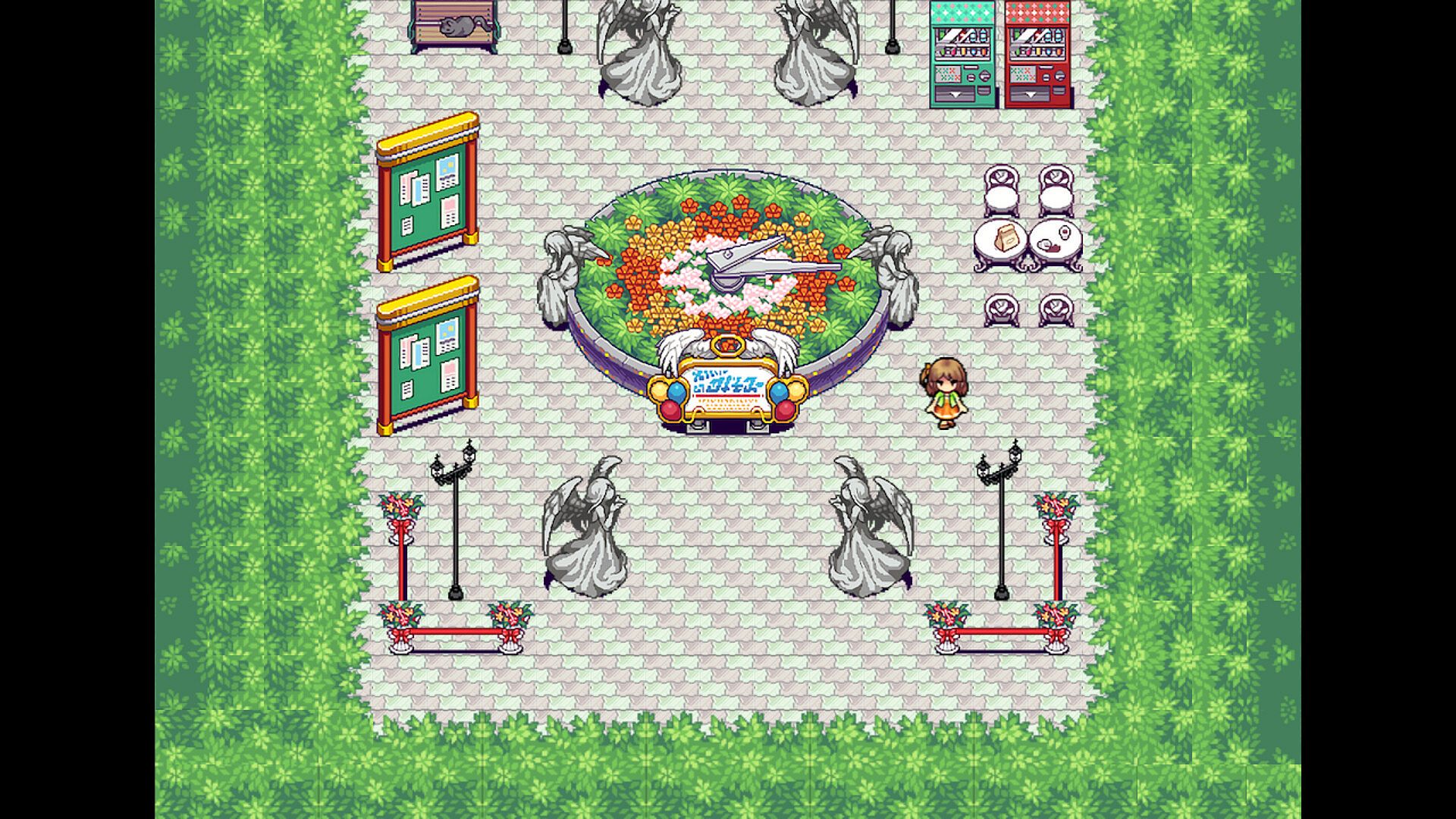
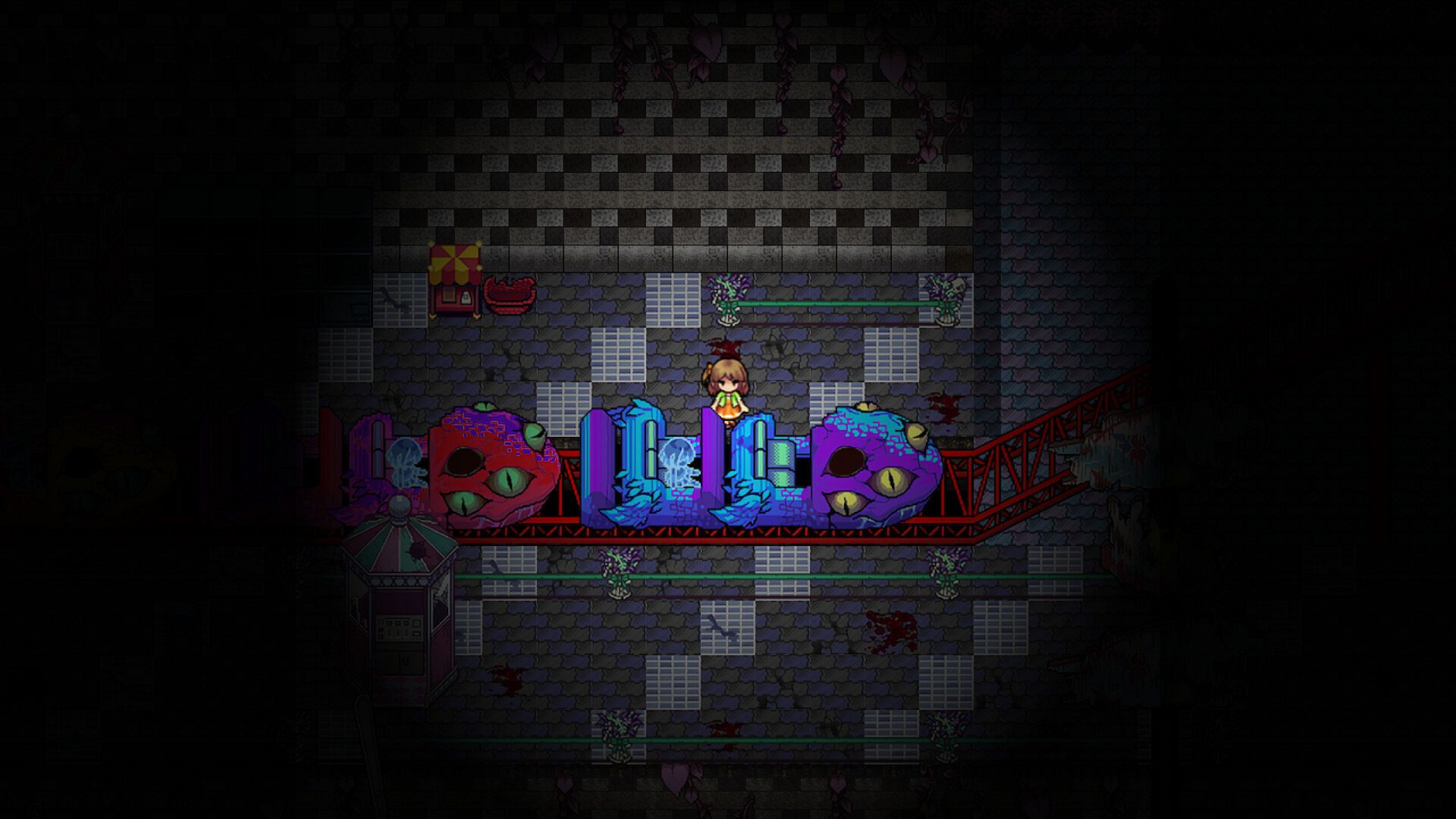
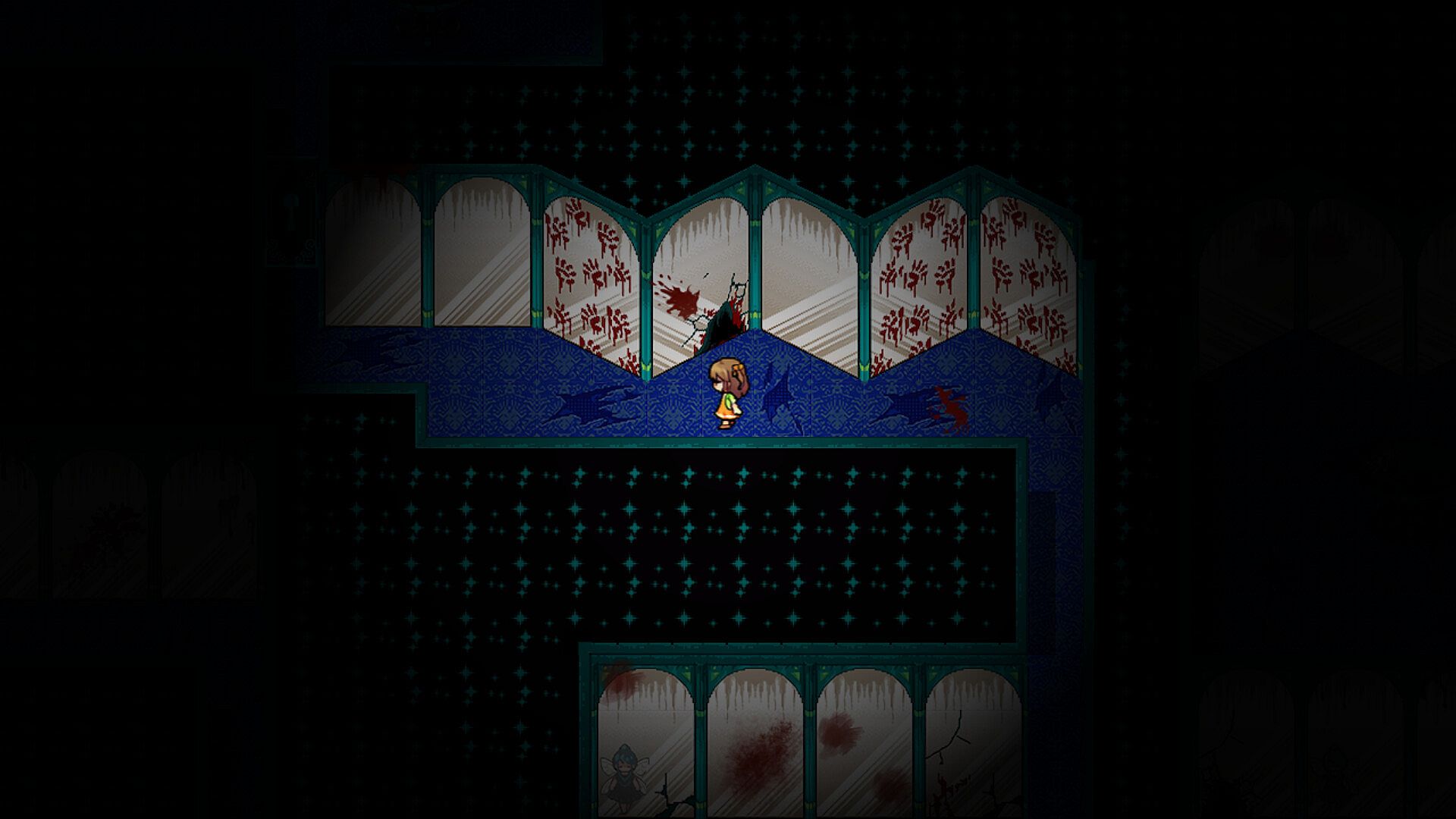
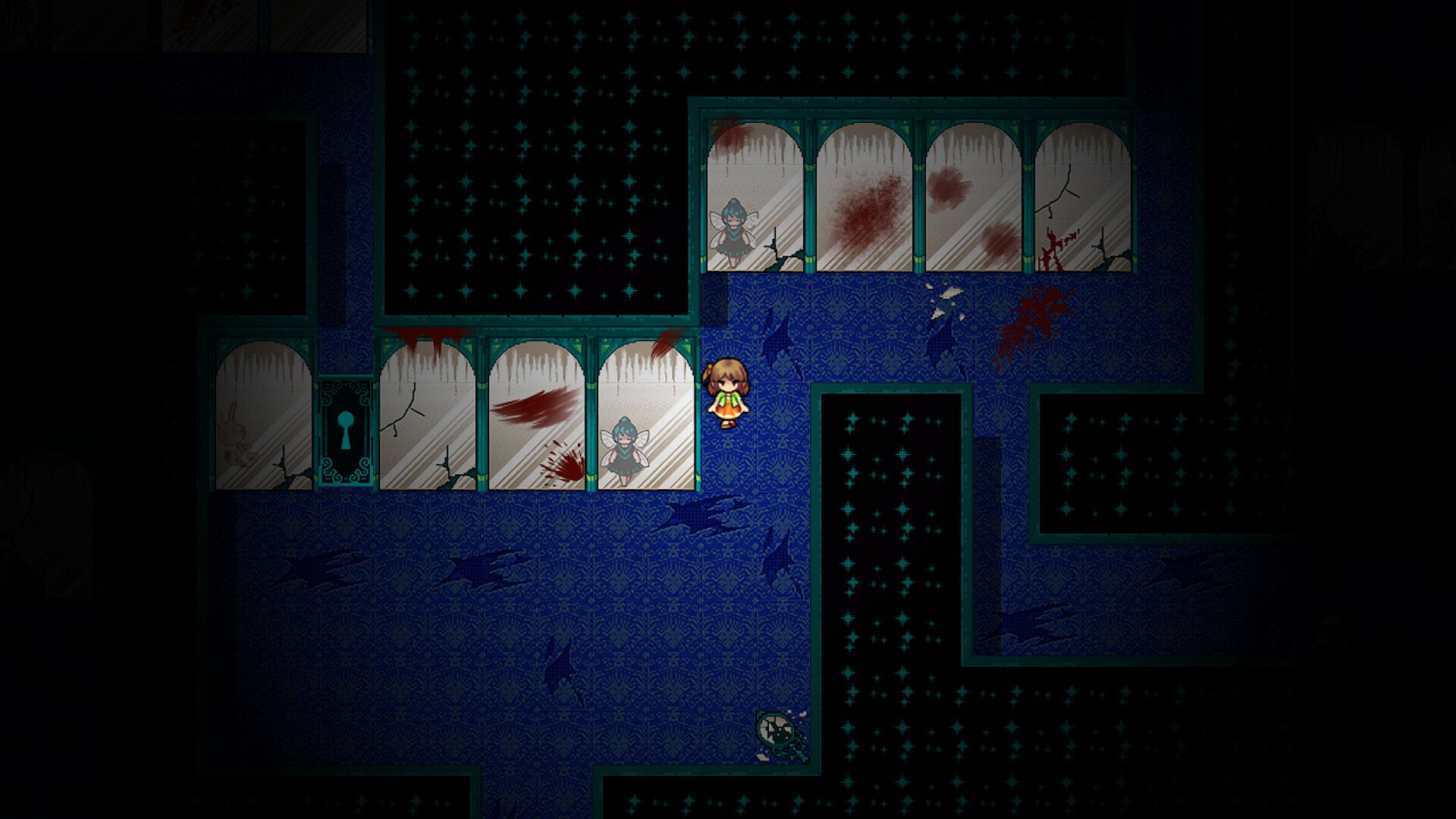
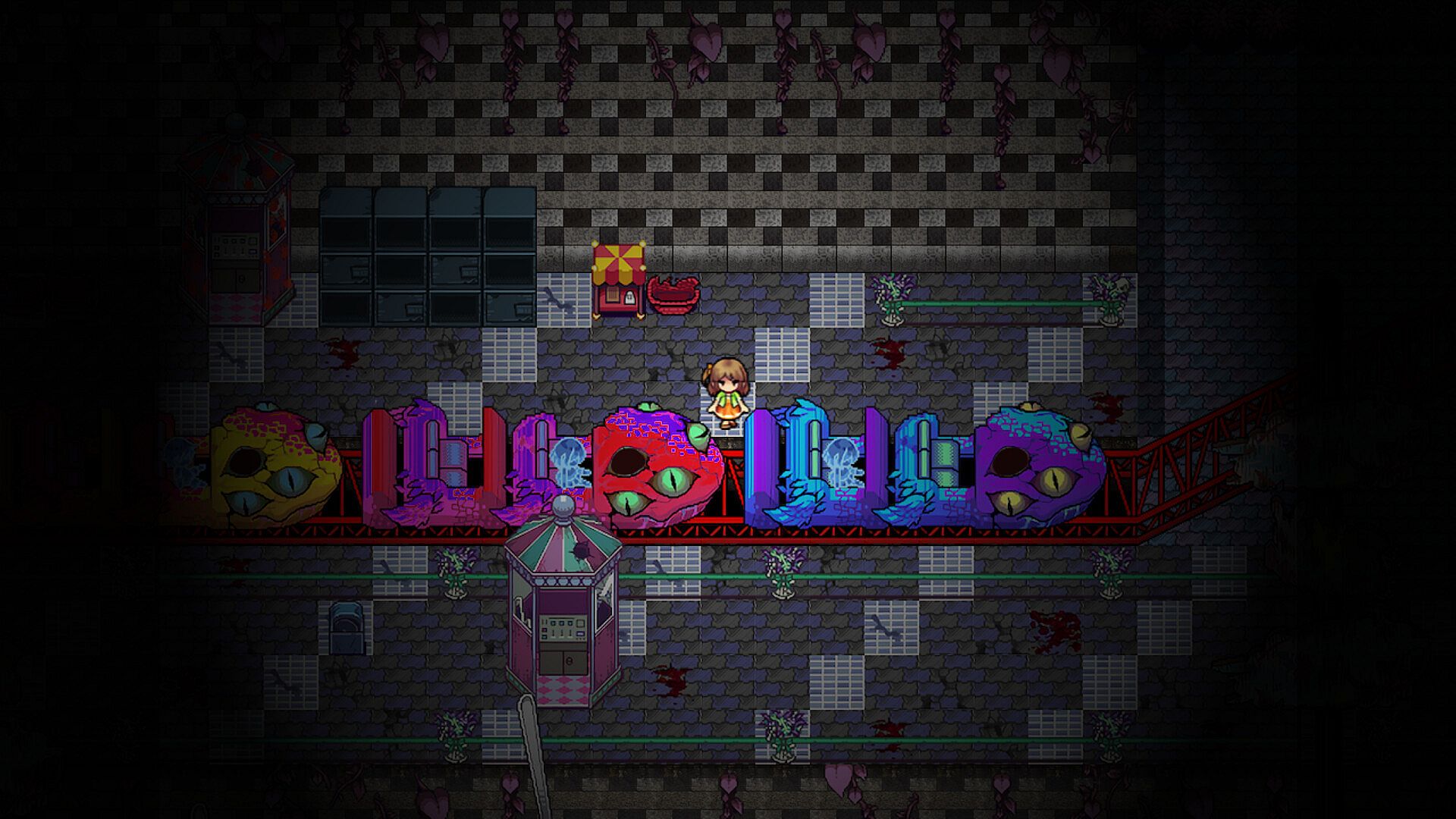
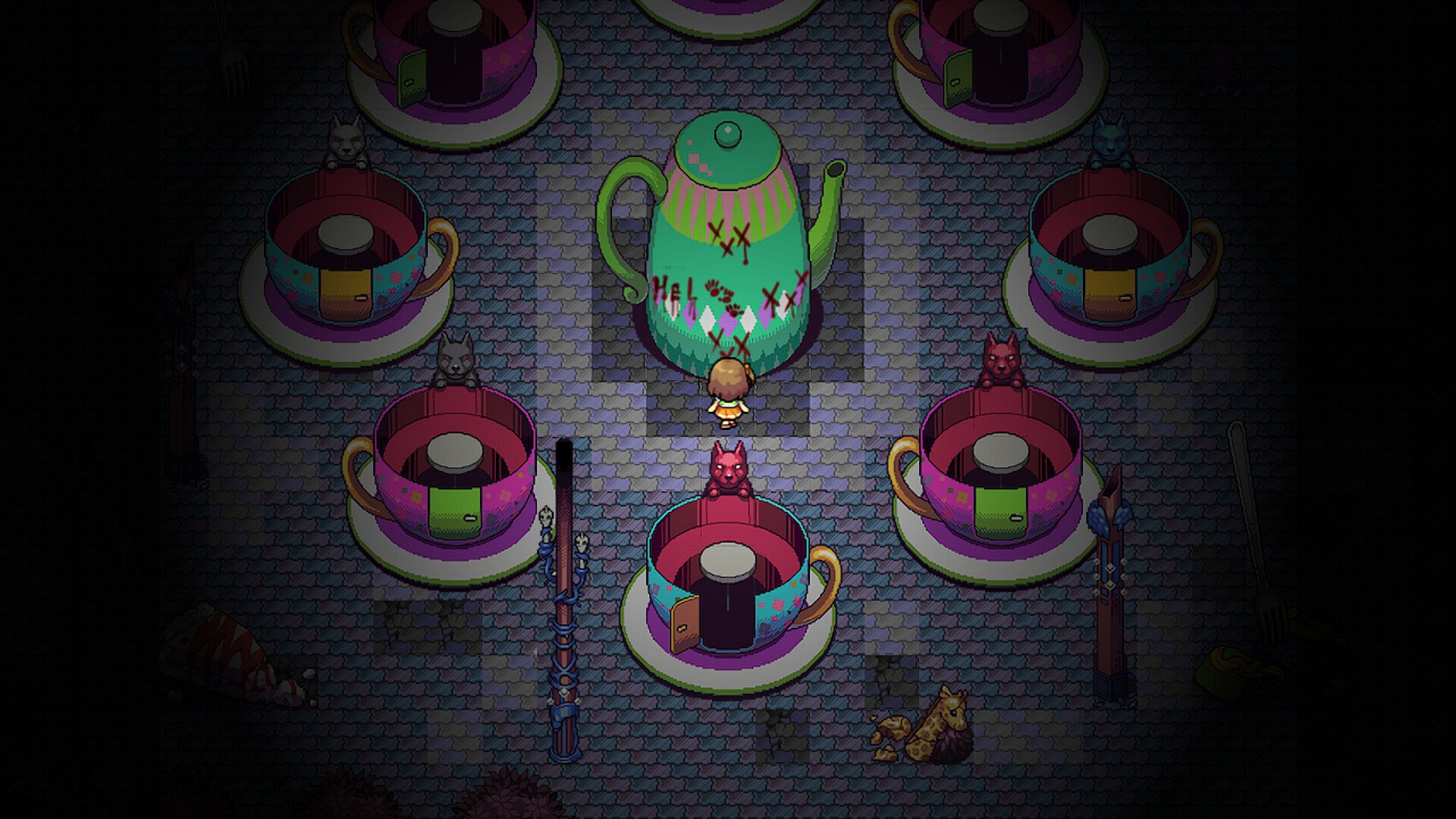
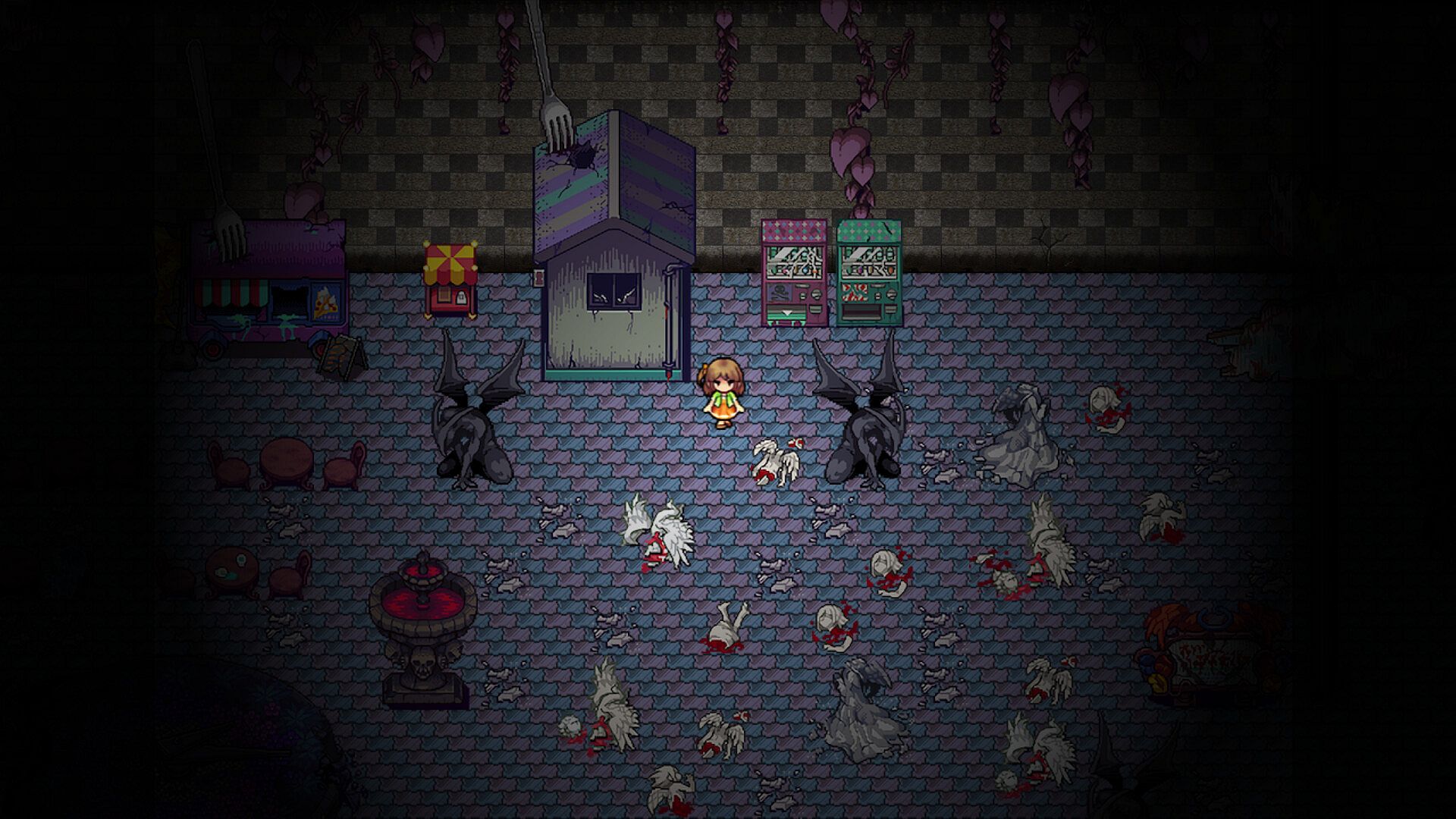
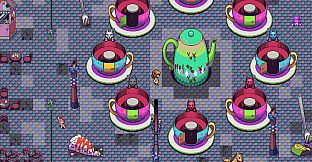
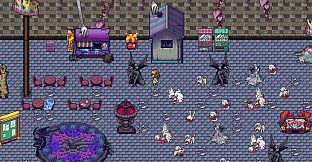
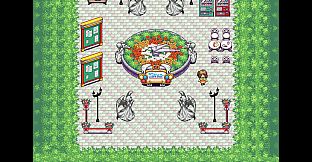
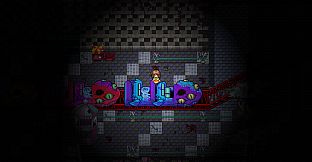
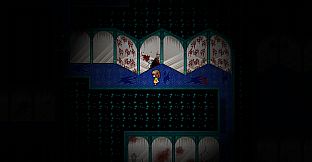
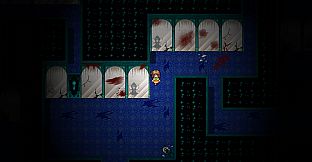
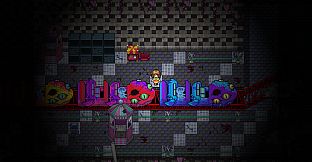
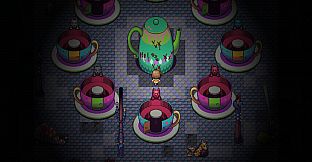
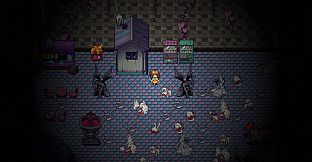
Twilight Park is an indie casual adventure game built around retro puzzle and escape room mechanics. Players find themselves invited to an amusement park that quickly turns into a trap, with the environment shifting from bright and inviting to dark and confining. The core experience centers on single-player exploration where the goal is to escape by examining surroundings, collecting items, and working through puzzles.
Gameplay
The gameplay loop revolves around careful investigation of the park's locations. Players move through various areas, interacting with objects and environments to uncover clues and useful items. Puzzles require logical thinking and observation, often involving combining found objects or solving environmental challenges to progress. The retro aesthetic influences the visual style and puzzle design, emphasizing straightforward yet engaging problem-solving without modern visual flourishes or automated assistance.
Everything in the game is crafted by hand, with no AI involvement in development or content generation. This approach supports a consistent, deliberate feel to the puzzles and world details. Movement and interaction stay focused on the escape objective, keeping sessions centered on discovery and resolution rather than combat or resource management systems.
Game Modes
Twilight Park offers a single-player experience centered on the escape room puzzle format. There are no additional modes such as multiplayer, competitive, or cooperative options confirmed at this stage. The structure supports a linear progression through the trapped park, with puzzles building on previous discoveries to reach the exit.
Replay value comes from revisiting areas to locate missed items or solve puzzles in different sequences where possible, though the primary path remains the escape sequence. The casual adventure elements keep the focus accessible while maintaining the tension of being confined.
Story and Setting
The narrative begins with an invitation to the amusement park for what promises to be an enjoyable visit. Once inside, the situation changes as the park becomes inescapable and the atmosphere darkens. Players uncover the circumstances through environmental storytelling and item interactions rather than direct exposition. The setting draws on classic amusement park imagery that shifts to reflect the trapped state, reinforcing the puzzle-driven escape theme.
This setup suits players who enjoy atmospheric single-player adventures where the environment itself tells much of the story. The retro presentation adds a layer of nostalgia to the otherwise tense situation.
Current State and Availability
The game remains in a pre-release phase with a wishlist available for those interested in following its development. System requirements indicate support for Windows and macOS, with modest hardware needs that align with its retro-inspired design. No patches, seasonal updates, or post-launch content have been detailed yet due to the upcoming status.
Development emphasizes a fully human-made product, which may appeal to those seeking authentic indie experiences free from procedural generation or AI-assisted elements.
Is It Worth Playing?
Twilight Park targets fans of retro-style puzzle and escape room games who prefer single-player adventures focused on investigation and problem-solving. The premise of being trapped in an amusement park provides a clear hook for players who enjoy confined-environment challenges and logical progression through items and puzzles.
With its emphasis on hand-crafted content and straightforward mechanics, the game suits those looking for a focused casual adventure without extraneous systems. As it approaches release, interested players can monitor updates to see how the puzzle variety and overall length develop. For anyone drawn to indie escape room titles on PC, it represents a potential match based on the described core loop of exploration and resolution.