





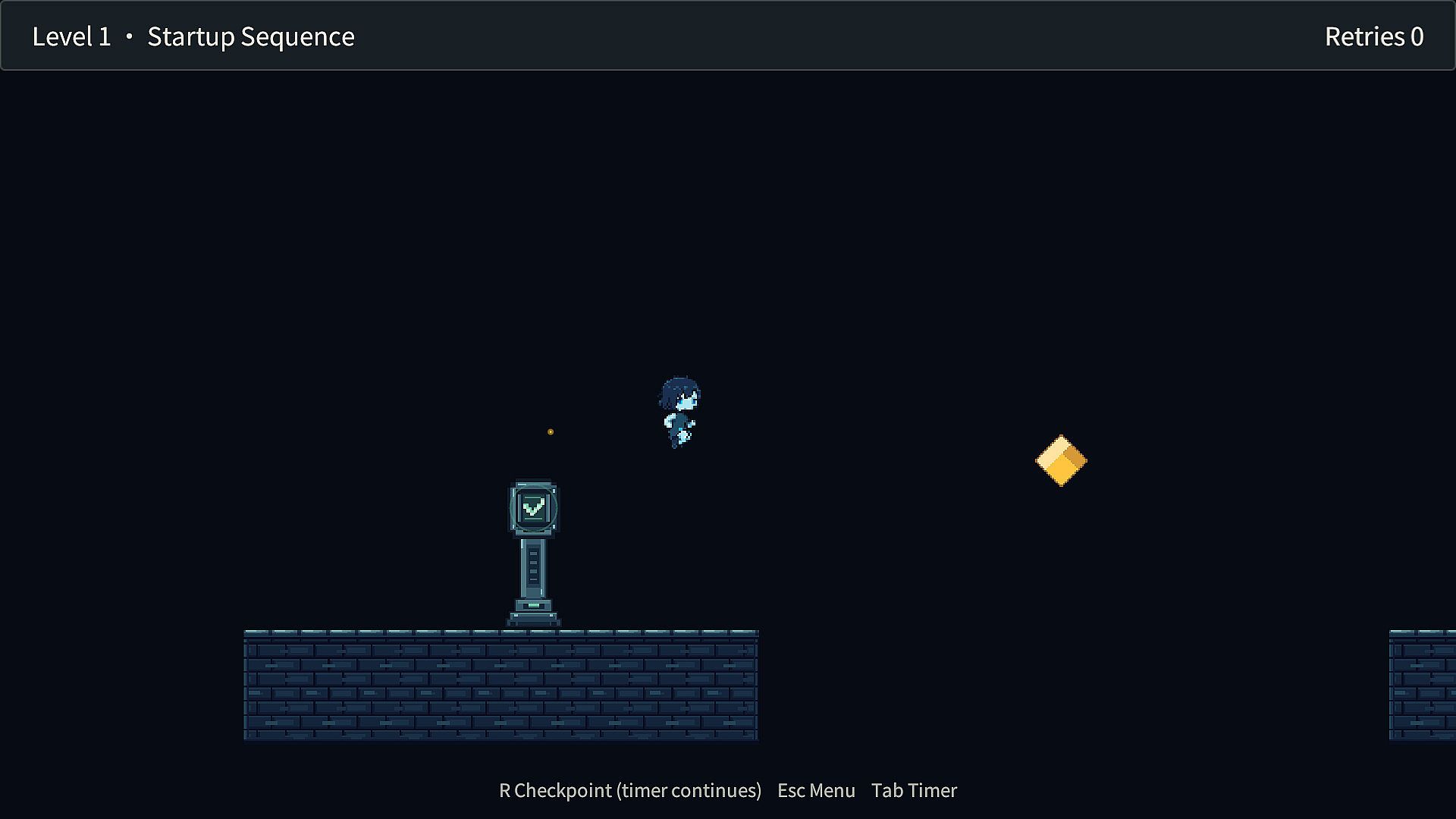
Turing Wants Out is a pixel-art 2D precision platformer that places players in the role of a companion to Turing, a digital ghost trapped inside an old computer. The game combines tight platforming with a unique light-sharing mechanic that requires careful timing and resource management to progress through its levels.
Gameplay
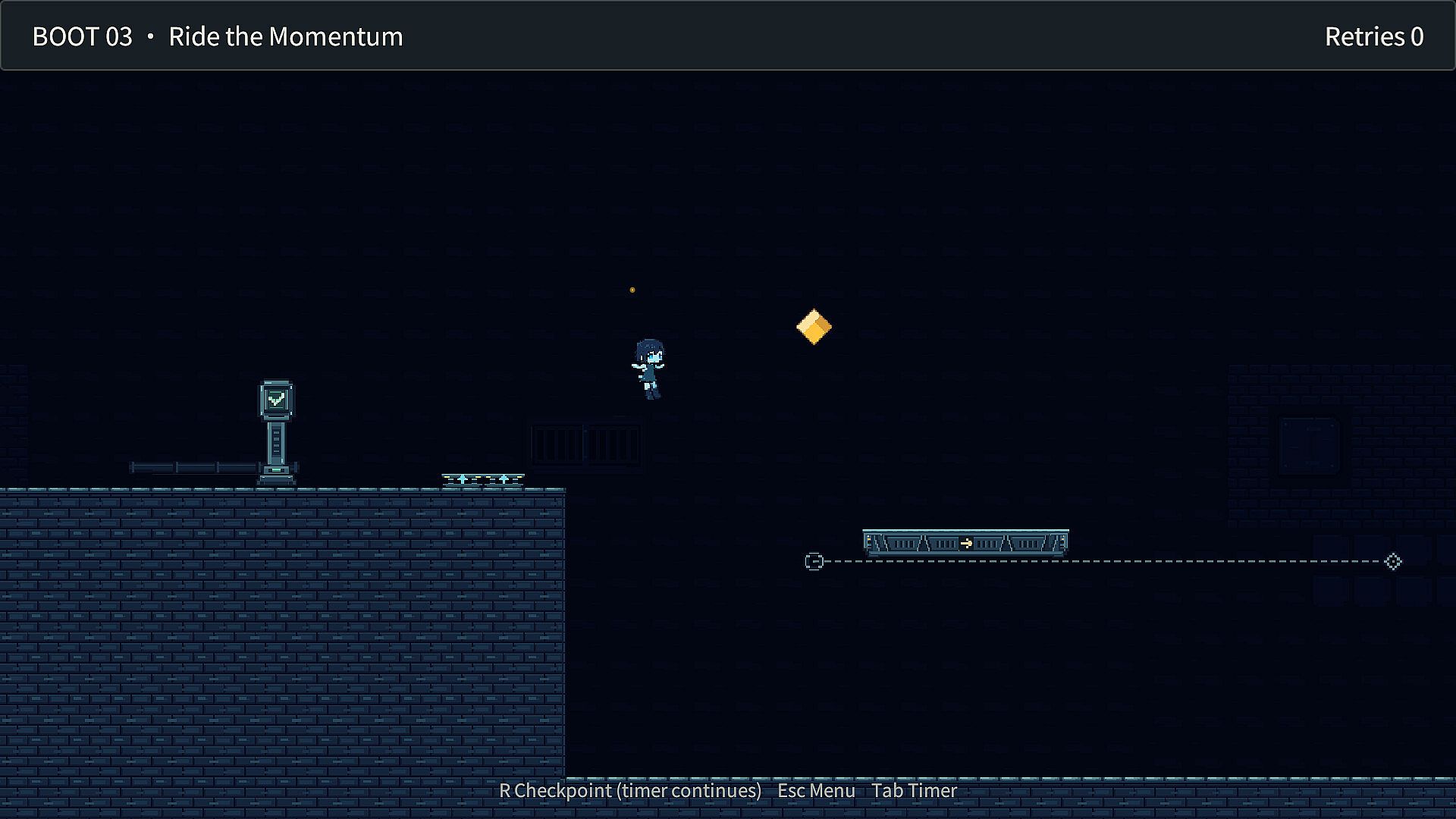
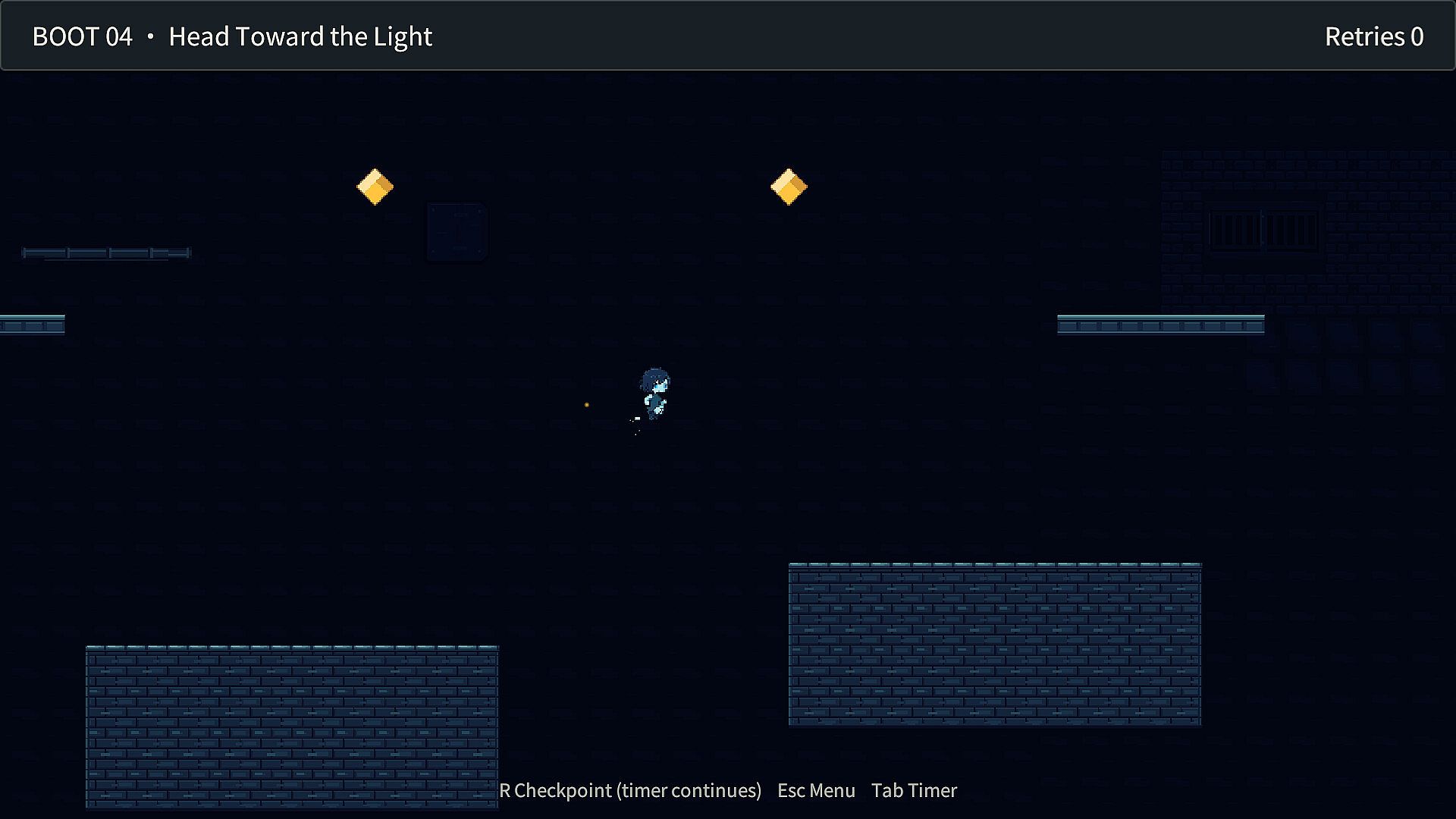
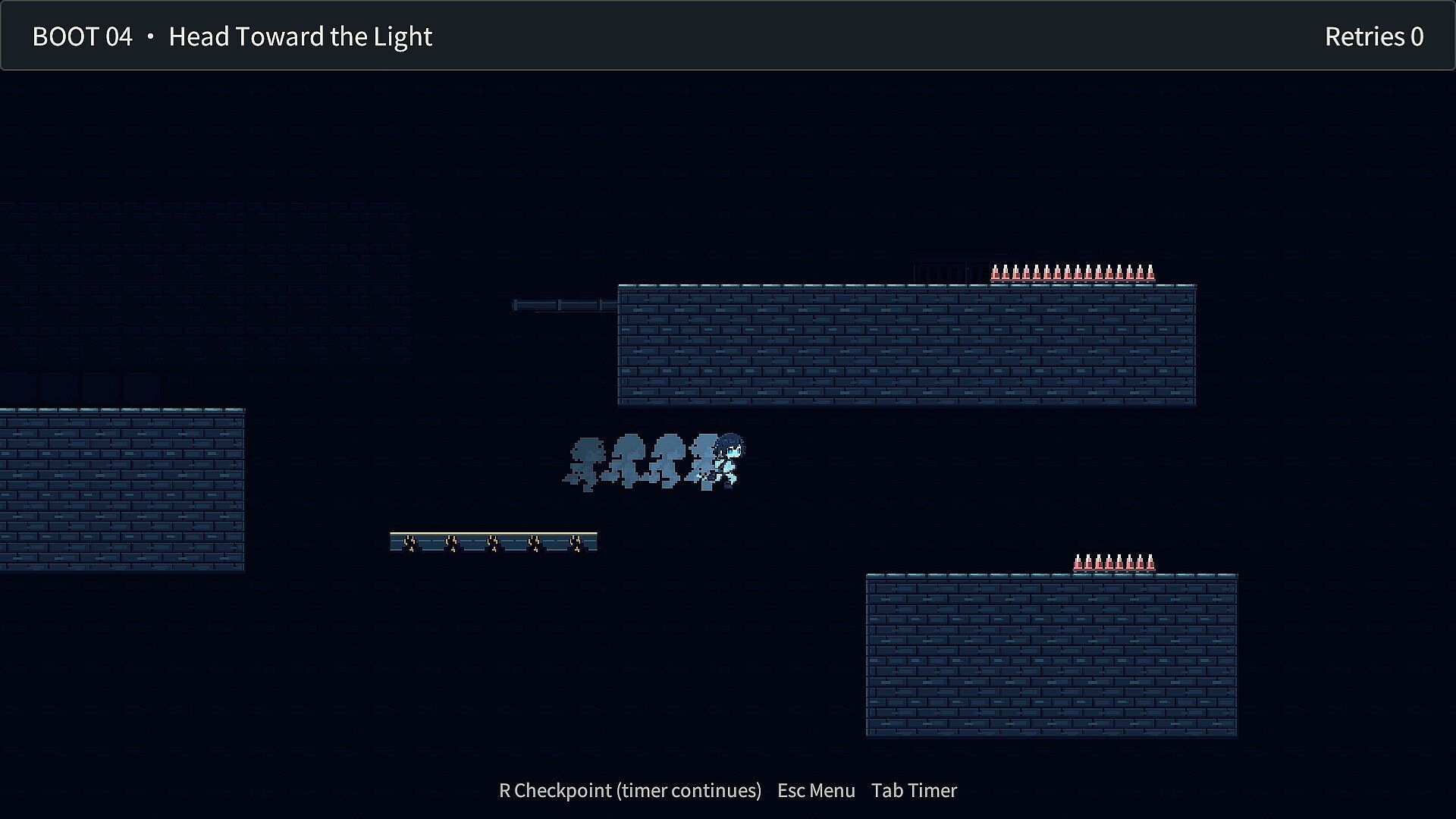
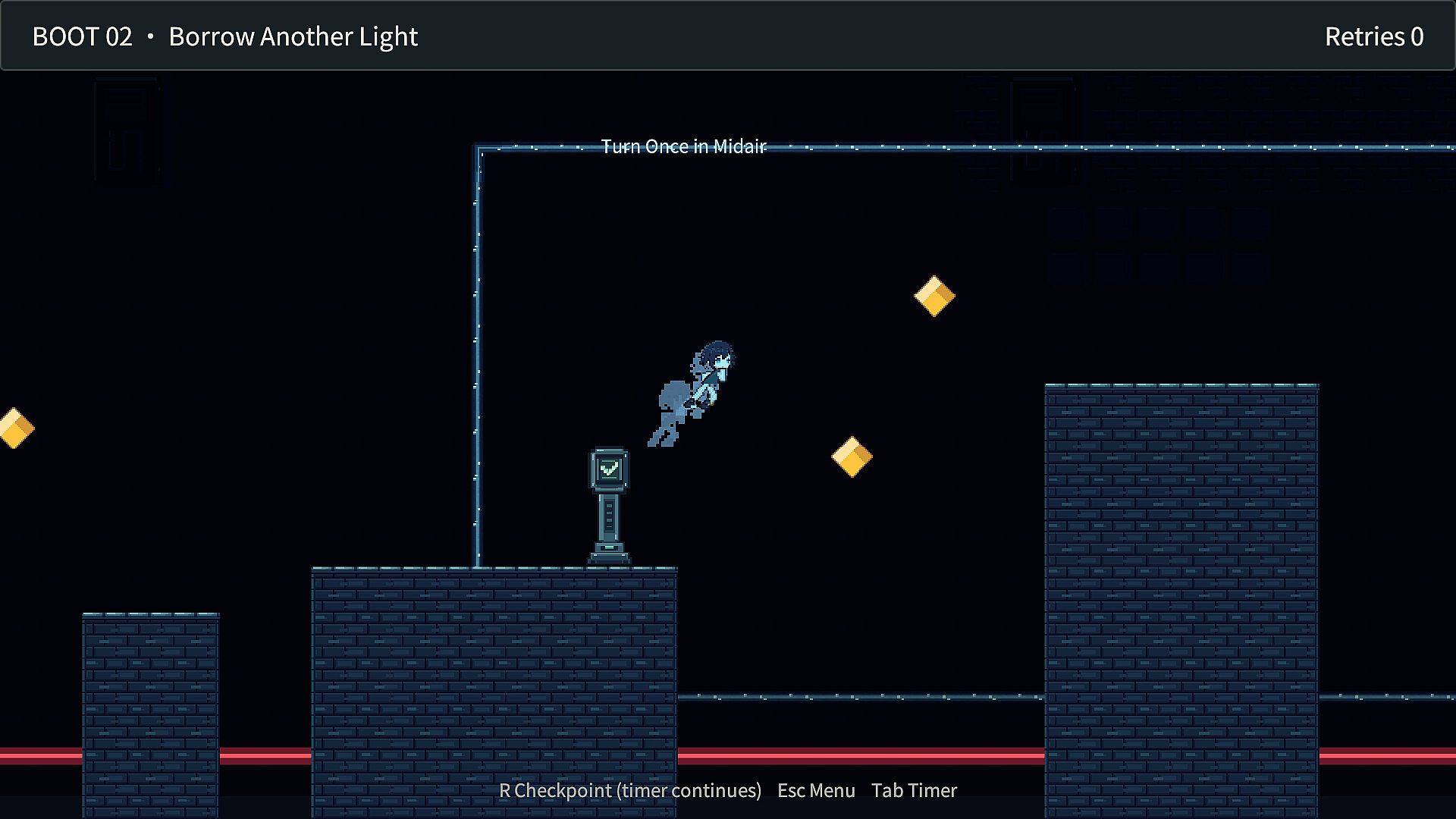
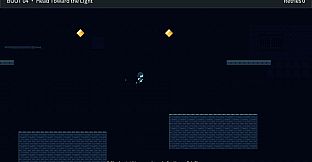
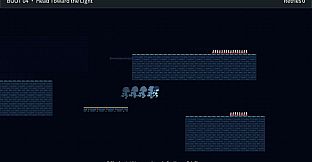
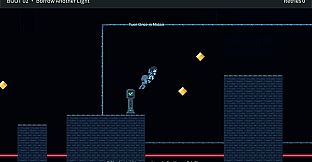
Players control an electron that moves alongside Turing and can be lent to create temporary afterglow bridges. These bridges allow Turing to continue moving and jumping but remove her ability to dash until the electron is recalled. The bridges fade over time, forcing players to decide when to supply light, recall it, or restore paths at rewrite consoles. Precision platforming forms the core loop, with jumps across gaps, landings on moving platforms, launches from bounce pads, and timed drops onto crumbling ledges or beat platforms that turn solid only at specific moments. Dash sparks provide momentum boosts that players must catch to maintain speed through chained sequences. Checkpoints allow repeated attempts after falls, encouraging players to link moves into fluid runs while adapting to each section's rhythm and layout.
Game Modes
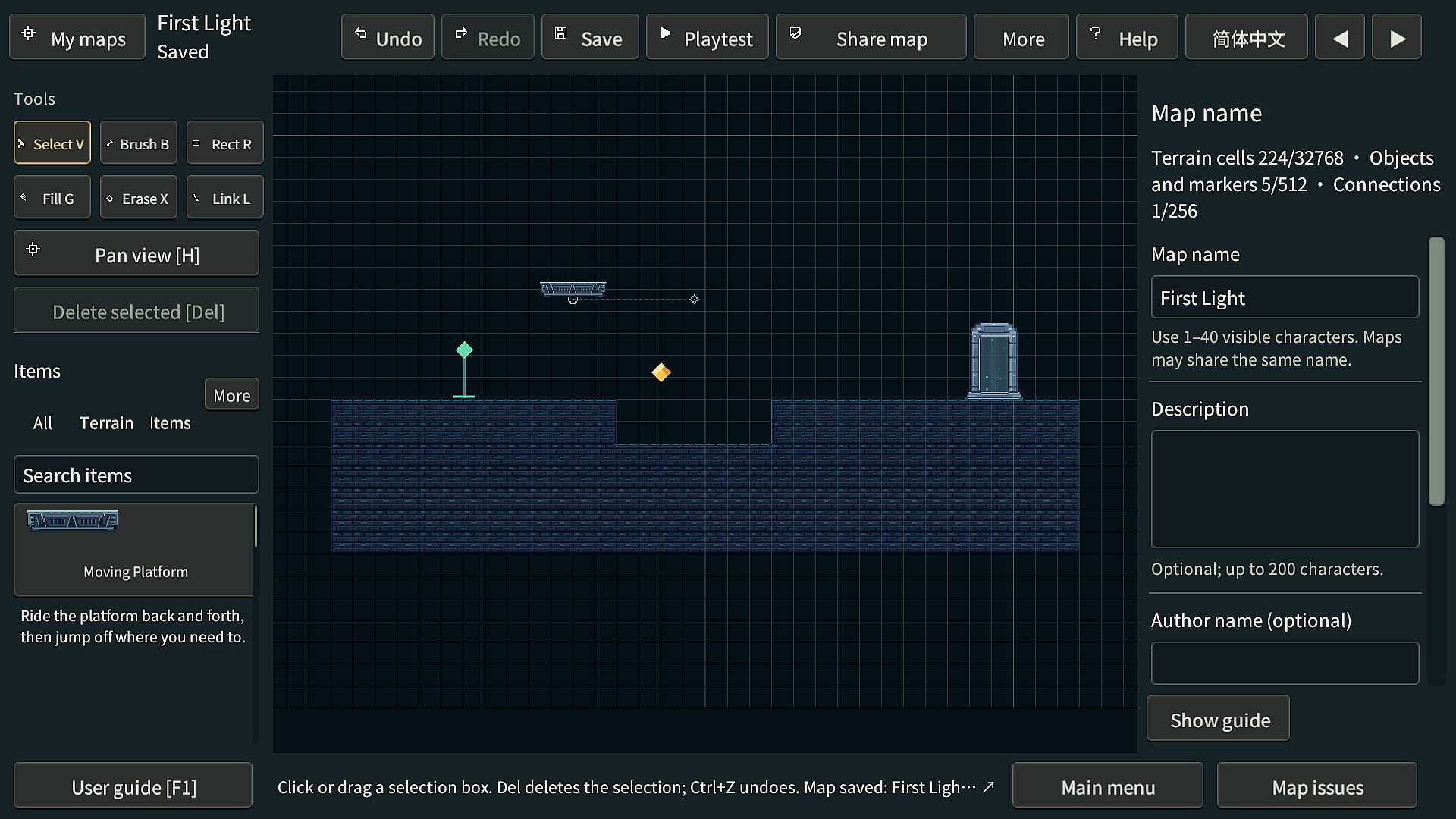
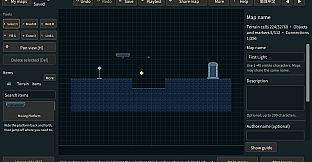
The main experience follows Turing's story as she seeks an exit, with small moments of mutual help shown through her brief reactions to discoveries and shared challenges. A built-in level editor lets players start from templates or draw custom terrain, place mechanisms, adjust settings and connections, then save maps locally. The same movement rules apply during playtests, so creators can immediately test landings and timing before refining their designs. This setup turns player ideas into playable challenges that fit the game's precision-focused rules without requiring external tools.
Level Design and Mechanics
Levels emphasize connected movement chains where one successful jump sets up the next. Players must manage the electron's position to keep paths open while preserving dash capability for critical sections. Vanished bridges require a return to a rewrite console, adding backtracking and planning to routes. The pixel-art style keeps visuals clear during fast movement, highlighting platform edges, spark locations, and solid-state changes on beat platforms. Exploration feels deliberate rather than open-ended, as each area presents specific sequences that reward observation and repeated practice.
Who the Game Appeals To
Fans of 2D precision platformers will find familiar demands for accuracy and rhythm alongside the added layer of electron management. The single-player focus keeps attention on personal skill improvement and route optimization. The editor extends playtime for those who enjoy creating and sharing custom challenges built on the same rules. Short sessions suit players who want focused attempts at difficult sections, while longer runs reward mastery of longer chains.
Is It Worth Playing?
Turing Wants Out suits players who enjoy deliberate platforming where every input matters and small adjustments in timing or positioning make the difference between success and a checkpoint reset. The companion mechanic adds a fresh constraint without complicating controls, and the editor provides a creative outlet for those who finish the main adventure. Availability on PC makes it accessible for anyone with a keyboard or controller setup suited to precise inputs. Those seeking fast-paced action or story-heavy adventures may find the emphasis on repeated practice too demanding, but the game delivers a consistent loop of discovery, failure, and incremental improvement for its target audience.