






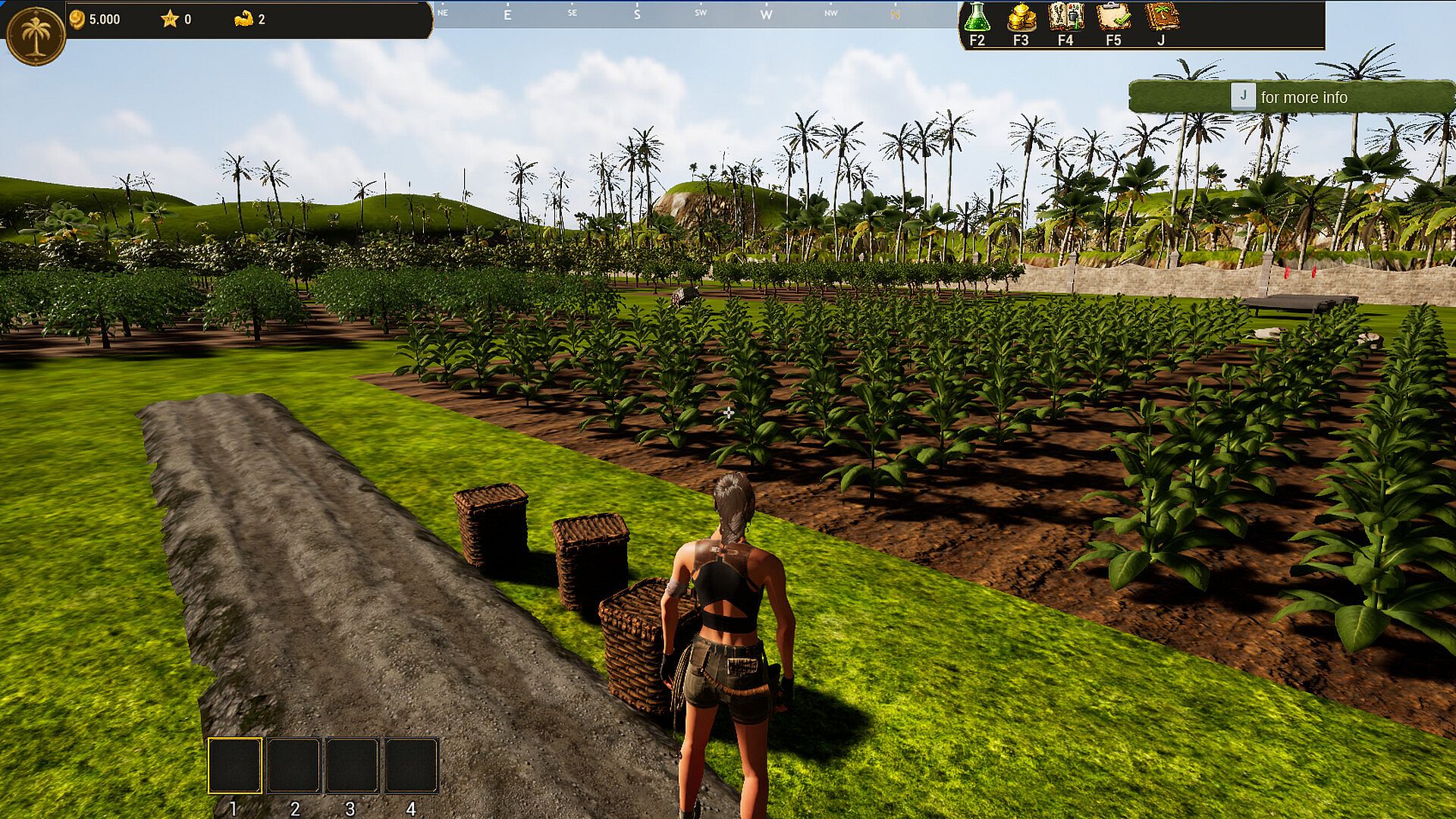
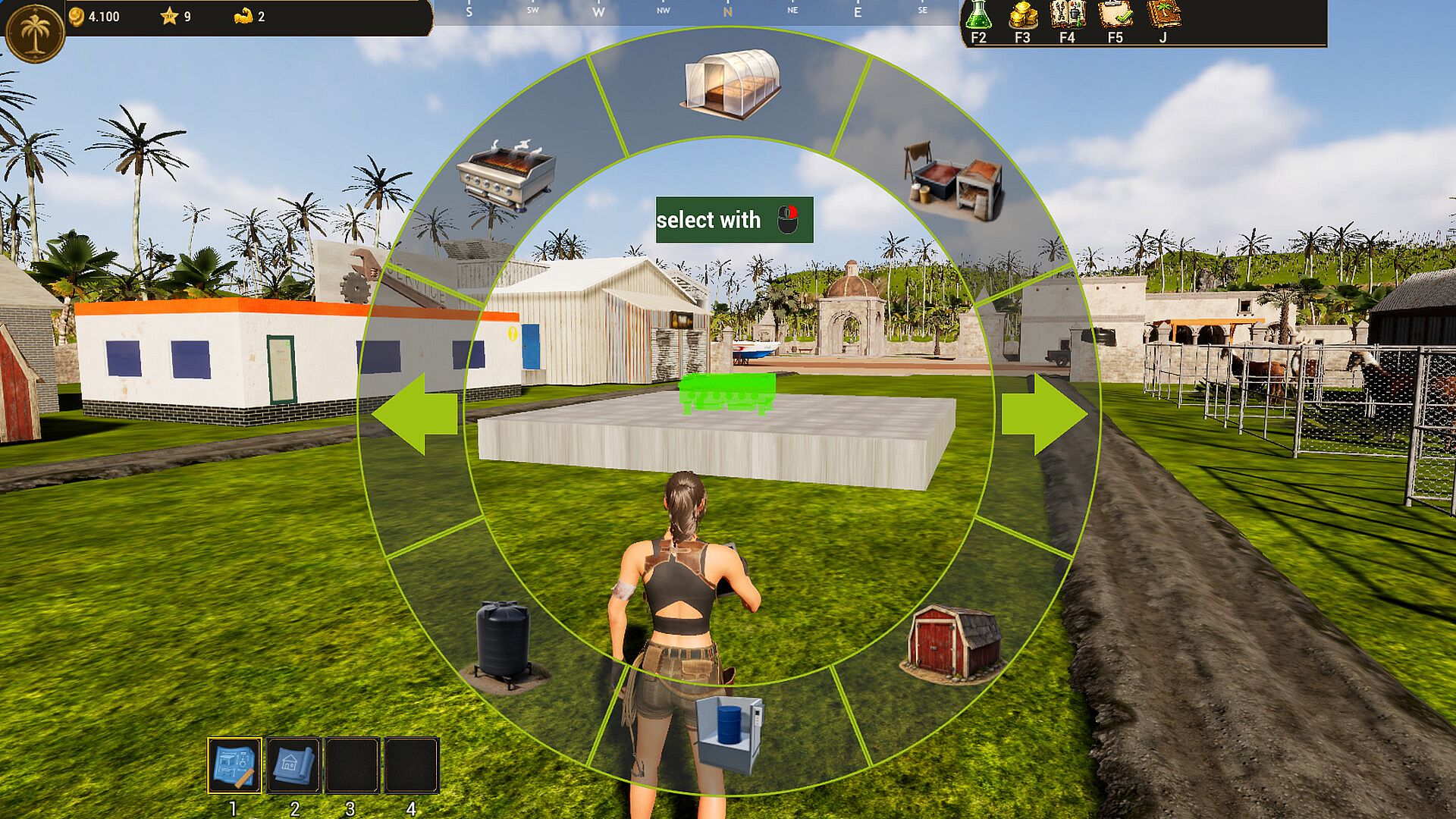
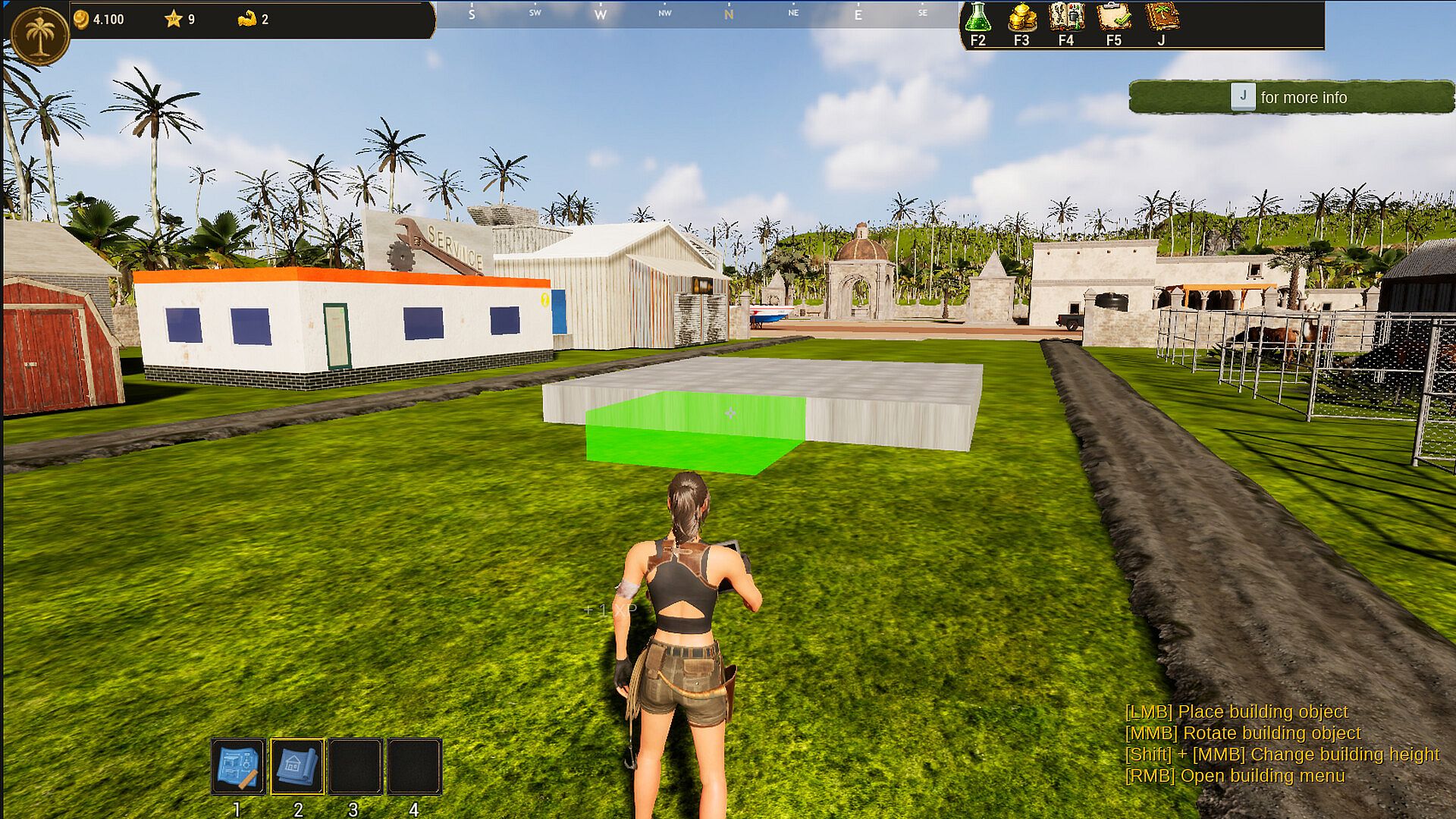
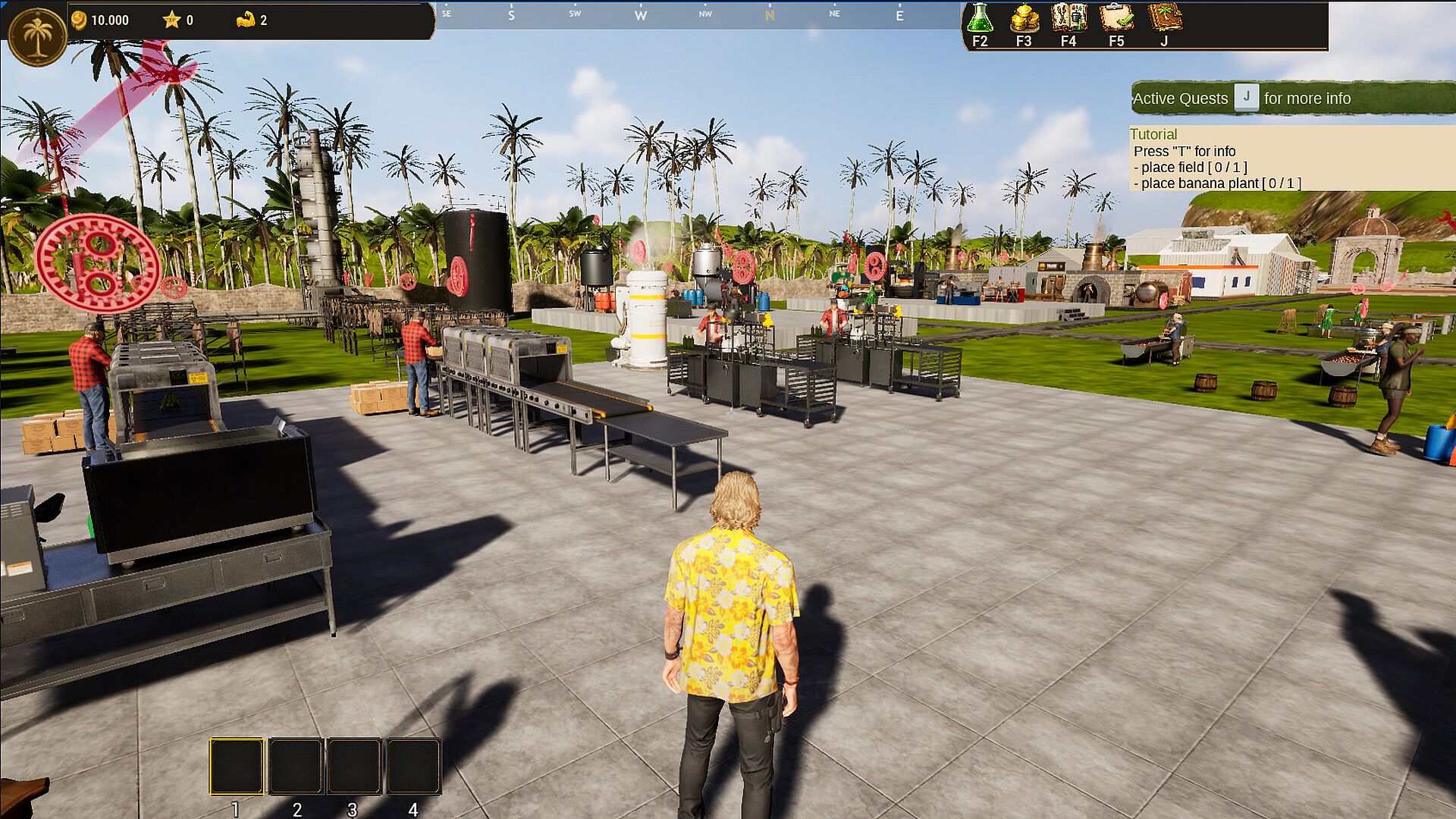
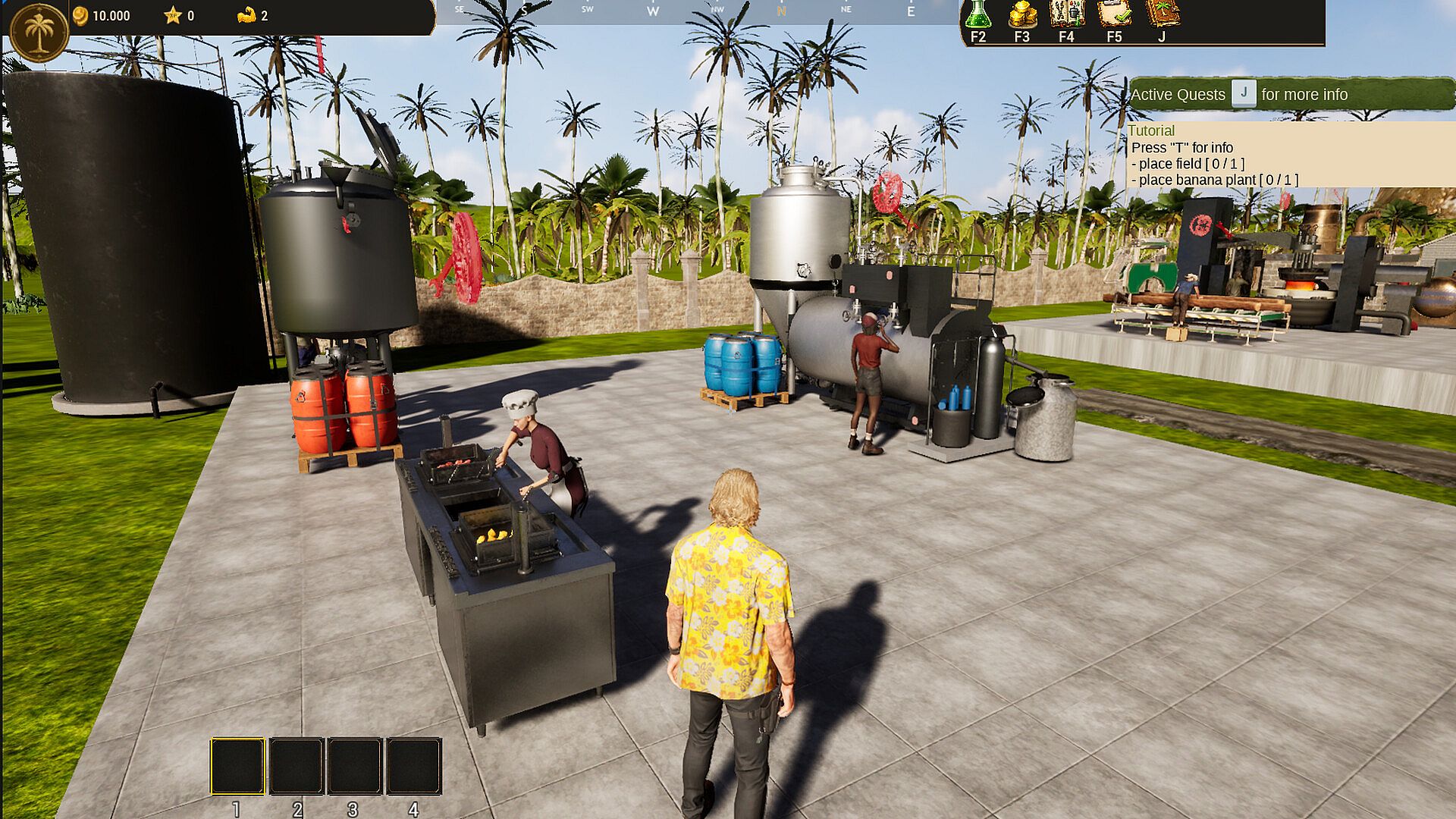
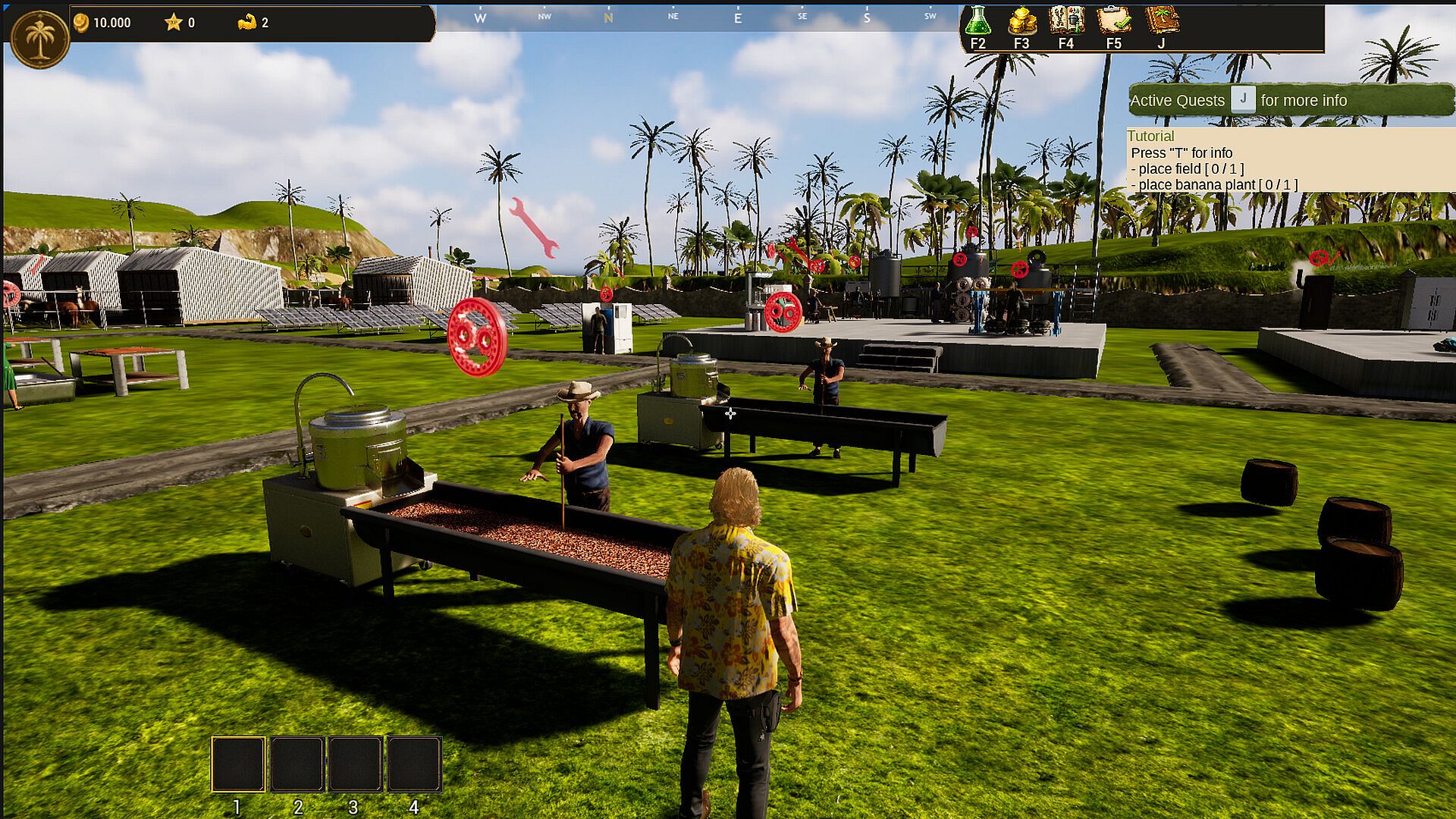
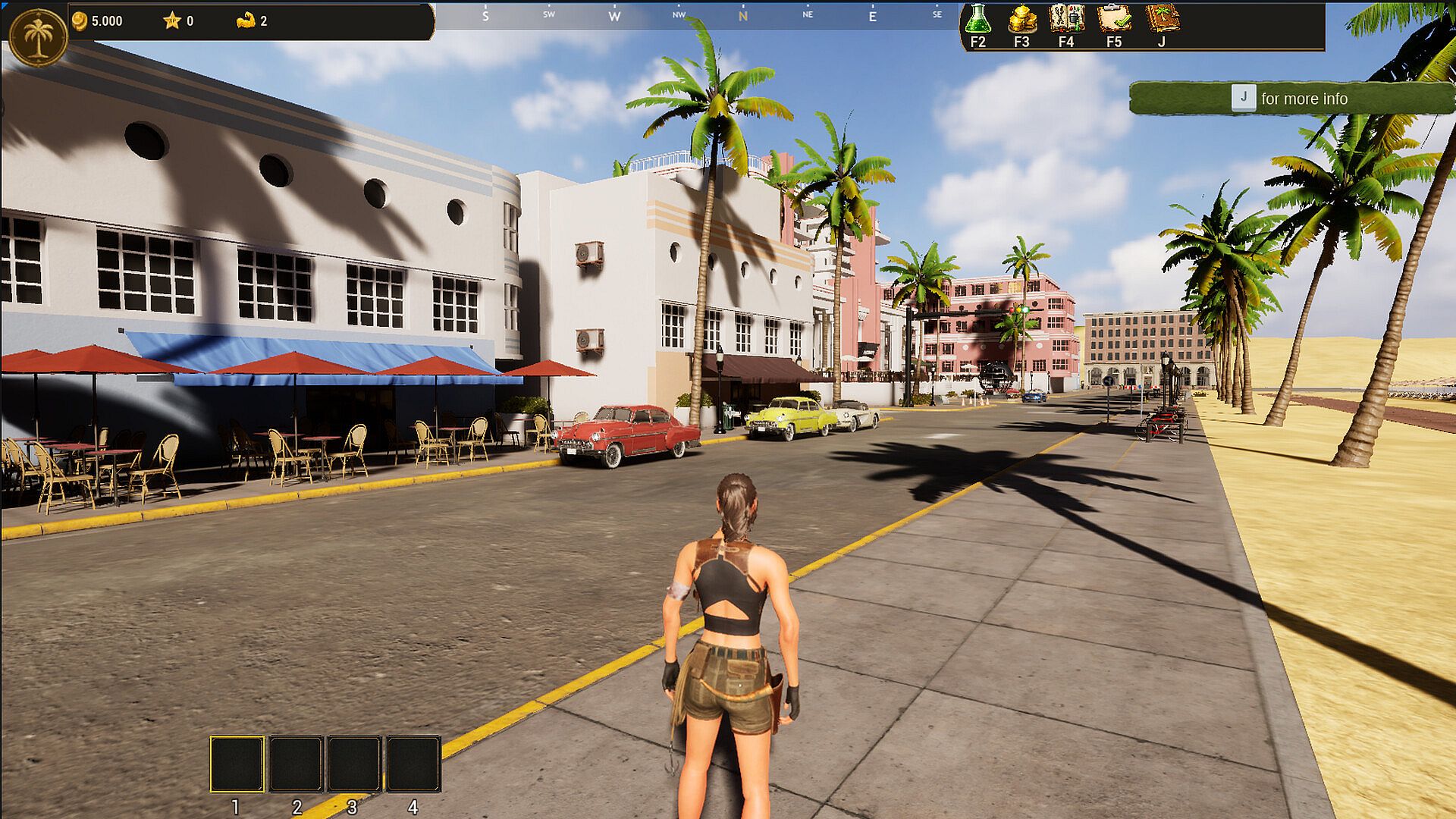
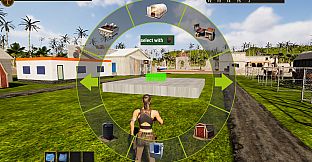
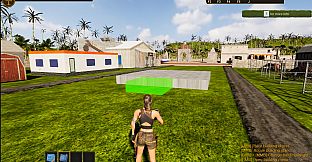
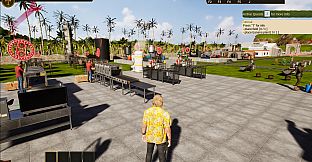
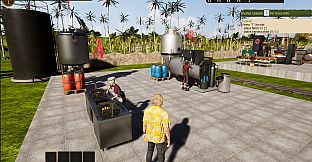
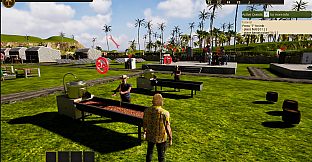

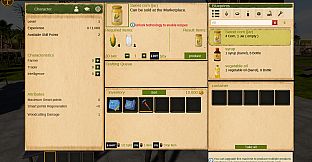
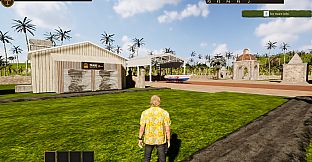

Tropic Industry is a simulation game with RPG and casual elements set on a tropical island, where players manage the full cycle of growing raw materials and transforming them into valuable processed goods for export. The experience centers on building and scaling an industrial operation from modest beginnings, emphasizing resource management, production efficiency, and entrepreneurial decision making rather than traditional farming mechanics.
Gameplay
The core loop begins with establishing a small plantation focused on tropical crops such as coffee, cocoa, sugarcane, bananas, tobacco, cotton, and vanilla. Players expand cultivation areas while shifting attention toward processing these materials into higher value products. Specialized buildings handle each stage, including fermenters, roasters, and presses that turn raw harvests into finished goods ready for storage and shipment.
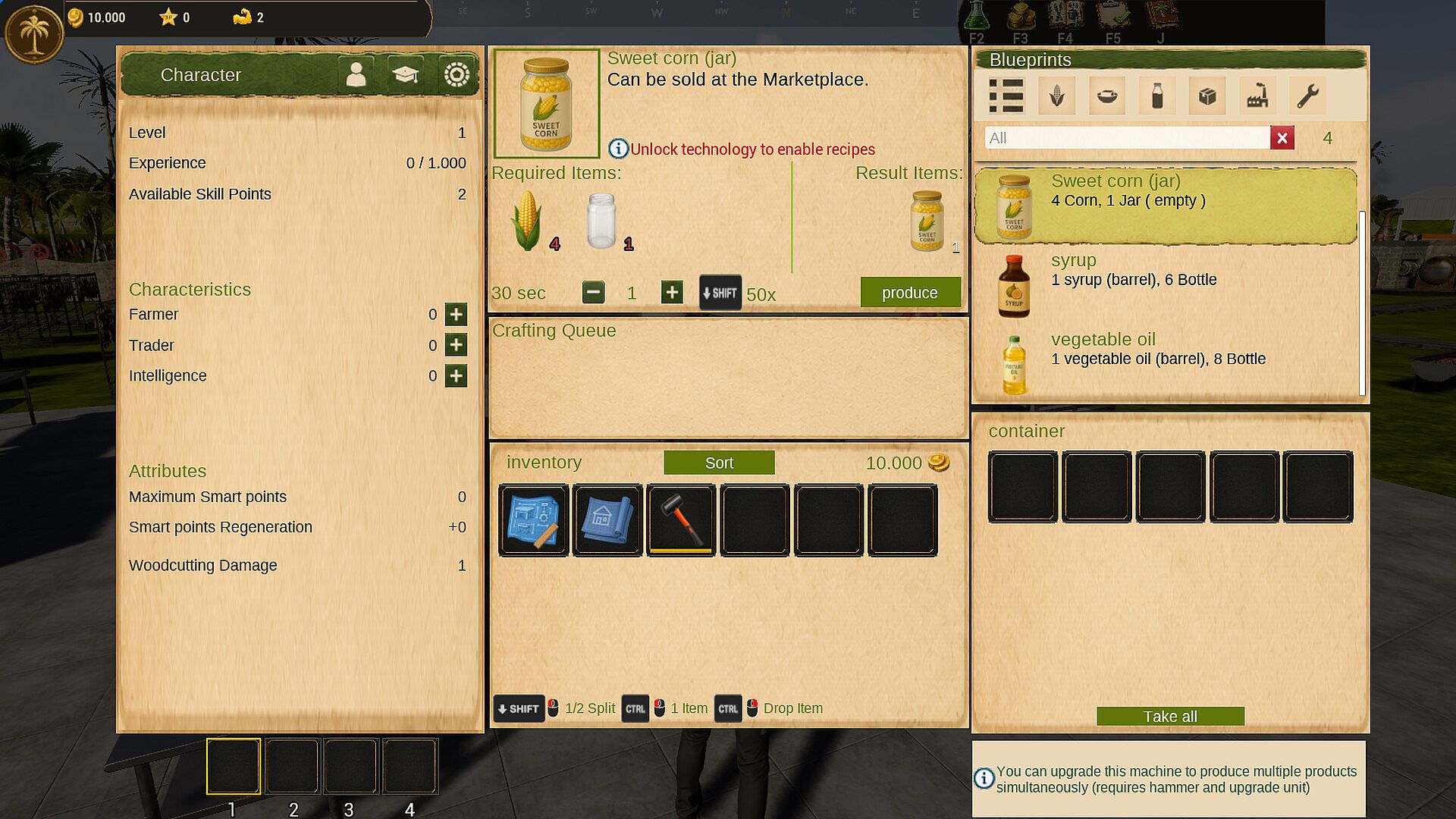
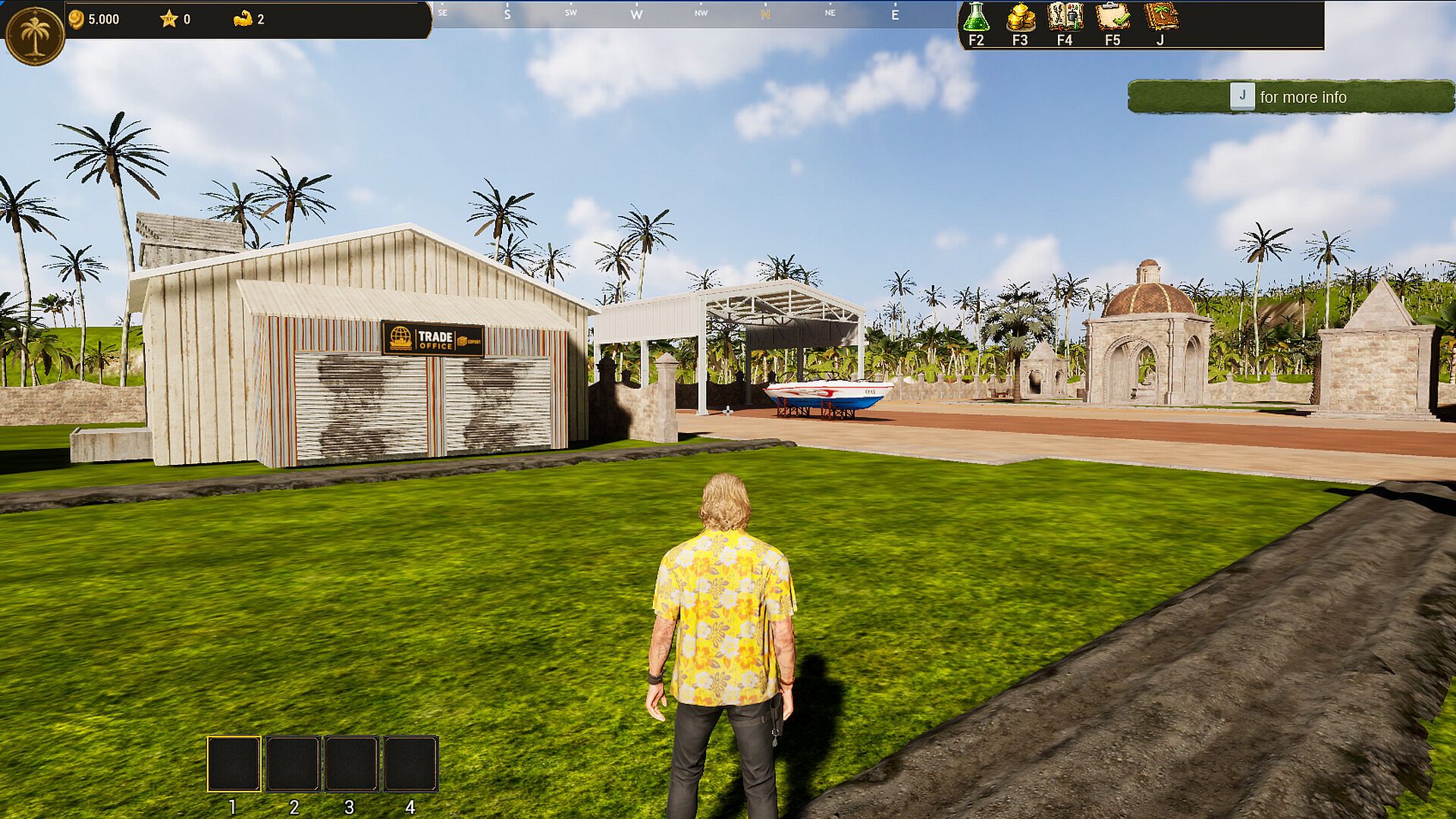
Production chains form the heart of the system. Plantations feed into processing facilities, which connect to storage and logistics infrastructure. Players arrange buildings to create efficient flows, minimizing travel time for resources and avoiding bottlenecks that lead to costly downtime. Optimization involves adjusting routes, balancing output across multiple lines, and responding to market demand by scaling successful operations and phasing out less profitable ones.
Resource management extends beyond planting to include the full industrial pipeline. Efficiency comes from thoughtful placement and upgrades that keep everything running smoothly. The simulation rewards planning that accounts for the entire chain, turning initial small scale efforts into a stable export economy that grows over time.
Game Modes
The game operates as a single player experience centered on progressive expansion. There are no separate competitive or cooperative modes detailed in available information. Instead, the structure supports a continuous campaign style progression where players start with basic plantations and gradually develop complex industrial networks.
Progression encourages experimentation with different crop combinations and processing paths. Each choice influences long term viability, pushing players to adapt layouts and priorities as the operation matures. This unified approach keeps the focus on building and refining systems without interruptions from distinct game variants.
Key Mechanics and Features
Multi stage production stands out as the defining element. Raw materials gain value only after processing, so the game highlights connections between cultivation, refinement, and logistics. Diverse resources each follow unique paths through the facilities, adding variety to chain design.
Logistics play a central role. Players must consider storage capacity, transport efficiency, and the timing of operations to prevent idle equipment. The emphasis on industrial scale means decisions about specialization and expansion carry weight, as overextending without proper support can stall growth.
Entrepreneurial thinking shapes every session. Players evaluate what works, replace inefficient elements, and align production with external demand. This creates a loop of observation, adjustment, and scaling that mirrors real business challenges in a controlled simulation environment.
Is It Worth Playing?
Tropic Industry suits players who enjoy methodical building and optimization in a simulation setting. The focus on production chains and logistics offers depth for those interested in industrial management rather than pure agricultural gameplay. Its casual accessibility pairs with RPG style progression elements that reward steady development of a personal operation.
Without confirmed player ratings or update history available, the recommendation rests on the described systems. Those drawn to creating efficient, self sustaining industrial setups on a tropical backdrop will find the core loop engaging. The game rewards careful planning and iterative improvement, making it a solid choice for simulation fans seeking a focused experience on resource transformation and export growth.