




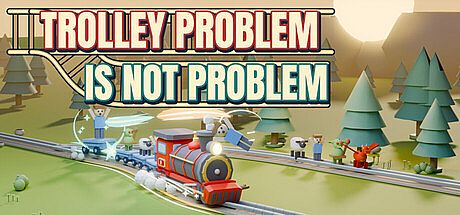


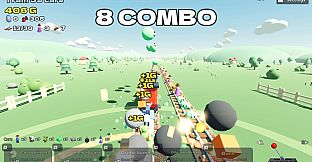
Trolley Problem Is Not Problem is an action strategy indie game built around a roguelite loop of train construction and track management on PC. Players guide a growing locomotive through a series of sections, deciding at each fork which path to take while collecting objects that attach directly to the train as additional cars.
Gameplay
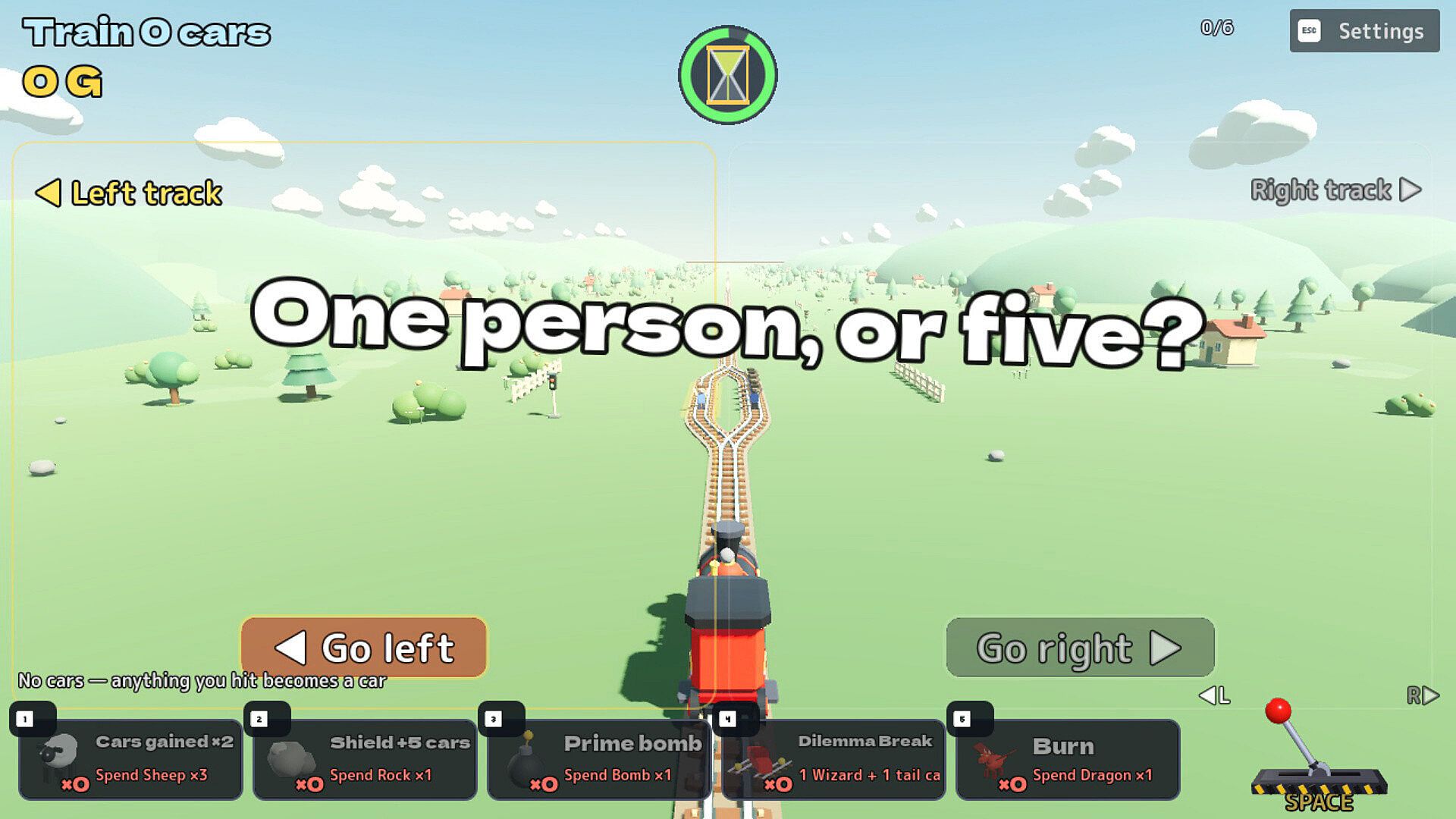
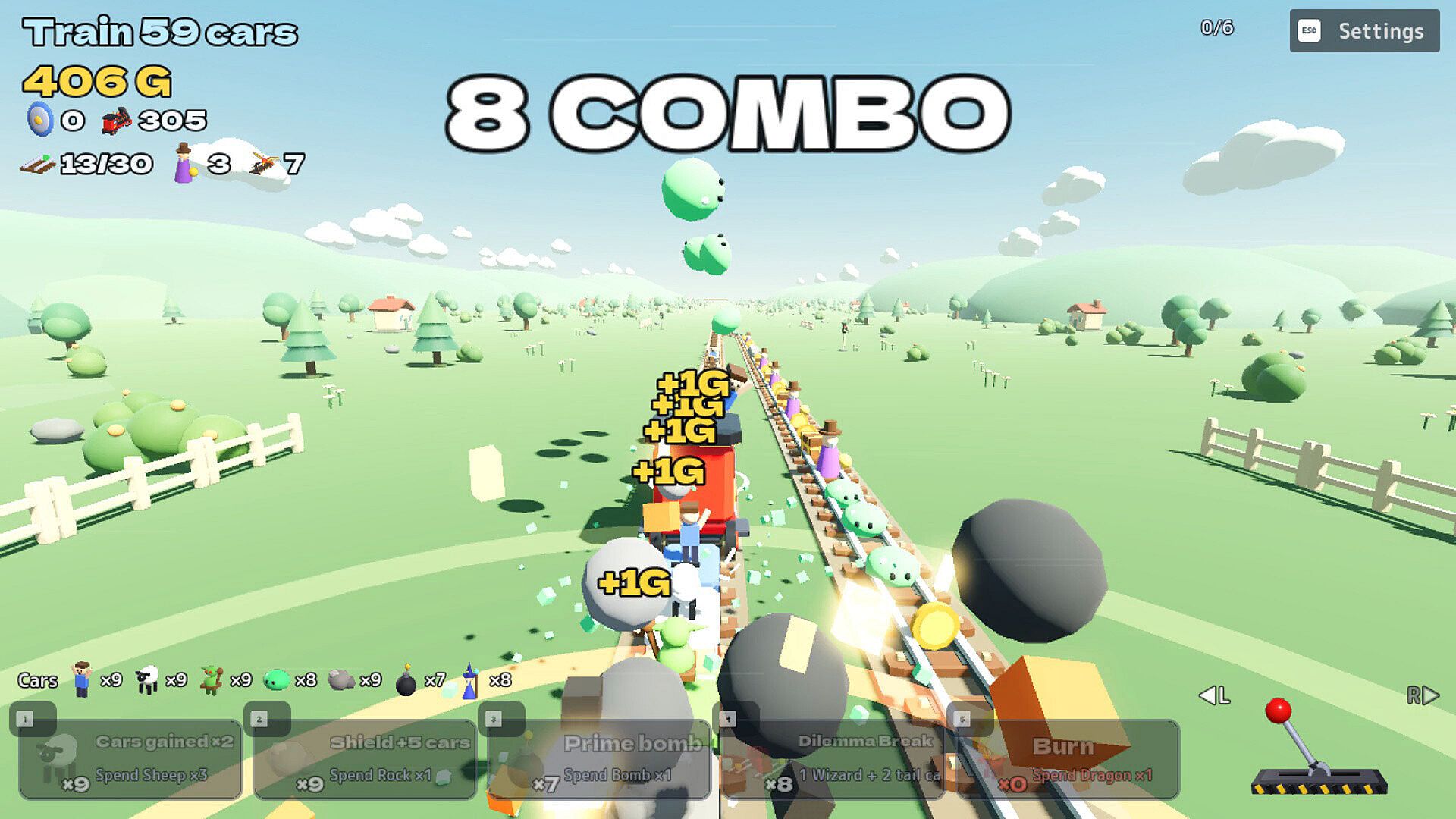
The core loop centers on running over items and creatures that appear on the tracks. Sheep, rocks, and dragons attach as cars, increasing the train length and opening new options at later forks. Longer trains handle larger groups of obstacles more effectively, creating a steady progression where each successful section adds momentum to the run.
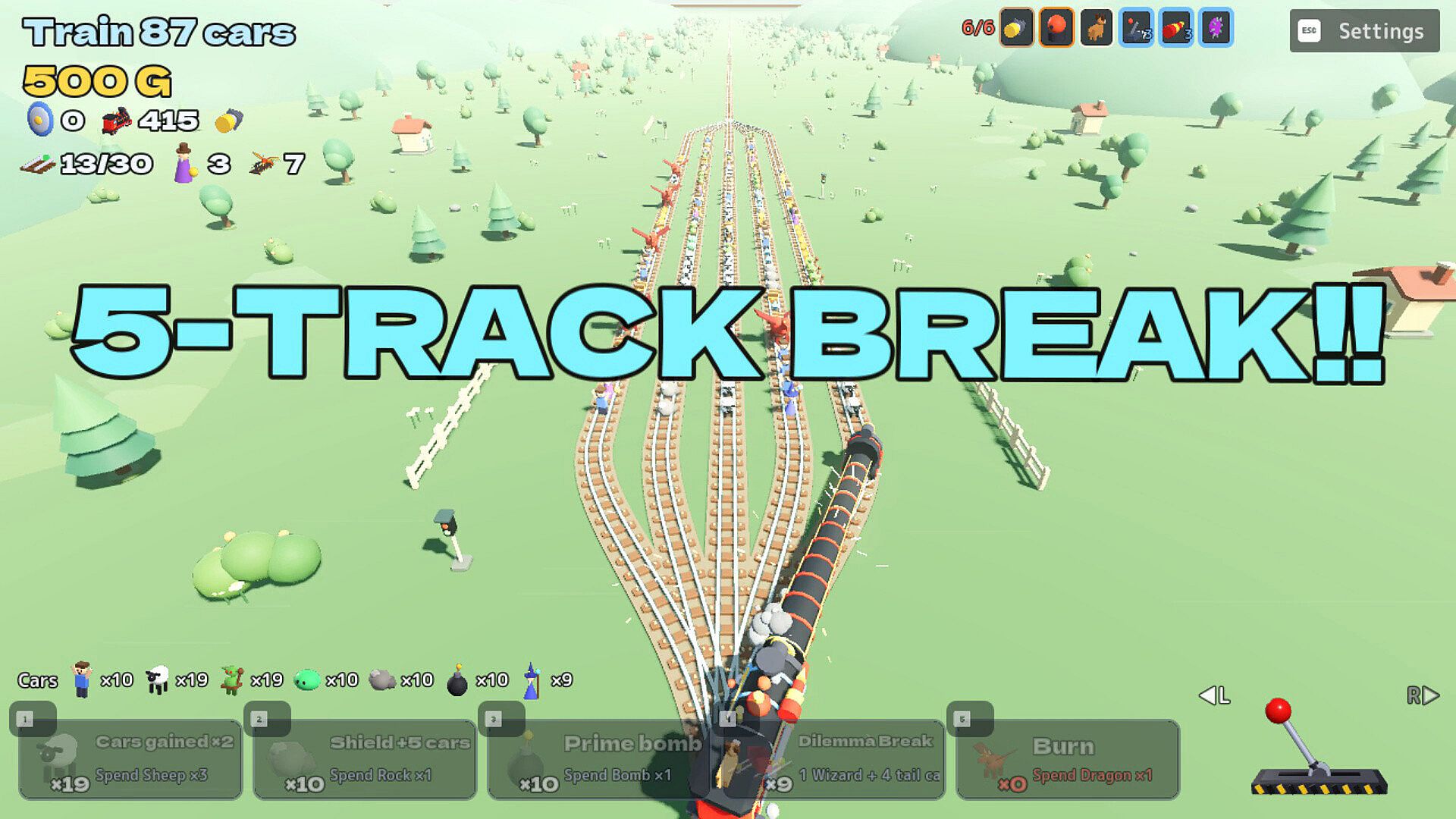
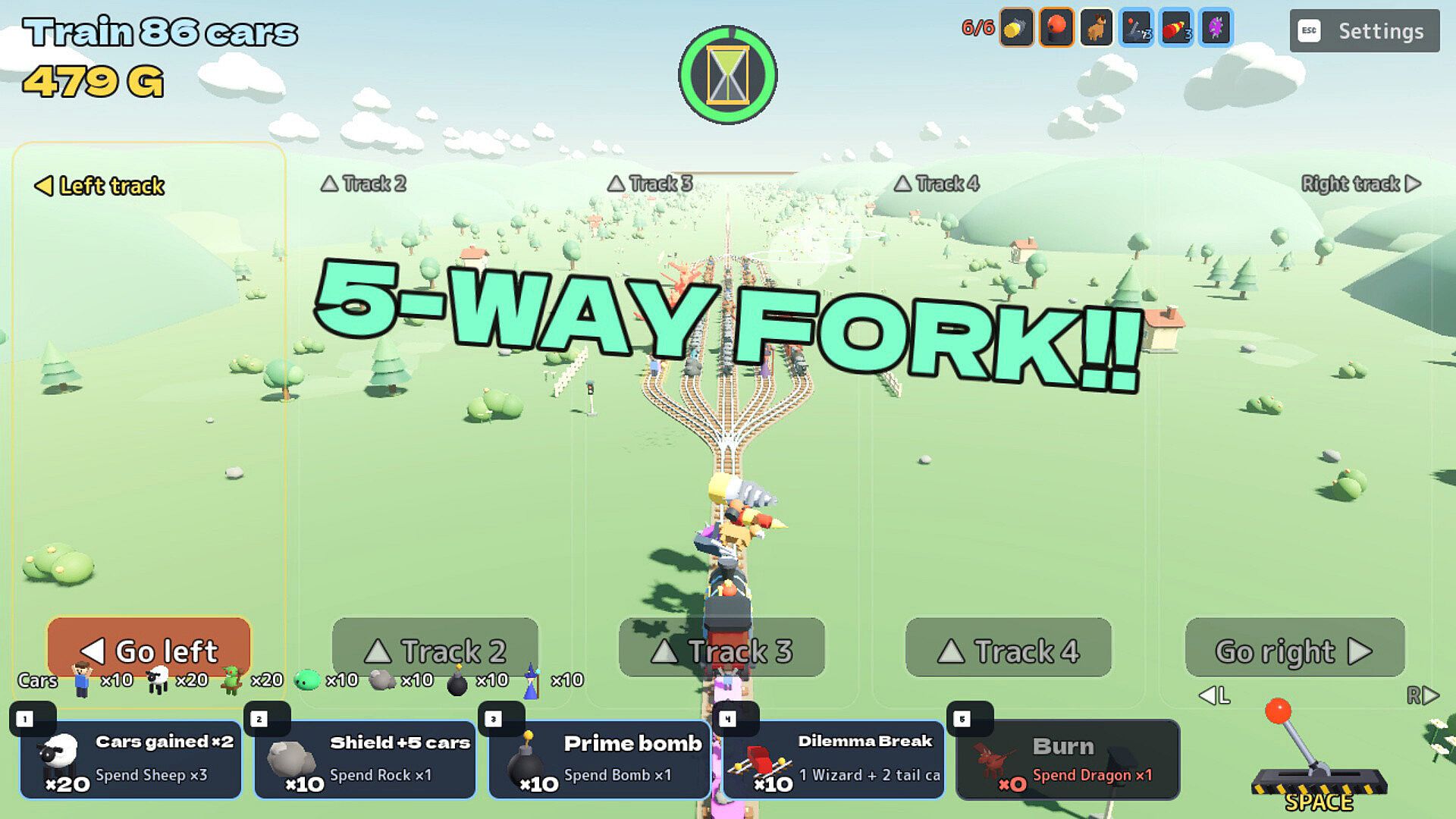
At forks, the player pulls a lever to choose the route. When multiple paths appear, a special ability called Dilemma Break lets the train burn cars as fuel and cross up to five tracks simultaneously. Different car types provide abilities that combine for extended combos, rewarding careful selection of what to keep and what to sacrifice.
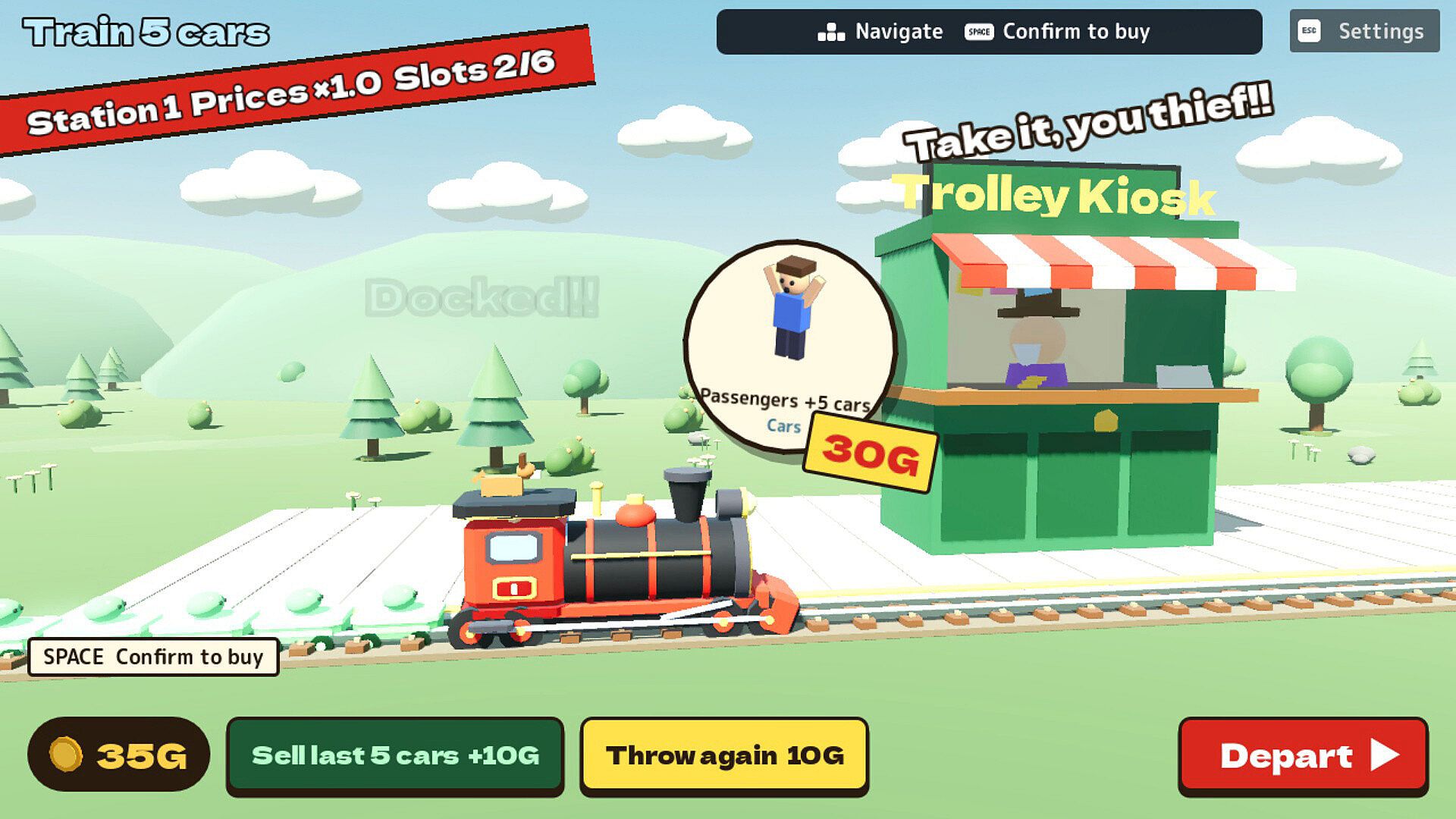
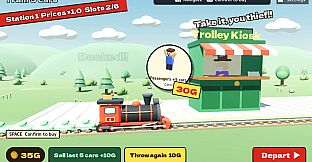
Every five sections a station kiosk appears. The shopkeeper offers parts that unlock set bonuses when collected in matching groups. Players can also sell cars for cash to buy upgrades, though prices rise with each station visited. This system encourages strategic decisions about which cars to retain for their effects versus converting them into resources.
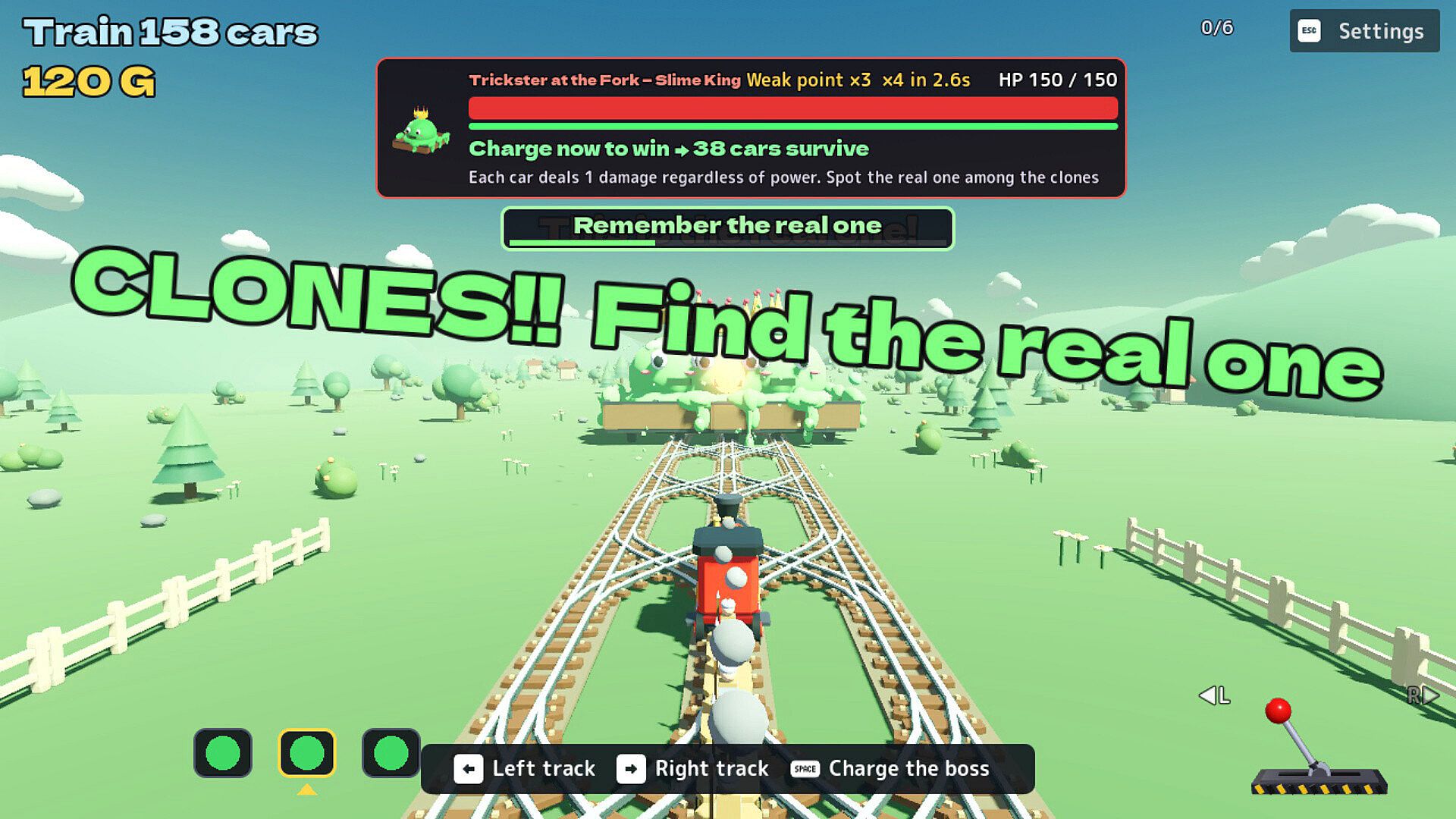
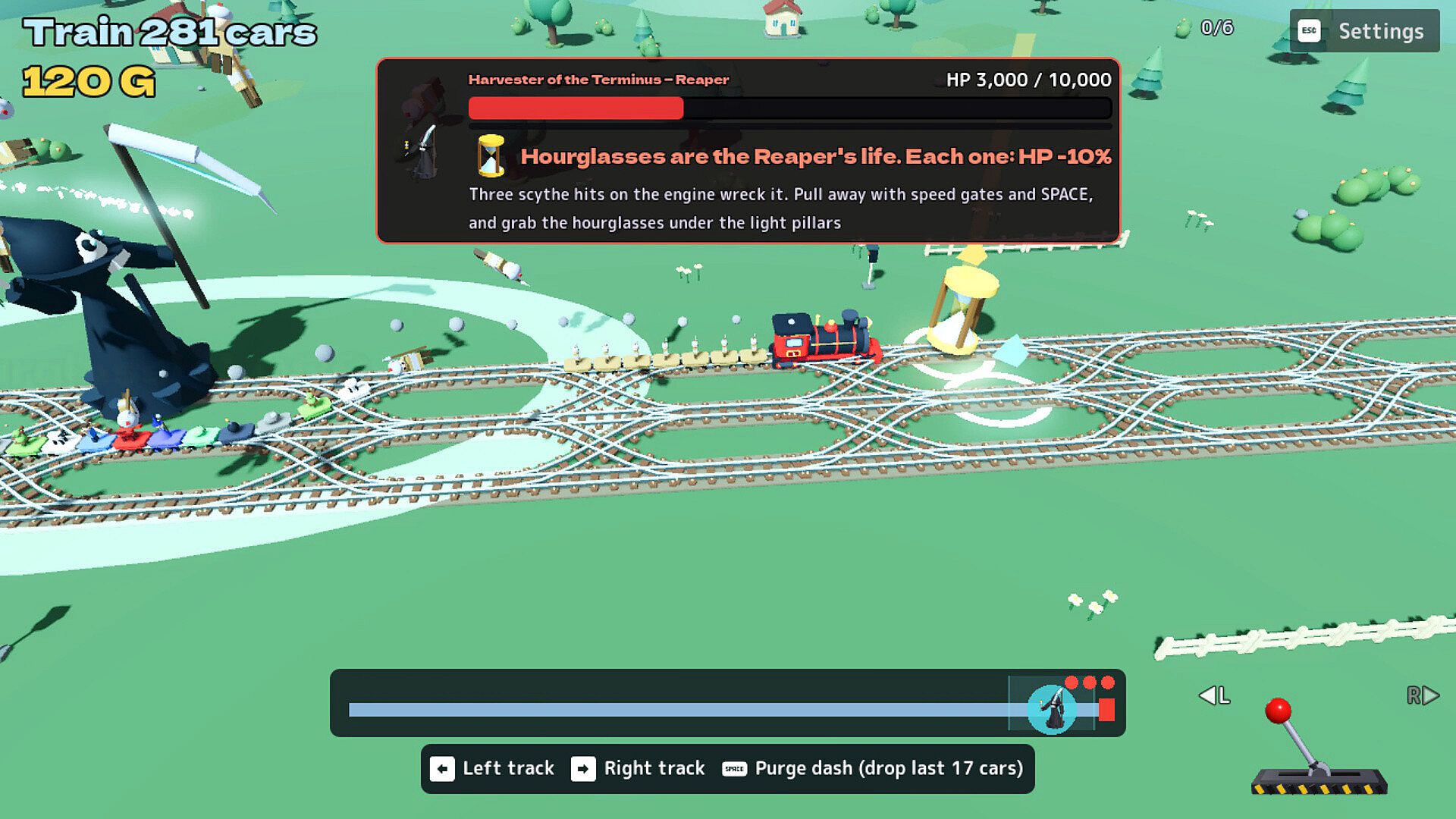
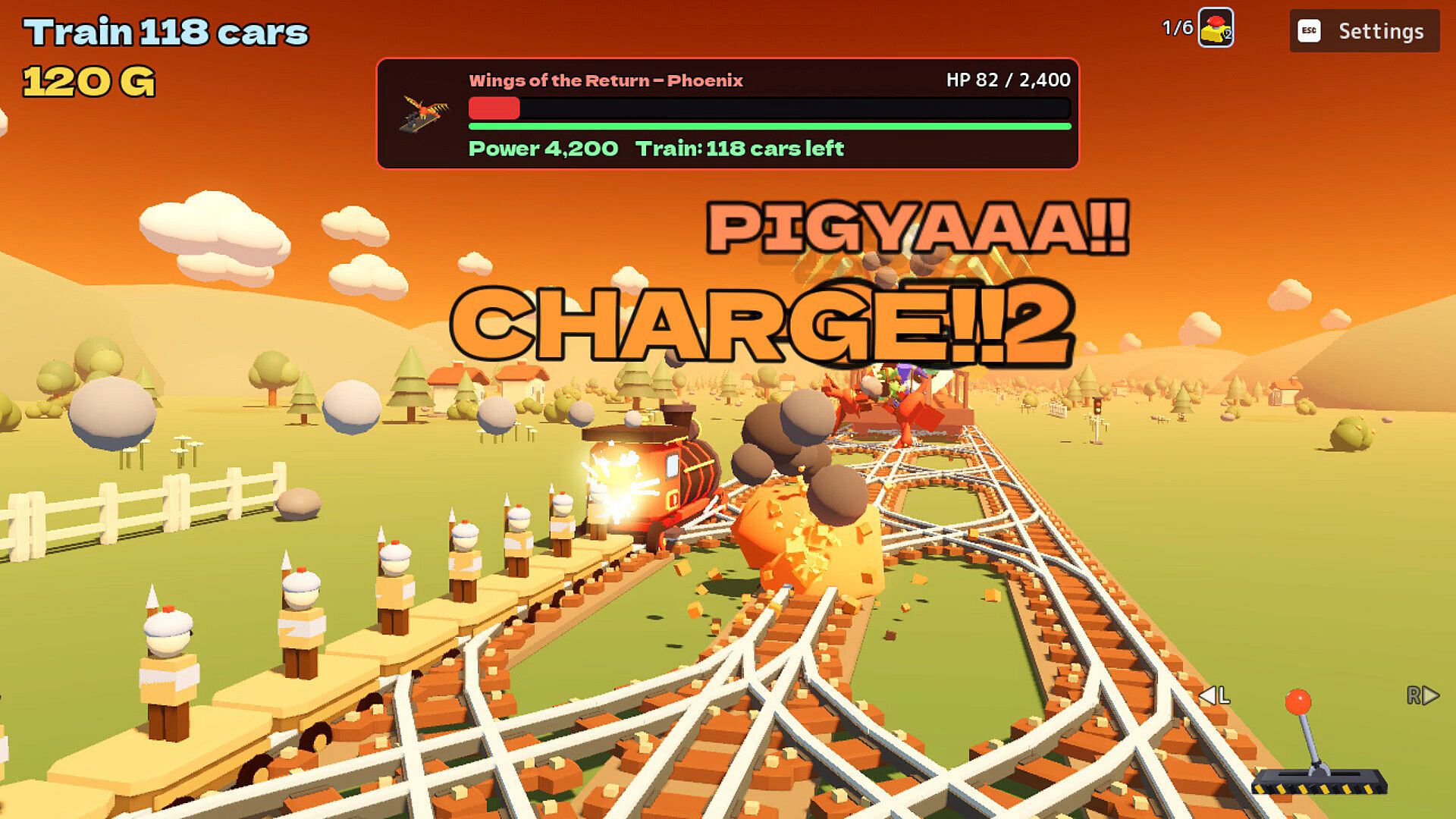
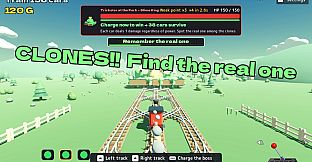
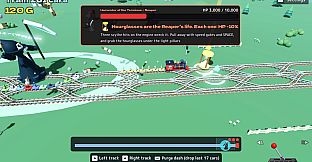
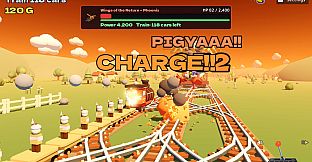
Every ten sections a giant boss appears. The player switches tracks to avoid attacks and waits for the weak point to open before charging forward with the full train. Success depends on the composition built earlier in the run.
Game Modes
The main experience follows a fixed 30-section route from start to finish. This route includes the station stops and boss encounters described above. After completing the route, an endless mode becomes available for continued runs without a set endpoint.
Difficulty levels adjust the challenge across both the main route and endless mode. Keyboard, mouse, and controller inputs are supported, allowing different play styles within the same systems.
Train Building and Progression
Progression comes from the parts collected at stations and the set bonuses they provide. Matching parts create synergies that improve combat effectiveness or resource management. Selling cars generates cash for immediate purchases, while keeping them preserves abilities for later sections and bosses. The rising prices at each station add pressure to spend efficiently before the next stop.
Car abilities chain together during runs. Burning cars for Dilemma Break removes them from the train but enables multi-track movement, so players weigh short-term survival against long-term power. The roguelite structure means each attempt starts fresh, with the station kiosk and boss fights providing consistent structure across runs.
Is It Worth Playing?
The game enters Early Access on October 19, 2026, with the full 30-section route already playable along with endless mode and difficulty options. The developer plans to refine balance, readability, and variety based on player feedback before a full release targeted for December 2026. No price increase is planned between Early Access and launch.
This title suits players who enjoy roguelite runs focused on resource management and incremental power growth through car collection and part sets. The single-player experience emphasizes repeated attempts at the same core systems rather than narrative branches or multiplayer elements. Those interested in action strategy games with a clear loop of building, choosing, and confronting obstacles will find the mechanics align directly with that preference.