




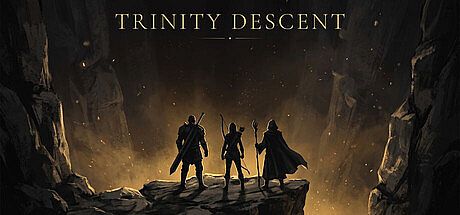


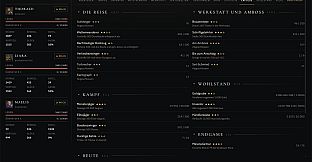
Trinity Descent is an idle and incremental RPG for PC that centers on party management and risk assessment during runs through dangerous zones. Players assemble teams from ten distinct classes and guide them through branching paths while the combat unfolds automatically. The core tension comes from deciding when to push forward for greater rewards or retreat to secure what has been gained so far.
Gameplay
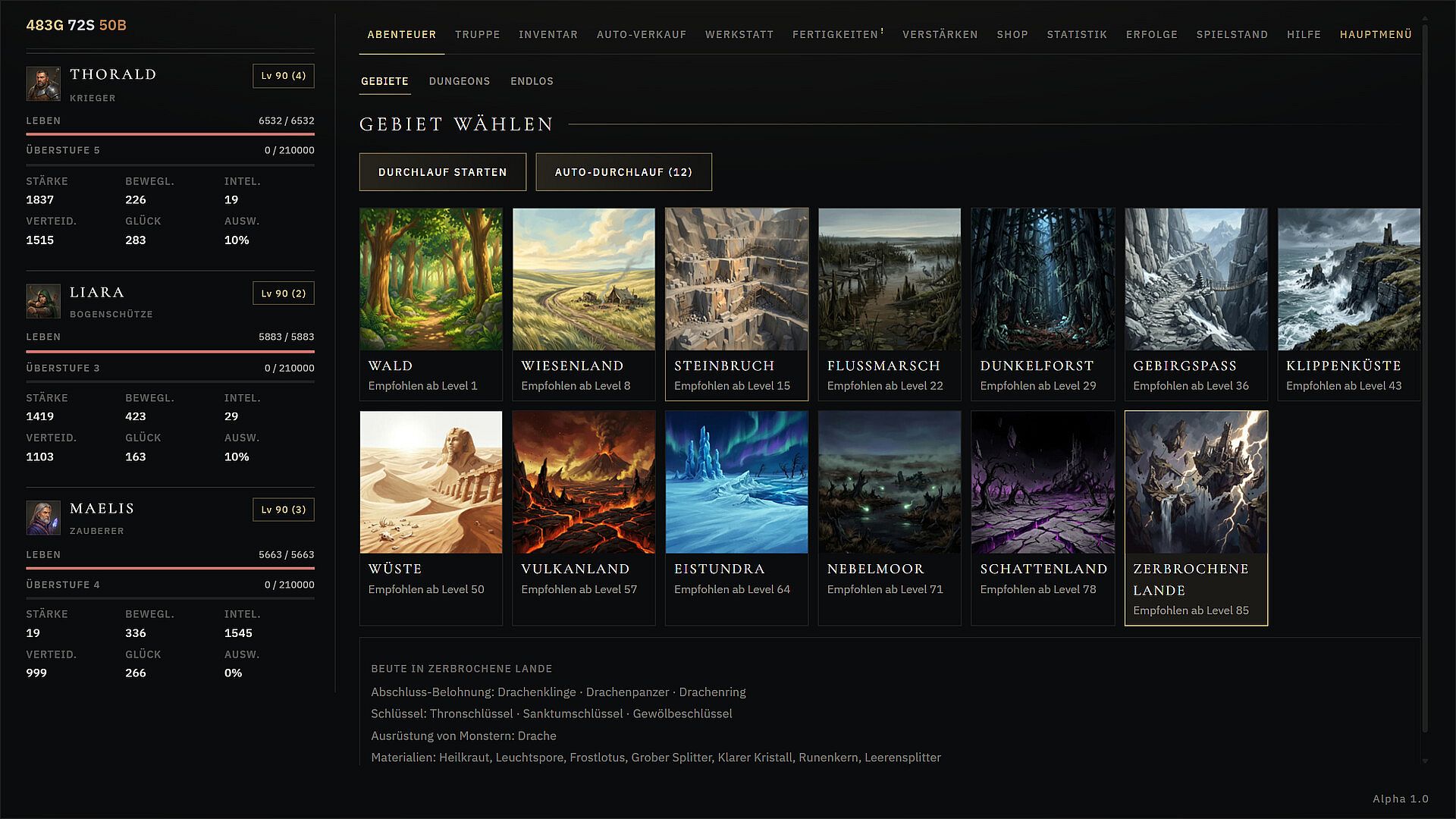
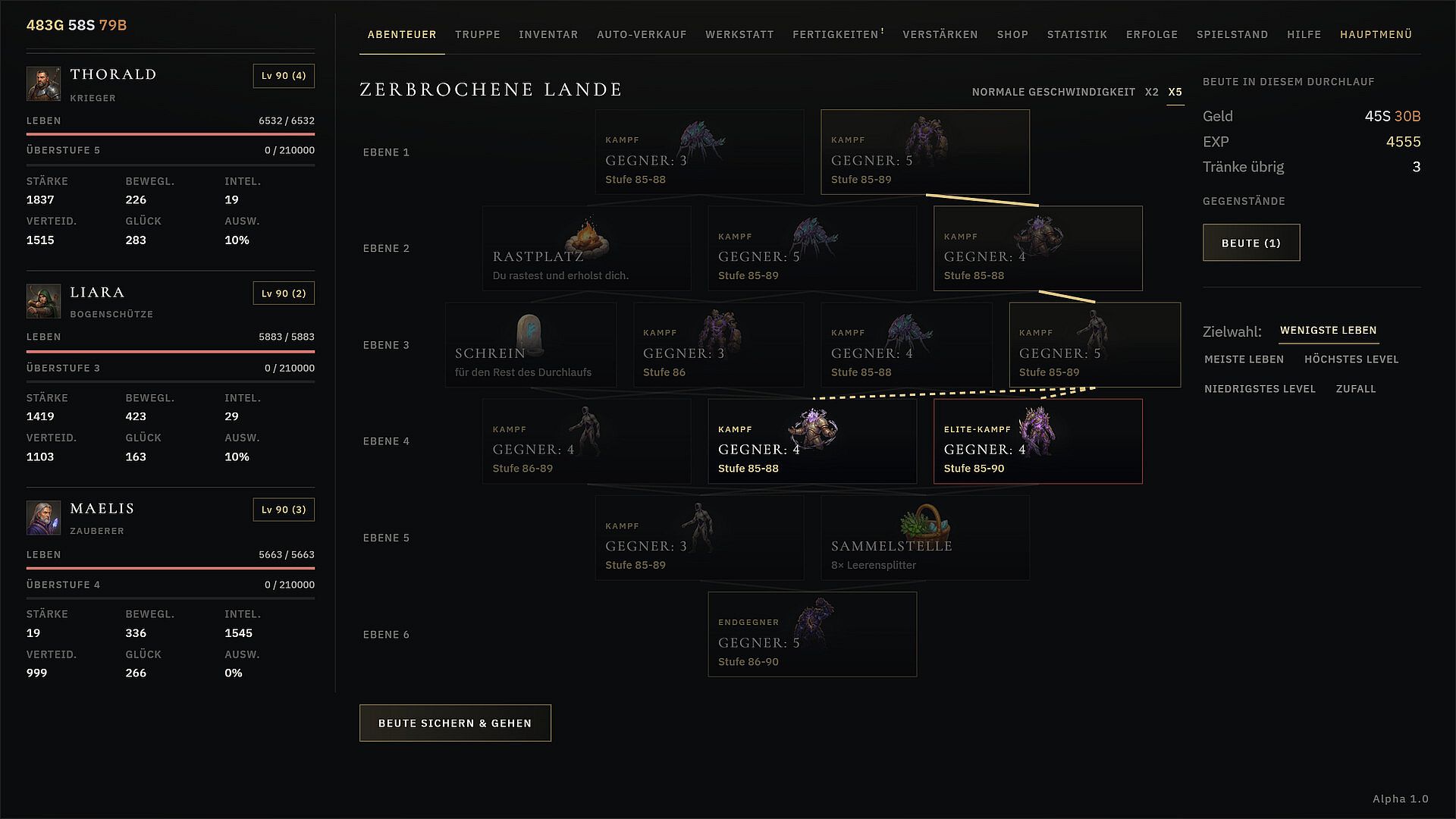
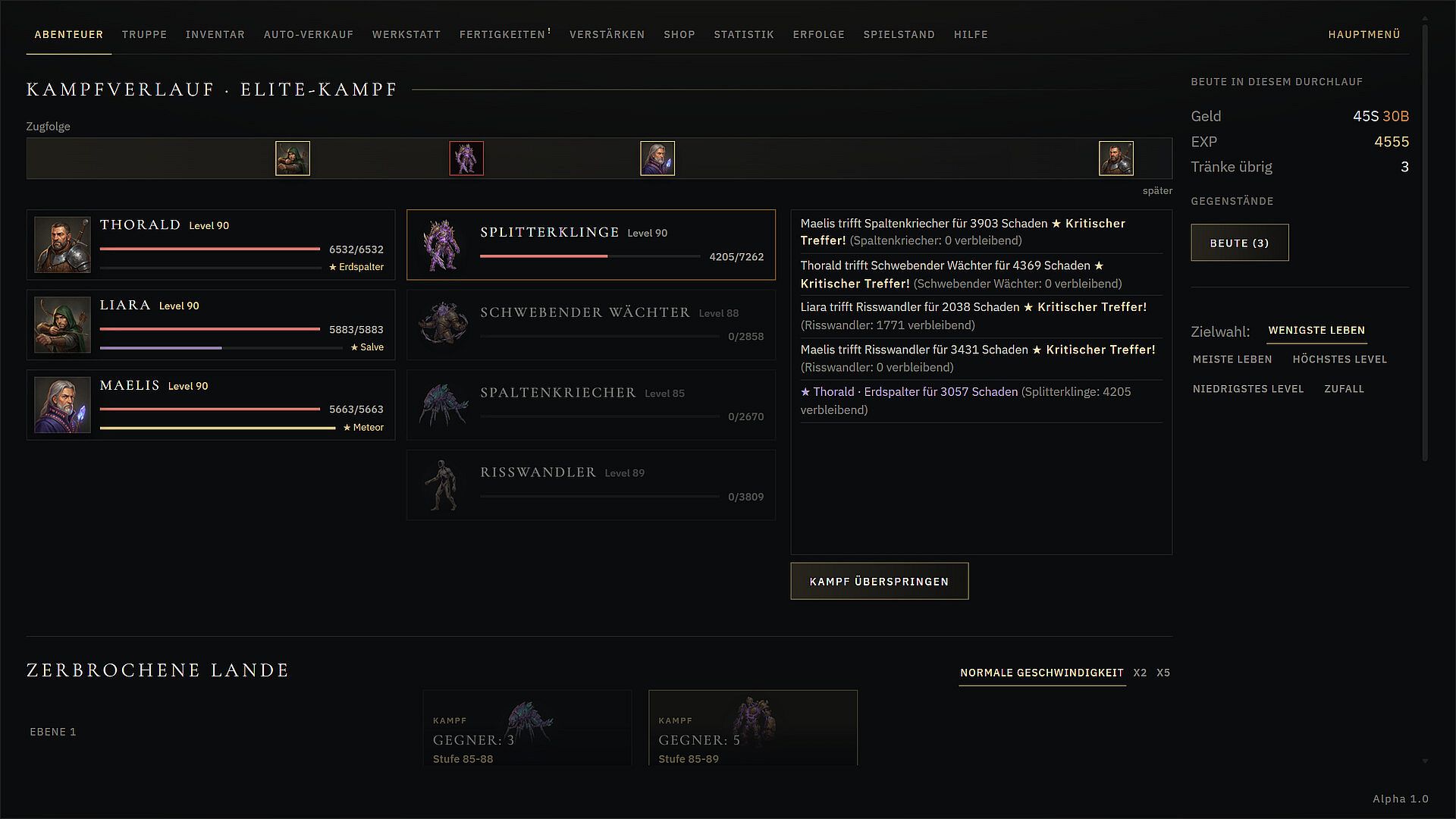
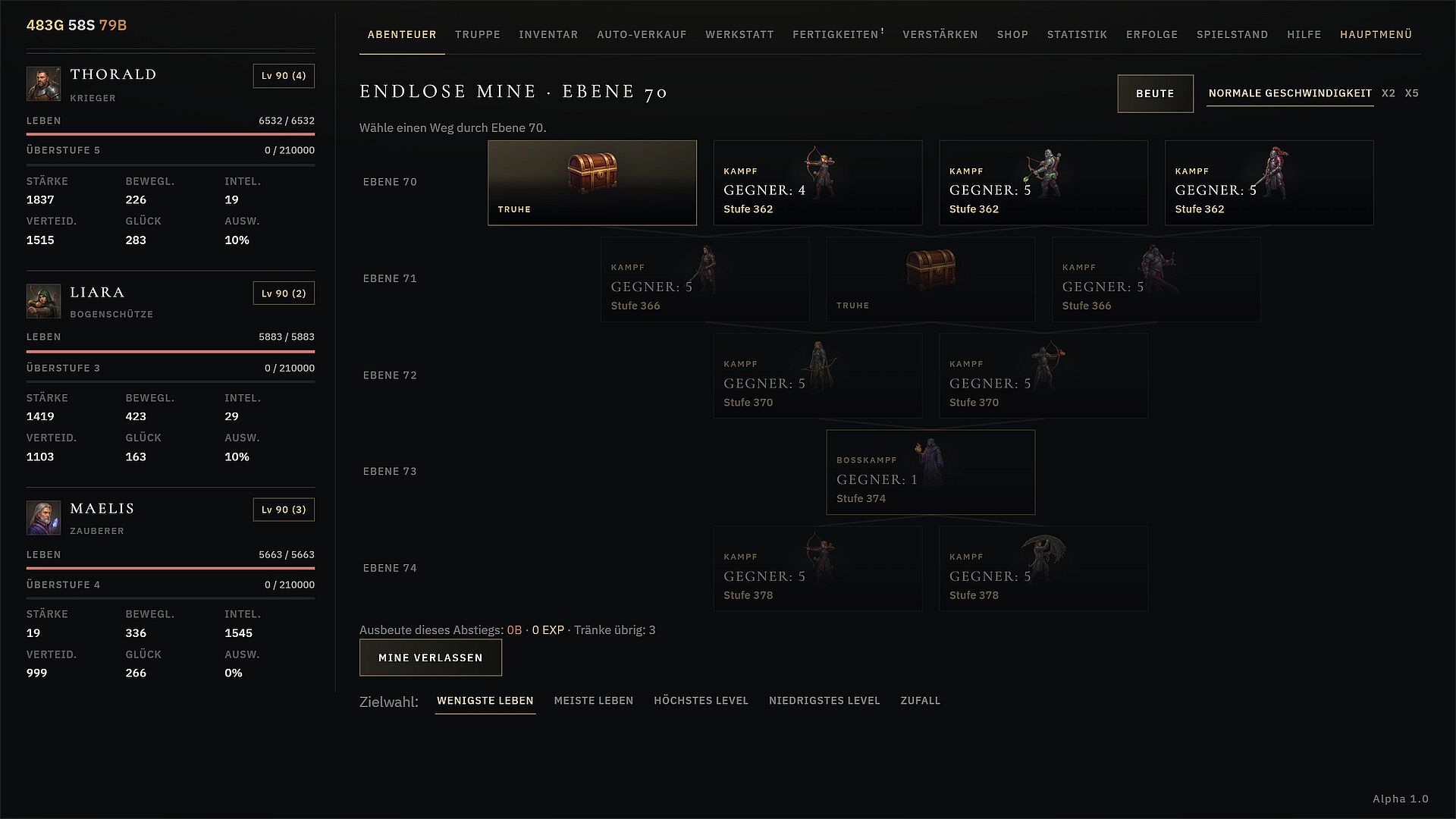
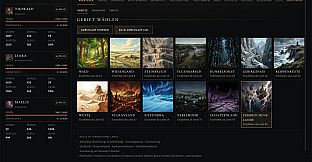
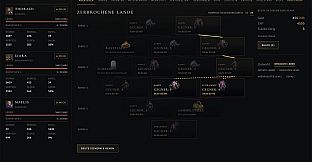
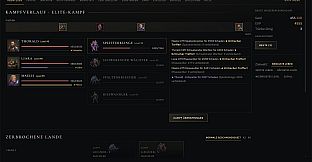
The gameplay loop revolves around selecting zones and routes on a branching map before each engagement. Nodes on these maps offer choices such as standard fights, elite encounters, treasure chests, special events, or rest points. The party handles battles independently once a route is chosen, allowing focus on strategic decisions rather than direct control during combat. Combat speed can be adjusted from normal to accelerated rates, and options for automatic selling and repeated runs support efficient farming sessions.
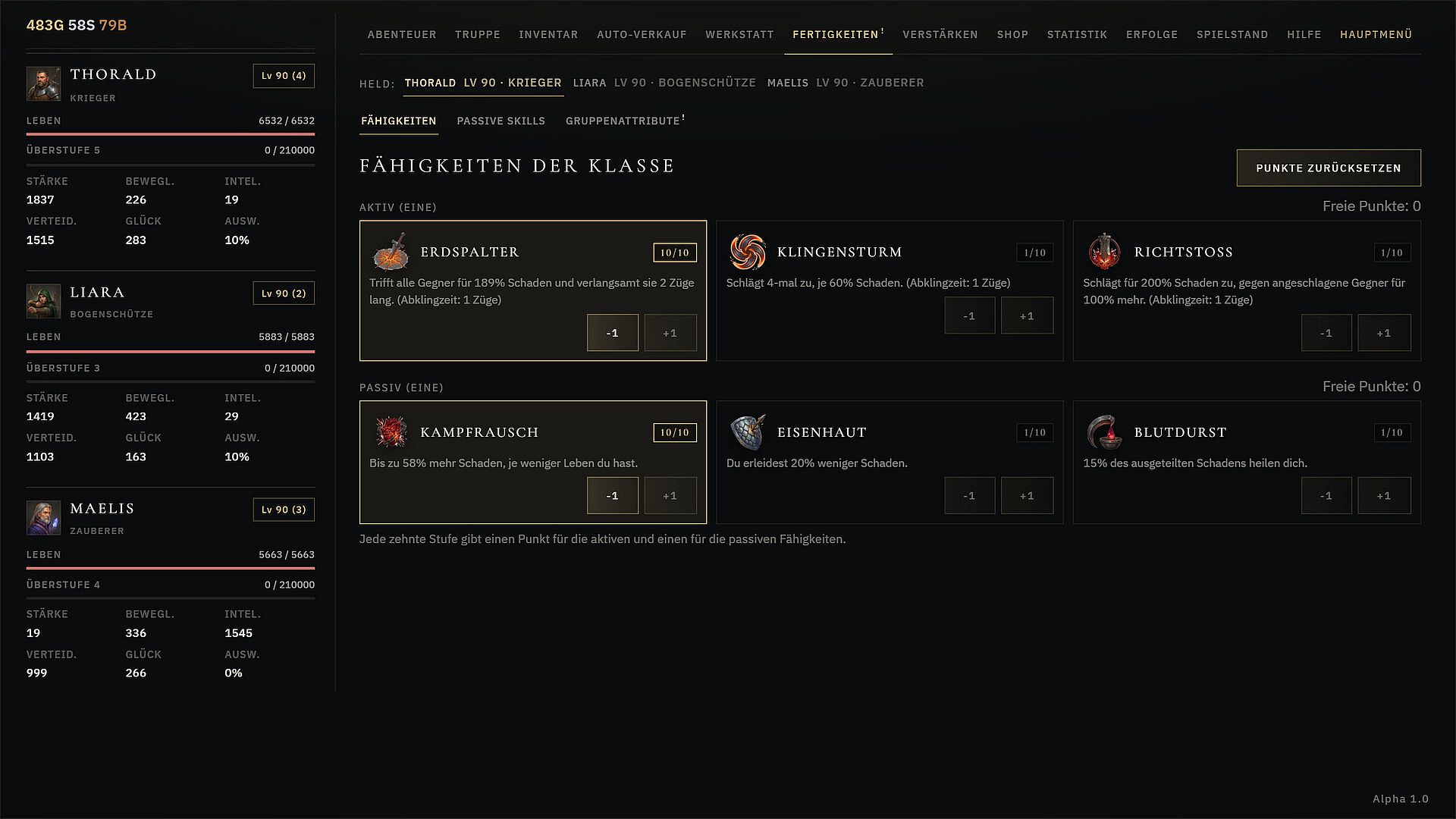
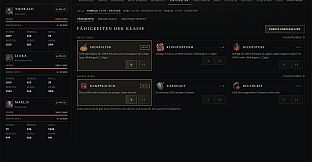
Ten classes provide variety in abilities and playstyles. Warrior, archer, mage, assassin, berserker, priest, templar, druid, robber knight, and monk each feature six ranked abilities, individual skill trees, and unique weapon families. Party attributes are distributed across the entire group to influence overall performance, including chances for rarer and stronger loot drops. Three characters start each run, with additional classes becoming available for the bench in later stages.
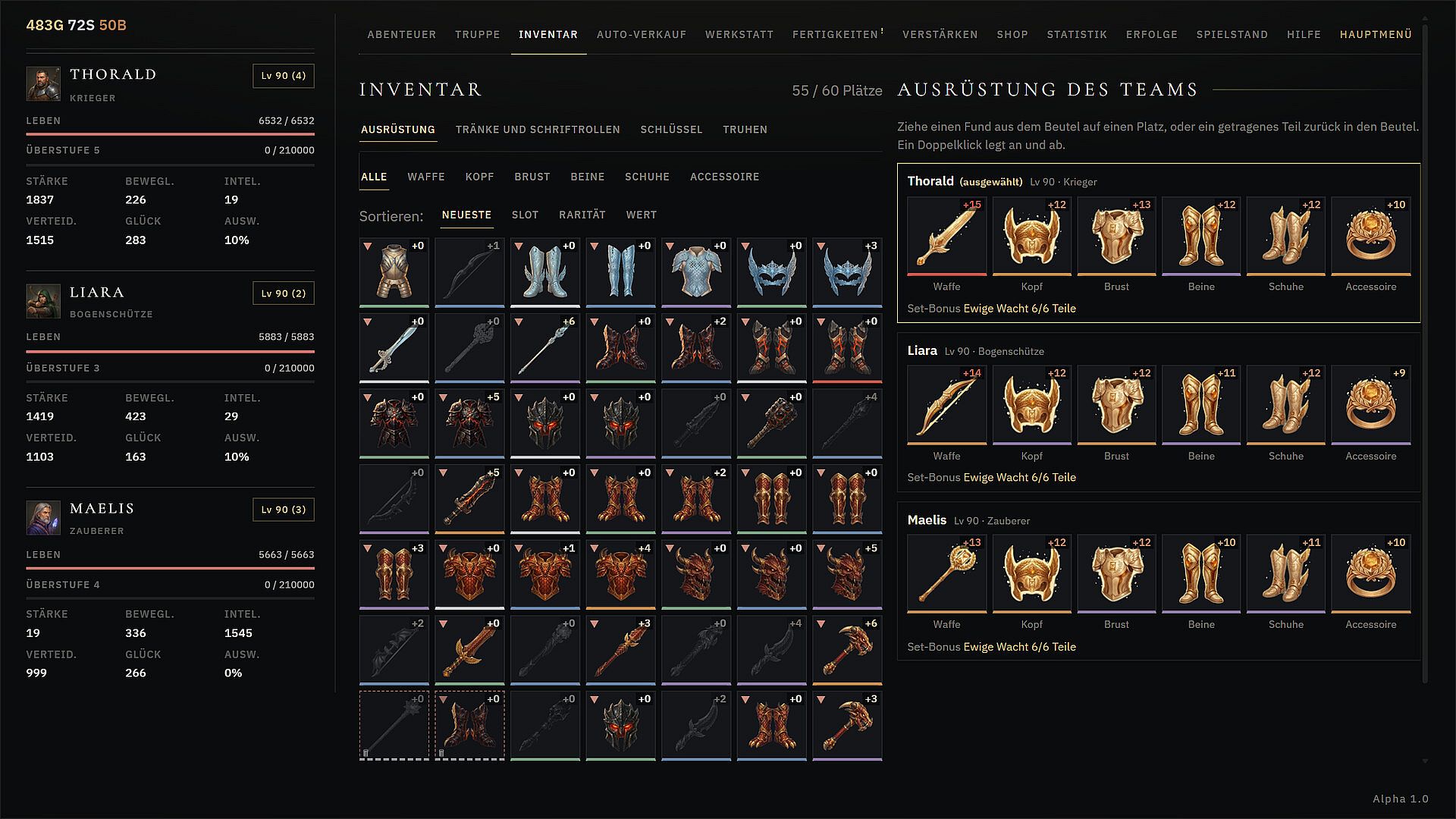
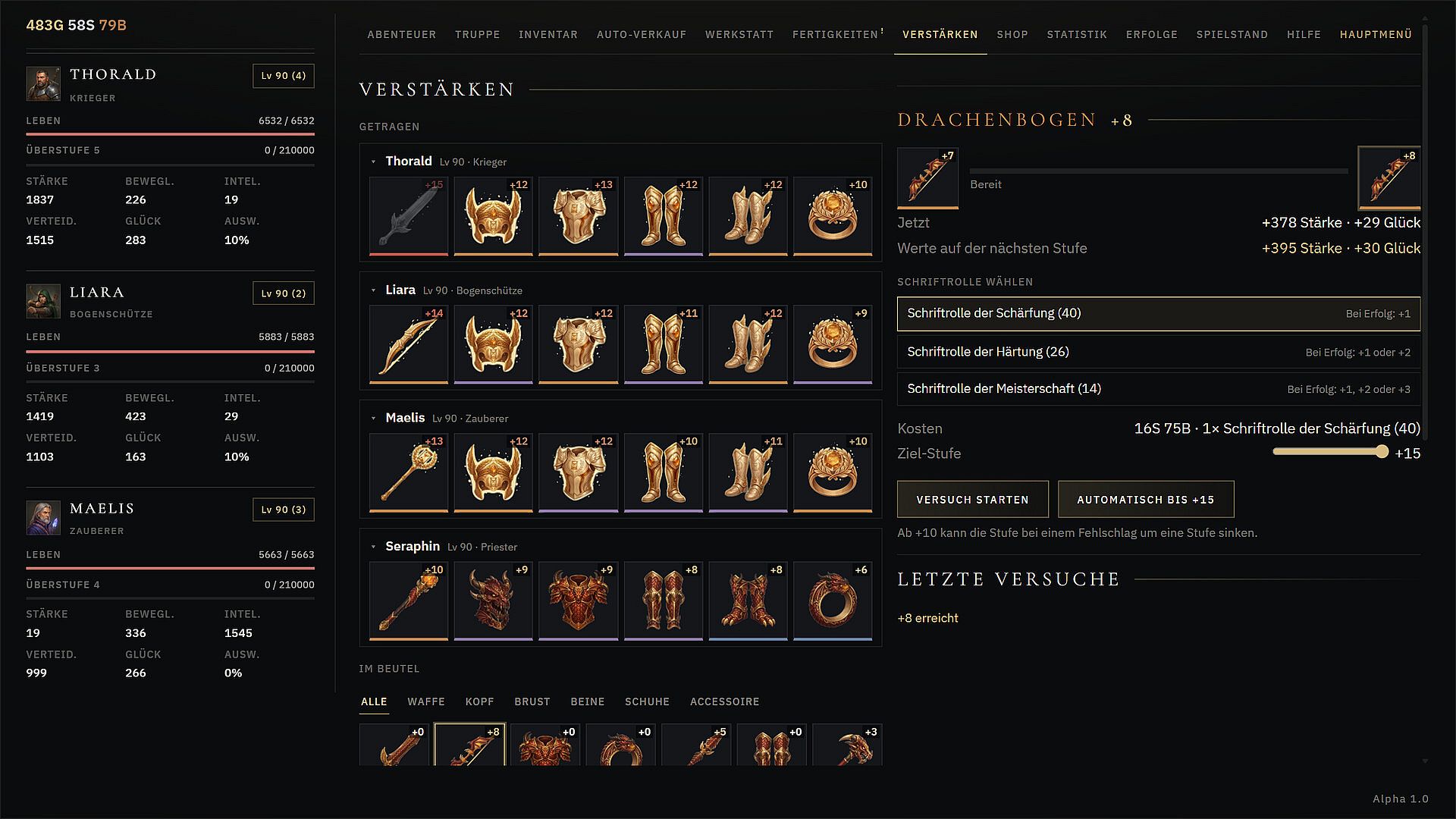
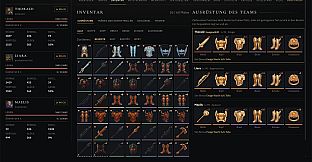
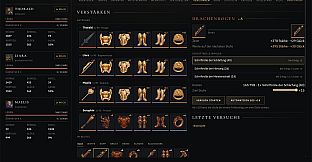
Gear progression emphasizes enhancement and customization. Items range across six rarity levels, with legendary and higher pieces carrying unique effects. The anvil allows upgrades using scrolls up to a maximum of plus fifteen, though failures beyond plus ten reduce the item's level. Materials gathered during runs feed into a cauldron for crafting potions and scrolls. Armour sets are not found as drops but are instead forged using gems collected from seven specific dungeons, culminating in the Eternal set tied to three endgame dungeons.
Game Modes
The main campaign consists of thirteen zones and seven dungeons that scale up to level ninety, followed by uncapped over-level content. Runs follow branching maps where players choose routes and decide at each step whether to continue or bank accumulated loot. Failure results in the loss of all items from that attempt, while experience points persist across runs.
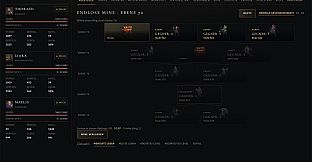
The Endless Mine serves as the primary endgame mode. This mode progresses level by level without intermediate healing opportunities. Wells encountered along the way present a choice between restoring health to surviving party members or reviving fallen ones. All discovered items are retained immediately, regardless of whether the party survives the descent. A depth record tracks progress, supported by checkpoints for resuming attempts.
Progression and Systems
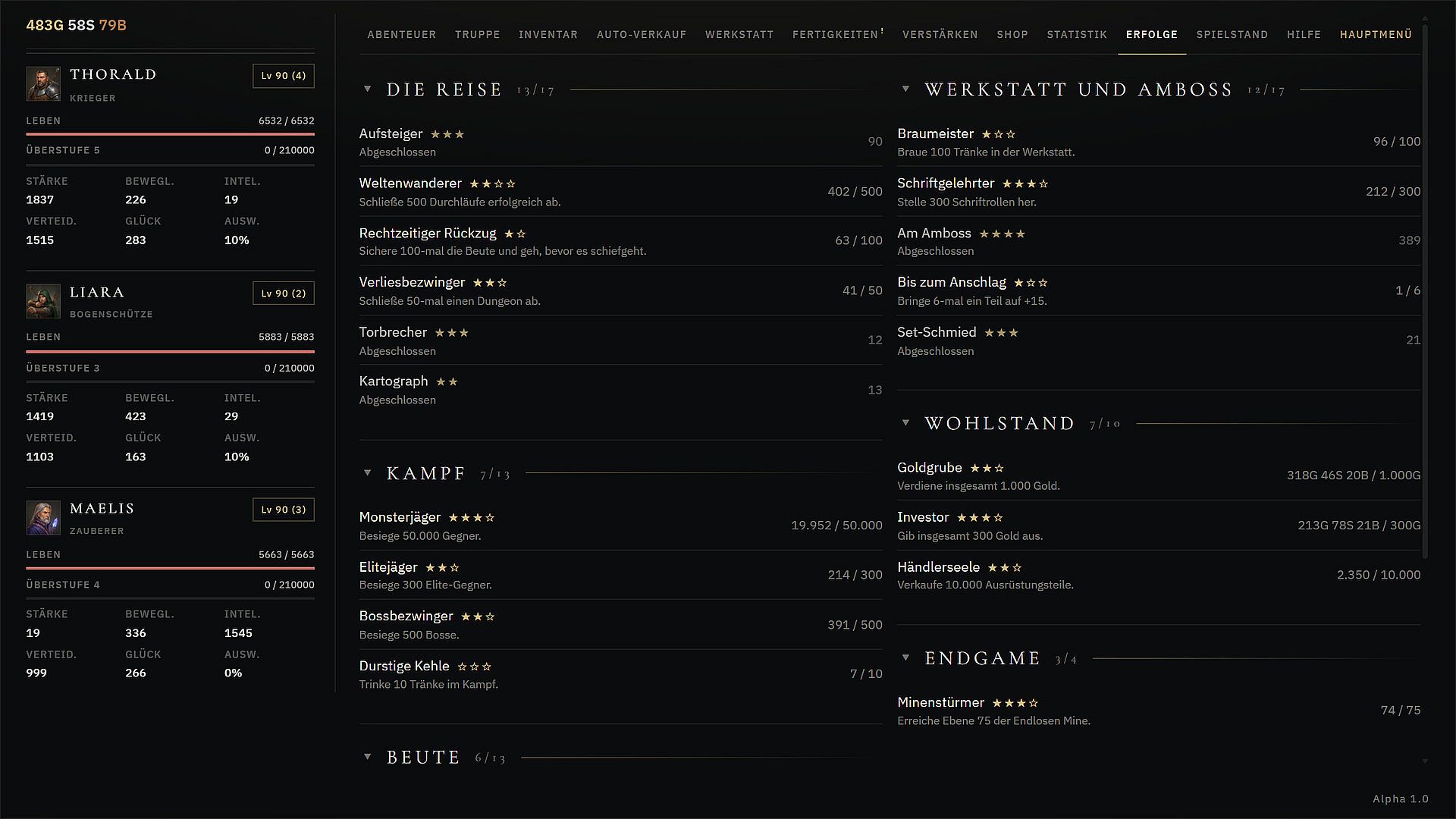
Experience gained from runs carries over permanently, enabling steady character and party development even after setbacks. Sixty abilities across ten skill trees allow for deep customization as classes level up. The single-player structure includes seventy-four achievements with visible progress tracking and cloud save support. No microtransactions, advertisements, or required online connections interfere with the experience.
Auto-run features and variable combat speeds streamline repeated farming, while the retreat option at any point reinforces the central risk-reward dynamic. All mechanics remain accessible through a one-time purchase, with ongoing post-release updates planned by the solo developer.
Is It Worth Playing?
Trinity Descent appeals to players who enjoy idle and incremental RPGs that emphasize thoughtful decisions over constant action or timers. The absence of energy systems or shops keeps the focus on core progression through runs, gear enhancement, and the Endless Mine challenge. As a solo-developed title scheduled for release in early 2027, it offers a complete single-player experience without additional costs or interruptions.
Those seeking an auto-battler style RPG with branching choices, permanent progression, and endgame depth records will find the mechanics align closely with that preference. The game rewards careful route planning and timely retreats while providing substantial content through zones, dungeons, class variety, and crafting systems. Its straightforward design and lack of external pressures make it suitable for players who prefer focused, uninterrupted sessions on PC.