




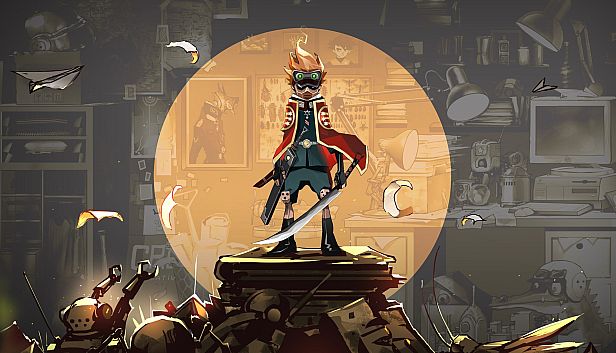


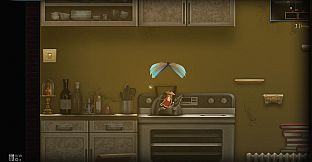
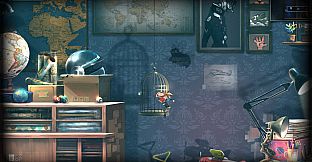
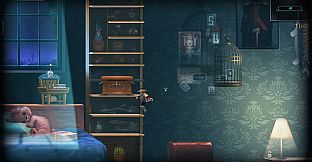
Toy Odyssey is an action-platformer that blends Metroidvania exploration with roguelike elements on Xbox One and Xbox Series consoles. Players control Brand, an action figure who comes to life at night to battle darkness threatening his owner Felix and the rest of the toys in the house. The core experience centers on venturing through a constantly shifting environment filled with hazards and hostile toys while gathering resources to strengthen defenses back at the starting bedroom.
Gameplay
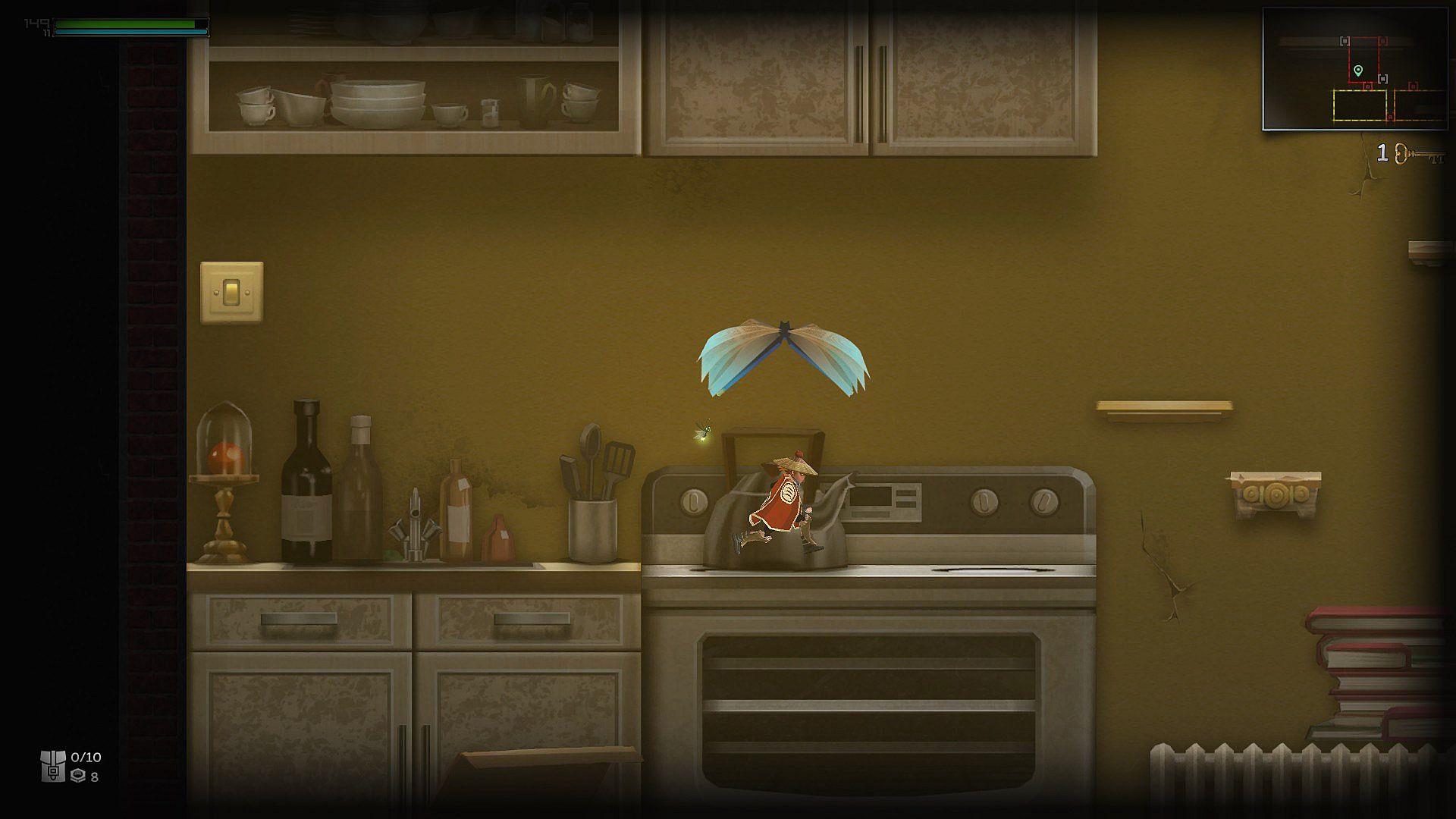
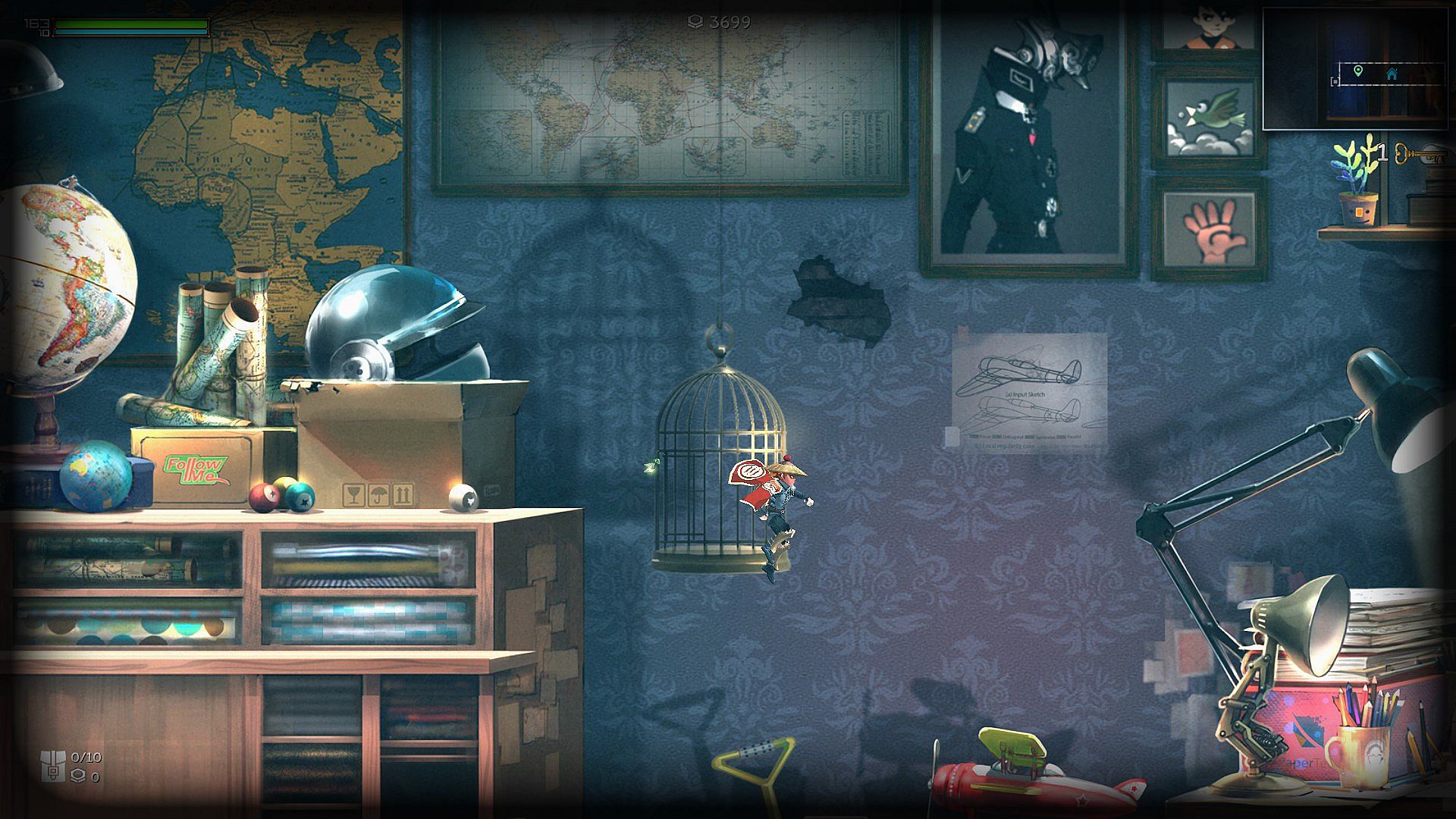
The gameplay loop revolves around nightly excursions from the bedroom base into the larger house. Each run begins with limited power, and players must navigate side-scrolling rooms, locate keys or switches to open paths, and use environmental warps such as ventilation shafts to reach new areas. Combat involves timing attacks against varied enemy patterns, with success depending on learning behaviors rather than raw power at the start. Procedural generation ensures the house layout changes after every death, forcing fresh exploration and preventing reliance on memorized routes. Progression comes through collecting items and currency that carry over in limited ways across runs, allowing gradual improvements to mobility and offense.
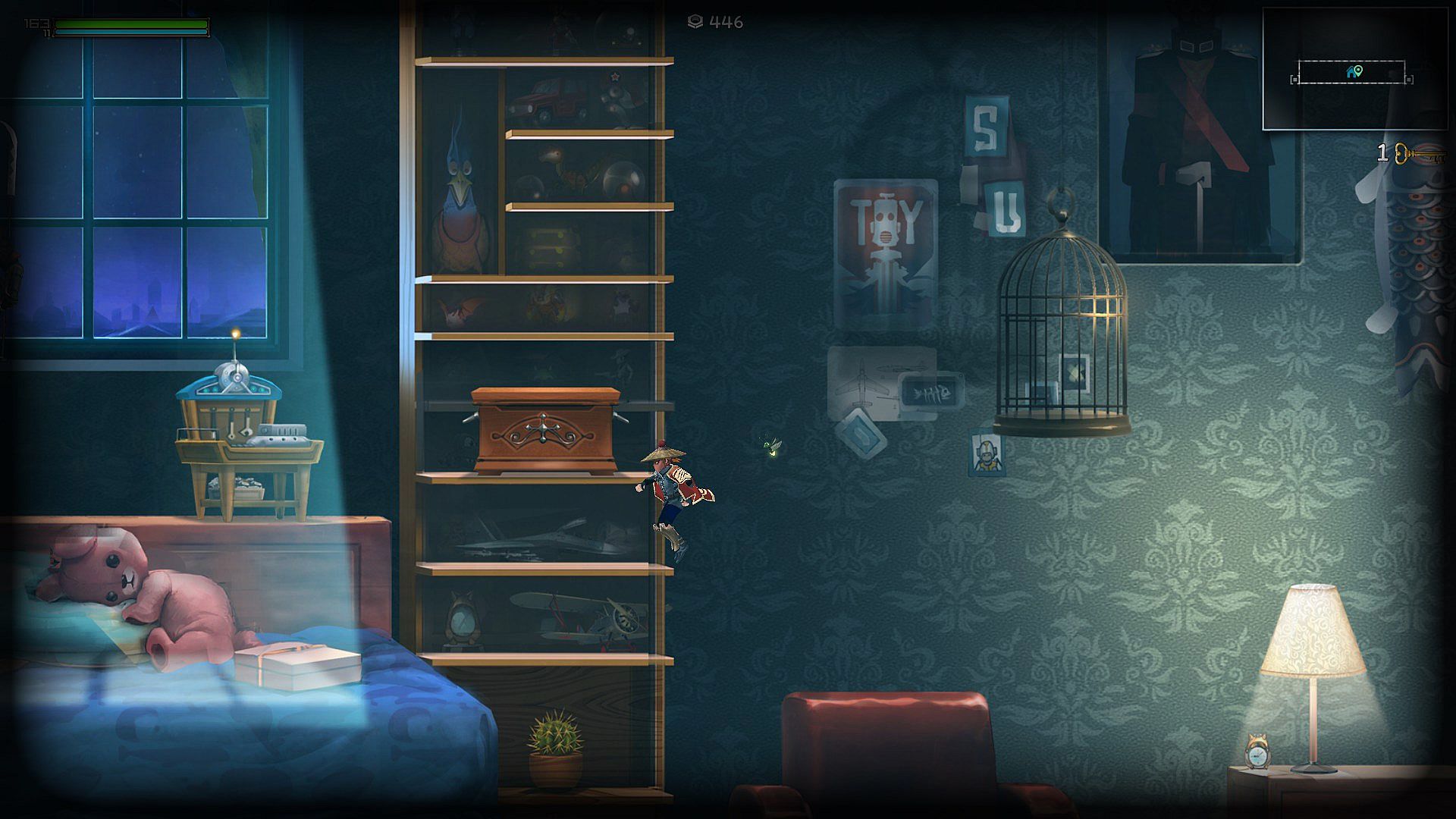
Base defense forms a key secondary layer. While Brand explores, the bedroom remains vulnerable, so players allocate resources to fortify it against incoming threats that can raid supplies or damage upgrades. This creates a push-and-pull between venturing farther for better loot and returning to reinforce the core area before the night ends. Platforming demands precision with jumps, climbs, and interactions with household objects turned into tools or obstacles.
Game Modes
Toy Odyssey operates as a single-player experience without separate multiplayer or competitive modes. The structure relies on repeated runs that function like roguelike sessions, where each failure advances the in-game clock to the next night and regenerates the house. Story elements unfold gradually through collectible diary pages and dialogue encounters scattered across runs, rewarding persistence with pieces of the house's backstory. There are no distinct named game modes beyond this core loop of exploration, combat, and defense management. Players can skip dialogue if they prefer focusing purely on the action-platforming challenges.
Exploration and Progression
Exploration emphasizes uncovering the house room by room, with Metroidvania-style gating that requires new abilities or keys found during runs. Players encounter over a dozen distinct areas tied to different parts of the home, each with unique visual themes and enemy compositions. Upgrades come from a crafting system that lets players combine found parts into stronger weapons and items, building an arsenal suited to personal play style. Seven boss encounters punctuate longer runs, testing mastery of movement and combat timing. The narrative thread involves piecing together events from the family's past, revealed through environmental storytelling and conversations with other toys that can be rescued or aided along the way.
Is It Worth Playing?
Toy Odyssey suits players who enjoy challenging platformers with procedural variety and light base-building elements. Its mixed critical reception highlights strengths in the atmospheric house setting and replayability from changing layouts, alongside criticisms of occasional repetition and initial difficulty spikes. The game remains available on Xbox consoles with backward compatibility support for Series X and S, offering the same experience as its 2016 release without ongoing seasonal updates. Those drawn to tough Metroidvania titles that reward experimentation with upgrades and careful resource management will find the most value here, particularly if they appreciate roguelike structure in a 2D action format. Shorter sessions work well due to the run-based design, though completing the full story requires multiple attempts to gather all narrative fragments.