




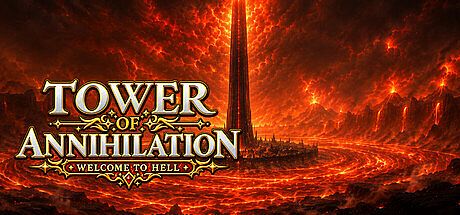


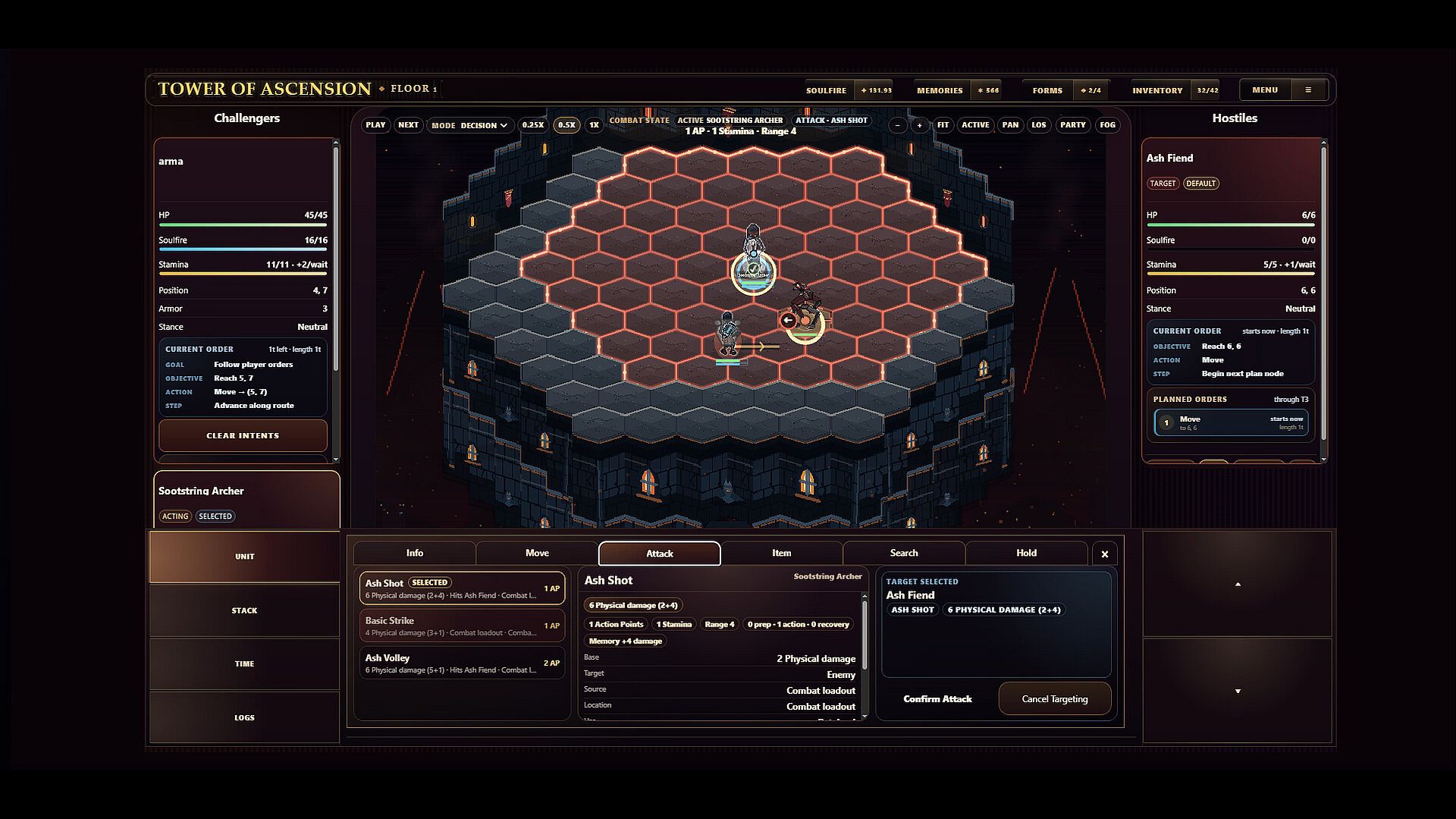
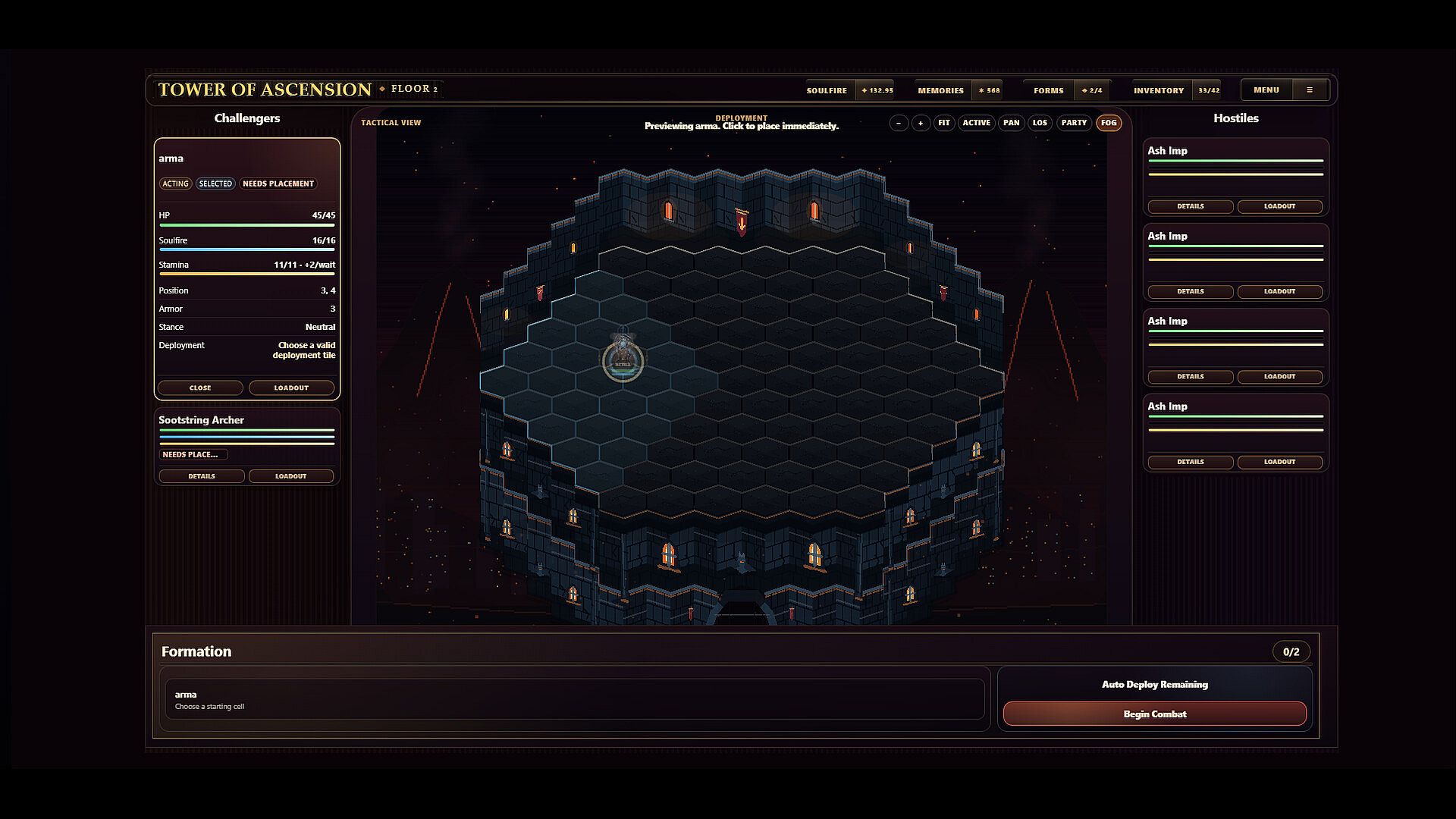
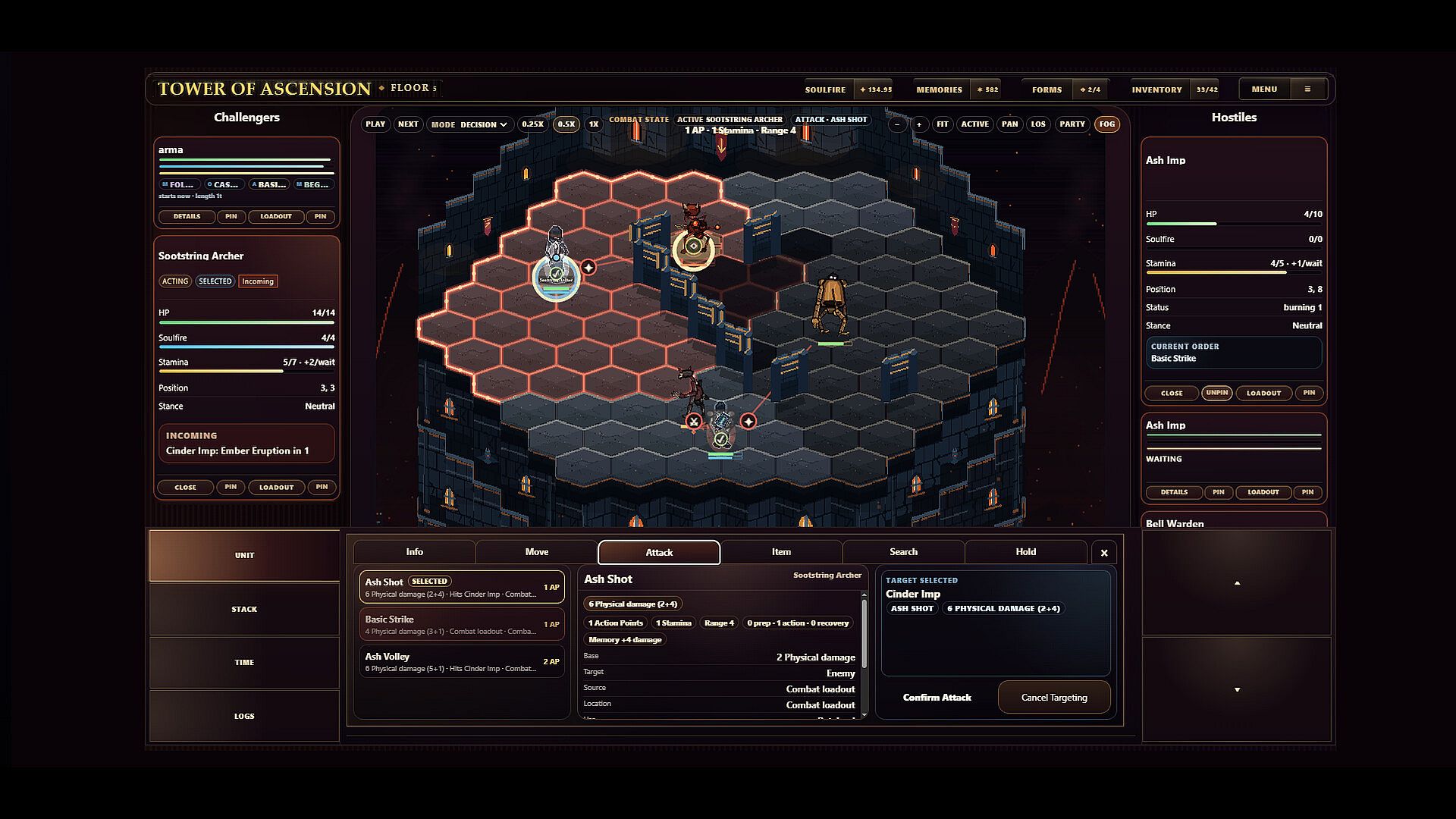
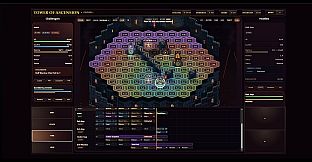
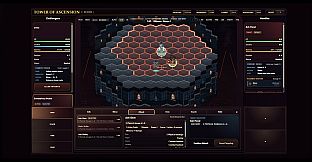
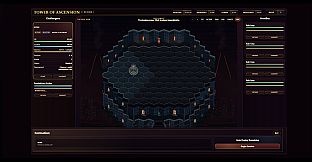
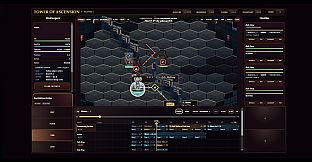
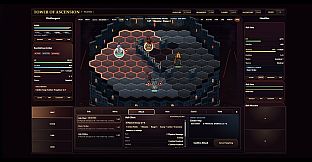
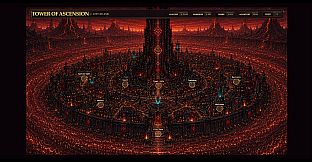
Tower of Annihilation: Welcome to Hell is a single-player strategy indie RPG that blends roguelite dungeon crawling with tactical turn-based combat on PC. Players take on the role of a damned soul attempting to escape eternal punishment by ascending an endless interdimensional tower that stretches from the infernal realm toward Earth. The experience centers on repeated climbs through hazardous floors, resource management, and permanent choices that shape each run while carrying consequences across attempts.
Gameplay
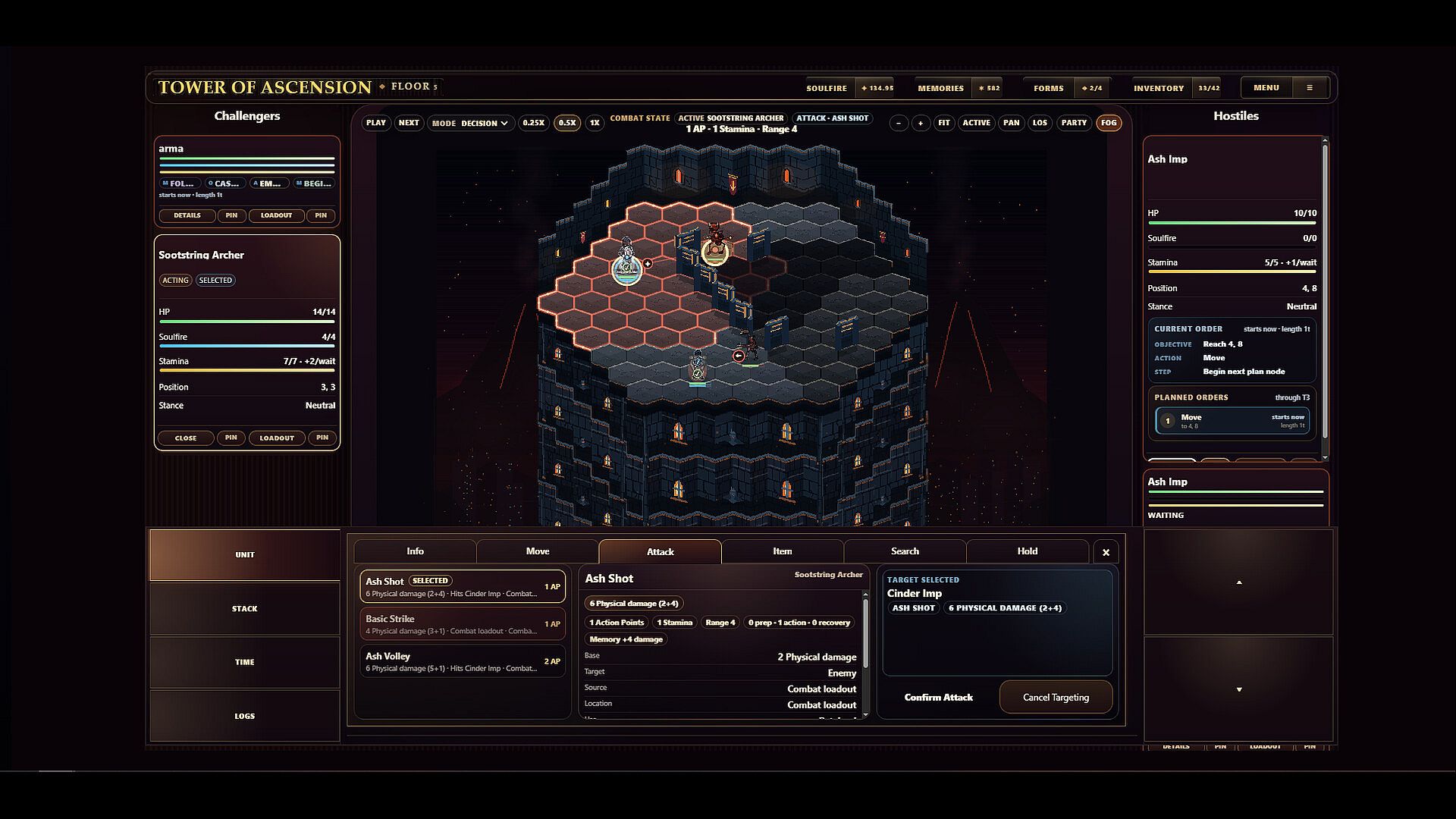
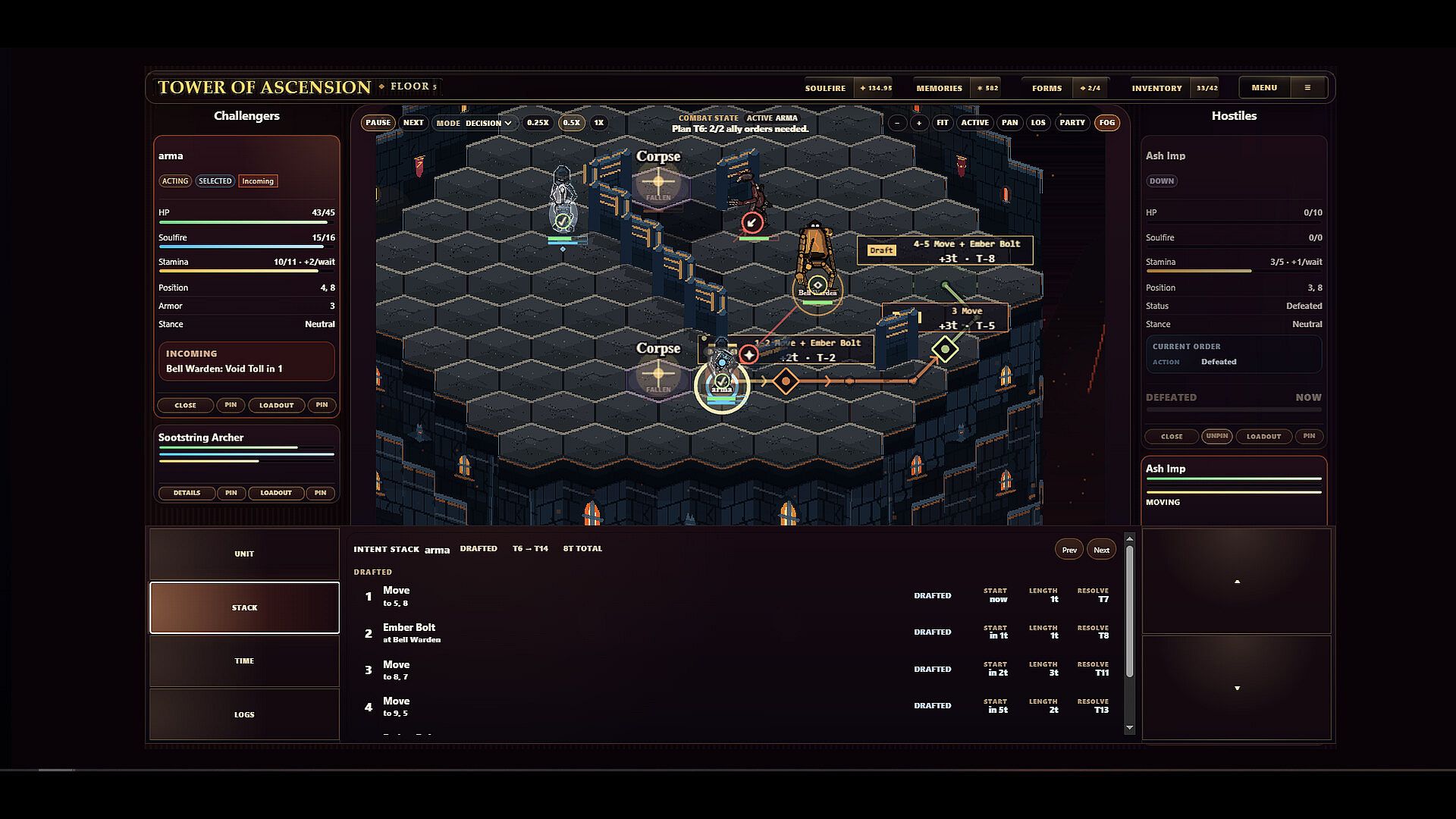
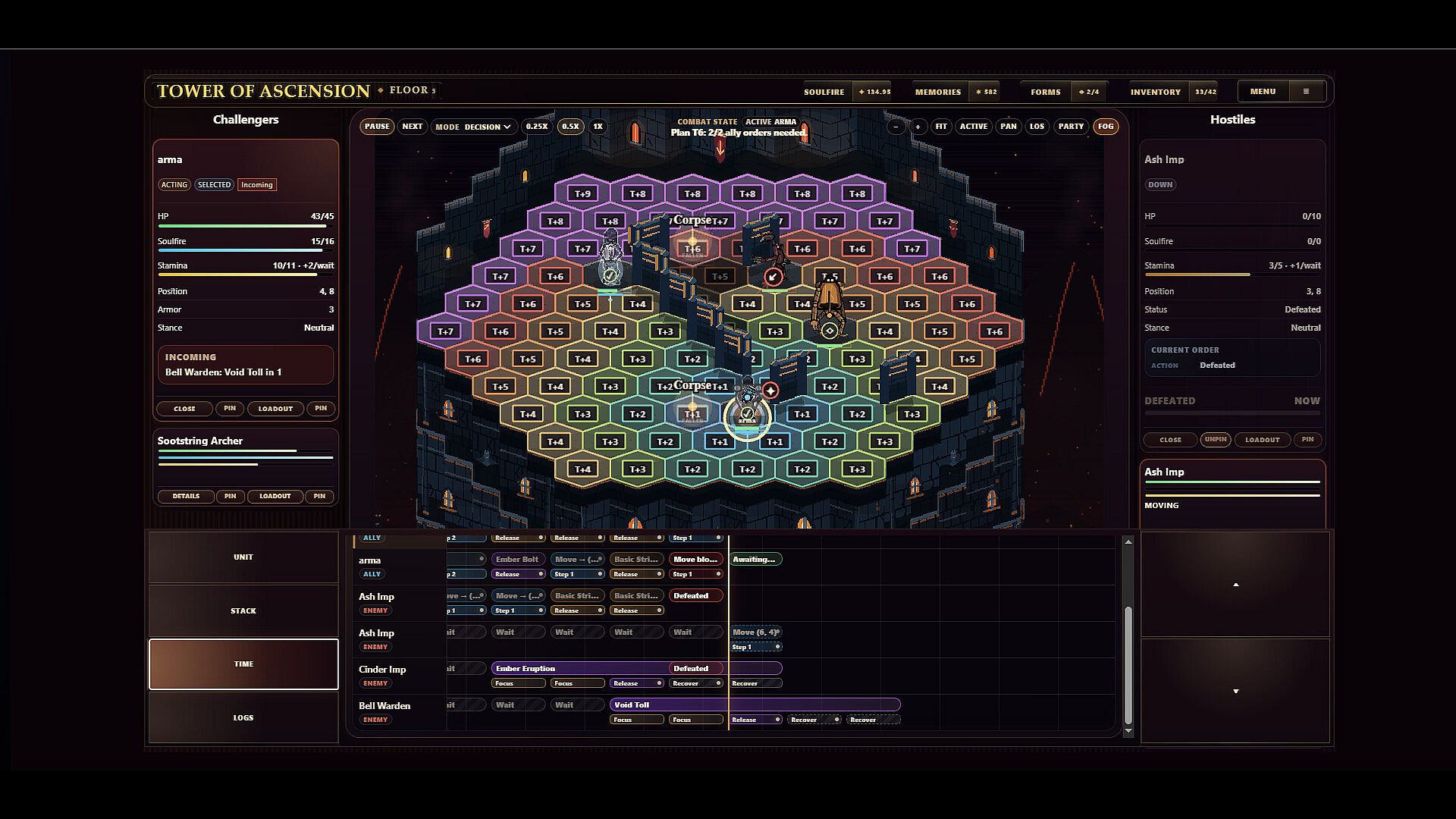
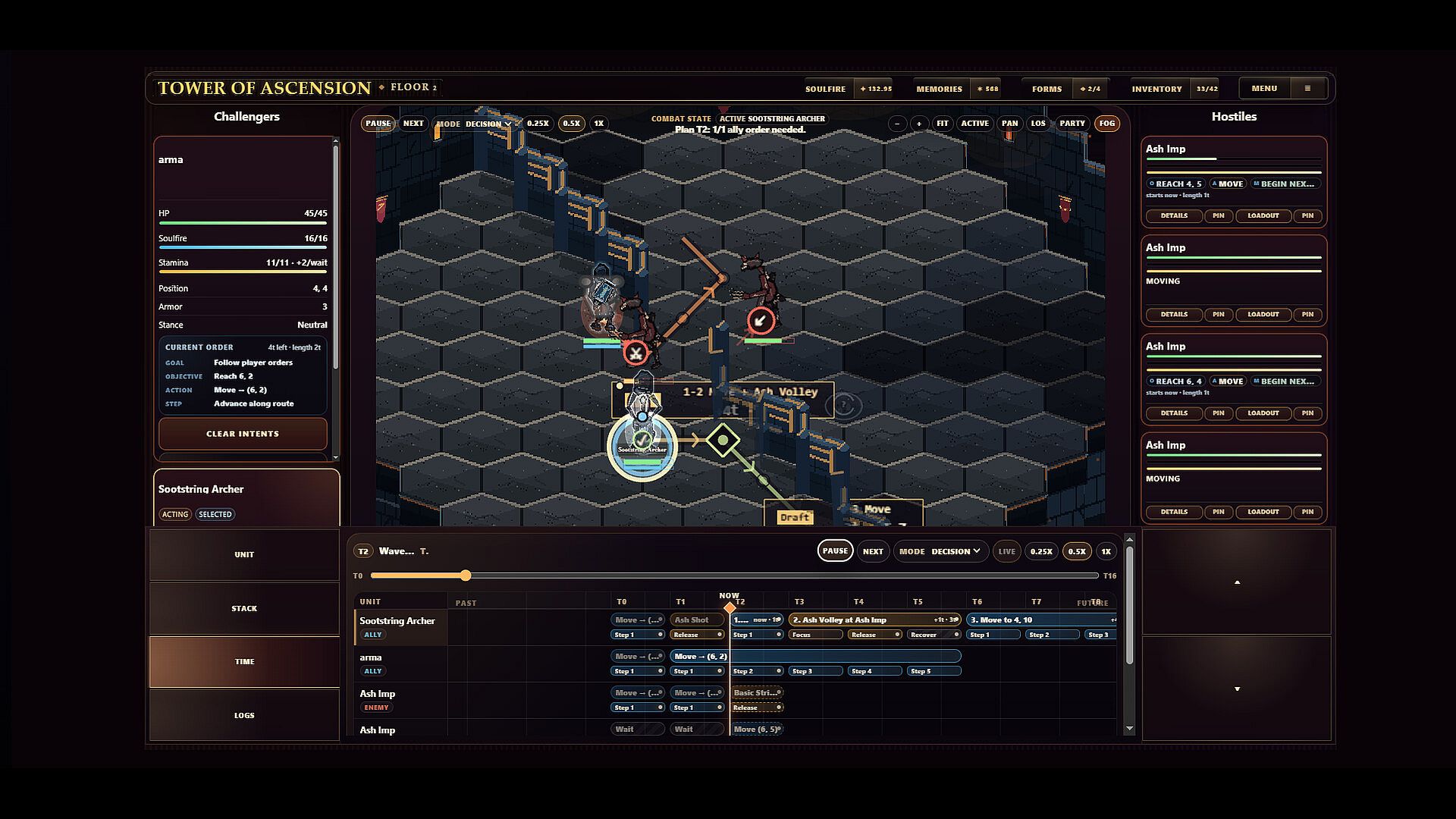
The core loop involves fighting upward through procedurally varied floors packed with monsters and environmental hazards. Combat emphasizes positioning and careful planning rather than fast reflexes, requiring players to coordinate party members in turn-based encounters. A distinctive system allows setting waypoints and stacking intent to enable autonomous synchronized maneuvers, letting the party execute complex strategies without constant manual input during fights.
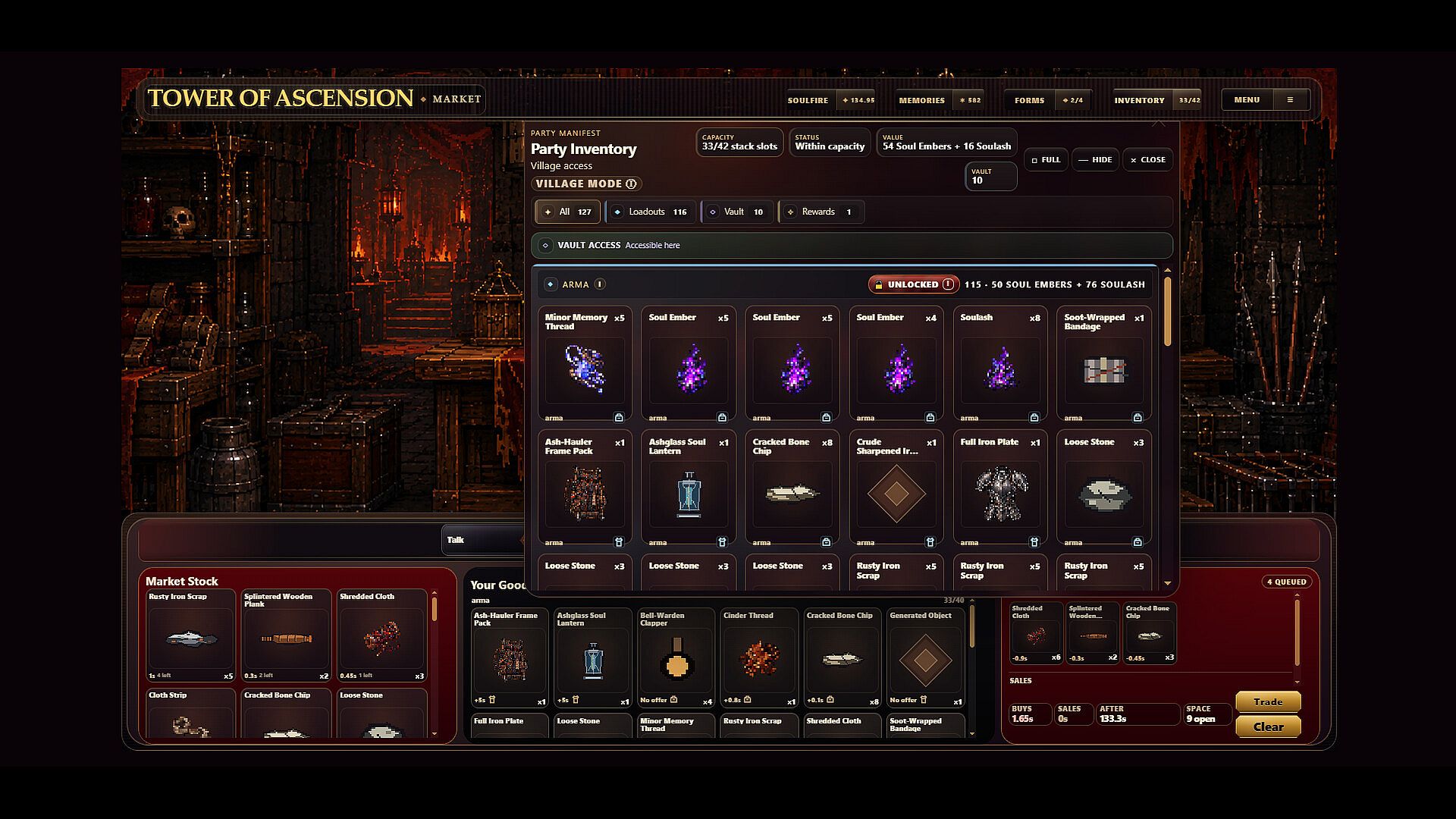
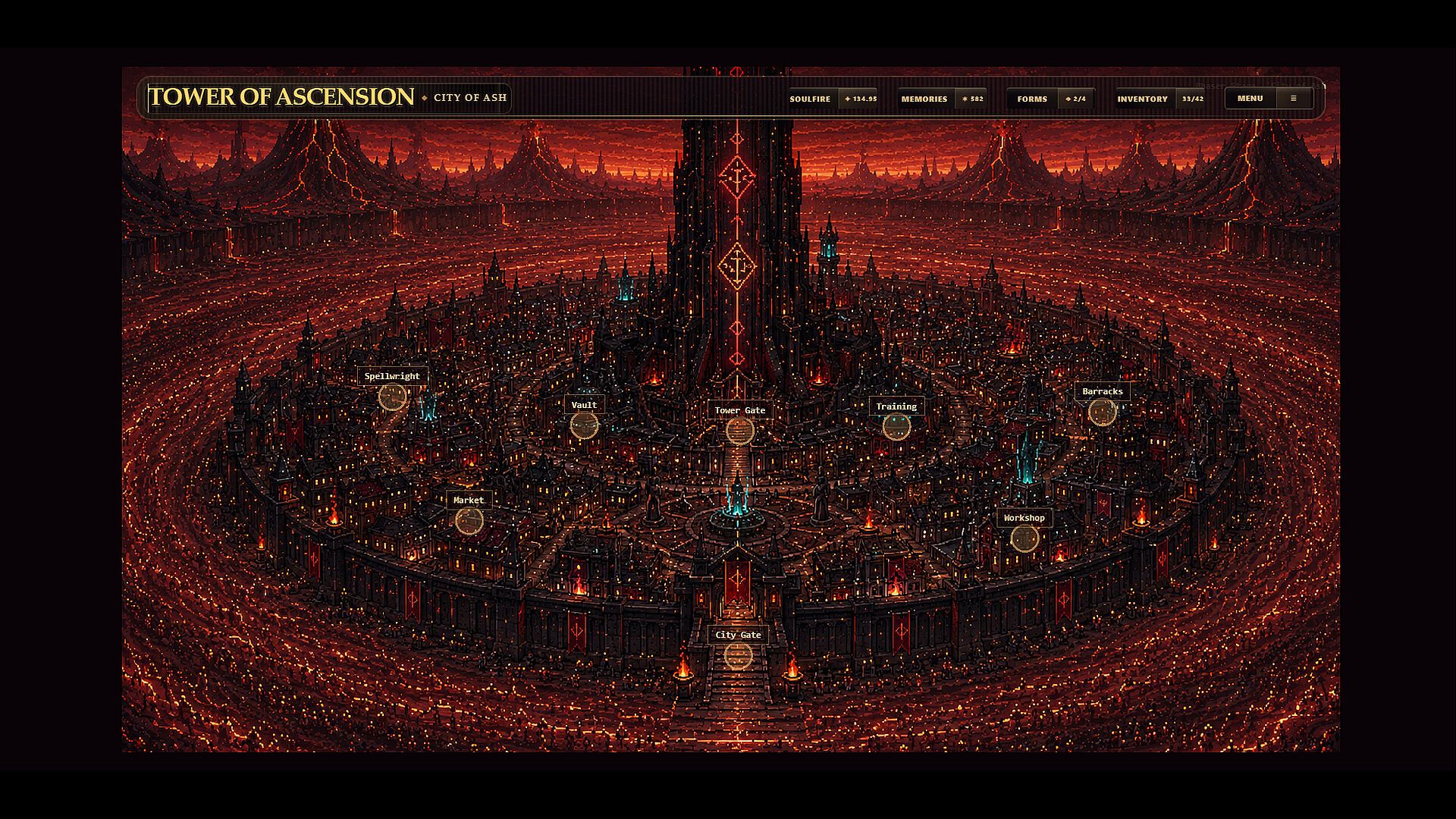
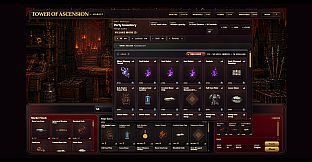
Between ascents, players return to the City of Death, a persistent hub for recovery and preparation. Here they recruit and manage damned souls to expand their party, then build and equip the team using collected weapons, armor, abilities, and resources. Progression carries roguelite elements where power grows across runs, but each climb demands hard choices about how much strength, memory, and humanity to sacrifice for greater rewards or survival. The tower itself functions as both obstacle and narrative device, with secrets and risks of corruption that can permanently alter the character or party composition.
Game Modes
The game operates through a single primary structure of repeated tower ascents. Each run presents new combinations of floors, enemies, and tactical challenges, encouraging experimentation with different party builds and strategies. There are no separate competitive or cooperative modes; the focus remains on solo progression through the roguelite framework, where failure sends the player back to the City of Death to refine their approach before attempting another climb.
Key Mechanics and Progression
Party management forms a central pillar, as recruited souls bring unique strengths that must be balanced against the growing threat of corruption. Equipment and ability choices directly influence combat effectiveness, rewarding thoughtful combinations that exploit positioning and intent stacking. The sacrifice system adds depth by forcing players to weigh short-term power gains against long-term drawbacks, creating meaningful decisions that affect future runs. Exploration of the tower reveals narrative layers about redemption and the structure's true purpose, though these elements unfold gradually through repeated attempts rather than linear storytelling.
Is It Worth Playing?
Fans of tactical roguelites and party-building strategy games will find the described systems align closely with those preferences. The emphasis on turn-based planning, autonomous maneuvers, and hub-based preparation offers a deliberate pace suited to players who enjoy methodical decision-making over rapid action. As an upcoming title with no released version yet, it carries the typical uncertainties of early development, including the placeholder art noted by the developer. Those drawn to single-player experiences involving moral trade-offs and incremental power growth in a dark fantasy setting may want to follow its progress toward the planned release. The absence of multiplayer or additional modes keeps the scope focused on the core ascent loop.