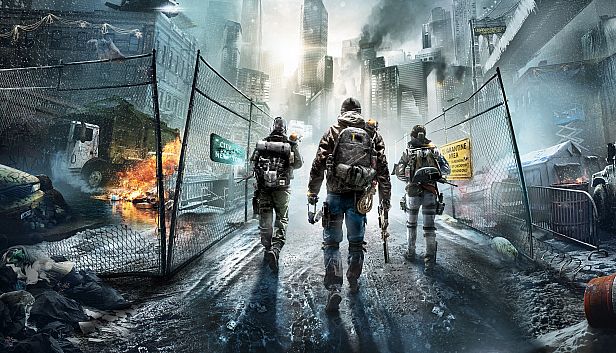



Tom Clancy's The Division é um action RPG em terceira pessoa desenvolvido para PS4 que mistura combates baseados em cobertura com progressão por loot. O jogador assume o papel de um agente da Strategic Homeland Division encarregado de restabelecer a ordem em Nova York após um surto viral em larga escala. A proposta gira em torno da exploração de um cenário urbano detalhado, da conclusão de objetivos e da gestão de equipamentos para lidar com ameaças cada vez mais difíceis.
Jogabilidade
O ciclo principal de jogo se concentra em combates em terceira pessoa que valorizam posicionamento e decisões táticas. Os agentes se deslocam entre pontos de cobertura para evitar tiros inimigos e responder com diferentes armas de fogo. Durante os confrontos, é possível usar habilidades como o Pulse, que revela inimigos próximos, torres automáticas para controle de área e minas rastreadoras que perseguem alvos antes de explodir. Esses recursos podem ser aprimorados e combinados com talentos que alteram o desempenho conforme o equipamento equipado.
A progressão segue o modelo clássico de RPG, com experiência obtida em missões e atividades. Dinheiro e itens dropados permitem adquirir novas armas e armaduras. Os equipamentos são divididos em categorias de raridade, indo do branco comum até o amarelo high-end, com as versões mais raras oferecendo atributos superiores e talentos extras. O sistema de cobertura permite movimentação ao longo dos obstáculos e transições rápidas, recompensando quem mantém atenção à posição dos inimigos e às vantagens do ambiente.
A exploração revela atividades secundárias e esconderijos que contribuem para o avanço geral. O dispositivo ECHO ajuda a reproduzir eventos gravados, revelando pistas ou recursos. No final do jogo, a gestão de equipamentos se torna essencial, exigindo equilíbrio entre armas, stamina e eletrônicos para adaptar o personagem a diferentes estilos de jogo.
Modos de jogo
As missões da história constituem o caminho principal para o modo single-player e cooperativo, levando os agentes por locais estratégicos e apresentando novas ameaças. Missões secundárias opcionais ampliam o conteúdo e oferecem experiência e recompensas extras. Todas as atividades ajustam a dificuldade conforme o nível do jogador e o tamanho do grupo.
A Dark Zone é a principal área híbrida de PvP e PvE. Nela aparecem itens de alto valor, mas a extração exige chamar um helicóptero enquanto se defende contra inimigos controlados por IA e outros agentes. Qualquer item não extraído é perdido ao morrer, criando tensão entre risco e recompensa. A área comporta até 24 jogadores simultaneamente.
O conteúdo de expansão amplia as possibilidades. Underground traz missões geradas proceduralmente sob as ruas da cidade. Survival coloca os agentes em uma versão mais hostil do mapa, com recursos limitados e a necessidade de chegar aos pontos de extração. Last Stand foca em partidas competitivas em equipe. Atualizações posteriores adicionaram Resistance, com defesa em ondas, e Skirmish, um modo de confronto em equipe em escala reduzida.
Enemy Factions
Quatro grupos hostis principais ocupam a cidade e exigem abordagens distintas. Os Rioters são ameaças desorganizadas que contam com superioridade numérica e armas básicas. Os Cleaners usam trajes de proteção e ataques baseados em fogo. Os Rikers formam uma gangue mais estruturada, com táticas coordenadas. O Last Man Battalion é composto por ex-militares equipados com tecnologia avançada e formações disciplinadas.
Cada facção conta com tipos especializados de inimigos, como rushers que avançam rapidamente, snipers que atacam à distância e heavies que absorvem bastante dano. Analisar os grupos antes do combate ajuda a definir as contramedidas mais eficazes. Elementos aliados incluem agentes da Joint Task Force, que oferecem suporte limitado em algumas áreas.
Vale a pena jogar?
Tom Clancy's The Division no PS4 oferece uma combinação consistente de combates com cobertura e progressão por equipamentos, atraindo quem gosta de mecânicas metódicas e evolução gradual do personagem. A Dark Zone adiciona uma camada de tensão ausente em jogos puramente cooperativos, enquanto os modos de expansão estendem o tempo de jogo com desafios diferentes. O lançamento foi elogiado pelo cenário atmosférico e pela sensação das armas, e atualizações posteriores corrigiram alguns problemas de balanceamento iniciais.
O título continua acessível graças às expansões incluídas, permitindo que novos jogadores ou veteranos experimentem todo o conteúdo sem compras adicionais além da versão base. Quem aprecia missões estruturadas, exploração em mundo aberto e confrontos ocasionais com outros jogadores encontra sistemas recompensadores. Já quem busca experiências narrativas puramente single-player ou shooters em arena de ritmo acelerado pode preferir outras opções. No geral, o jogo se mantém relevante para fãs da mistura específica de RPG e tiro na plataforma PS4.