




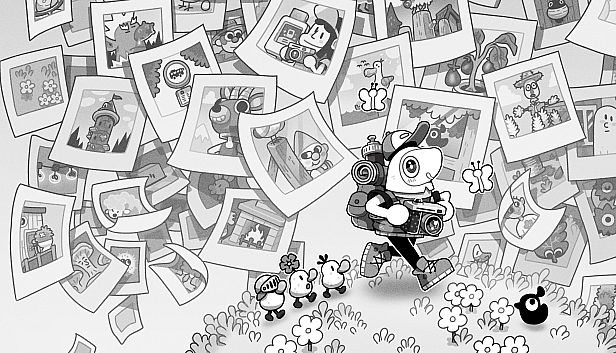



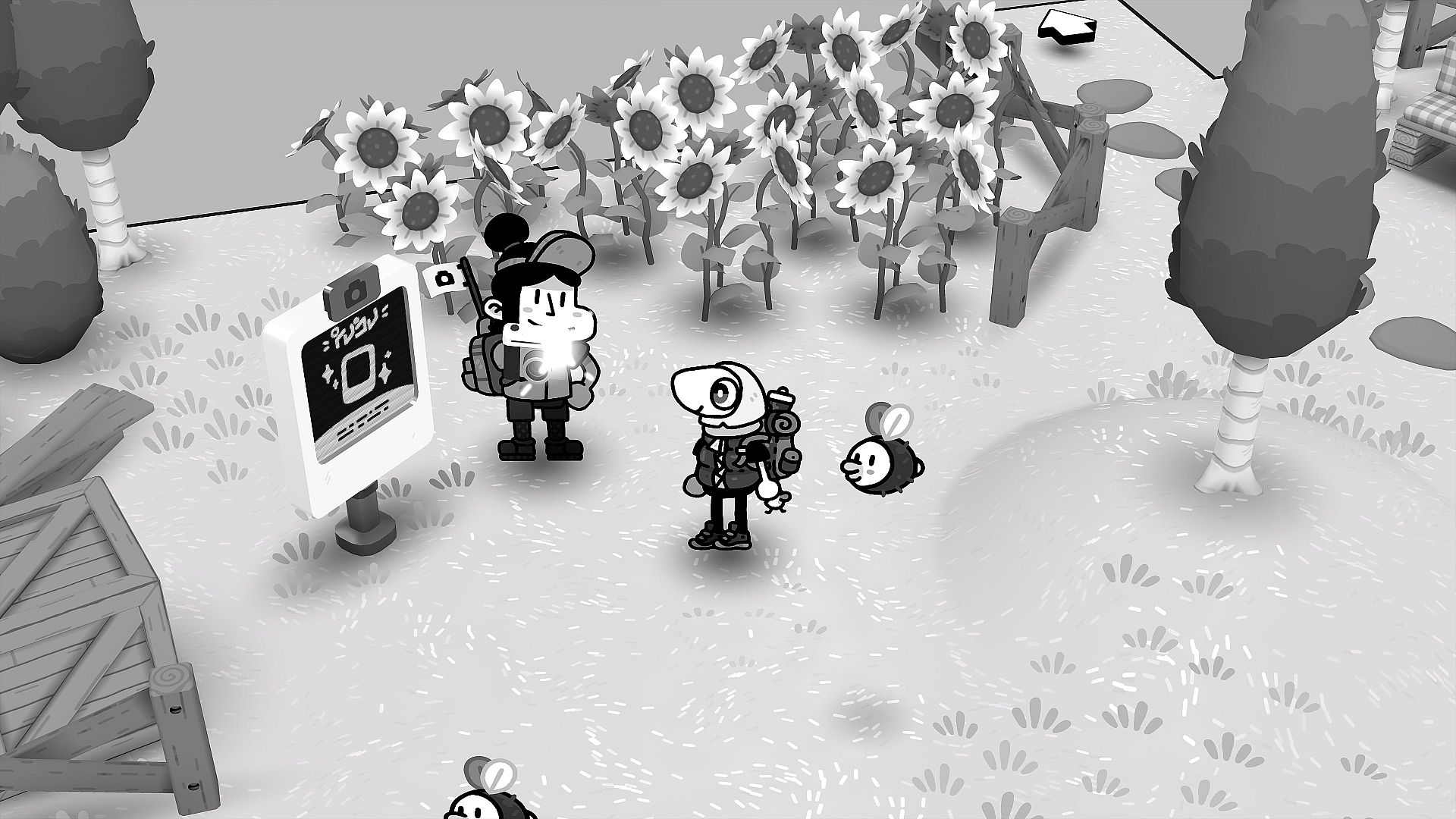
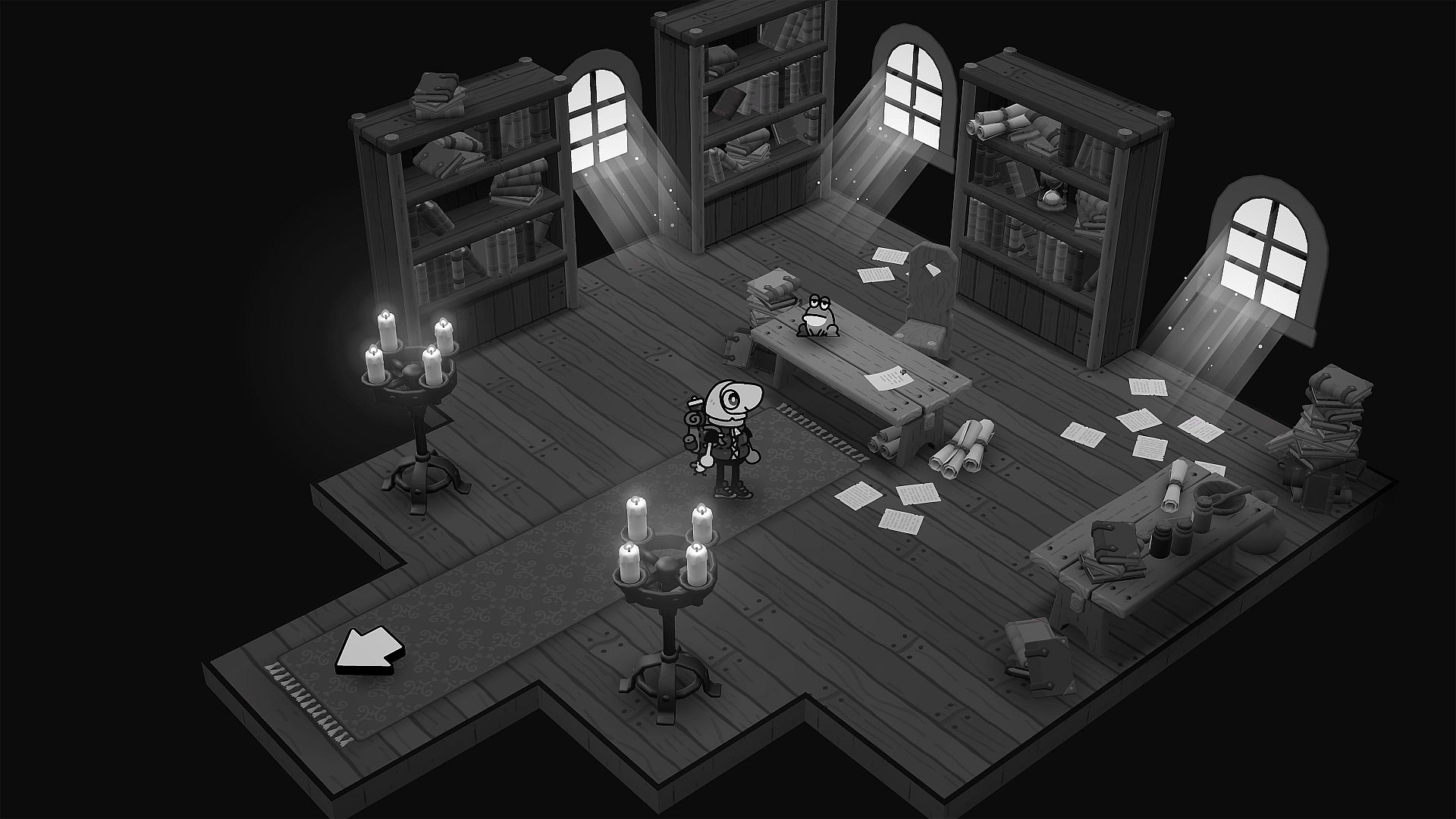
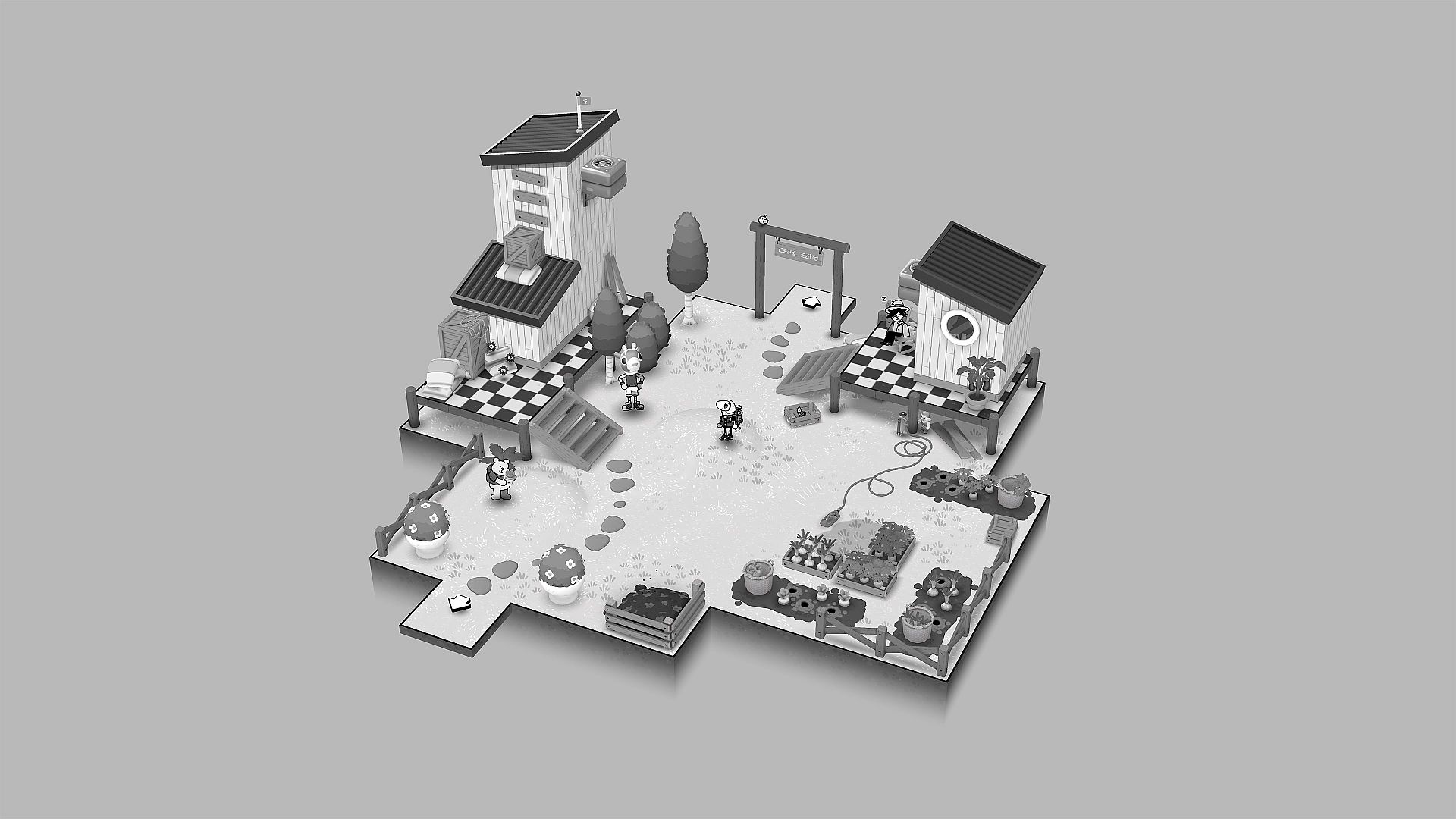
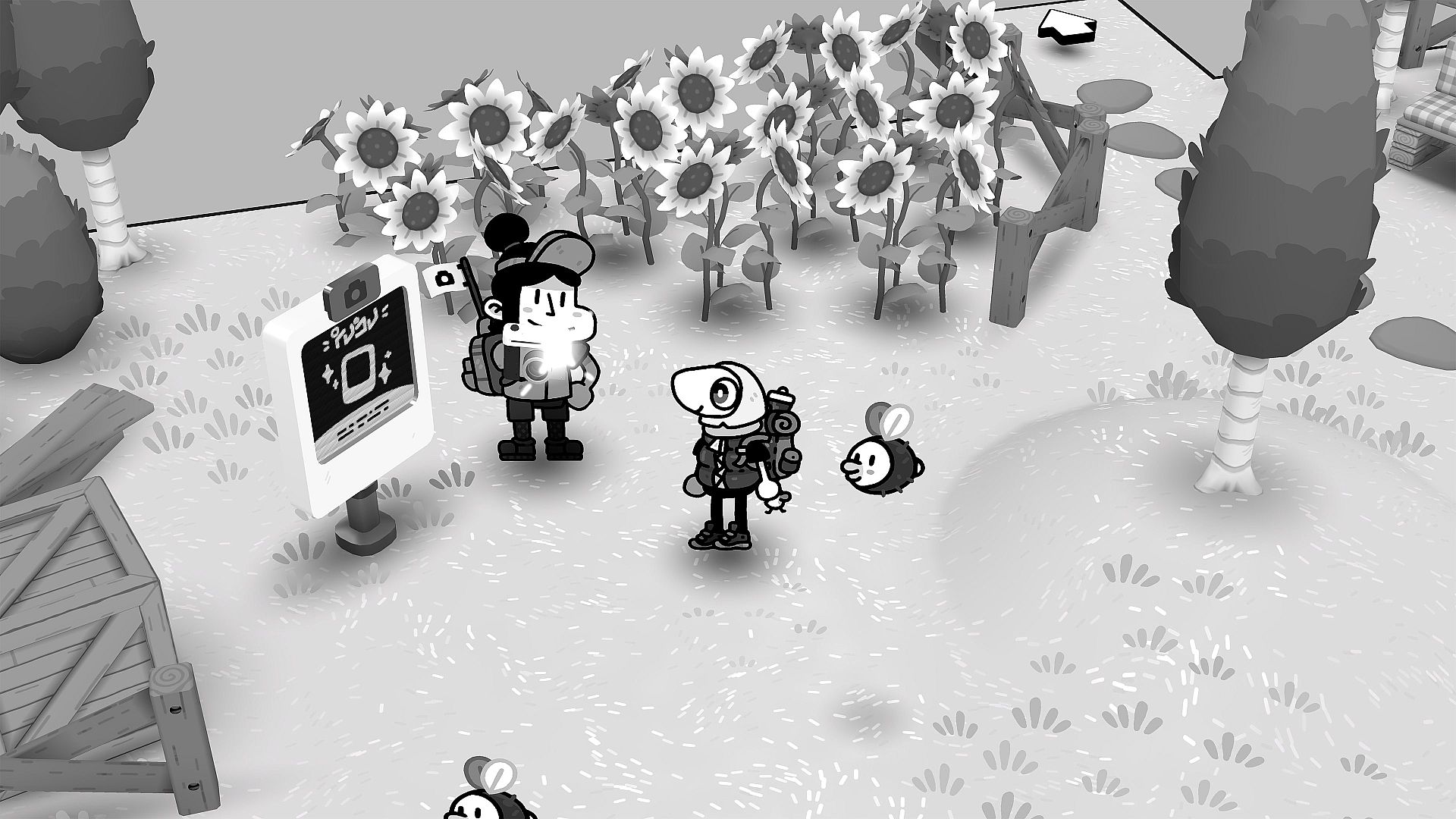
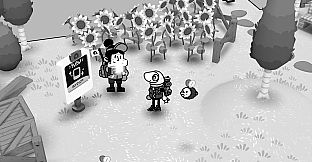
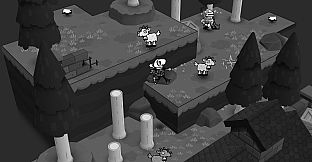

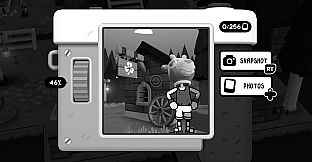
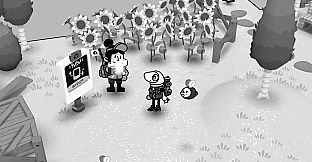
TOEM 2 is an indie casual adventure game centered on relaxed exploration and photography in a distinctive black-and-white world. Players take on the role of a curious photographer who travels through cozy environments, documents mysterious events called TOEMs, and assists quirky characters along the way. The experience emphasizes curiosity and personal pacing on PS5, with no pressure to rush or meet strict objectives.
Gameplay
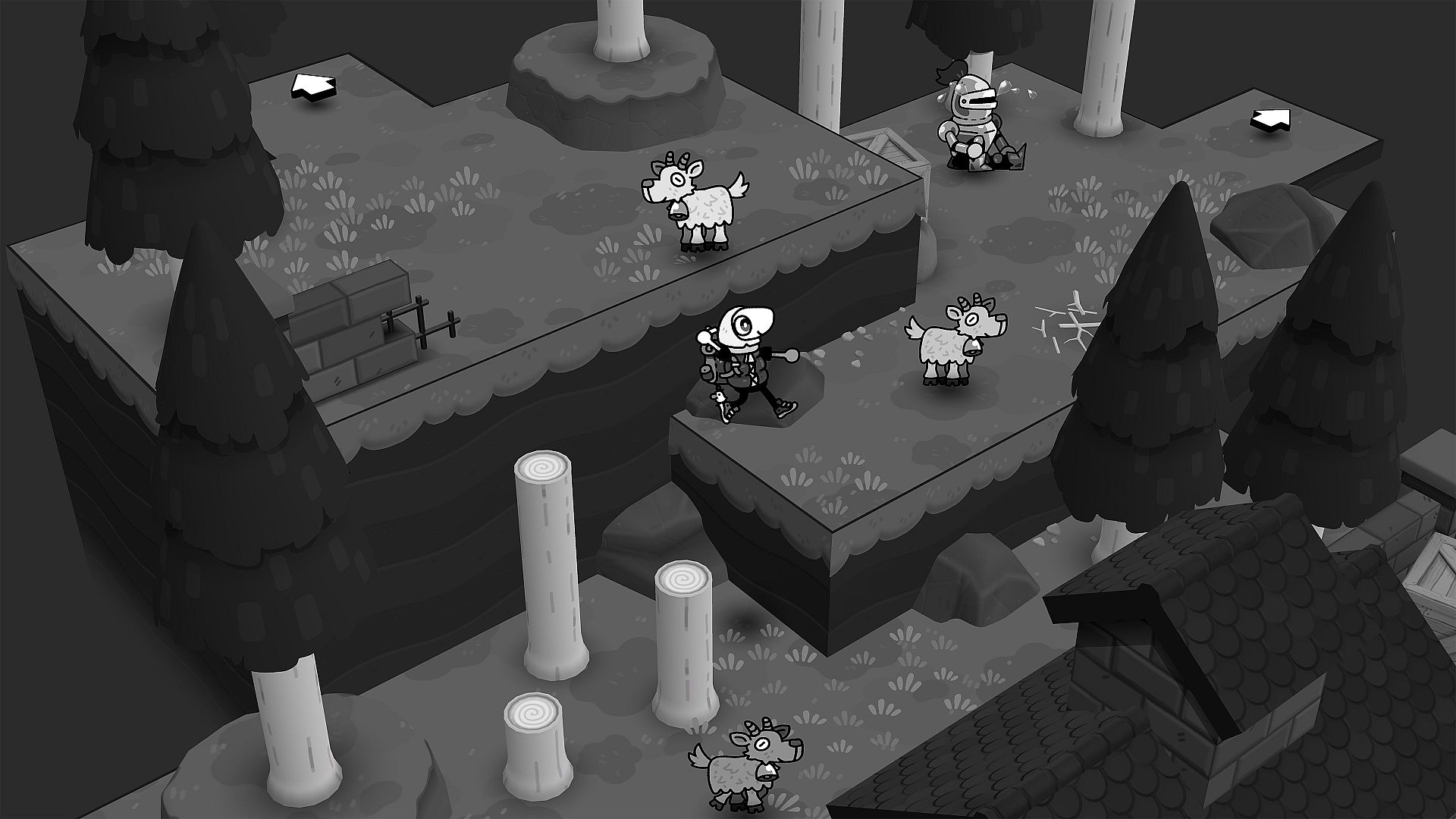
The core loop revolves around moving through hand-crafted regions while using an upgraded camera as the primary tool for interaction. Exploration involves running, jumping, and climbing to reach hidden paths, scenic viewpoints, and overlooked details that reward careful observation. The world design encourages wandering without time limits, allowing players to pause on benches, examine surroundings, or simply enjoy the atmosphere.
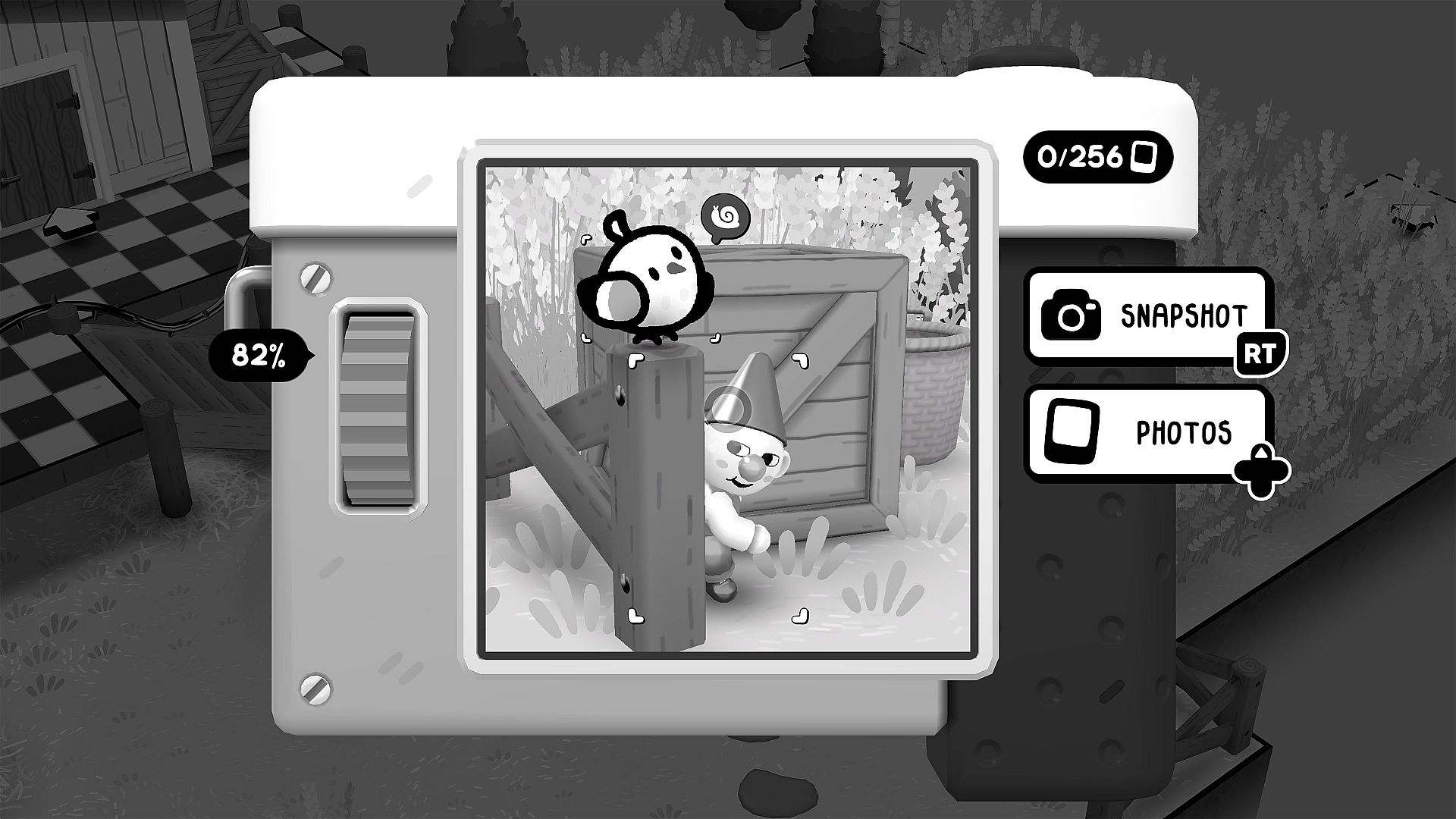
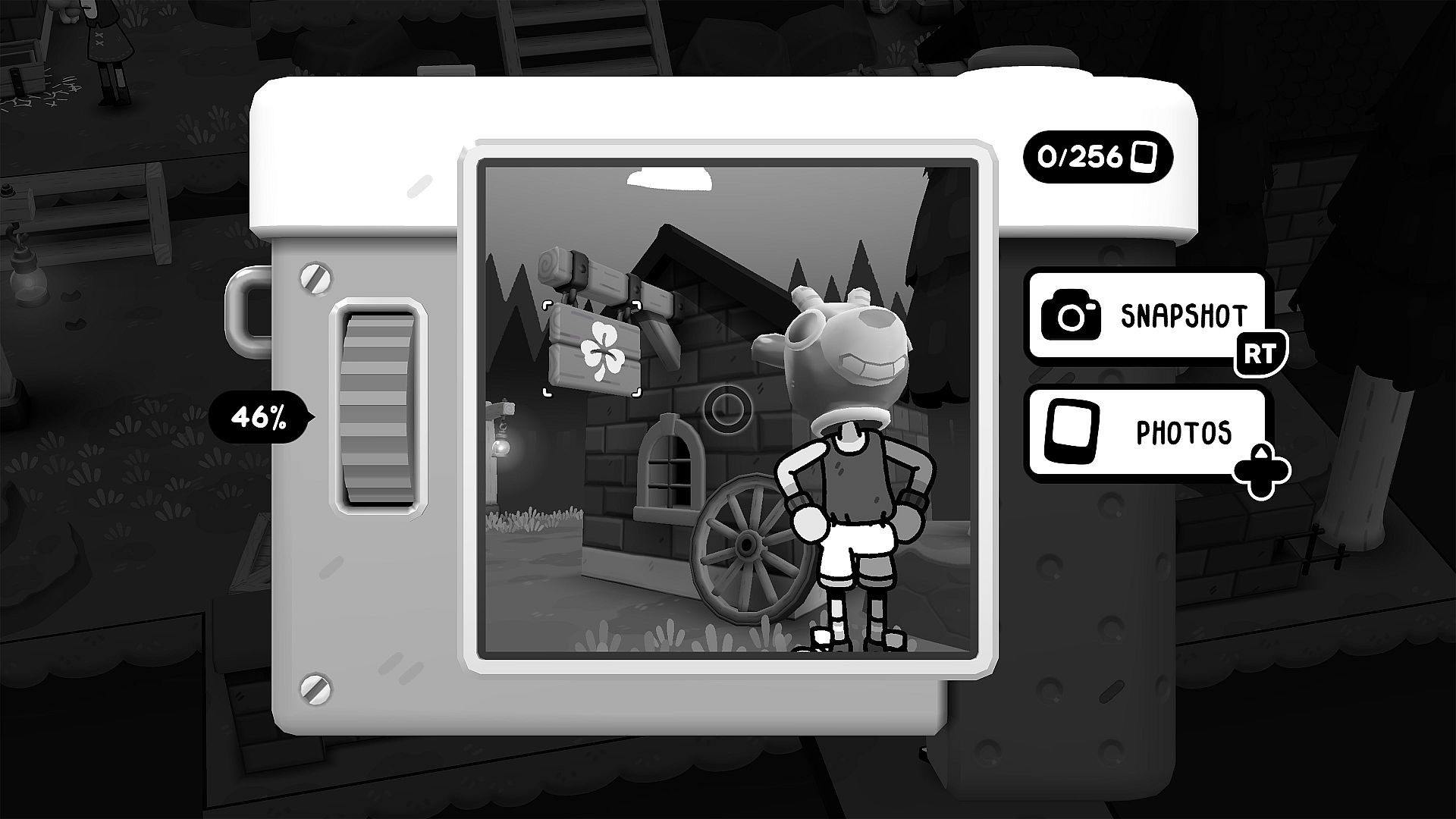
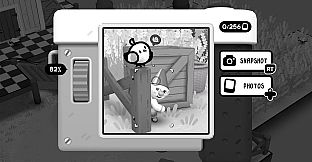
Photography forms the heart of progression and problem-solving. Switching to a first-person view for shots lets players compose images that uncover secrets, solve environmental puzzles, or document discoveries. New camera attachments expand these options, enabling unconventional solutions to regional challenges such as adjusting mechanisms or influencing objects in creative ways. Helping characters builds friendships and fills out a journal with stamps that track quests, critter sightings, and other finds.
Stamps serve a dual purpose as both mementos and keys to unlocking subsequent areas. The system supports a critter compendium alongside main discoveries, giving players multiple avenues to engage with the environments at their own speed. The black-and-white aesthetic receives a more detailed 3D treatment compared to prior entries, enhancing depth while preserving the stylized charm.
Game Modes
TOEM 2 operates as a single-player experience with no separate multiplayer or competitive modes. The structure follows a region-based adventure where players progress by collecting stamps through exploration, photography, and assistance tasks. Within each area, freedom to explore and experiment replaces rigid mission structures, creating a cohesive journey focused on discovery rather than competition or repetition.
Optional elements like expanding the critter compendium or revisiting locations for missed details provide additional layers without altering the fundamental single-player flow. The design prioritizes accessibility, welcoming both newcomers and those familiar with the original TOEM through straightforward mechanics and forgiving requirements.
Exploration and Progression
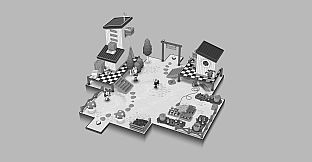
Regions draw from varied cozy settings, such as riverside towns with local landmarks, and feature a mix of platforming traversal and interactive elements. Progression ties directly to stamp collection, which opens new zones while encouraging thorough documentation of the world. The absence of time limits or complex completion hurdles supports a leisurely approach, where players can focus on photography, character interactions, or simply soaking in the details.
Character encounters add personality through requests that integrate with camera use and movement. These moments blend narrative flavor with practical gameplay, turning everyday assistance into opportunities for creative problem-solving. The overall loop rewards patience and attention, turning routine travel into a series of small, satisfying moments.
Is It Worth Playing?
TOEM 2 targets players who enjoy relaxed, curiosity-driven adventures in the indie casual space. Its emphasis on photography as a versatile tool, combined with freeform exploration and stamp-based progression, creates an inviting experience for those seeking low-pressure gameplay on PS5. Previews of the demo highlight the improved movement and visual polish, noting how tasks feel integrated into a natural wandering flow rather than forced objectives.
The game launches on September 29, 2026, across PS5, PC, and Nintendo Switch platforms, with a demo already available for early sampling of regions like Deltburg. It builds on the original TOEM's acclaimed foundation of wholesome photography adventures while adding depth through attachments, 3D environments, and expanded interactions. Those drawn to single-player experiences that prioritize atmosphere, discovery, and personal pacing will find a strong match here, especially if they value games that let them set their own rhythm without competitive elements or timers.
- Focus on photography puzzles and environmental interaction
- Stamp collection for region unlocks and memory tracking
- Platforming elements like jumping and climbing in cozy settings
