






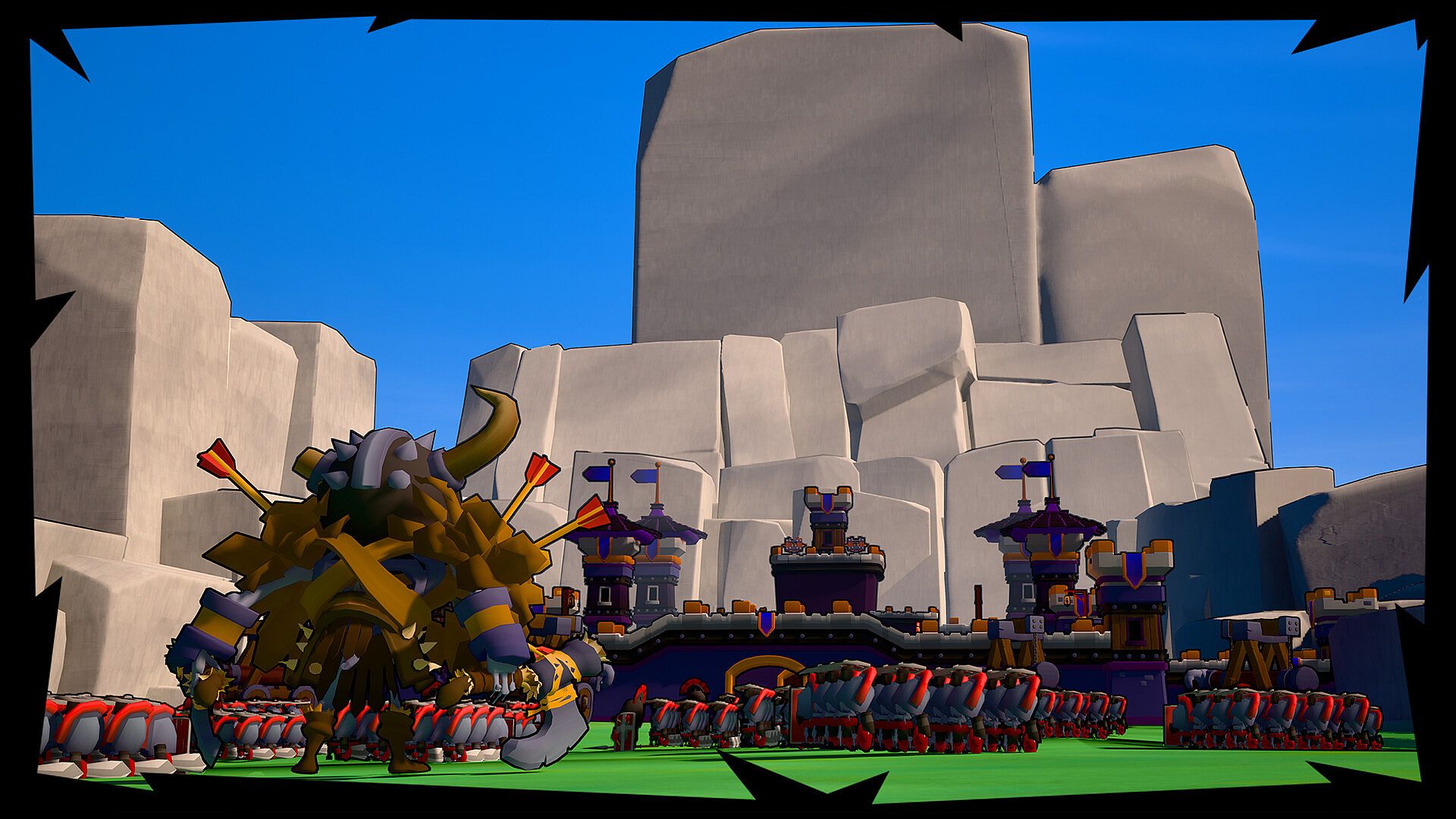
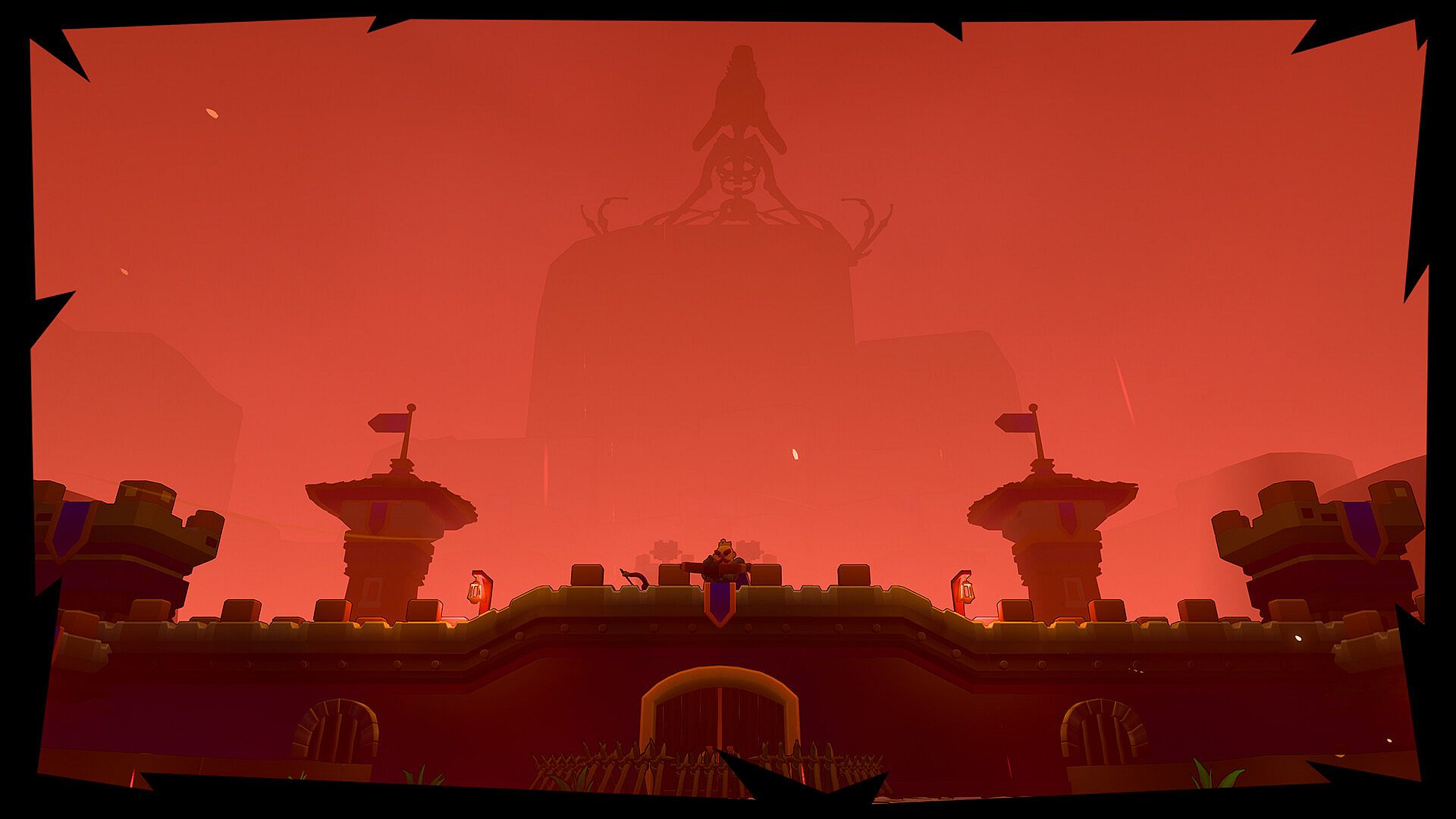
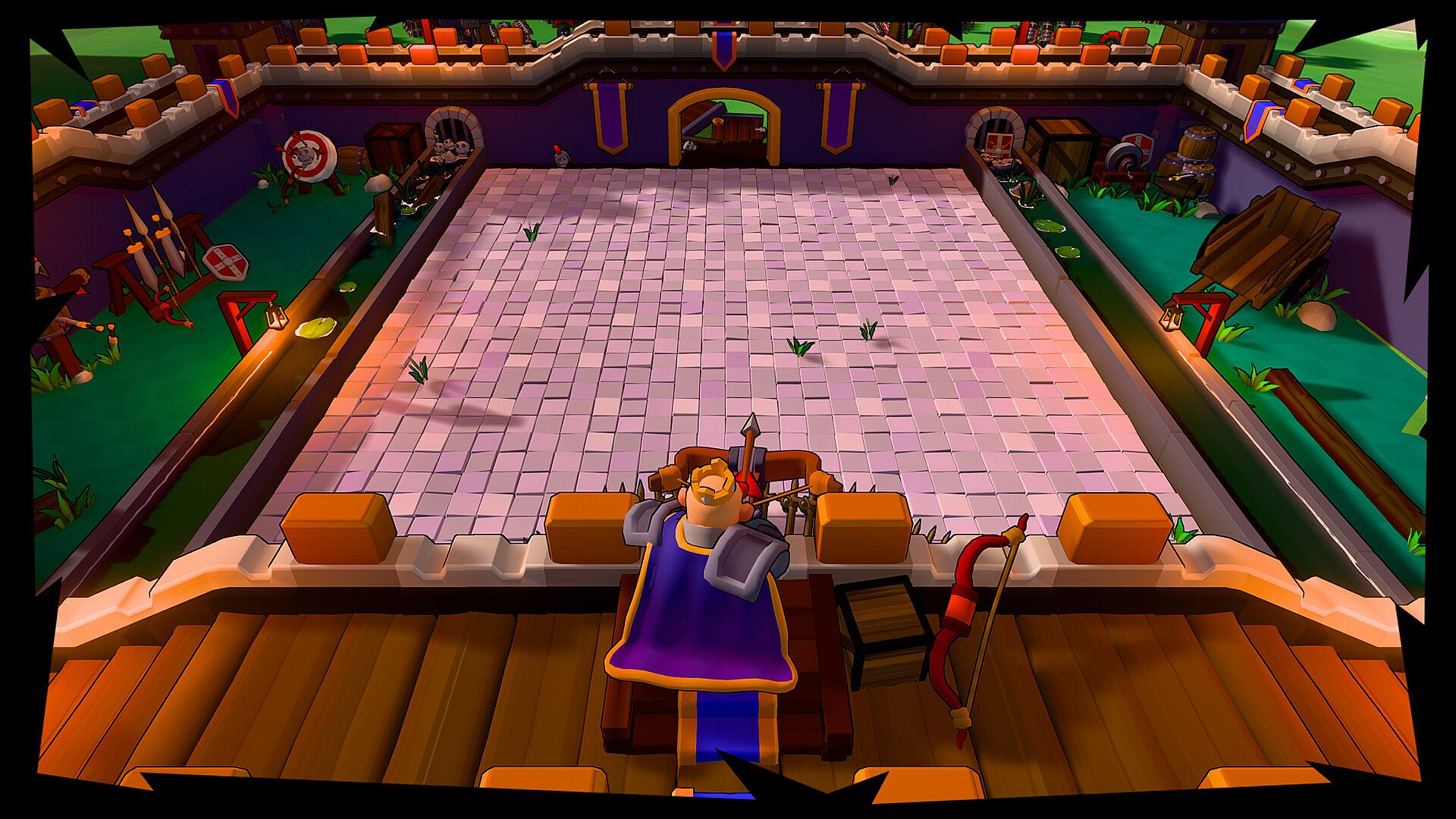
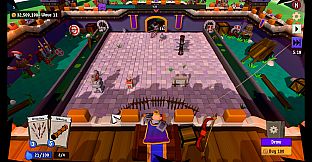
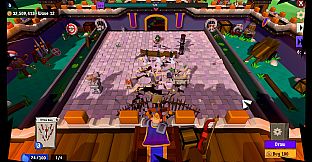
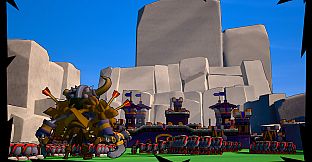
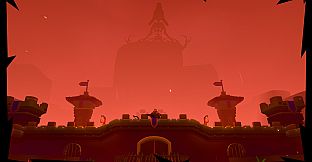
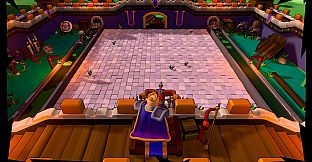
To Def Or Not To Def é um jogo de ação e estratégia que mistura defesa de torres com progressão roguelite no PC. O jogador precisa conter ondas de esqueletos que surgem de fontes desconhecidas e proteger um castelo central usando defesas fixas, combate direto e feitiços.
Gameplay
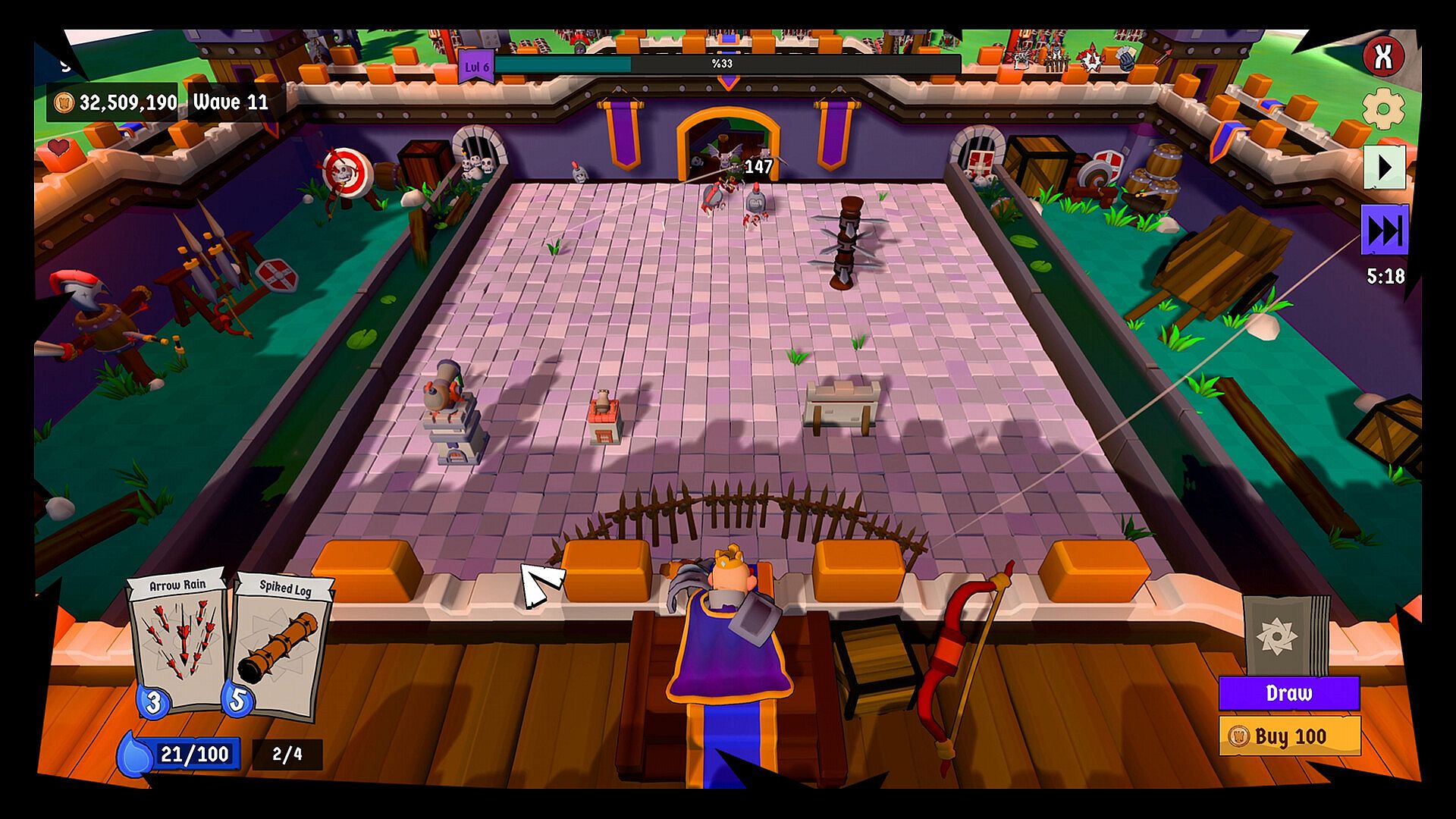
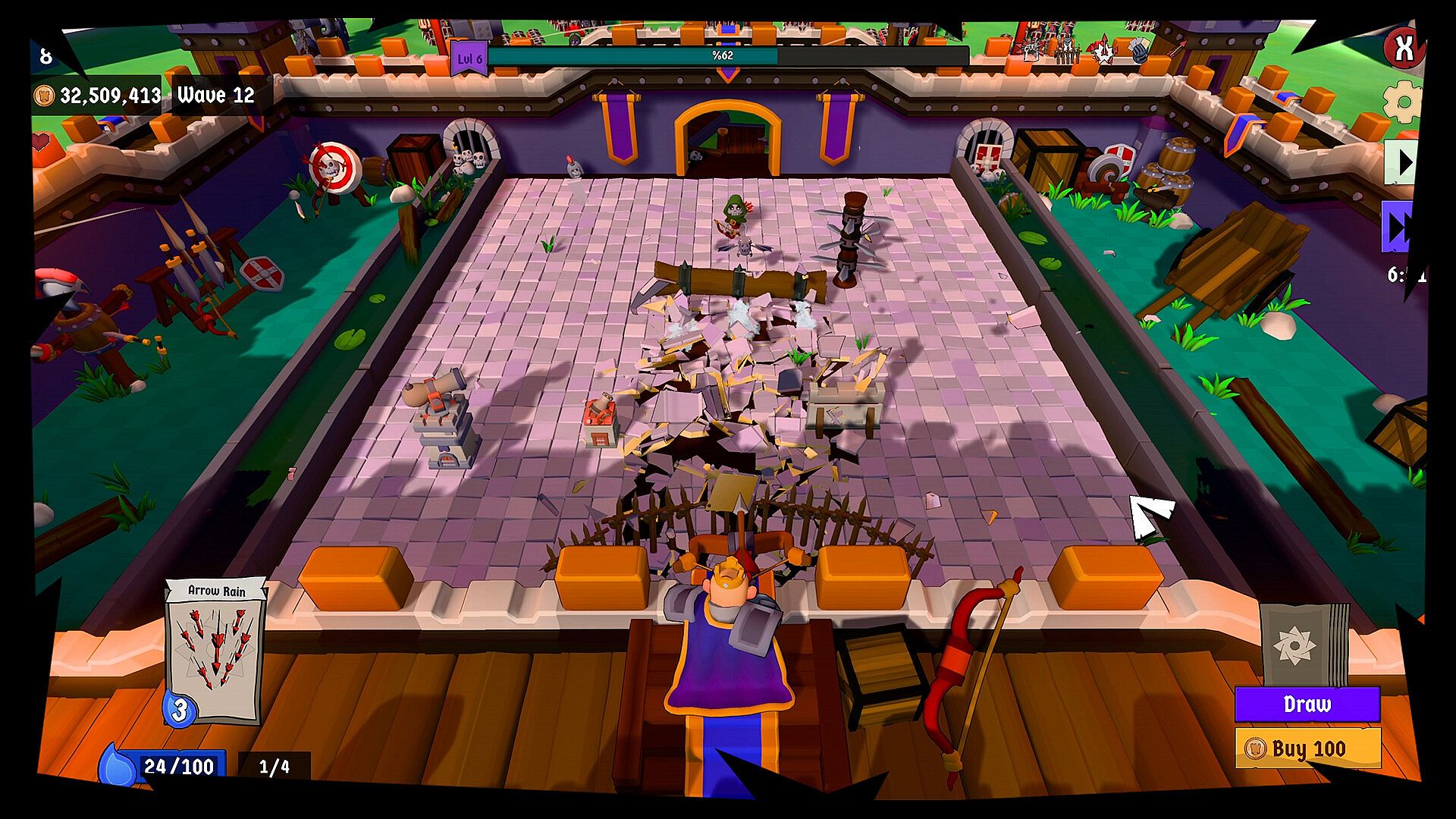
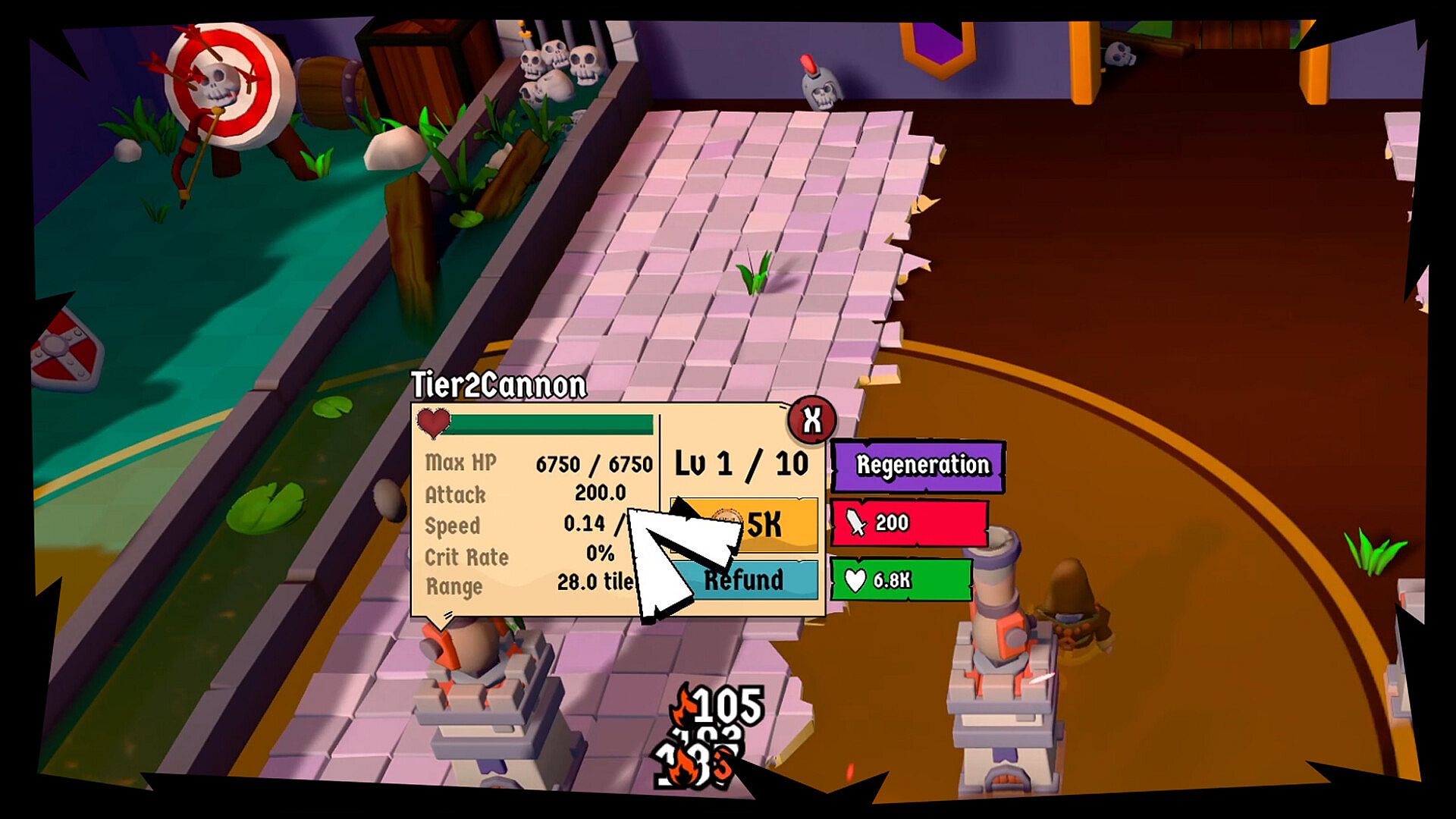
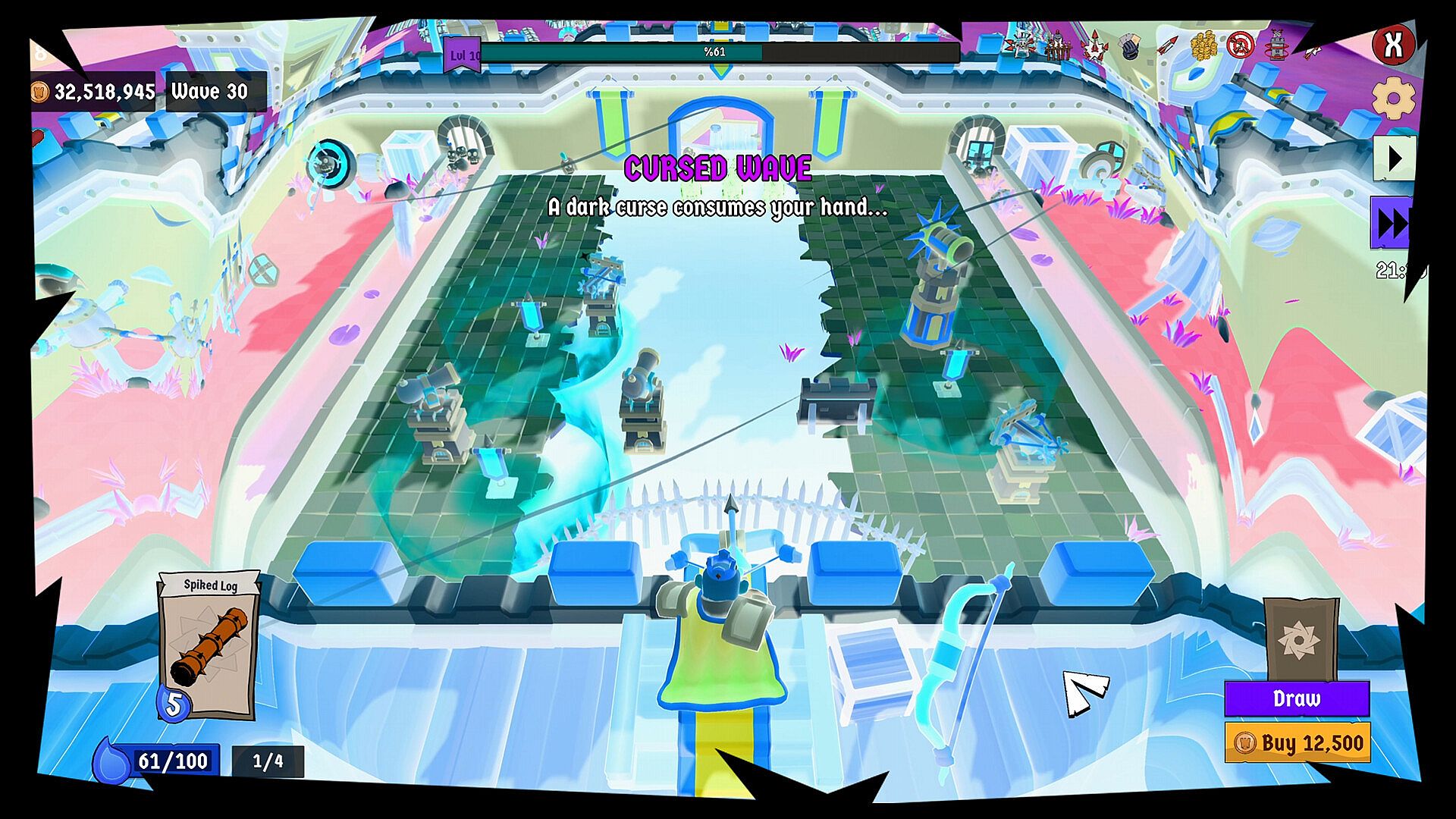
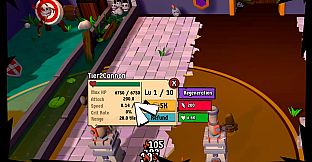
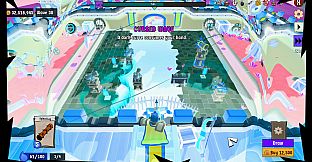
A jogabilidade gira em torno de construir e melhorar torres enquanto se enfrenta os inimigos em tempo real. Durante cada partida é possível fundir torres em versões mais fortes, testando diferentes combinações a cada tentativa. Feitiços oferecem controle de grupo ou dano direto, e as cartas podem ser combinadas para criar efeitos novos ou sinergias. O combate exige que o jogador se mova junto às defesas, transformando cada onda em uma mistura de posicionamento, timing e gerenciamento de recursos. Como o jogo foi feito por uma única pessoa, há integração precisa entre o sistema de fusão de torres e os feitiços, incentivando novas tentativas para descobrir combinações sem depender de árvores de progressão fixas.
Modos de Jogo
Cada partida é uma tentativa autônoma cujo objetivo é sempre o mesmo: repelir os esqueletos antes que cheguem ao castelo. Elementos procedurais surgem pelas combinações de cartas e feitiços, garantindo que nenhuma sessão seja igual à outra. A fusão de torres acontece em tempo real, alterando a disposição defensiva no meio da onda e recompensando a adaptação rápida. A estrutura permite tanto sessões curtas focadas em experimentação quanto tentativas mais longas que testam a resistência contra ameaças crescentes.
Desenvolvimento e Estado Atual
Desenvolvido inteiramente por uma pessoa, o jogo prioriza o envolvimento ativo do jogador em vez de defesas automáticas, aproveitando a experiência do criador com títulos semelhantes. Atualizações frequentes baseadas em testes refinam mecânicas como velocidade de fusão, equilíbrio de feitiços e comportamento dos inimigos. A versão atual destaca a variedade caótica de builds e o retorno direto do combate, mantendo o foco na iteração do ciclo principal sem camadas extensas de conteúdo.
Público-Alvo
O título é indicado para quem gosta de defesa de torres, mas busca mais controle manual e variedade entre as tentativas. Jogadores familiarizados com sistemas de fusão ou construção de decks roguelite encontrarão apelo imediato nas combinações de cartas e feitiços. O elemento de combate ativo diferencia o jogo de defesas puramente passivas, atraindo quem procura uma experiência híbrida que recompensa tanto o planejamento quanto a execução em tempo real.
Vale a Pena Jogar?
O jogo oferece um ciclo focado em construir, fundir e lutar, destacando-se pela ênfase na agência do jogador durante as ondas. Com suporte contínuo por meio de patches de teste, a experiência é moldada ativamente pelo feedback sobre mecânicas como interações entre torres e sinergias de feitiços. É mais indicado para quem valoriza experimentação em sessões curtas ou médias e aprecia títulos desenvolvidos por uma única pessoa que priorizam profundidade mecânica em vez de apresentação polida. Se fusão de torres e combate direto em um cenário de defesa combinam com suas preferências, a versão atual oferece um bom ponto de entrada para testar builds sem barreiras adicionais.