






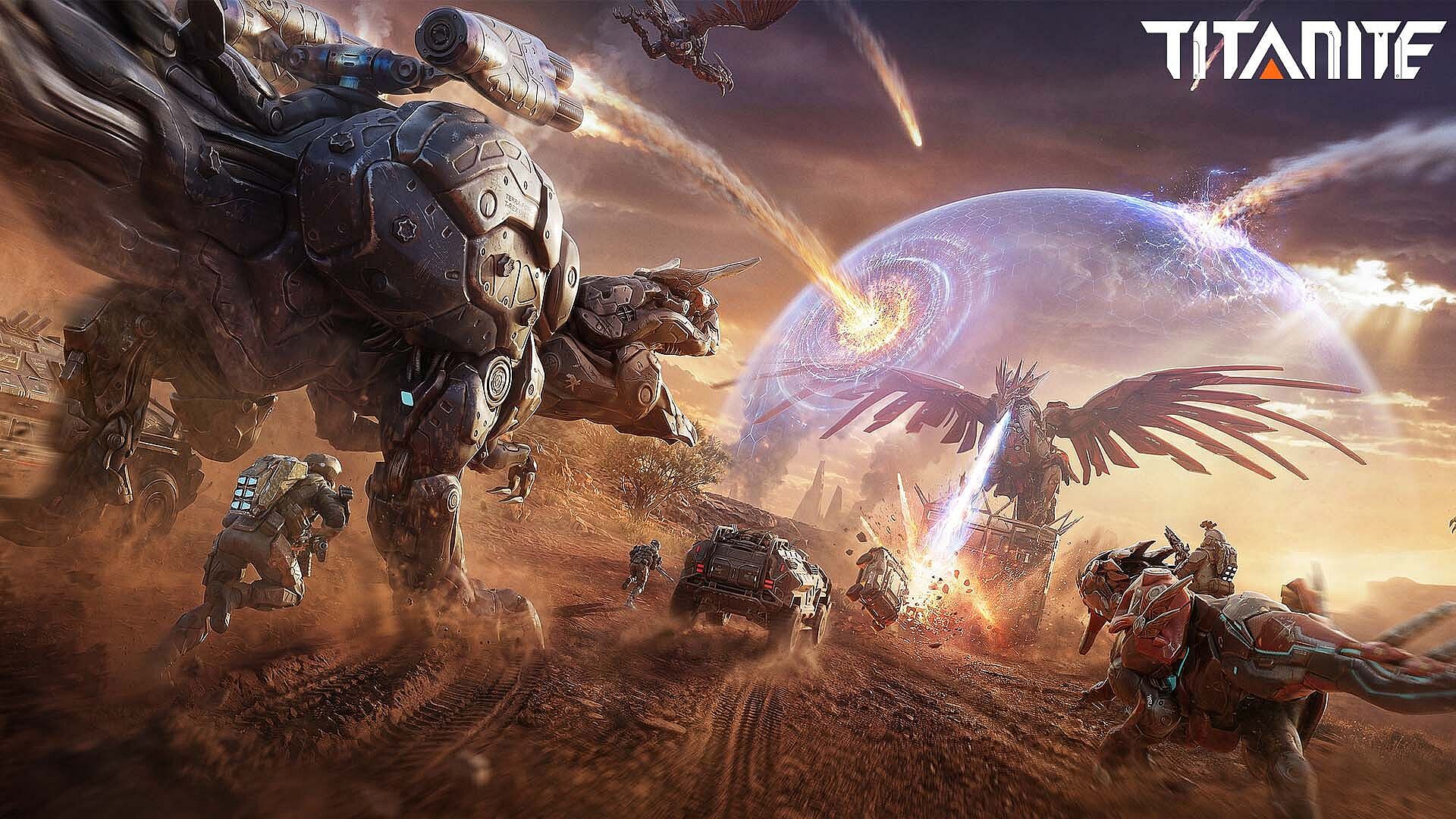
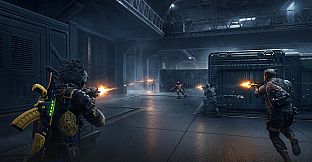
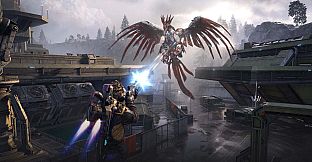
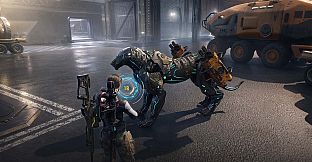
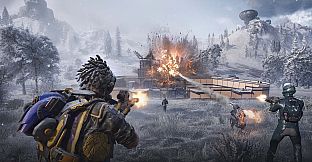
Titanite é um jogo de sobrevivência com mechas em formato free-to-play que mistura ação, progressão de RPG, exploração e elementos massivamente multiplayer no PC. Os jogadores assumem o controle de máquinas rebeldes em um cenário pós-apocalíptico e as utilizam para coletar recursos, enfrentar inimigos e expandir sua influência entre dois ambientes interligados.
Gameplay
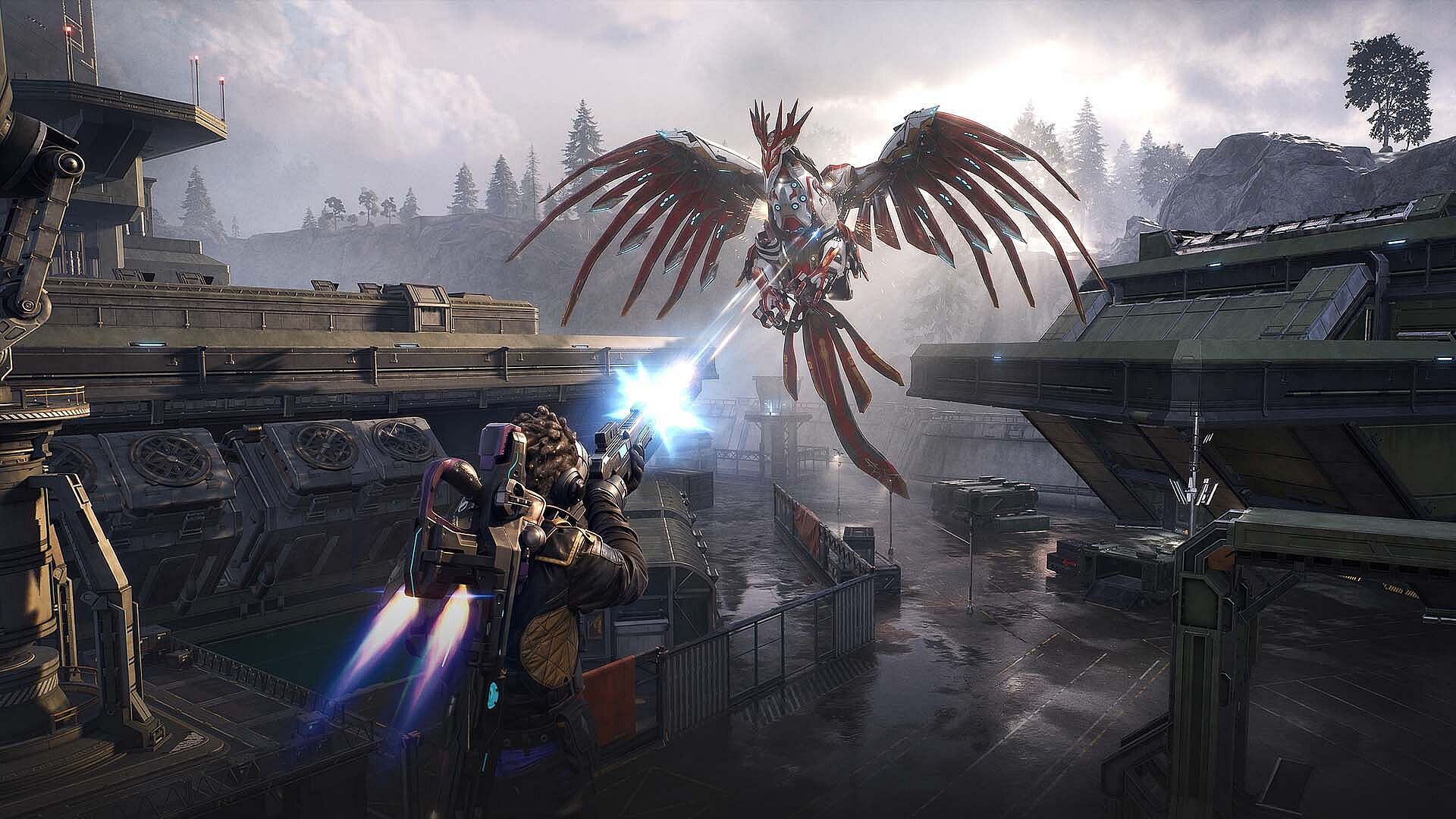
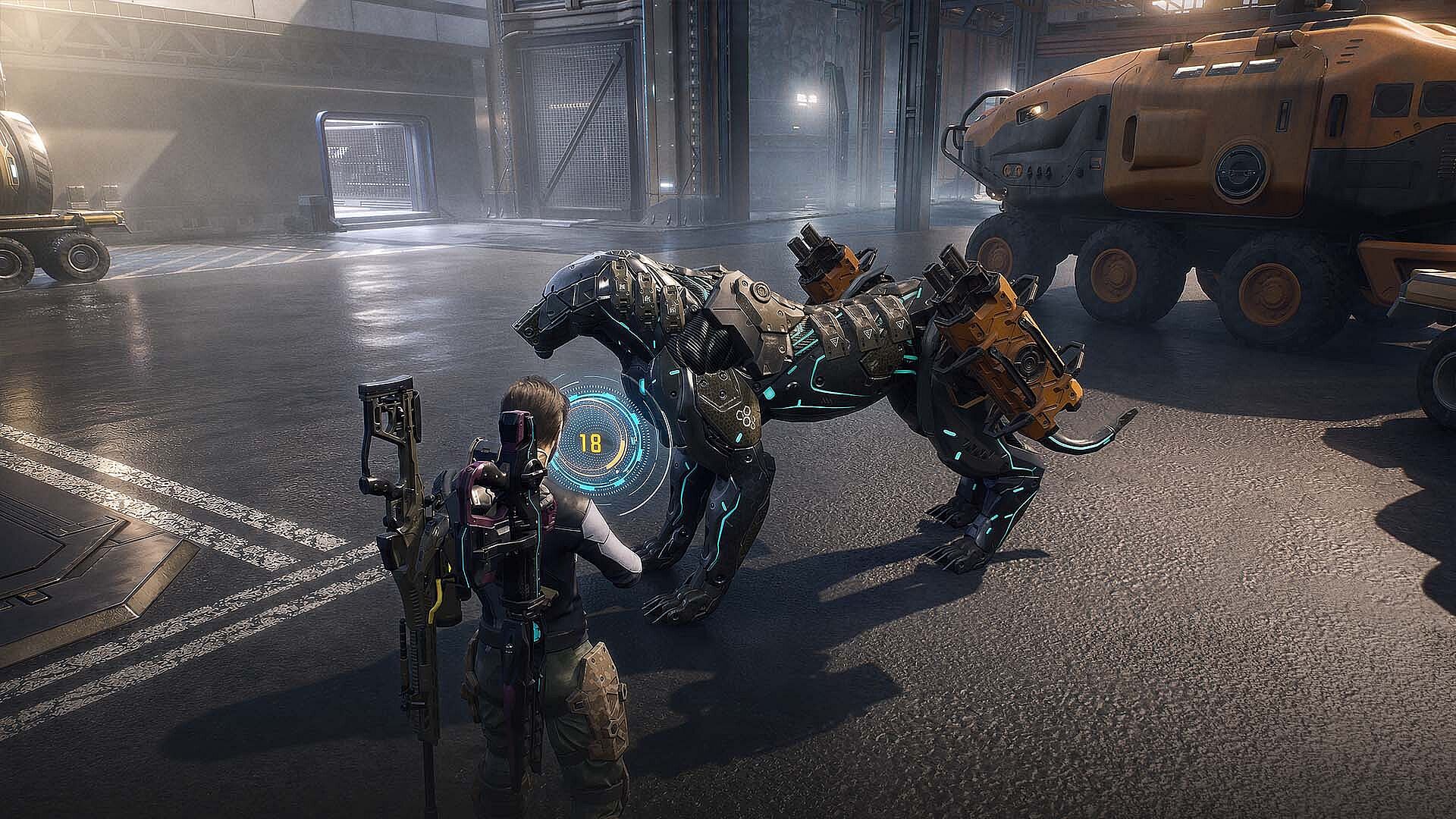
O ciclo principal gira em torno da captura e personalização de Mechas para diferentes funções de sobrevivência. Unidades de cerco pesadas oferecem poder de fogo contra estruturas e grupos, enquanto unidades ágeas de voo garantem velocidade para deslocamento e reconhecimento. Equipamentos focados em recursos aceleram a coleta, e variantes industriais aumentam a taxa de processamento de materiais. Após serem dominados, esses Mechas recebem melhorias que aprimoram seu desempenho em combate, mobilidade ou produção.
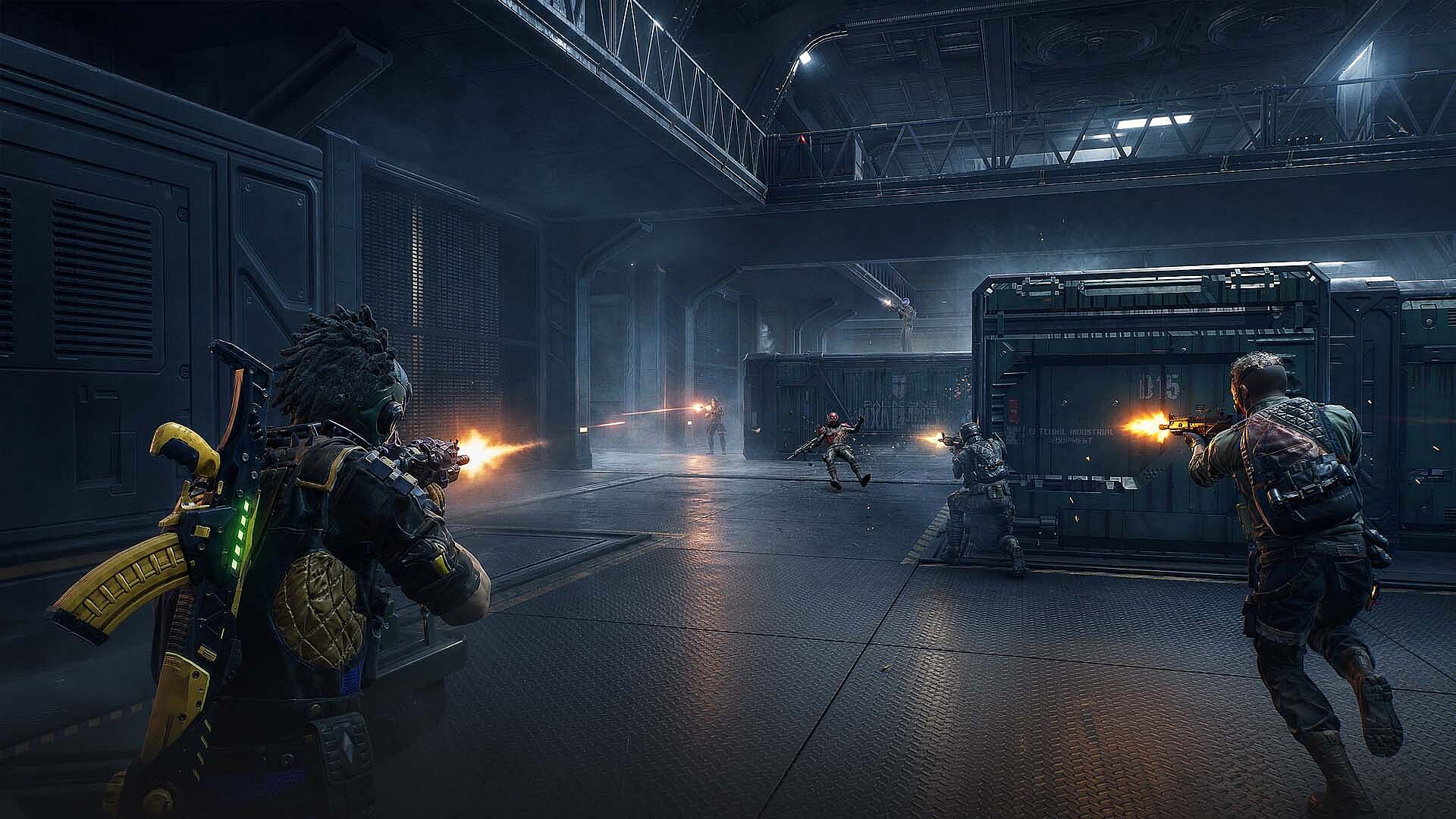
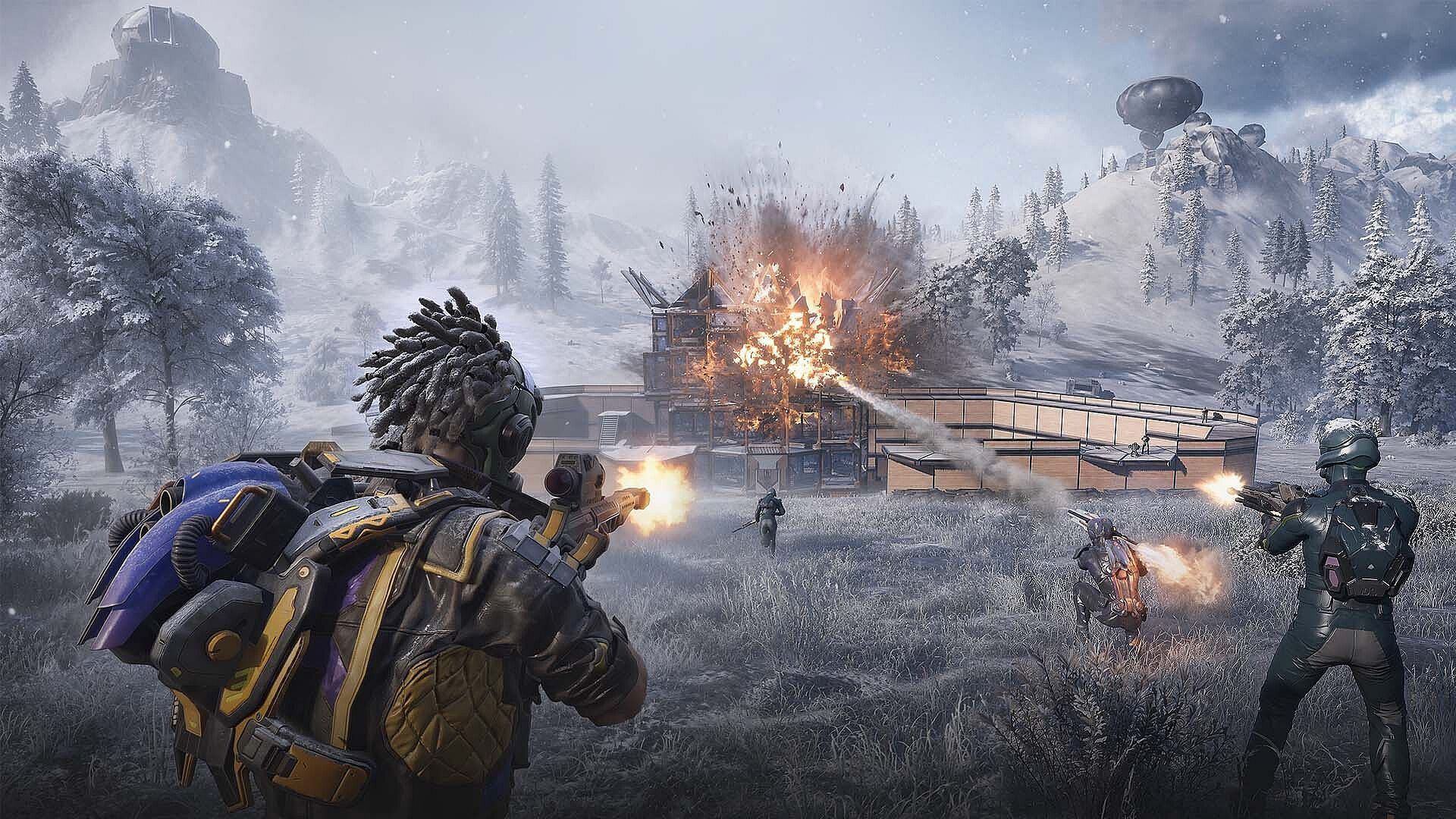
O combate combina armas de longo alcance com movimentos assistidos por jetpack. Os jogadores podem pairar para posicionamento, realizar dashes para desviar de ataques e posicionar coberturas temporárias durante os confrontos. As armas possuem diferentes características de manuseio e aceitam acessórios que modificam seu desempenho, com algumas opções de nível superior oferecendo habilidades integradas que influenciam o combate. A coordenação em equipe é essencial, pois o posicionamento e o uso sincronizado de habilidades definem o resultado em confrontos maiores.
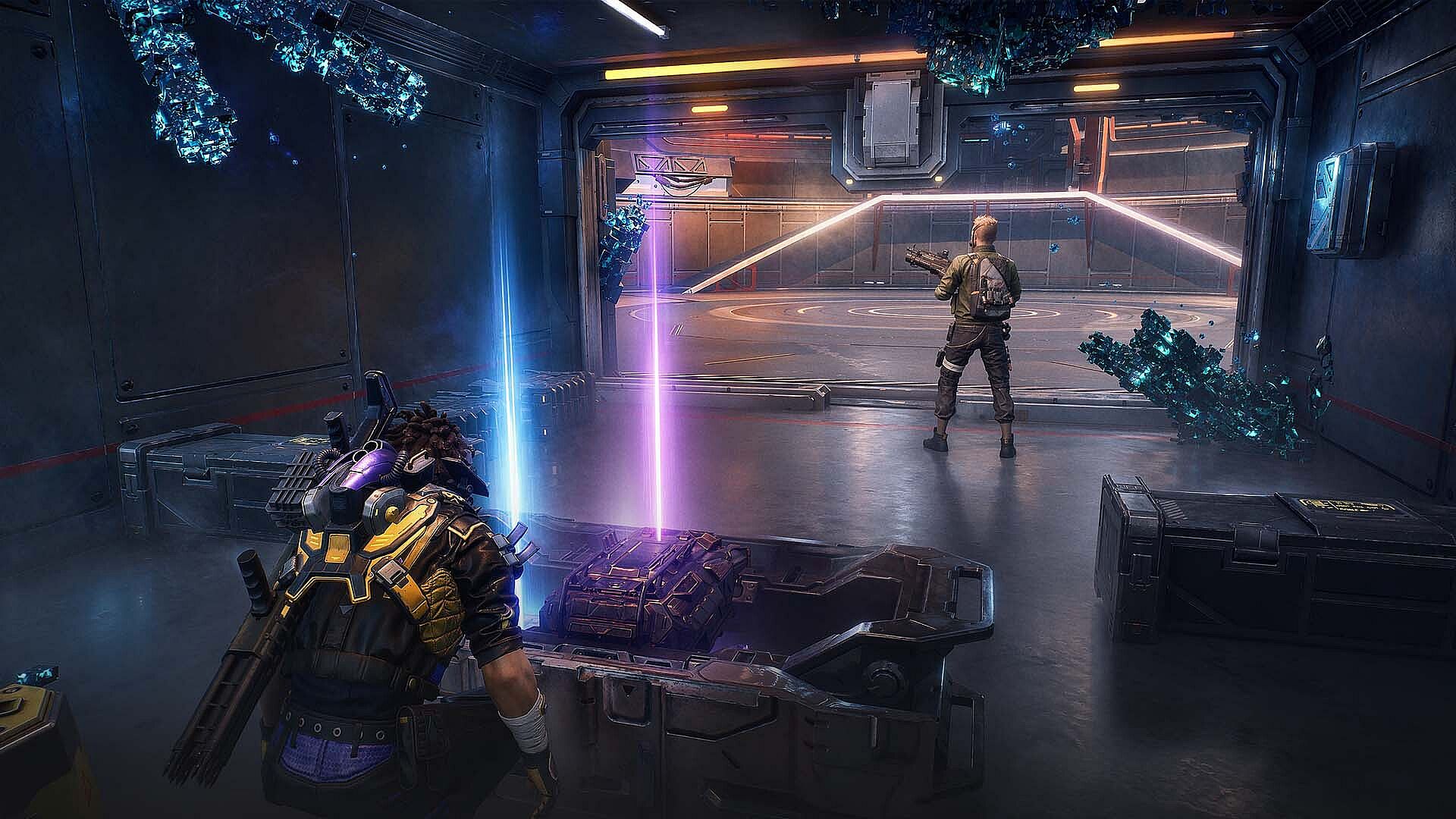
A construção de bases ocorre em um ambiente protegido, onde os jogadores posicionam paredes, torretas e depósitos para os itens coletados. As estruturas variam de abrigos simples a complexos fortificados quando vários jogadores contribuem com projetos e defesas automatizadas. Os recursos obtidos em outras áreas são transportados de volta para trocas ou melhorias, criando um ciclo entre risco e preparação.
Modos de Jogo
O sistema Dual-World define as principais atividades. O Warzone funciona como uma área de extração de alto risco, onde os jogadores competem por loot por meio de confrontos diretos. O sucesso garante materiais e equipamentos que podem ser extraídos, mas a derrota implica a perda de tudo que estava sendo carregado. Essa área prioriza encontros PvP e decisões rápidas sob pressão.
O Base World serve como o contraponto seguro para planejamento de longo prazo. Nele, os jogadores negociam itens em um mercado aberto, aprimoram equipamentos e expandem suas bases pessoais ou compartilhadas sem o risco de perdas repentinas. A teletransporte entre as duas áreas permite que os sobreviventes levem os recursos com segurança após uma incursão e se preparem para a próxima entrada na zona disputada.
Essas duas realidades funcionam de forma integrada, e não como servidores separados. A estratégia envolve decidir quanto arriscar no Warzone em relação ao acúmulo constante no Base World, com escolhas de Mecha e loadouts adaptadas tanto para extração agressiva quanto para construção defensiva.
Progressão e Customização
As melhorias em Mechas e as modificações em armas constituem os principais caminhos de avanço. Diferentes tipos de máquinas suportam estilos de jogo especializados, desde corridas rápidas por recursos até combates prolongados. Acessórios de armas e armas com habilidades adicionais ampliam as opções táticas, recompensando a experimentação e a sinergia em equipe.
O desenvolvimento da base está diretamente ligado a essa progressão. As fortificações protegem os recursos armazenados e permitem operações em maior escala, enquanto o mercado no Base World converte materiais brutos em equipamentos melhores ou componentes adicionais de Mecha. O sistema permite tanto o grind solo quanto o esforço em grupo, sem obrigar o jogador a escolher uma abordagem específica.
Vale a pena jogar?
Titanite é indicado para quem busca uma experiência de sobrevivência no estilo extraction combinada com coleção de mechas e mecânicas de construção de base em um formato free-to-play. A estrutura de dois mundos oferece decisões claras de risco e recompensa que o diferenciam de outros títulos de sobrevivência em mundo aberto. A profundidade do combate vem das opções de movimento e da variedade de armas, em vez de simples comparações de atributos, enquanto os papéis dos Mechas incentivam composições variadas de equipe.
Como a versão para PC ainda está em pré-lançamento e não há avaliações de jogadores disponíveis, as expectativas devem se concentrar nos sistemas confirmados de captura de Mechas, extração no Warzone e construção na zona segura. Quem se interessa por loops de sobrevivência massivamente multiplayer com progressão persistente entre áreas seguras e contestadas encontrará a proposta mais alinhada. O modelo free-to-play elimina qualquer barreira inicial, permitindo testar o ciclo principal assim que o jogo for lançado.
