


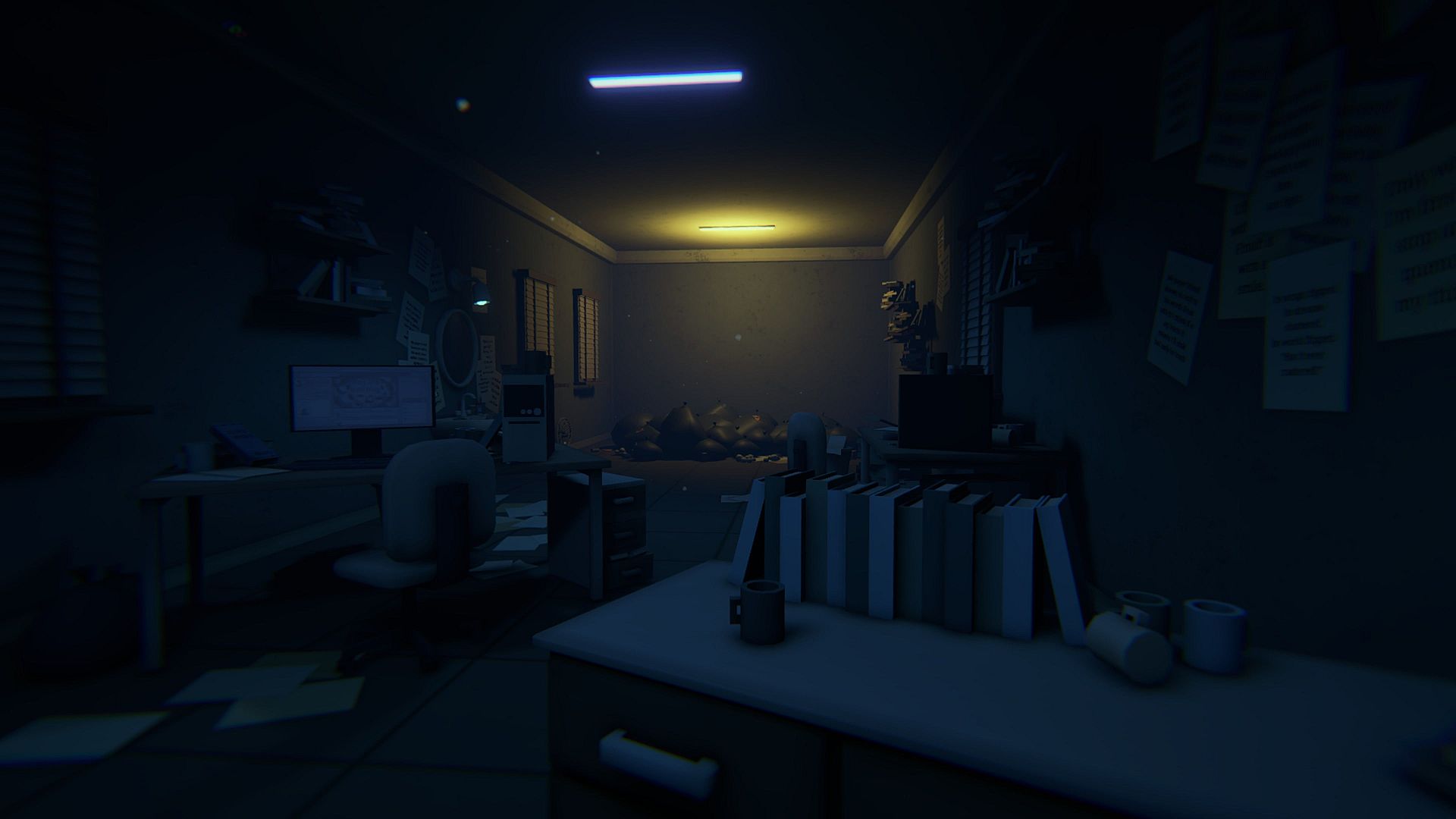
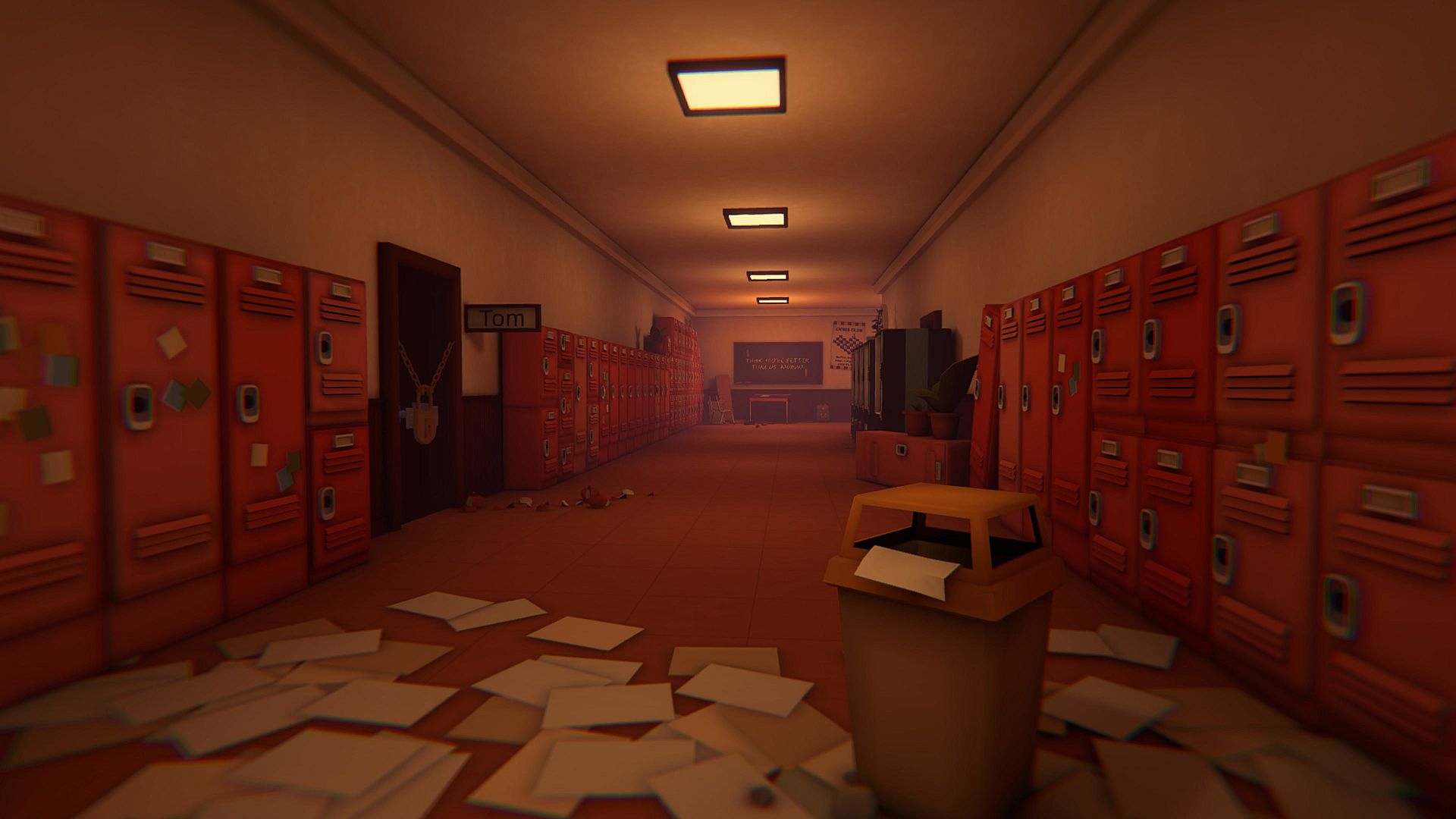
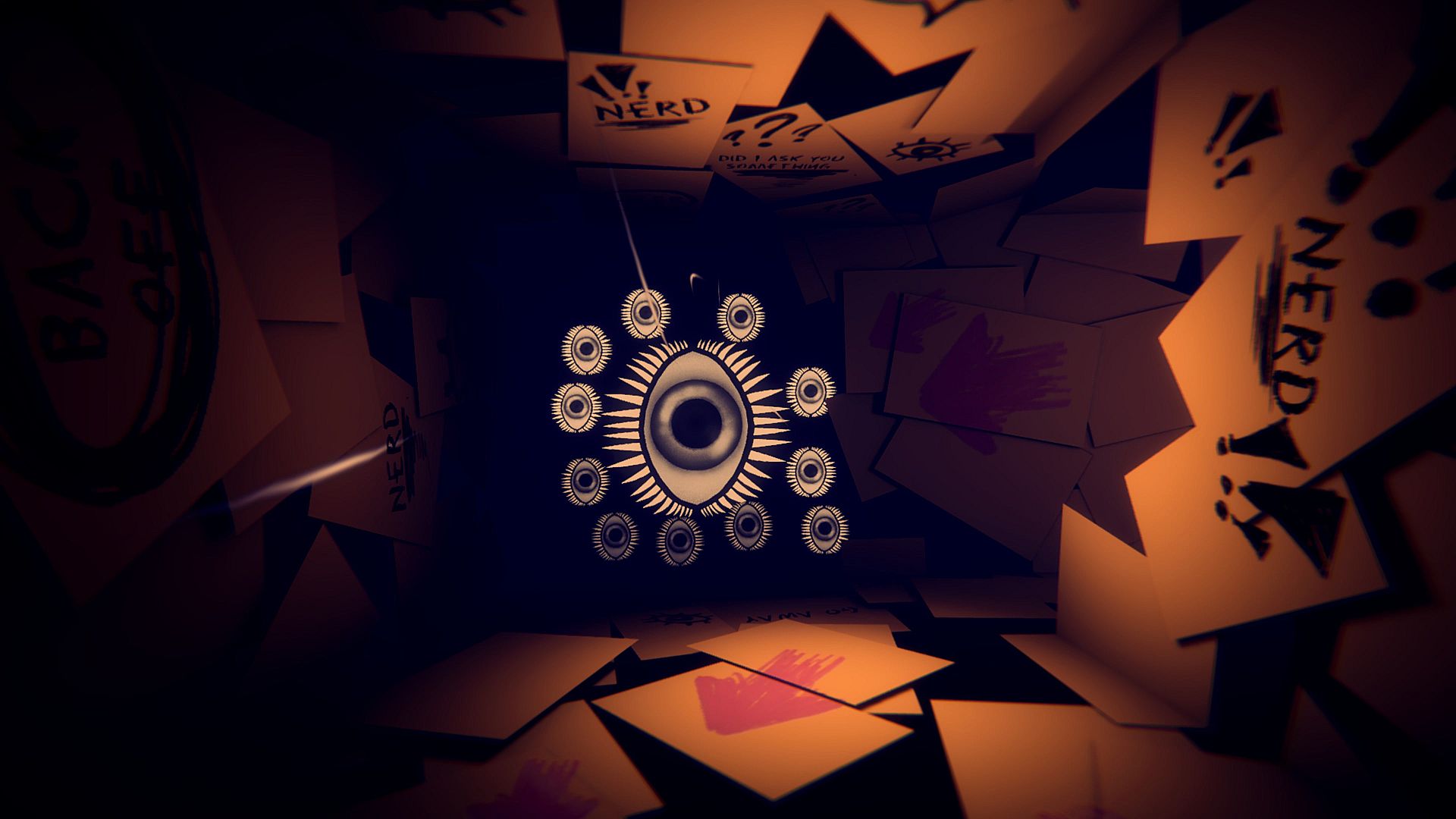
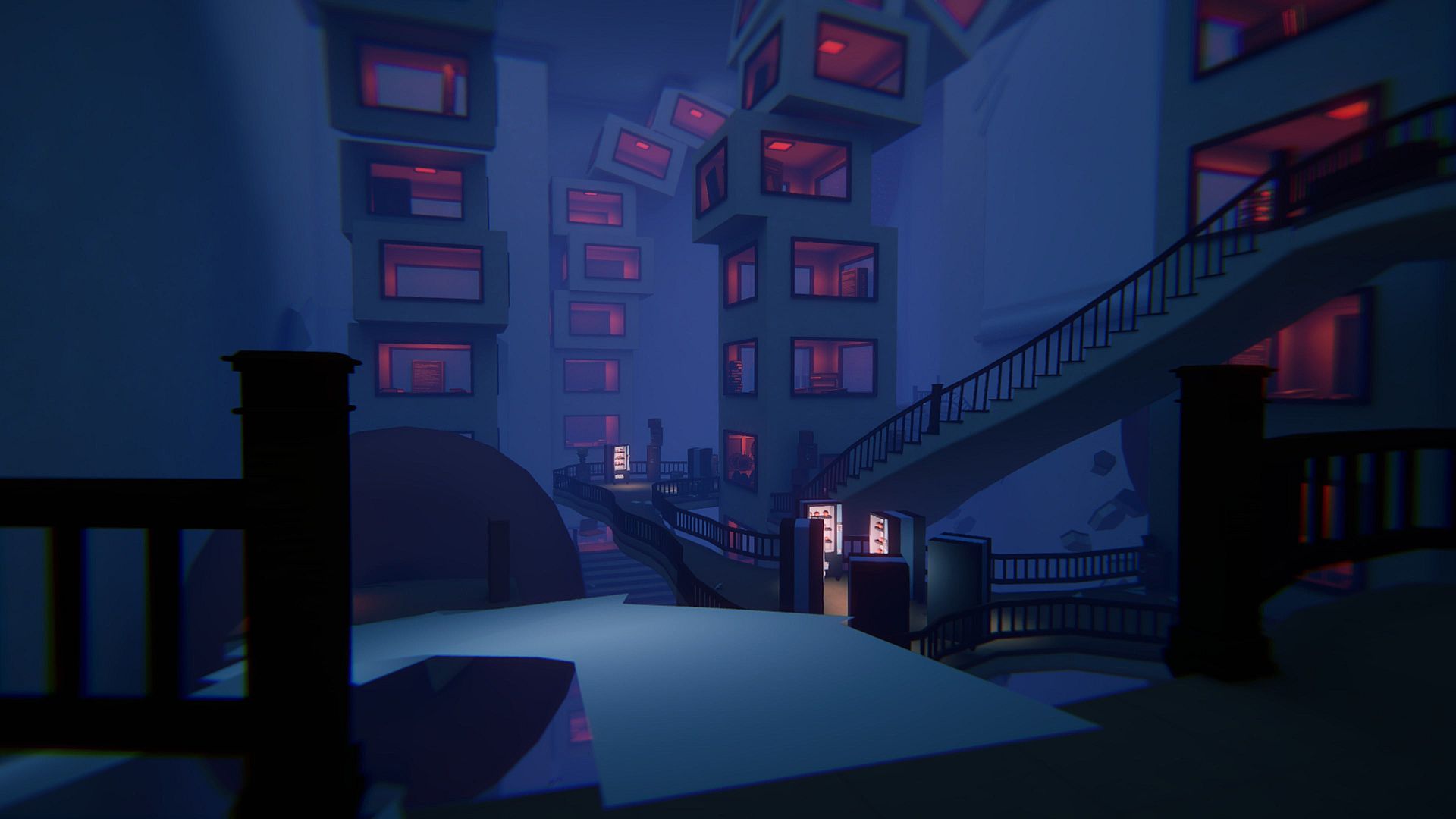
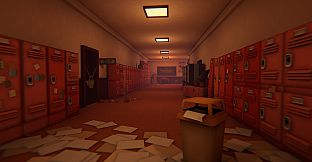

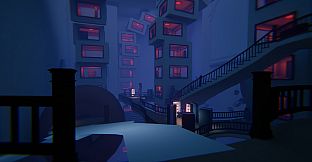

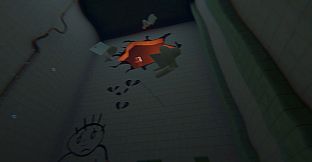
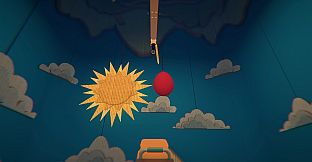
Time To Wake Up is a first-person psychological thriller and puzzle adventure developed by the Belgian indie studio Eye Blink Twice. Players take on the role of Alan Malone, who becomes trapped in a dream shaped by his school memories and must navigate surreal, distorted environments to confront the shadows of his past. The game emphasizes exploration and environmental manipulation through its central blink mechanic, all set against an atmospheric backdrop of impossible school architecture.
Gameplay
The core loop revolves around traversing dreamlike versions of school spaces while using the blink ability to alter reality. A simple button press toggles the current area between two distinct physical states. This can reset the positions of moving objects, flood entire rooms with water, rotate sections of the environment, or rearrange structures to open new paths. The mechanic integrates directly into puzzle-solving and platforming sequences, requiring players to observe both versions of a space and decide when to trigger the shift. Recent updates to the demo also link the blink to audio changes, so the soundtrack transforms alongside the visuals for a more immersive sensory effect.
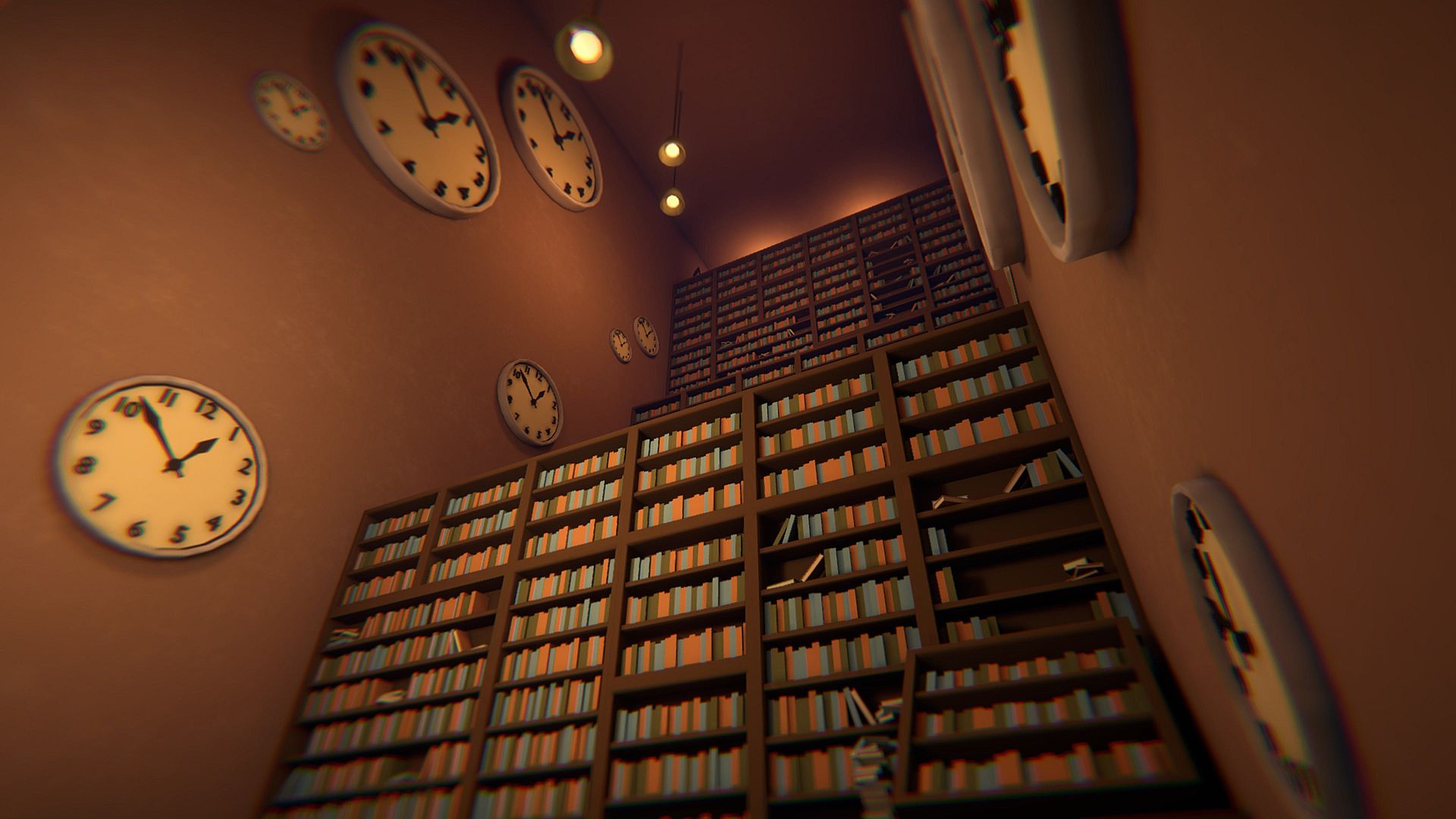
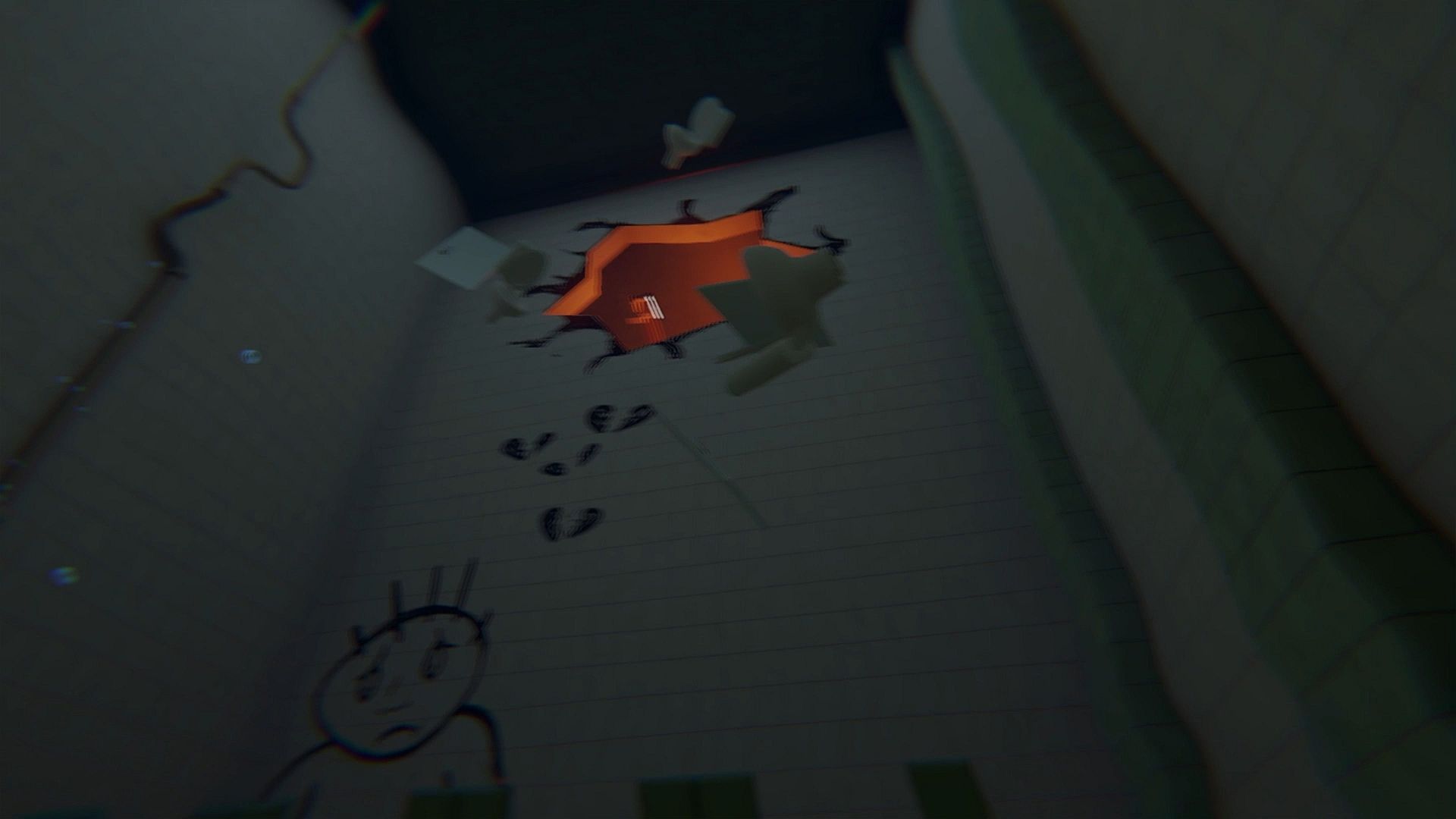
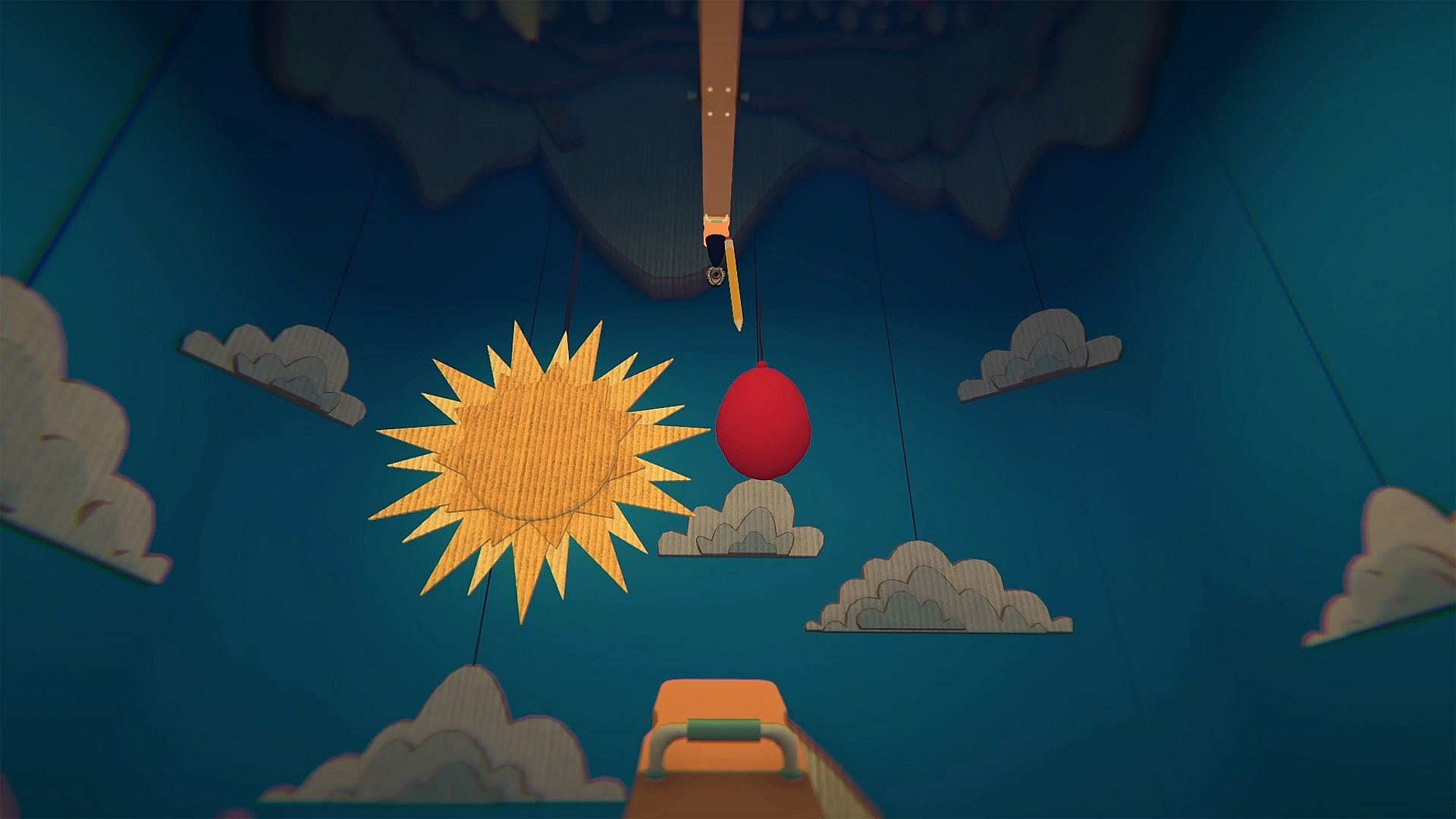
Navigation takes place in first-person view through dimly lit libraries with impossible geometry, oversized playgrounds that defy physics, twisting corridors of bedrooms, and claustrophobic restrooms that connect in unexpected ways. Movement includes standard walking and jumping, but the emphasis stays on careful observation and timing the blink to progress. The narrative unfolds through environmental storytelling and a guiding voice that urges the player forward, tying mechanical actions to themes of memory and personal reckoning. Violent elements appear in the thriller tone through sudden unsettling imagery and the psychological tension of confronting trauma, though the focus remains on puzzle resolution rather than combat.
Game Modes
Time To Wake Up operates as a single-player narrative experience without separate multiplayer or competitive modes. Progression follows the protagonist's journey through interconnected surreal school environments, blending exploration, light platforming, and blink-based puzzles into one continuous story. There are no distinct game modes such as survival, versus, or co-op elements; the design centers on a linear yet branching path driven by the central mechanic and memory-themed levels. Demo versions have allowed players to sample sections of this structure, confirming the focus on atmospheric single-player adventure.
Story and Setting
The narrative follows Alan Malone as he finds himself unable to wake from a dream rooted in his school days. A mysterious voice, fixated on his eyes, accompanies him on a trip through fragmented memories. The setting transforms ordinary school locations into surreal, nightmarish versions filled with impossible layouts and symbolic details. Players encounter hallways lined with endless bedrooms, quote-covered classrooms, locker mazes, and playgrounds that stretch beyond normal bounds. These spaces serve as both puzzle arenas and storytelling devices, revealing layers of the protagonist's past through visual changes triggered by blinking. The story explores confronting one's inner child and escaping lingering shadows, delivered through environmental clues and voice guidance rather than traditional cutscenes.
Is It Worth Playing?
The game targets players who enjoy atmospheric psychological thrillers and inventive puzzle-platformers that rely on a single, distinctive mechanic. Its blink system offers a fresh approach to environmental interaction, similar in spirit to other reality-shifting titles but executed through a simple, accessible input that works equally on controller or keyboard. The surreal school environments provide consistent visual and thematic cohesion, while the narrative focus on personal memory adds emotional weight. Demo versions have received uniformly positive feedback for their execution of the core idea and atmospheric presentation. With a full release scheduled for October 12 on PS5 and PC, those drawn to indie adventure games centered on exploration and clever mechanics will likely find the experience rewarding. The absence of multiplayer or additional modes keeps the package tightly focused on its strengths in story and puzzle design.