




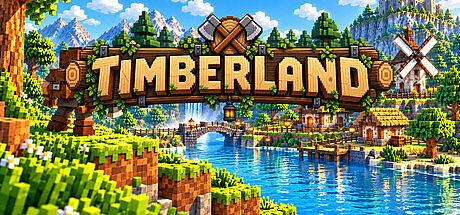


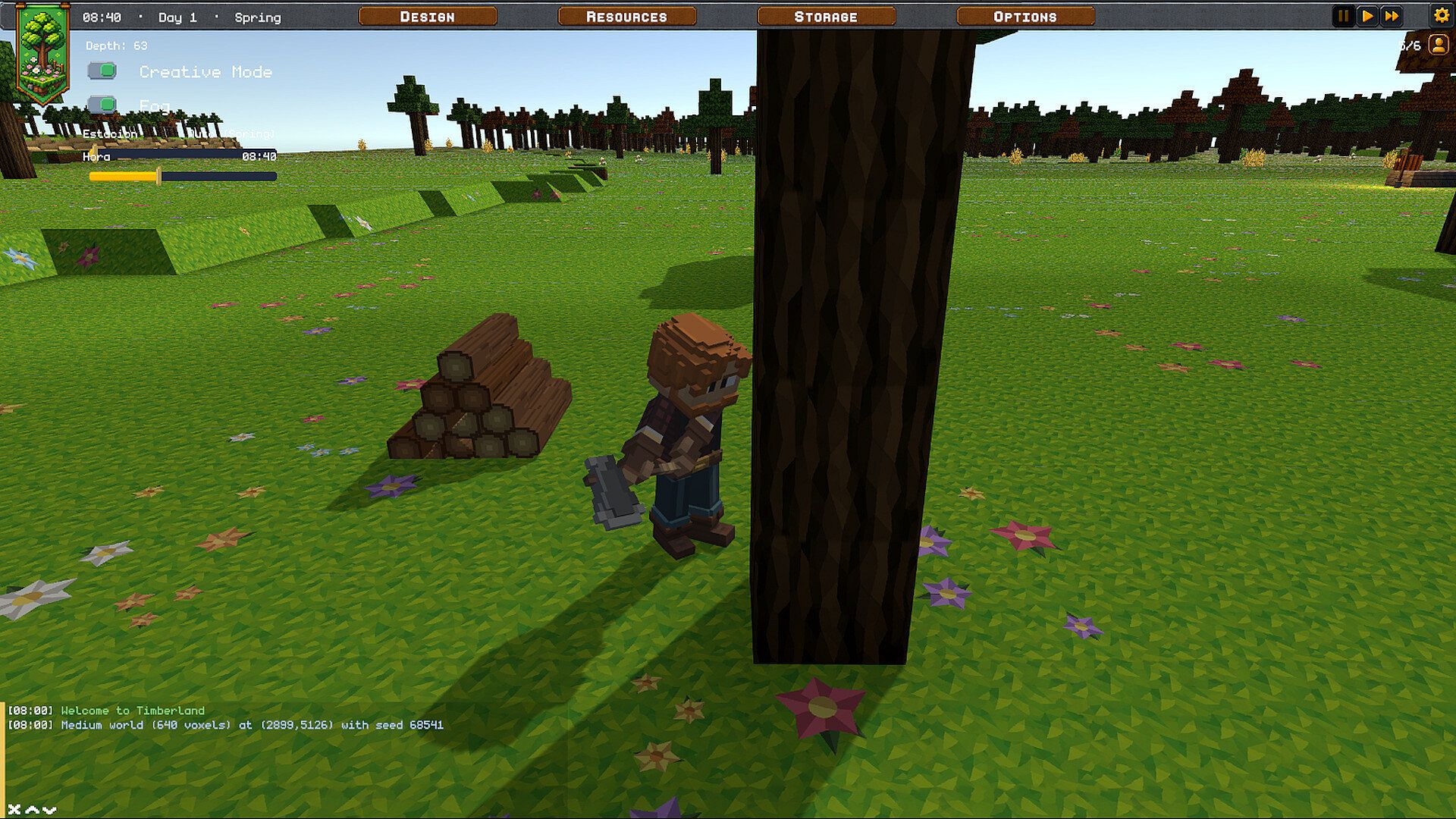

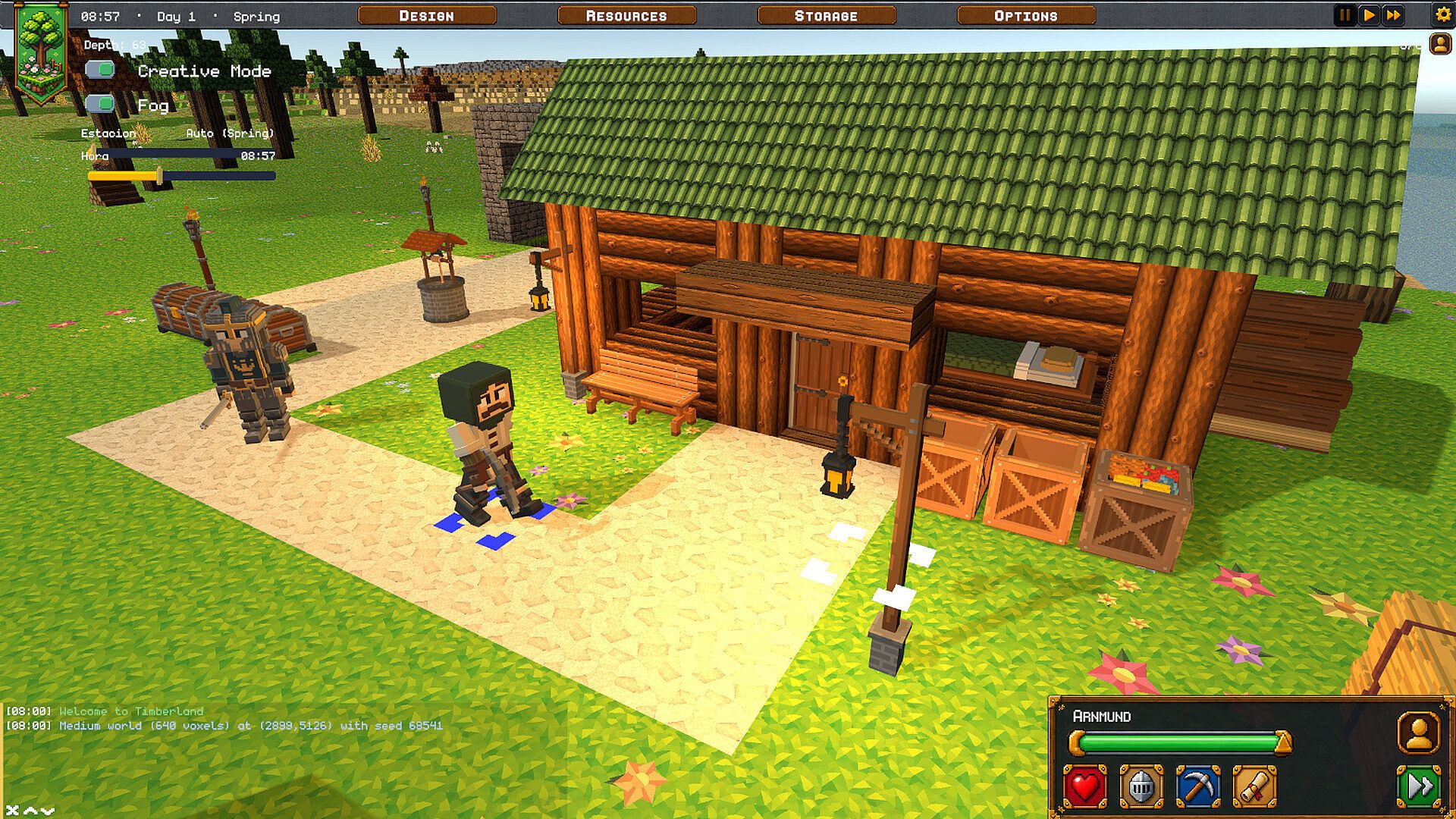
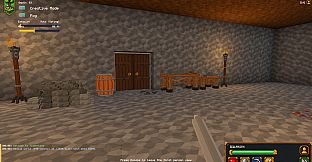
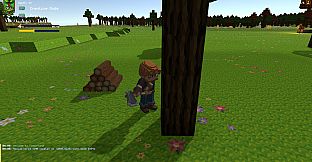
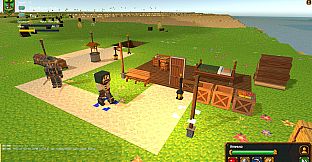
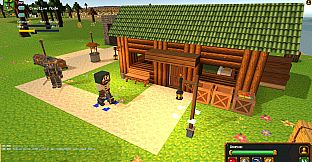
Timberland is a single-player voxel-based village management simulation in the strategy and indie genres. Players organize a settlement of settlers rather than directly constructing buildings, assigning specialized trades that create interdependent production chains in a procedurally generated world.
Gameplay
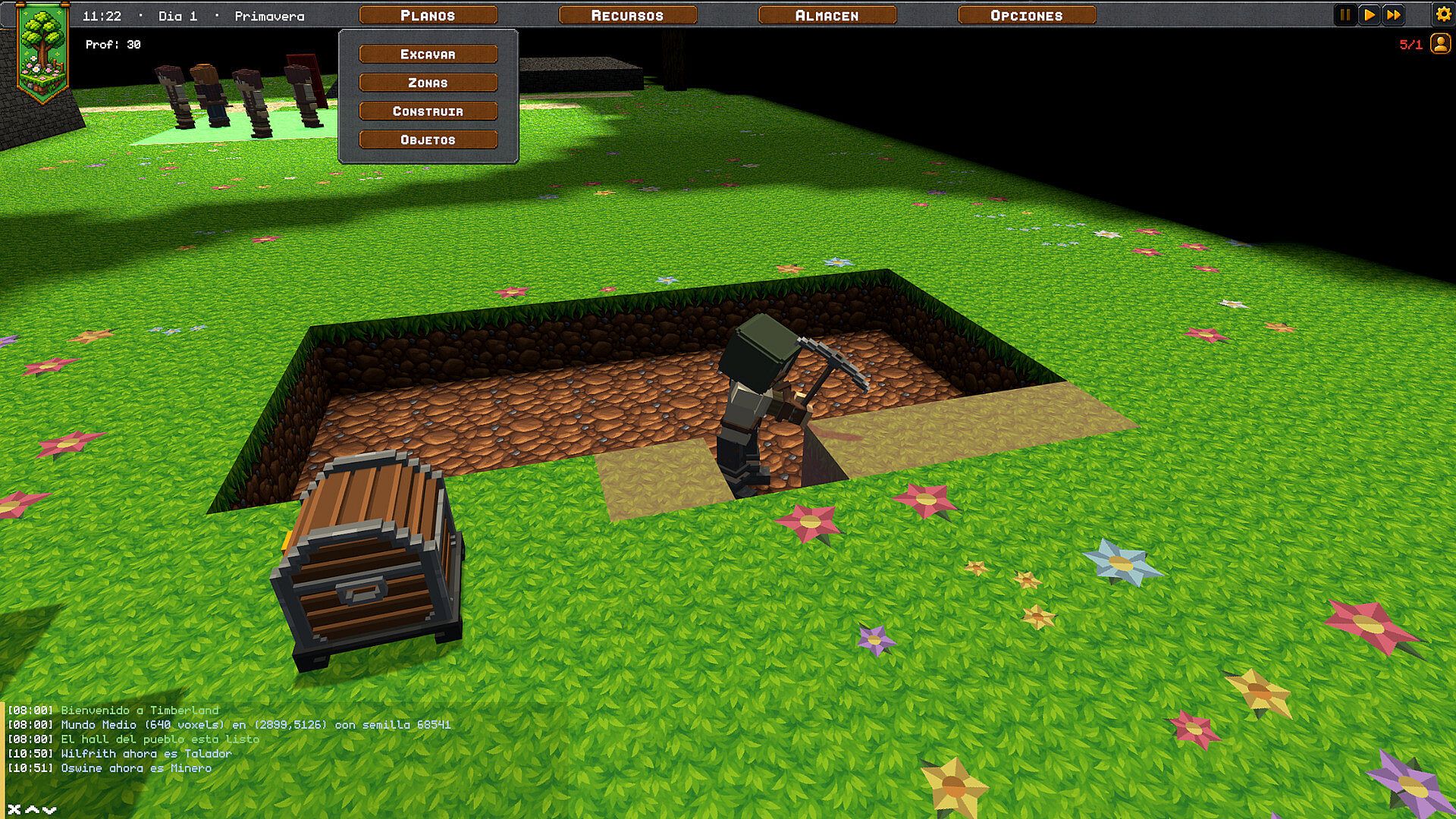
The core loop centers on assigning one of thirteen trades to settlers, including woodcutter, miner, stonecutter, carpenter, blacksmith, weaver, farmer, shepherd, forager, engineer, builder, soldier, and archer. Resources flow through workshops in sequence: logs become planks, which support further structures and smelting. Each trade improves with use, increasing speed and reducing waste over time.
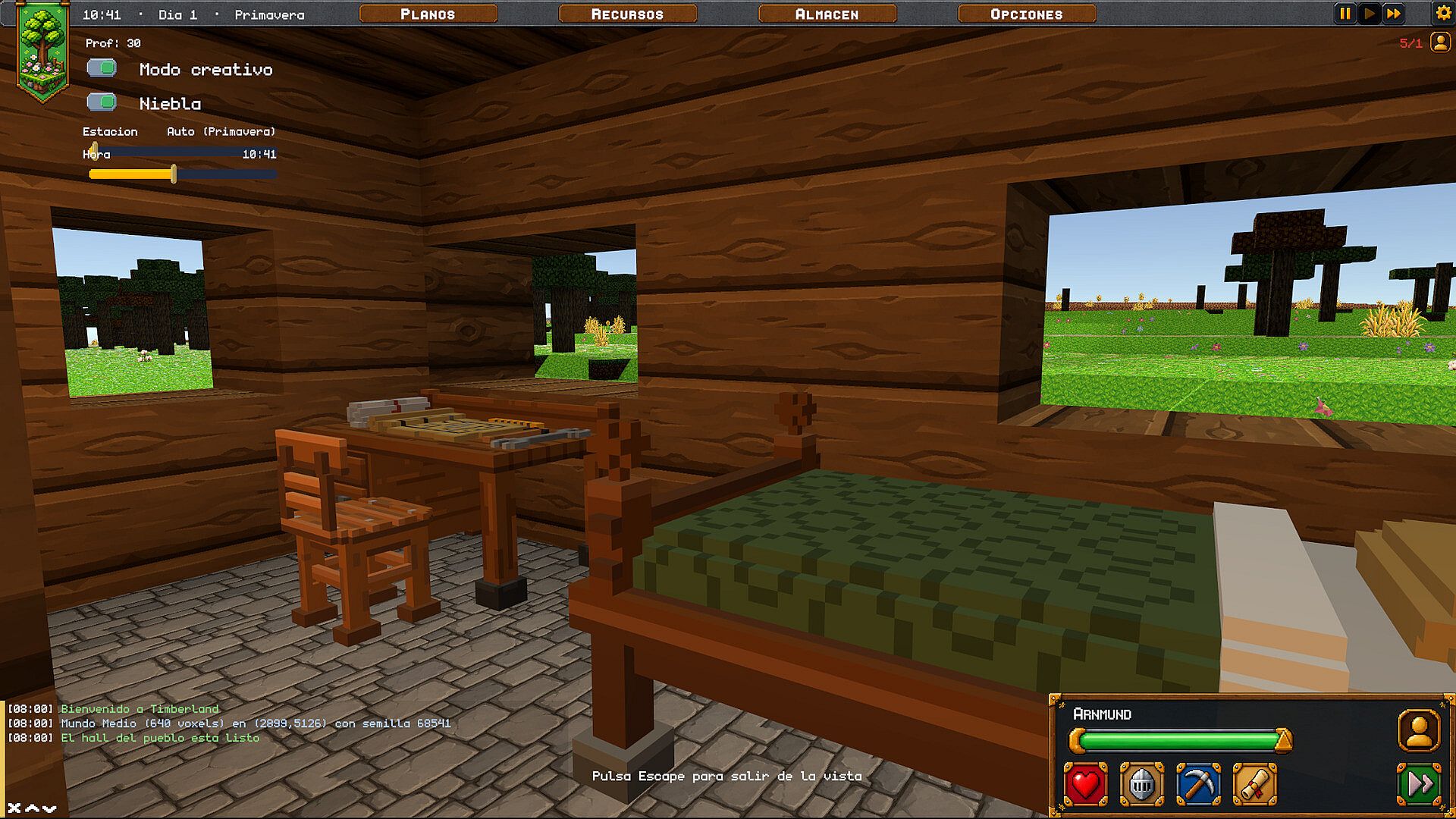
Seasons shape daily life and planning. Spring sees vegetables sprout, summer allows crops to grow unattended, autumn requires direct farmer attention for progress, and winter depends entirely on stored supplies. Shorter days in colder months limit working hours. Settlers need food and rest; without beds they collapse, and hunger drives them to forage berries. Spare beds attract new arrivals each morning.
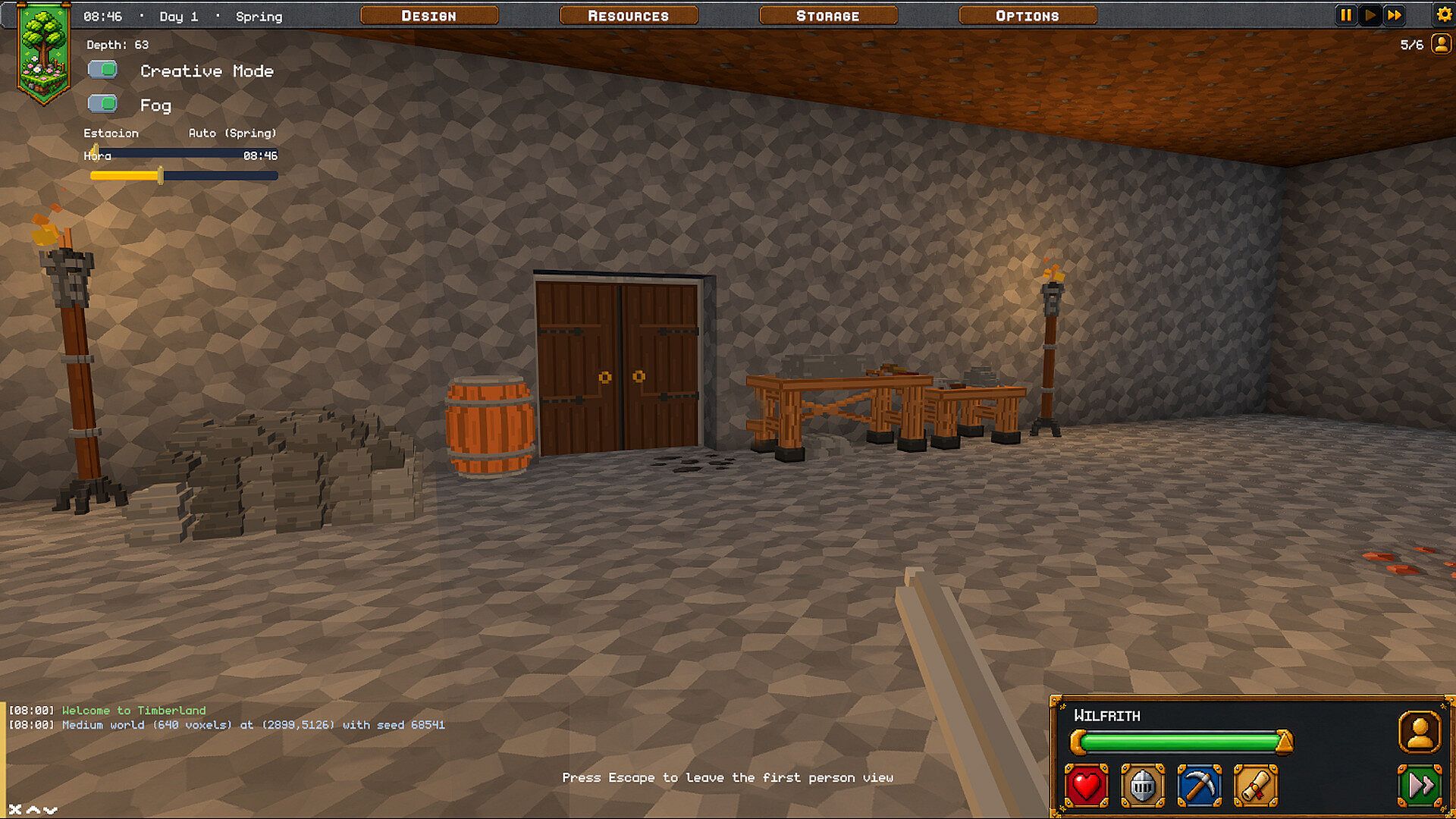
Defense integrates into the routine. At night, creatures emerge from the fog. Players mark guard posts and assign soldiers or archers to patrol routes. Once per year a stronger threat appears and must be handled along the river path. Voxel tools allow digging and building with cubes, slabs, and ramps for custom terrain shaping. A first-person view lets players observe the village at settler eye level, while fog of war hides unexplored areas on the map. Workshops support crafting queues for advance planning, and objectives provide guidance when direction feels unclear.
Game Modes
The game operates as a single-player experience with no separate multiplayer or competitive modes. Worlds generate from a seed and offer customization through size and difficulty presets or detailed sliders that adjust terrain features such as stone density, tree count, and overall hunger rate. Procedural generation ensures each valley presents unique rivers, forests, and layouts. The full cycle of a year, including seasonal shifts and the annual threat, forms the primary progression structure within this sandbox-style simulation.
World Building and Survival Systems
Settlers interact with a living environment where every trade supports the next. Livestock and crops add layers to food production, while engineering and building trades enable infrastructure growth. The system rewards careful chaining: ore from miners feeds blacksmiths, whose output supports soldiers and further expansion. Procedural elements extend to enemy behavior and resource availability, encouraging adaptation across multiple playthroughs with different generator settings.
Survival demands attention to both immediate needs and long-term storage. Tired settlers reduce productivity, and unprotected settlements face nightly incursions. The annual boss encounter adds a recurring challenge that tests defensive preparations built over previous seasons. Voxel editing provides flexibility for defensive positioning or resource optimization without rigid building grids.
Is It Worth Playing?
Timberland targets players who enjoy detailed resource management simulations with interconnected systems and seasonal strategy. Its focus on trade assignment and production chains offers depth for those who appreciate watching a settlement evolve through indirect control rather than direct placement. The single-player format and procedural worlds support repeated sessions with varied starting conditions.
As an upcoming Early Access title planned for November 2026, the game includes a complete playable loop from start through a full year, with planned expansions such as additional building pieces and production chains based on community feedback. No user reviews exist yet, so expectations should center on the described mechanics of trade interdependence, seasonal cycles, and light defensive elements. Fans of casual-to-strategy simulations that emphasize organization and survival planning may find it aligns with their preferences once released.