








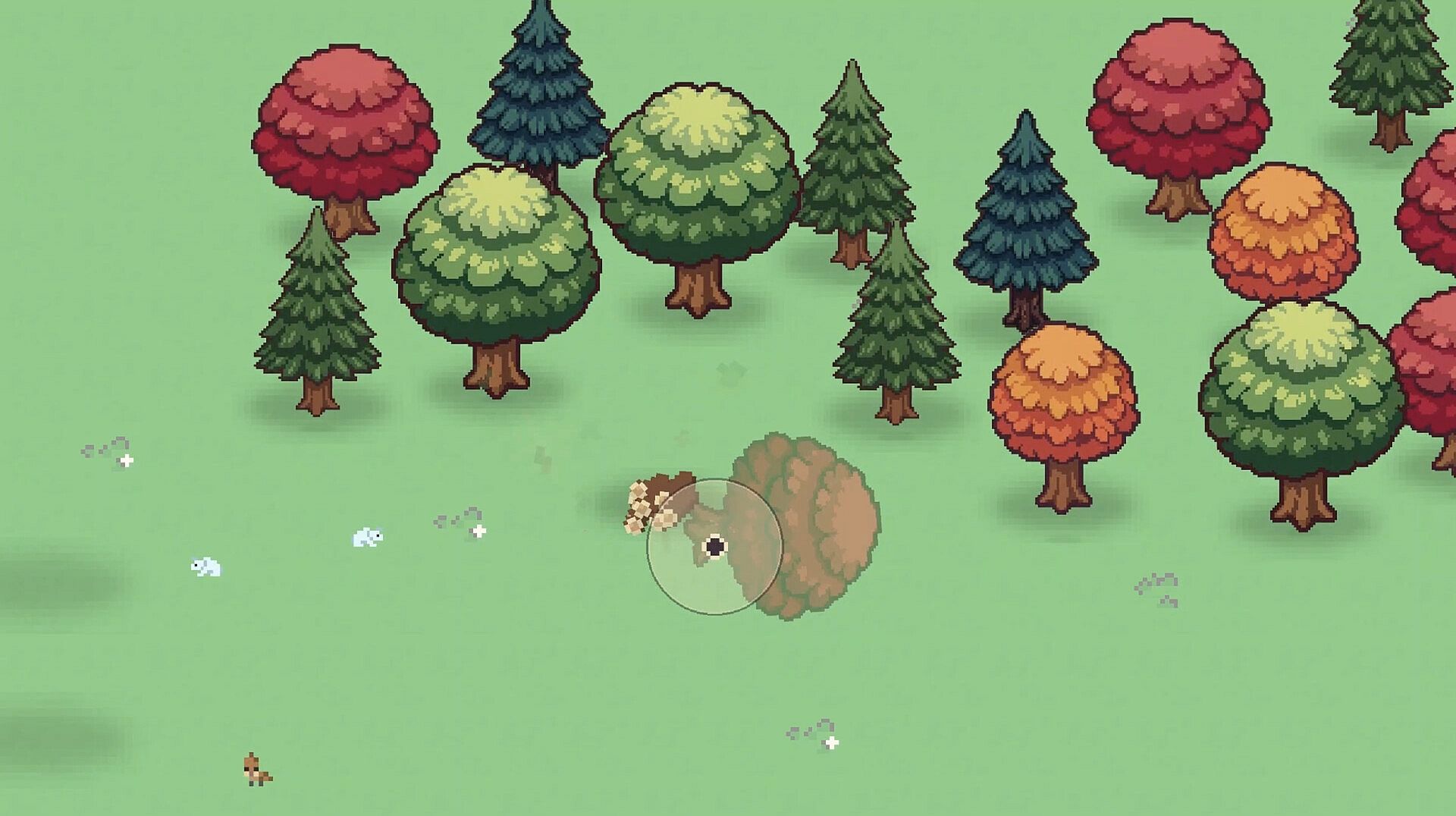


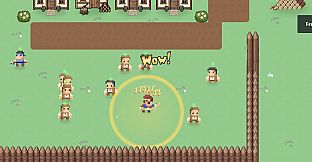

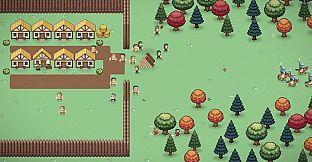
TIMBER! Idle Village Builder is a single-player idle strategy and simulation game for PC that blends resource gathering, village construction, and long-term progression. Players start with an empty forest clearing and expand a settlement through manual tree chopping and automated systems, advancing across five distinct ages while managing resources and worker assignments.
Gameplay
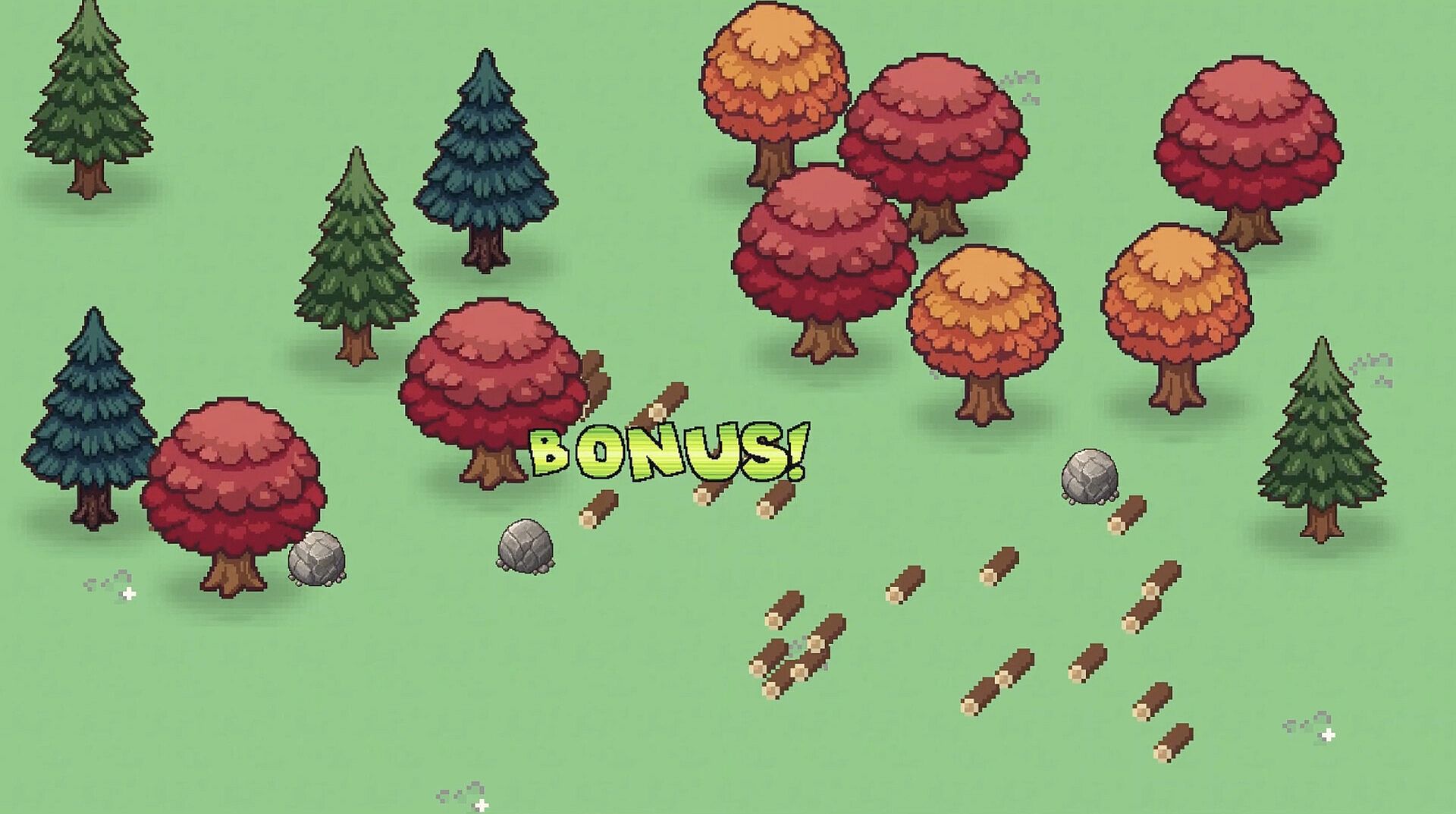
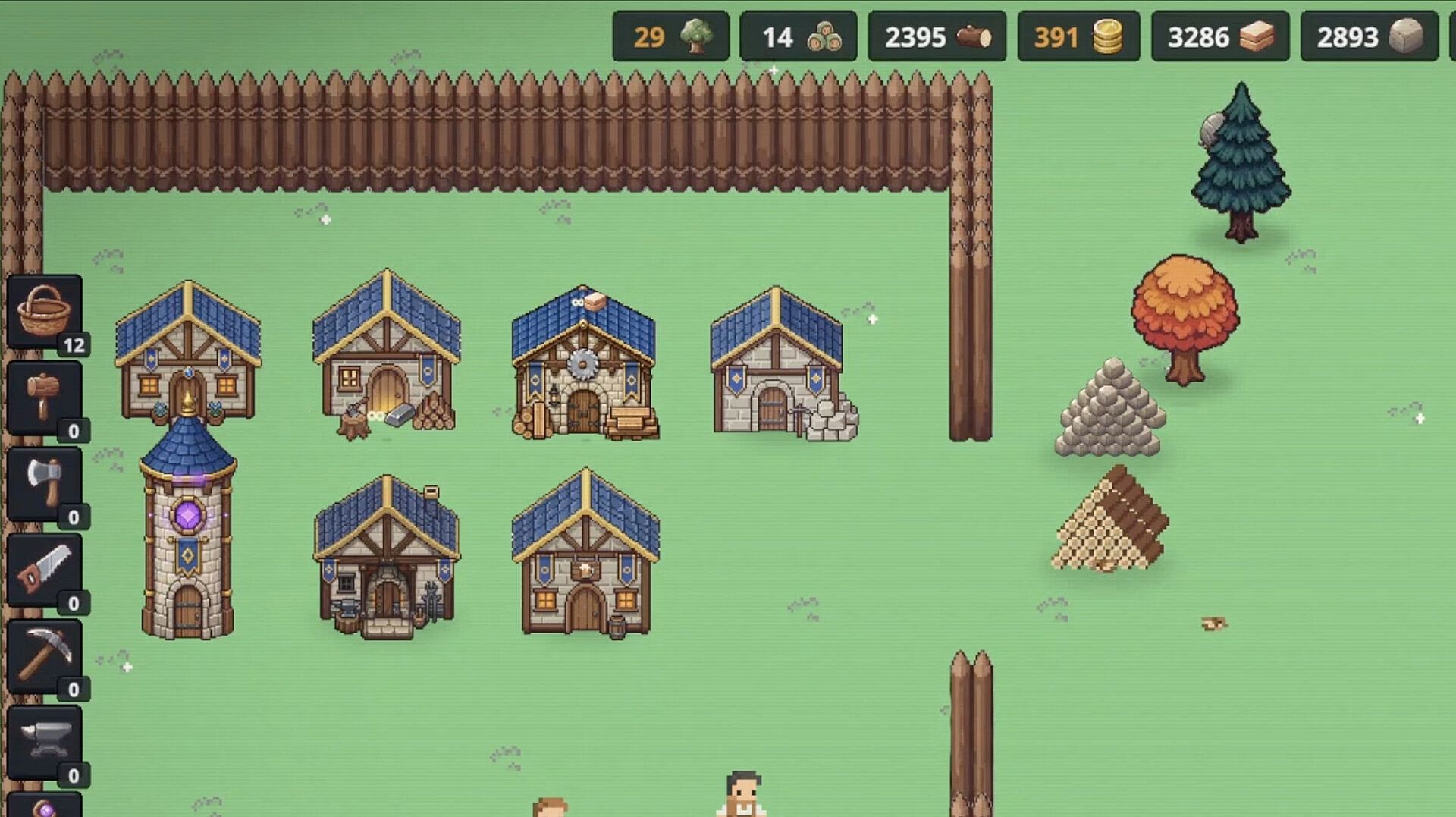
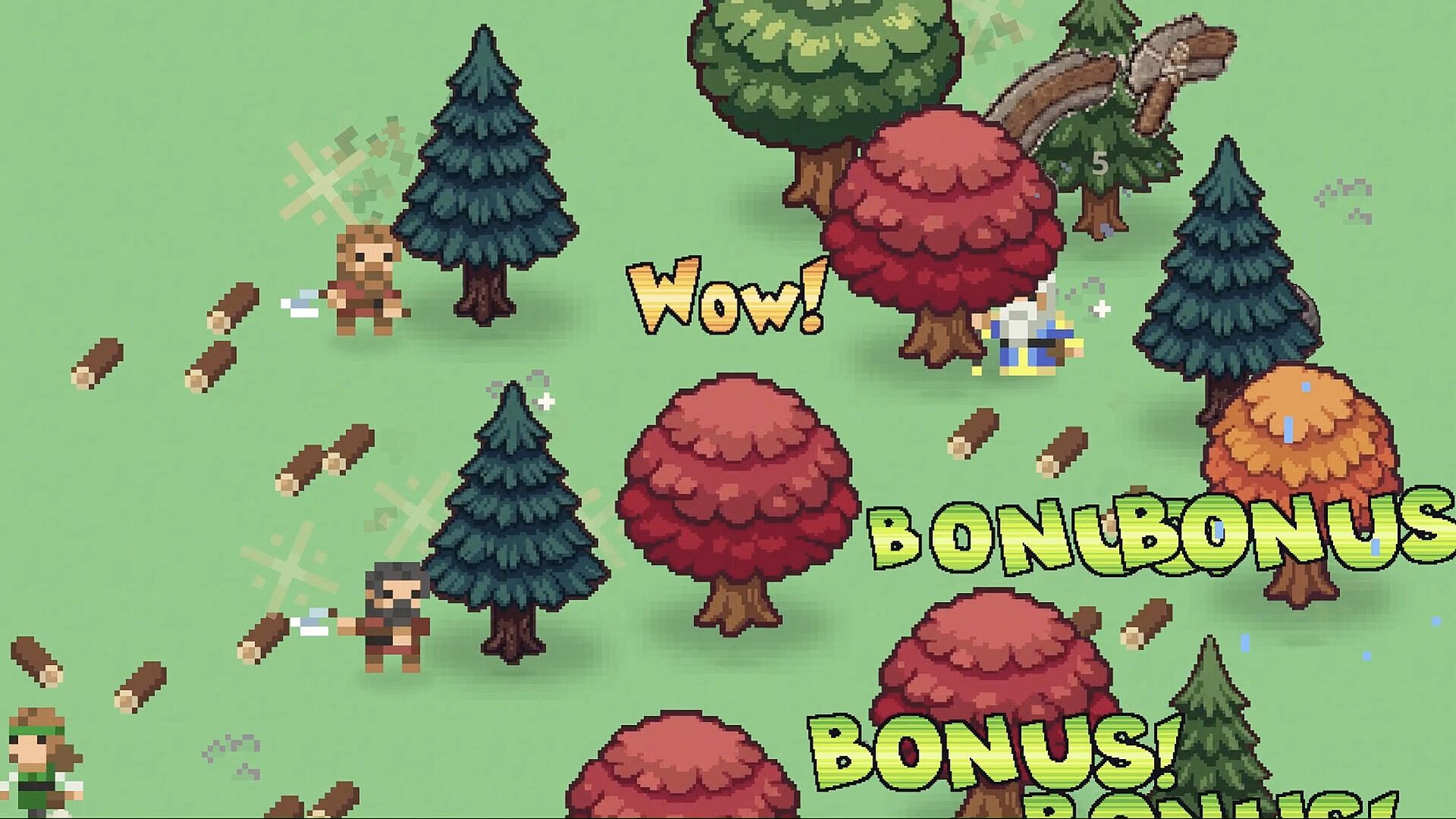
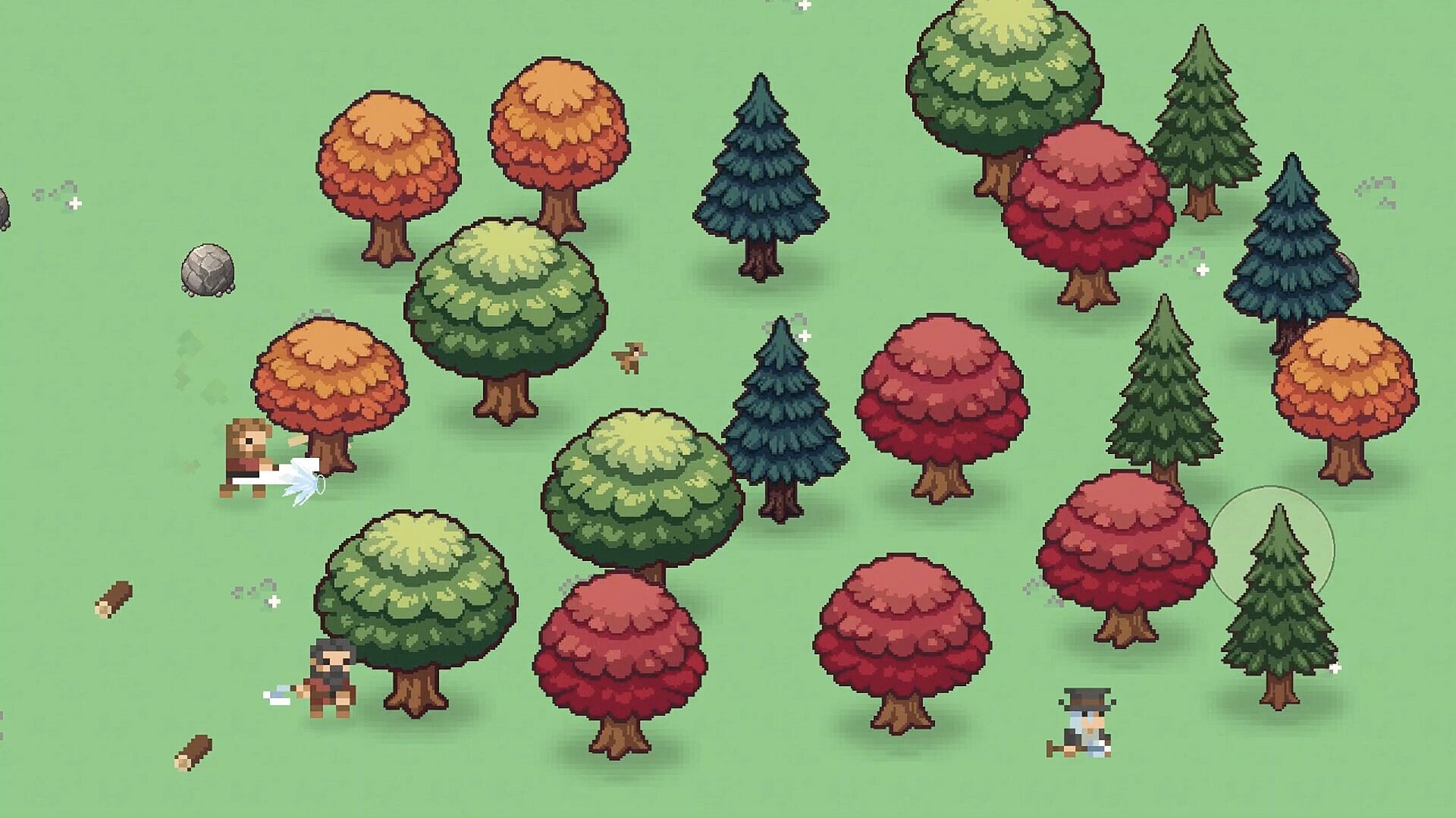
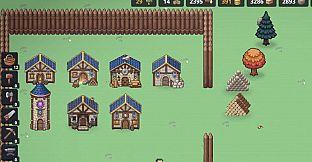
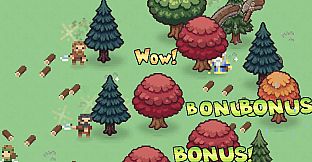
The core loop centers on chopping trees with an upgradable cursor axe that improves in power and visual effects across five tiers. Each swing scatters logs, and occasional bonus hits deliver extra timber. Wood fuels construction of houses, lumberjack huts, sawmills, quarries, forges, and towers, all placed on a grid where builders visibly haul materials and erect structures plank by plank.
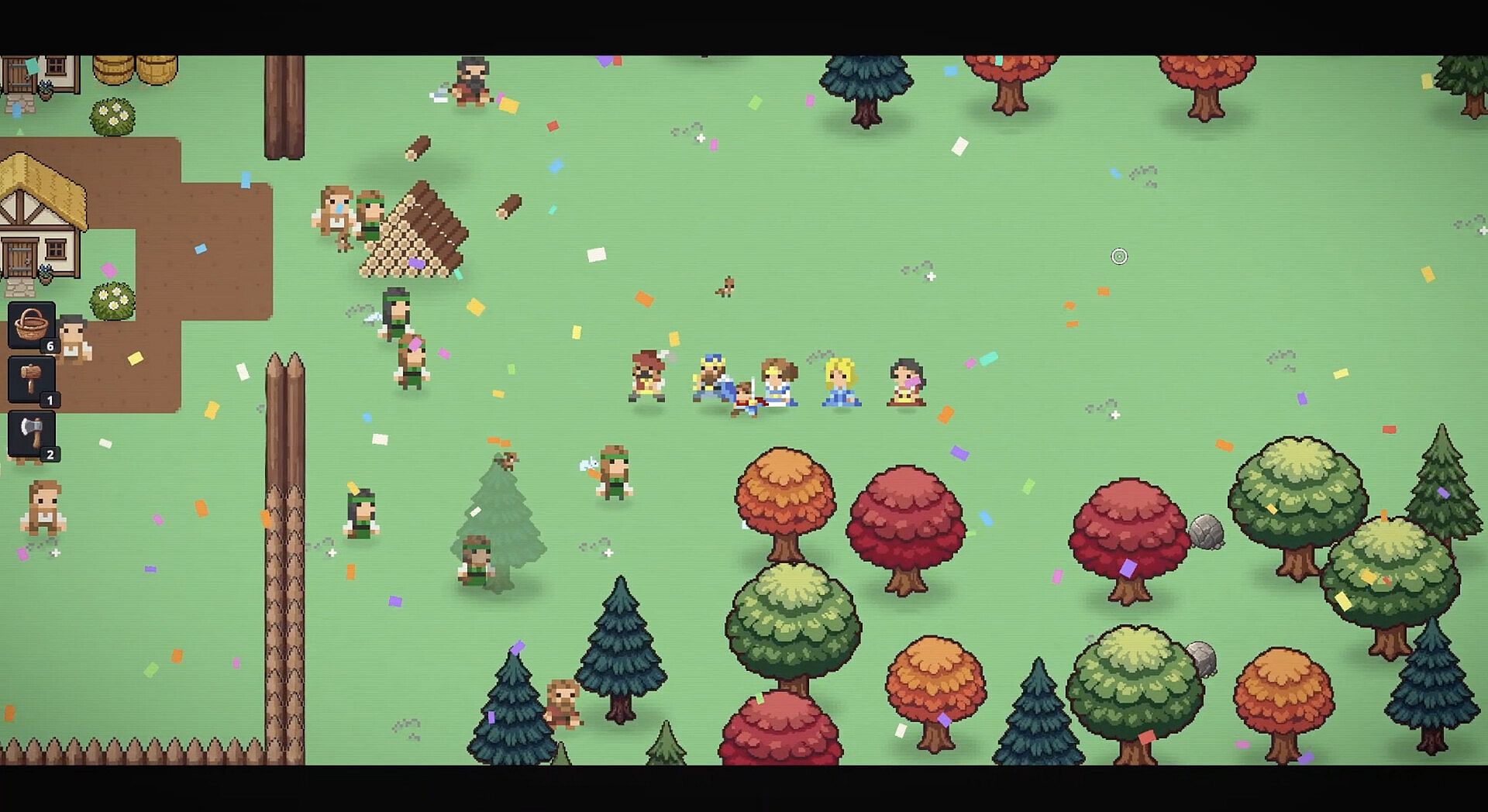
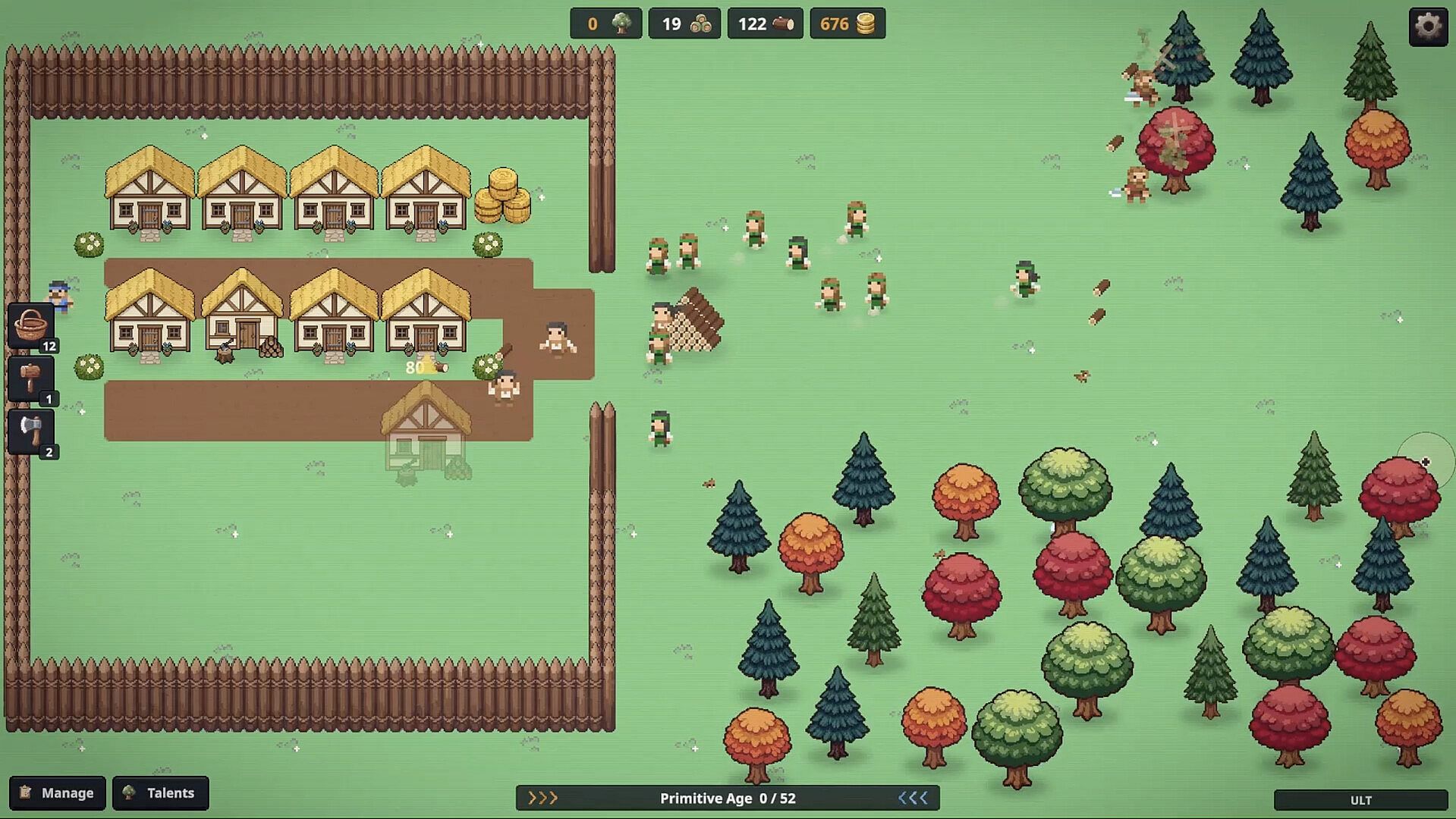
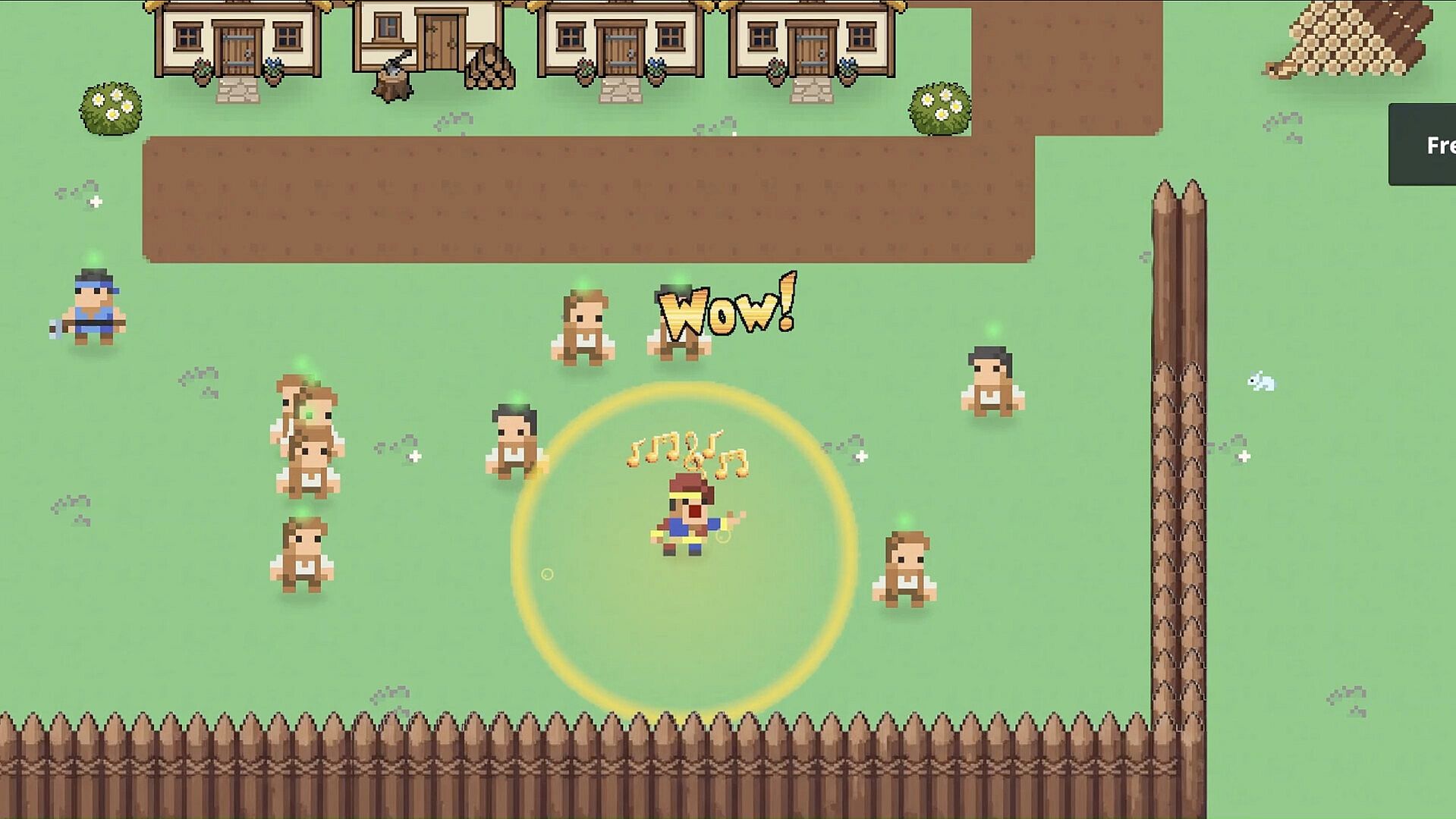
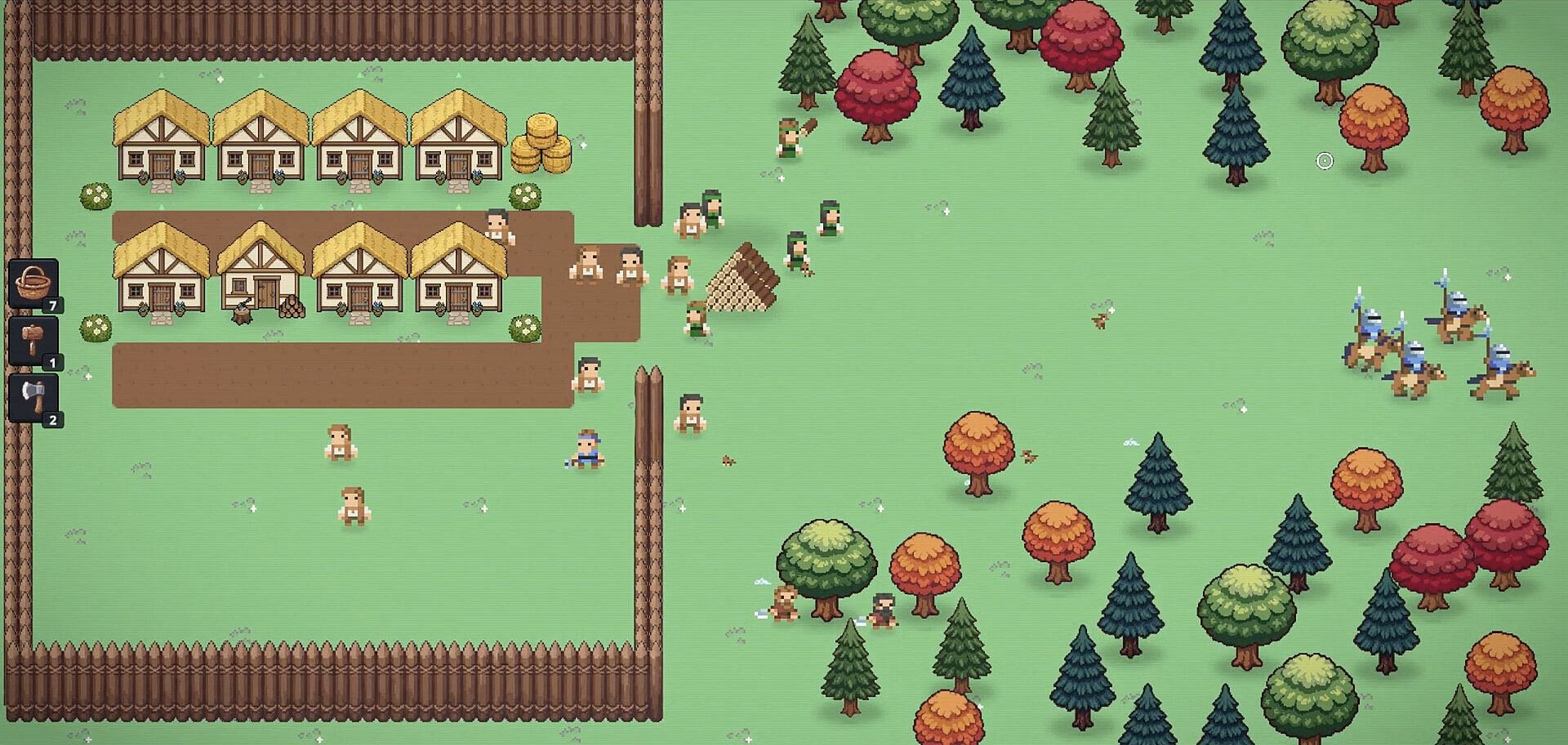
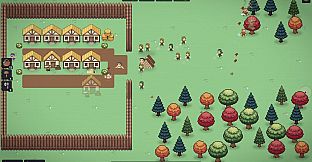
Upgrades tie directly to the current age, requiring resources appropriate to that era and visibly transforming the village appearance. Workers populate each building and perform visible tasks, turning raw materials into homes that attract more people. The settlement stays protected behind a palisade as it grows.
Renown earned during play unlocks a branching talent tree with over 50 nodes divided into four paths: Axe & Felling for improved chopping, Village & Automation for hands-off management, Economy & Resources for better yields, and Masters & Magic for specialized support. Players can specialize toward rapid felling, fully automated production, or efficient resource engines.
Five ages structure progression: Primitive, Wood, Stone, Iron, and Medieval. Each requires completing checklists of stockpiles, key buildings, and defensive walls. Completion triggers totem placement, instantly upgrading the entire village from straw to timber, timber to stone, and onward to medieval keeps.
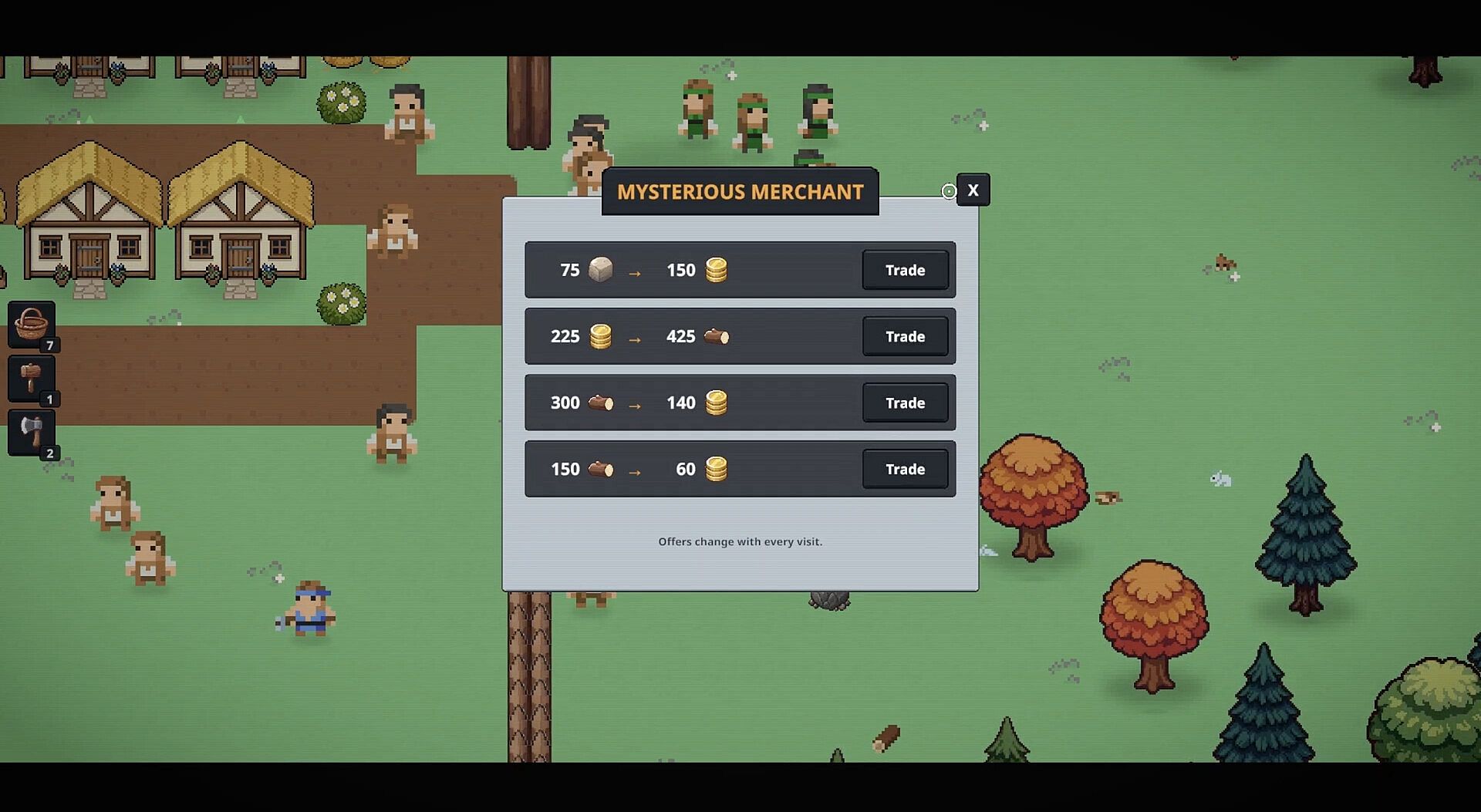
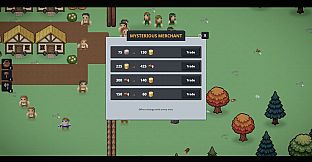
Forest events add variety as the treeline occasionally sends visitors. Thieves attempt to raid stores and disappear when caught, while merchants, treasure hunters, and nobles arrive with their own interactions. Masters such as the wizard and bard actively influence gameplay by regrowing trees or boosting nearby villager output.
Game Modes
The game operates as a single-player experience with no separate multiplayer or competitive modes. Progression relies on the main campaign-style loop of age advancement and talent investment, allowing different playstyles through talent choices rather than distinct modes. One approach emphasizes direct axe upgrades and manual chopping for fast early growth. Another focuses on automation buildings and talent paths that minimize player input after initial setup. A third prioritizes economic talents to generate surplus resources that fund further expansion.
These variations emerge naturally from the talent tree and building choices, letting players shift emphasis between active resource gathering and passive village management without leaving the core settlement-building framework.
Progression and Village Life
Building and upgrading follow a clear sequence where each structure starts as a foundation and rises visibly as materials arrive. Age transitions reshape the settlement entirely once checklists are met, rewarding steady resource stockpiling and defensive investment. The final Medieval age culminates in palace construction and the arrival of a royal court, marking the settlement's completion.
Specialist masters integrate into daily operations rather than serving as static decorations. Their movements across the map deliver ongoing buffs to tree growth or worker productivity, encouraging strategic placement near high-activity areas. Random forest visitors introduce light management challenges, such as intercepting thieves before they reach stores.
Is It Worth Playing?
TIMBER! Idle Village Builder suits players who enjoy relaxed idle progression combined with visible construction and incremental upgrades. The talent system supports multiple approaches, from hands-on chopping to automated economies, while age transitions provide clear milestones. Since the game remains in a pre-release state with no player reviews available, its appeal rests on the described systems of tree harvesting, grid-based building, and master-assisted village management. Those drawn to strategy and simulation titles focused on settlement growth from a forest clearing will find a cohesive loop centered on resource flow and long-term transformation.
