




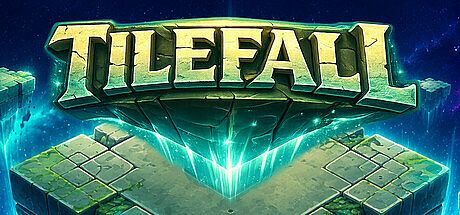



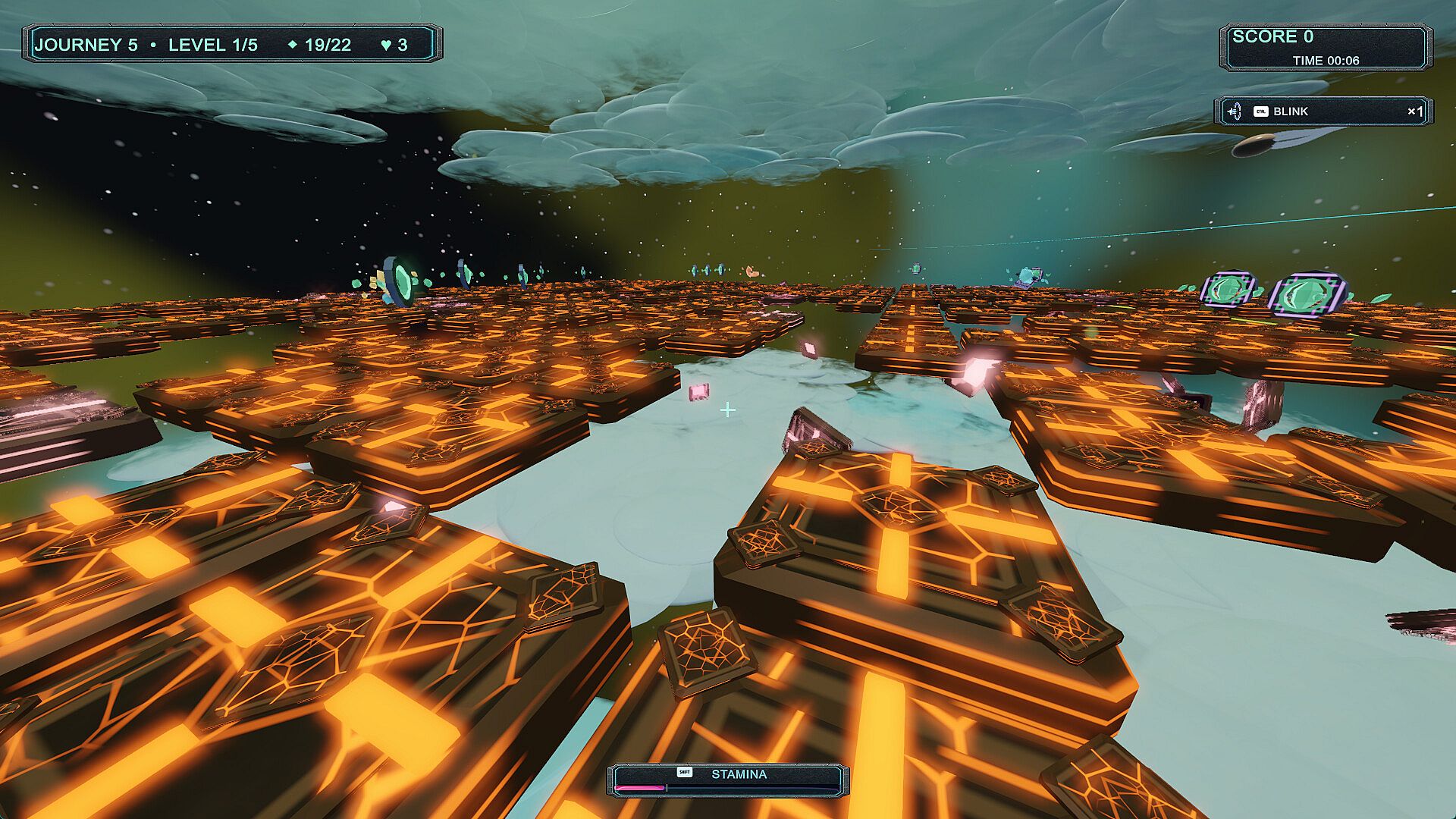
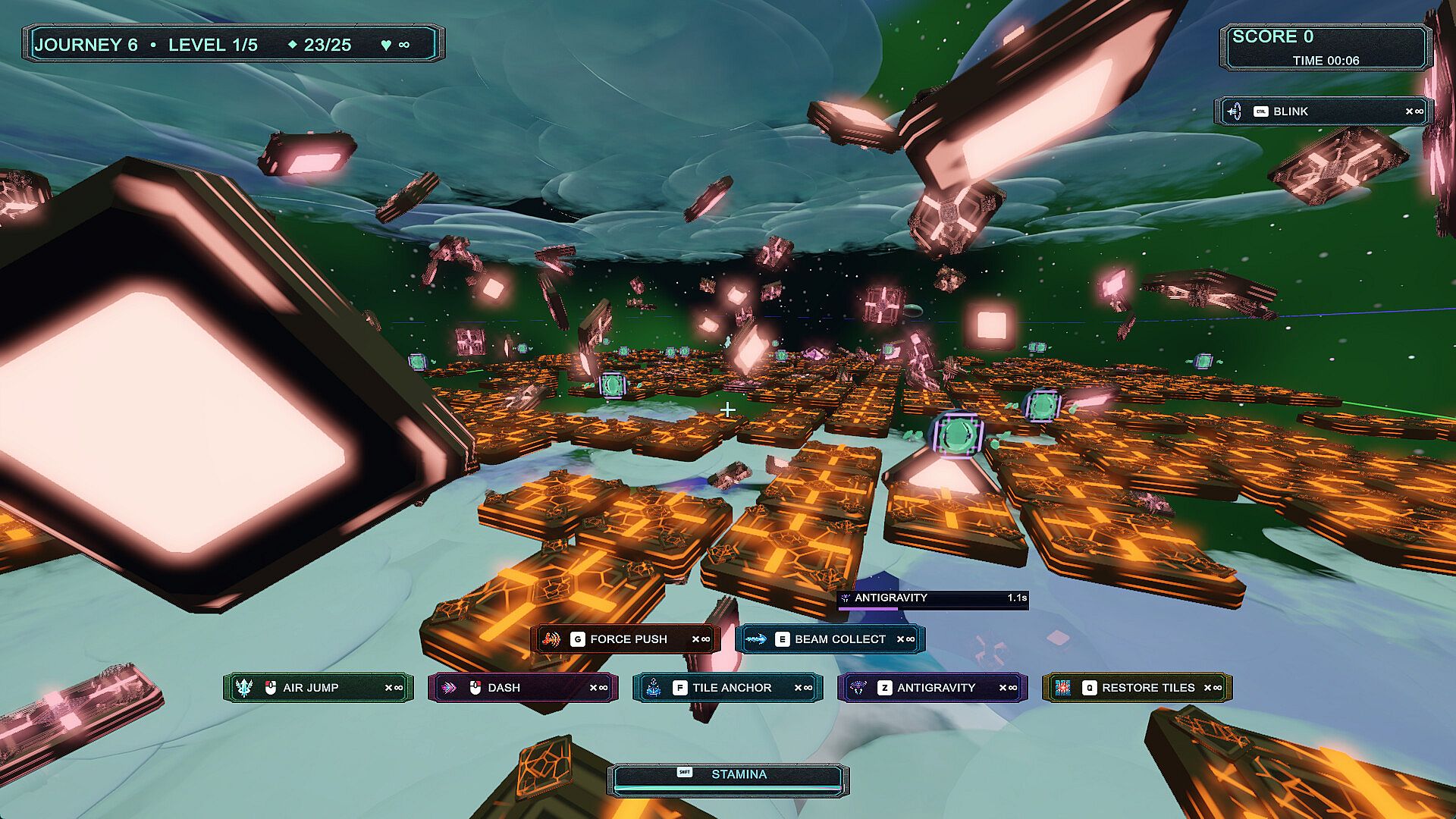
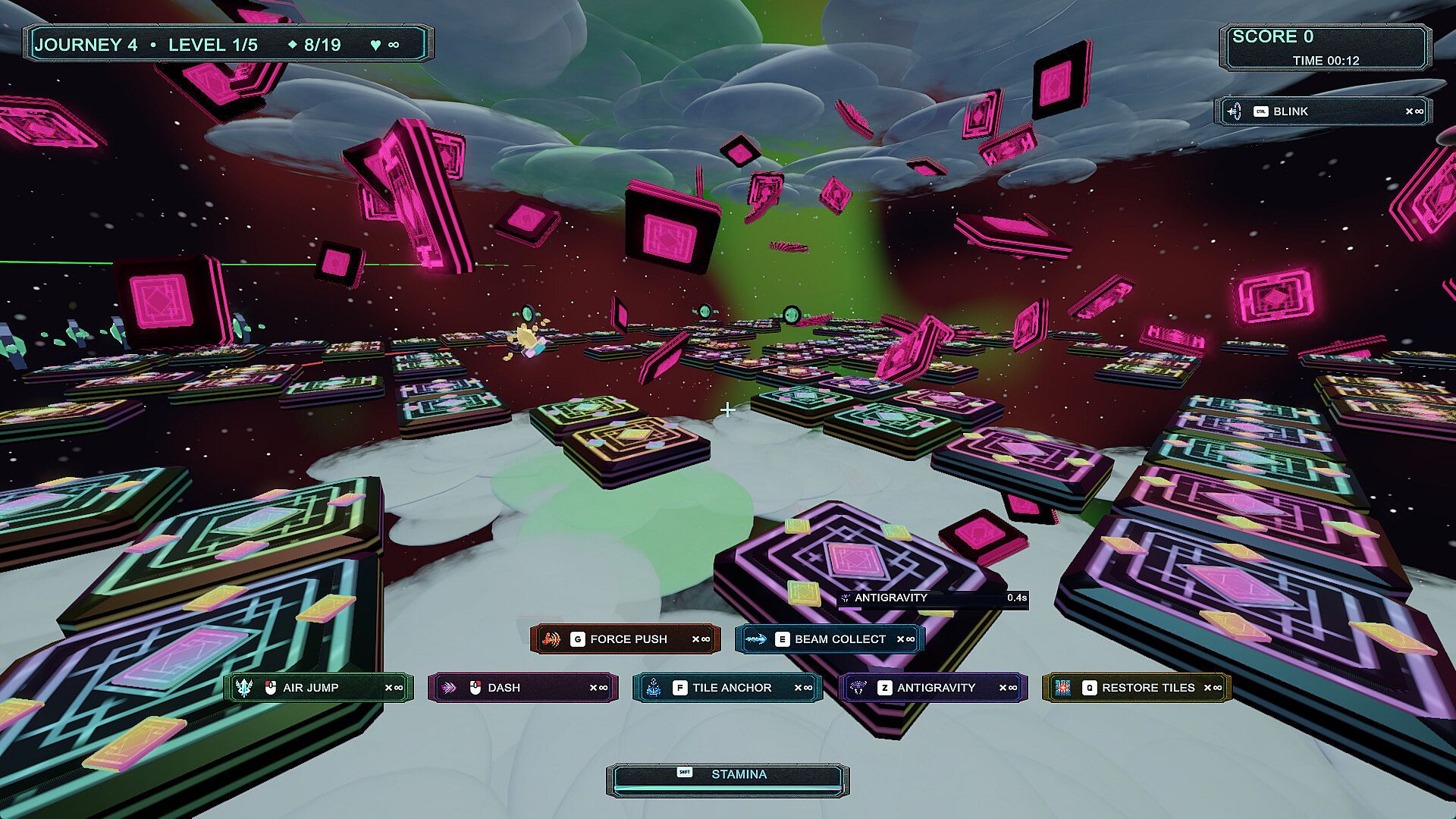
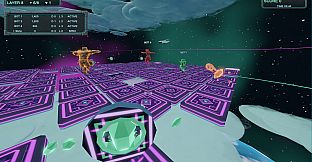
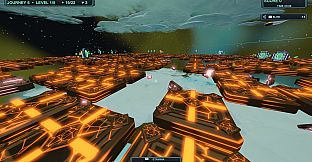
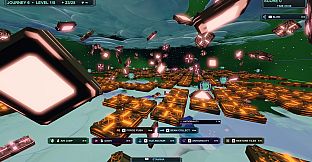
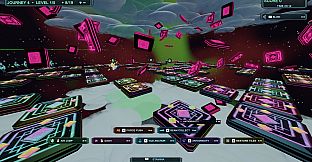
Tilefall é um jogo de ação e sobrevivência em plataforma indie para PC, no qual os jogadores correm e saltam por uma arena cujos blocos desaparecem a cada passo. O ciclo principal exige impulso constante, movimentos precisos e decisões rápidas enquanto o chão some atrás do personagem. Com uma única ameaça persistente, o jogo valoriza a leitura antecipada do tabuleiro, o compromisso com trajetos e a recuperação de erros sem nunca parar.
Gameplay
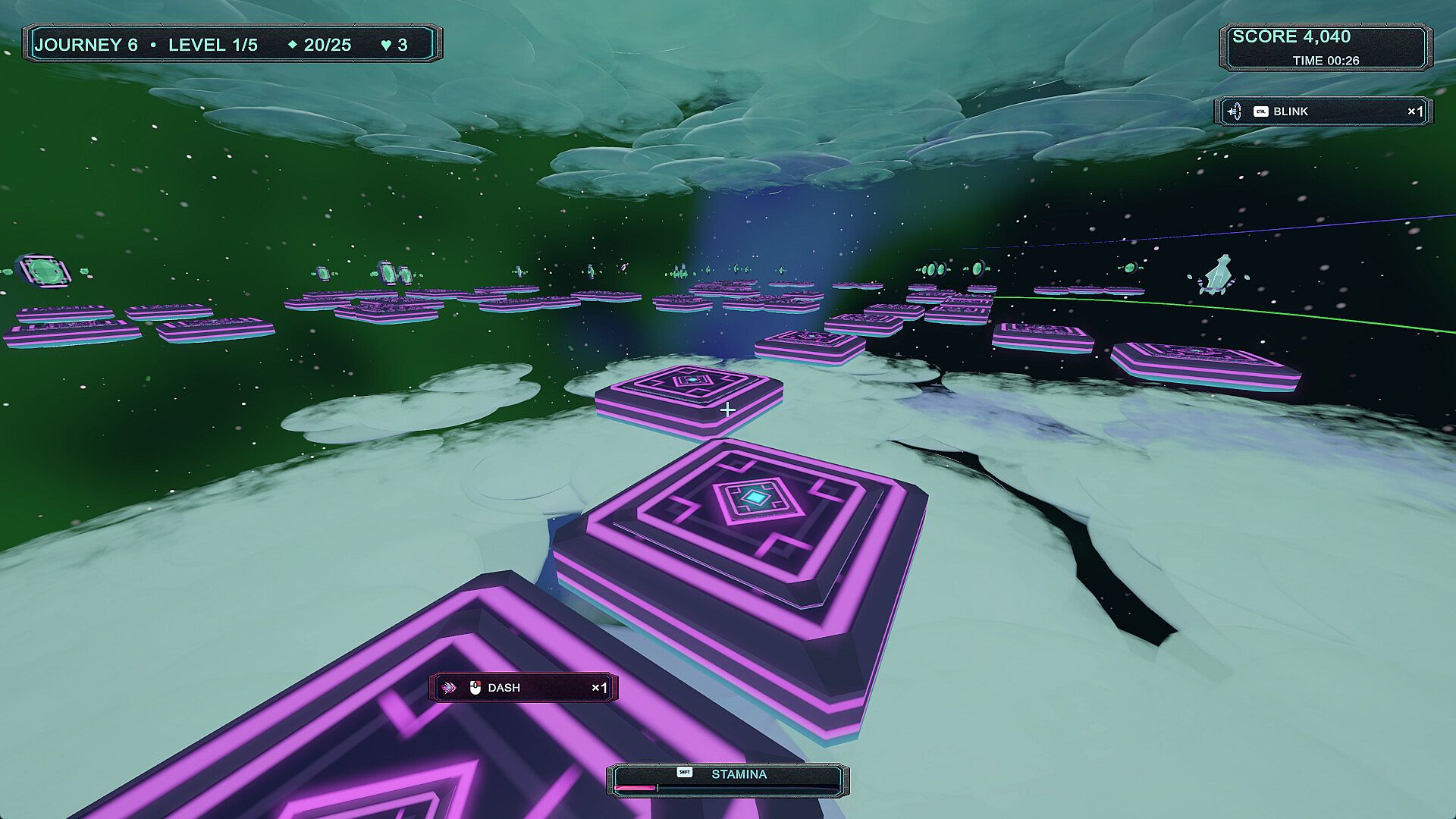
O mecânica central obriga o jogador a se manter em movimento, pois o chão seguro some em tempo real. Os blocos reagem de forma dinâmica, gerando buracos, áreas instáveis e obstáculos variáveis que exigem planejamento de rota no momento. O movimento inclui corrida, saltos e ações de recuperação que permitem pequenos ajustes após um erro. Power-ups surgem para serem coletados e podem ser usados estrategicamente para prolongar a partida ou superar trechos difíceis. Colecionáveis oferecem objetivos secundários sem desviar o foco principal de sobrevivência e pontuação.
Cada tentativa equilibra velocidade e controle. Avançar com agressividade demais pode deixar o jogador sem saída, enquanto hesitar permite que a arena elimine opções. O tempo preciso e o uso oportuno de habilidades ajudam a corrigir falhas. O sistema recompensa quem aprende a identificar padrões no comportamento dos blocos e improvisa quando a rota prevista desaparece.
Modos de Jogo
O Modo Jornada organiza as partidas em sequências progressivas por vários níveis. Cada jornada aumenta a pressão com layouts mais apertados, colapso mais rápido dos blocos e aberturas mais perigosas. Completar um nível concede uma vida extra para a jornada atual, incentivando consistência à medida que a dificuldade cresce. O jogador acompanha tentativas, conclusões, melhores tempos, melhores pontuações, colecionáveis e blocos caídos em cada jornada e nível. Ferramentas de replay permitem refinar rotas e melhorar classificações em conteúdos já concluídos.
O Modo Endless elimina qualquer ponto final. A arena continua se deteriorando indefinidamente, transformando a sobrevivência em um teste de quanto tempo o movimento e as decisões conseguem se sustentar. O foco passa a ser apenas a busca por recordes pessoais de pontuação e tempo, sem a segurança de um destino.
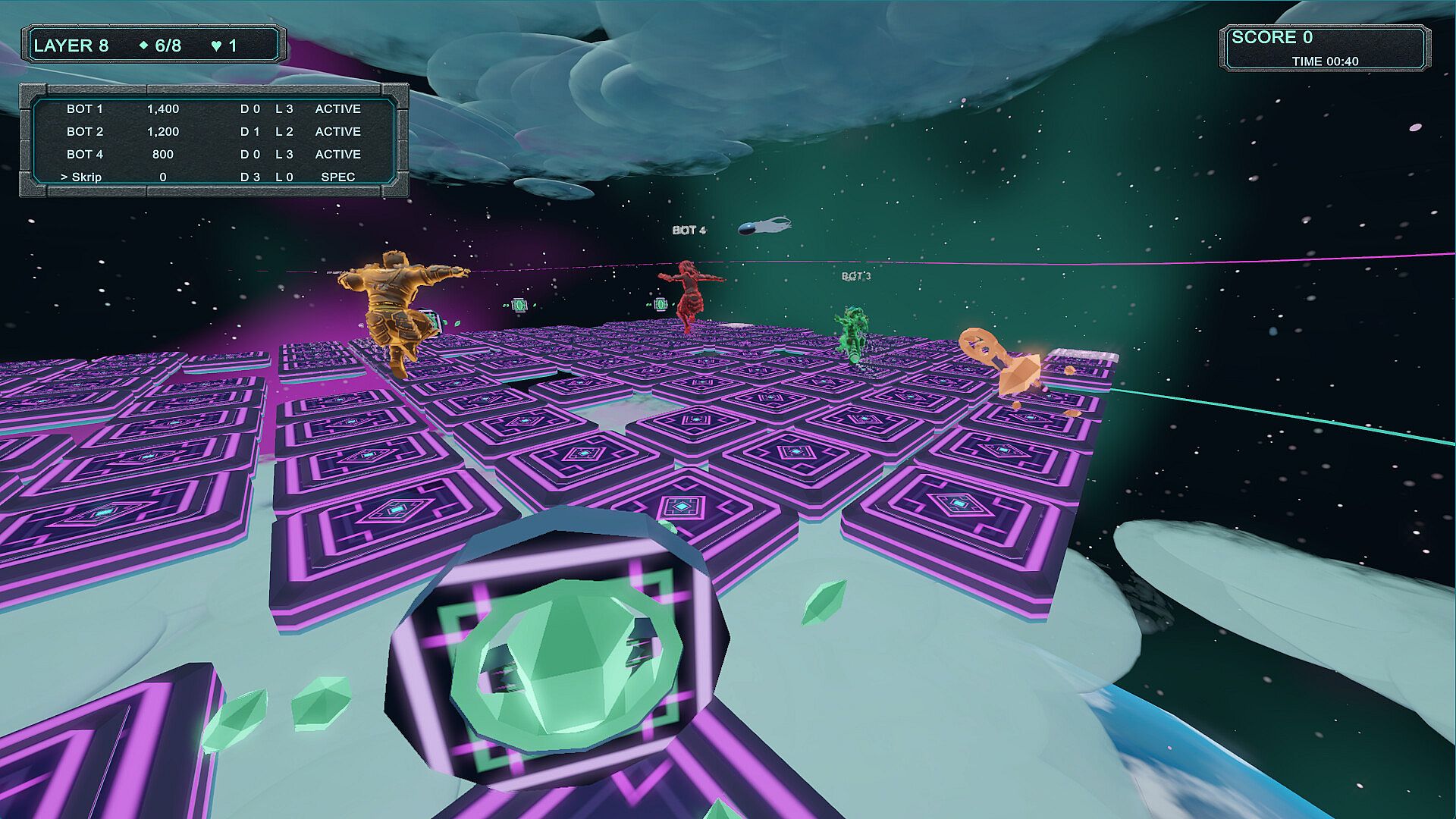
Os Jogos Personalizados permitem partidas privadas para cooperativo ou competitivo. O jogador configura vidas, ritmo, spawn, dificuldade e regras específicas para as variantes Jornada ou Endless. As partidas podem ser feitas com amigos ou sozinho para treino. Os lobbies registram vitórias em sessões repetidas, e jogadores eliminados podem assistir até o fim.
Progressão e Estatísticas
Tilefall registra dados detalhados de desempenho após cada tentativa. Os melhores tempos e pontuações aparecem junto com taxas de conclusão de jornadas e níveis, totais de colecionáveis e contagem de blocos caídos. Relatórios por nível mostram tentativas, falhas e sucessos para destacar pontos de melhoria. As teclas e controles podem ser remapeados livremente para diferentes preferências de entrada, enquanto a detecção automática de idioma oferece suporte a vários idiomas com opção de ajuste manual.
A rejogabilidade vem da combinação entre a progressão estruturada do Modo Jornada e os desafios abertos do Modo Endless. Cada tentativa gera novos objetivos por meio de estatísticas atualizadas, incentivando o jogador a otimizar rotas e avançar mais antes que a arena desabe por completo.
Vale a Pena Jogar?
Tilefall é voltado para quem gosta de experiências rápidas de plataforma e sobrevivência baseadas em ambientes reativos e movimento de alto risco. Os modos single-player oferecem pressão crescente nos formatos Jornada e Endless, enquanto as opções personalizadas de cooperativo e PvP estendem a experiência para grupos. Com lançamento previsto para agosto de 2026 e ainda sem avaliações, o interesse dependerá de como o ciclo central de blocos que desabam agrada fãs de platformers de precisão e desafios de sobrevivência. O rastreamento detalhado de estatísticas e os recursos de replay oferecem incentivos claros para novas tentativas após o lançamento.
